



We recently connected with Jaime Ransome and have shared our conversation below.
Jaime, appreciate you joining us today. Are you able to earn a full-time living from your creative work? If so, can you walk us through your journey and how you made it happen?
I have just begun my career as a full-time independent curator and consultant. This January the gallery I ran for the last 2.5 years closed – the decision to close was not mine. I was told by the director of our parent organization that the gallery was closing and therefore my position as Gallery Manager no longer existed. I uprooted my whole life to for that job as Trolley Barn Gallery Manager and in one day the job that has become by purpose was just gone. I got another job an hour away working at the front desk of a gallery that was almost 35 years old. Going from running my own space with my own staff to being a “front desk girl” was devastating. I started looking for other work and got 4 interviews to run a gallery similar to the one I’d lost but with a better location, budget, and resources. I had 4 interviews, but they didn’t hire me. The same week they told me I didn’t get the job was the same week my front desk job fired me for inconsistency – I hadn’t been able to make it to work regularly because my car had broken down making the hour commute four days a week.
So I had two choices, get another job in another gallery or… start my own business. During my time working the front desk I had enough time during my 3 days off a week so do studio visits with local artists and create proposals for exhibitions I’d love to curate. I had developed quite a network of artists and my first independently curated exhibition in March (shortly after my gallery closed) had been a huge success. I thought getting fired and rejected in the same week was going to start a horrible spiral of unemployment and borrowing from my parents but to my surprise I woke up the next week with an inbox full of emails. Artists were emailing me to see if I could come by there studio to evaluate their work, local galleries wondering if I had time to stop by to see their exhibitions and propose shows for their spaces, and even my former boss had told her friends about my social media skills and suggested I help with IG promotion of their businesses. I was out of work but somehow I had jobs lining up and because I’d been unavailable for so long everyone assumed I was incredibly busy. It’s been almost hyerstical. I was so worried that I wouldn’t have anything if I wasn’t attached to an establishing space and it has become clear that the small steps I’ve been making for the last year to build my reputation, my philosophy and my network has actually paid off. Now I’m turning down projects I don’t have time for and my email is full every day of people searching with opportunities to work with me.
Great, appreciate you sharing that with us. Before we ask you to share more of your insights, can you take a moment to introduce yourself and how you got to where you are today to our readers.
When I was in high school I was severely depressed. My parents connected me with a local non-profit arts organization thinking the classes may give me some purpose. My father is a painter, my mother is a writer. The program they put me in was for film in the heart of Poughkeepsie NY in a program now called to as The Art Effect. At The Art Effect I learned film and script writing skills and create a few short films that allowed me to get into film school at Syracuse University. I completed by BFA in Film at SU and after a few years I started working at the local Black art gallery for a woman who would become my mother-in-law. After two years at Community Folk Art Center, I went back to school to get my Masters in Museum Studies.
The last semester of my last year of grad school was Jan – May of 2020 so when COVID stopped classes right at the end of my last semester I found it hard to complete my required internship. It took me all of COVID to find a internship that would work with me virtually and just as I finished my last requirements The Art Effect contacted me to let me know they has opened an art gallery, the Trolley Barn Gallery, and they wanted to hire me to teach curation and art history for the youth curation team. I accepted the job and moved from Syracuse to my hometown of Poughkeepsie to start my new job.
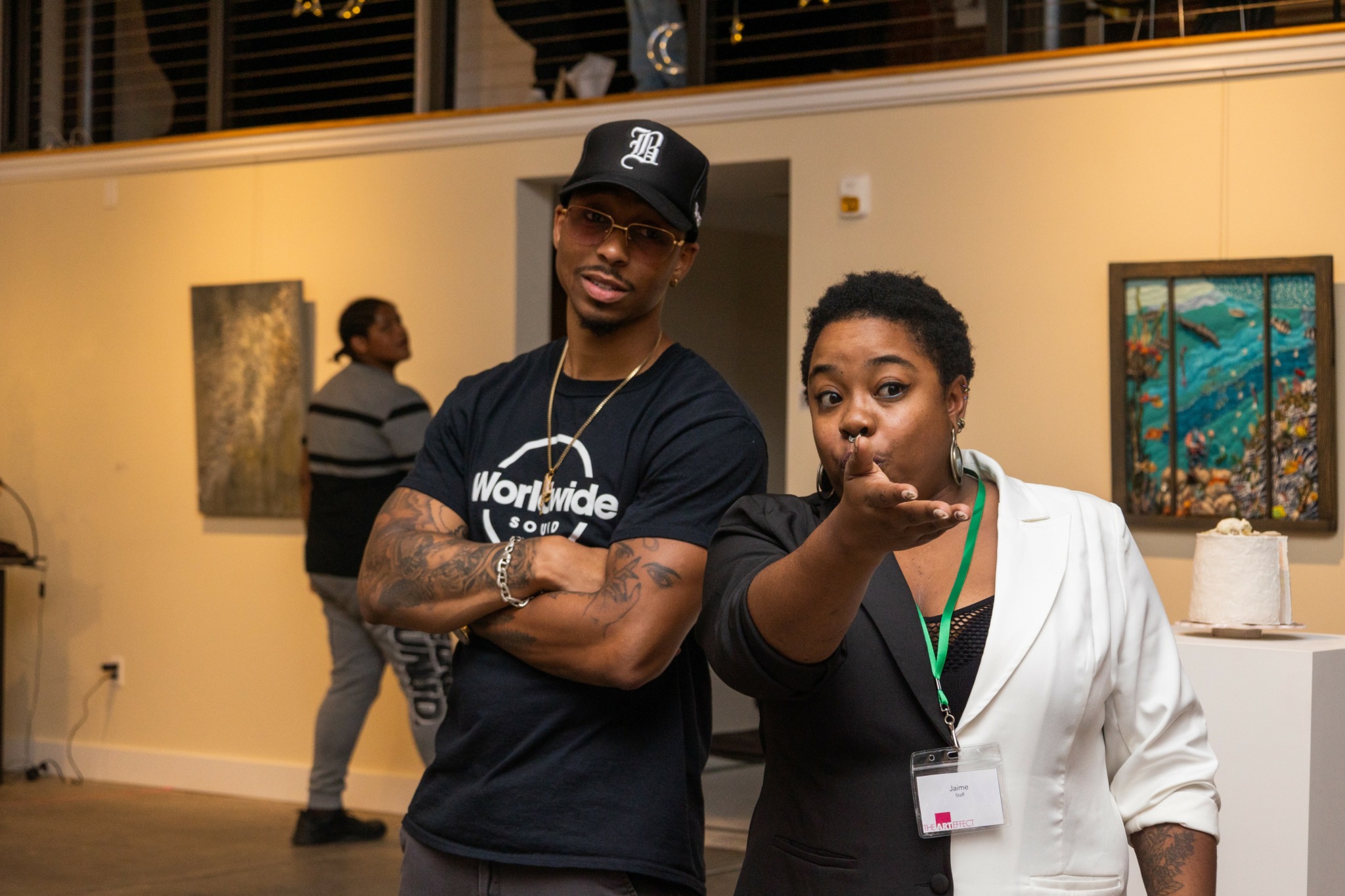
After one day on the job my supervisor, the Gallery Director, quit. I was offered the position of Gallery Manager on top of my duties as Curatorial Team Instructor and I accepted… not realizing what that really meant. It meant I was a team of one, running the largest, newest contemporary art space in the county. I was in a building physically separate from the rest of The Art Effect staff. I was expected to run a functional gallery space while also teaching my only support staff (a group of teenagers curator I was also expected to train in every aspect of gallery management). I was happy that The Art Effect’s social media manager was also stationed at the gallery and the two of us work for two years to build the space up from the ground and inspire a new generation of curators to bring our technique and philosophy to the rest of the city.
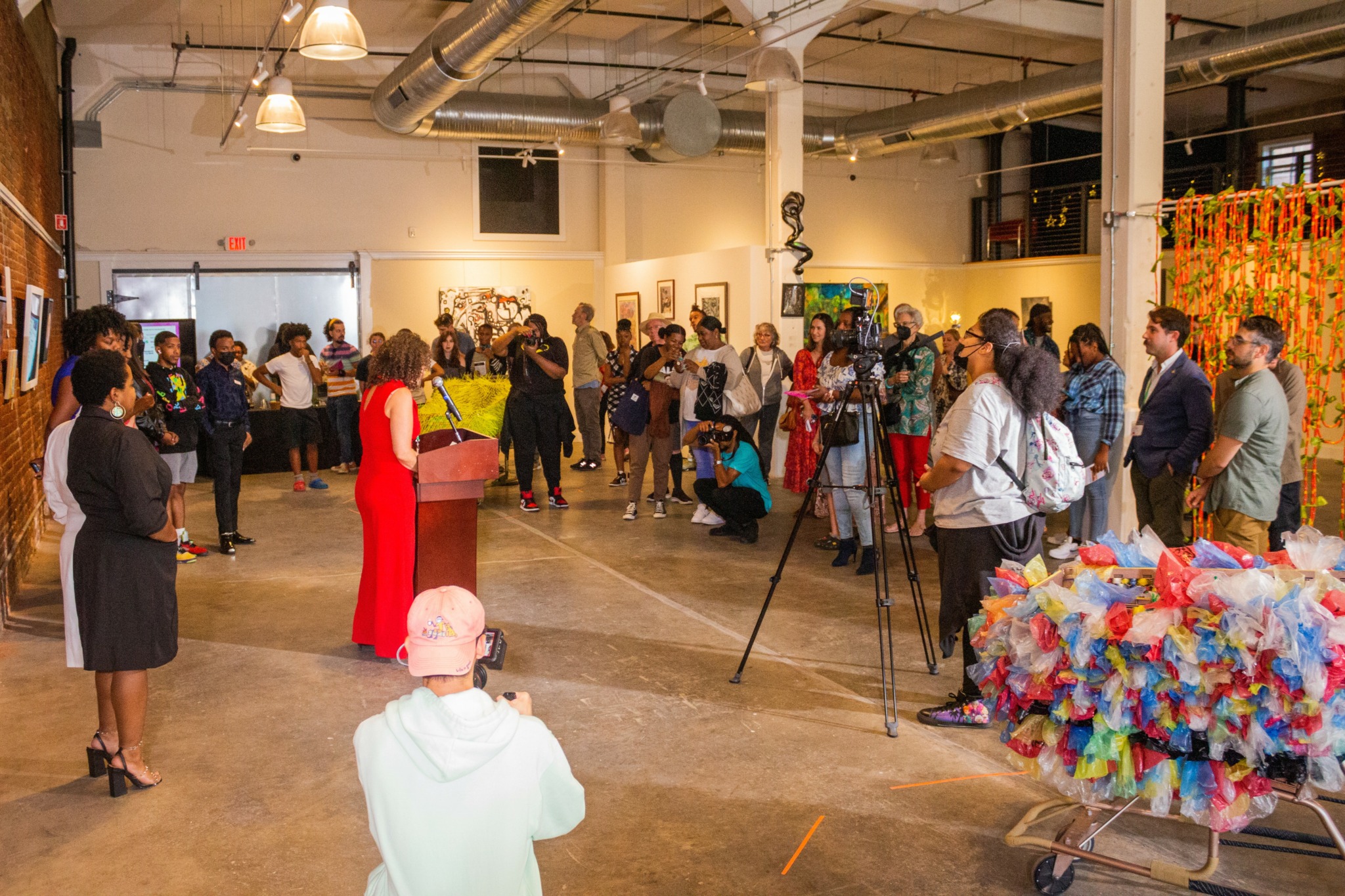
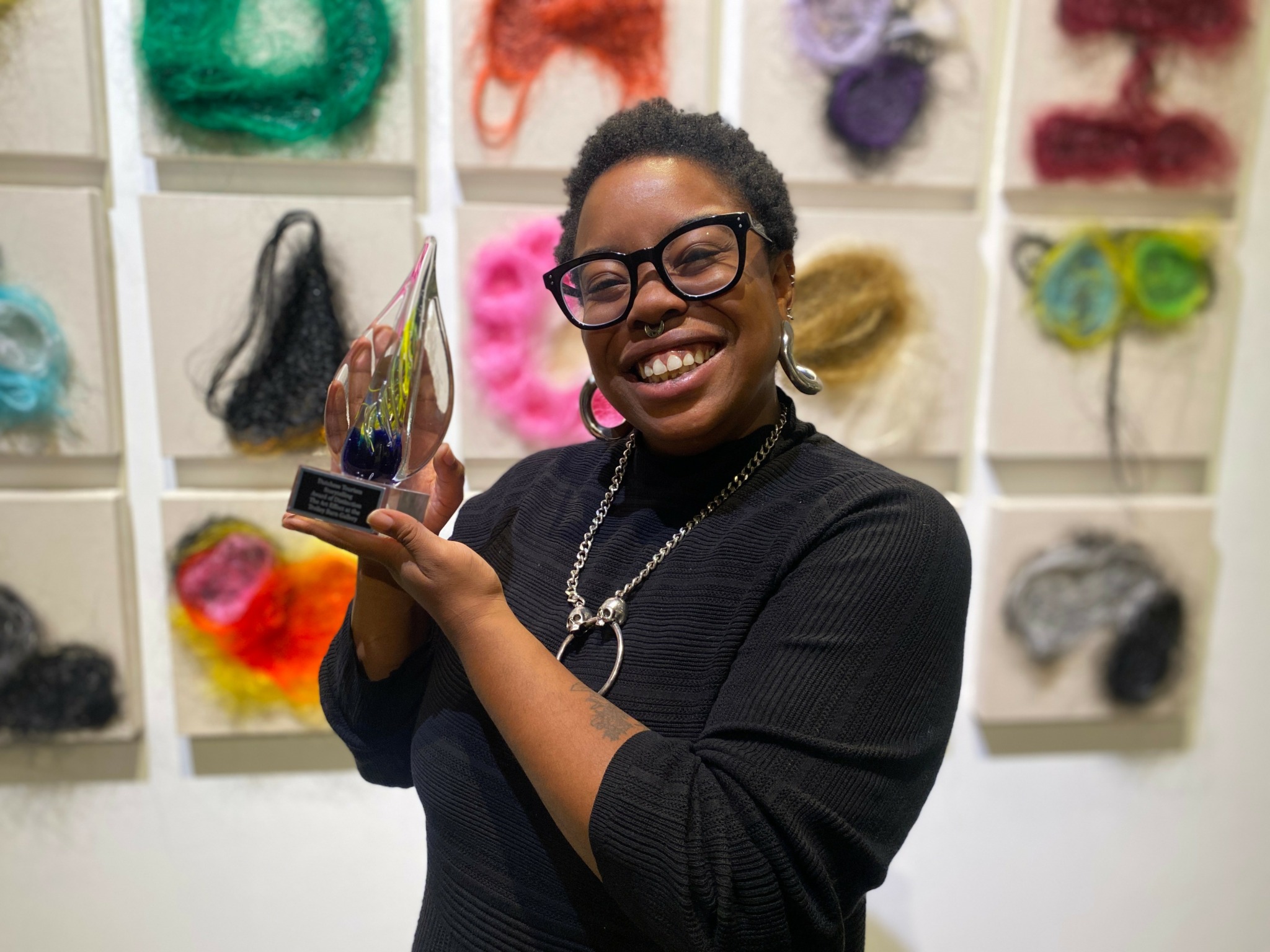
The Trolley Barn Gallery is on the center of Main Street of Poughkeepsie, between the waterfront and Vassar College. It is a cultural deadzone, where drug addicts and dealers hangout, where locals pop in an our of speciality shops on their way to the suburban (safe areas) of the city. The gallery was placed there to bridge the gap between the two ends of the city and to make that area into a youth arts district that would revitalized downtown. We put on weekly events, an annual youth arts festival, hosted 6-7 fine arts exhibitions a year and handed out water and arts supplies to anyone who entered the space. I’ve taught about 40 local teens the skills of fine art curation, art handling, and art writing as well as transferable skills like resume writing, interview prep, and public speaking. While the gallery was open we won a Dutchess Tourism Storytelling award for our contemporary Black art exhibition, “quiet as it’s kept”. We had open calls for some of our exhibitions, which require intense deliberation and facilities understanding. We also selected artists for curated shows, allowing the teen curators to go on studio visits and review exhibition proposals. Every exhibition was installed and deinstalled by the students, giving them the opportunity to see a variety of packing methods and created great group bonding activities. During the summers we did an intensive program that included NYC gallery trips and writing assignments. Teaching allows me to learn and to keep my skills sharp as I reinvent my teaching practices to mold to each new group of your curators. And the artists I met through the open calls broadened my understanding of practice and style and allowed me to meet hundreds of artists I wouldn’t otherwise.
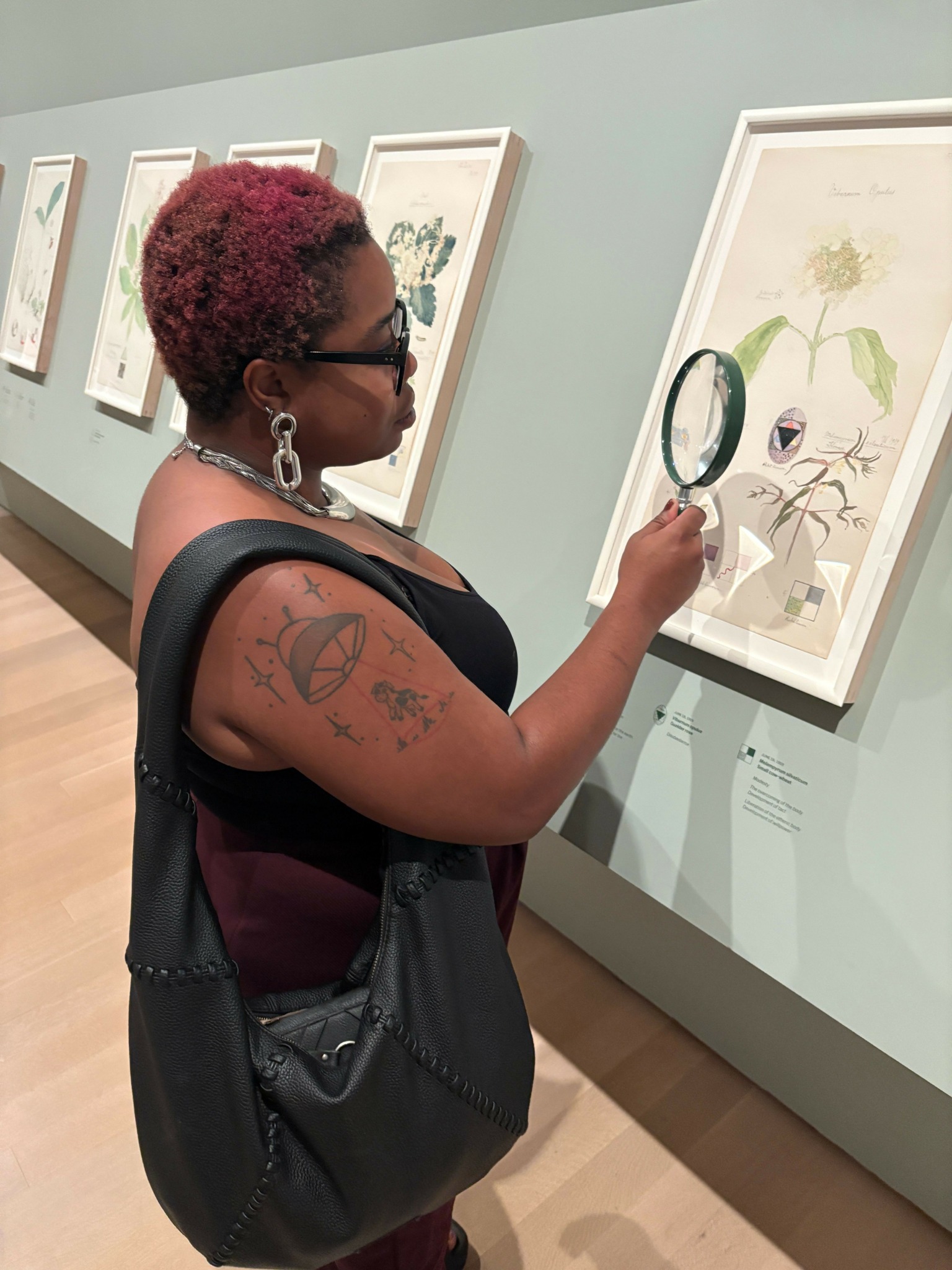
Now I work with artist individually to help them get into gallery spaces and sell their work. I work with local art spaces to pair them with artists who reflect their mission and ideals. I document all of my work and my artists work for social media, as I learned alongside the Trolley Barn Gallery’s social media manager. And I now teach art history as an adjunct professor at the local community college so I can stay plugged in to how young people think and interact with art. I choose to teach art history through a decolonizing lens, meaning I show examples of art history from non-white, mostly non-male artists. And I create my own exhibitions inspired by everything I’ve learned that create unique, site responsive experiences for my audiences with community driven exhibition events.
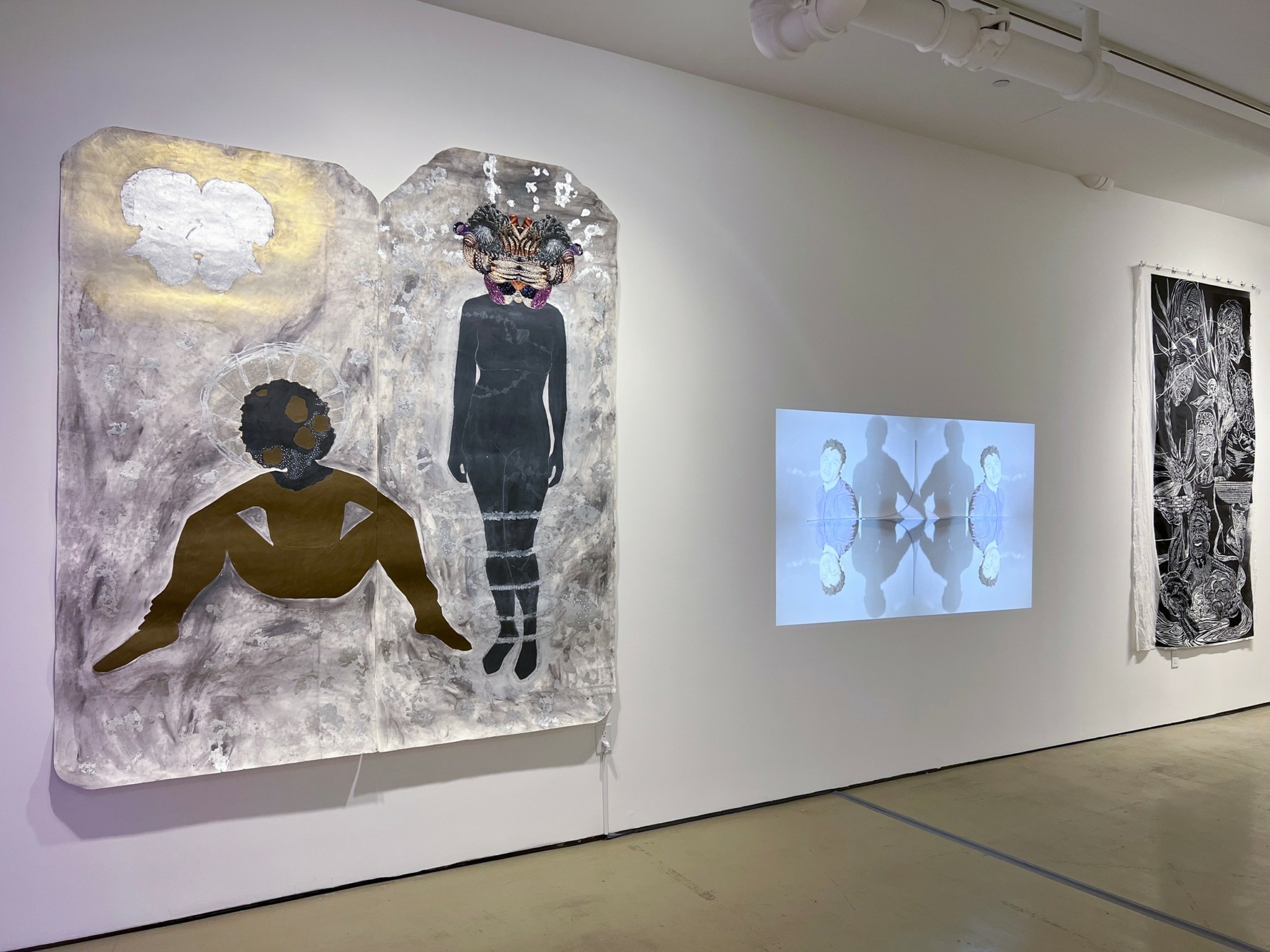
In March of 2025 I put together my first independently curated exhibition, The Destiny. That exhibition showcased 5 Black, Indigenous, and Latinx artists who embodied the themes in Octavia Butler’s “Parable of the Sower”. The book is about a group of displaced people, walking from one end of California to the other to escape fires, climate change, and mass poverty – on their journey the main character develops a new religion whose main purpose is to get Black people into space and starting a new community on a new planet, free of fear. I gathered artists whose work explored the resources embodied in indigenous culture that would allow such a journey to be a success and other artists so illustrated our potential future as we become part of the cosmos. The exhibition was a huge success and included a book club where we read Parable of the Sower together and a contemporary dance performance from a local Black dance group that was inspired by the Curated Playlist I created to accompany the exhibition and illustrate its themes.
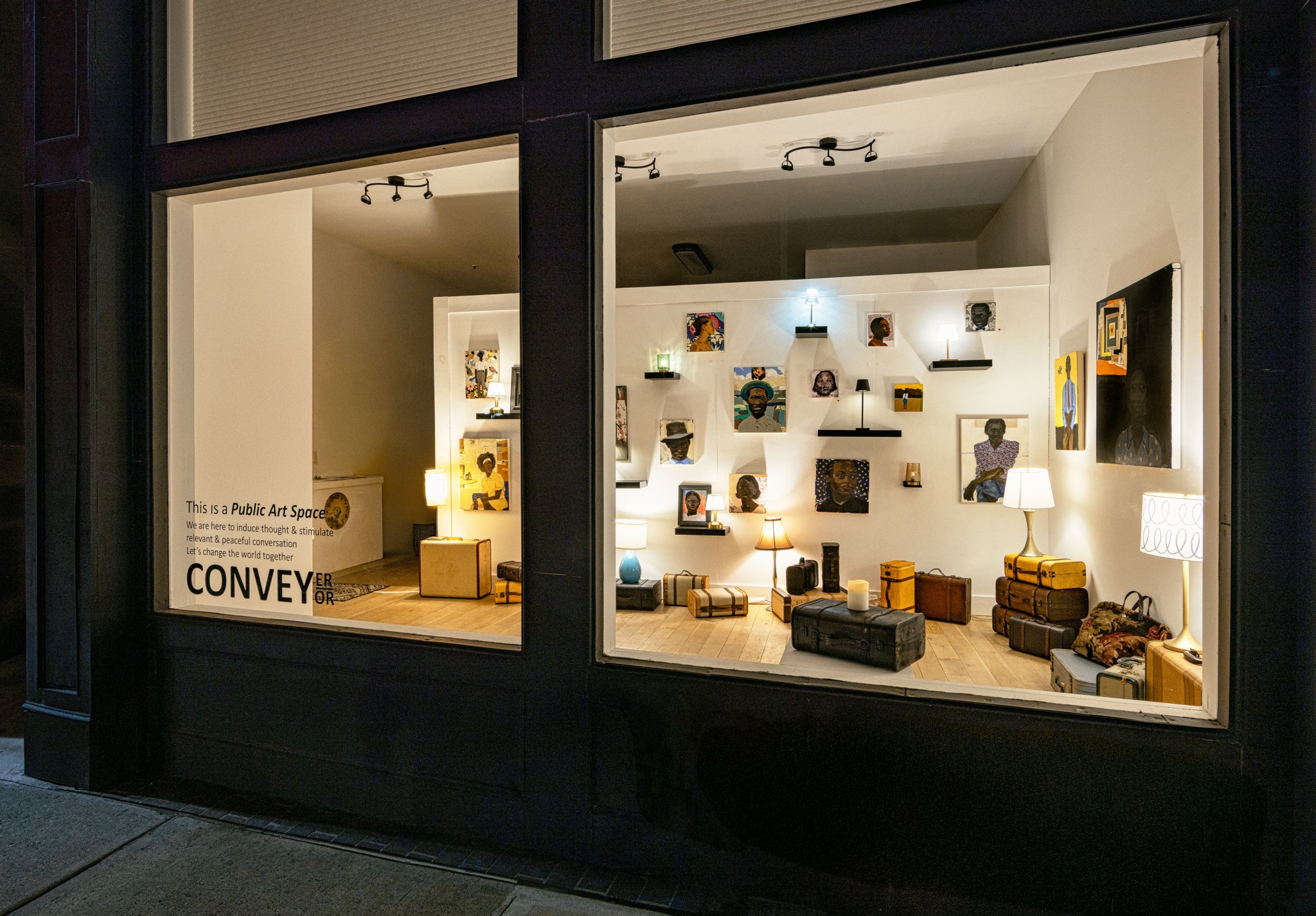
Over the last 8 months I’ve curated 4 shows and paired numerous artists with spaces to exhibit in solo shows. I work with another local gallerist to install window installations from local artists on a rotating basis. I do at least two studio visits a week to learn about new artists and upcoming series to make selections for future exhibitions. I also just started an artist talk series at Woodstock School of Art where I interview artists about their practice. This series is titled “This is America” as a way to inspire empathy for artists and showcase a diverse representation of American art.
My next exhibition is a feminist, punk, maximalist art exhibition in the heart of Beacon NY called CRAZY. This exhibition is an open call and will showcase political art by female-identifying and non-binary artists in response to horrifying policies of the current administration. That exhibition also includes a curated playlist to inspire artists to make new work – the playlist consists of 9 punk, feminist songs from the last 50 years and a open track where I ask artists and audiences to send me songs they feel belong on the playlist so they can interact with me and expand the community.
What can society do to ensure an environment that’s helpful to artists and creatives?
I just want there to be more resources for emerging artist to get paid to experiment. Most of the gallery spaces I work with don’t have resources to pay the artists to make the things they wish them to exhibit. The inability to financially support new works made by artists who have shown their ability to create prolific work is why it feels like there are only 20 famous artists in the world. There are hundreds of dedicated, intelligent artists in the world who have spent years and thousands of dollars on college educations just to be told that there’s no money to pay them to do the job they want to do. I have heard so much about Berlin’s artist program where you can register as an artists and they will pay you a minimum to work and make art and maintain a studio and I just want that for American artists… and stay-at-home moms.
Can you share a story from your journey that illustrates your resilience?
Not really a story, just a (un)funfact. My mother-in-law and I both attended the same Museum Studies program at Syracuse University 30 years apart and we were both the only Black women in our departments.
Contact Info:
- Website: https://jransomecuration.com
- Instagram: @jransome.curator
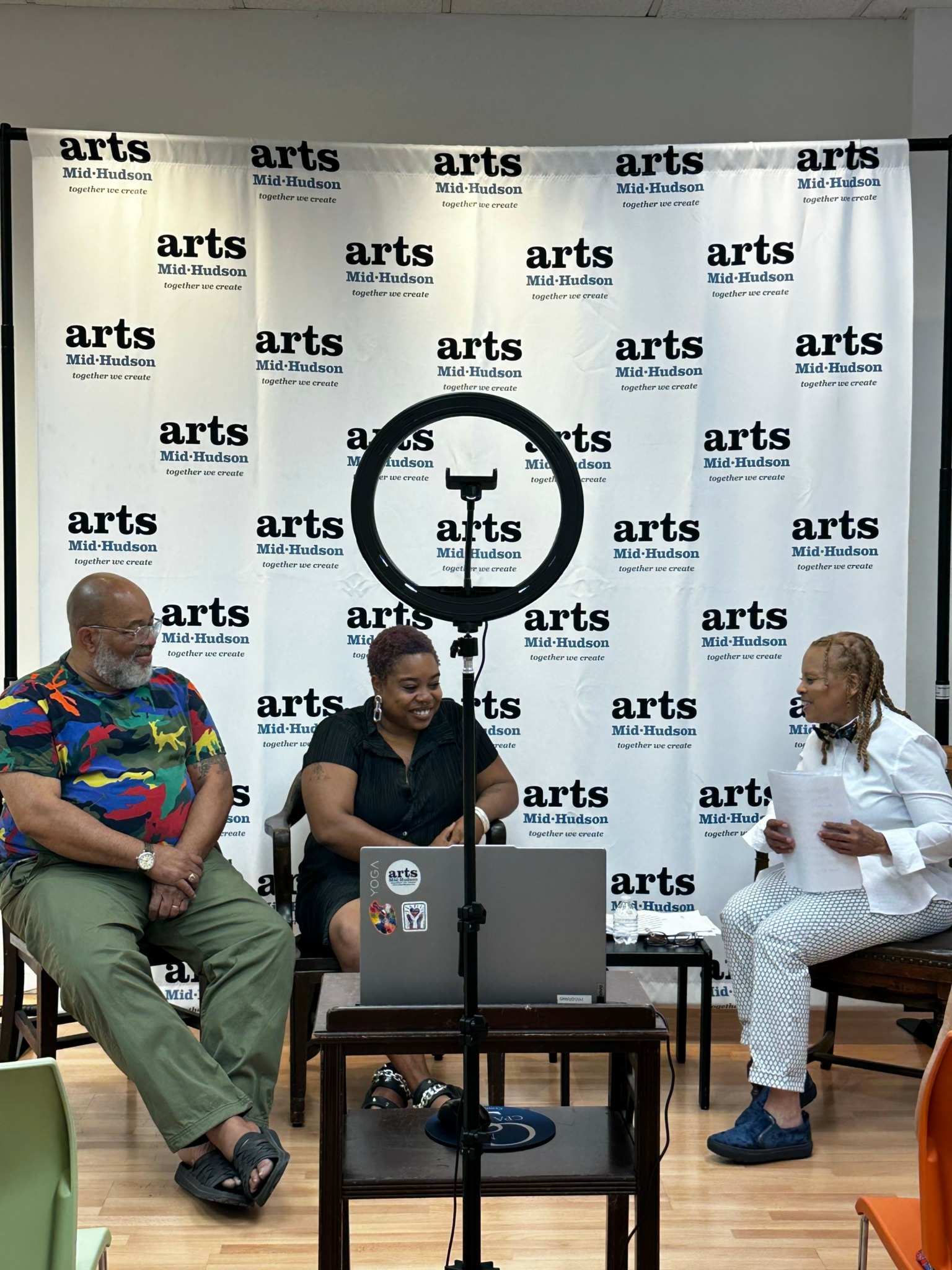
Image Credits
The Art Effect and Jaime Ransome