



We recently connected with Jacob Strunk and have shared our conversation below.
Jacob, thanks for taking the time to share your stories with us today What’s been the most meaningful project you’ve worked on?
Woof, what a question. I have to imagine the answer for a lot of creative weirdos is the same, which is that it changes constantly, day to day if not hour to hour. I’ve been fortunate to do a lot of social documentary work over the years, and it’s an honor to help tell those stories. The feature documentary “The Green Standard” took a snapshot of the then-burgeoning movement to decriminalize cannabis from the point of view of refugee families of sick kids who’d been forced to create their own extended community in Colorado Springs. Helping share that struggle and amplify the voices of folks on the front lines was especially gratifying. I also produced dozens of short form social documentaries for the Wilson Center, which took us all of the country and world – from families of children kidnapped by cartels in Colombia and Mexico to the late Gordon Moore’s work with his foundation to protect endangered lands in northern California to the Gates Foundation’s work to eradicate malaria. It’s hard to feel like it’s a “day job” when you’re embedded in the trenches with real stories of struggle and triumph.
That said, my current project feels especially meaningful to me personally. Last year, I was invited to a month long writing residency in the woods of Vermont this July by a writing mentor of mine from grad school a thousand years ago, the author Joan Connor. I leapt at the chance, and when my television season wrapped up in June put all my earthly belongings into storage and drove across the country to unplug and work on what I thought would be a handful of new short stories after my small collection “Screaming in Tongues” was published earlier this year. Well, you may have heard something a strike in the entertainment industry…
When I got the email halfway through July that my television gig would not, in fact, be starting back up in August, it took me all of a minute to decide to stay in New England and keep working. It’s now mid-September, and I’ve been able to make writing my full time job for nearly three months. The uncertainty of the future, especially at my age, was something I’d put off grappling with; it’s hard enough hustling rent money in Los Angeles, let alone soul-searching and personal improvement. My time here living in a barn, writing all day, and meeting the colorful characters of Mount Holly has been a breathtaking reconnection with the part of me that yearns to tell my stories… without terrible script notes or begging rich people for money or all the trappings of the Hollywood machine, a machine we are now watching break itself apart.
That’s a long-winded way of saying the most meaningful project to me – in this moment – is this one, which fell to earth without warning, and allowed me to turn the frustrating, terrifying prospect of losing my bread and butter in Hollywood into an opportunity. As a firm believer that fiction has the power to speak to larger truths, I’ve been able to scrape away the artifice of what’s “commercial” and refocus myself on the stories that matter to me, even explore facets of myself and my life I’ve had a hard time reconciling with the person I aim to be and the goals I’d like to achieve. I’ll head back to California sometime after Halloween with a brand new book, a brand new outlook, and hopefully an openness to receive and jump on opportunities that may not look like what I had planned.

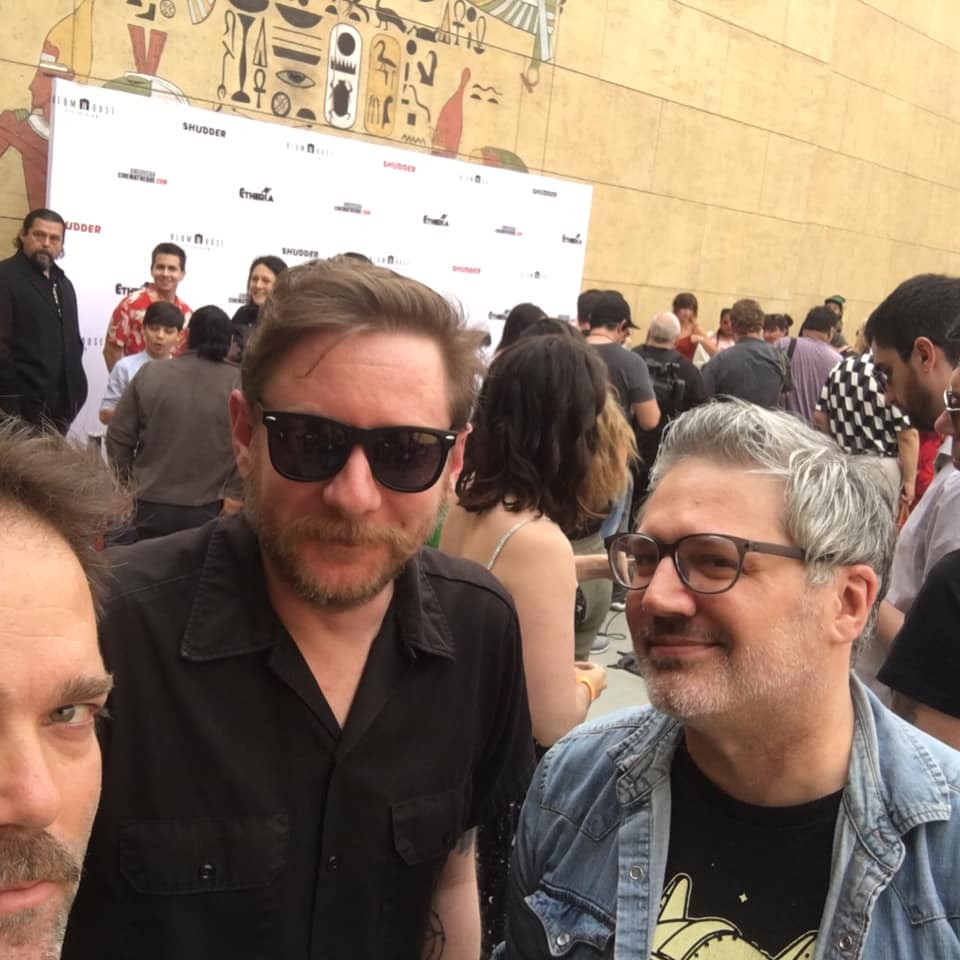
Jacob, love having you share your insights with us. Before we ask you more questions, maybe you can take a moment to introduce yourself to our readers who might have missed our earlier conversations?
I was born in the dark woods of Wisconsin and have called Southern California home for over twenty years. I have a BA in film production and terminal MFA in creative writing. Creatively, I am a storyteller, and I’ve always juggled film and fiction. I’ve been lucky enough to have a decades-long career working in film, digital media, and television, and that’s kept the lights on. I also teach film, media, and writing at the undergrad and graduate levels. The struggle for creatives working in creative fields is always balancing the energy dedicated to producing powerful work for clients with one’s own creative desires and ambitions. We only have so much energy, so many hours in the day, and it’s too easy to blink and lose five years making “content” to make rent without nurturing your own endeavors: the things that give feed your spirit, not just stock your fridge.
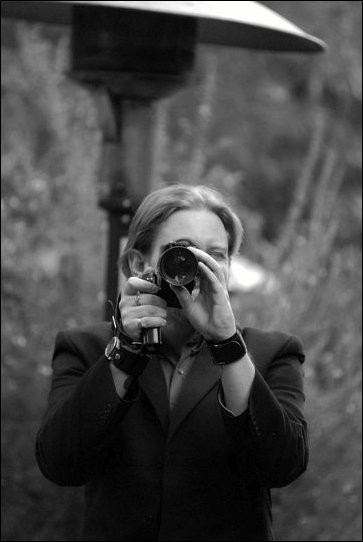
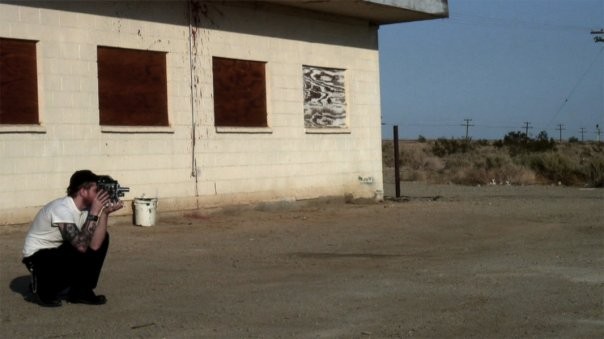
What can society do to ensure an environment that’s helpful to artists and creatives?
That’s an especially loaded question during our Hot Labor Summer; September of 2023 finds the vast majority of paycheck-to-paycheck workers (and that’s the majority of creatives) in the film and television industries fighting for their very lives while the past decades’ commercialization of artistic mediums reaches its tipping point. It seems common sense that creative decisions should not be made with spreadsheets, that the David Zaslavs of the world are in fact choking art out in pursuit of a tax break when they should be nourishing artists, that “commercially viable” and “meaningful” can coexist only when artists are allowed to create art. I understand the reality of living in a capitalist hellscape, and there’s not much we can do about it until we arm ourselves with bricks and molotov cocktails. And so I’m not sure what the answer to this question is other than, “Start giving a shit again.” We have seen waves of brilliant cinema over the years, and the engine behind them is always the powerful desire by writers, directors, actors AND PRODUCERS to make films that matter and not just films that make a return or look sexy when packaging a fund. In my twenty years in Hollywood as someone without rich or famous parents, I’ve listened to the same producers wax philosophical about craft film and then whinge when the inexperienced-but-connected writers and directors they choose to fund can’t deliver a decent movie.
I said something to someone this summer along the lines of, “I don’t believe there’s any reason for a film to ever be bad.” And I don’t. And she replied, “You have too much faith that anyone can make a good film.” Indeed, I replied, “Not anyone can make a good film.” Let people who know how to make films make films, nurture them, use your cash-wielding powers to help them, discover new talent, and create meaningful art. Stop thinking of fame or money as a substitute to talent, craft, or care. Project that onto every artistic medium in the country. Act as patrons instead of treating us like cogs in your money machine. That’s my non-answer to an unanswerable question.
And fuck the AMPTP.
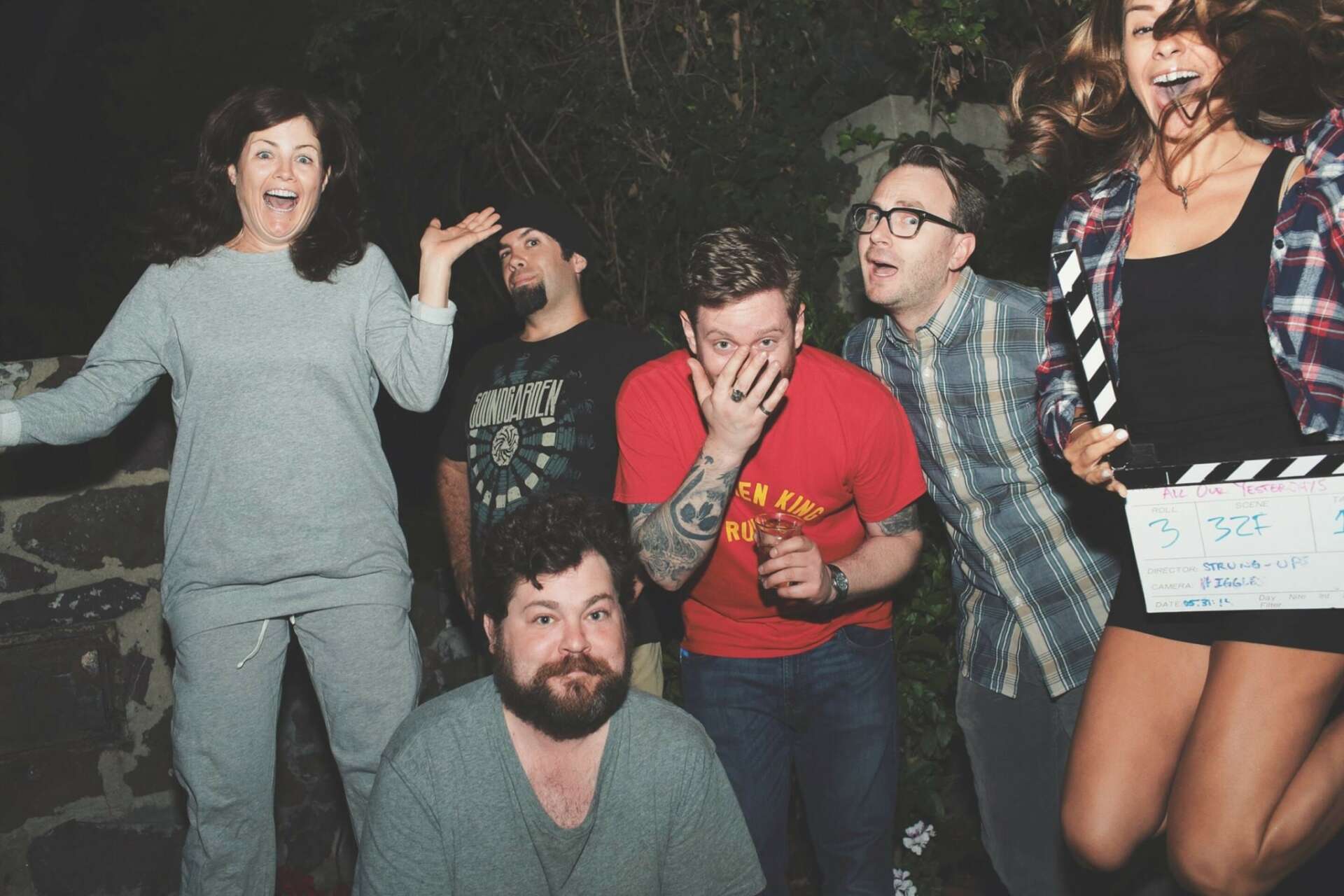
What do you find most rewarding about being a creative?
At the end of the day, it has to be the love of the game. Praise is nice, awards are validating, and getting some scratch to put gas in the car is a boon. But you have to do it because you can’t do anything else. Otherwise you are in for a long, awful, disappointing carriage ride to hell.
Contact Info:
- Website: www.sevenmileswest.com
- Instagram: instagram.com/sevenmileswest
- Linkedin: https://www.linkedin.com/in/jacob-strunk-8629147/
- Twitter: twitter.com/sevenmileswest
- Other: https://linktr.ee/sevenmileswest/
Image Credits
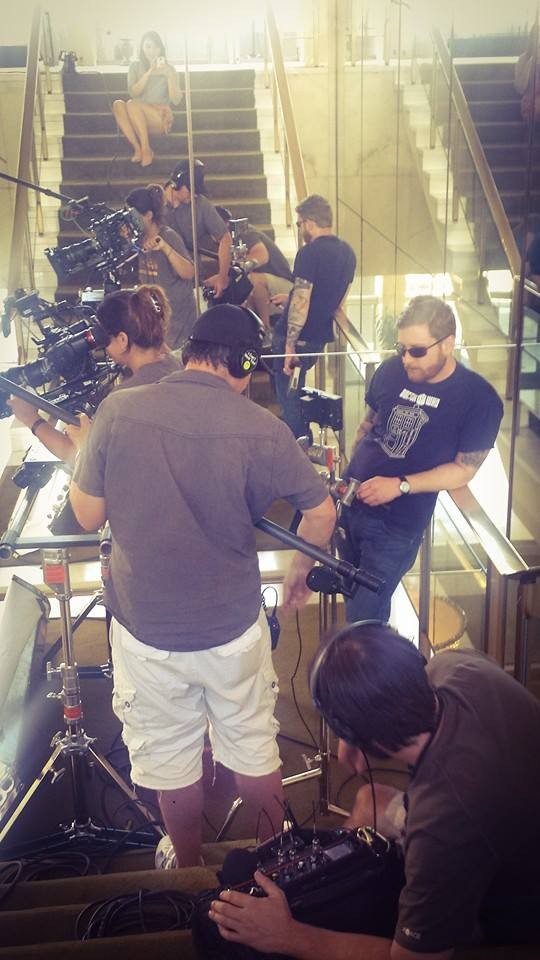
Photos by Will Crowther, Austin O’Brien, Diana Oh, Billy Rosenfeld, and Mark Brian Smith.