

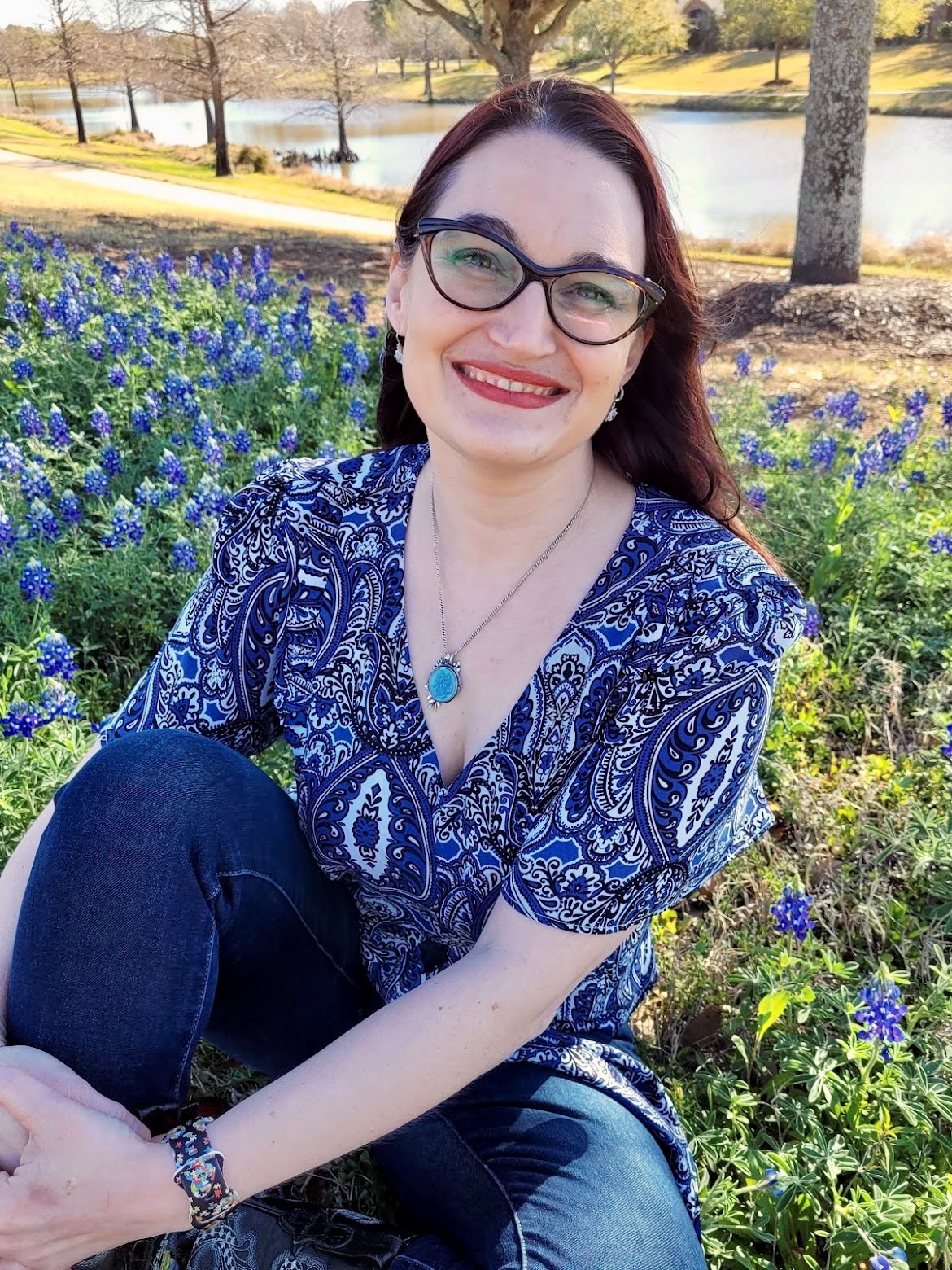

We’re excited to introduce you to the always interesting and insightful Jackie Boyd. We hope you’ll enjoy our conversation with Jackie below.
Hi Jackie, thanks for joining us today. It’s always helpful to hear about times when someone’s had to take a risk – how did they think through the decision, why did they take the risk, and what ended up happening. We’d love to hear about a risk you’ve taken.
Because of the nature of this story, I will be intentionally vague. It happened many years ago, and the manager involved is no longer in the field. Regardless…a decision was being made about a student that was not in that student’s best interest. I was strongly in disagreement with this decision, and voiced that to my supervisor. I was professional and I shared the data that supported my position, but my voice was not heard. In fact, I was told that if I wanted to make “big decisions” that would impact students on such a high level that I needed to “just go back to school and become an administrator.” So I did. I was a widowed mom with a newborn daughter, and I left work that day and applied to go back to graduate school to pursue my principal’s certification. I don’t believe for a second that anyone expected me to follow through with that challenge, nor did I know if it was even a serious challenge. Regardless, I did it. That one utterance spurred me to take a risk, and it changed my life forever. All kids deserve to have someone who will be their champion. Because of the risk I took, I have been able to serve others in a way I otherwise could not have done.
Awesome – so before we get into the rest of our questions, can you briefly introduce yourself to our readers.
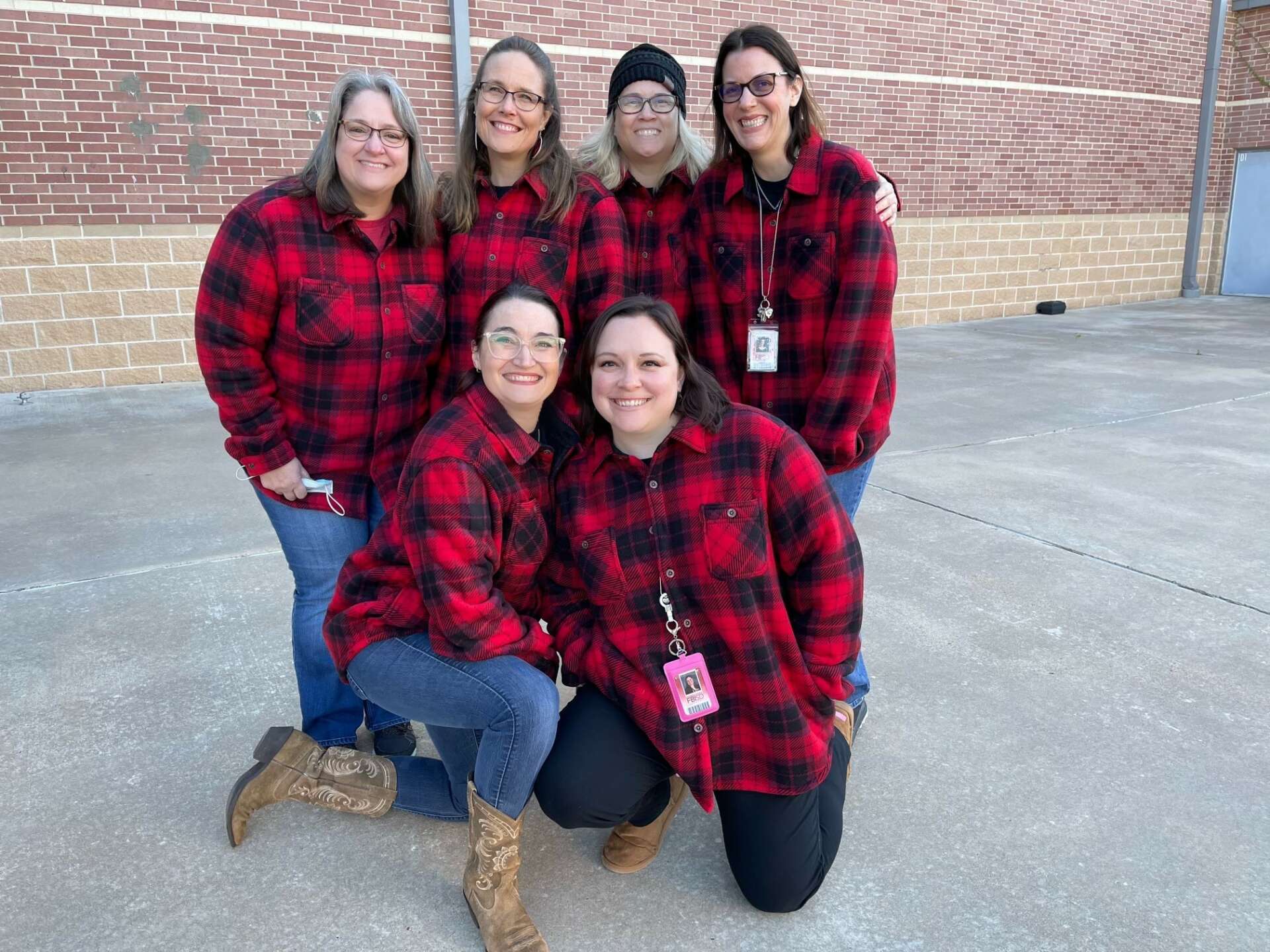
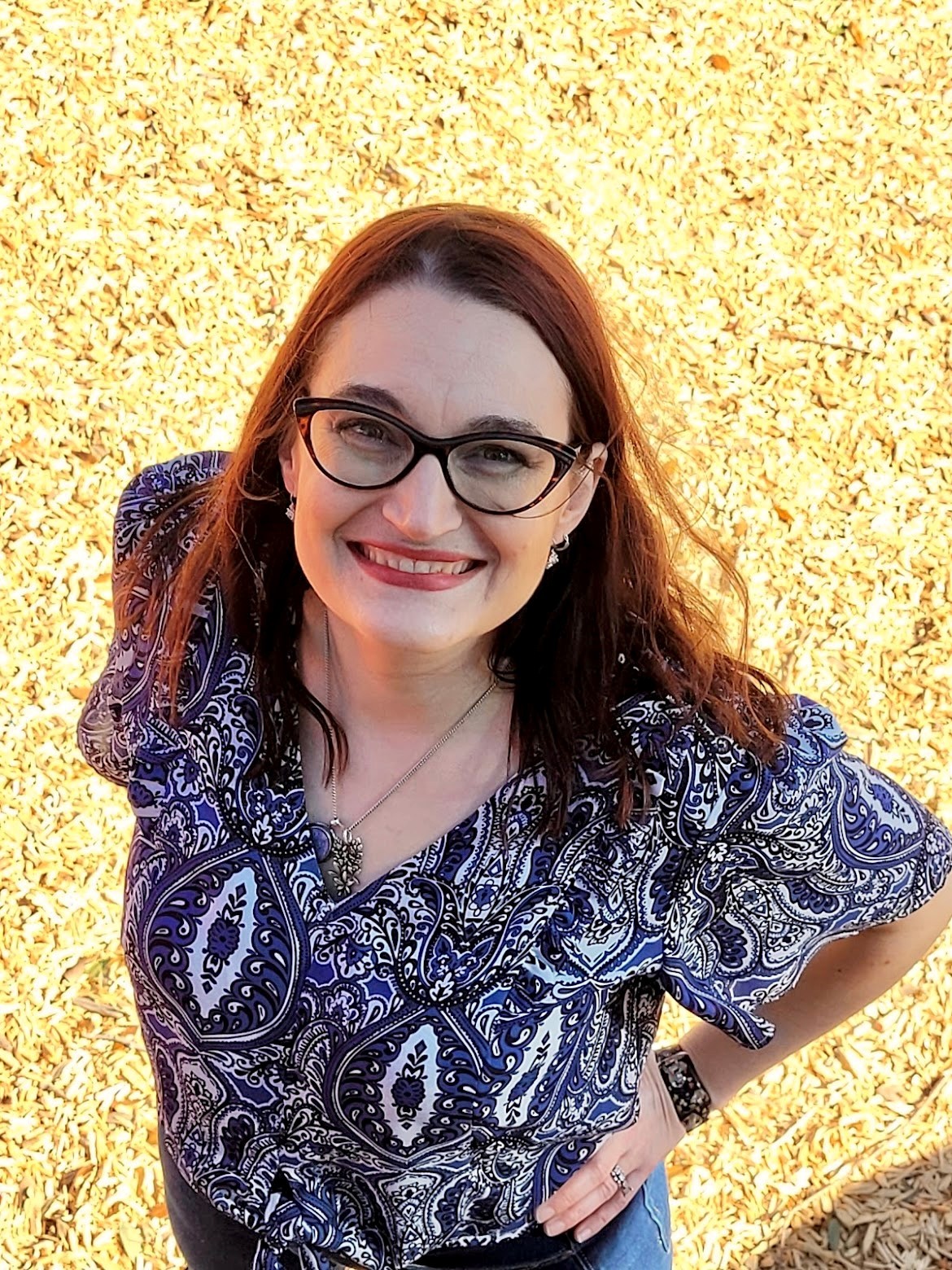
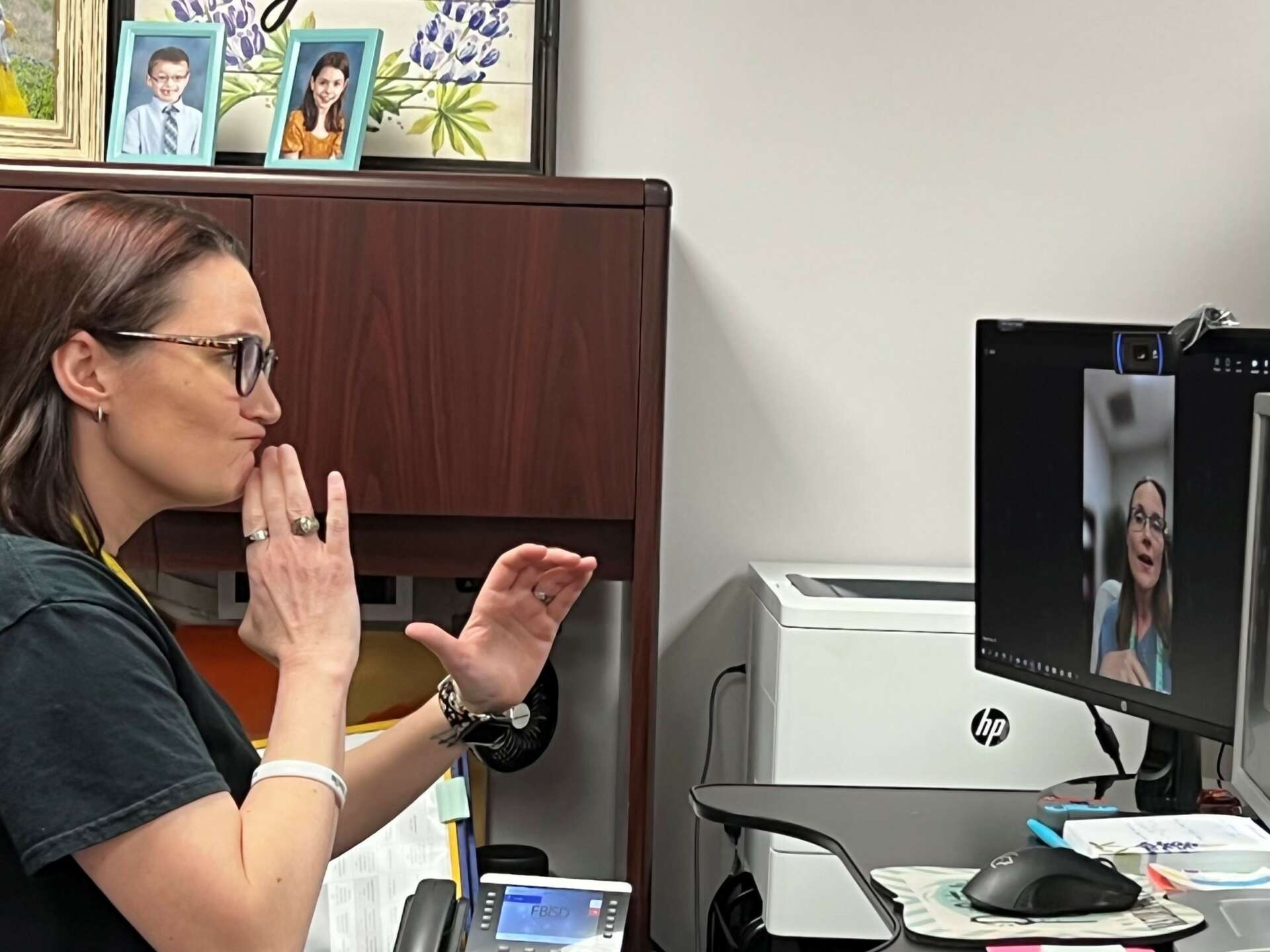
I am the Program Coordinator for the Brazoria-Fort Bend Regional Day School Program for the Deaf. I do something that I am passionate about and love for a living, and it is a true gift. I oversee a highly specialized cooperative program that provides services for Deaf and Hard of Hearing students for eleven school districts in Brazoria and Fort Bend Counties, along with Alief ISD in Southwest Harris County. Any student who has a hearing loss that severely impairs processing linguistic information through hearing, even with recommended amplification, and which adversely affects educational performance shall be eligible for consideration for services with our program. This includes children as young as newborns and up the age of 22. Students who are Deaf and Hard of Hearing require a full continuum services based upon their language and communication needs. Deaf and Hard of Hearing is considered a low-incidence disability, and by combining educational services for deaf students in our school districts under one cooperative educational program, we are able to effectively support these students. I am extremely proud of my program and of all of the team members who are part of it.
I was inspired to pursue Education, specifically Deaf Education, from a young age. I was always the child who would sit her baby dolls around her and teach them to read or do math. As a girl scout, I became infatuated with sign language; I would sit in the backseat of my parents’ car fingerspelling all of street signs that I saw. I also started gravitating towards volunteer opportunities where I could support people with special needs. All of these passions combined to lead me to educating students who are Deaf and Hard of Hearing. The fundamental skills needed to do what I do are ultimately comprised of two major components that had to be learned: a technical component, and a relationship component.
The answer to how I learned to do what I do from a technical standpoint is rather straightforward. I graduated from the University of Texas in Austin in 2005 with a Bachelor’s Degree in Deaf Education. Although the program is quite small, it equipped me with a strong foundation of knowledge to be able to build from. I still refer back to the teaching of Dr. Mark Bernstein and to the experience I had student-teaching at Texas School for the Deaf (facilitated by Donna Altuna). I continued my education at the University of Texas, earning a Master’s in Education in Curriculum and Instruction eighteen months later. Learning your craft does not stop when you leave university. I learned more about best practices in Deaf Education by working with Carilynne Gay at Texas School for the Deaf than I could from a lifetime of classes. She is easily the most skilled teacher I have ever had the pleasure to know, and I know that I could not be who I am today if she had not taken me under her wing. There are countless others who have poured technical knowledge and expertise about education into me throughout my years as a teacher in Alief ISD and as an administrator at Mission Bend Christian Academy and in Fort Bend ISD. I am grateful for each and every one of them. When I moved to the Brazoria-Fort Bend Regional Day School Program for the Deaf, my predecessor, Dena Thompson, meticulously shared her decades of experience with me. I regularly ask myself “What would Dena do?” when making decisions. I was entrusted with an incredible program when she retired, and it is my duty to protect what was passed down to me. I continue to study and learn as much as I can to make sure that our program remains outstanding.
Now, for the more important component of “what I do…” How did I learn that relationship component? I am a firm believer that relationships are everything. I cannot do what I do without the collaborative of people around me. I strive be a courageous leader; a protector of both the teachers and students within my program. I have been incredibly fortunate to have multiple individuals in my life who “walked the walk,” modeling for me what leadership looks like. Great leaders such as Chuck Lang, Stacy Frenchwood, MSgt Brad Hayden, Melissa Bolding, Jennifer Lappage, and all of the people I previously mentioned, embodied the philosophy that relationships must be the foundation upon which we build everything else. I have taken all of their knowledge and amalgamated it in an attempt to be the leader that the teachers and students I work with truly deserve.
Let’s talk about resilience next – do you have a story you can share with us?
In November of 2010, I was 28 weeks pregnant with my daughter. My husband, 2 year-old son, and I had traveled to Bastrop to celebrate Thanksgiving. While there, the unthinkable happened. In the blink of an eye, I lost both of them. I found myself widowed and grieving a child while simultaneously pregnant with another. The sheer trauma of the situation sent me into labor, which my amazing doctor, Dr. Angela Earhart, was able to stop. In the days that followed, I thought my world was over. I don’t think anyone would have faulted me for thinking that, or for just shutting down.
At that point, I had to make a choice; I chose resiliency. I took all of that pain and anguish and consciously made the decision to find a way to work through it and grow. This was not an overnight process, and it took a substantial amount of time, support, and work to get to the point that I am at today. As part of that journey, I have become determined to rise up from the ashes and become a force of positivity and tenacity. I have worked with other bereaved parents, I have become an advocate for the destigmatization of seeking mental healthcare, and I have pledged to do all of the good I can in this world.
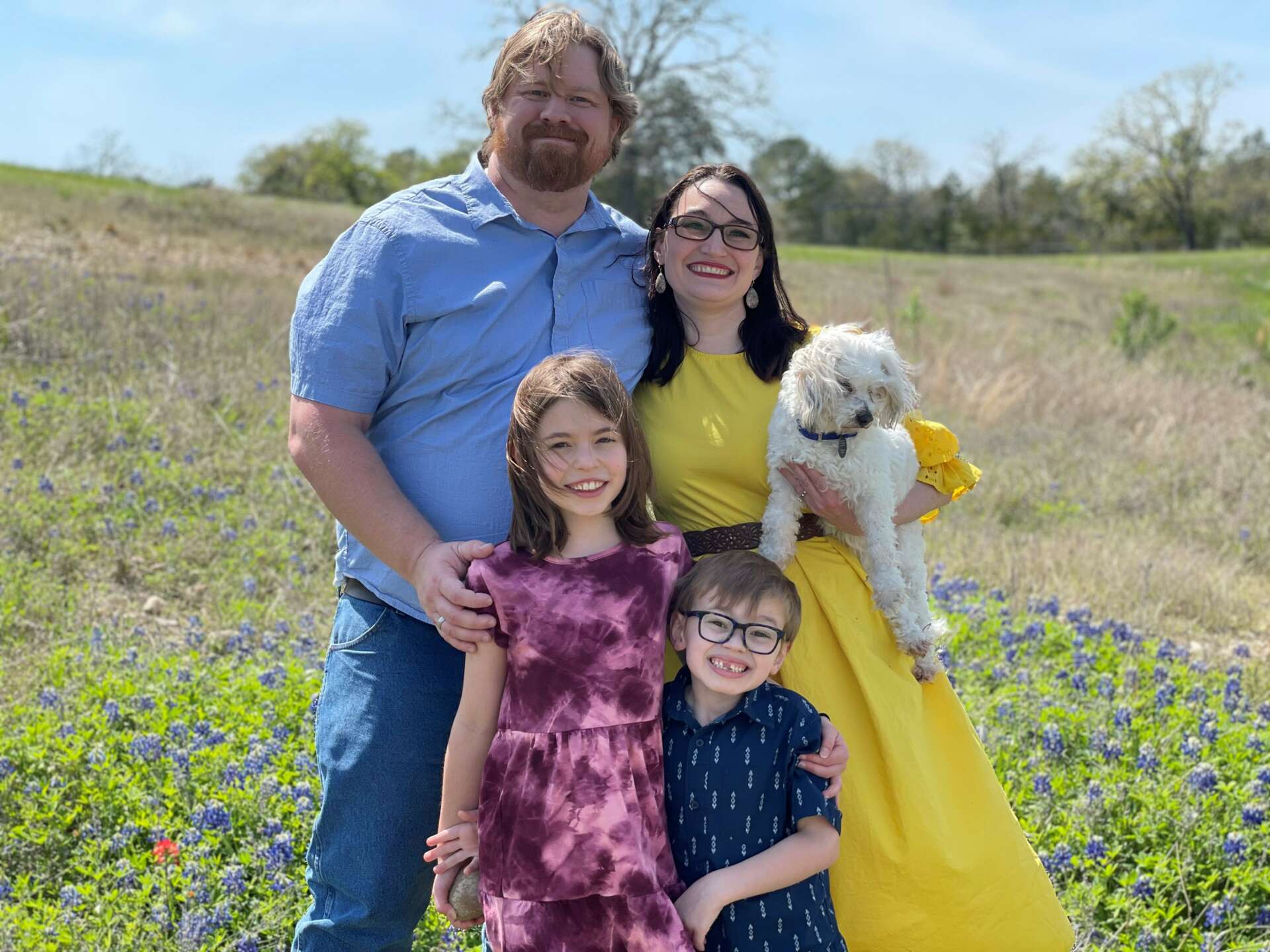
I have now remarried to the most amazing man. I feel like we have a dream partnership, and he is my best friend. In addition to the brilliant daughter I delivered seven weeks after everything happened, I have an amazing son. We are a unique and amazing family that includes neurodiversity, humor, and the kindest children I have ever met. My family is my driving force in this world, and I am forever grateful for them and for all of the experiences that shaped me into the resilient person that I am today.
How do you keep your team’s morale high?
The advice I will always give leaders is to remember that relationships are everything. I cannot say that enough. During their waking hours, most people spend more time at work than anywhere else. You, as a leader, cannot do what you do without those you work with. It is incredibly important to prioritize building and maintaining a culture in which people feel safe, supported, and valued. I cannot take for granted that this starts with me, as program coordinator. I would advise other leaders to build the right team, train them well, and support them. Lead by example and with integrity. Practice servant leadership. Mean what you say and follow through with it. Celebrate often, and most importantly, do all things with love.
Contact information:
Website: https://www.fortbendisd.com/Page/664
Twitter: @Jackie_Boyd13