

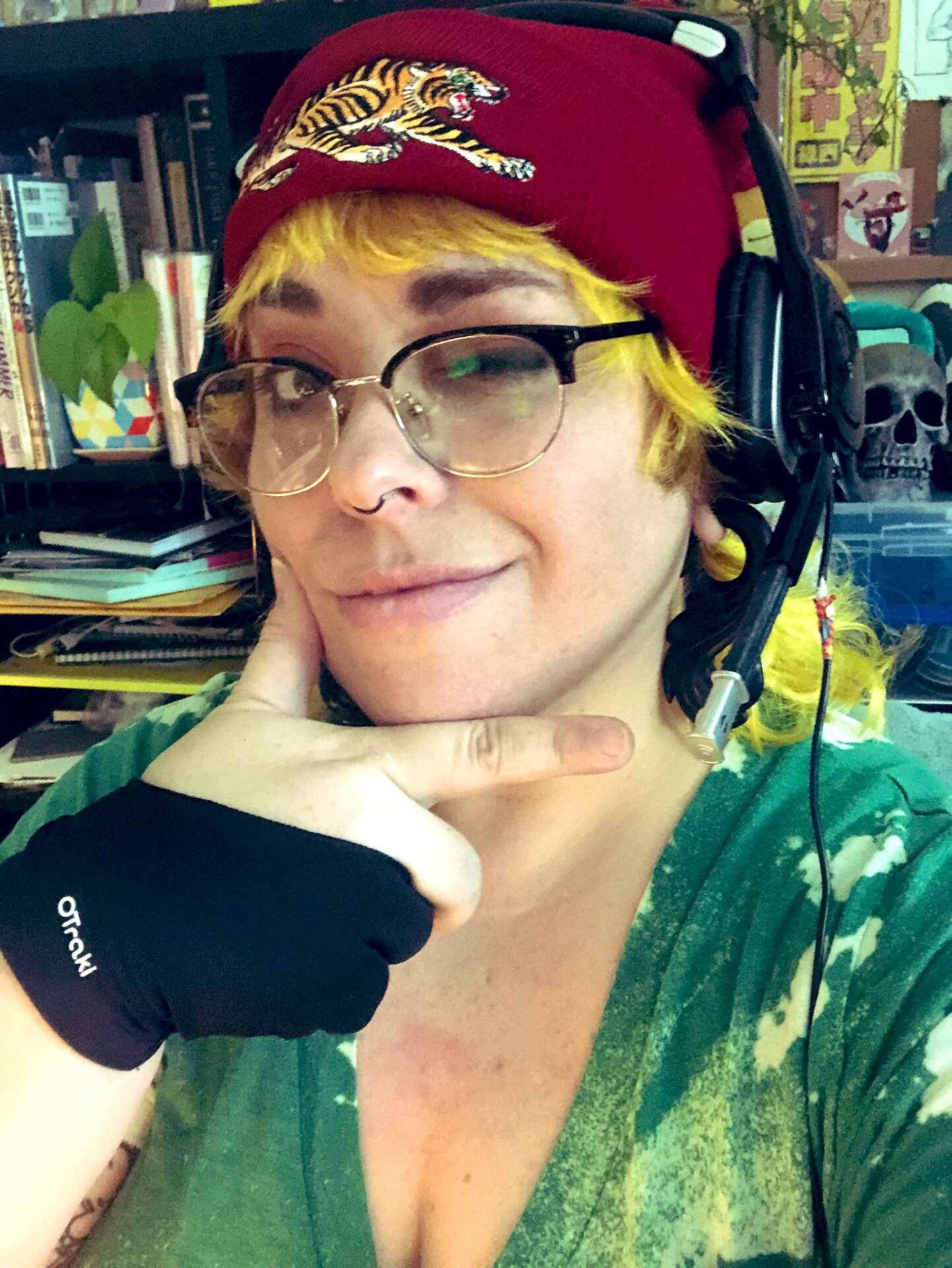

We’re excited to introduce you to the always interesting and insightful Jackie Acki Lewis. We hope you’ll enjoy our conversation with Jackie Acki below.
Hi Jackie Acki, thanks for joining us today. How did you learn to do what you do? Knowing what you know now, what could you have done to speed up your learning process? What skills do you think were most essential? What obstacles stood in the way of learning more?
I got my BFA in Theater Studies at Emory University. This gave me a good foundation in performance, stage setup, storytelling, etc. After working in theater for a couple years after undergrad, I got my MFA in Sequential Art at SCAD Atlanta. I worked in comics and sequential art education for about 12 years. During this time, I studied film visual language and cinematography as a way to improve my comic book storytelling. Studying animation storyboards was specifically really helpful. While studying storyboards, I learned about pacing, camera angles, and being economical with my shot choices. These skills translated well to comics, and gave me a good foundation when I entered the animation industry. I learn well in a classroom setting, but I’ve taught myself how to self-educate over the years. We’re lucky that we’re in a time where there’s a ton of information about every creative industry online, and that’s something I wish I’d had growing up.
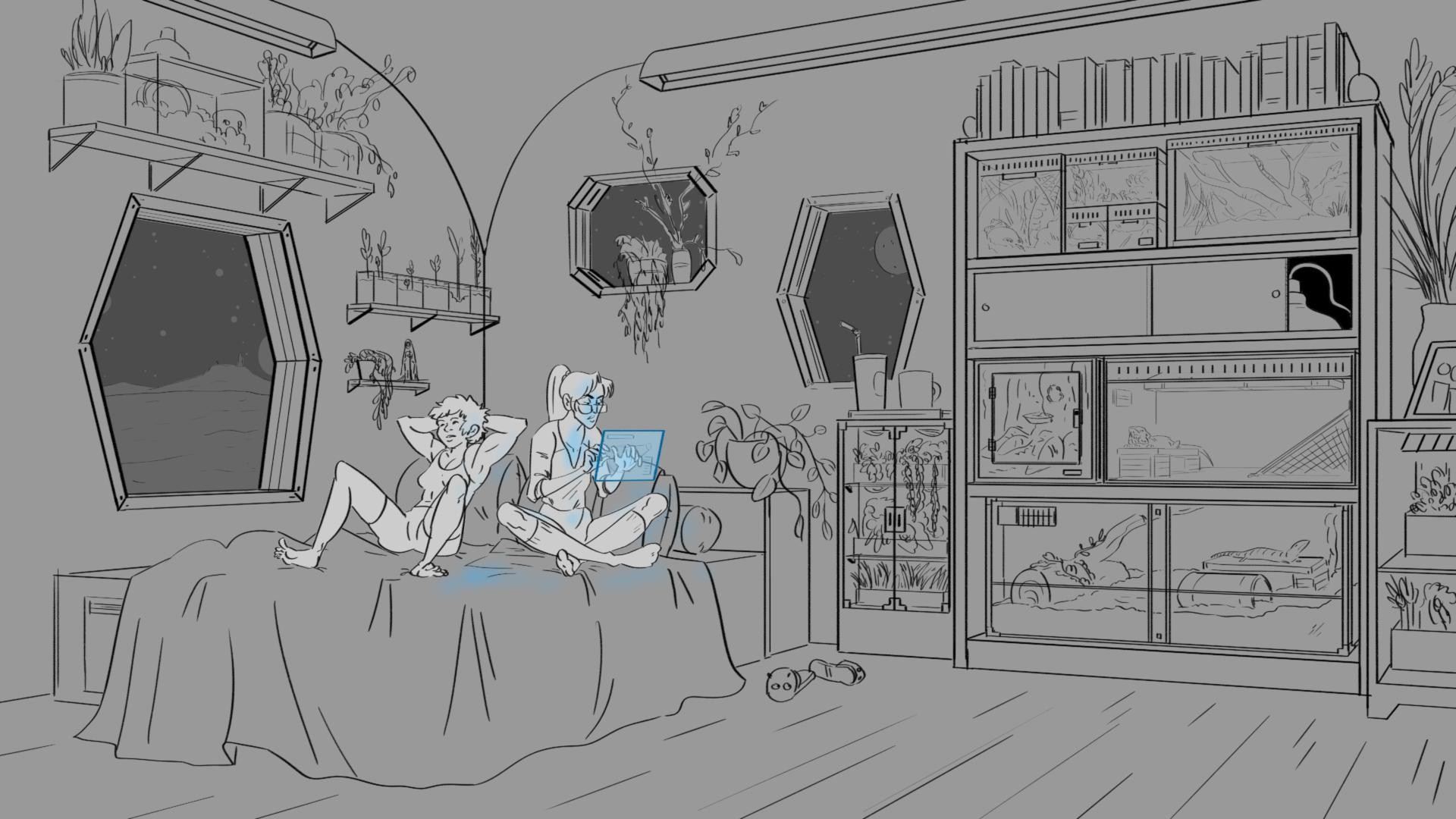
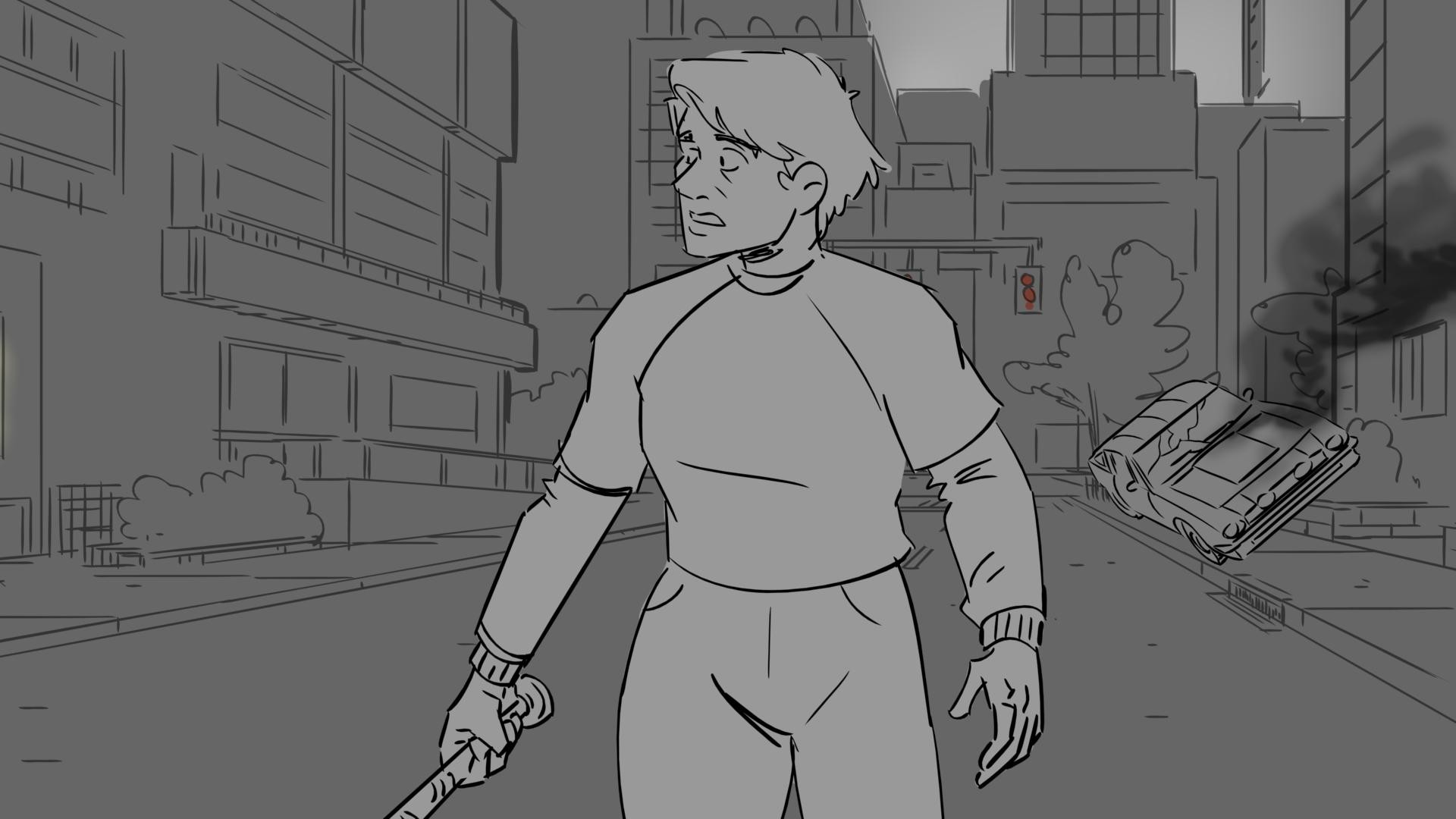
Jackie Acki, before we move on to more of these sorts of questions, can you take some time to bring our readers up to speed on you and what you do?
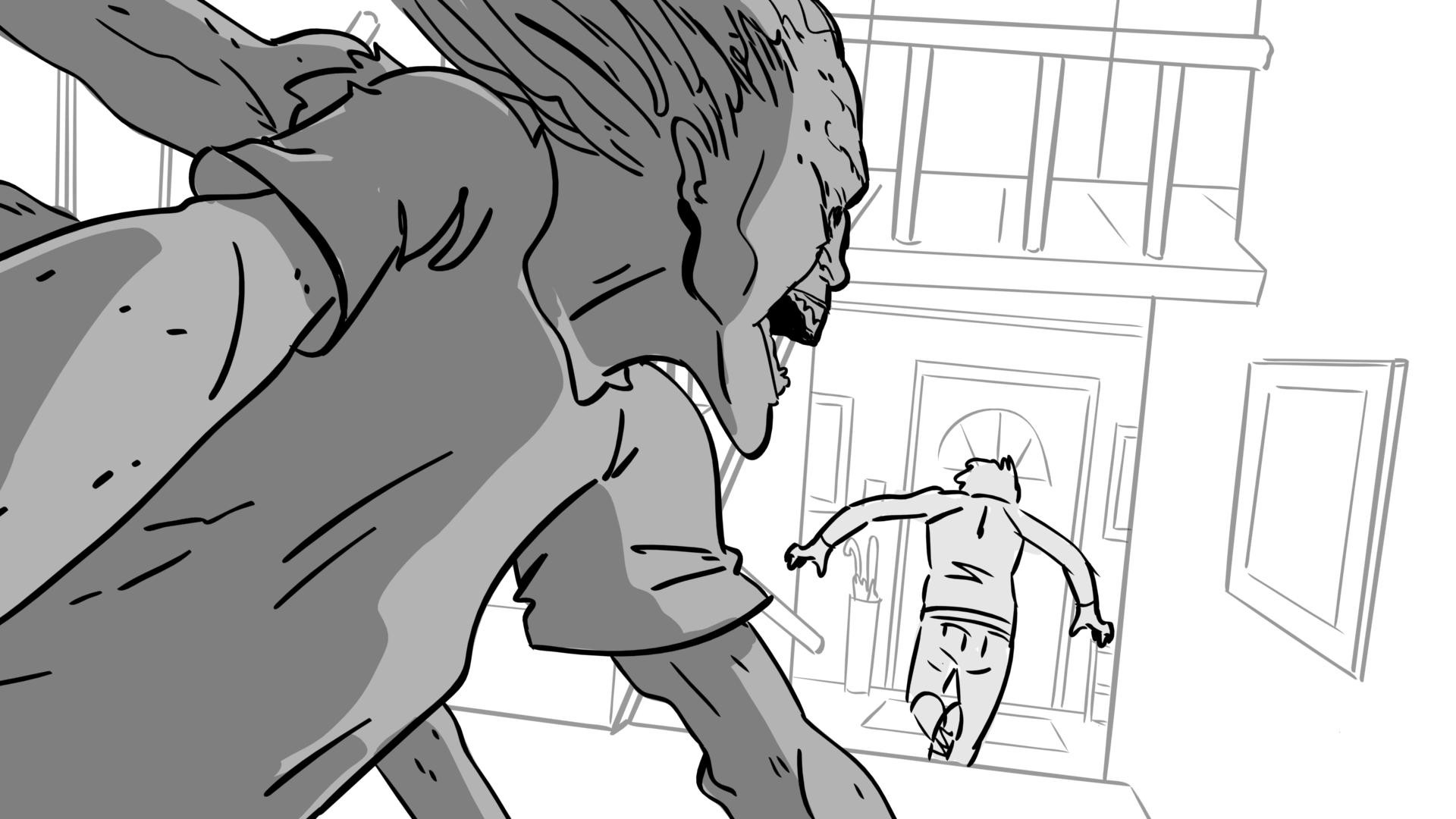
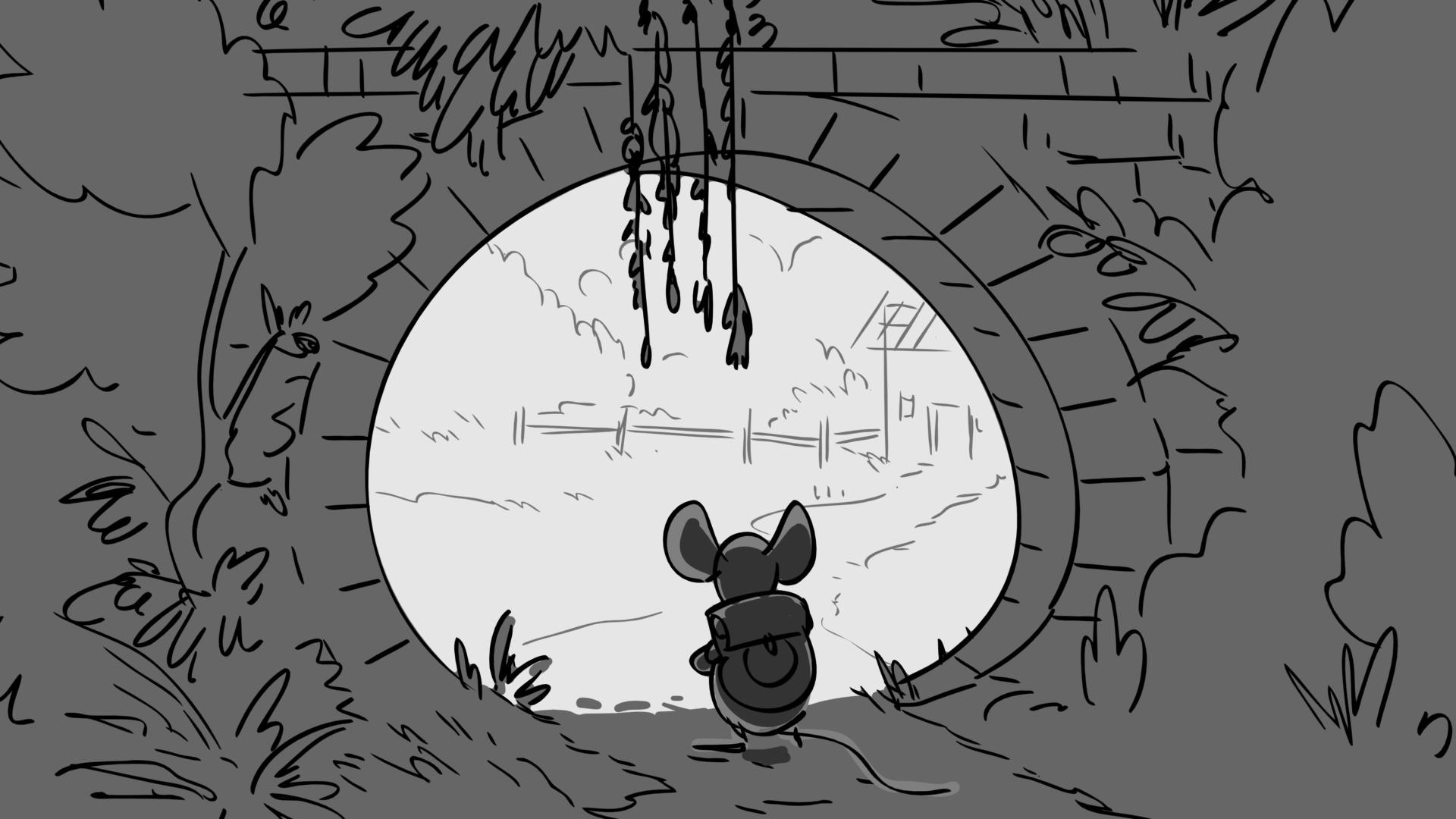
I’m currently the Storyboard Director on “Archer.” I’ve also been a Storyboard Director on “Dicktown,” the Layouts Director on “Hit Monkey,” and a Storyboard Artist on “America: The Motion Picture.” Before entering the animation industry, I was a comic book creator and Sequential Art professor at SCAD Atlanta. I still work on my own comics in my free time, but my career focus has completely shifted to storyboarding. People sometimes ask what storyboard artists do. It’s one of those jobs in tv and film that is kinda invisible, as it’s part of pre-production. Basically, working directly from the script, we sketch out what the entire episode/film will look like. These sketches get edited together into an animatic, so that the directors and producers get a good idea of what to expect from the pacing and “look” of the episode. This also helps work out any problems from the script, and assists other departments in knowing the demands of the episode.
In animation, the storyboards get very specific, and the animatic is edited to be as close to the final product as possible. We don’t have time or money to “shoot” b-roll like they do in live action. Each piece of animation represents hundreds of hours of work just for that shot, so the storyboards are integral to saving time and money. This is especially true in tv animation. The turn-around time for each episode is usually really tight, so we have no time to waste. There’s more wiggle room in film, but the animatic is still necessary to keep the entire team unified and on-schedule.
As a storyboard artist, a big plus is flexibility. Ideally, a storyboard artist should be able to board action comedy just as well as reserved drama. You need a strong grasp of perspective, anatomy, and story pacing. Storyboarding is a lot of work, and we do hundreds of drawings per episode. But! Storyboarding is also really fun and rewarding, and an awesome career for people who have a love of storytelling.
What do you find most rewarding about being a creative?
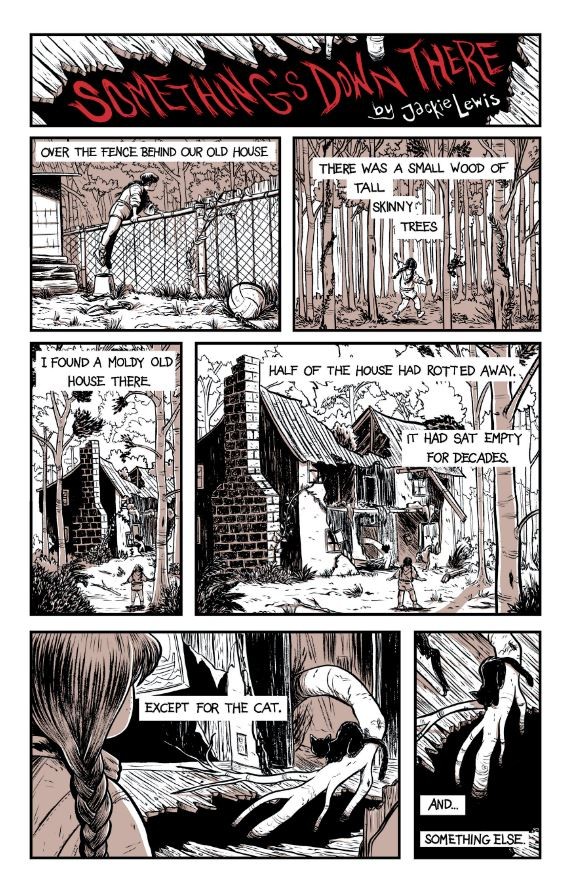
I absolutely love that I can make my own stories. Having a background in both comics and storyboarding means that I can choose between the two mediums depending on how I wanna tell those stories. I’m also constantly looking to expand my capabilities, so I’ve been working on using watercolors and gouache in my illustrations (I’ve never been great at color), and I’ve recently picked embroidery and maquette sculpture back up. I know I’ve had a good creative day when I go to bed invigorated and excited about what I’m gonna do the next day.
Looking back, are there any resources you wish you knew about earlier in your creative journey?
I really wish that I had been more diligent at pushing myself earlier. Meaning, I wish that I had worked on skills like drawing cars, or difficult angles, or painting, or literally any of the skills that I feel like are my weak points. I didn’t know about certain resources so I didn’t seek them out. For example, I wish that I’d found some watercolor or concept art books earlier in my career. I honestly also wish that youtube had been around earlier. It’s so easy for artists to learn directly from other artists now, and that wasn’t even a thing when I was growing up. Connecting with other artists is integral for a successful creative career. Learning from each other and promoting each other is one of the best things we can do as artists.
Contact Info:
- Website: jackieackielewis.com
- Instagram: jackieackilewis
- Linkedin: https://www.linkedin.com/in/jackie-acki-lewis-b24920219/
- Twitter: JackieAckiLewis
Image Credits
Jackie Acki Lewis