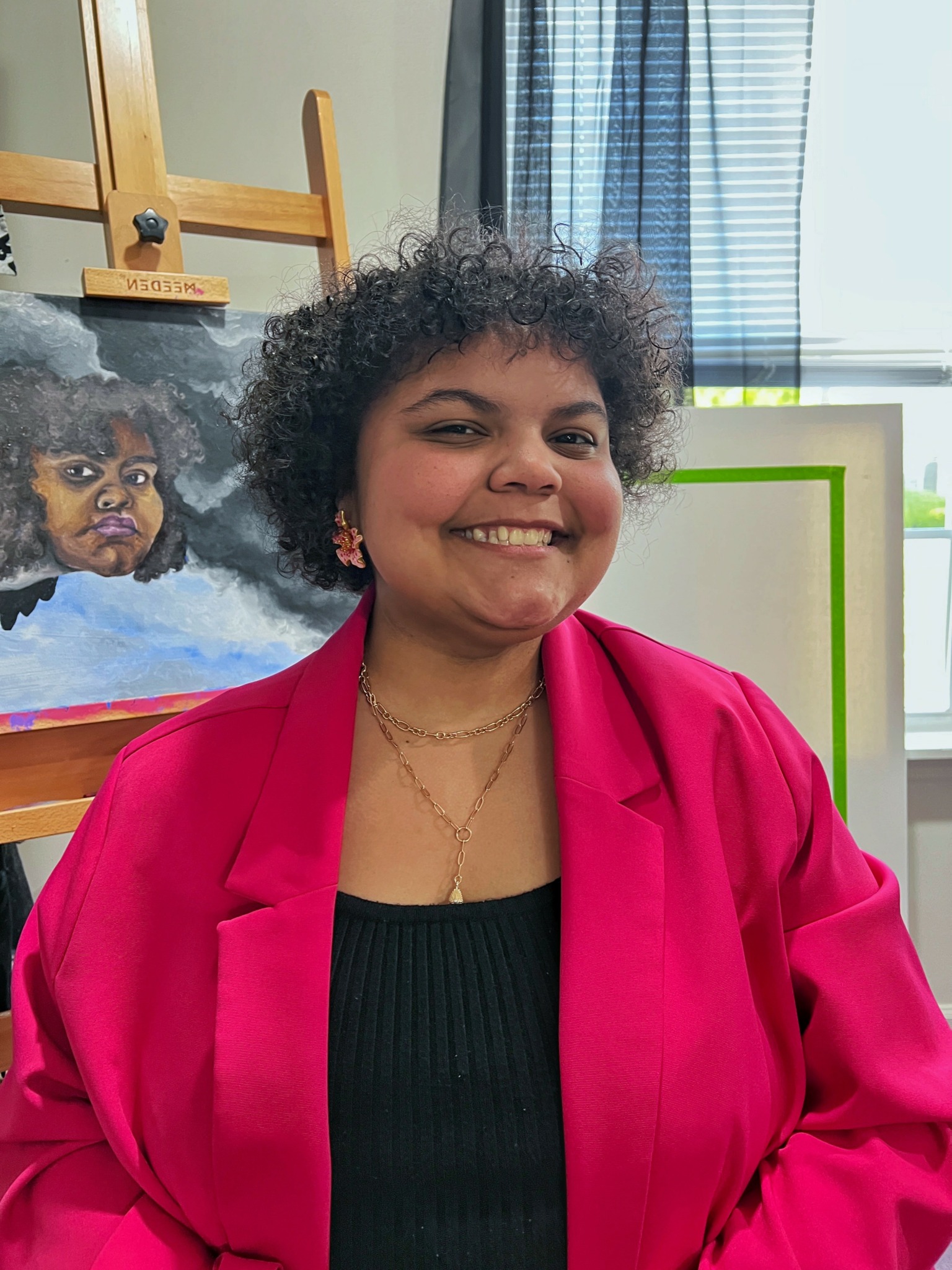

We caught up with the brilliant and insightful Jaci Davis a few weeks ago and have shared our conversation below.
Jaci, appreciate you joining us today. One of the toughest things about progressing in your creative career is that there are almost always unexpected problems that come up – problems that you often can’t read about in advance, can’t prepare for, etc. Have you had such and experience and if so, can you tell us the story of one of those unexpected problems you’ve encountered?
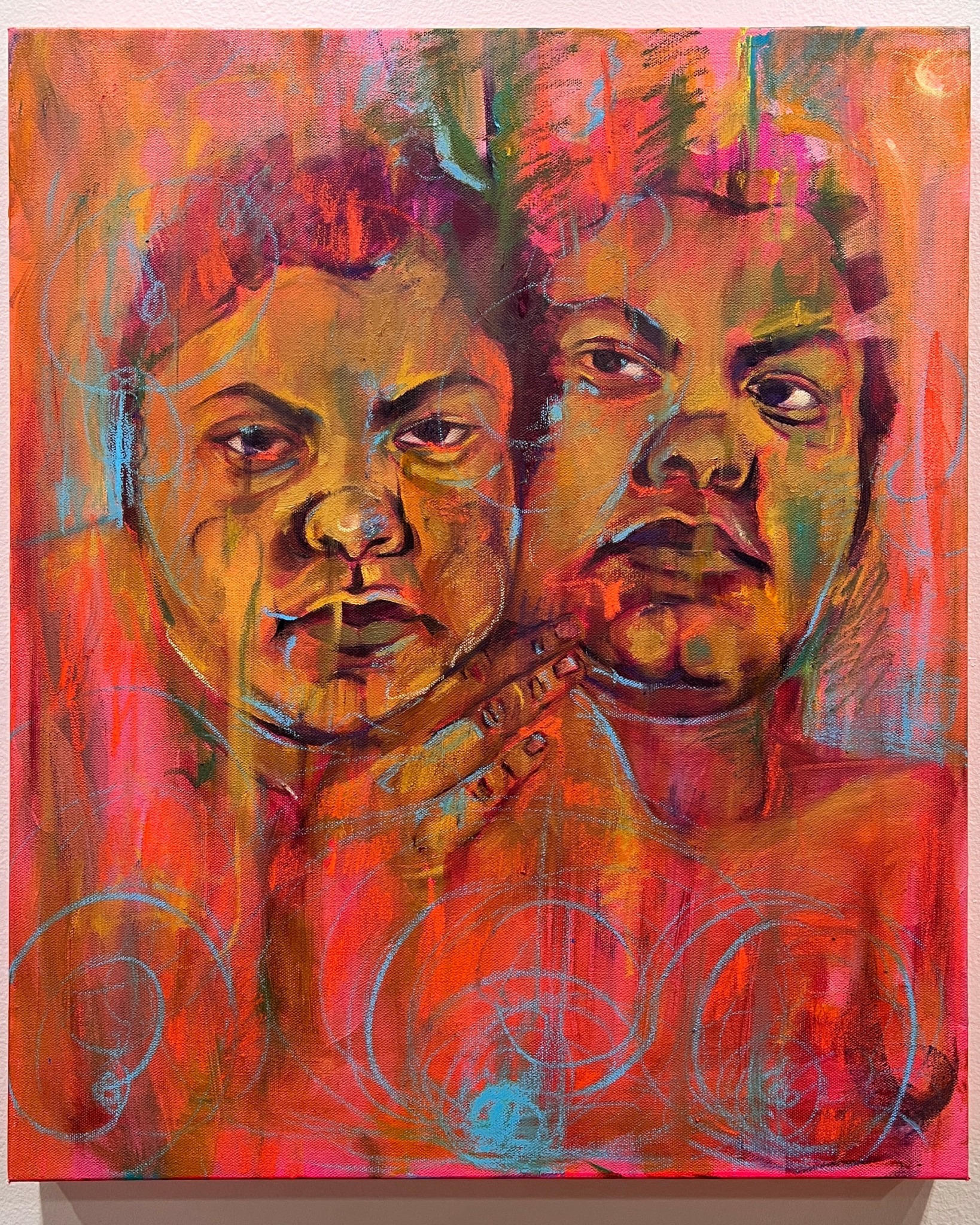
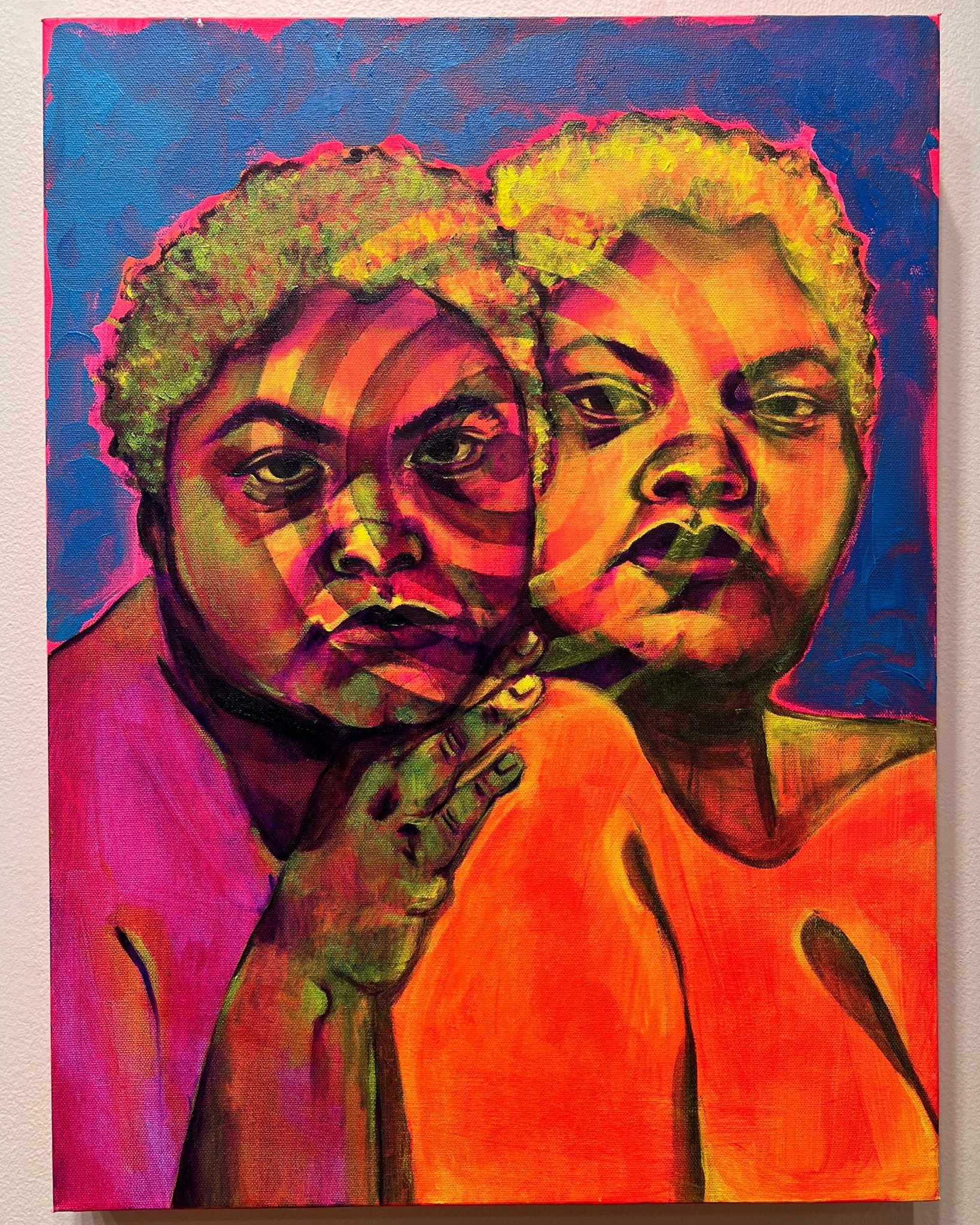
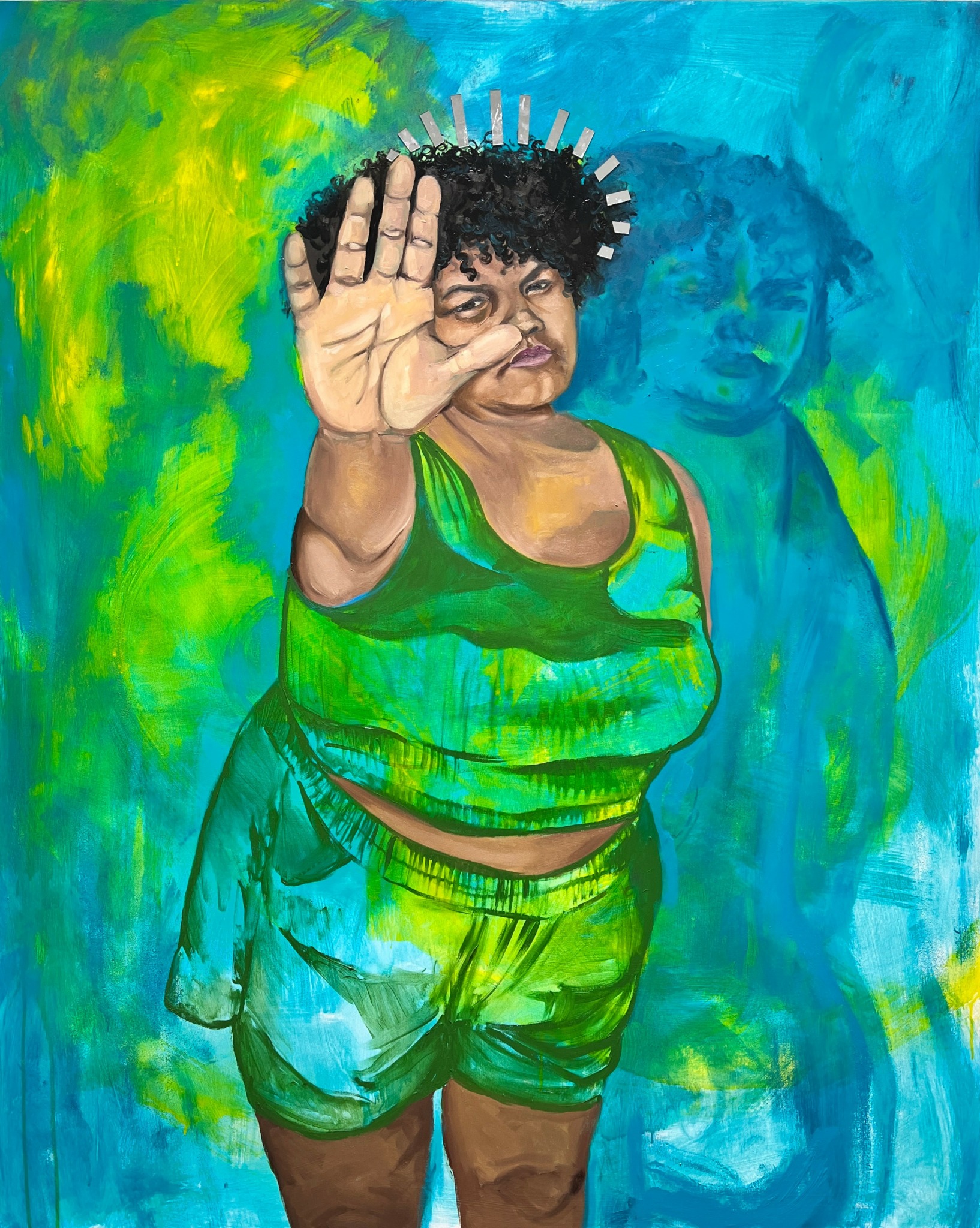
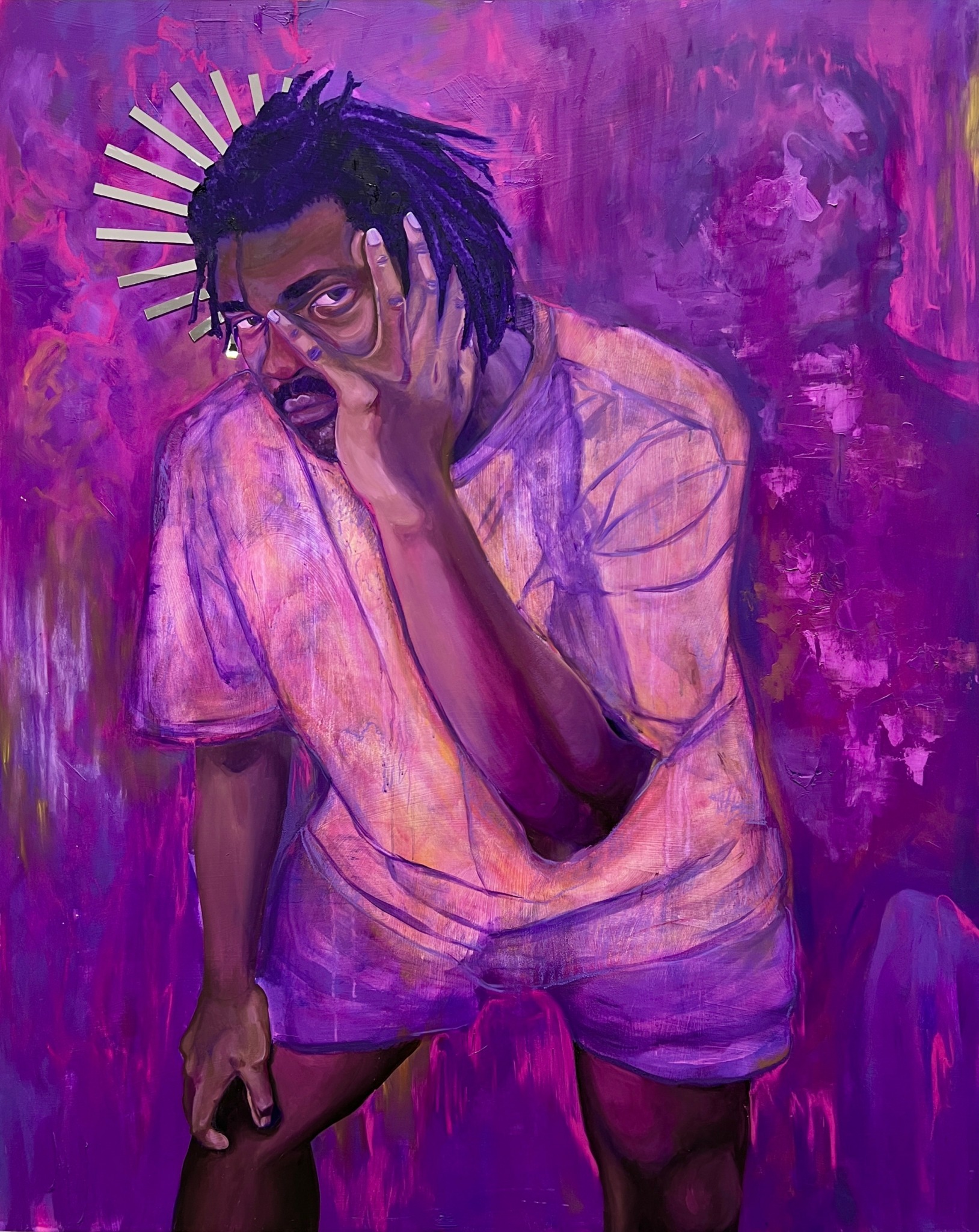
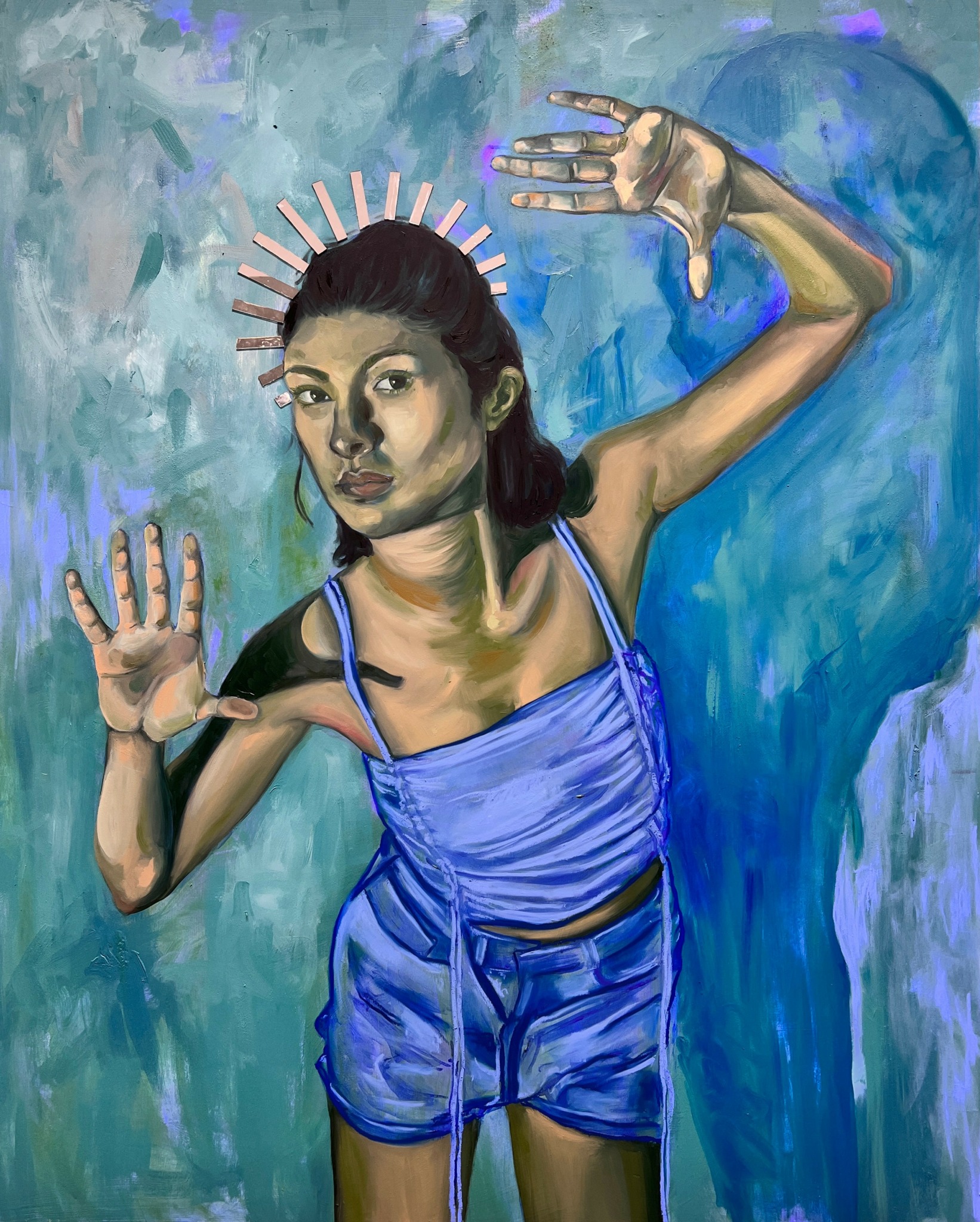
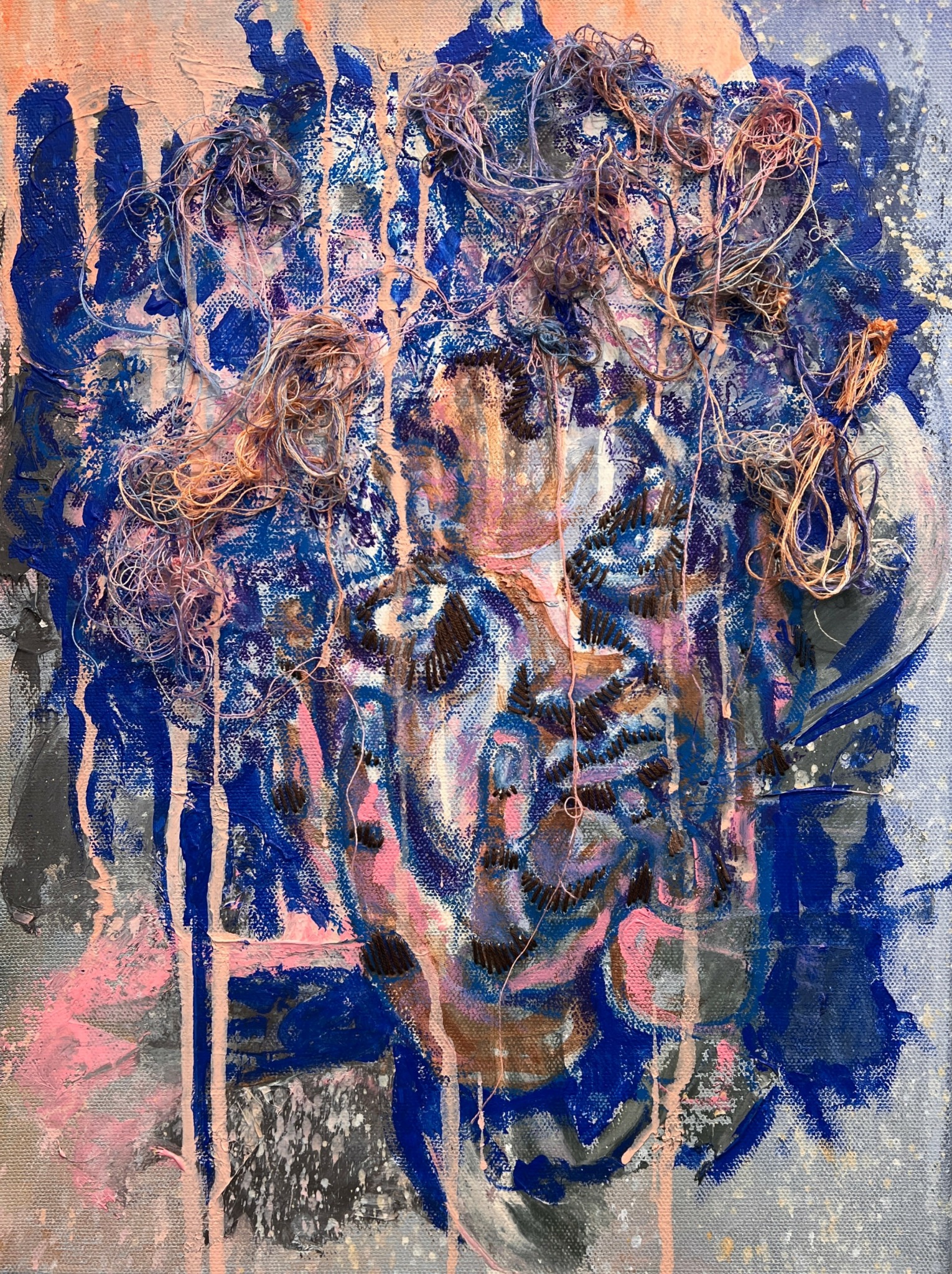
I’ll start by telling you that the majority of my body of work surrounds the theme of identity, usually manifesting through self portrait. The concept of identity alone can be a harrowing thing to face, but being vulnerable and brave enough to put it all out there for people to see is even harder. However, that is not the biggest problem I’ve faced with my work. As a matter of fact, I love telling my story and confronting other people with my reality. Most of my work surrounding identity has been about being raised biracial (African American and white) in a very tumultuous southern environment. Being biracial is a very large part of who I identify as because it is something that I’m confronted with in my day to day life. I find that many people relate to that sentiment whether they are mixed, a POC or just feel outcasted in other ways. The unexpected problem comes with confronting an identity that was new and unwanted. This past year (2024) I was diagnosed with Crohn’s Disease and spent many months in and out of the hospital, seeing dozens of doctors who had no idea what was wrong with me. I was poked and prodded, at one point I was down 50 lbs in 3 months and when I looked at myself in the mirror I didn’t even know who was staring back at me, how could I make art about identity when I don’t even recognize who I am. For now, I’ve come to the conclusion that I can make work about how I feel without letting the disease define me and also coming to an understanding that identity is fluid. It’s always changing and the things that define you today may not be the things that define you tomorrow. I’m now working on a body of work that encapsulates a broader definition of identity that both encapsulates how I feel and leaves room for those feelings to change.
As always, we appreciate you sharing your insights and we’ve got a few more questions for you, but before we get to all of that can you take a minute to introduce yourself and give our readers some of your back background and context?
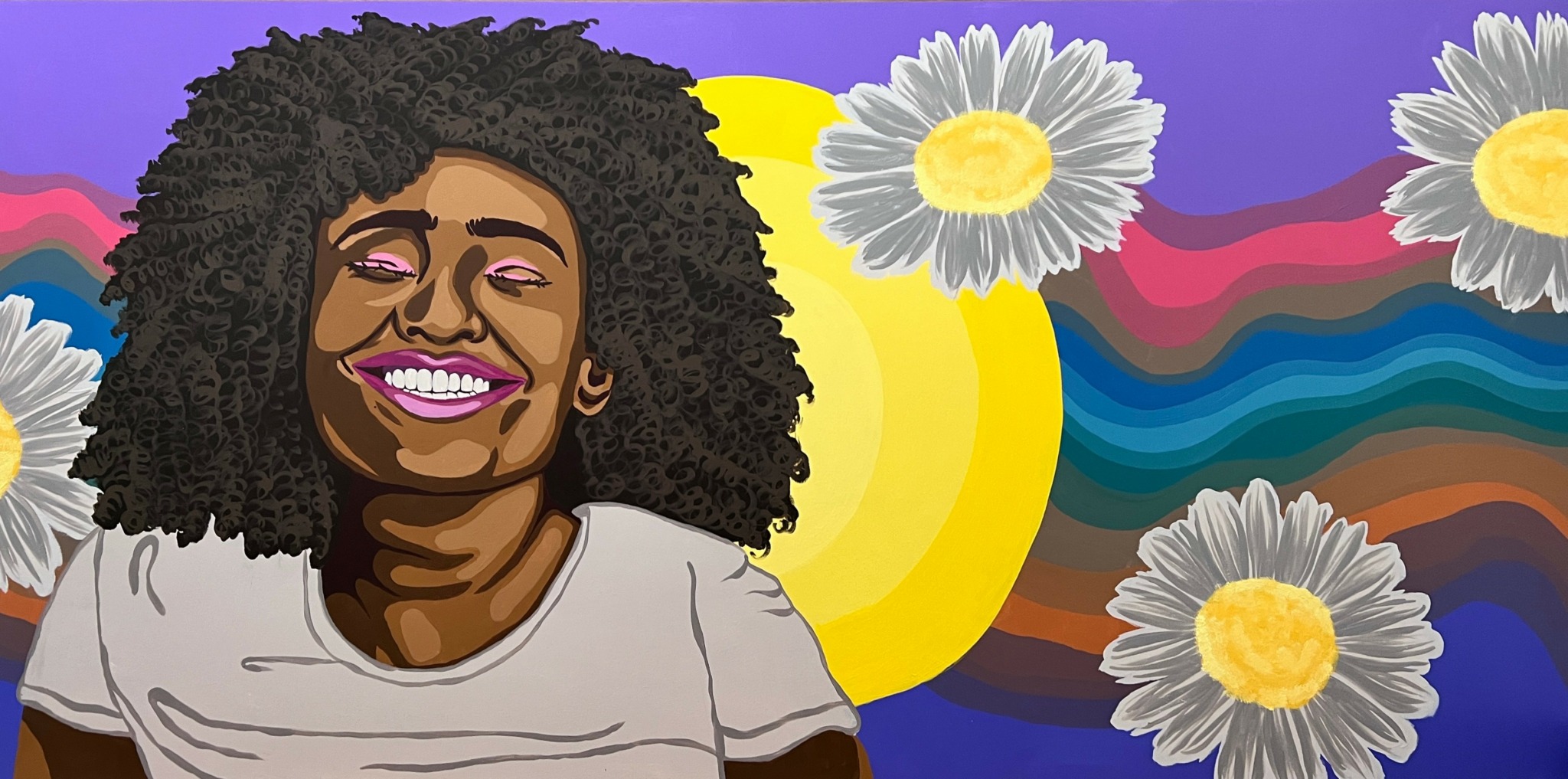
I am an Artist with a BFA in Painting in Drawing and like most artist I create work that reflects my experiences and perceptions. I often find myself exploring the uncomfortable in-betweens of identity and making room for myself and my voice to be heard. I grew up as a biracial individual in a very traditional southern environment where people weren’t always the most accepting of who I am. I often explore the idea of displacement, specifically exploring the longing for a sense of community and place. I aim to create work that not only commemorates my identity but also makes a space for others to feel represented because I felt that was something that was lacking in the media I saw growing up. I started creating art as a creative outlet like most people but it evolved into a way of making people who look like me feel seen in an artistic way. The easiest way I sought to do this was through self portrait because the easiest way to see myself in art was to put myself in art. As I’ve recently encountered a hurdle that is living with a chronic disease, my understanding of identity and representation has evolved into not only representing the things that can be seen like race and appearance but also what we don’t see like mental or invisible illnesses.
For you, what’s the most rewarding aspect of being a creative?
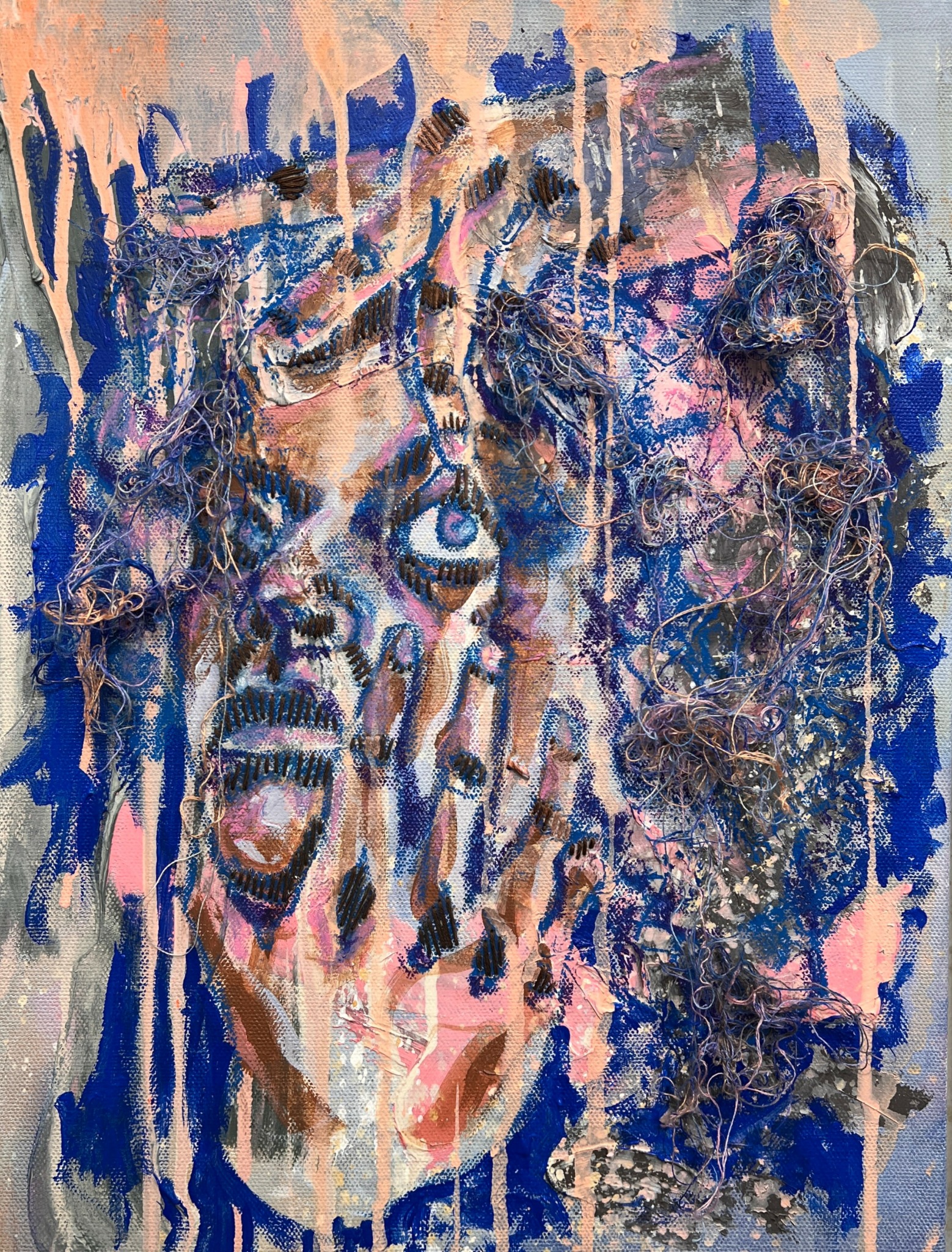
A lot of artist like to joke that trauma is what fuels the passion of making and what drives artist to create. I definitely relate to that sentiment in the way that if I hadn’t encountered all the challenges that I’ve faced in my life I don’t think I’d be able to create meaningful art. Not to say that you can’t create great art without trauma, but for me personally I just wouldn’t have the need to create. I find something beautiful in being able to create a beautiful piece of work from some of the darkest times in my life. I also love to see how people can connect to what I make and relate to their own life experiences. I think that being able to make something beautiful that’s tangible like a painting that comes from some deep and dark trauma is very rewarding because it chips away at all those traumas and turns them into something worth telling a story about.
In your view, what can society to do to best support artists, creatives and a thriving creative ecosystem?
I think the obvious answer to just to support and buy more art from artist isn’t as cut and dry as it seems. I feel that a thriving creative ecosystem comes from a better understanding of art and why it’s made. I feel like many people who don’t have a good understanding of art tend to make harmful statements like ”my child could do that” or “that’s just a square.” I believe if more people took the the time to learn why Van Gogh painted the way he did or what was so significant about Yves Klein’s “Blue Monocrome” that we could start to foster a community that is kinder and more perceptive to why people chose art as a career. It would also provide a broader community of people for artist to learn from, while it is nice to be surrounded by creatives, it is also just as valuable to spend time with people who see the world in other ways. I think that the best thing that society can do for artist is to try and understand why artist do what they do and the profound impact that art has had on society.
Contact Info:
- Website: https://www.jacidavistheillusiveartist.com
- Instagram: jacitheillusiveartist