

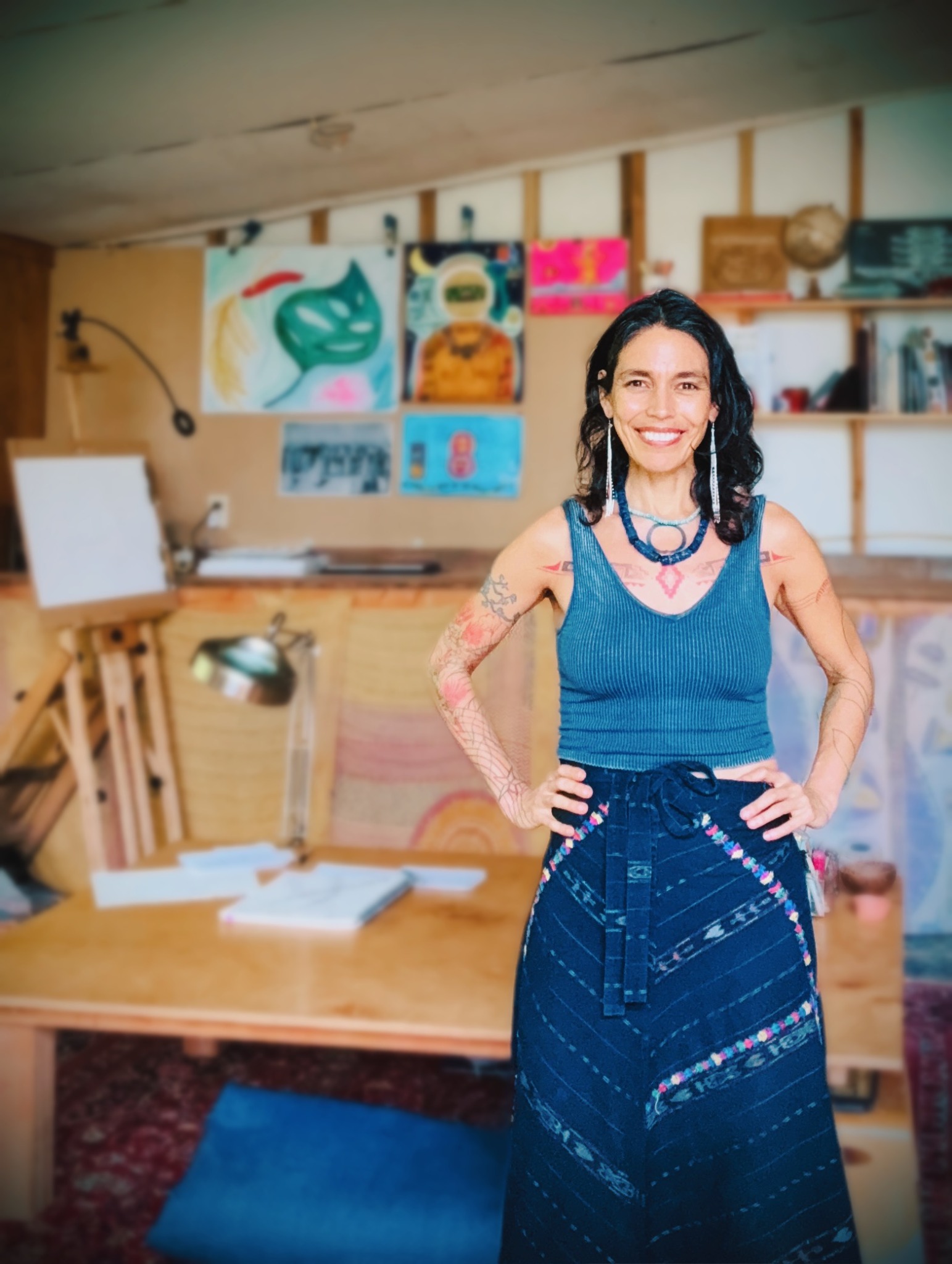

We’re excited to introduce you to the always interesting and insightful Ixchel Xochitlzihuatl. We hope you’ll enjoy our conversation with Ixchel below.
Alright, Ixchel thanks for taking the time to share your stories and insights with us today. Was there a moment in your career that meaningfully altered your trajectory? If so, we’d love to hear the backstory.
I was working in the Rio Grande Valley in Texas from 2014 to 2018 on immigrant rights and community development. I saw how our community was challenged to meet all the different needs of the region (climate change, political changes and economic hardship). I also saw how most of our community had indigenous roots (myself included) but many of us had not been raised in our own cultural traditions. And we were not using this cultural wisdom to address our biggest challenges. I felt something major was missing from my life and strategy and began a multiyear process to reconnect to my own mixed indigenous lineage and learn from first peoples throughout the continent. These teachings inform how I built Xi’im Ek Balam, how we vision, how we make decisions and the types of programing we offer. Everything centers an Earth-based, All My Relations- centered cosmovision. We bend time, we shapeshift and we harness metaphysics to transform ourselves and evolve the consciousness of the human species towards peace-futures.
Ixchel , love having you share your insights with us. Before we ask you more questions, maybe you can take a moment to introduce yourself to our readers who might have missed our earlier conversations?
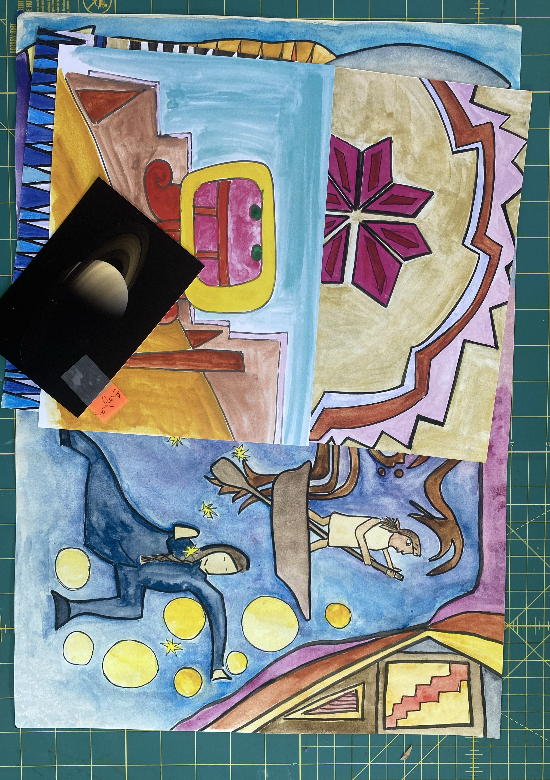
After years as an Executive Director I felt that I lacked the skills to lead in a decolonized, matriarchal way. My role models and teachers had been taught in patriarchal colonial systems and I wanted to build something different. I spent years studying Tibetan Buddhism and the wisdoms of indigenous tribes in Latin America (the Shipibo, Yawanawa, Wixrarika, Zapotec and Maya). I was also studying teachings from North American tribes as well (Haudenosaunee confederacy, Ojibwe, Paiute and Coahuila). I trained in education and pedagogy (Columbia University Teachers College, MIT Media Lab and Harvard School of Education), visual arts (Columbia University) and honed my skills as a writer and visual artist (Soros Art Fellow and published in Smithsonian Magazine). I also am trained in Somatics (Hakomi and Somatica).
I braid together all of these wisdoms to meet organizations and individuals in liberating their consciousness. I help clients work through big issues like de-shaming their sexual desires, developing decolonial and abundant relationships to money, leading major organizations with indigenous values and centering creativity and joy in everyday life.
Putting training and knowledge aside, what else do you think really matters in terms of succeeding in your field?
I have encountered a lot of experiences that some would think of as failures or set backs. I find that these gifts have helped me the most in times of challenge:
Curiosity: being curious about new possibilities and new ways of seeing. In times of grief disappointment remaining open to the benefits of the unexpected outcome. Seeing humor in everything also really helps
Hero’s journey: In times of challenges I am always thinking “what is the benefit of this situation? What am I learning form this experience?” These questions help keep me out of a victim mindset and keep me curious about how to alchemize a misfortune into an opportunity.
Desire to change (or willingness to die): It is great to be easy and unattached to my perception of self. I question multiple times a day “What if I just didn’t do that?”. I gracefully cancel when I realize my heart is not excited about something. I always move from a place of love and if I am not able to find my joy in an activity I am quick to reorient myself.
Persistence: Even when I experience what others consider setbacks I am consistent in my vision and I pick back up and start again. I do not rush. I let myself grieve transformation and expectations when needed. But I still get back up and start again.
How do you keep your team’s morale high?
Maintain a genuine interest in your staff. Think about their learning and curiosities and how you can support them. Pay them to do things like rest, take naps, research and take care of their health. Many women in particular are running households and working full time jobs. They feel they are burning a candle at both ends. If you want to create a more equitable world and have your staff feel understood create opportunities for them to rest and feel cared about. In addition to making the world a better place staff will feel less stressed, will be more creative, more efficient, will form stronger bonds with one another and give you honest feedback.
Having a staff of two people who are unstressed, focused, communicate clearly and love their work is much more helpful for an organization than having a staff of 10 that feel underapreciated, overworked and misunderstood.
Contact Info:
- Website: https://www.xiimekbalam.net/ and https://sexmedicinemoneymagic.com/ and https://xochitlzihuatl.net/
- Instagram: https://www.instagram.com/xochitlzihuatl/
- Facebook: https://www.facebook.com/IxchelXochitl
- Linkedin: https://www.linkedin.com/in/ixchel-ton%C4%81ntzin-x%C5%8Dchitlzihuatl/
- Youtube: https://www.youtube.com/@XiimEkBalam
- Other: thank you!
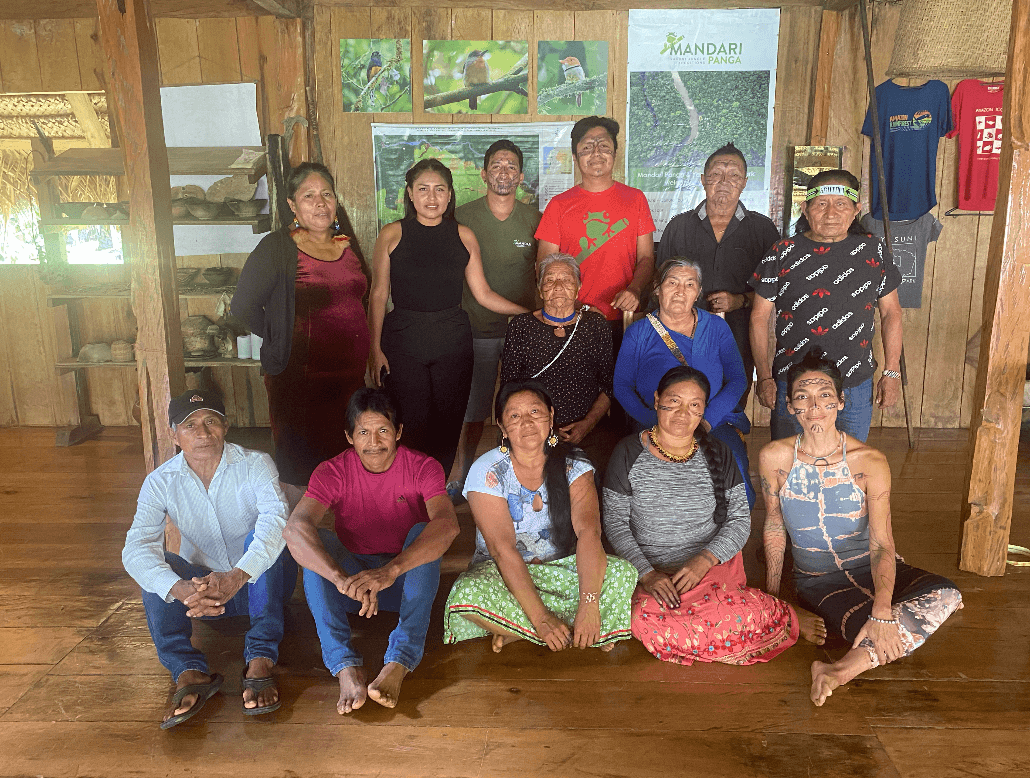
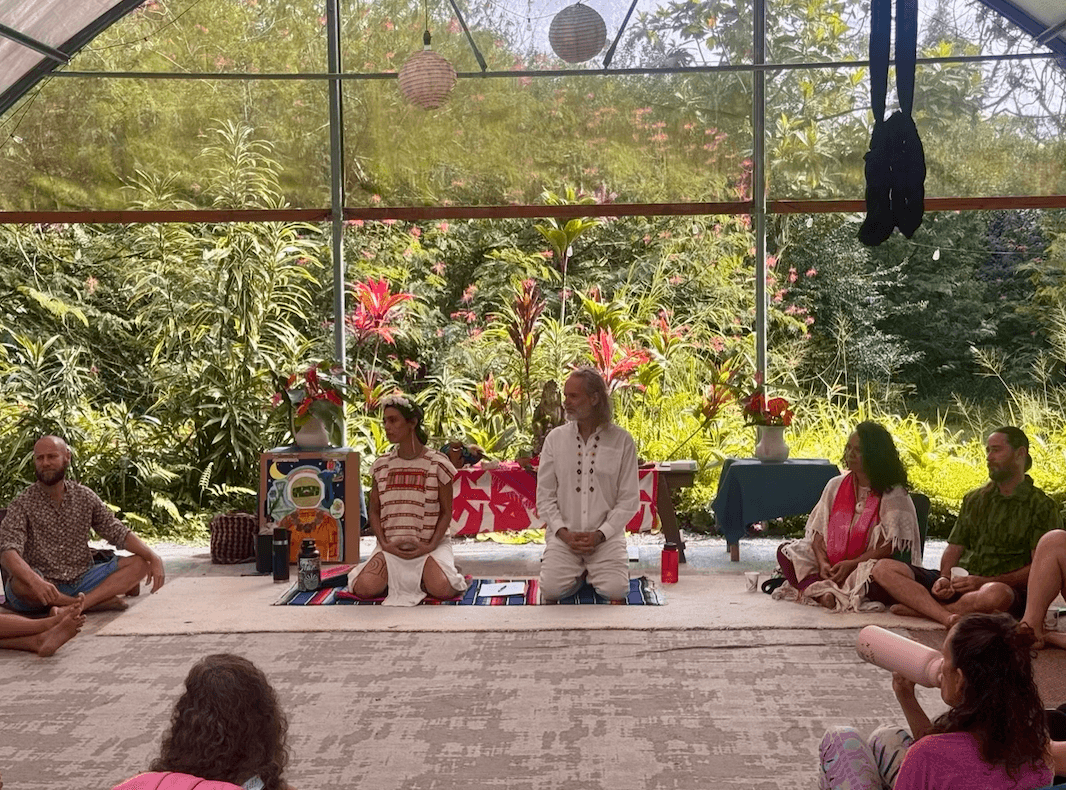
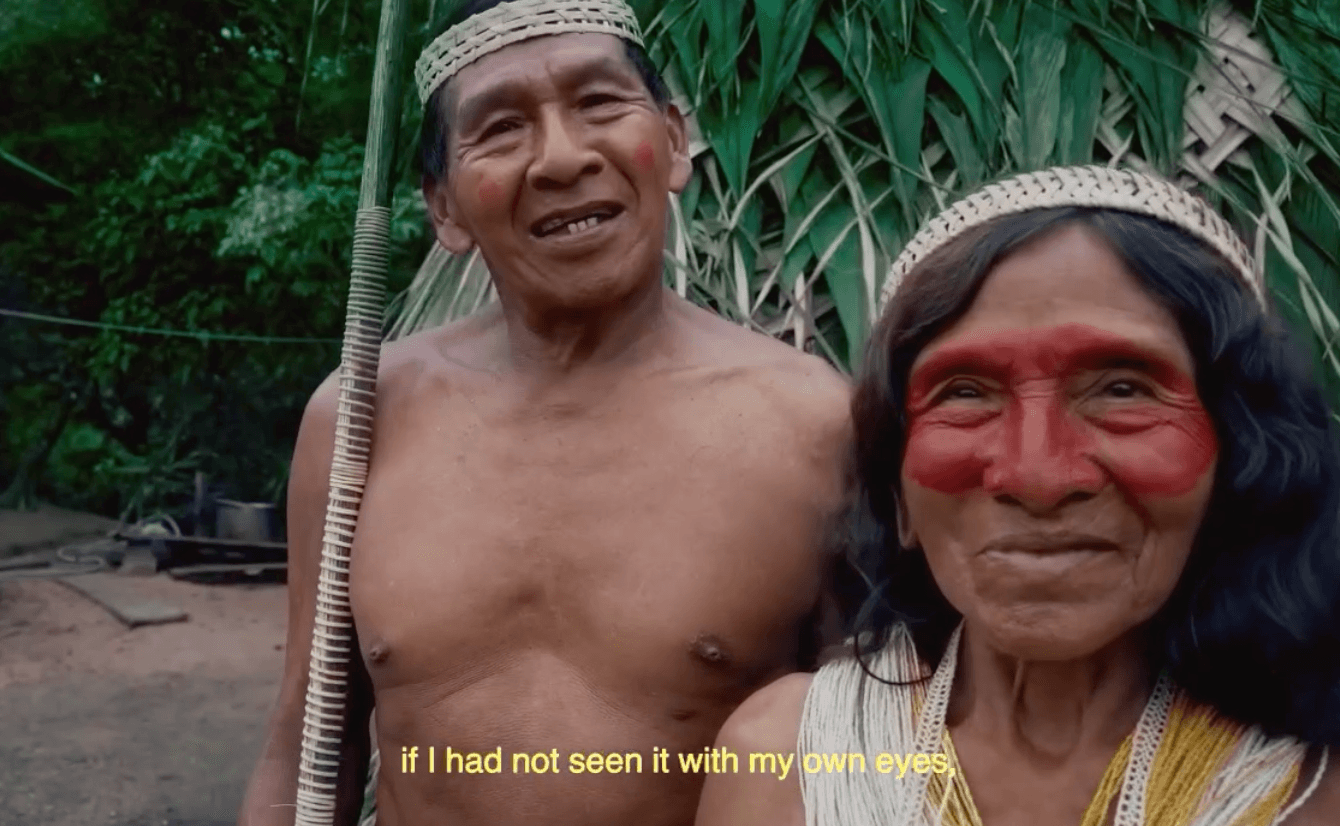
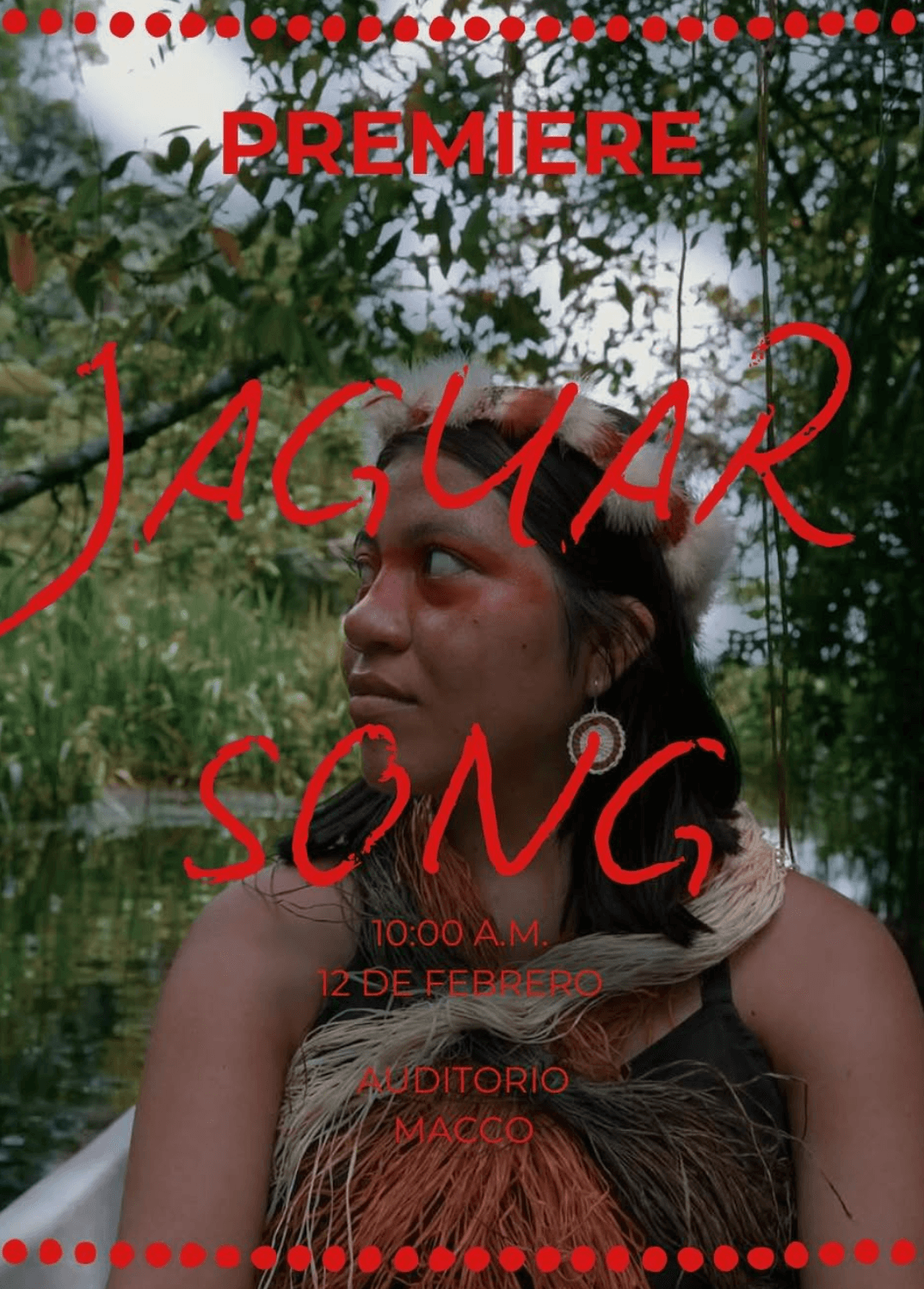
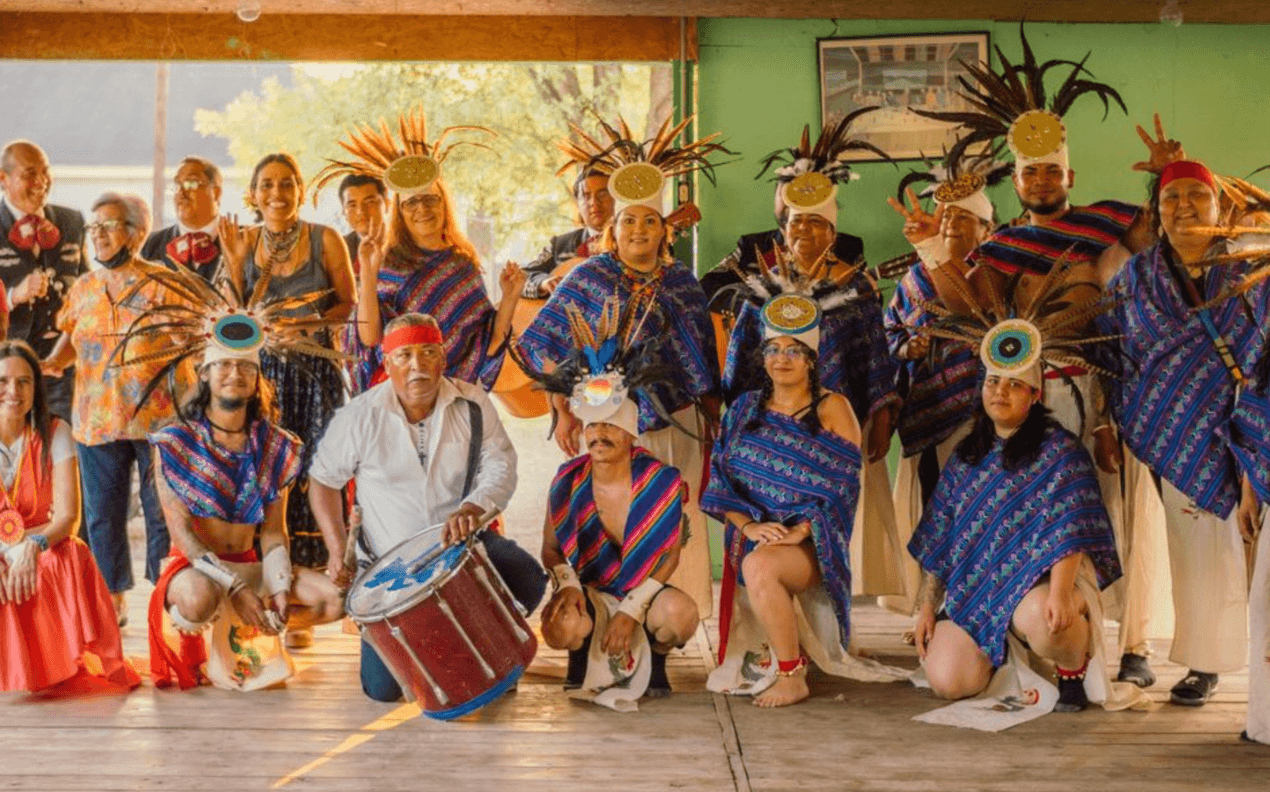

Image Credits
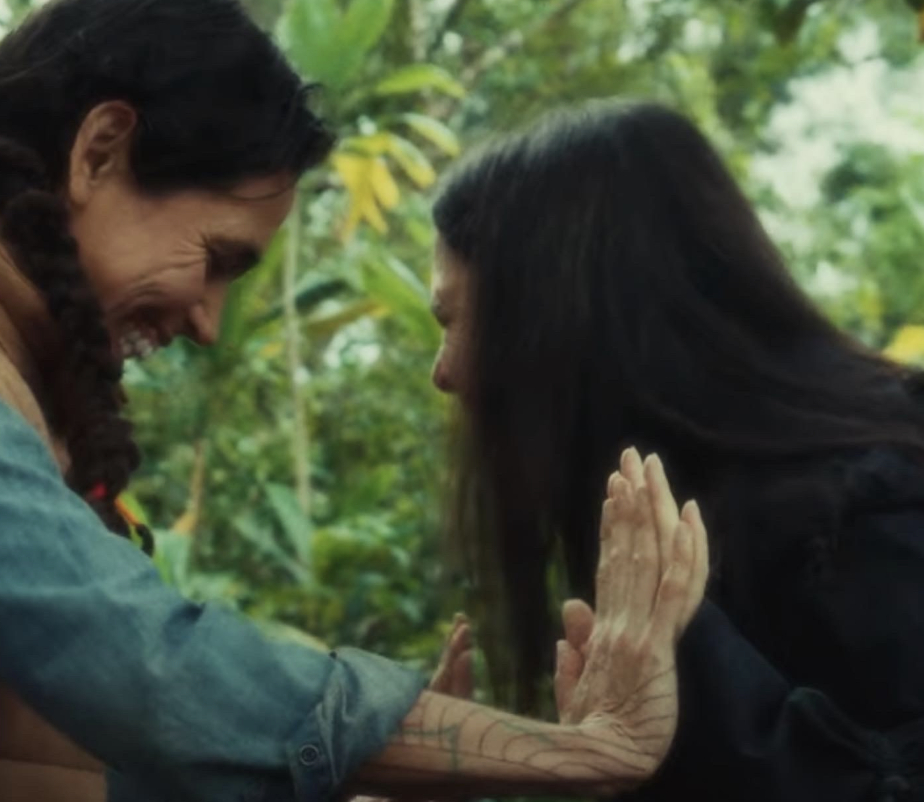
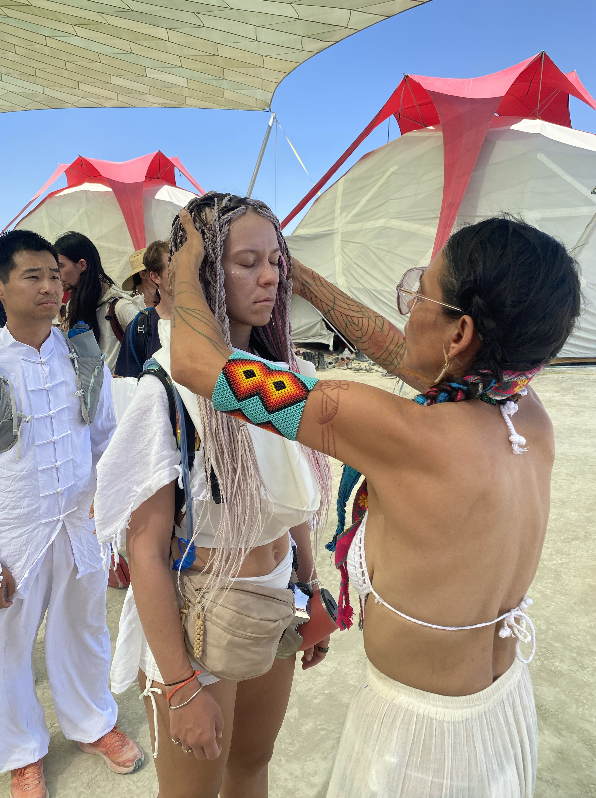
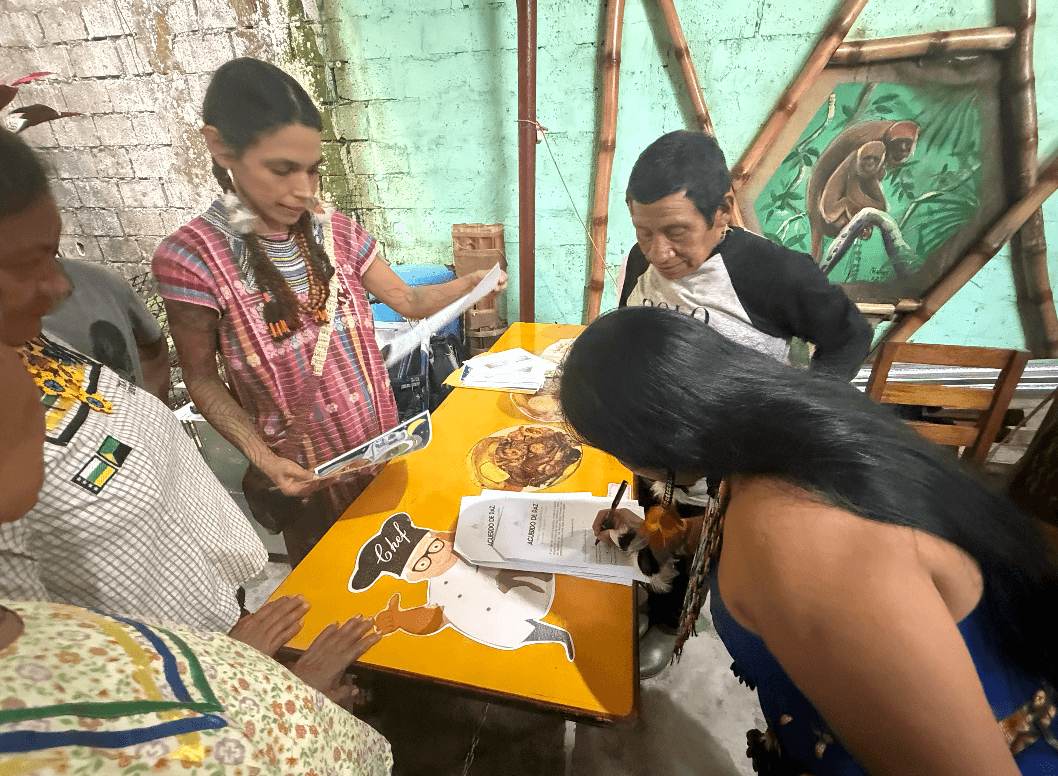
The final two images are by Cielo Zuniga, the image with the subtitles is from the film Jaguar Song in collaboration with AnAkA, poster design by Mayara Coehlo, first image is a film still from a video made in collaboration with RT Seriwaka. Third image (on the playa) by Aleanu Matthee.