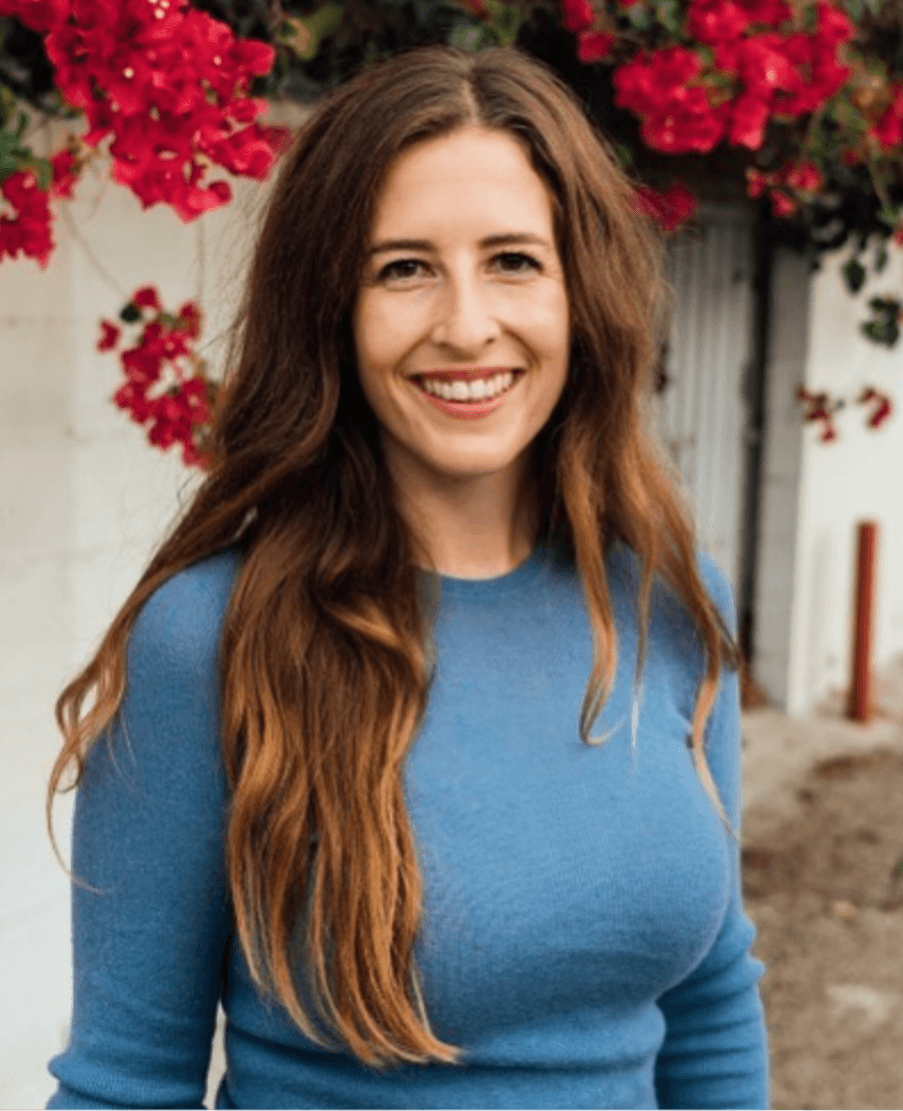

We were lucky to catch up with Ivy Sunderji recently and have shared our conversation below.
Alright, Ivy thanks for taking the time to share your stories and insights with us today. We’d love to hear about one of the craziest things you’ve experienced in your journey so far.
I have a very unique career. I run my own business giving evidential psychic medium readings, and I am also a professional screenwriter, so a lot of my clients end up coming from the Hollywood community through word-of-mouth because that’s my social circle. One of the most fun and craziest things is usually when the dead person I am connecting to is someone famous who has passed away.
I am very conscientious of privacy, and without naming names or personally identifying details, this one reading was a big highlight of my career so far. My client was an anonymous, private person outside of the public eye, so I had no idea they had any proximity to the person who came through the reading.
A common misconception of mediums and psychics is that we are somehow mind-readers or all-knowing, and that is definitely not true. We get a stream of subtle impressions in our minds and bodily sensations, and the information we have is a lot like what a translator would know from an hour spent with someone, so when this particular reading started, I had no idea who I had on the other side. At the start of the reading, I heard his first name in my mind’s ear and I got the impression that this man on the other side coming through had died suddenly and tragically at a young age. After that, he showed me a poetic stream of images in my mind’s eye that evoked almost like a biopic of some young creative artist, and he showed me he looked like a specific famous actor. My client validated these impressions as making sense to her, so I knew I was making a good connection. Near the end of the reading, I felt this dead man in my mind kept repeating a specific phrase, and suddenly I thought I recognized it as the name of an album from one of my all-time favorite musicians. To my incredible delight and surprise, my client confirmed that this made sense because this was one of his albums. It turned out that the actor I had compared him to did look a lot like him, too, so much so, in fact, he had once been attached to play him in a biopic.
All I can say is THANK GOD this dead man kept his identity low-key until the end of the reading. I am around famous people in Hollywood often enough that I’m not usually too star-struck, but I definitely would have been star-struck to meet this man, even in spirit, had I known going into the reading who he was. Getting the incredible opportunity to meet him like this, as odd as medium readings are, felt like an amazing gift on so many levels. I felt like the world’s luckiest fan who got invited backstage for an hour to hang out with one of my idols.

Ivy, before we move on to more of these sorts of questions, can you take some time to bring our readers up to speed on you and what you do?
I am a unique multi-hyphenate with an active career as a writer and producer in film and television, and I also run my own business as an evidential psychic medium. In film and television, I have a new pilot I am co-writing with one of my favorite TV writers that I am really excited to be working on, and I am attached to star in a reality show about mediumship that is in development with some wonderful producers. I also recently completed writing a memoir, The Magic House, and have been on a few podcasts recently telling bits of the story that inspired me to write it.
As an evidential psychic medium, I offer readings to both private clients and small groups over zoom. I wish we could reframe our collective understanding of the psychic services industry as an unregulated form of grief support. There is no substitute for the comfort some of us find from experiencing the validating evidence and messages a reading can provide that show a loved one who is missed here is somehow alive and well in another way after death. In many readings I have given, I have been able to give clients very specific evidence the dead can somehow still see our ongoing lives unfolding here, too, and that always feels amazing when those kinds of messages come through.
My advice to anyone interested in getting a medium or psychic reading who may be skeptical of the phenomenon (as I used to be), but curious to see if it would be comforting: be kind and give your medium the benefit of the doubt during the reading itself, and apply your skepticism afterwards. I provide any client who wishes for one a zoom recording of their reading so they can re-listen to it later, and I have a generous refund policy in place so clients can feel like they are safe and in caring hands coming to me for this unique work. It’s been humbling to have the opportunity to become a professional medium, and I am grateful for everyone who trusts me with making these incredibly meaningful and moving connections for them in their quests to find comfort in the face of loss.
What’s a lesson you had to unlearn and what’s the backstory?
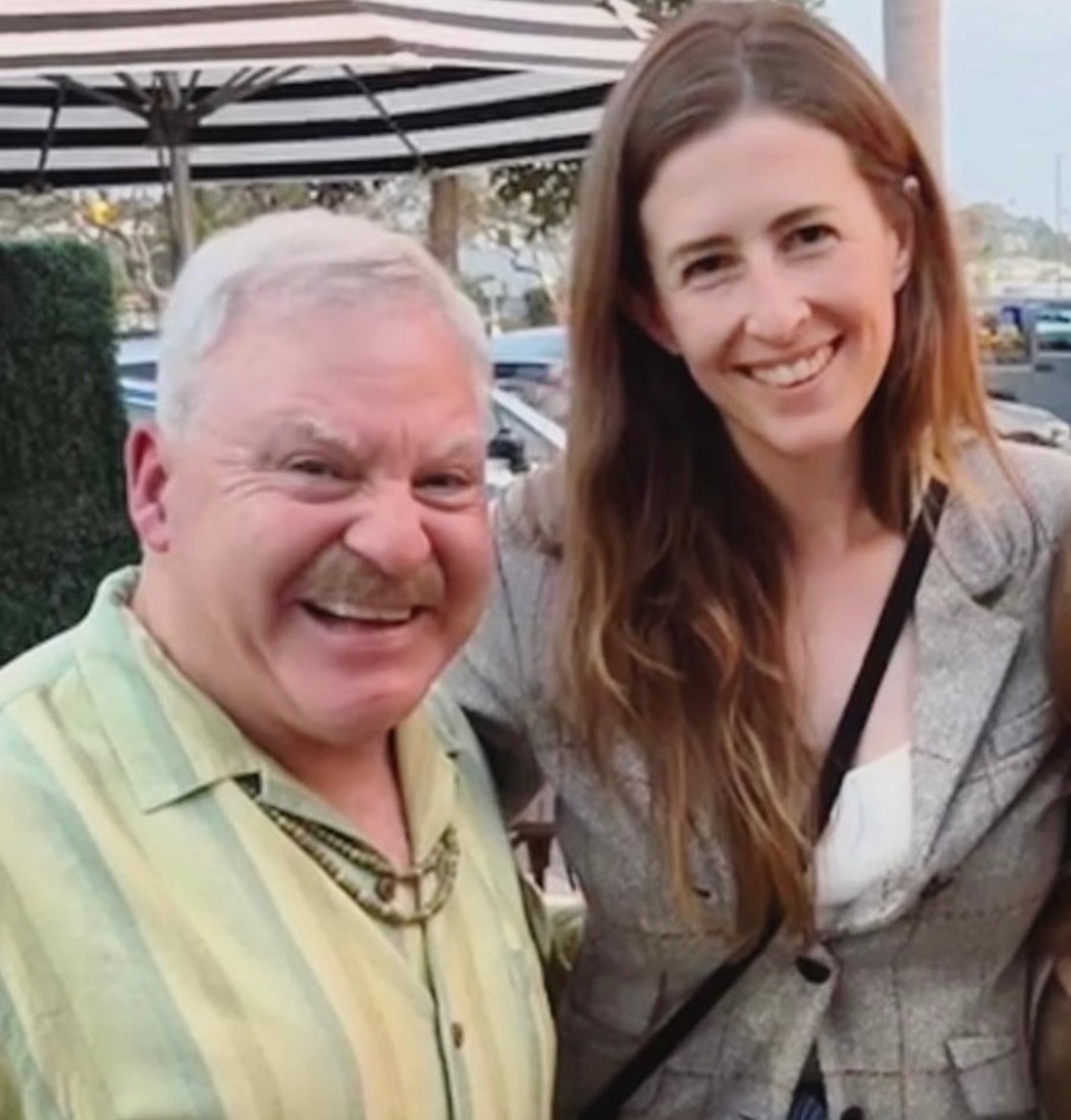
Early on in my screenwriting career, my feature-writing mentor gave me some advice that has been tough but necessary to unlearn. It wasn’t bad advice at the time, but so much of whether advice is helpful really comes down to context. My mentor’s advice about a decade ago was to work for free as a writer or assistant to a more experienced writer, essentially, to self-exploit, until my value, talent, ability, etc., was recognized as undeniable.
This advice made sense when the creative middle class was more stable and when the film industry operated more like an unofficial apprenticeship system with experienced writers acting as mentors, and there were more opportunities for reliable upward mobility in TV and more opportunities for paid work. Since then, it’s become much more of a system of winner-take-all, haves and have nots, and the working conditions in the film industry have deteriorated dramatically for most creatives I know. I think the film industry needs to look at what happened to the value of writers work when studios and agencies became publicly traded companies in lock step with the streaming bubble bursting.
Unlearning this advice to self-exploit has been critical not only to staying sane as a screenwriter and having boundaries around what lines I won’t cross as I continue to work on developing projects and try to plant my flag as a leader ready to run a TV show, but it has been equally vital to helping me launch my second career as an evidential medium, too.
Because of my own history of extreme skepticism about mediumship, which is something I share more about in my memoir, I still wrestle with needless shame at times from the persistent stigma that mediumship is somehow predatory or exploitative. I know it’s not, but when I started out, it was hard to wrap my mind around charging clients money for readings, even though I was providing a helpful service that takes a lot of time and energy on my part. My therapist was the one who helped me draw a boundary around this and who explained to me it was okay to charge money for work so I could take care of myself.
This experience was a wakeup call about how bad the labor exploitation problem in Hollywood has become and how much unethical treatment has been normalized in the culture. In both the current climate in both Hollywood and in the world of small-business owners trying to launch their brand and develop a consistent clientele, I think there’s got to be a distinction between self-exploitation, apprenticeship, and foundational sweat equity. If you are going to work for free in a substantive way, you need to own a significant stake in what you are creating.

Are there any resources you wish you knew about earlier in your creative journey?
This touches on the self-exploitation issue in my previous answer. There are definitely times in my education and my career as a writer I have felt I was treated as a person of no consequence because I’m from a modest background, as most people are, and I’m not clearly connected to any powerful “name” that opens doors or scares people into treating me well. It is so important if you come from any kind of humble background and choose to do any kind of creative work or entrepreneurship to know your labor rights and the avenues available to enforce them.
As a screenwriter, even when I’ve worked jobs that had WGA contracts, they haven’t always been fairly or easily enforced, and that’s one of the most difficult parts of doing this work. Theoretically talent representatives should carry this weight for clients, but in my experience, many who hold these positions work more effectively to suppress and subdue the voices and rights of those of us whose names and creative work “have never made it into the zeitgeist,” which is how a manager once described my screenwriting resume, a work history which includes winning a major writing fellowship from Universal and five seasons writing on a TV show that was number one in its time slot and won an NAACP Award for best drama series. Although good reps exist, too, if you aren’t a powerful “name,” many reps will do more to serve as gatekeepers who help to enforce the exploitative status quo instead of helping to stand up for your rights and best interests as their client.
It wasn’t until the UAW’s labor union came to the USC campus in 2023 to try to improve working conditions there, when I was teaching there as an adjunct screenwriting professor in the School of Cinematic Arts, that I became aware of the existence of the NLRB. I wish I had known this resource existed earlier! After signing our union cards, I went with a group of adjunct faculty to the local office of the NLRB — the National Labor Relations Board — to help deliver the signed cards to form the adjunct faculty union. This experience of seeing the NLRB in person and realizing it is just an office where thoughtful human beings work demystified the process of utilizing their services.
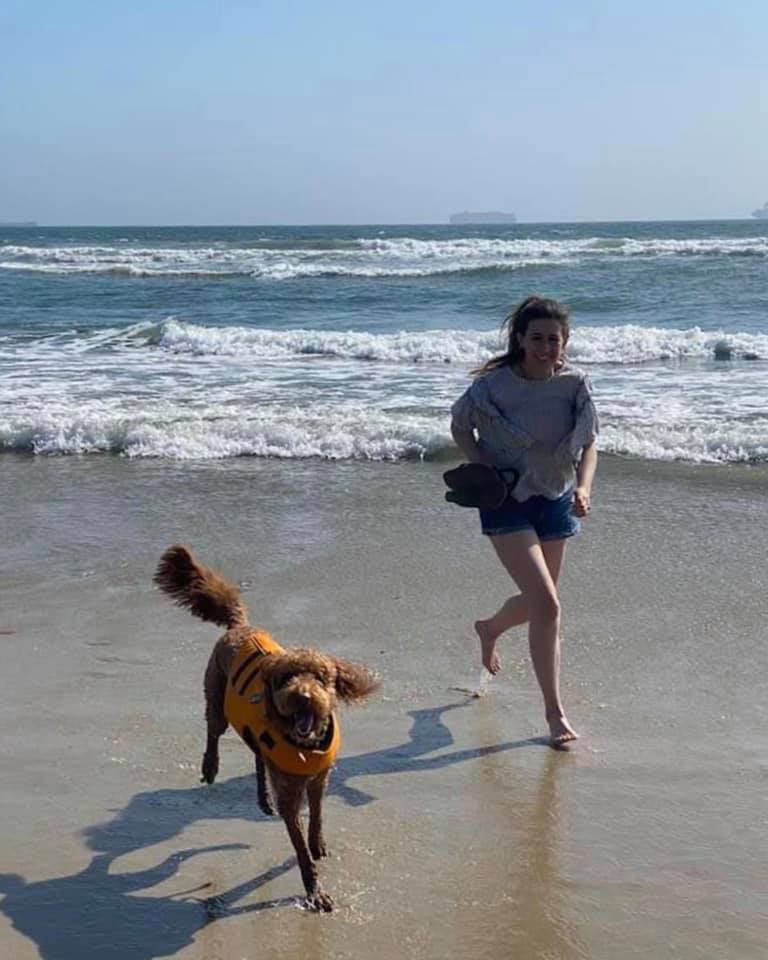
It was thanks to this experience that I was able to ask the Labor Board to step in to help me and a group of writers who have been waiting for several years to get paid for an unresolved group claim the WGA put together on our behalf for back pay from a guild-signatory studio. This case, according to union reps I spoke with in 2023 about the ongoing unresolved status of our claim, had shaped many of the concerns of the last WGA strike, and I was told resolving it was a “top five priority” of the WGA. The claim involved, among many issues, an executive who didn’t properly classify or fairly pay writers under studio contracts and who referred to some members in the claim as “cheap black writers” as partial justification for this overtly problematic exploitation. This one fact alone was grossly unconscionable, and although the WGA was always empathetic and took this claim seriously, for some reason, it got punted from lawyer to lawyer in their legal department for years without ever setting an arbitration date or negotiating a fair resolution with the studio in question. It’s been several years now we’ve all been waiting to be paid, and in the past year, I have struggled to pay my bills and take care of myself and my dog, Zooey, and the lack of justice in this matter has taken a big psychological toll. I’m sure people wonder why I don’t just take on more medium clients during this time, but many mediums will say the same thing and it’s true for me, too: most of us can only do a few readings a week because the energetic cost of this work is very high, and for me, there is simply no way to offer that service effectively at a reasonable price point and make a full-time living doing it in Los Angeles.
A few months ago, I finally turned to the NLRB and began the process of filing claim against both the WGA and the studio in question to force them to set an arbitration date, and with that step of added pressure and outside eyes on the situation, both sides finally agreed to set an arbitration date for late 2025. I’m so grateful to everyone at the NLRB who helped take this seriously and helped spur action. I don’t know why it was so hard to get anyone to act before this step had to be taken. It’s hard not to become a conspiracy theorist or assume some kind of political motivations when everyone who is supposed to have your back drops the ball for so many years. But I know even well-meaning studio executives, HR departments, legal departments, and labor union lawyers are all often overwhelmed by competing priorities, and we all have limited bandwidth. Sometimes, the hard truth is, your rights really might not be a big priority to anyone but you. Knowing what tools you have to compel people to act to enforce your rights when they’ve been violated is essential to survive when you are working for yourself in any creative capacity.
It can feel if you aren’t rich, famous, or otherwise powerful like there are two sets of rules in society, but it truly doesn’t matter who you are, right now we are all still governed by the same set of laws, and your rights matter as much as anybody else’s. If you are willing to speak up for yourself and have faith that your fundamental rights and basic human dignity matter, you can take comfort in knowing at least for now, the law is on your side, and there are people who will stand up for you if you are willing to stand up for yourself and keep speaking up in as many ways as you need to, for as long as you have to, until you get the help you need. Your rights are worth the fight.
Contact Info:
- Website: https://ivysunderji.com
- Instagram: @ivy_sunderji
- Youtube: https://www.youtube.com/@ivysunderji
- Other: https://ivysunderji.substack.com/