
We recently connected with Ivan Ng and have shared our conversation below.
Ivan, looking forward to hearing all of your stories today. How did you learn to do what you do? Knowing what you know now, what could you have done to speed up your learning process? What skills do you think were most essential? What obstacles stood in the way of learning more?
– How did you learn to do what you do?
I learned photography through curiosity, community, and doing.
When I was studying in Hong Kong, I sat next to a classmate who was editing photos on his laptop. The images caught my attention — they were moody, cinematic, and taken in what looked like an abandoned school or structure. I casually told him his photos looked cool, and he asked if I wanted to join him the next time he went shooting. I was always adventurous, so I said yes.
That one invitation opened a whole new world for me. I started joining him and his photographer friends on excursions around Hong Kong — exploring abandoned places, hidden corners, rooftops, and locations that most people would walk past without noticing. Being surrounded by photographers naturally pushed me to pick up my own camera.
From there, I just kept shooting. I photographed objects, friends, streets, portraits, runway models, couples, families, commercial projects, and even frontline journalism. I learned by meeting other photographers, studying their work, watching tutorials, participating in forums, entering competitions, and constantly experimenting.
For lack of a better word, everything I learned came from doing. I did not wait until I felt ready. I learned by being present, making mistakes, trying again, and slowly developing my own eye.
– Knowing what you know now, what could you have done to speed up your learning process?
Honestly, I think I could have learned faster by doing even more — even though some of my friends would probably say I already did plenty.
Looking back, the moments that taught me the most were never the comfortable ones. They were the shoots where I had to figure things out on the spot: difficult light, unfamiliar locations, fast-moving subjects, or situations where I had to adapt quickly. I wish I had placed myself in even more of those situations earlier.
I also think I could have been more intentional about studying my own work. Shooting a lot matters, but reviewing your work honestly matters just as much. Asking why an image works, why it does not, what emotion it carries, and what could have been stronger — that kind of reflection helps you grow faster.
I always tell myself that the biggest room in the world is the room for improvement. That mindset still pushes me today.
– What skills do you think were most essential?
A good eye is important, but I think the most essential skill is learning how to translate what you see and feel into an image.
That means understanding light, composition, color, timing, body language, and atmosphere. It also means knowing your tools well enough that they do not get in the way of your vision. When you understand what a certain lens can do, how light changes a face, or how editing can refine an image without taking away its honesty, you become more intentional.
Photography is not only technical, though. People skills are just as important. Whether I am photographing a wedding, a portrait, a family, or a creative project, I need to make people feel comfortable and seen. A great photo often comes from trust. When someone feels safe enough to relax, move, laugh, or be vulnerable, that is when the image starts to feel alive.
So for me, the most important skills are vision, technical control, adaptability, and emotional awareness.
– What obstacles stood in the way of learning more?
Life itself.
There were times when responsibilities, work, personal challenges, or simply the pace of life made it difficult to focus on photography completely. I think a lot of artists understand that tension — wanting to give everything to your craft, but also having to move through real life at the same time.
But I also believe that if something is truly your passion, you always find your way back to it. Photography has stayed with me through different seasons of life because it is not just something I do; it is how I process the world.
Even when I cannot give it one hundred percent every single day, the passion is always there. The time, effort, and growth eventually follow.
Ivan, before we move on to more of these sorts of questions, can you take some time to bring our readers up to speed on you and what you do?
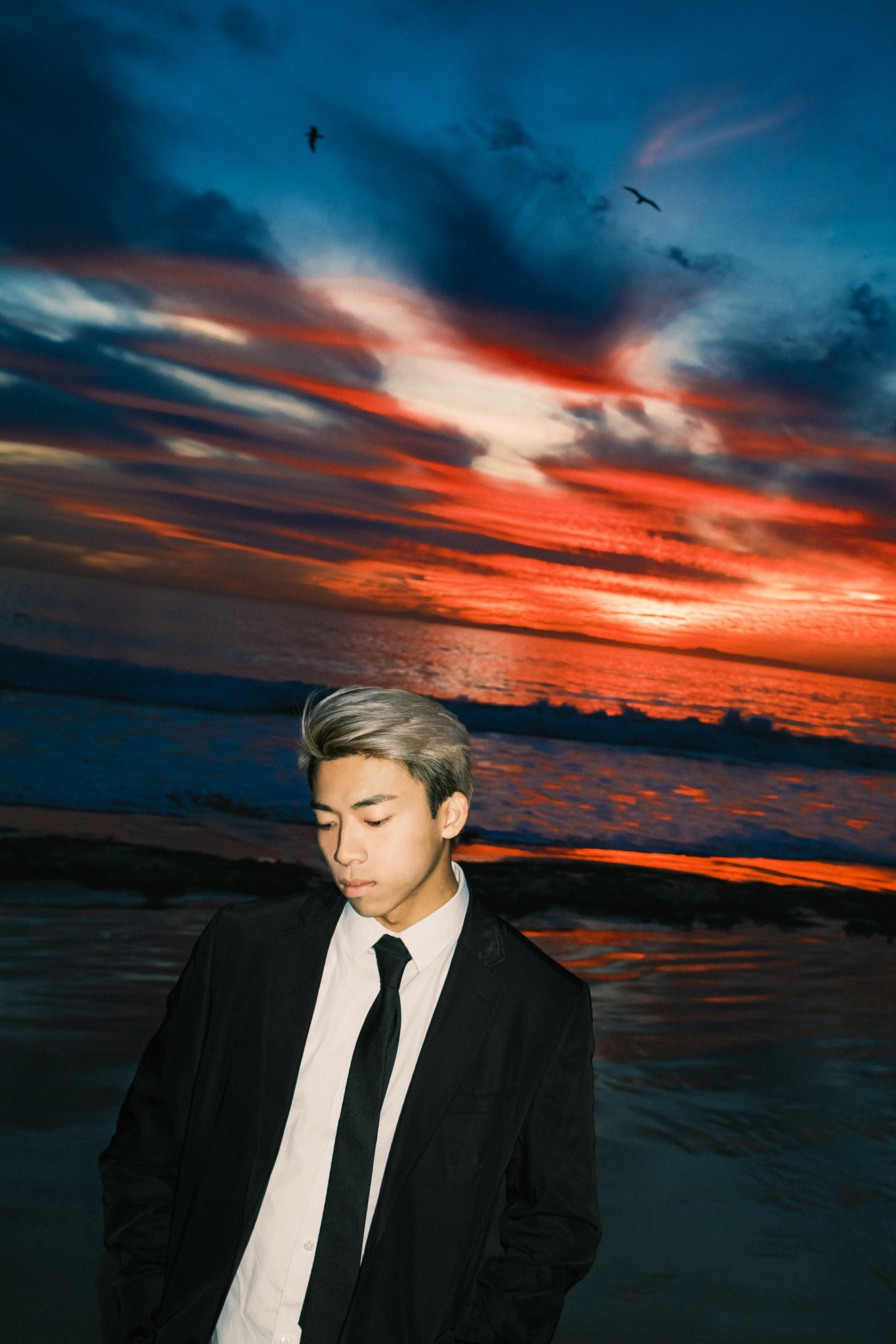
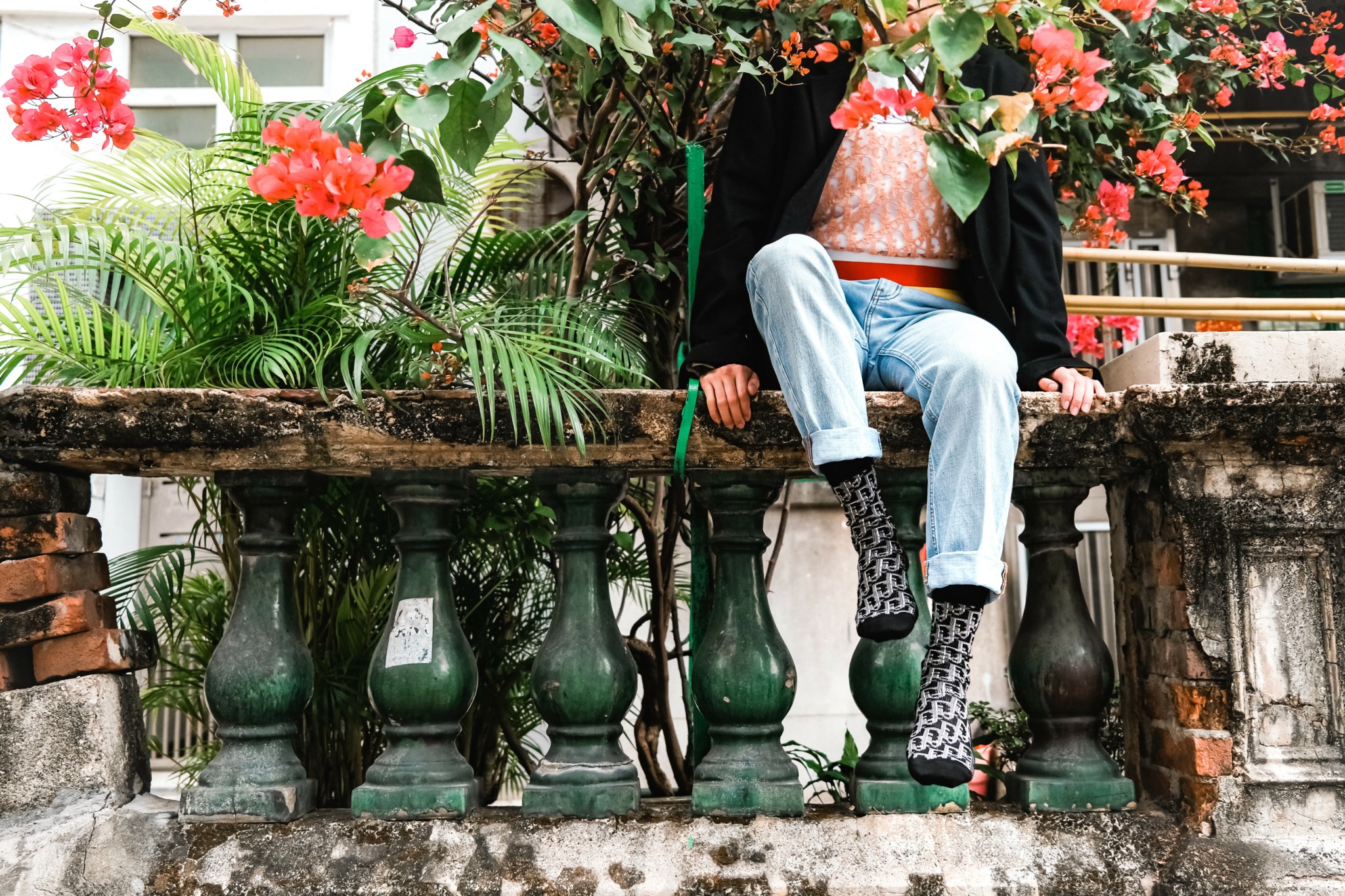
I’m a photographer whose work is shaped by my time spent between Hong Kong, Southern California, and Hawaii — three places that taught me to see people, light, color, movement, and atmosphere in very different ways. My photography blends honest, emotional storytelling with a polished editorial eye. I want my images to feel real, but also intentional — the kind of photographs that feel personal enough to belong in a family archive, yet refined enough to live in a magazine spread.
I first got into photography while I was studying in Hong Kong. I was sitting next to a classmate who was editing photos on his laptop, and the images immediately caught my attention. They were moody, cinematic, and taken in what looked like an abandoned school or structure. I casually complimented his work, and he invited me to join him the next time he went shooting. I said yes, and that one invitation opened up an entirely new world for me.
From there, I began joining photographers on adventures around Hong Kong — abandoned buildings, hidden corners, rooftops, streets, and places most people would pass by without noticing. Being surrounded by other creatives pushed me to pick up my own camera. I started by photographing whatever was around me: objects, friends, city scenes, and small everyday details. Over time, that grew into portraits, runway models, couples, families, commercial projects, weddings, and even frontline journalism.
A lot of what I know came from doing. I learned by being present, making mistakes, studying other photographers, watching tutorials, joining forums, entering competitions, and constantly putting myself in situations where I had to adapt. Photography became more than a skill — it became the way I processed the world.
Today, I photograph weddings, couples, portraits, families, graduations, editorials, brands, small businesses, products, events, performers, creatives, and commercial projects. Even though the subjects can be very different, the core of my work stays the same: I want people to feel seen, comfortable, and beautifully represented.
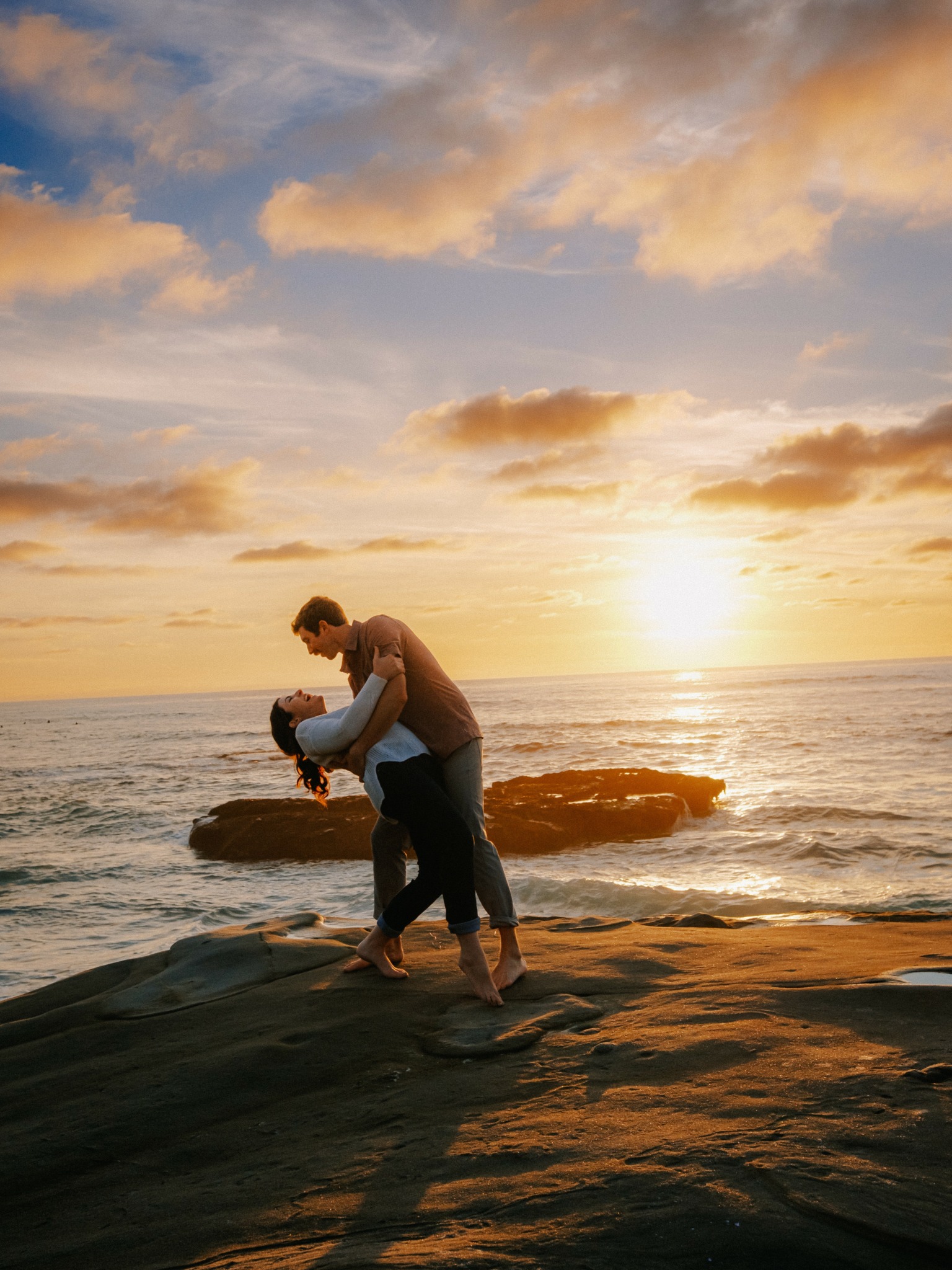
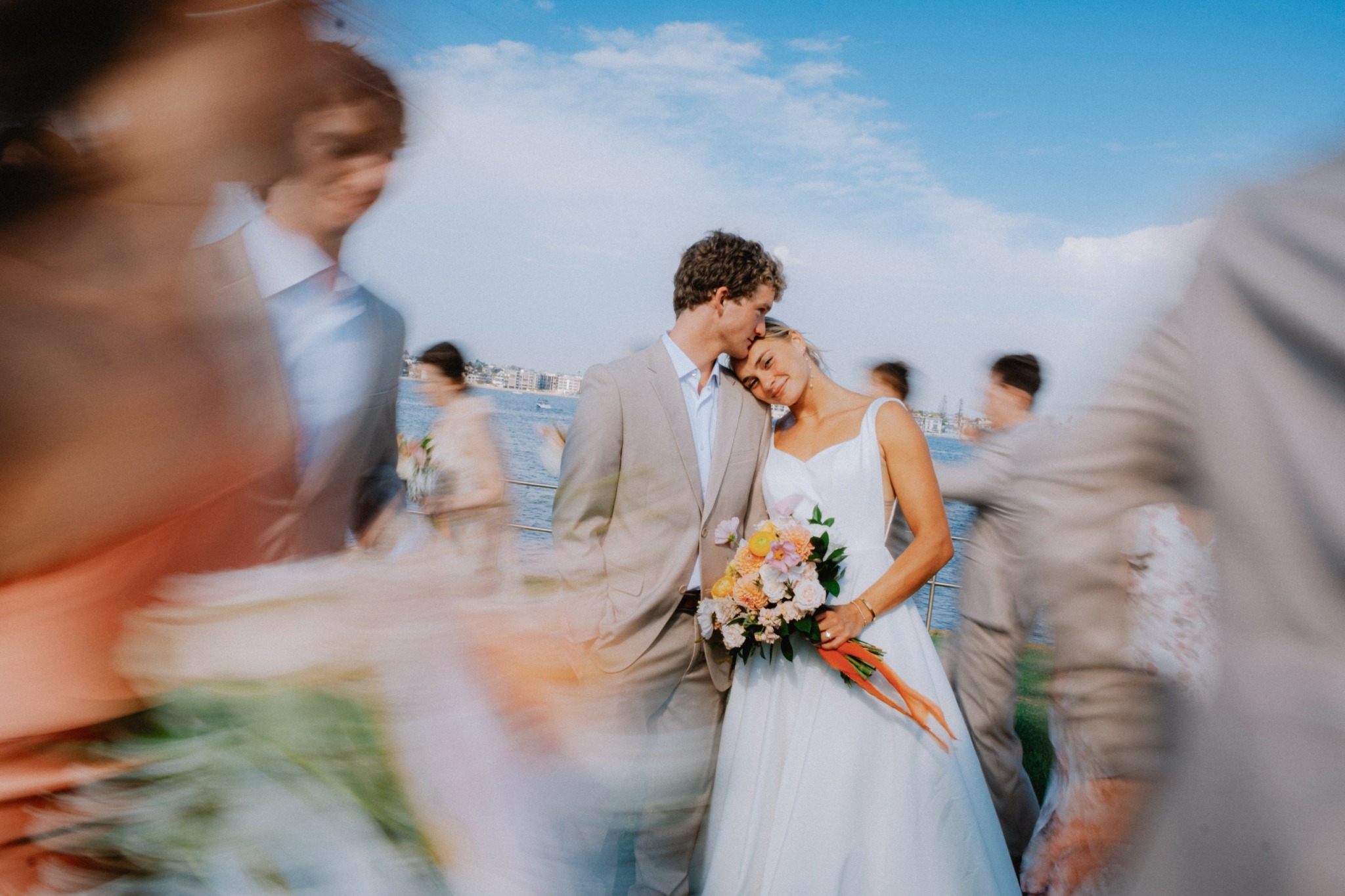

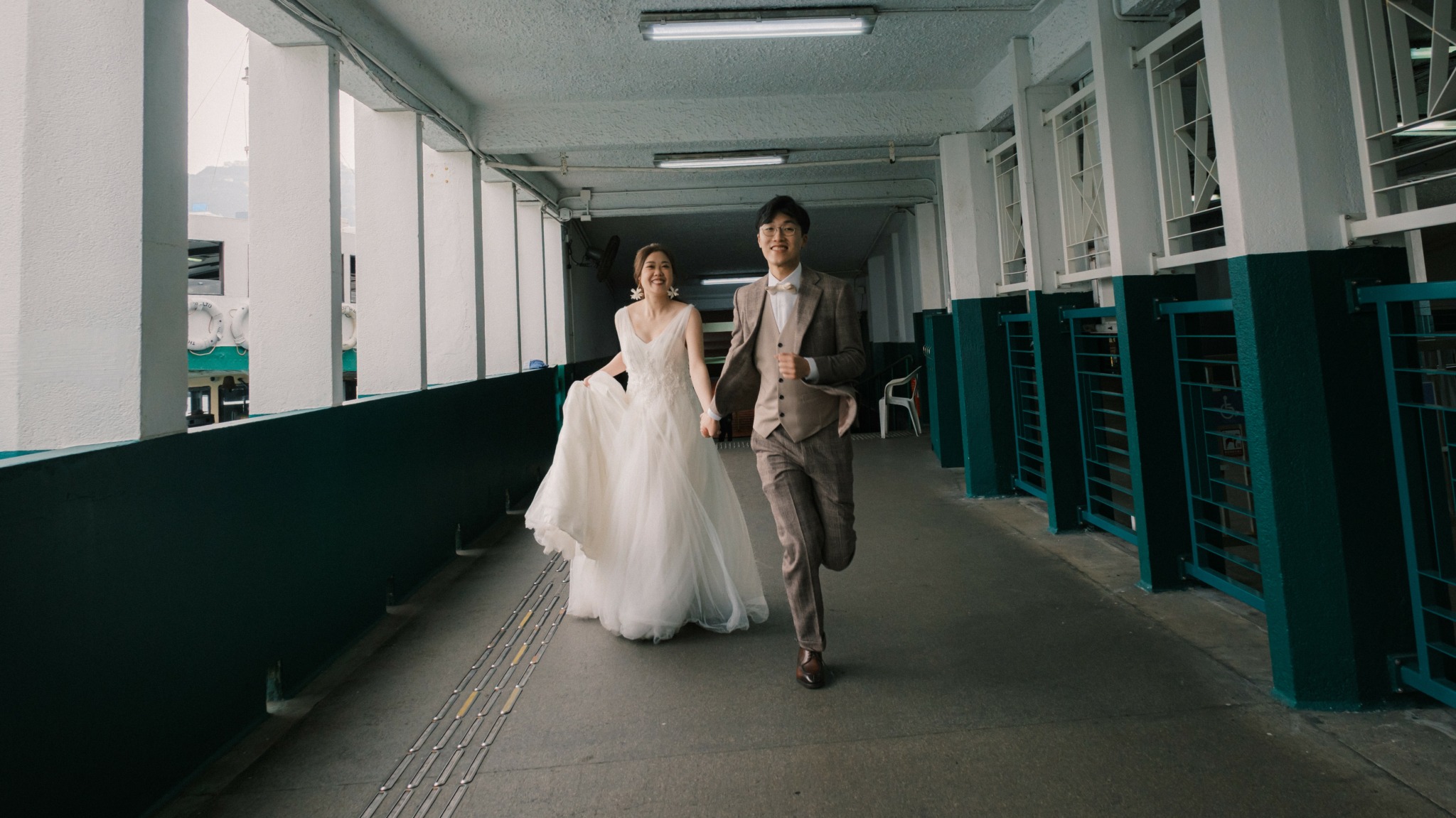
For wedding and couple photography, I focus on emotion, atmosphere, and the small in-between moments that often become the most meaningful over time. A wedding day is not just about the obvious highlights. It is also the quiet hand squeeze, the nervous laugh, the parent watching from across the room, the friend fixing a collar, or the moment a couple finally exhales together. As a wedding photographer, I spend a lot of time with my couples on one of the most important days of their lives, so I take that responsibility seriously. I am not just there to take pretty pictures. I am there to help them feel supported, grounded, and cared for.
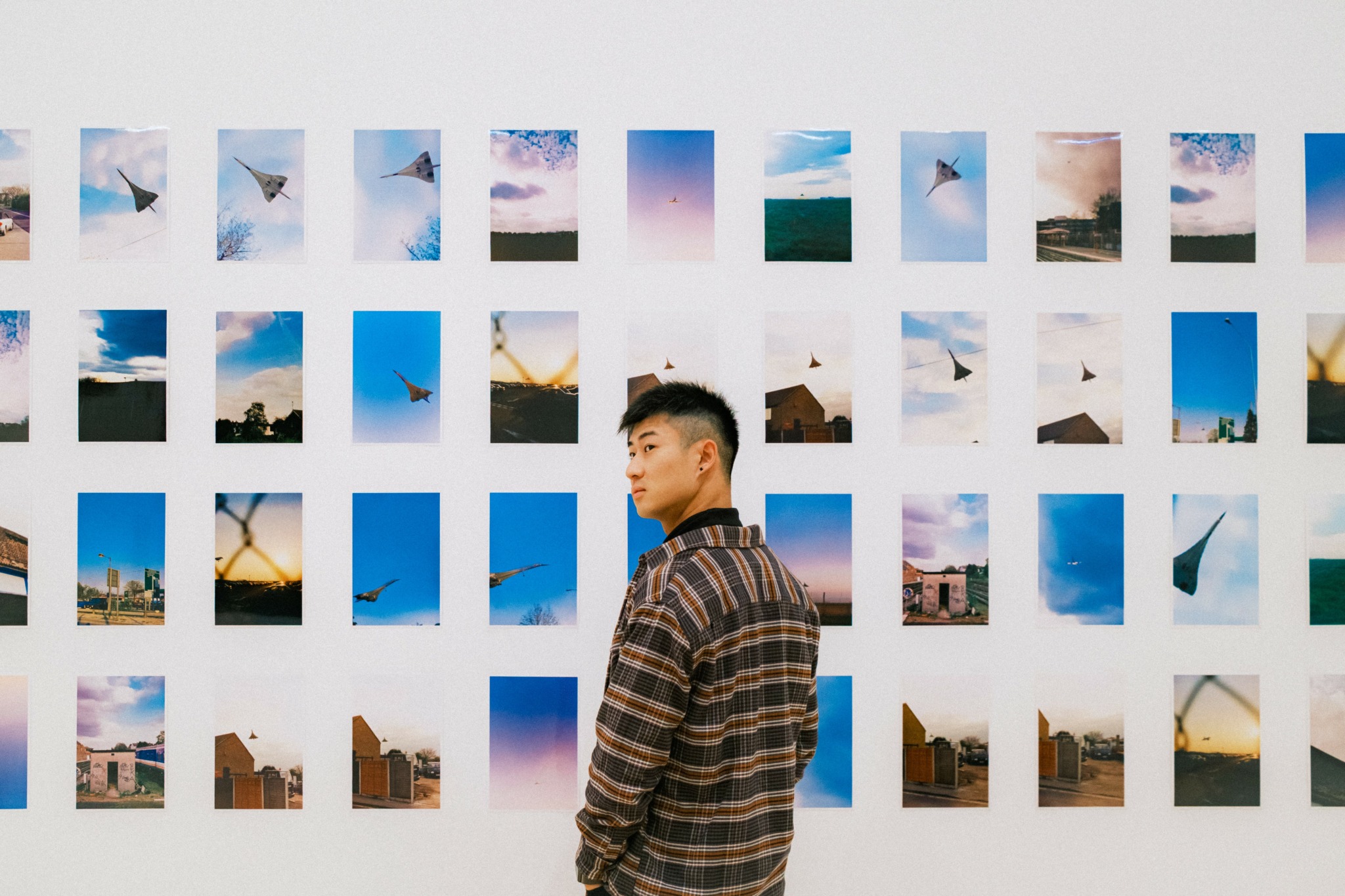
For portraits and editorial work, I help people find a version of themselves that feels elevated but still honest. A lot of people come into a session thinking they are awkward in front of the camera, and I understand that. My job is to guide them without making them feel overly posed or unnatural. I pay attention to posture, expression, body language, light, color, styling, and environment, but I also leave space for real personality to come through. I do not want everyone to look the same. I want the image to feel specific to the person.
For brands and commercial clients, I help create visuals that feel more human and memorable. A strong image can communicate taste, trust, personality, and identity before a client ever reads a caption or website. Whether I am photographing a small business, a creative professional, a product, or a campaign, I try to make the work feel intentional and emotionally connected rather than generic.
The problem I solve for many clients is that they know they want beautiful photos, but they do not always know how to get there. They may feel awkward, unsure how to pose, unsure how to tell their story, or unsure how to translate their personality or brand into imagery. I help bridge that gap. I give direction when needed, watch for the small details, and create an environment where people can relax enough to look and feel like themselves.
What sets me apart is that I do not separate emotion from aesthetics. A photo can be technically beautiful but still feel empty. It can also be emotional but visually unrefined. I care about both. I want the image to have feeling, but I also want the composition, light, color, movement, and overall mood to be considered. My goal is always to create images that feel natural enough to be honest, but polished enough to feel timeless.
I am also proud of the range of people and stories I have been able to photograph. My work has taken me from intimate weddings and family sessions to editorial portraits, commercial projects, creative collaborations, events, and documentary-style moments. That range has taught me how to read different rooms, different personalities, and different types of energy. It has made me more adaptable, more observant, and more intentional.
What I am most proud of is not just the final image, but the trust people place in me. Photography can be vulnerable. You are asking someone to stand in front of a camera and be seen. I never take that lightly. Whether I am photographing a couple, a graduate, a model, a family, a business owner, or someone who simply wants to feel confident in front of the lens, I want them to feel like they are in good hands.
The main thing I want people to know about my work is that I care deeply about making images that feel personal. I am not interested in creating photos that look like everyone else’s. I want to understand the person, the energy, the story, and the atmosphere. I want the final images to feel stylish, emotional, and true to whoever is in front of me.
At the heart of my brand is this: I photograph people with intention, emotion, and care. I want my clients to walk away with images that not only look beautiful, but also remind them of who they were, what they felt, and why that moment mattered.
What do you think is the goal or mission that drives your creative journey?
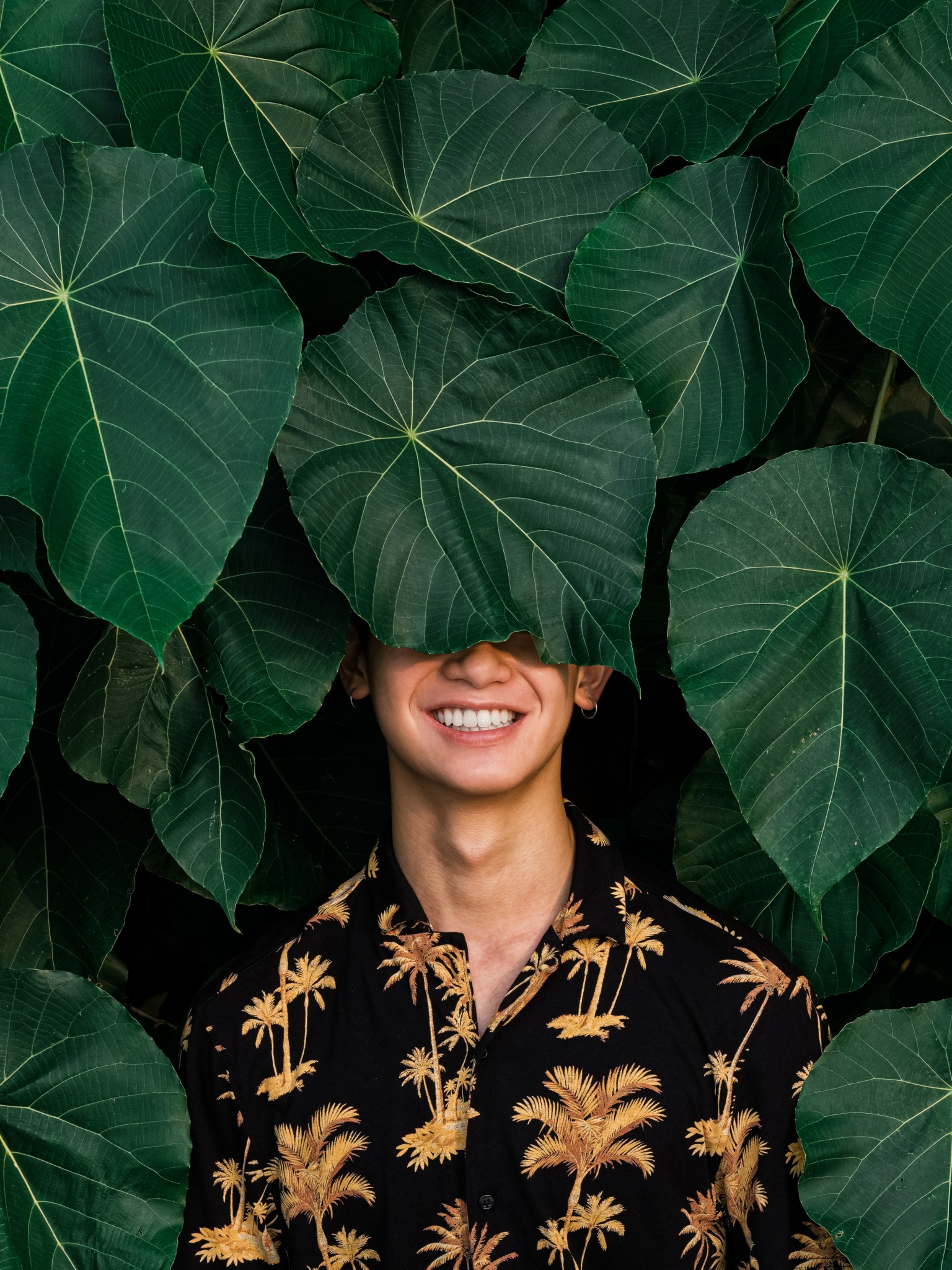
Yes. At the core of my creative journey, my goal is simple: to create images that make people pause for an extra second.
In a world where people scroll past thousands of visuals every day, I want my work to have enough feeling, beauty, and intention to make someone stop — even briefly — and feel something. That moment of pause matters to me. It means the image created an impression.
Whether I am photographing a wedding, a portrait, a brand, or a personal story, I want the final image to stay with the viewer. I want it to shape how they remember a person, a moment, a business, or even themselves. If an image can help someone feel more confident, more connected, more inspired, or more willing to take the next step, then I feel like I have done my job.
My mission is not just to make beautiful photos. It is to create images with enough presence to leave a positive impression — the kind that can quietly influence how people feel, remember, and decide.
What’s a lesson you had to unlearn and what’s the backstory?
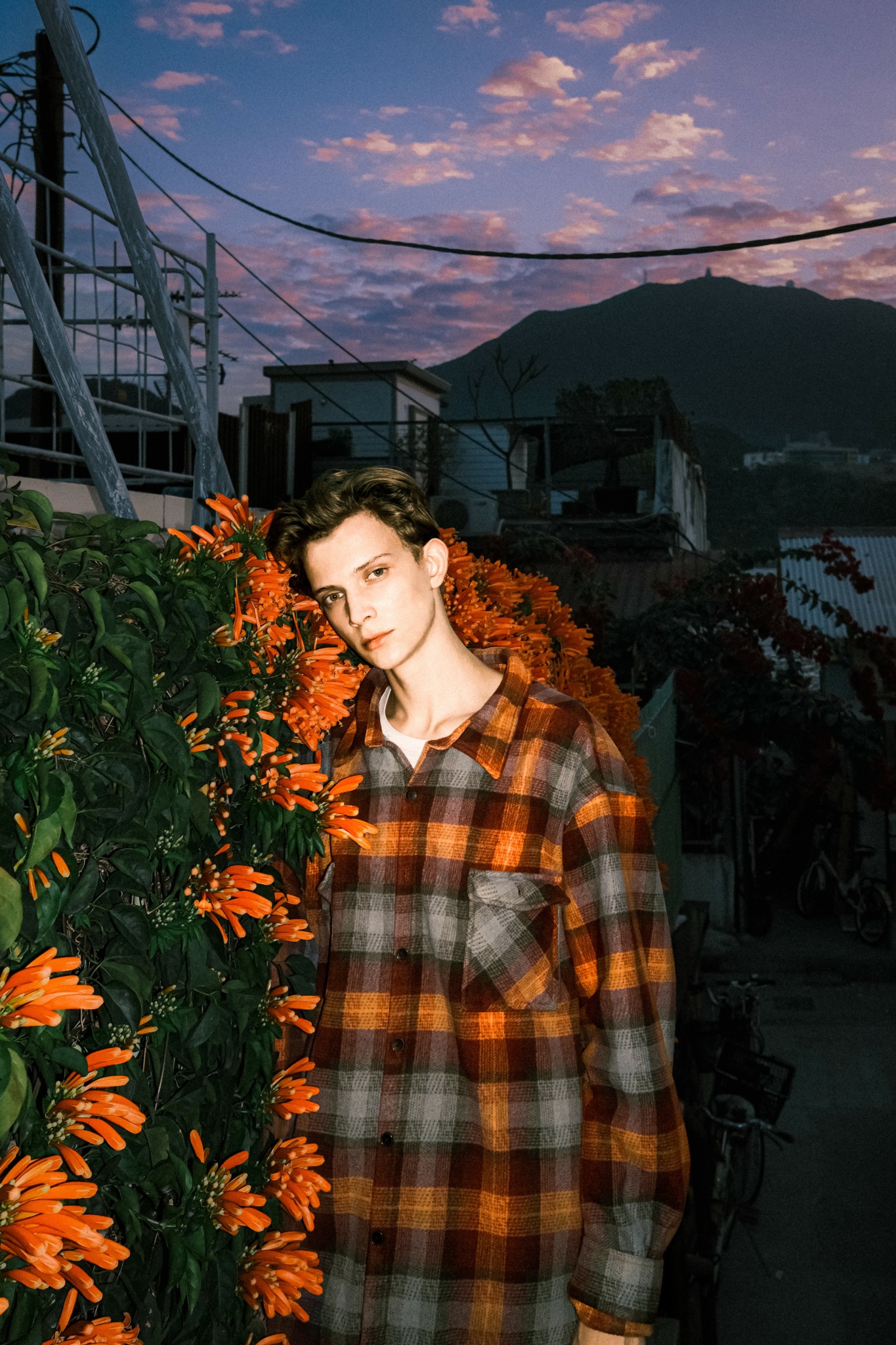
A lesson I had to unlearn is the idea that if a photo is good enough, people will automatically appreciate it.
When I was younger, I believed strong work would speak for itself. I thought if an image had good light, composition, emotion, and intention, then people would naturally understand its value. Over time, I realized it is more nuanced than that.
Everyone brings their own taste, background, expectations, and definition of beauty to an image. What feels powerful to one person may feel too quiet to another. What feels editorial to one audience may feel unfamiliar to someone else. That does not mean one side is right or wrong — it just means photography is not experienced in a vacuum.
This was an important lesson for me creatively and professionally. As an artist, I still believe in having a strong point of view and protecting the integrity of the work. But as a working photographer, I also have to understand the people I am creating for. The goal is not to abandon my taste to please everyone, but to communicate better, guide clients better, and create images that connect with both my artistic standards and the client’s needs.
I had to unlearn the belief that good work alone is enough. Good work matters deeply, but so does communication, education, trust, and understanding your audience. The strongest creative work often lives in that balance — staying true to your eye while making sure the people you serve can feel the value of what you created.
Contact Info:
- Website: https://ivanngimagery.com
- Instagram: im.imagery