

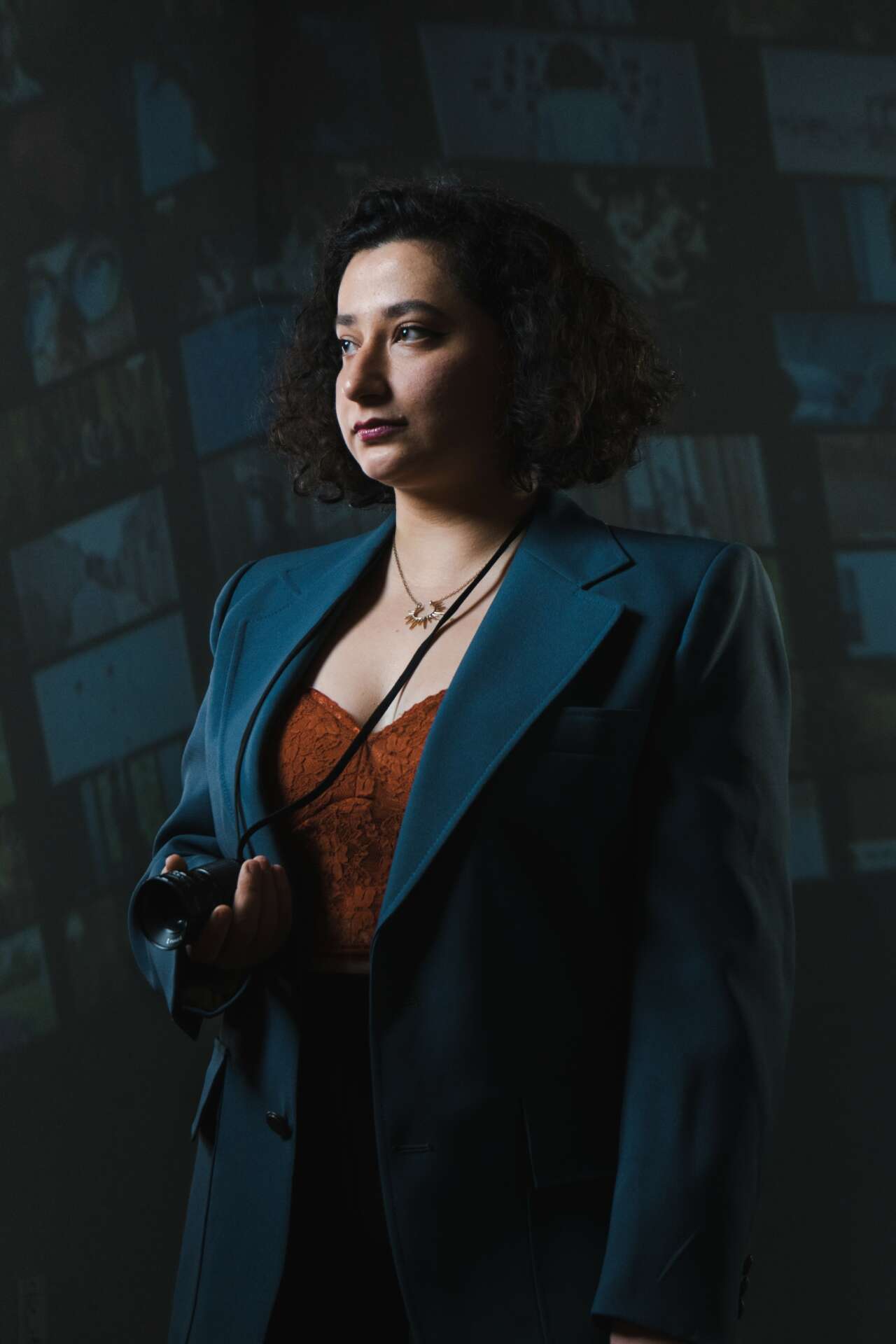

We were lucky to catch up with Israa Al-Kamali recently and have shared our conversation below.
Israa, thanks for joining us, excited to have you contributing your stories and insights. Can you open up about a risk you’ve taken – what it was like taking that risk, why you took the risk and how it turned out?
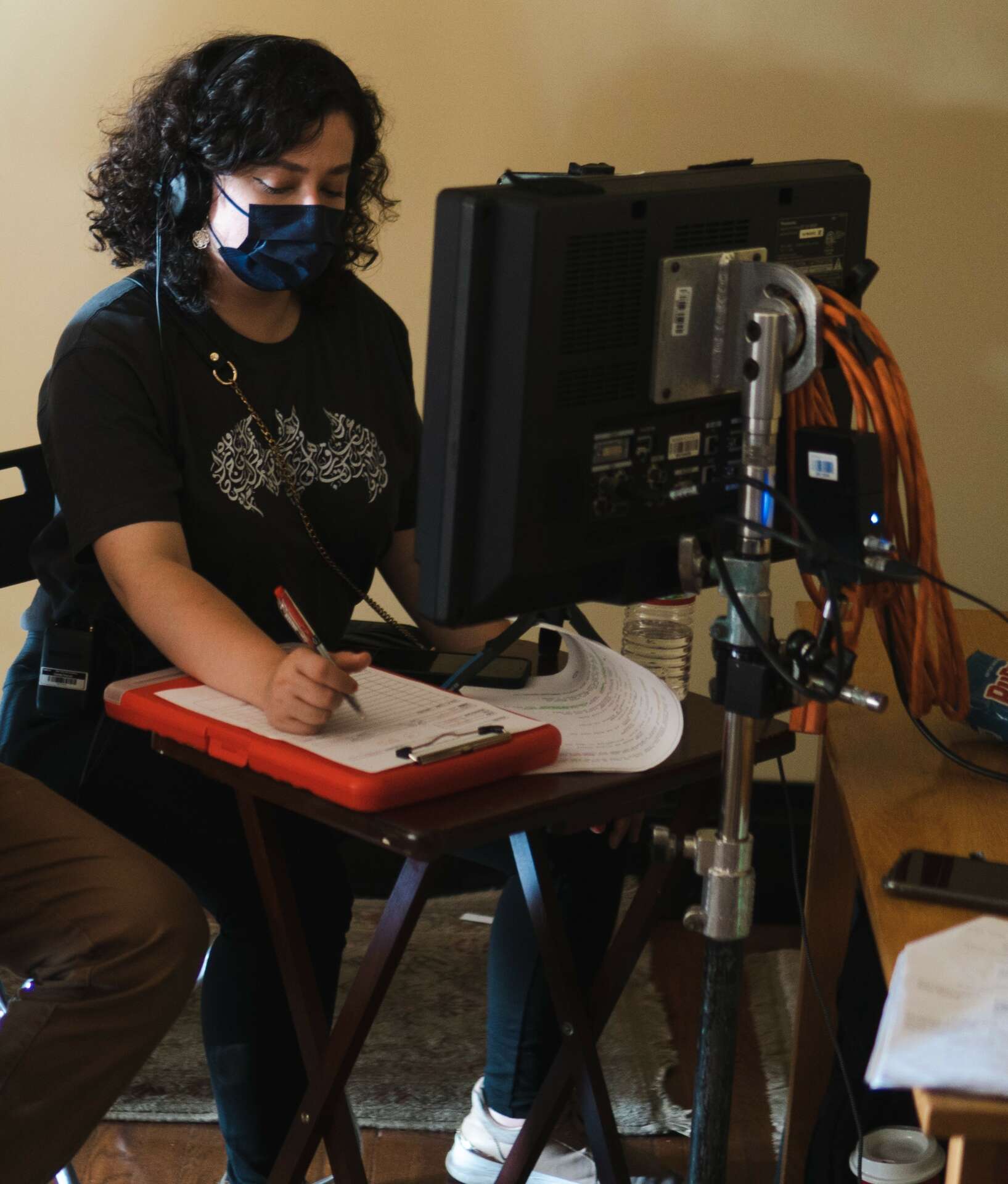
I believe that pursuing a career in arts is a risk we have to take every day, despite the challenges both in the world in our personal lives. The risk is even higher as a woman of color in an industry where we still feel like the minority. I always had a passion for storytelling, I pursued a Bsc. in Foreign Service at Georgetown University where I majored in Culture and Politics, something I was as equally passionate about. Getting a degree like that helped me understand and analyze the world better which informed my socially-anchored stories. After graduating from my bachelor, I got caught up in the easiness of the corporate world. I worked the typical 9-5 (lots of times more than that), my schedule was set, and my pay was good but I was not happy and something definitely felt missing. In the middle of Covid in June of 2020, I decided to make one of the biggest risk in my life: I quit my job to pursue my MFA in Filmmaking at New York Film Academy (LA Campus) and in a matter of a few months, I hopped on a 16-hour flight from Qatar to Los Angeles. What made the decision even riskier is the fact that there are rarely any filmmakers of Iraqi origin working in the film industry in Hollywood, but that is part of what pushed me to take that leap.
Israa, love having you share your insights with us. Before we ask you more questions, maybe you can take a moment to introduce yourself to our readers who might have missed our earlier conversations?
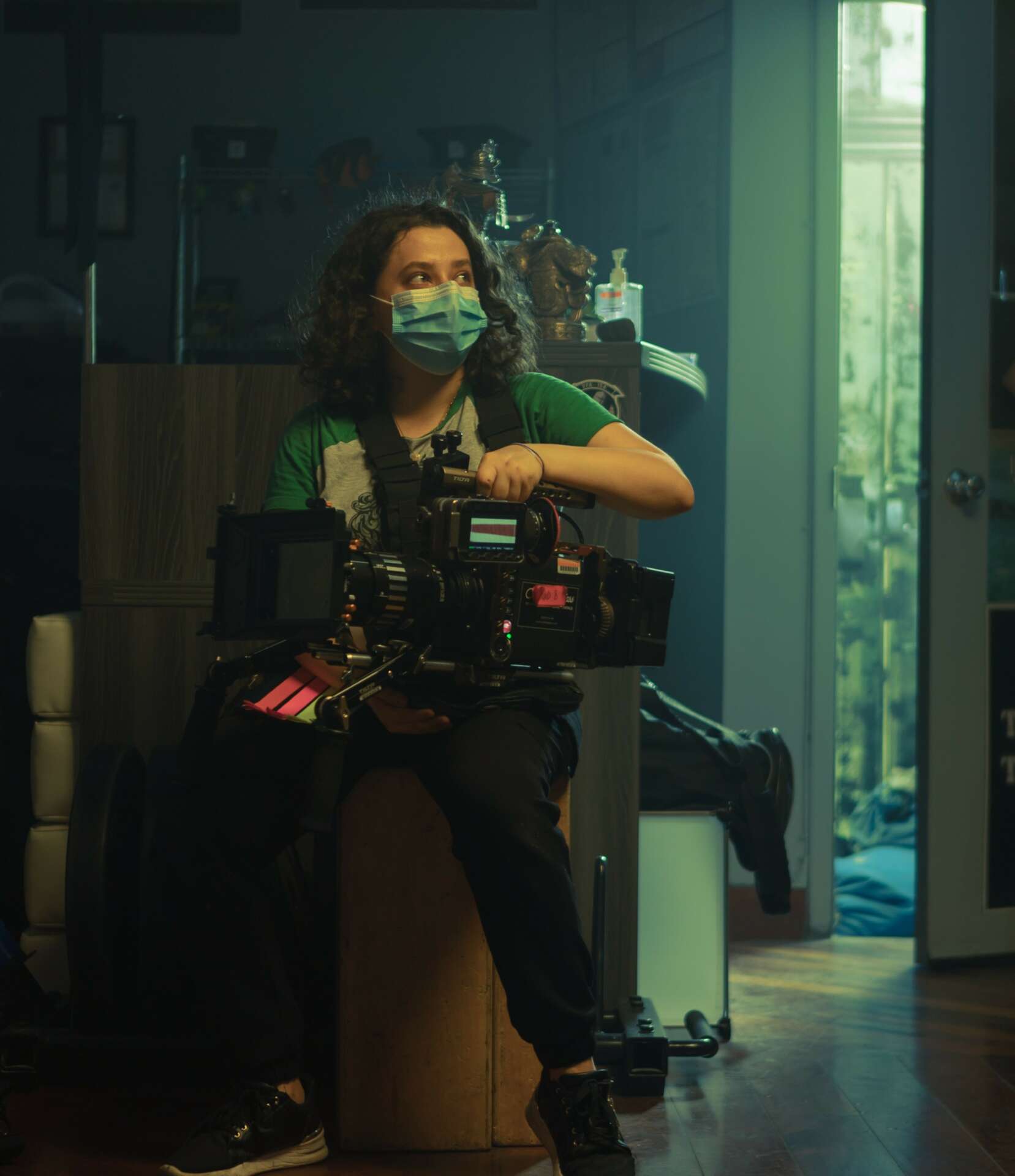
One of the most defining aspects of our humanity is our ability to tell stories through artistic expressions. Ever since I was a kid, I was always reading and writing stories and poetry. My imagination was so vivid that I would spend hours daydreaming about plots and characters. Creating stories was an escape mechanism from the reality I experienced as an Iraqi kid. It not only allowed me to go to different worlds but also helped me express what I was feeling and thinking at the time. I thought that I was going to become an author but I realized that I love visuals as well as sounds and music. I would imagine the camera angles and movements as well as the music that would go with certain scenes. I pursued a BSc. in Foreign Service at Georgetown University where I majored in Culture and Politics before doing my MFA in Filmmaking at New York Film Academy. Some people get surprised when they know that and think that it’s a major career change but I had a passion and interest in social justice issues and topics that are often overlooked in our world. Due to that, I am now equipped with a way to analyze the world through a critical lens and examine topics from various angles which helped a lot in storytelling.
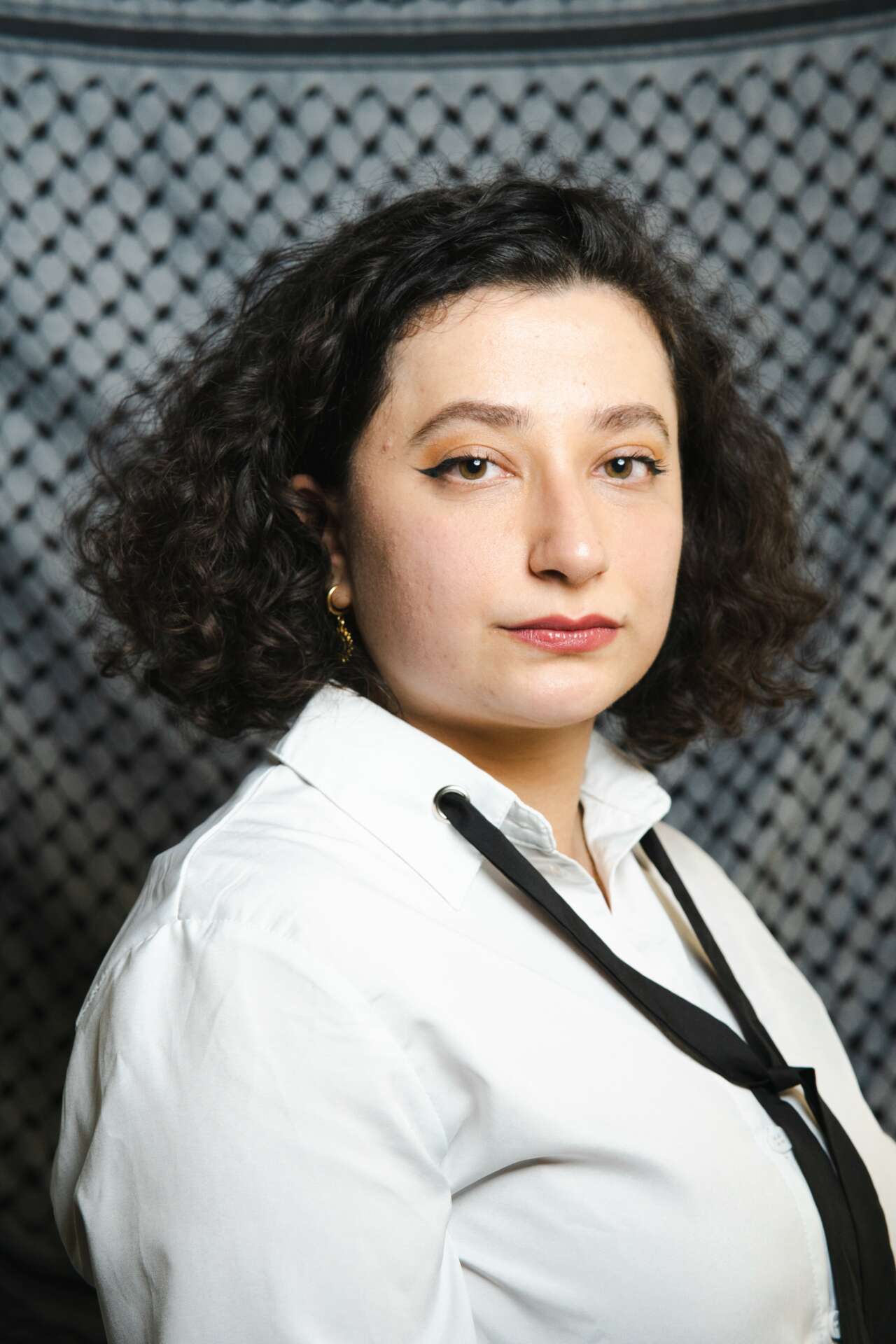
Is there a particular goal or mission driving your creative journey?
create audio-visual content. This includes directing and producing narrative long and short-form content such as short films, feature films, series, as well as commercial work, music videos, and promotional videos.
We also provide creative feedback on a project as well as script consultation. We assist in putting together pitch packages, train and support clients in their pitches in front of investors and grant providers. We also provide below the line services such as script supervising, production design, cinematography, etc.
We pride ourselves in having created content that has been officially selected for various festivals and won awards. We have a wide spectrum of work that covers different genres such as comedy, drama, horror, etc. Moreover, we keep diversity and inclusion at the heart of our work in order to make better stories and reflect our audience.
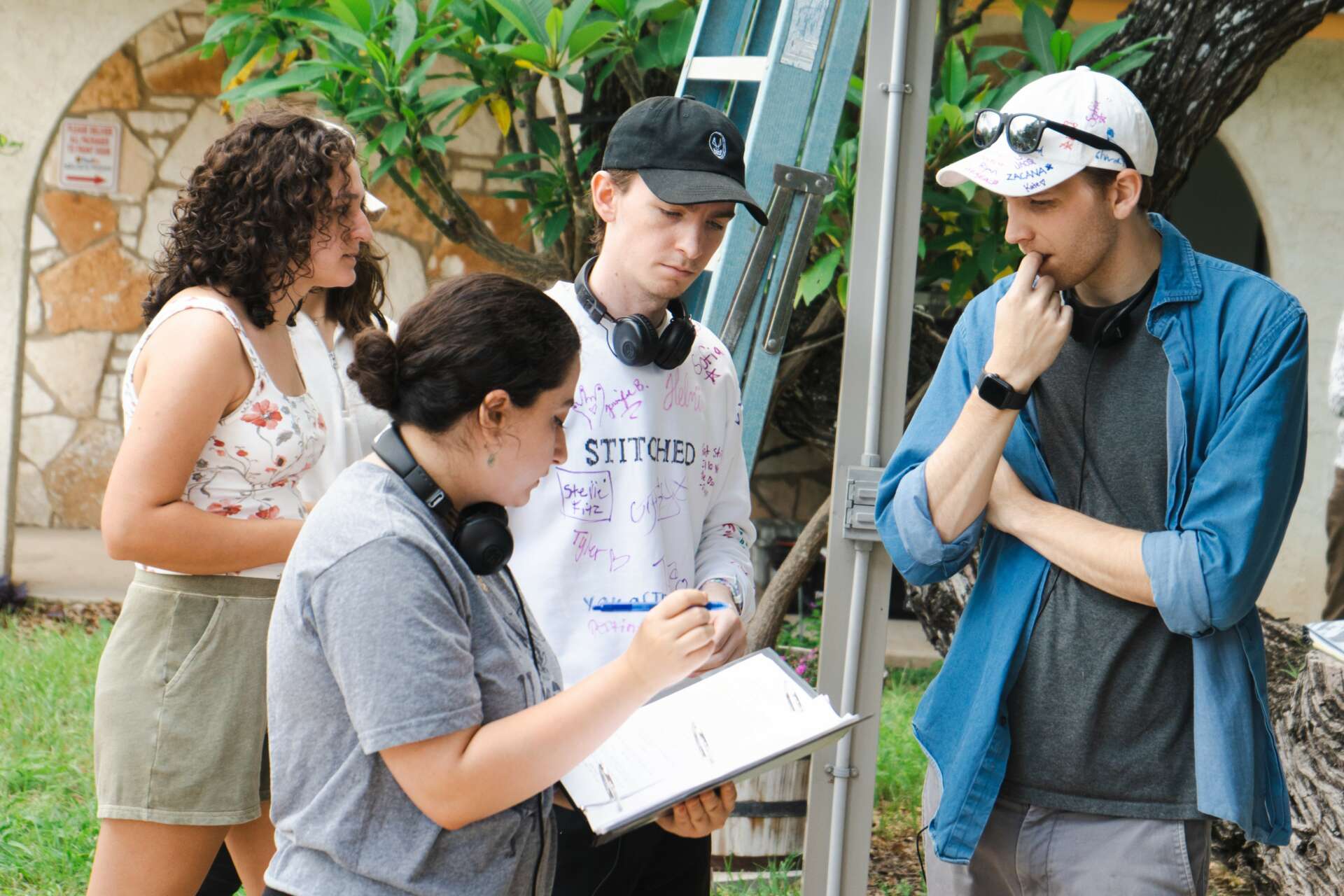
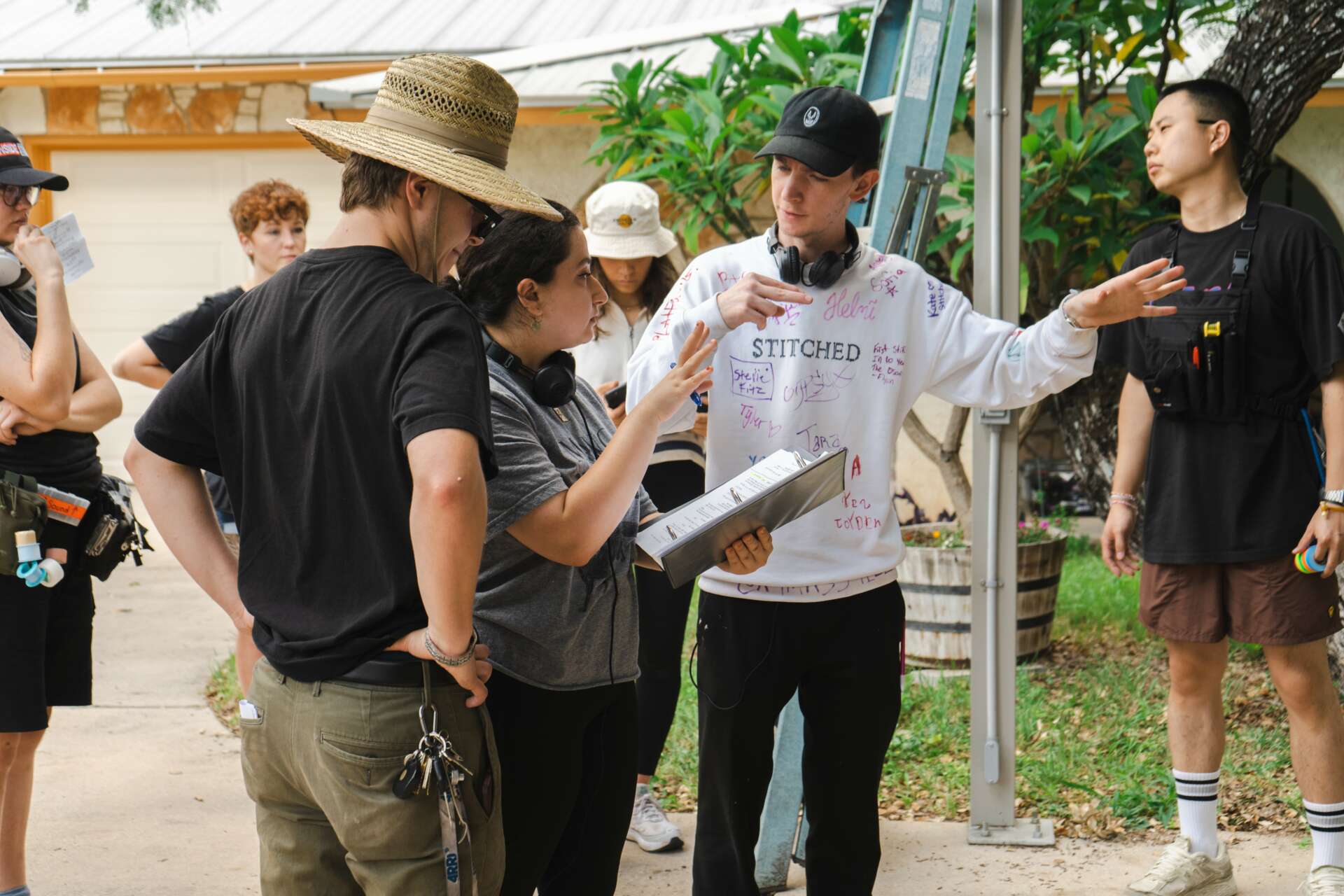
What do you find most rewarding about being a creative?
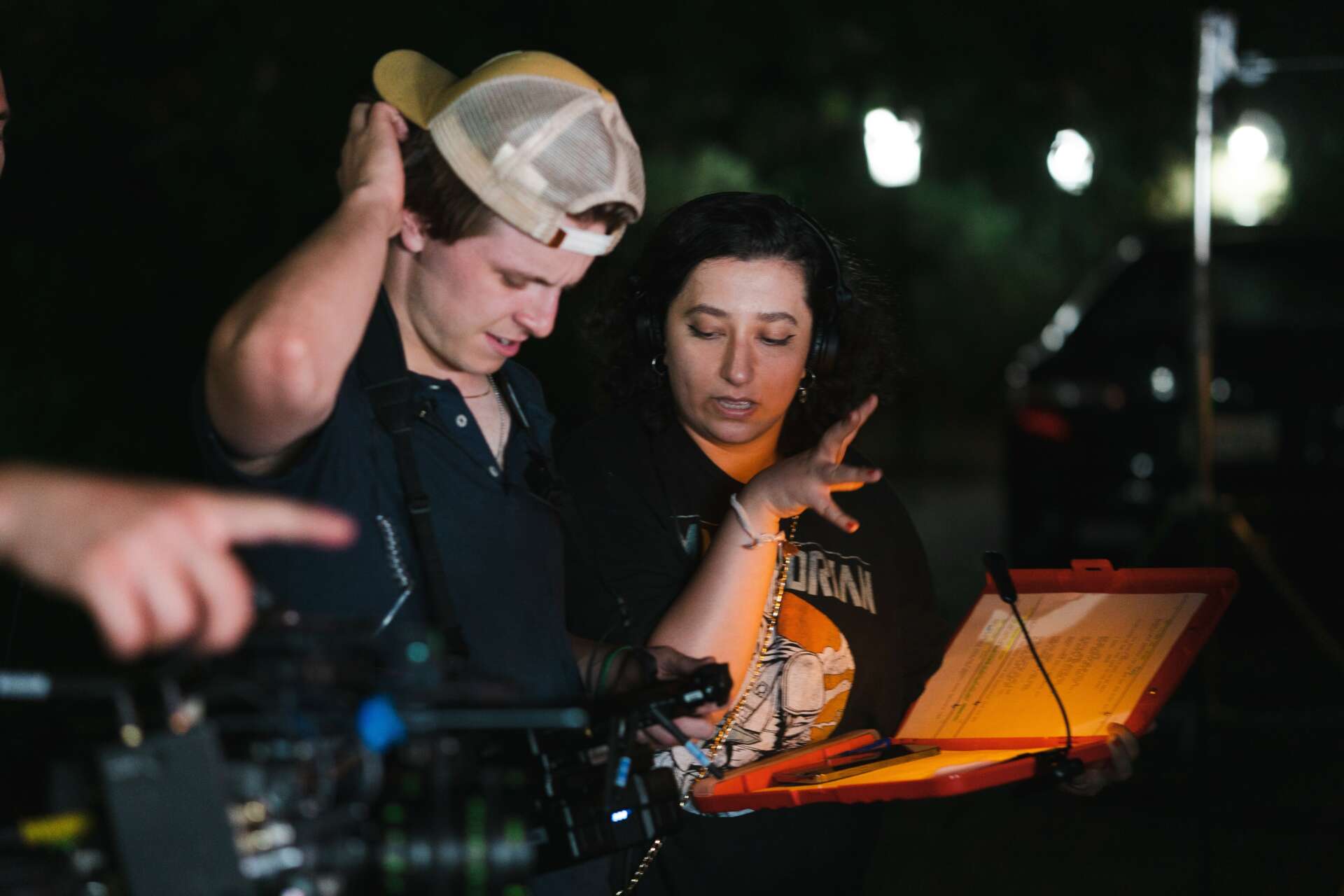
There are countless rewarding aspects of being an artist that I have learned but if I could choose a few I would say trusting my instincts which is a director’s best tool. At the beginning of my career, my gut would tell me something, I would hear it, but not act upon it and then regret it later. I came to realize that it is important to communicate that feeling. Which brings me to the next thing: Communication. Even though I always knew that communication was important, it was further solidified when I began directing. It is easy to stay in one’s head and assume that people know your vision but it won’t lead into what you want. So I realized how important it is to never leave unanswered questions and to create a safe space for communication with the crew and cast. Lastly, and I think it is something that continues to evolve with the years and each project, is keeping that balance between having an open mind and hearing what others have to say is making sure to deliver your vision.
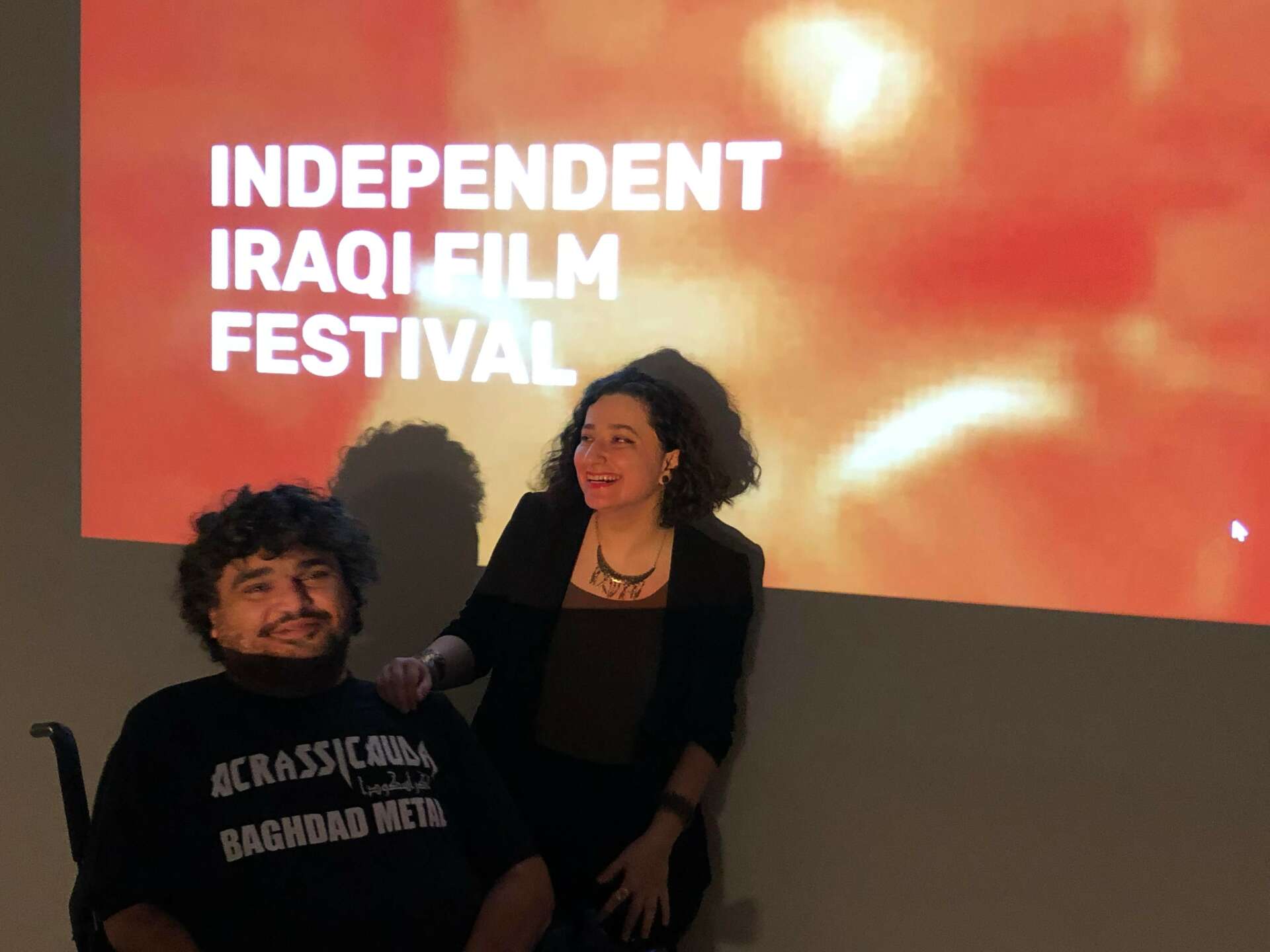
Contact Info:
- Instagram: @israaalkamali
- IMDb: https://pro.imdb.com/name/nm12746388?ref_=hm_nv_usr_profile
Image Credits
Zach Goodwin