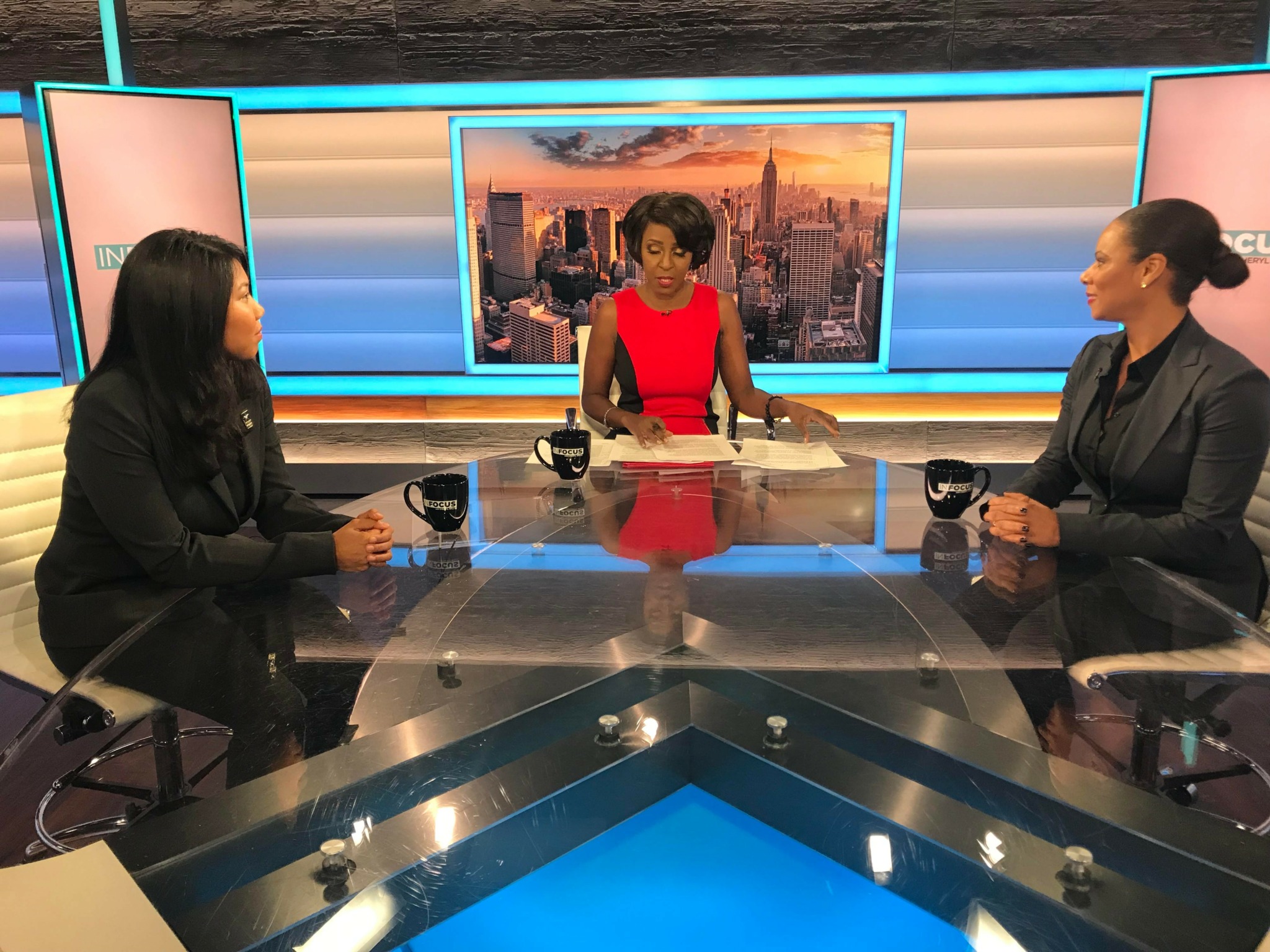

We were lucky to catch up with Isra recently and have shared our conversation below.
Isra , looking forward to hearing all of your stories today. What was the most important lesson/experience you had in a job that has helped you in your professional career?
I’ve always had tough bosses. Especially working in politics and advocacy, you have the blessing of meeting so many passionate individuals. I have the benefit of having two careers, one as a Reserve Soldier. I’ve learned that no human is perfect, however, working with so many leadership styles has helped me figure out how to connect with others, and ultimately help me motivate them to action.
The lesson really crystallized for me during a particularly challenging period when I was juggling both worlds. In my civilian role, I had a boss who was brilliant but intense, the kind of person who would send detailed emails at 2 AM and expect you to have absorbed every word by morning. She demanded excellence but rarely offered praise. In my Reserve unit, my commanding officer was almost the opposite: charismatic and vocal with appreciation, but sometimes vague about expectations, leaving us to figure out the details ourselves.
At first, I found myself frustrated with both. I kept thinking, “Why can’t they just communicate differently?” But then came the turning point. During a training exercise, I watched my CO adapt his communication style on the fly depending on who he was briefing. Senior officers got concise bullet points, junior soldiers got step-by-step explanations, and his peers got collaborative discussions. It hit me: he wasn’t being inconsistent; he was being effective.
That’s when I stopped expecting my civilian boss to change and started translating her style instead. Those 2 AM emails? They weren’t demands; they were her way of processing and sharing ideas when inspiration struck. Once I understood that, I could respond strategically: acknowledging receipt, asking clarifying questions, and proposing timelines that worked for both of us. The relationship transformed.
The real lesson wasn’t just about adapting to different leadership styles, it was about recognizing that connection isn’t about finding people who naturally communicate like you do. It’s about developing the flexibility to meet people where they are, understand what drives them, and find the common ground where motivation lives. Whether I’m briefing a colonel or rallying a team for a campaign push, I now spend less energy wishing people were different and more energy figuring out what makes them tick.
That shift in perspective has become my most valuable professional tool: the ability to work with anyone, not despite our differences, but by genuinely understanding and leveraging them.

Isra , before we move on to more of these sorts of questions, can you take some time to bring our readers up to speed on you and what you do?
I am the daughter of Thai immigrants who came to this country with the promise of opportunity. I’ve felt a strong calling to deliver on that opportunity. I don’t just do one thing. I am a community advocate, I am a professional, and I’m also a soldier. I’m also a wife and mother. All of these things I’m equally passionate about. I work hard, grind from morning til evening. I do not give up. Why? Because the world needs people like us to make our communities better. I am so proud to be my parents’ daughter. And I want my daughter to grow up with pride in her country, with clean water and air and opportunity. I want the world to be hers.
My path into advocacy and public service wasn’t a straight line. It was shaped by watching my parents navigate this country, learning to speak up when things weren’t right, and understanding early that change doesn’t happen unless someone is willing to fight for it. Growing up, I saw my parents work multiple jobs, face barriers that shouldn’t have existed, and still maintain an unshakeable belief in what America could be. That instilled in me a debt I’ll never fully repay, but I wake up every day trying.
I got into advocacy because I couldn’t sit still when I saw problems I knew we could solve. Whether it was environmental issues affecting our neighborhoods, policies that left communities behind, or simply a lack of representation for people who looked like me at decision-making tables, I felt compelled to act. My work in politics and advocacy has allowed me to bridge grassroots organizing with policy influence, translating community needs into actionable change.
Serving as a Reserve Soldier added another dimension to my sense of duty. It taught me discipline, resilience, and what it truly means to serve something larger than yourself. It’s also given me a unique perspective on leadership, sacrifice, and the practical realities of implementing policies that affect service members and their families.
My work centers on creating tangible change in three key areas: local advocacy, community empowerment, and building sustainable systems that actually serve the people they’re designed for. I’ve helped communities organize around issues that matter to them …clean water, clean air, equitable development, access to resources. I’ve worked for and with organizations and policymakers to ensure that voices often left out of the conversation are not just heard, but centered in decision-making.
I think what distinguishes my approach is that authenticity translates into how I work: with urgency, with heart, and with an unwillingness to accept “that’s just how things are” as an answer.
My dual career as a Reserve Soldier also gives me a unique toolkit. The military taught me how to operate under pressure, how to lead diverse teams toward a common mission, and how to execute strategies efficiently. Those skills translate directly into advocacy work, where resources are limited, timelines are tight, and the stakes are often life-changing for the communities involved.
I’m proud that I’ve shown my daughter what it looks like to fight for what you believe in, to serve your country in multiple ways, and to never accept injustice as inevitable. I’m proud that I honor my parents’ sacrifice not just through words, but through action every single day.
If you’re reading this and thinking about working with me or supporting the causes I champion, here’s what I want you to know: I don’t take shortcuts, I don’t do performative activism, and I won’t tell you something is impossible just because it’s hard. I believe in building real power in communities, not just feel-good moments. I believe in holding institutions accountable while also building the alternatives we need. And I believe that the people closest to the problems are closest to the solutions–my mission is to help clear the path for them to lead.
I want the world to be my daughter’s. But I also want it to belong to every child whose parents came here looking for opportunity, every family fighting for clean air, water, and safety, every person told they don’t matter in the halls of power. That’s the work. That’s what drives me. And that’s what I’ll keep doing until we get there.
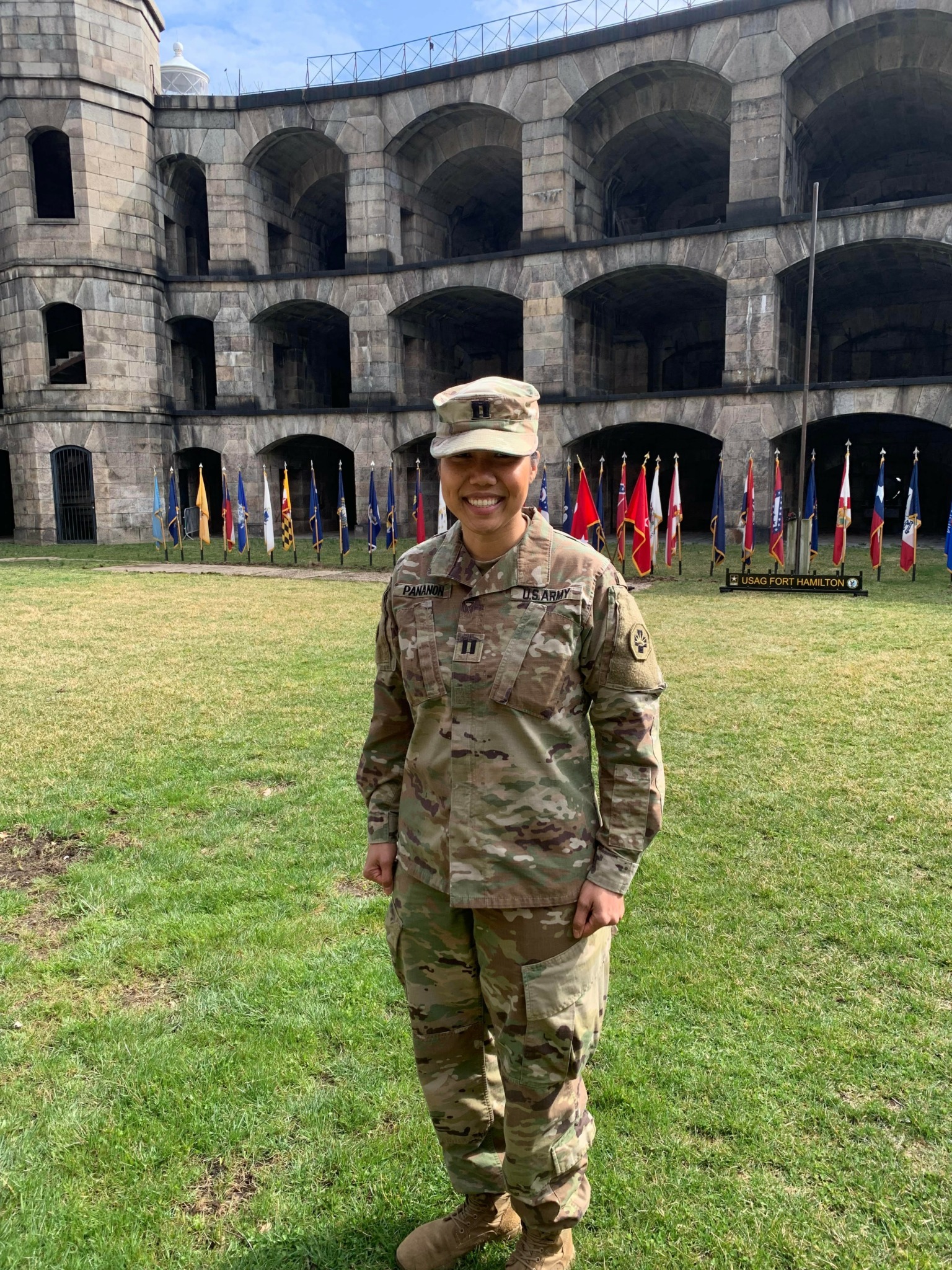
Any advice for managing a team?
Listening to your people and celebrating their wins is a recipe for high morale.
Early in my leadership journey, I thought being a good leader meant having all the answers. I’d listen just enough to identify the problem, then jump straight to solving it. What I missed was that my team often already knew the solution—they just needed someone to truly hear them out. Now, I ask questions like “What do you think we should do?” or “What’s getting in your way?” before offering my own perspective. When people see that their input actually shapes decisions, they become invested in a completely different way.
High morale isn’t built just on major victories. It’s built in the everyday moments when someone takes initiative, pushes through a difficult conversation, or shows up despite personal challenges. A quick message saying “I saw what you did there….that took courage” costs nothing but means everything.
Nothing kills morale faster than feeling kept in the dark. When things are difficult, I share what I can share. I explain the constraints, the challenges, and what I need from the team. People rise to challenges when they understand them. They disengage when they feel manipulated or patronized.
My military service taught me never to ask someone to do something I wouldn’t do myself. But good leadership isn’t about being the hero who does everything, it’s about empowering others to shine. Sometimes my job is to clear obstacles, sometimes to work shoulder to shoulder, and sometimes to support from behind and make sure my team gets the credit.
I’m a professional, a soldier, a mother, a daughter, a wife. When someone on my team is dealing with personal challenges, I don’t see that as separate from their work, I see it as context. High morale comes from people feeling seen as full human beings. Supporting someone through a hard time builds loyalty and trust that pays dividends far beyond that moment.
High morale isn’t something you achieve once and maintain on autopilot. It’s built and rebuilt every day through small, consistent actions. Listen genuinely. Celebrate generously. Lead authentically. Treat people as whole humans. And never let them forget why their work matters.
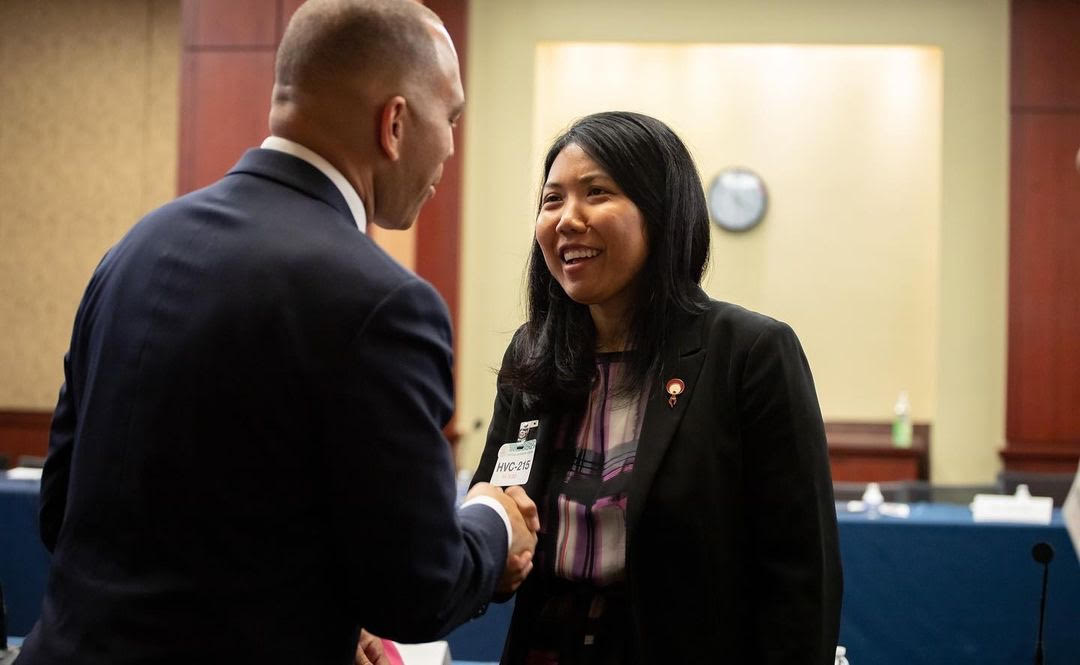
We’d love to hear a story of resilience from your journey.
My dad passed away in 2019. It was a very hard experience for me. I loved my dad but also recognize that there’s so much I did not know about him. He was so loving yet often troubled at times, dealing with depression and substance abuse. His passing rocked my world. I was at a point where I wanted to give up on everything.
I remember standing in my kitchen a few weeks after the funeral, staring at my Reserve unit’s training schedule on the refrigerator. I had a drill weekend coming up and a major work project reaching a critical phase. Everything felt impossible. The grief was suffocating, and I couldn’t see how I was supposed to keep all these pieces of my life moving forward.
What saved me wasn’t some dramatic moment of clarity—it was my wife. Her support and care brought me back. I realized I had a choice: I could let this grief consume me, or I could let it reshape me into someone even more committed to the work that mattered.
My dad came to this country for opportunity. He fought his own battles, ones I’m still learning about and trying to understand. His struggles with depression and addiction were real, and they affected our family in ways I’m still processing. But what I also know is that he never stopped trying. He never stopped showing up for us in the ways he could. And giving up on everything… on my work, on my service, on the communities I’d committed to—would have dishonored everything he sacrificed to give me the chance to do this work.
So I made a decision. I went to that drill weekend. I showed up to meetings. I let my team know I was grieving and needed grace, but I didn’t disappear. Some days I could only give 50%, and I had to learn that was okay. I started therapy to work through not just the grief, but the complicated feelings of loving someone deeply while also recognizing their struggles and how they impacted me.
The resilience wasn’t in powering through like nothing happened, it was in learning to carry the grief while still moving forward. It was in being honest with myself and others about what I was going through. It was in recognizing that my dad’s struggles don’t diminish his love or his sacrifice.
Losing my dad taught me that resilience isn’t about being unbreakable. It’s about knowing you can break and still put yourself back together. It’s about finding meaning in the pain and using it as fuel rather than letting it become an anchor. Every time I advocate for mental health resources in our communities, every time I push for support systems that might have helped someone like my dad, I’m turning that grief into purpose.
I’m still learning things about my father. I’m still processing the complexity of loving someone who struggled so deeply. But I’m also still here, still fighting, still serving, and that’s the resilience he gave me, even if he didn’t always see it in himself. I am my father’s daughter.
Contact Info:
- Instagram: whereisisra
- Linkedin: https://www.linkedin.com/in/israp/