

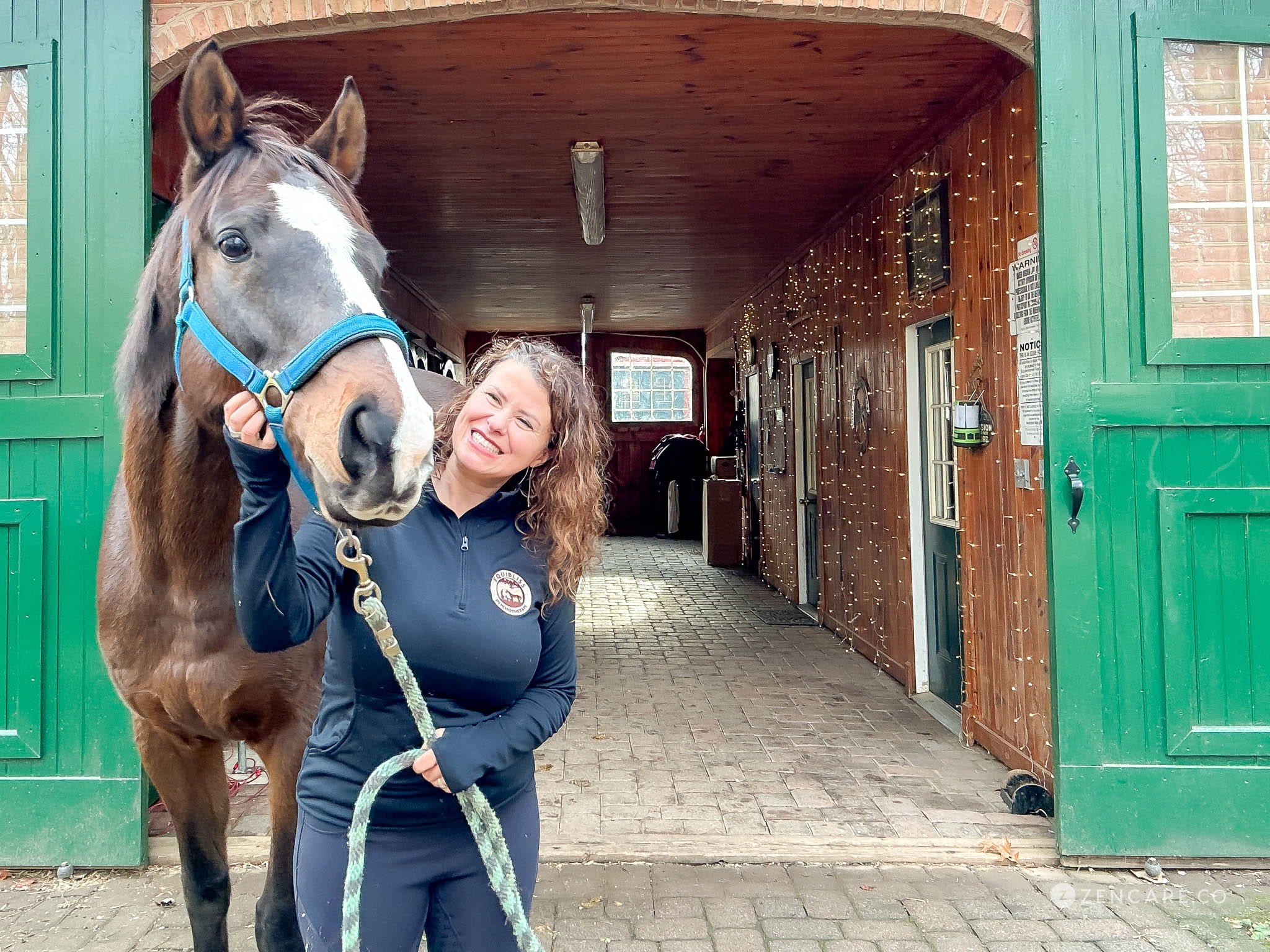

We were lucky to catch up with Ioana Marcus recently and have shared our conversation below.
Ioana, looking forward to hearing all of your stories today. Can you open up about a risk you’ve taken – what it was like taking that risk, why you took the risk and how it turned out?
Back in 2011 I was working on and finishing up my dissertation defense. Most of my clinical work had been focused on eating disorders, trauma and refugees. There were many things that put my doctoral studies and journey into perspective including the loss of my father so I sought out a clinical training to learn but also to soothe my soul. I took my first training in equine assisted therapy with Natural Lifemanship. Since the first day and first experience with the horses, I felt more alive, present and could see the positive impact this work could have on clients with eating disorders. I’ve seen clients’ lives transformed in a way that’s hard to fathom. I wanted to integrate this work in my therapy with clients with eating disorders. However, the places I worked at were not paid or open to this unconventional shift in treatment; and then a couple of months later I embarked on a journey to become a counselor educator in Virginia. Rather than give up, I proposed this approach both to the eating disorders outpatient center I was interviewed at and presented it as an interest at the University I was teaching for. Instead of rejecting the unconventional approach, both embraced it and supported me bringing to life. Many referred to it as “playing with the horses” seemingly outside of the therapeutic realms, but recognized it as a powerful new innovative approach when clients considered more severe in their presentation, were able to experience a significance improvement in their motivation through their connection with the horses, and as a result, progressing in their recovery.
There were many additional defining moments in my journey as an equine facilitated psychotherapist, moments in which I took risks greater than what I could imagine to reach for dreams beyond imagination too.
Ioana, before we move on to more of these sorts of questions, can you take some time to bring our readers up to speed on you and what you do?
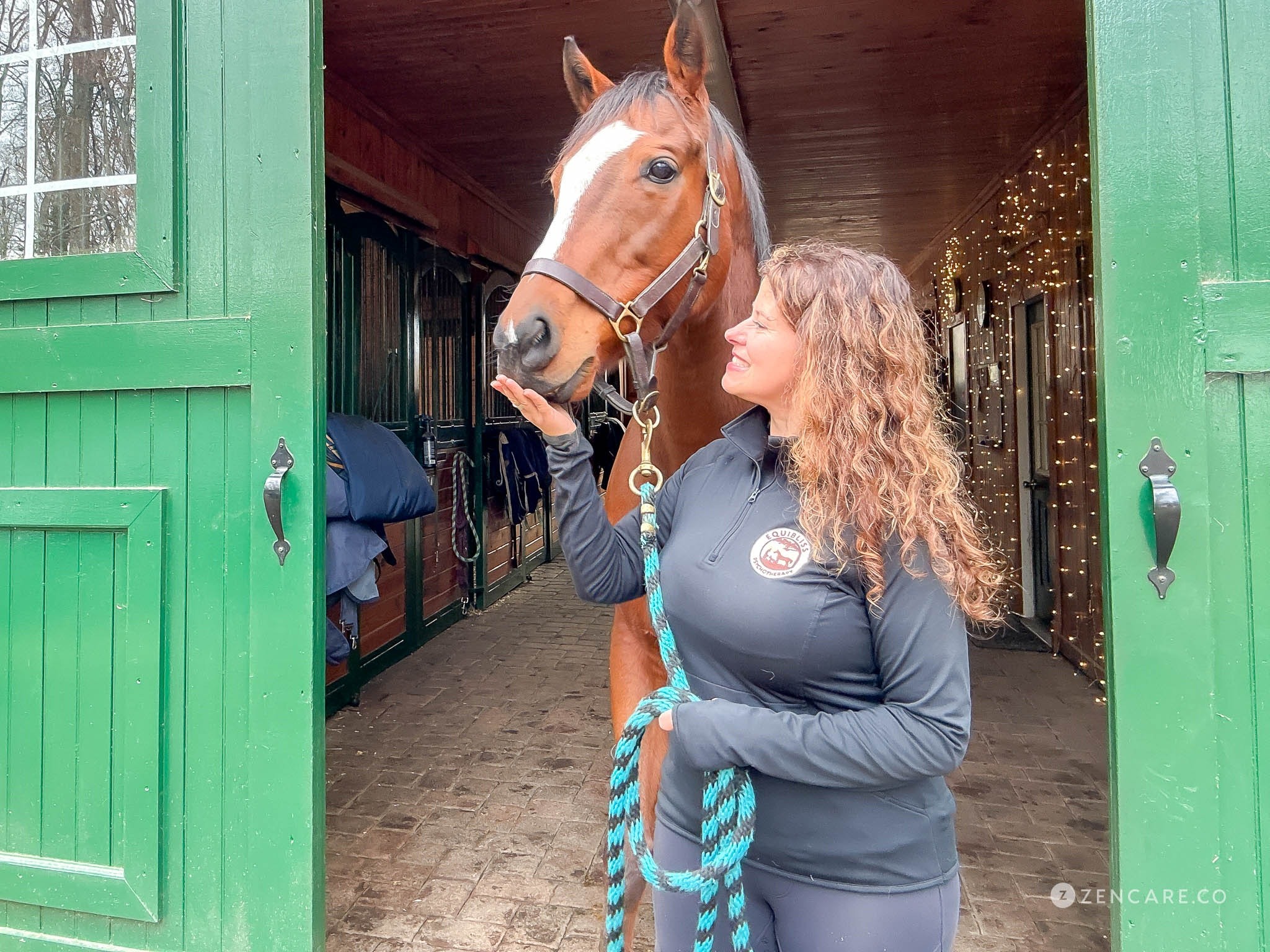
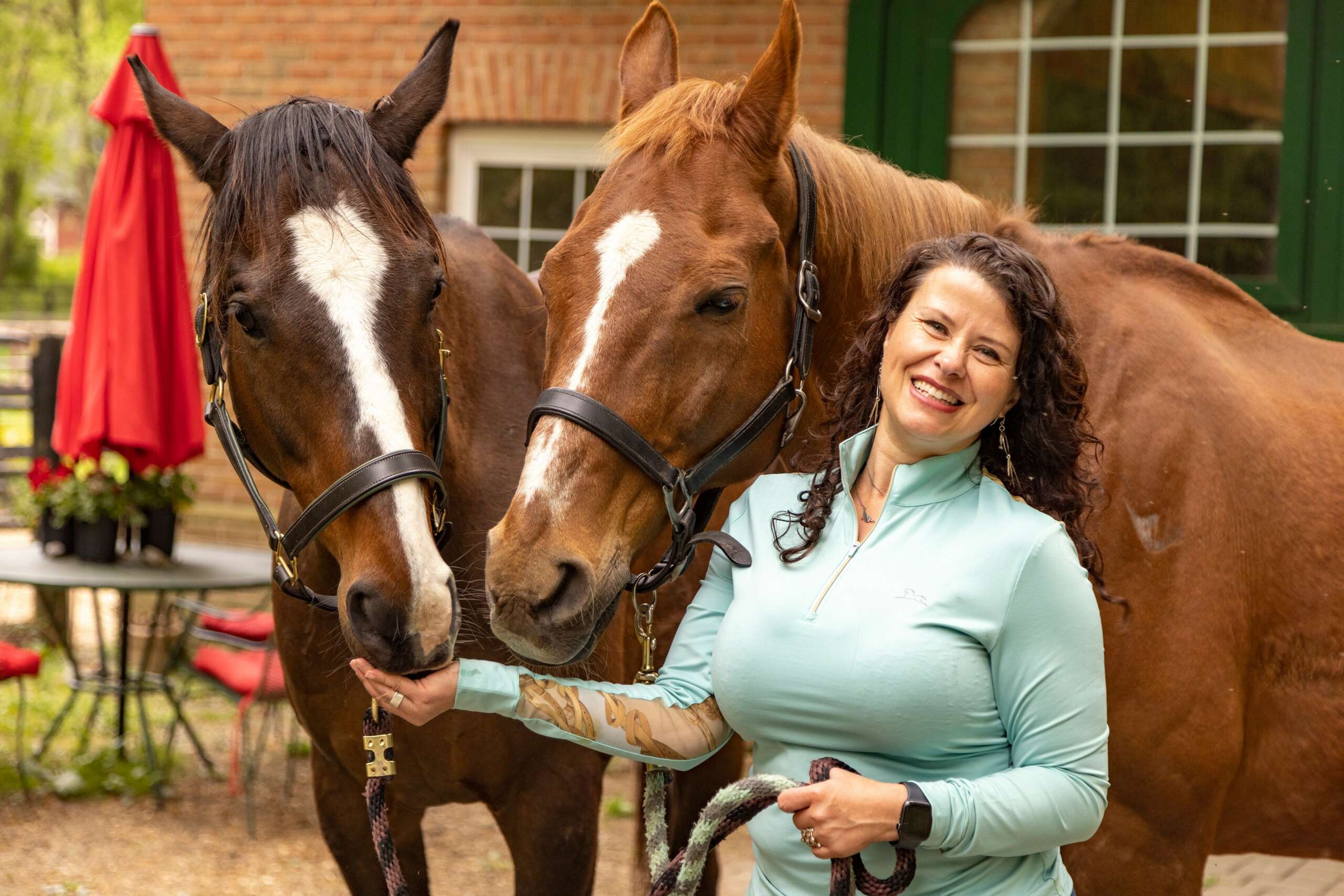
I am trained a a traditional psychotherapist/ mental health counselor to work with clients with trauma, eating disorders, anxiety, depression. I graduated in 2012 from University of Texas at San Antonio with a PhD in Counselor Education and Supervision. I taught for nine years as a fulll time faculty with Marymount University and coordinated their clinical mental health master’s program. Although trained in traditional and evidence-based practices, I challenged the status quo by “playing with horses” specifically to integrate experiential, somatic and trauma-informed therapy as well as my horses and dog into my therapeutic process. These approaches introduce a somatic way of healing our traumas and new ways of learning about oneself, relationships and the world.
I think what sets me apart is the blend of traditional training with my own quest for the best approaches to serve my clients’ mental health needs and personal journeys.
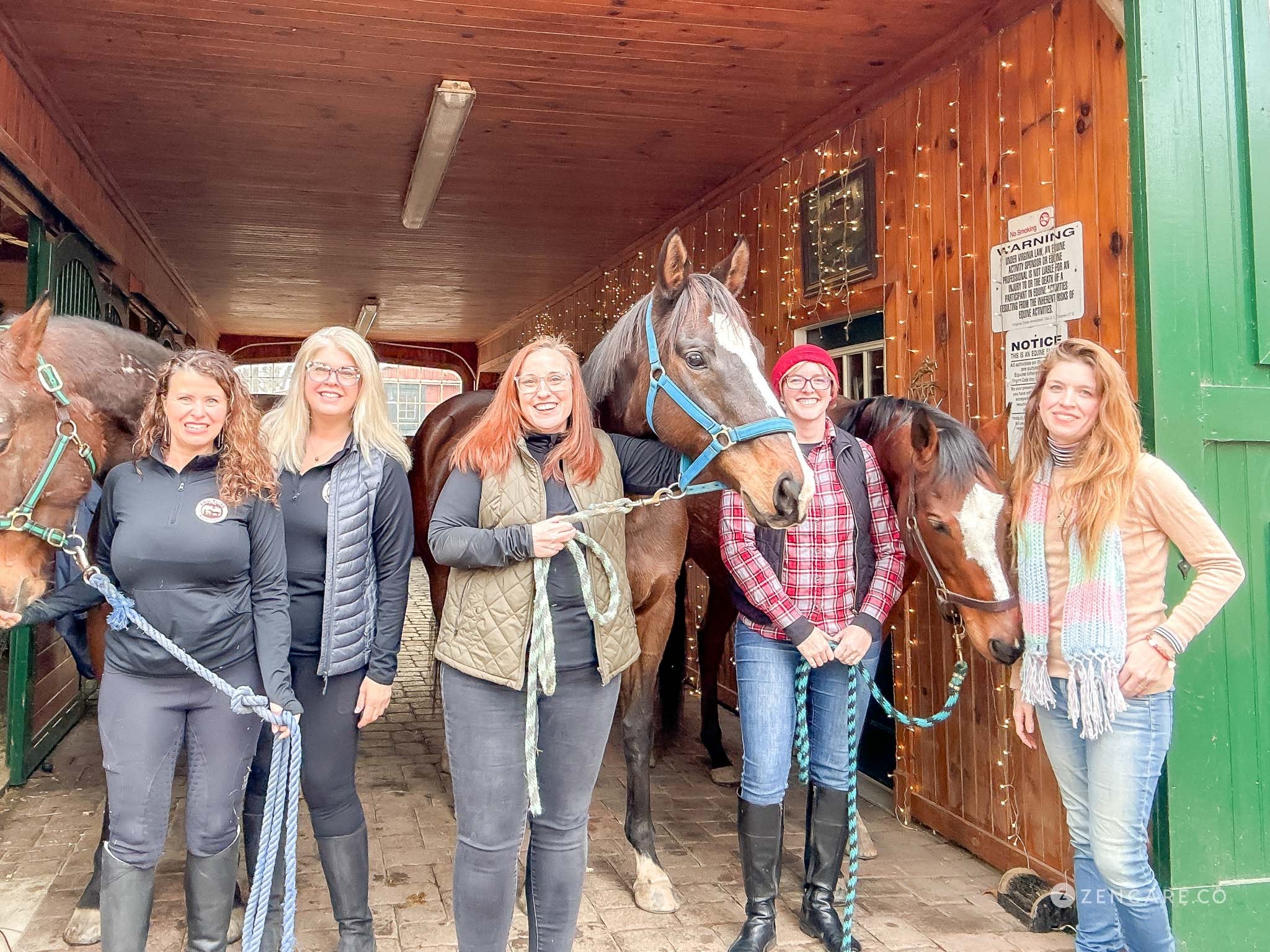
Equibliss Psychotherapy was formed in 2013 and grew into a community of likeminded therapists who center around the horse and nature to provide equine facilitated psychotherapy to their clients. Since then, our practice has added Qigong or Qiquine therapy, equine assisted EMDR, grief counseling through the work of several other incredible therapists: Ann Duvall, Janet Greider, Ailish Dermody and Jessica Spechardt.
Lastly but not least, I believe in the value of giving back to the communities we live in, so I created HEART Space Fund (Human Equine Relational and Attachment Therapy) to support youth and families with a refugee, immigrant background or currently in the foster care system. I believe this allows us to support communities with less access to horses, nature and trauma-informed work.
How’d you build such a strong reputation within your market?
This is such as good question! I oftentimes think it’s luck but then I remember that I’ve worked in this field for the past 12 years, surrounded by an amazing community of therapists who have referred client cases and trusted me with their process. I would say that having a unique but also challenging niche! Mental health providers specializing in eating disorders are usually a small but dedicated community, and even within this group there are few providers specializing in somatic and trauma approaches, and none offering equine facilitated psychotherapy. Additionally being open minded when it comes to different opportunities to work with different clients, not being afraid to consult, stretch and grow with my clients. Being trusted by my colleagues, former students and residents is the truest compliment on how I built my reputation.
We often hear about learning lessons – but just as important is unlearning lessons. Have you ever had to unlearn a lesson?
Many clinicians in our field of mental health providers are drawn into the field to care for others. And we train hard, attain 4000 hours of supervised work and attend numerous other training to become better and better at what we do. Somehow in this equation we believe that money shouldn’t matter. However in adding animals to my practice, I learned quickly that money does matter. Not only to pay for my time, but also to ensure their are well taken care of, physically, socially and emotionally. Additionally to be available in a location that is accessible and offers an energetically supportive haven for our clients, such as our barn and farm. I guess it was another important lesson from the horses!
Contact Info:
- Website: https://equibliss.org
- Facebook: https://www.facebook.com/EquiblissPsychotherapy/
- Other: HEART Space Fund https://equibliss.org/heart-space-fund/
Image Credits
Group photo credit Zencare.