

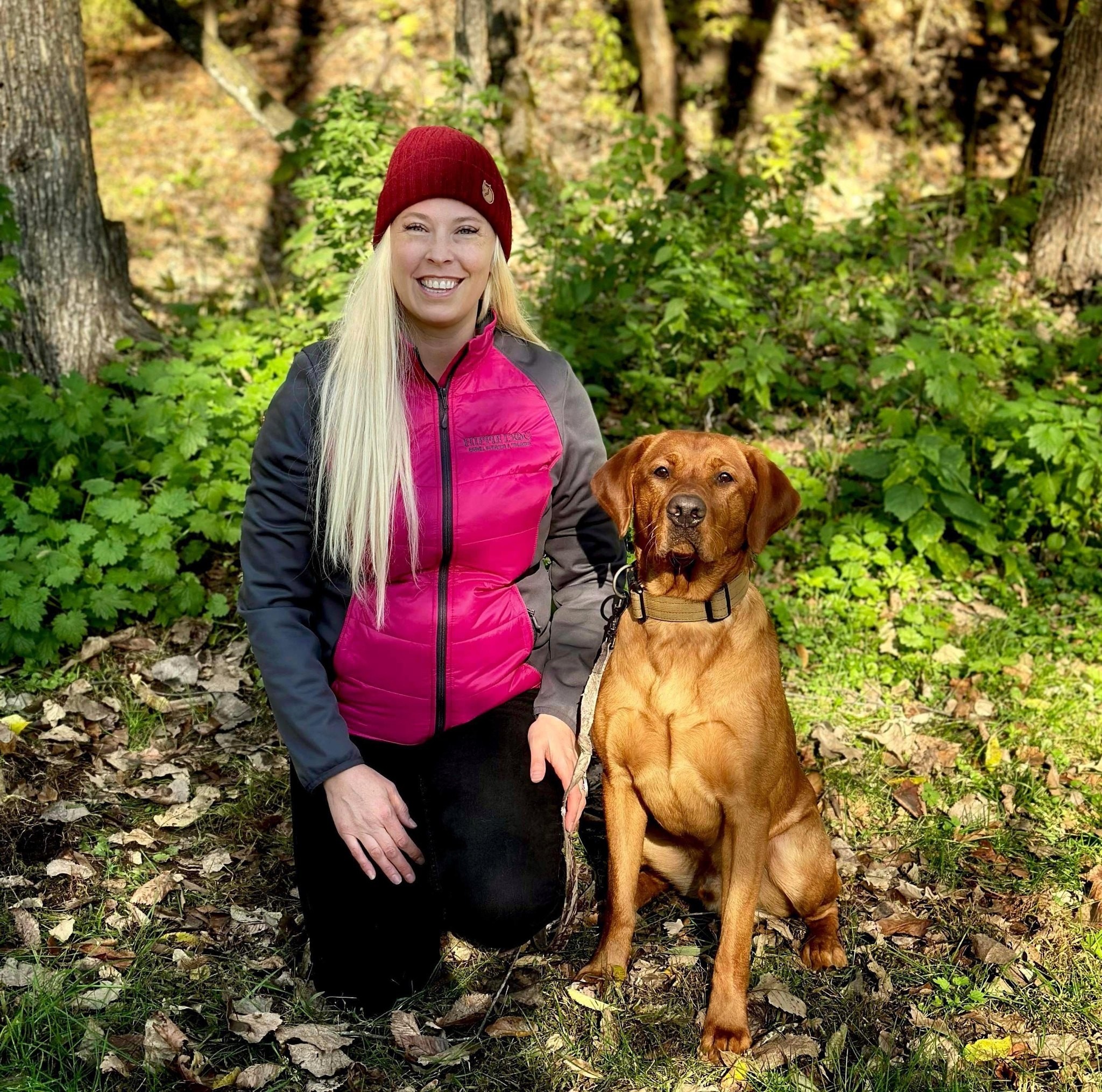

We’re excited to introduce you to the always interesting and insightful Inga From. We hope you’ll enjoy our conversation with Inga below.
Inga, thanks for joining us, excited to have you contributing your stories and insights. One of the things we most admire about small businesses is their ability to diverge from the corporate/industry standard. Is there something that you or your brand do that differs from the industry standard? We’d love to hear about it as well as any stories you might have that illustrate how or why this difference matters.
At Hippie Dog, we take a fundamentally different approach to dog behavior and training than what you’ll find in most of the industry. While many trainers still focus on obedience, control, and “fixing” problem behaviors, we approach every dog as an individual—one with emotional needs, a breed-specific history, and a real-world environment that shapes how they behave.
What sets us apart is our commitment to context. We don’t rely on step-by-step training protocols designed in controlled environments—we work in the messy, unpredictable spaces where dogs actually live: homes full of human energy, shifting routines, kids, noise, and stress. We help people understand that behavior is communication, not defiance. Our job is to decode what the dog is saying, not just silence the behavior.
We’re not using outdated dominance or “pack leader” methods, and we don’t believe in training through intimidation or control. But we also go beyond surface-level positive reinforcement. Treats and clickers are great tools—but they’re not a complete plan. We’re interested in the why behind behavior. Why is the dog barking? Why is the reactivity showing up? Why is that training plan failing in the real world?
That’s where our work really begins. We look at emotional health, environment, sensory needs, human behavior, breed instincts, and stress patterns. And yes, we make room for dogs to have agency in their own learning process.
We also pay close attention to breed instincts—but not in a limiting way. Many so-called “behavior problems” are really just a mismatch between a dog’s hardwired traits and modern life. One of our trainers worked with a young Labrador Retriever who couldn’t stop carrying shoes, socks, and TV remotes around the house like prized possessions. The family had tried everything to stop it, thinking it was a behavior issue. But Labs were bred to carry things gently in their mouths—it’s in their DNA. Once we gave him structured retrieval games, a “carry toy” rotation, and a job that made use of that instinct, the stealing stopped. He wasn’t being disobedient—he was being exactly who he was bred to be.
Beyond breed, we also consider the human side. Many behavior patterns are connected to the emotional atmosphere in the home. We support guardians as much as we support their dogs—helping them build stronger relationships, clearer communication, and realistic expectations. That’s why our clients often say, “This was as much for me as it was for my dog.”
This mindset extends to our mentorship program, The Modern Canine Connection, where we train future professionals to recognize these deeper patterns and support dogs in a more thoughtful, modern way.
Why does all this matter? Because dogs aren’t robots—and neither are the people who love them. At Hippie Dog, we believe training should feel good, make sense in real life, and leave both ends of the leash feeling more connected—not more stressed. We’re not here to boss dogs around. We’re here to build relationships, embrace the chaos, and help dogs and humans thrive together—quirks and all.
As always, we appreciate you sharing your insights and we’ve got a few more questions for you, but before we get to all of that can you take a minute to introduce yourself and give our readers some of your back background and context?
I’m Inga From, the founder of Hippie Dog and a Certified Dog Behavior Consultant with over two decades in the training and behavior field. My work—and the work of our team—is rooted in the belief that training isn’t about control. It’s about connection, context, and truly understanding the dog in front of you.
At Hippie Dog, we specialize in supporting dogs who are struggling—not just with basic manners, but with real emotional and behavioral challenges. We work with cases involving trauma, anxiety, fear, and aggression by looking at the modern dog and how today’s fast-paced, overstimulating, and often unpredictable world is clashing with who dogs were bred to be. A lot of behavior problems aren’t really problems—they’re dogs trying to cope with a culture that doesn’t always make space for their needs.
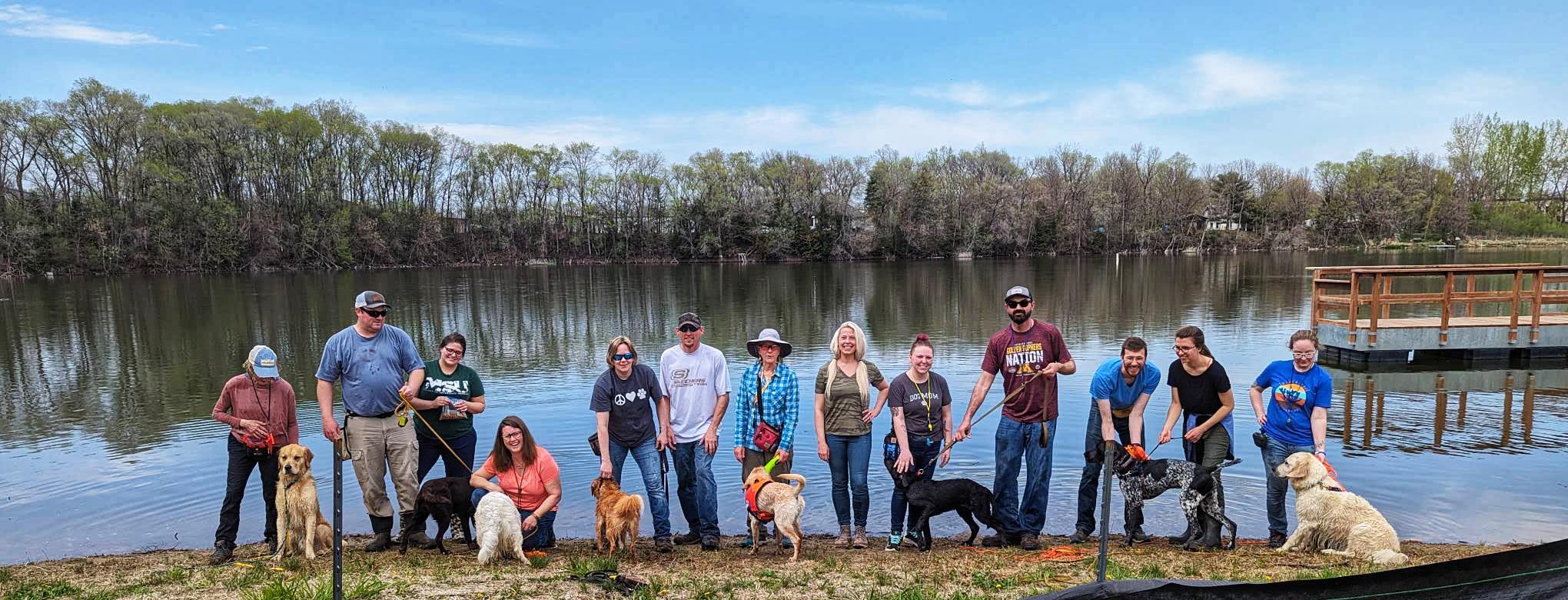
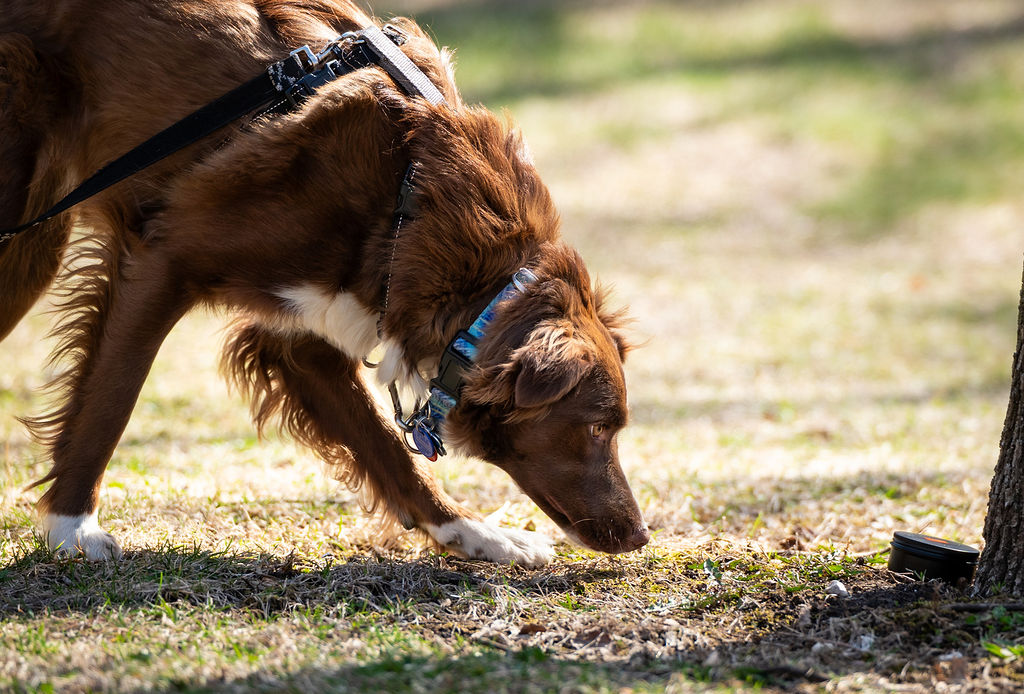
Our services include private behavior consultations and training at our clinic location in Richfield, MN, and we also see clients virtually via Zoom. We offer specialty programs that go beyond traditional obedience—including morel mushroom dog training classes, shed antler dog classes, and focused support for high-drive, working, or reactive dogs. We also work with shelters, rescues, and animal control agencies to consult on complex behavior cases and create more humane, effective strategies for dogs in high-stress environments.
What sets us apart is that we look at the whole dog—not just the behavior. We factor in the dog’s environment, emotional history, breed tendencies, stress levels, and the human dynamics around them. I also bring a neurodivergent lens to my work, which helps me pick up on the patterns and subtleties many people miss—those small shifts in energy, posture, or behavior that tell the real story behind what a dog is experiencing.
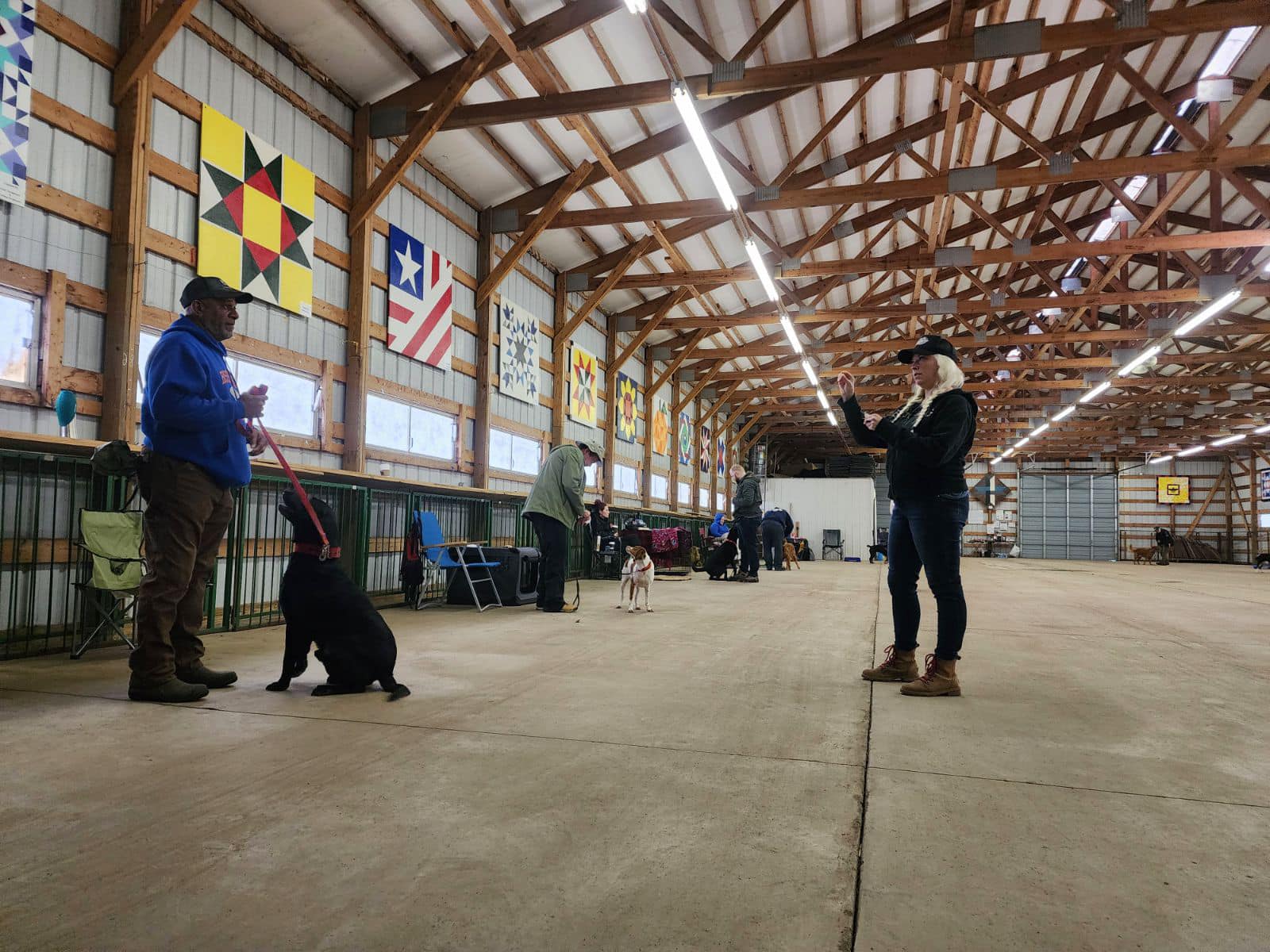
One of the things I’m most proud of is The Modern Canine Connection, a mentorship program I created for people who want to become trainers—or simply want to understand dogs more deeply. It’s a hands-on, real-world learning experience where we teach future professionals to move beyond obedience charts and step-by-step protocols and start truly seeing the dogs and humans they work with.
More than anything, I want people to know that there is another way. You don’t have to dominate your dog, break their spirit, or follow rigid training scripts. Dogs don’t need to be “fixed.” They need to be seen, supported, and understood. That’s what we’re here for.

What do you think is the goal or mission that drives your creative journey?
Yes. My goal is to shift the conversation around dog training and behavior—to move beyond obedience, beyond surface-level solutions, and into a deeper, more thoughtful understanding of the modern dog.
At Hippie Dog, and through The Modern Canine Connection, we’re redefining what it means to truly support dogs in today’s world. We don’t just teach training skills—we teach people how to observe, interpret, and respond to behavior through the lens of relationship, emotional context, and real-world challenges. Dogs don’t live in controlled environments—they live in homes filled with human emotions, unpredictable energy, and mismatched expectations. And they’re struggling more than ever.
My mission is to create space for both dogs and humans to be seen more clearly. That means helping people understand how anxiety, trauma, and instinctual needs show up in behavior—and why quick fixes, step-by-step obedience plans, or dominance-based methods fall short. Even mainstream reward-based training often doesn’t go deep enough.
At the core of this journey is the belief that behavior is not something to suppress—it’s something to listen to. And when we slow down, get curious, and meet dogs where they are, that’s when the real transformation happens—for both species.
Any stories or insights that might help us understand how you’ve built such a strong reputation?
My reputation has been built on trust, ethics, and a long-standing commitment to doing this work well before it was trending. I’ve remained grounded in real education, real experience, and real outcomes—at a time when the dog training and behavior industry has become increasingly flooded and unregulated.
This is a profession anyone can step into overnight. There are no licensing requirements, no oversight, and no consistent standards. Since the pandemic, I’ve watched the market open up dramatically—almost like a floodgate. Suddenly, anyone with a camera and a confident voice could become a “behavior expert,” launch an online course, and start selling high-ticket programs. Many of these individuals have little to no actual training or experience with complex behavior cases—but they’re selling themselves well. And that has real consequences.
Compounding the issue is the reemergence of dominance-based, “pack leader” training methods. Despite being scientifically discredited, these approaches have regained popularity—largely because they tap into something deeply cultural. In a world where many people feel like they have little control elsewhere, the promise of control over their dog feels satisfying. Add in a cultural mindset of quick fixes—“I don’t like it, so change it or return it”—and you have an industry that feeds on urgency but often overlooks emotional harm.
The result? Families come to us after trying everything. They’ve spent thousands of dollars, followed influencer advice, and now they’re exhausted—sometimes facing the very real possibility of rehoming or euthanasia. That’s where we often step in. Our work starts where others left off, and that requires deep expertise, emotional intelligence, and compassion—for both the dog and the human.
What’s helped us build our reputation is staying rooted in what actually works. We don’t chase trends. We don’t sell one-size-fits-all protocols. We listen, we individualize, and we help people understand what their dog is really trying to say.
Most of our referrals come from veterinarians, rescues, shelters, training clubs, and past clients—people who’ve seen firsthand that we take the work seriously, and that we consistently show up with clarity, skill, and care.
I’m proud to be one of only two Certified Dog Behavior Consultants in the state through the International Association of Animal Behavior Consultants (IAABC). That certification isn’t something you buy—it’s earned through peer-reviewed casework, demonstrated expertise, and a strong foundation in humane, science-based methods.
So if you’re looking for help with your dog, ask questions. Do your research. Credentials matter. Because your dog doesn’t need dominance. They need understanding. And so do you.
Contact Info:
- Website: https://ahippiedog.com/
- Instagram: https://www.instagram.com/ahippiedog/
- Facebook: https://www.facebook.com/Ahippiedog
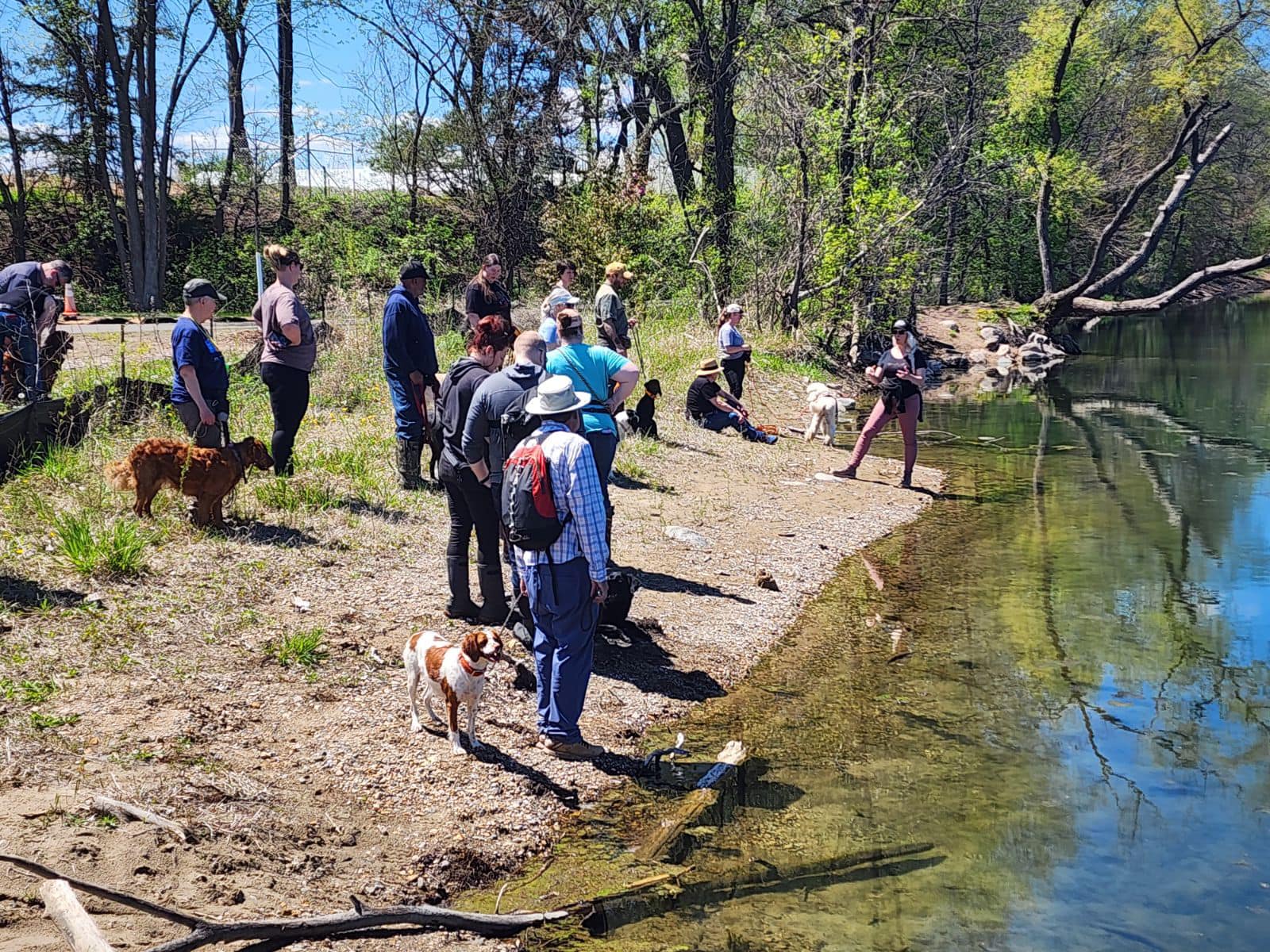
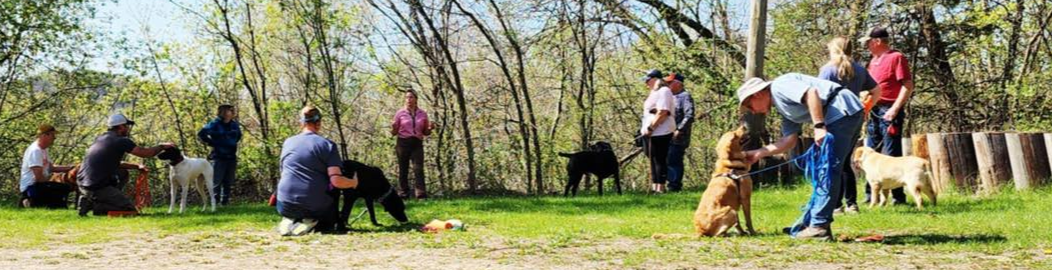
Image Credits
The up-close dog and human or just dog are to be credited to: Harlowtakesphotos