


We recently connected with Inbar Hagai and have shared our conversation below.
Inbar, thanks for taking the time to share your stories with us today We’d love to hear about when you first realized that you wanted to pursue a creative path professionally.
My first love was the cinema, I remember being drawn to it from a very young age. I used to rent DVDs of indie films and watch them by myself every Friday night in the basement of my childhood home. I was mostly science-oriented growing up, but my deep passion for cinema led me to choose film as my major in high school. I loved it, but was also taken aback by some of the production methodologies we were taught, including the need to work in a defined film set hierarchy, which didn’t feel right for me. I wanted to make a cinema by myself. Only later, when I chose to attend art school for my undergraduate education, was I exposed to video art and introduced to DIY approaches to filmmaking, where I truly felt at home.
As always, we appreciate you sharing your insights and we’ve got a few more questions for you, but before we get to all of that can you take a minute to introduce yourself and give our readers some of your back background and context?
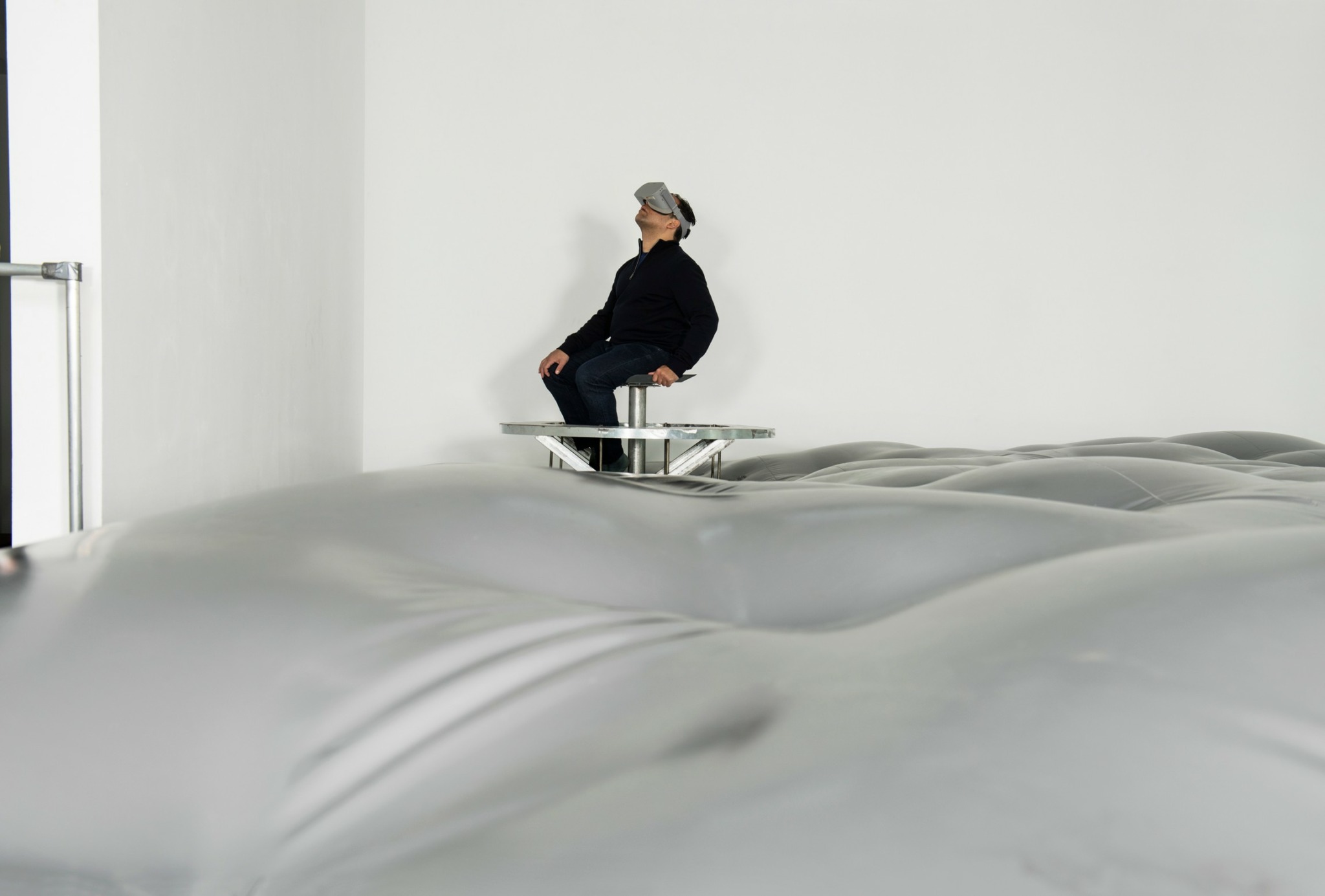
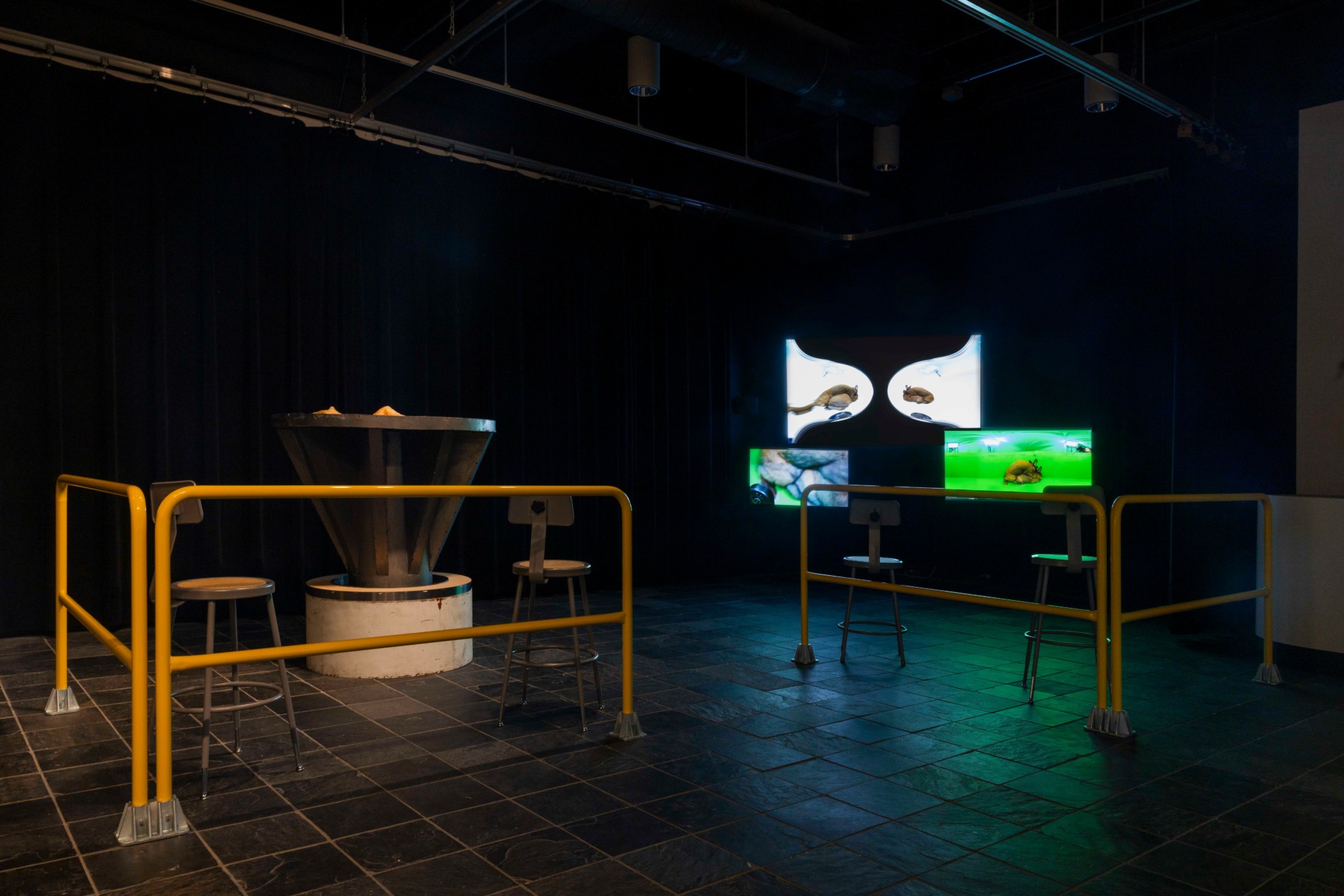
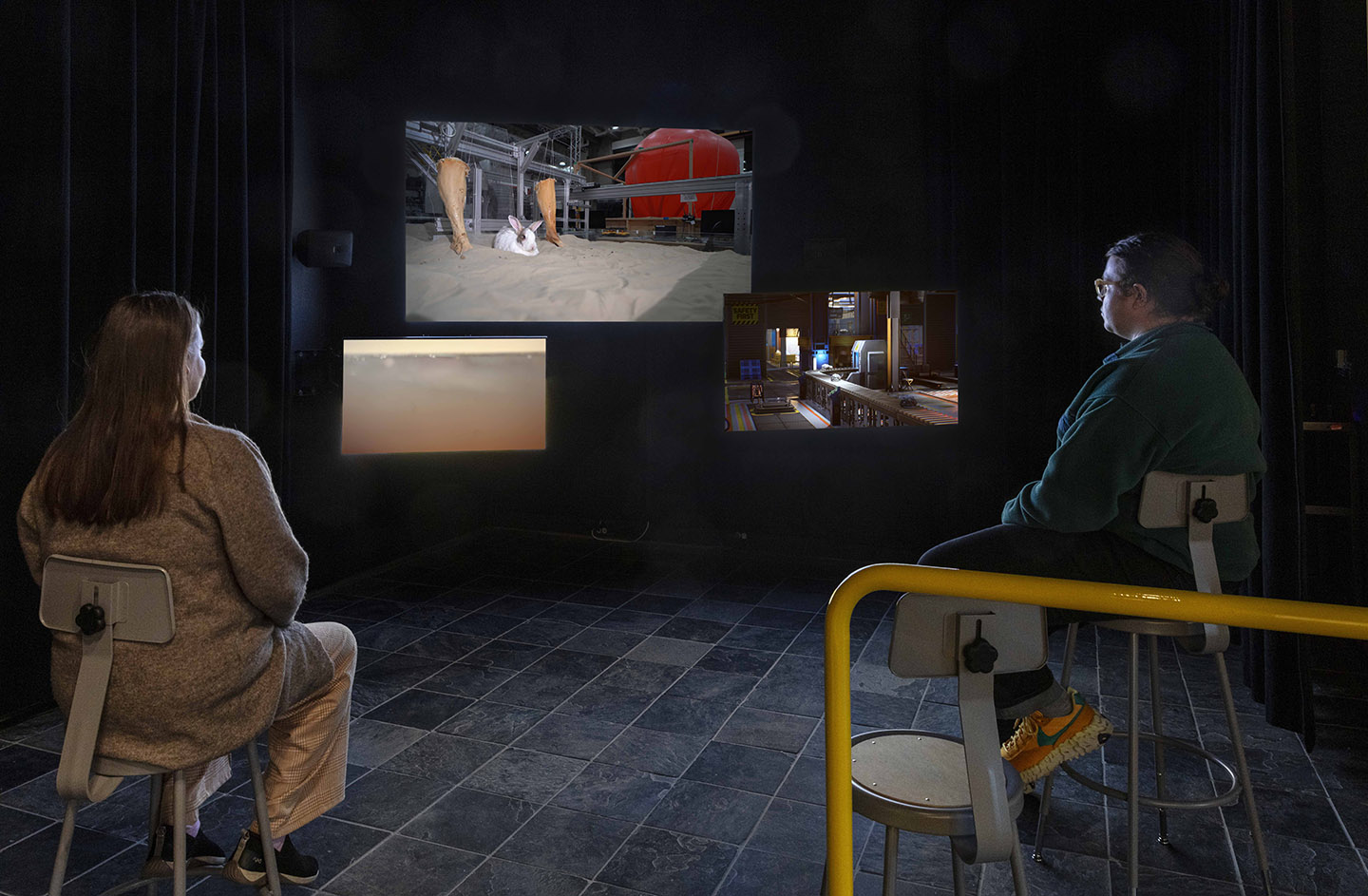
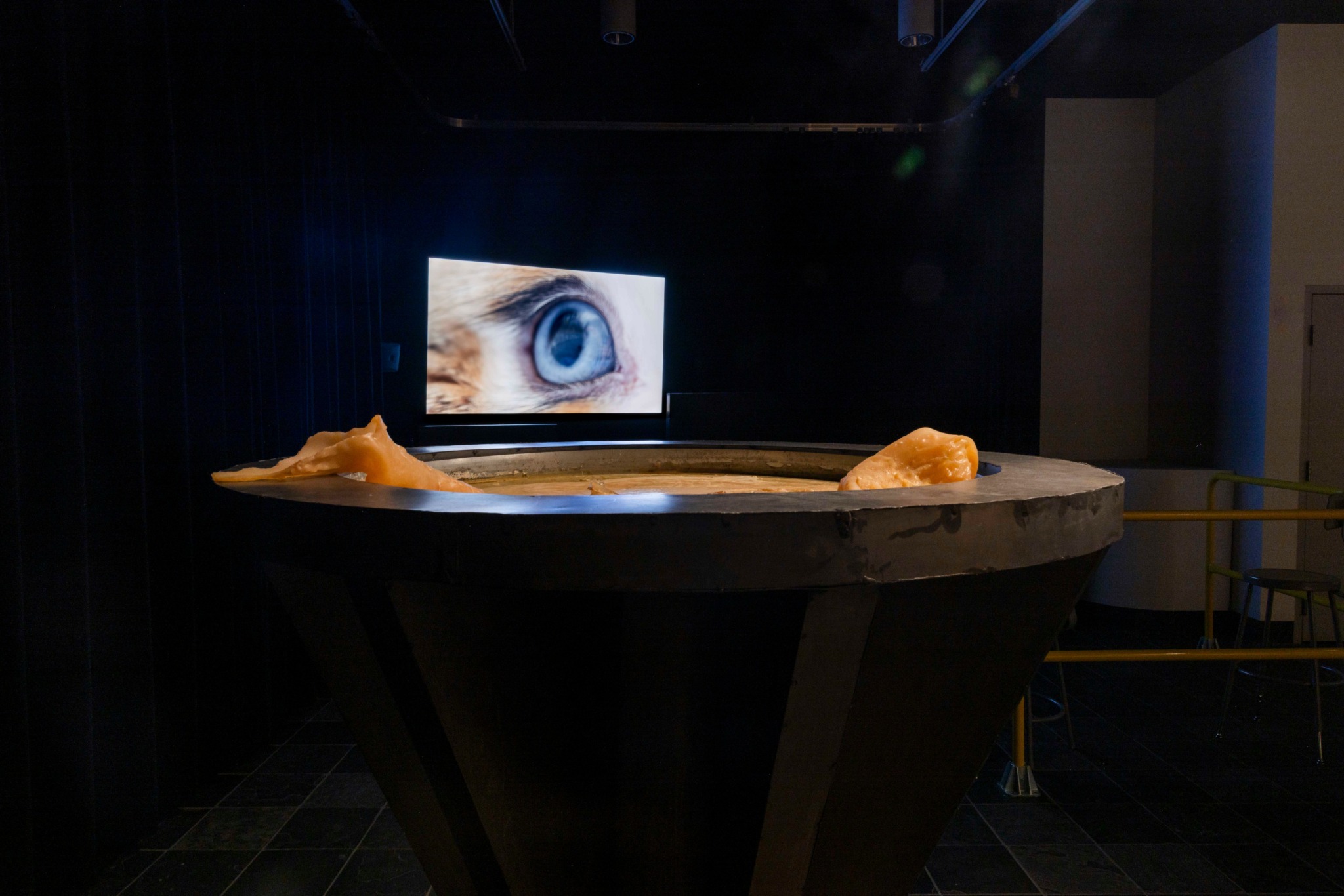
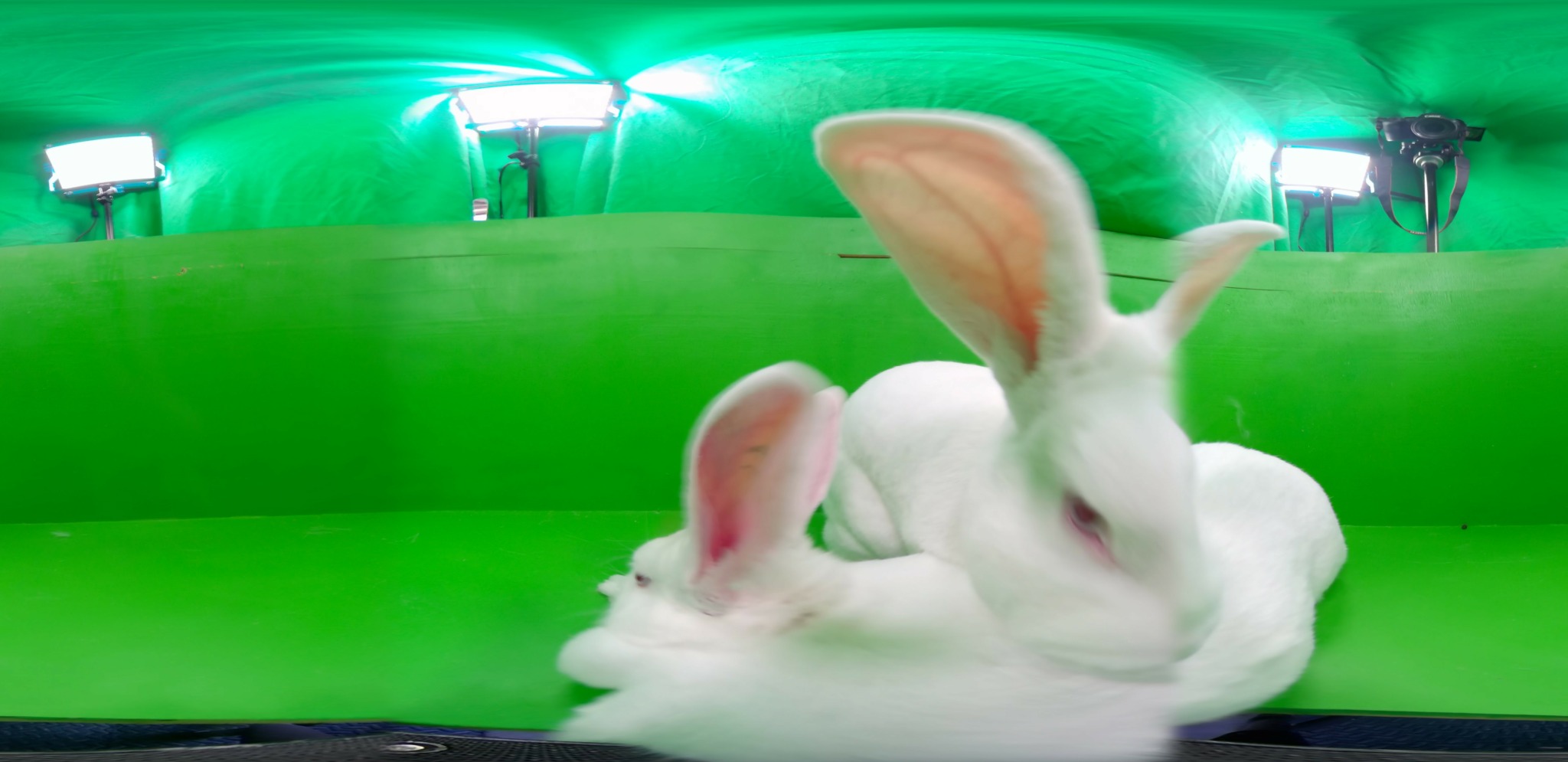
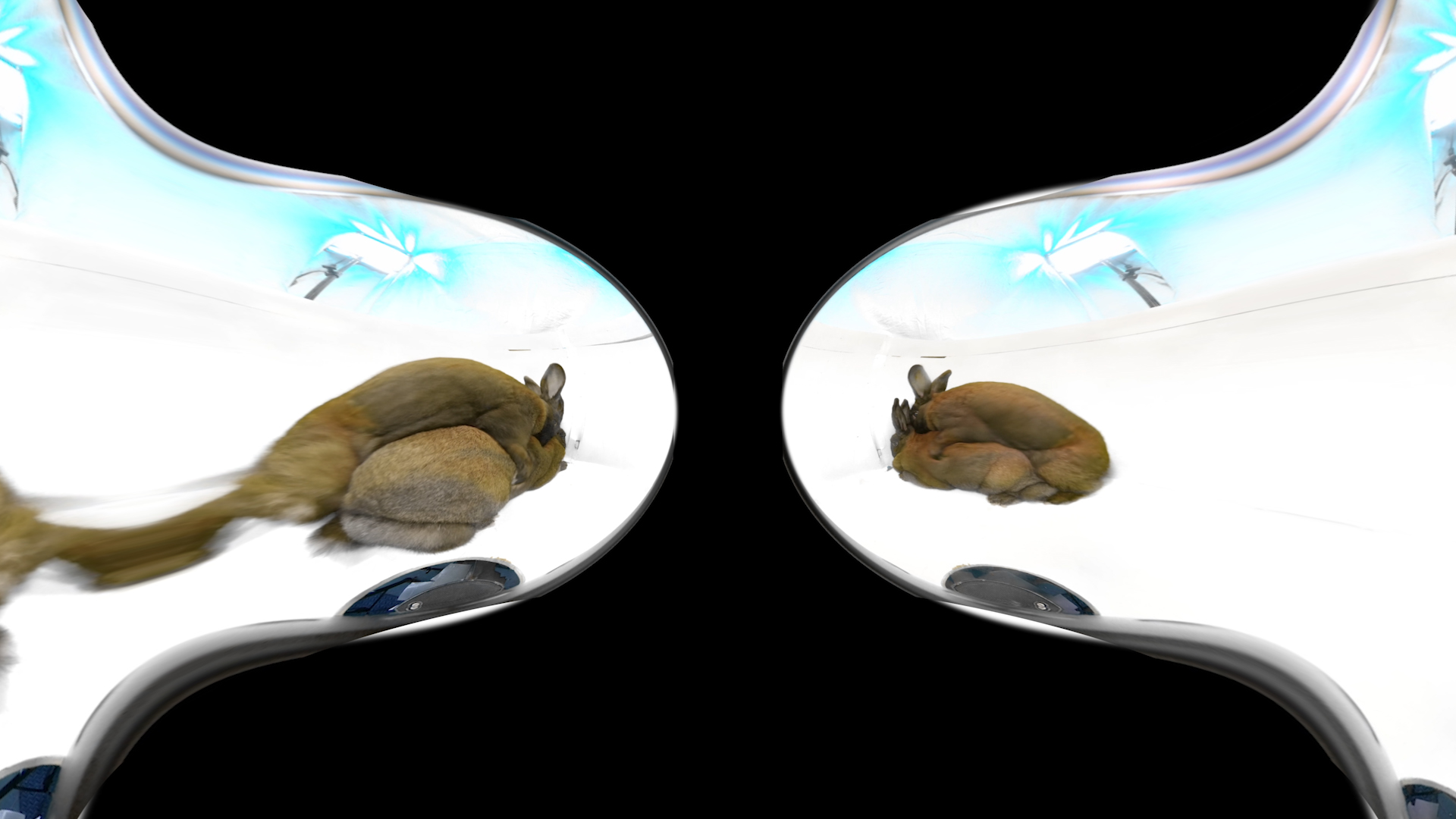
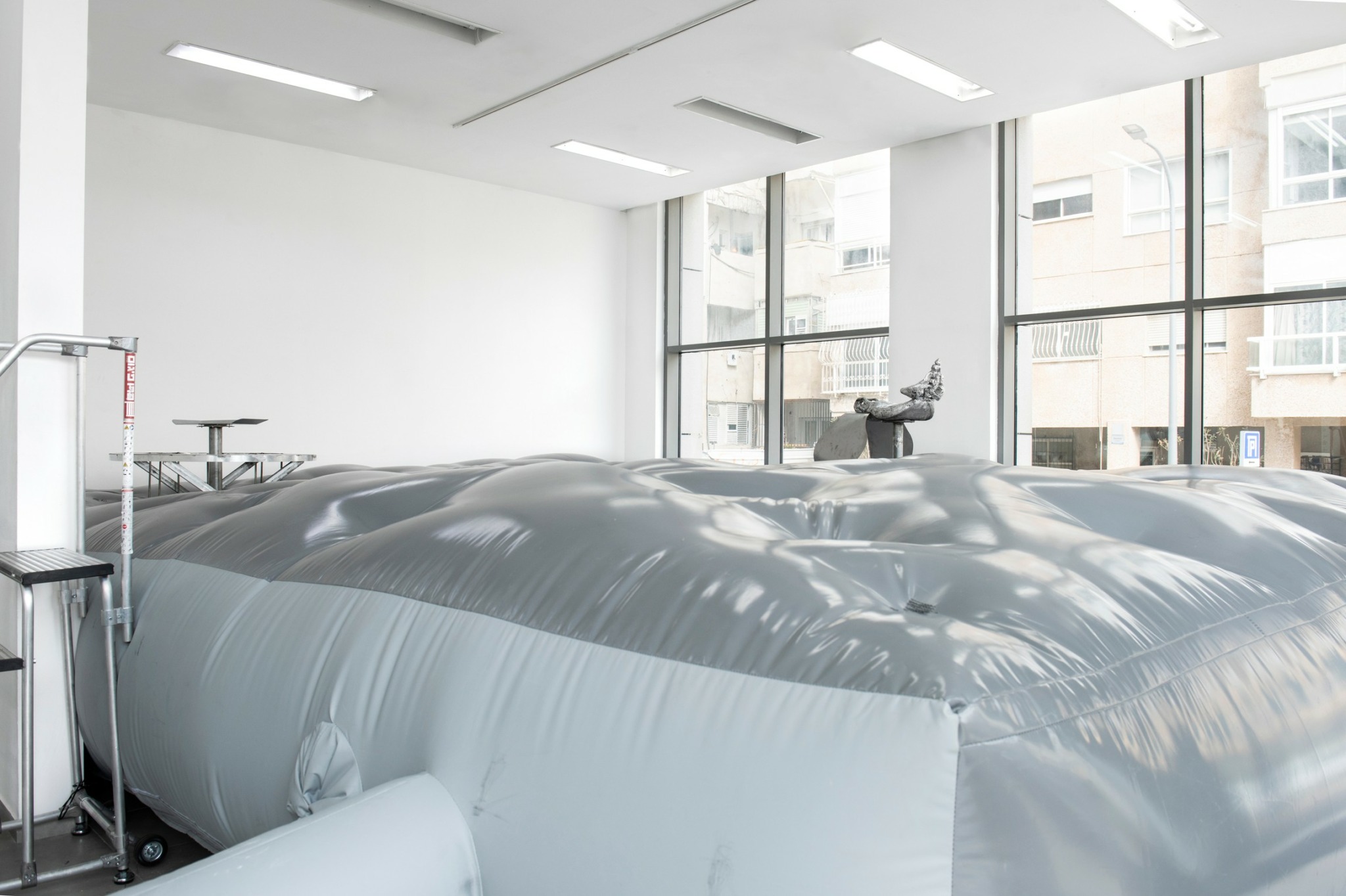
I’m a visual artist and filmmaker working on multidisciplinary projects. My process-and-research-based practice combines video, virtual reality, sculpture, writing, installation, and experimental documentary filmmaking. My long-term projects often meander through a sequence of narrative rabbit holes, blurring the boundaries between documentation and fantasy, staged and happenstance. This hybrid ethos is used to transgressively examine and reflect on Western social conventions (and their subsequent taboos) around interspecies cohabitation and domination within human-machine-nonhuman animal relationships, gender representation, spatial actuality, mass media, and the construction of narrative in nonfiction methodologies. A sense of futility is a recurring motif in my works, often accompanied by tongue-in-cheek humor that arises from the persistent pursuit of a doomed mission.
Rooted in experimental DIY methodologies, my practice is heterogeneous and eschews formulaic consistency or branding. This stems from an enduring drive to push beyond my comfort zone, both conceptually and in terms of material exploration and making processes. I also see this persistence as a quiet resistance to the capitalist art market, which often demands uniformity and commodification.
What can society do to ensure an environment that’s helpful to artists and creatives?
I would love to see a stronger overall societal appreciation for visual culture and artists: a realization that art isn’t a privilege but a necessity that has been part of the human experience since the cave paintings. Art relates to critical thinking, the ability to reflect and ponder, make space for ambiguity, and ask questions about who we are as a species and our social norms. From a practical perspective, this means having more room for arts education for the younger generations, and allocating more public funding that will allow artists to sustain their practices, without having to produce something functional and/or that is easy to sell.
What do you think is the goal or mission that drives your creative journey?
There isn’t one particular mission, and each project has its own goals and milestones. But an overall arc might be related to an urge not to stay static, not to compromise on familiar formulas, but to insist on pushing the boundaries of my practice with each new project. The persistence to keep learning, ask questions, and try to avoid having a default when it comes to my creative process is essential to my work.
Contact Info:
- Website: https://inbarhagai.com/
- Instagram: https://www.instagram.com/inbarhagai/
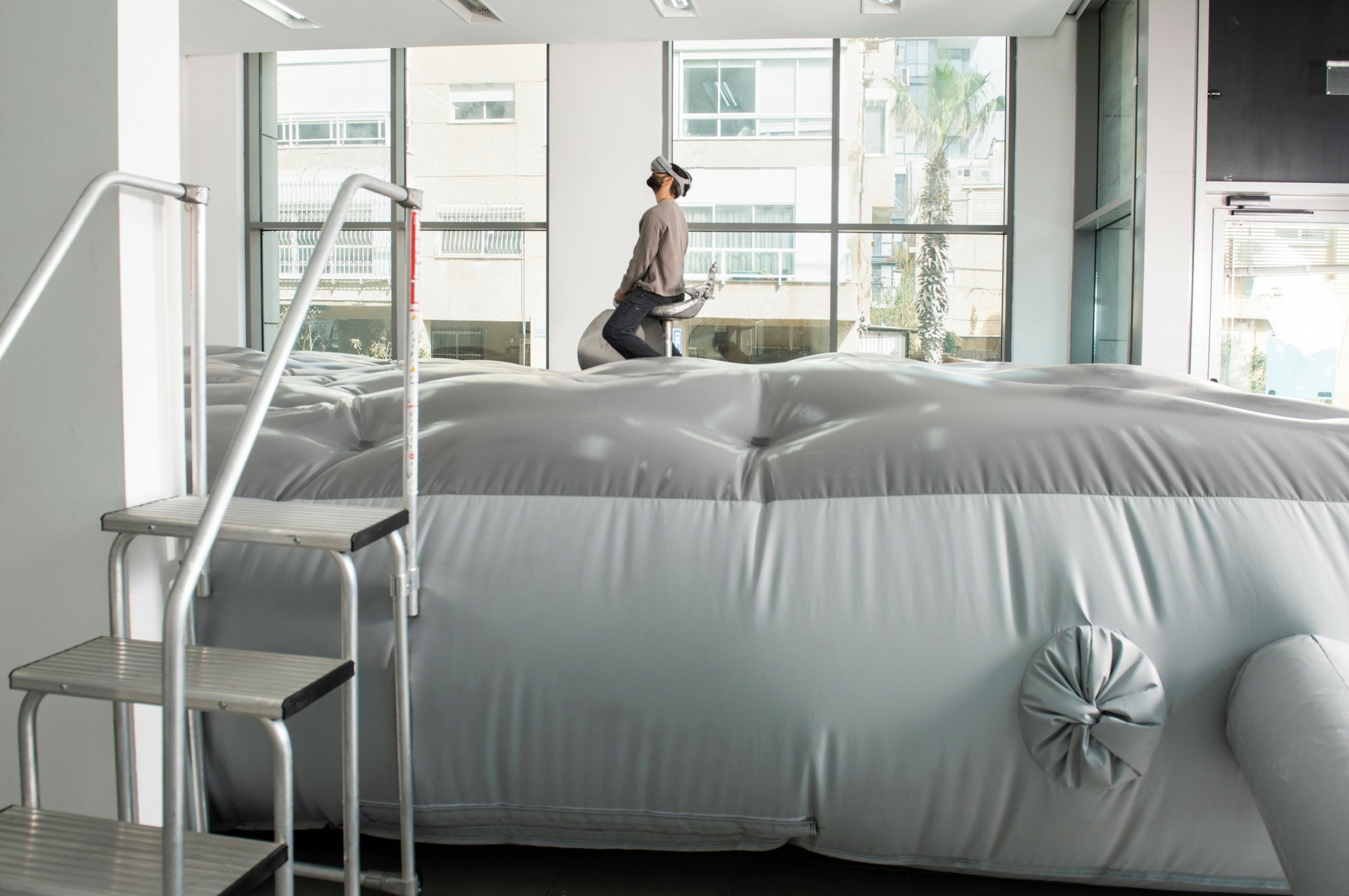
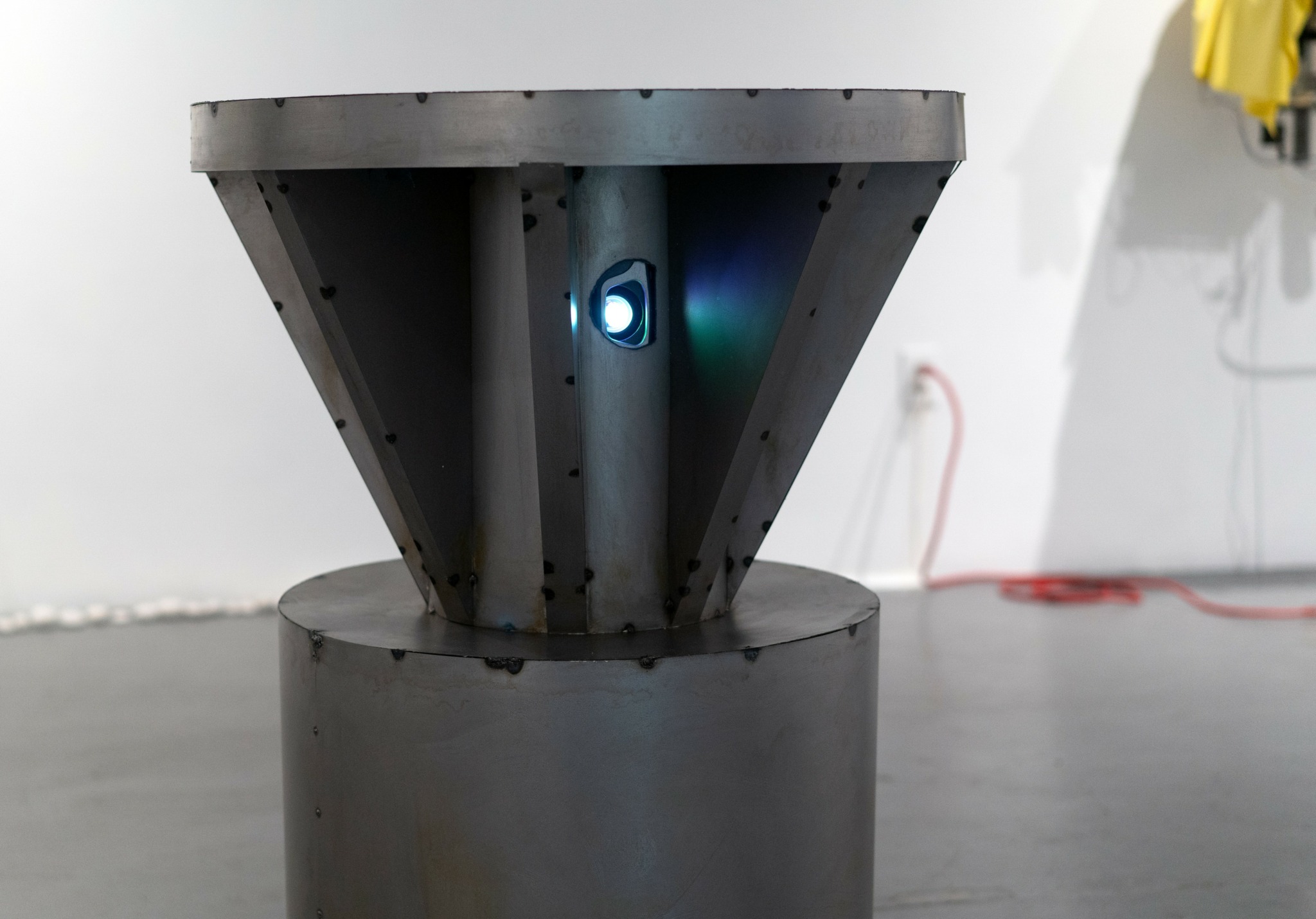
Image Credits
Photo credits: Chris Uhren, Tom Little, and Carmit Hassine