
We’re excited to introduce you to the always interesting and insightful Ikenna Lughna. We hope you’ll enjoy our conversation with Ikenna below.
Ikenna, thanks for taking the time to share your stories with us today Looking back at internships and apprenticeships can be interesting, because there is so much variety in people’s experiences – and often those experiences inform our own leadership style. Do you have an interesting story from that stage of your career that you can share with us?
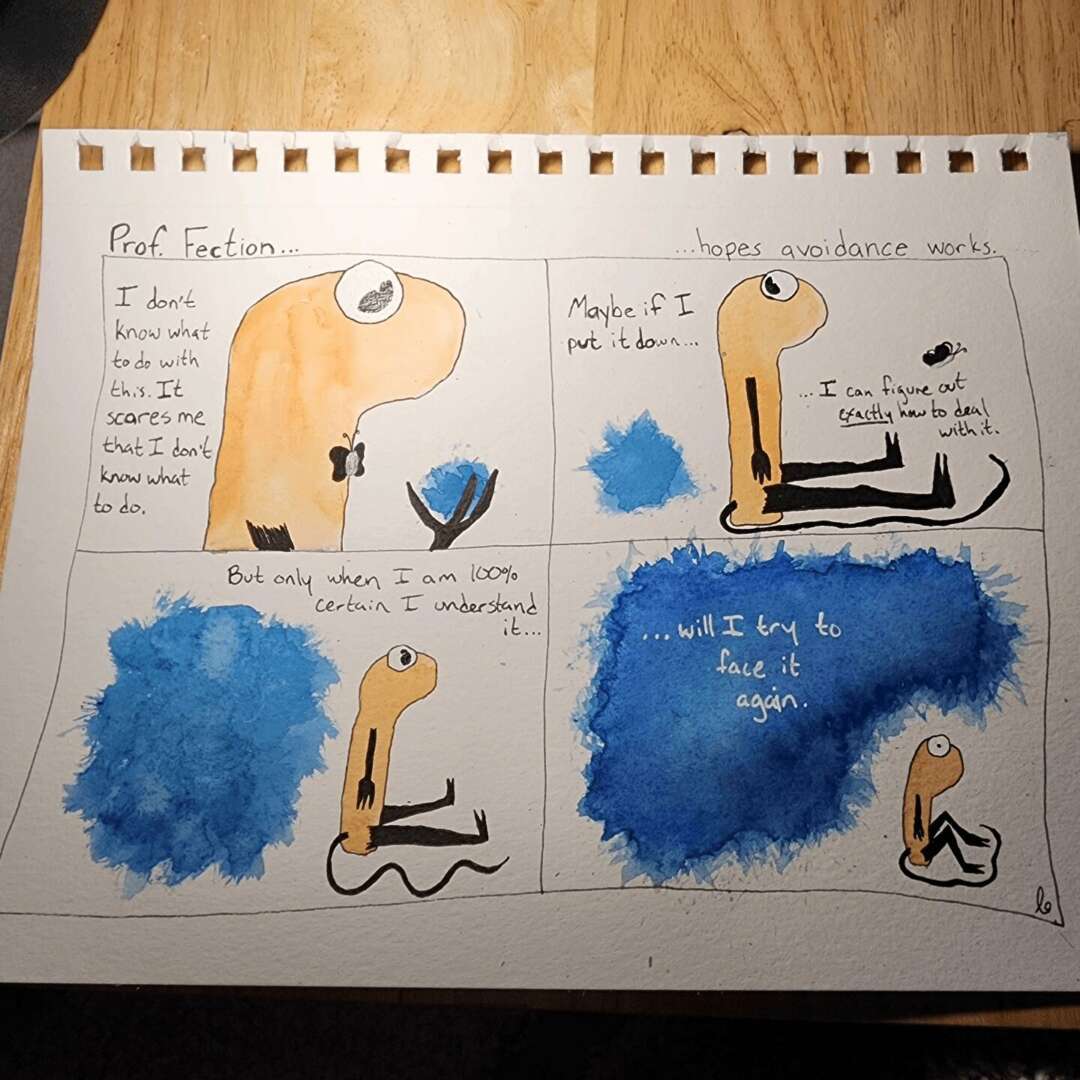
As a recovering perfectionist, I feared the rupture. “Rupture” is a term in counseling that refers to a break of trust in the therapeutic relationship, whether that be the therapist saying something insensitive or pushing a client too hard in an intervention, just to name a couple of examples. I would have sessions with clients, and then afterwards nitpick a certain interaction to the point where I would think I ruined the client’s life.
My supervisor is so incredible. She would reassure me that potential ruptures are part of the job. We will hit walls and potential breaking points with clients. Some of these lead to breakthroughs and repairs, and some of these lead to clients leaving. Therapy is hard work. It’s a place to be vulnerable to another human.
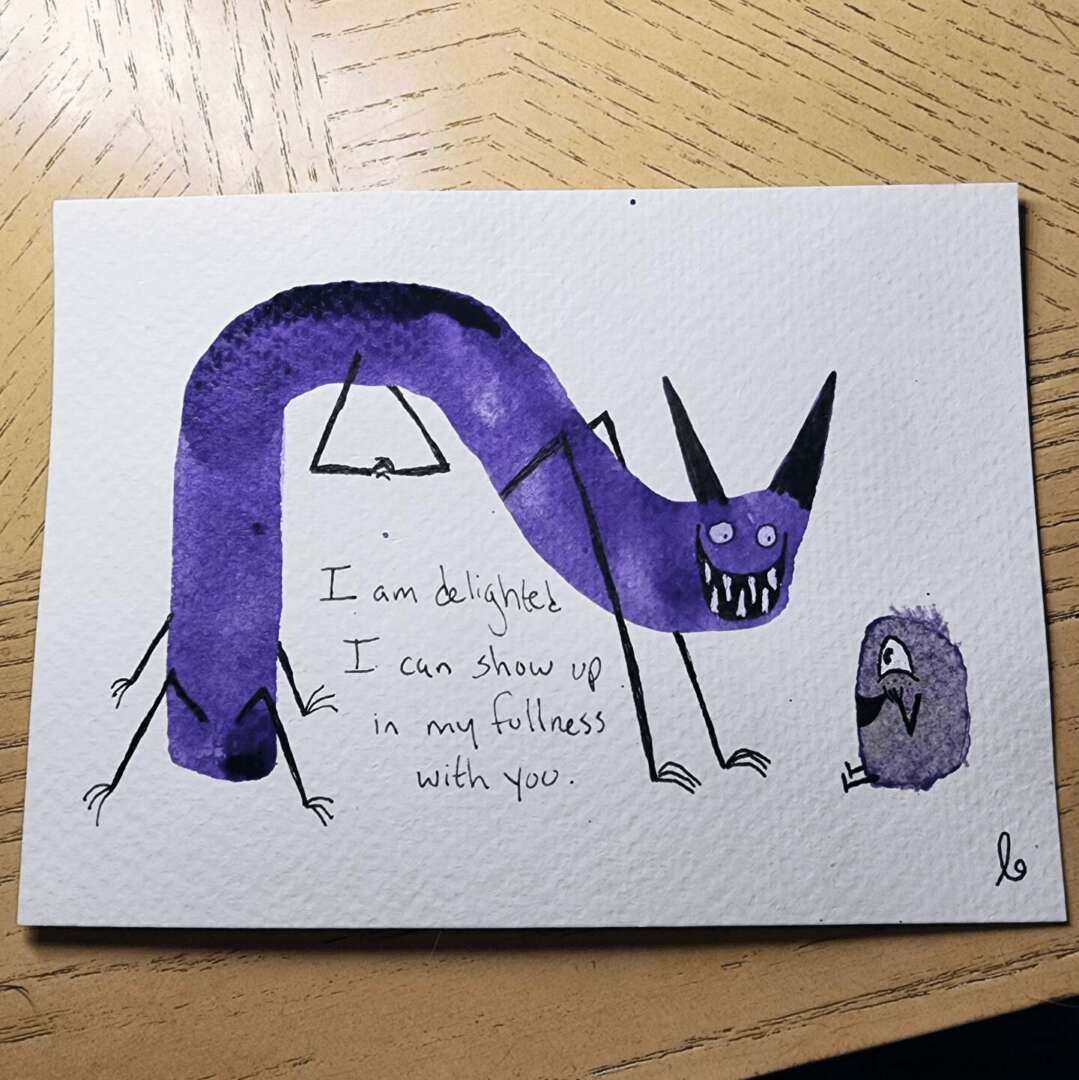
That’s the key word: HUMAN. Yes, I have training in how to provide psychoeducation, actively listen, practice interventions, and provide support, but if I go about being a therapist afraid of rupture all the time, then I don’t show up fully for my clients. If I show up fully, then there’s reciprocal vulnerability clients can sense. If I hold back, clients often hold back too.
Awesome – so before we get into the rest of our questions, can you briefly introduce yourself to our readers.
I didn’t really know what therapy was when I was younger. Sure, there were the stereotypes sometimes printed in the comic strips I would read from the weekend newspaper, but anyone I knew to be a “counselor” were my school guidance counselors. I only saw them for class scheduling purposes. So mental health counseling wasn’t on my radar until I met my wife, Safrianna, who was a trauma therapist at the time.
My bachelor’s degree was in music production, and I was barely scraping by with a part-time job as a church’s technical director and substitute teaching. I got into substitute teaching because the person I was dating at the time was a teacher, and that inspired me to also work in schools for a bit. That led to anxiety levels I never experienced before. Waves of nausea made it impossible to eat before or after the school day. I wasn’t able to look anyone in the eye without bursting into tears. I had several students who were leaning on me for emotional support, and I felt like I had no tools to help them appropriately. When I met Safrianna, and she explained the therapy model, Internal Family Systems, to me, I knew that was the path I needed to take.
I stopped substitute teaching and applied to graduate school. In fall of 2019, I was accepted into the local college’s mental health counseling program. Those of you keeping note of the year will know life gets more difficult in the spring of 2020. The classes in 2019 that exclaimed virtual therapy be the last resort had to eat their words when virtual therapy was the only resort. While navigating online classes on top of COVID was tough, I also was helping plan my wedding with Safrianna, getting married, moving, and then moving again.
Around this time, I was interning at Playful Therapy Connections, which specializes in working with kids with ADHD/Autism. I didn’t understand why I wanted to work with this population at first, but it became more apparent that it was because I related. This led to me creating my website to reflect the fact I work with not only queer clients, but also neurodivergent clients. Gaining clients was slow at first since I was starting my therapy career as a private practice. I have Safrianna to thank for that. She experienced a lot of hardship balancing her health needs with how much of her earnings group practices often need to take to run their operations. So even though it was slow going at first, we knew it was the right thing to do.
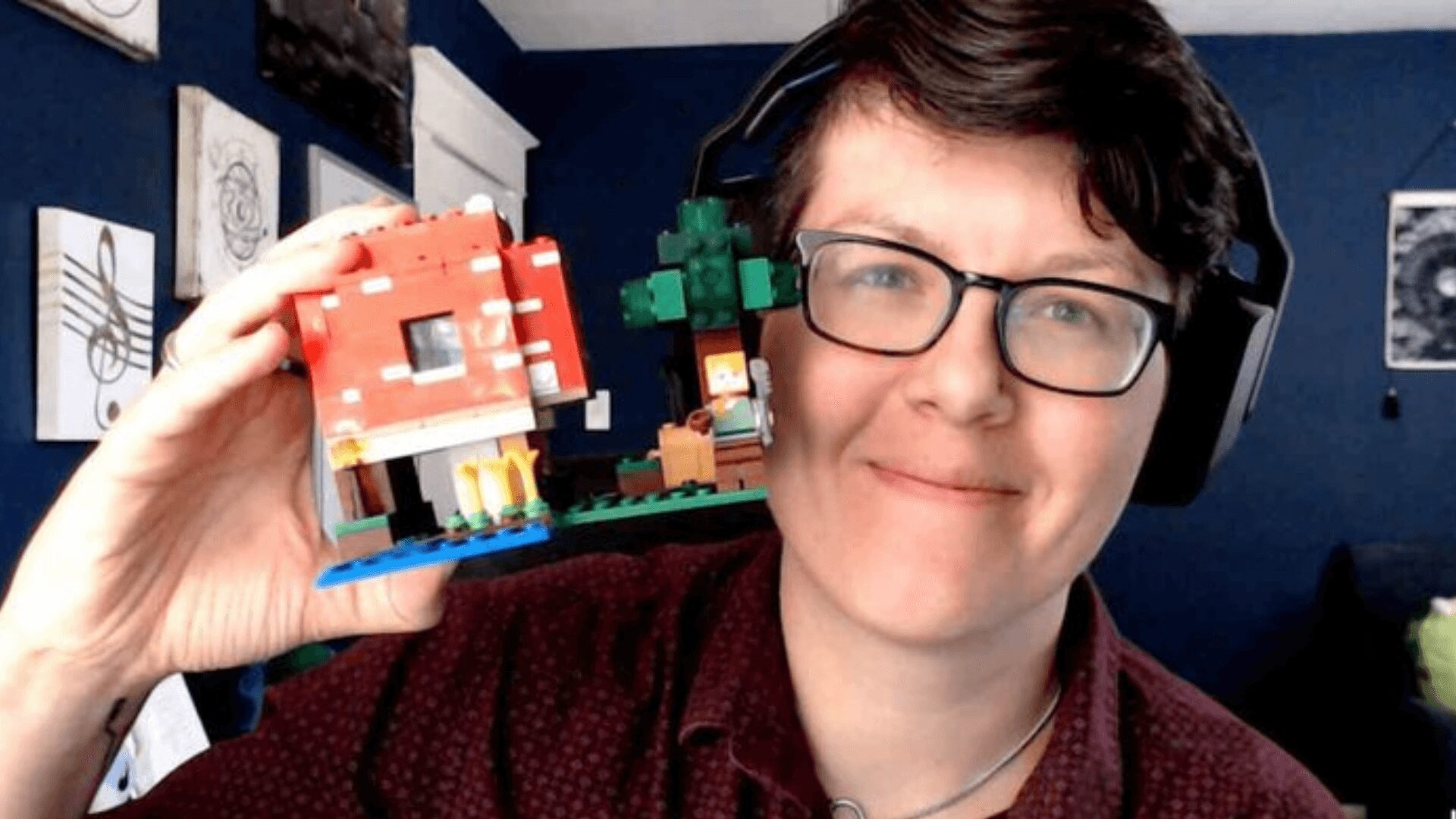
From there I’ve been able to work with clients ages 6-50+ who are either queer, neurodivergent, or both! Many people have recently been diagnosed and I help guide them through what society teaches them is “normal” and what they may need to advocate for. I show them that I am a person who is also neurodivergent, but I am interested in connecting with them however they need. This can mean their camera is off while they tell me about a favorite video game, or we’re silently drawing together since they need scheduled time to quiet their brain, or we’re playing Minecraft together, or I’m leading them in a visualization to meet their emotions where they are with curiosity and love. Of course, there are many more ways I show up for my clients, but these are a few to get you started.
What’s a lesson you had to unlearn and what’s the backstory?
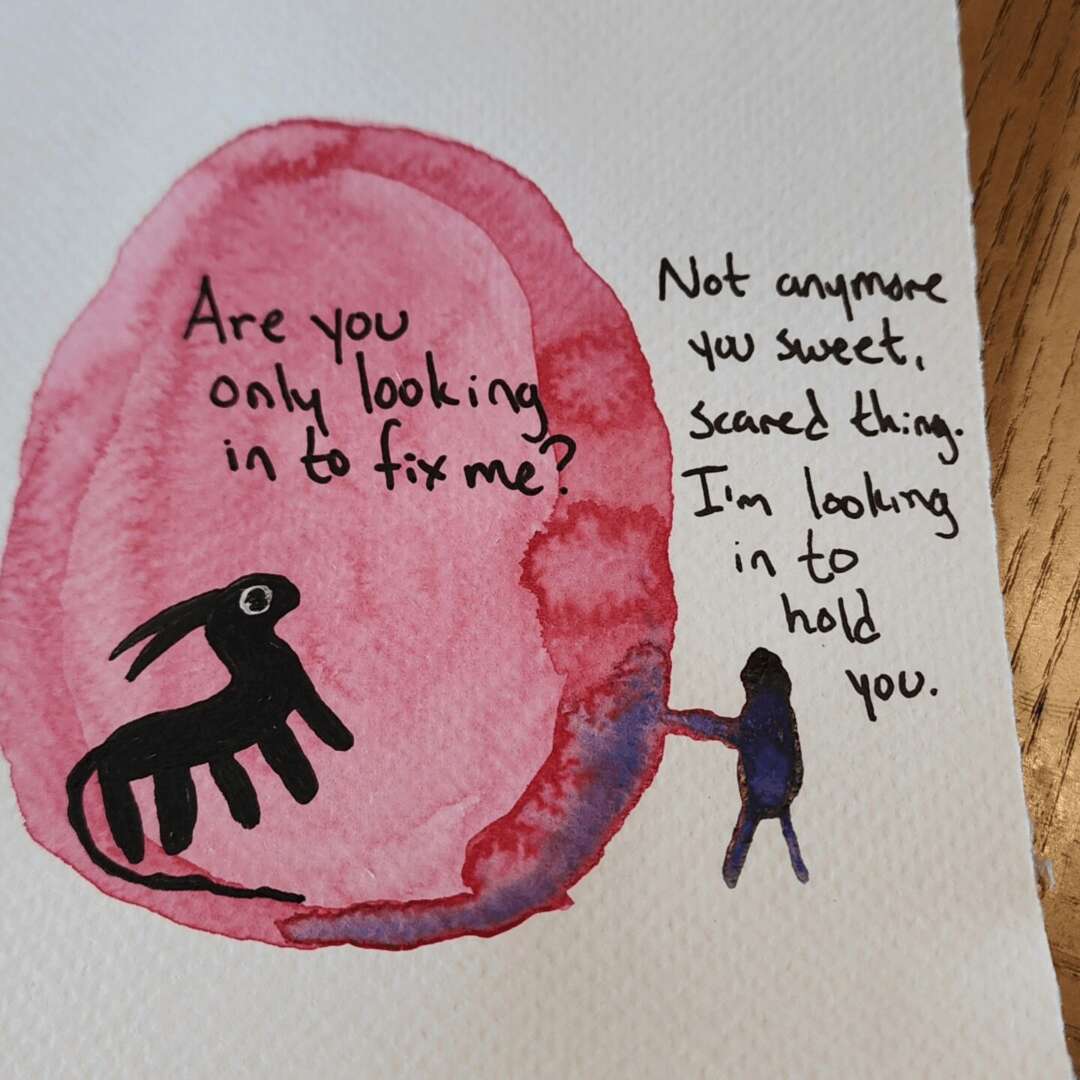
A huge lesson I’ve learned is that I can’t shame myself into evolution. Shame was often a tool authority figures would use to get me to do what they wanted when I was a child. I would be insecure about something like not having a boyfriend, and if I was struggling with how to navigate personal hygiene tasks (which often led to avoidance), then the phrase that would cause me to take action would be, “Well no wonder boys aren’t interested! No boy would be interested in someone who doesn’t take care of their looks!” This would lead to tears, and ultimately me trying harder in my looks. Shame worked! …at the time.
I had a love/hate relationship with shame in high school. Sometimes it would push me to do better, other times it would cause me to give up altogether. I remember being on the JV soccer team freshman year practicing to potentially take over the Varsity goalie position the following year. Another teammate was also being taught goalie techniques, and the Varsity coach used shame as a tactic to try and put a fire under my ass. “You’re not going to make it into Varsity if you don’t show improvement like [teammate’s name] has.” Oh yeah, shame LOVED to latch onto comparison. Friendly competition is one thing. Comparison to the detriment of your self worth is another.
This evolved into me taking any feedback as an opportunity to shame myself. Shame isn’t guilt or accountability. Those are like “oh, my bad…I will work to fix my behavior.” Shame is, “Oh I’M bad. How can I fix that?!”
This internalized tactic followed me for decades. This along with perfectionism was a rough combination. Shame became so unbearable that I would try to people-please to the point that no one would find a mistake in how I showed up. I remember being in an internship in undergrad where I accidentally crossed a professional boundary with a musician by friend requesting them on social media. My supervisor was furious. The shame led me to tears and shut down for hours if not days. I remember talking to my coworkers to determine if I did something objectively terrible.
Several things happened next that helped me navigate through my shame. A few years ago, my wife and I signed up for a multi-authored book project. This led us to meet Susan Fisher, who taught us about the Body of 9, and identified me as a Natural Number 1. Natural Number 1s are known for sinking into shame spirals when unaligned. When aligned with their Natural Number 1-ness, they can become giddy and excited for the minutia of the world: awe and wonder for the little and big things. This led to my wife and I being more aware of how shame showed up for me.
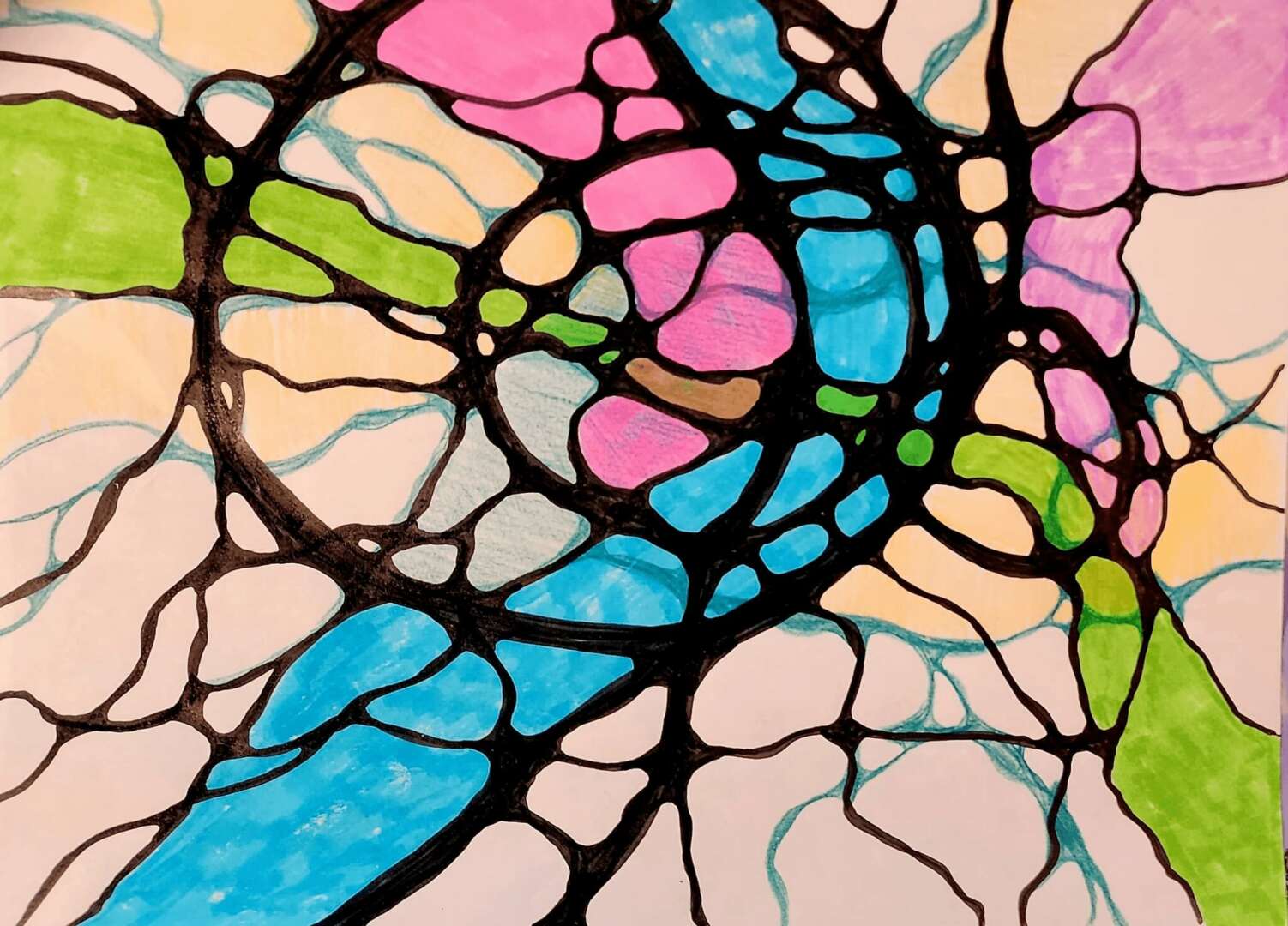
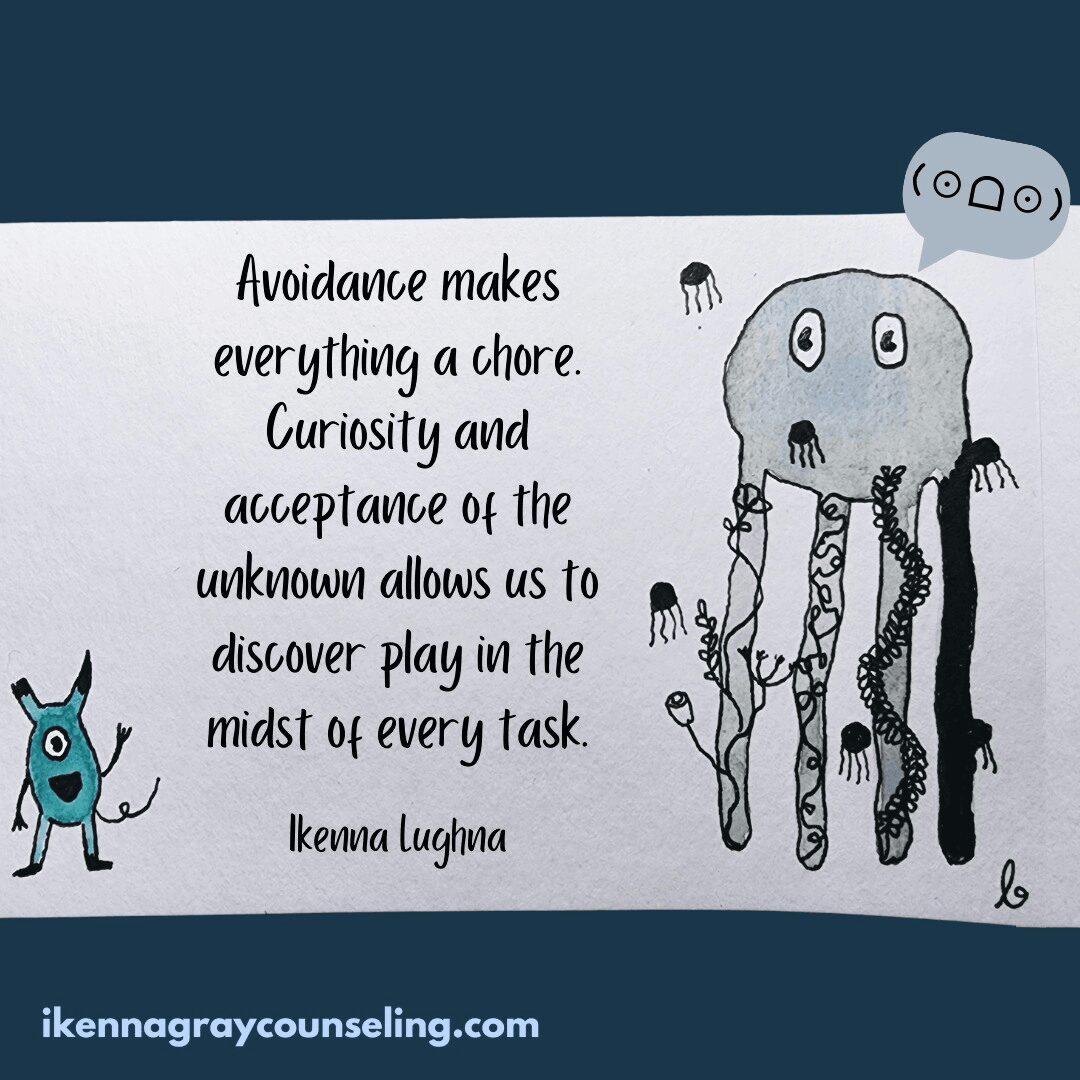
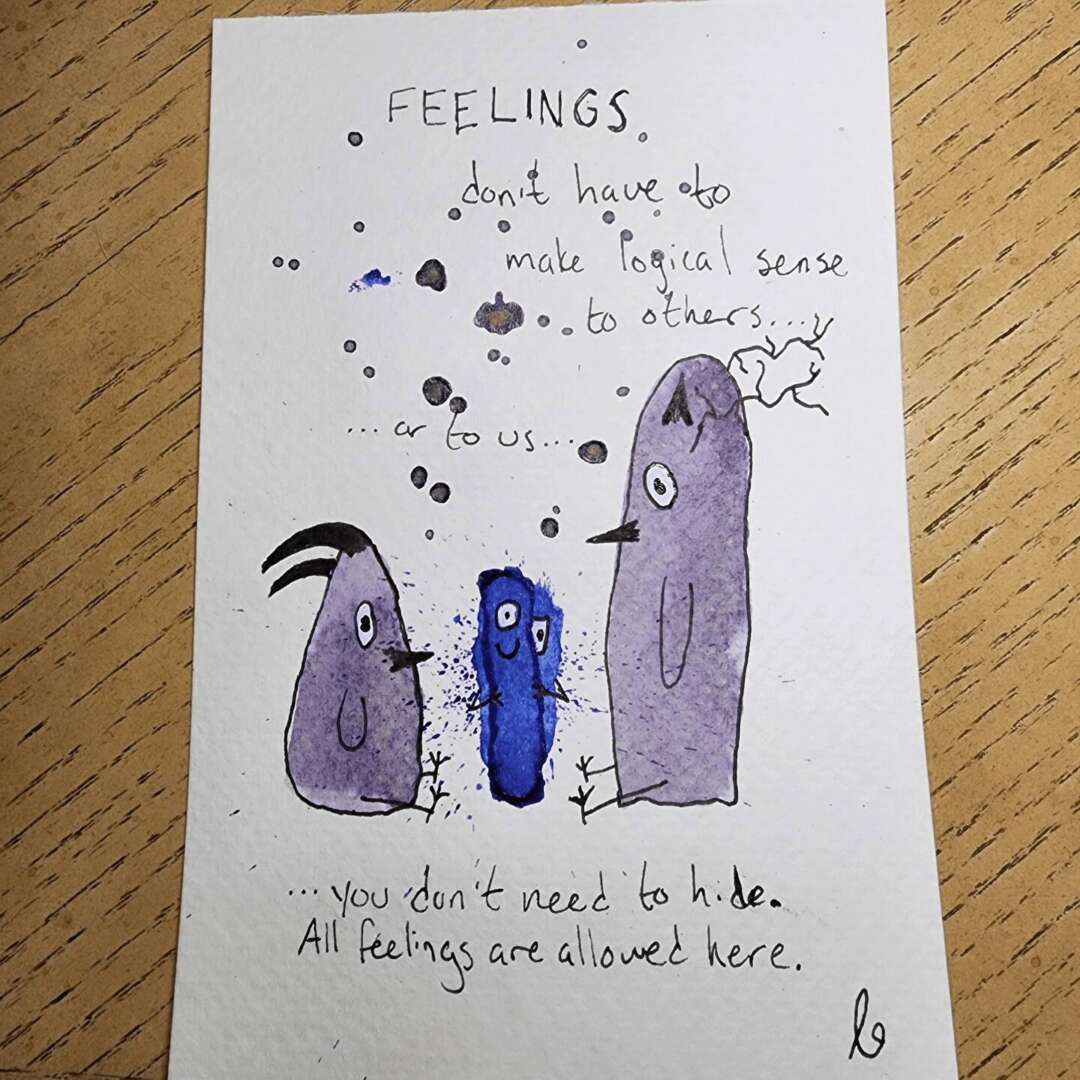
I also learned about an art therapy technique called Neurographica, and started doing a daily practice to focus on how shame and perfectionism showed up. This technique had me sit with the uncomfortable and sometimes painful feelings associated with shame and perfectionism. Now I’ve gained more experience navigating those feelings to notice when shame wants to shut me down. This practice also got me involved in the ideas of mindfulness. It’s hard to be in awe and wonder when not present.
Other therapy techniques I’ve used to help me not use shame as the motivator has been Internal Family Systems and Acceptance Commitment Therapy. Both have elements of gathering awareness of the present moment, whether that be your internal emotional experiences (think of the movie Inside Out), or whether that be what’s happening objectively around you (and trying not to read everyone’s mind in the process to consider how you may be perceived.)
I’m of course never fully out of the shame woods, so to speak. But I’ve learned to commune with shame and coexist with it, instead of be bullied by it.
Do you think you’d choose a different profession or specialty if you were starting now?
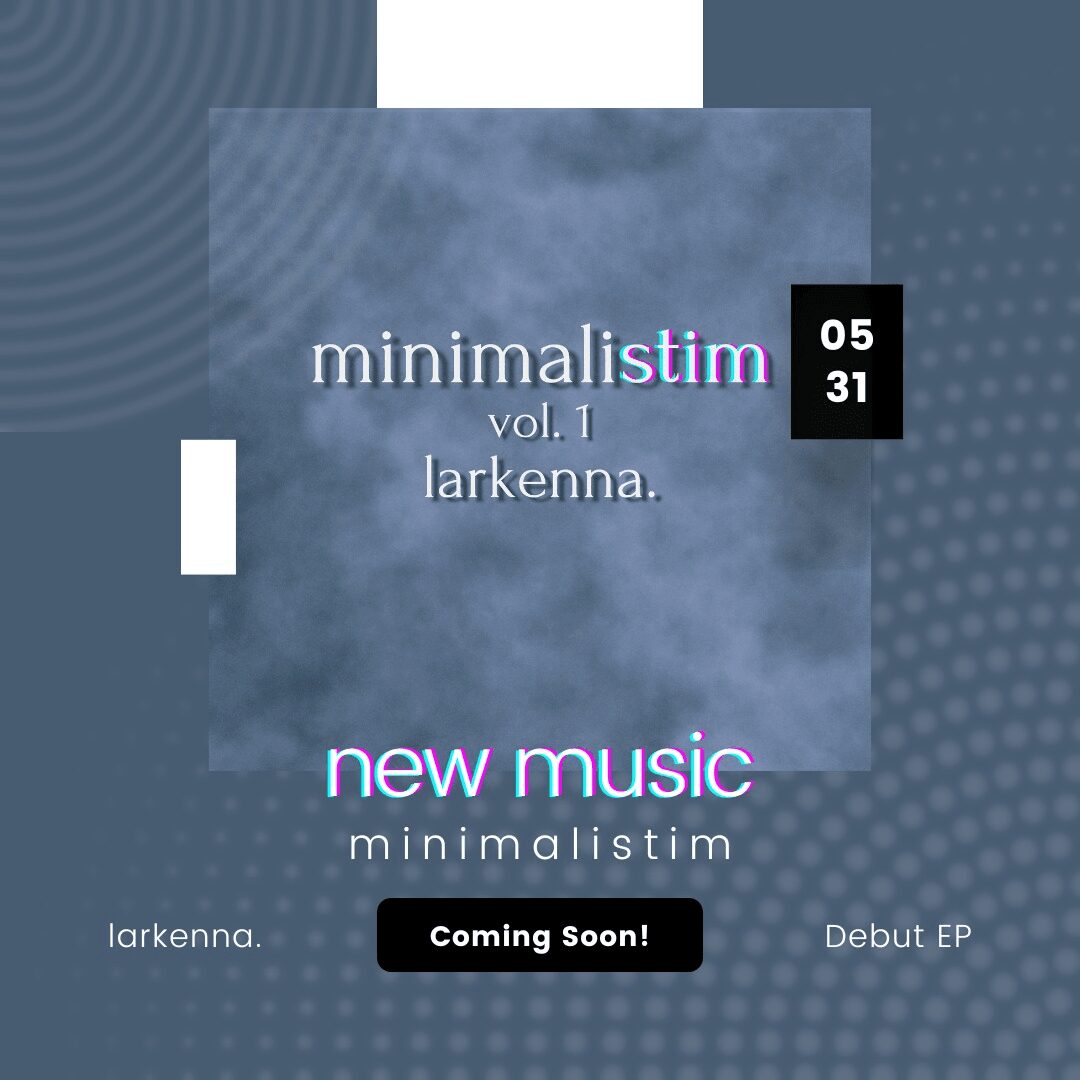
This is a tough one. I’m thinking about how my undergraduate knowledge in music production has helped me in producing and editing Living LUNA’s podcast the past few years, as well as helping my wife create meditation tracks for her business. I would absolutely choose being a mental health counselor. Still, part of me wishes I came into the profession sooner, solely for the amount of knowledge I’d receive about how emotions work and how to navigate emotional pain. I don’t know if that information would have helped me not flail as much in my early/mid twenties.
However, I’m unlearning my perfectionist ways and am reflecting that flailing in my 20s isn’t necessarily a failure. I simply needed more time to integrate and learn. I still have more lessons to learn in life I’m sure, but it’s the perfectionistic part that likes to nag me with “If only you did this sooner, then you’d have it all figured out!” …would I though? If I didn’t struggle being a long-term substitute teacher for a few years, I wouldn’t have seen the disparity in the education system and help validate kids in the midst of school struggles several years later as a therapist.
Experiences I’ve had in the pain and struggle have helped provide me with a unique and empathetic point of view for people who are struggling with navigating their identities, whether that be neurodivergence, queerness, creativity, social justice, chronic illness, relationship styles…the list goes on.
So the short answer ultimately is, yes. I would choose the same profession, and around the same time I chose it this first go around.
Contact Info:
- Website: https://www.ikennagraycounseling.com/
- Instagram: https://www.instagram.com/ikennagraycounseling/
- Facebook: https://www.facebook.com/larkennacreativeservices
- Youtube: https://www.youtube.com/@LivingLUNA
- Soundcloud: https://soundcloud.com/larkenna