

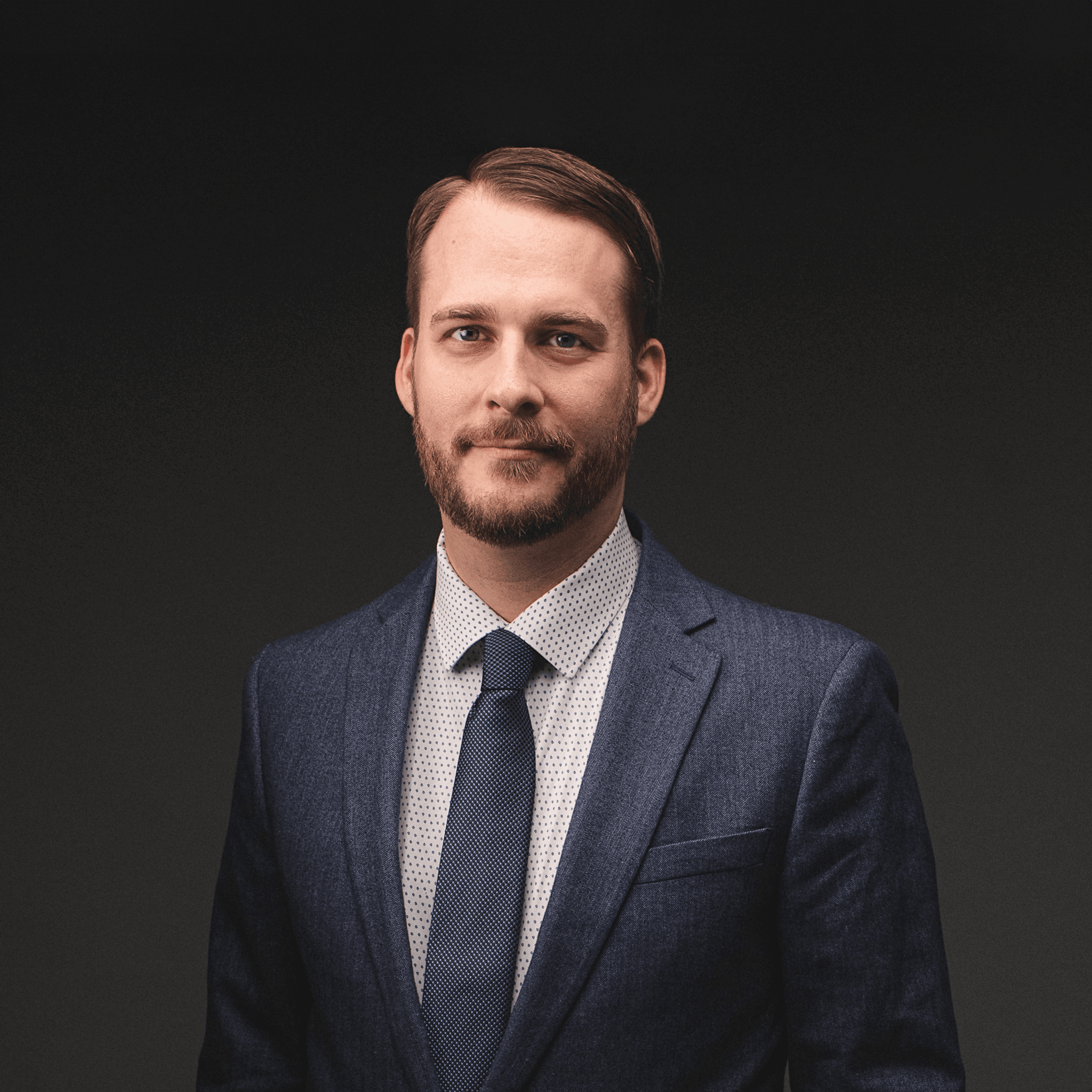

We were lucky to catch up with Ian Peterman recently and have shared our conversation below.
Ian, thanks for joining us, excited to have you contributing your stories and insights. Do you take vacations? How do you keep things going – any advice for entrepreneurs who feel like they can’t step away from their business for a short vacation?
I haven’t always taken vacations. I remember being partner at my first design firm, I worked for almost 4 years with 3 vacations, all less than 5 days, and I worked 6-7 days a week, 10+ hours every day. While it can be easy to fall into the “grind until you succeed” mentality, it will not lead to success 99% of the time. Some people do it, but usually because they hit a big break just before a mental breakdown and then it’s seen as a “success”.
Now, I don’t work weekends, unless I WANT to, I typically work a 4 day work-week, I take a month off every years (last two and first two weeks of the year), and a few vacations a year. I don’t travel every time, but even a “staycation” counts if you don’t work. Because of this, I’m more rested, able to make better decisions with a clearer head, and in turn I don’t expect insane hours from my team, which means there isn’t this company culture of pressure on everyone to work every second of the day.
This can seem impossible or hard, and that’s really only because there’s cultural pressure to work “hard”. This is a toxic mentality that will most likely lead to burnout of something, either you or all your relationships. Making time to recharge your batteries means making smarter decisions. Smarter decisions means being more profitable, successful, and generally happier. Those in turn make you less stressed, which creates a positive feedback loop for you, your team, and your business.
You don’t have to take 3 months off, but you should take 1-2 days off a week, I get it as a startup founder sometimes you need to do the work because it might be just you or a small team, but burn out will delay you far more than taking an afternoon to decompress, spending a long weekend not working, or even taking off a whole week. It’s also better to build a culture of having enough rest and avoid burnout culture in the beginning, it’s easier to keep people on that path than to change it 3 years in.
A side note on autoresponders. Today, people work when they want and where they want in many cases. Up until recently I would turn on a autoresponder to let people know if I’m traveling, this is of course a habit from my first days working in an office when being “out of office” meant I couldn’t check email if I even wanted to! I just had a potential client reply to one of my autoresponders saying they didn’t think I could hadn’t their project because I was traveling “too much”. I realized then that it’s outdated to need to do these kinds of things if you are able to respond to emails still, or if you have a team. I wasn’t going to be unavailable, I was just traveling and wouldn’t be able to respond as quickly. Now, I won’t do these anymore. I have a team, they can handle things when I’m actually unavailable, and if I still respond to emails in 1-2 business days, that’s fine as it’s what I do all the time. So, don’t worry about telling people unless you absolutely need to. No one can judge you for “being away” if they don’t know and doesn’t actually impact them.
Take the time off, get the work done with a clear head.
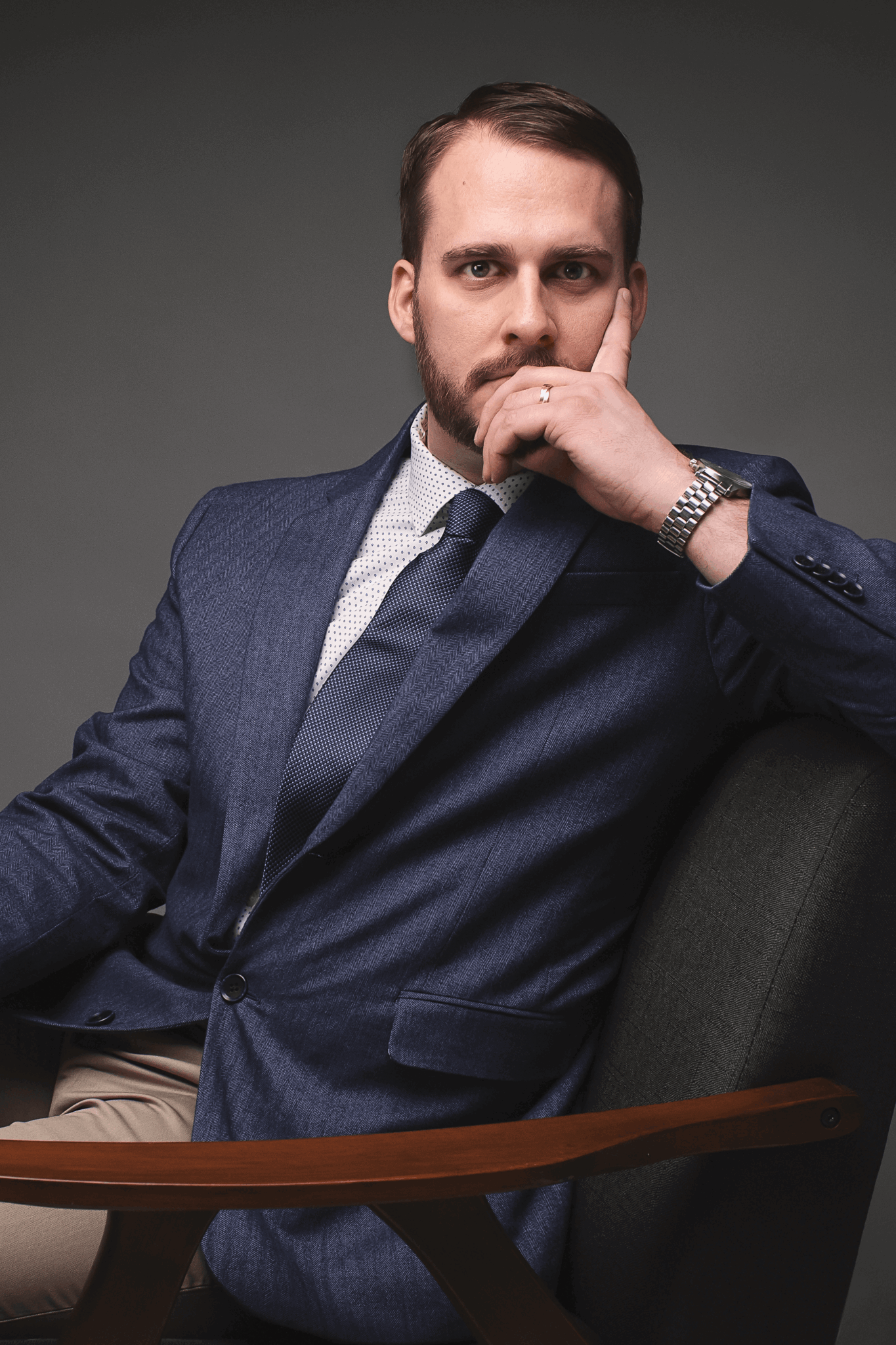
Great, appreciate you sharing that with us. Before we ask you to share more of your insights, can you take a moment to introduce yourself and how you got to where you are today to our readers.
I grew up surrounded by design, engineering, accounting, and entrepreneurial people. My first business was started at the age of 12 with my brother making greeting cards. While that one didn’t last longer than a couple years, it sparked the desire to continue working for myself while working day jobs. After working as an engineer and designer for over a decade with startups and companies like HP & Nike, I became a founding partner of my first design firm. A couple years later the partners all went in different directions and I found myself still not having the company I had wanted to create since middle school. Working with the visionaries of the world helping them create thriving businesses from their exceptional ideas. So, I founded the Peterman Design Firm.
I am now a Senior Fellow at Nexus Council, Chair of the IDSA LA chapter, co-founder of Conscious DesignHaus, co-author of the Conscious Design book, and still owner of the Peterman Design Firm. My goal is to help designers and businesses create sustainable and circular products through education (Conscious DesignHaus), speaking, my book, and my firm. I strongly believe we need circularity in our products and economy in order to drive the changes we need for a better planet and population in a timeline we can be happy about.
I’m passionate about green-tech, the outdoors, space, and developing new technologies that can help humanity move on to better things. The firm began with just myself in my garage, growing to now have a team amazing people supporting our clients in their journey to create sustainable and circular products. The firm’s mission is to be the global leader in the design and launch of innovative and sustainable technologies, products, and brands and we have the team to do it. When not working toward that mission, I’m with my family enjoying life and taking enough time off!
Can you tell us about a time you’ve had to pivot?
Short answer, every year.
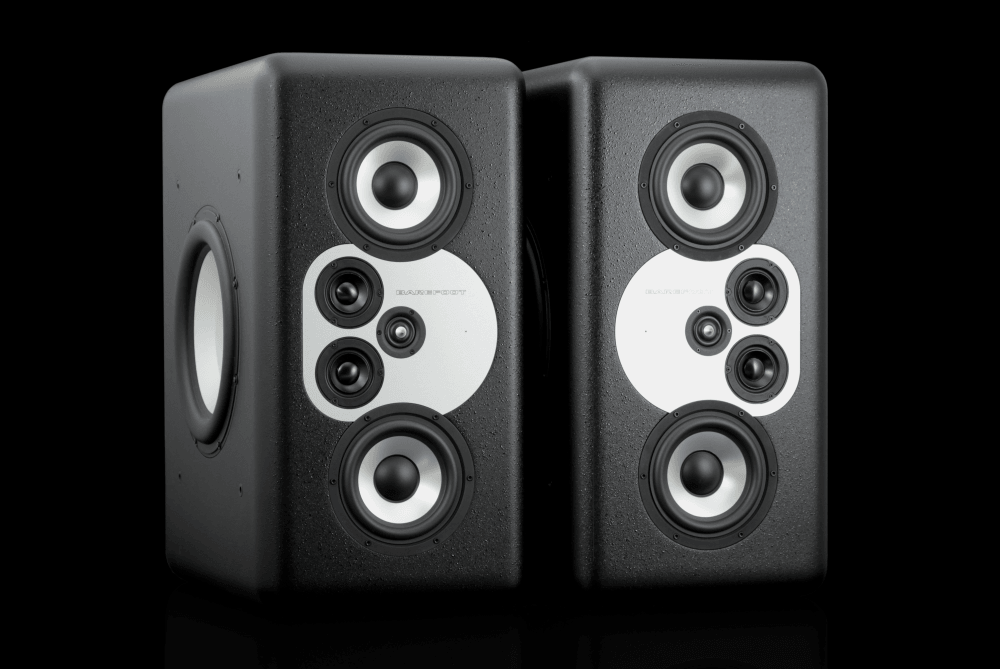
The real answer, every time I realize something is not working the way I want it to. A great example of this is a series of pivots, none giant on their own, but adding up to a big shift for my design firm. Pre-COVID, we had about a 80/20 mix of startups to real businesses as clients. We mostly served those starting out or early stage, sometimes pre-funding even. A lot of self-funded projects. When COVID hit, we lost almost every single one of those clients. No one wanted to spend money on launching brand new products with risk right off the bat, and it almost killed us. We decided by the end of 2020 that we were going to flip that ratio, and be more selective with people to make sure they had all the funds to make it through the end of a project, regardless of outside things, like a pandemic shutting the world down.
That shift, has led us to slowly niche down in increments. Before, working with startups was our “niche”. Our fist shift was to only work with funded startups ($1M+) or established businesses with cash reserves to invest into adding or revamping product lines. This was great, but we were still pretty broad. The next shift was to only work with sustainable brands, or brands who wanted to become sustainable. Next was to narrow down to physical product companies only. The last “big” shift was to stop promoting our other services, and to focus on R&D. Yes, we can do branding, websites, sourcing, design, engineering, prototyping, etc. But, what we found is that we really provided the best value to people who wanted to develop something brand new, to develop new IP, create real change in the world, and by focusing on that we can always be that partner down the road and do all the other things, but we want to help create positive change in the world, and that starts with R&D.
Where do you think you get most of your clients from?
Referrals. No, not every project will go perfect, no you can’t get a referral out of everyone. However, our referral partners have helped us to grow, and we have helped them. Creating these partnerships will take time, they will take doing things right and providing exactly what you promised, but it can open a massive amount of business for you, without needing to constantly pay for ads or other marketing.
Contact Info:
- Website: https://www.petermanfirm.com
- Instagram: https://instagram.com/peterman_ian
- Facebook: https://www.facebook.com/ianpetermandesign
- Linkedin: https://www.linkedin.com/in/ianpeterman/
- Twitter: https://x.com/peterman_ian
- Youtube: https://www.youtube.com/c/ConsciousDesign/?sub_confirmation=1
- Other: www.consciousdesignhaus.com
https://podcasts.apple.com/us/podcast/conscious-design-podcast/id1559197015
https://www.amazon.com/dp/B09KNMN9BT

Image Credits
For my headshots, please credit Jenna Karwoski. All others credit to Peterman Design Firm.