

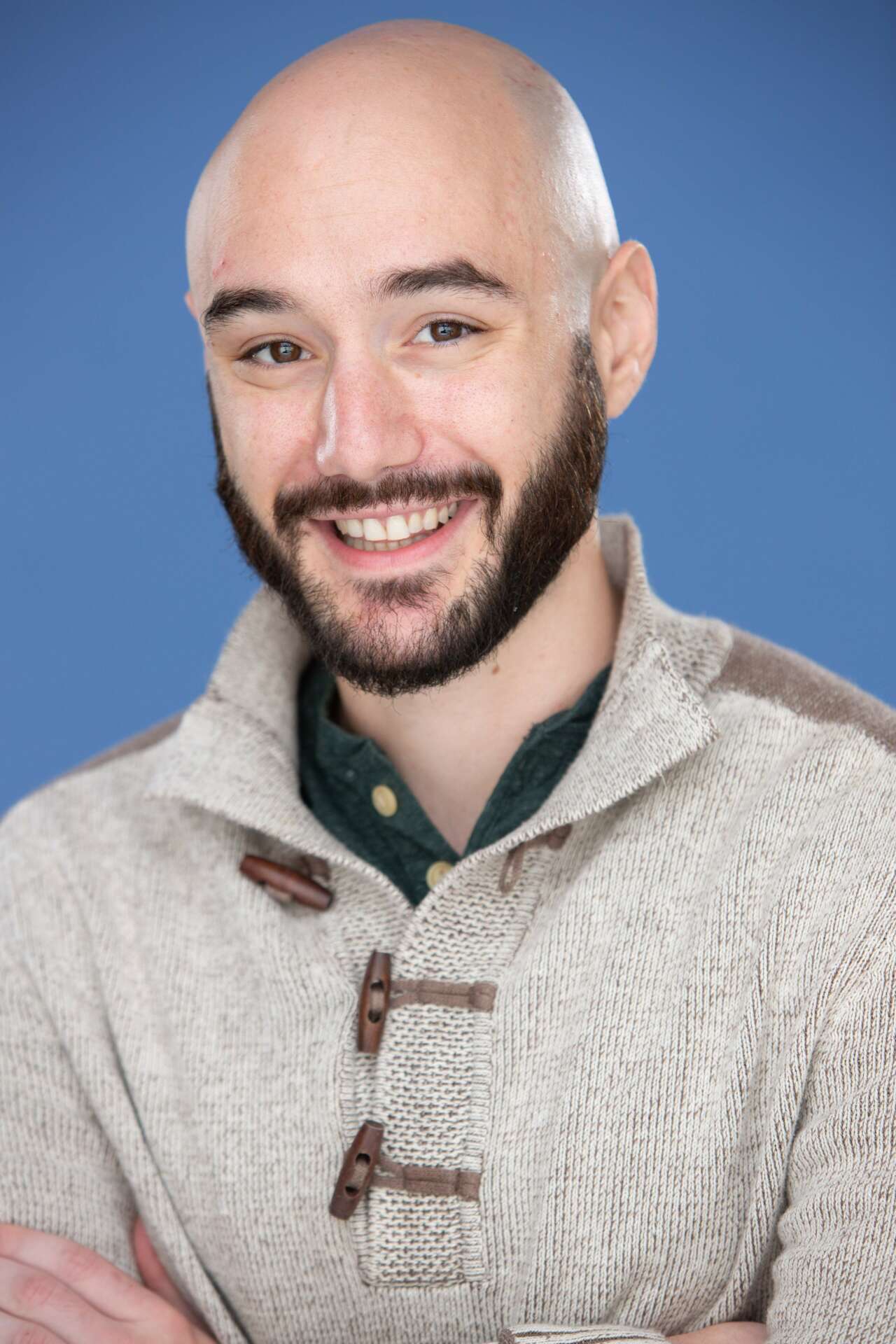

We were lucky to catch up with Ian Mark recently and have shared our conversation below.
As always, we appreciate you sharing your insights and we’ve got a few more questions for you, but before we get to all of that can you take a minute to introduce yourself and give our readers some of your back background and context?
I’ve always had a freelance mindset– when I got to college and surveyed the numerous paths ahead of me in my professional life, the idea of picking just one filled me with dread. I never wanted an office job, never wanted the path to retirement to be a clear A-B for the next forty years. I treated boredom like lava, to be avoided at all costs. The only way I knew how to escape it forever was to always give myself permission to follow my creative impulses wherever they took me. The first great passions I discovered in college were writing fiction and performing improv. Both led me to where I am today.
Writing led to my first novel Love from Amanda to Zoey, being published by Simon & Schuster.– https://www.simonandschuster.com/books/Love-from-Amanda-to-Zoey/Ian-Mark/9781623422530
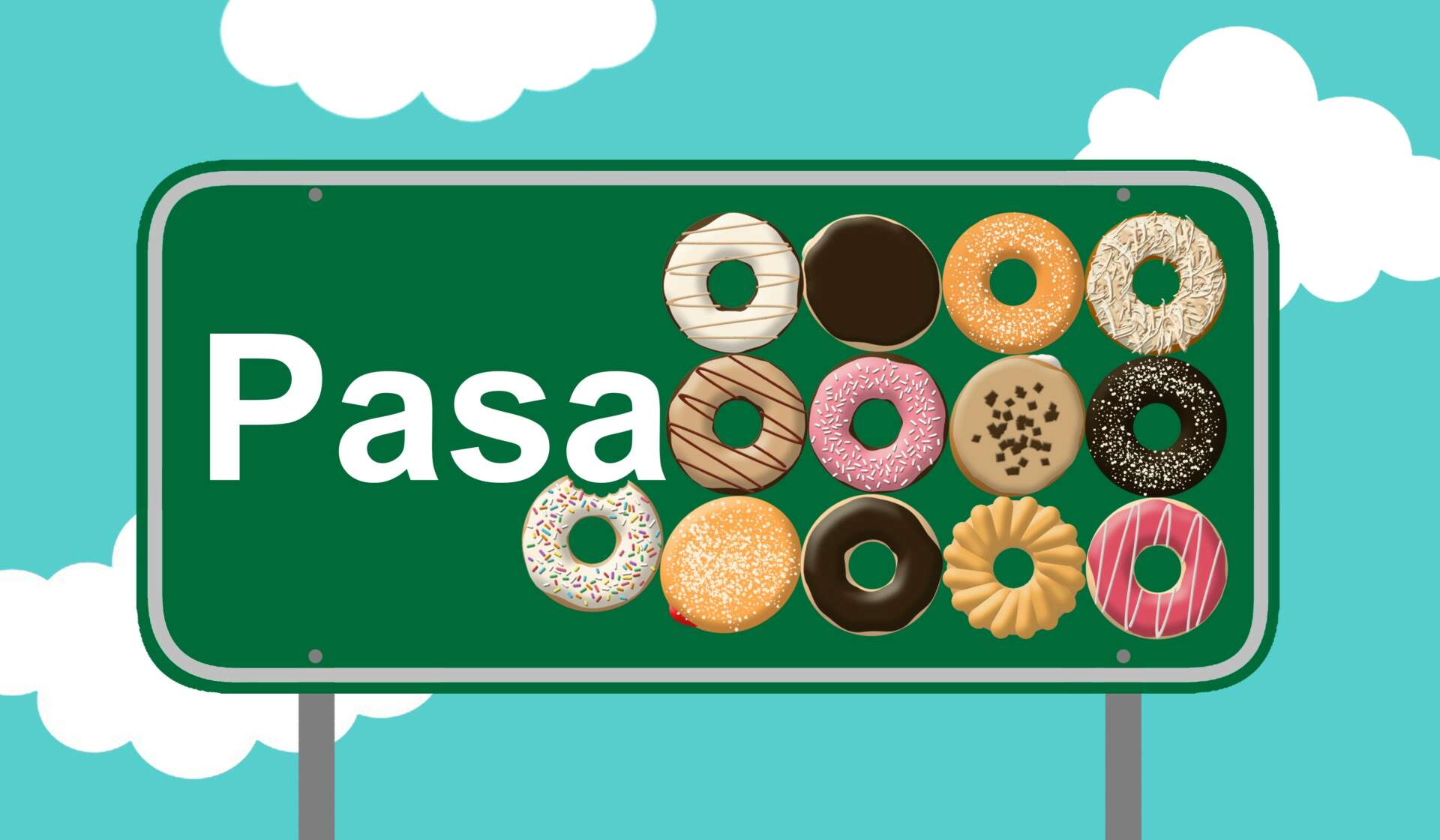
Improv led to me being asked to act in students’ films at NYU, and so I graduated with an acting reel full of projects conceived of and directed by future successful filmmakers. This gave me a leg up when I moved to Los Angeles, and within 2 weeks of arrival I’d booked a high paying commercial. Acting in so many other peoples’ projects gave me a second education all it’s own– I learned what makes a good set function, and a bad set fall apart. When I was working, I was learning, and when I wasn’t working my creative impulses demanded I continue creating my own work– from writing my second novel Just a Dream, to forming The Pasadonuts and launcing our weekly Improv Livestream, to short films like the award winning He’s That Guy. I constantly drew from my professional experience and applied those lessons to my own work. Each project was not perfect, and if I can pride myself on one thing in this business, it’s that I never made the same mistake twice.
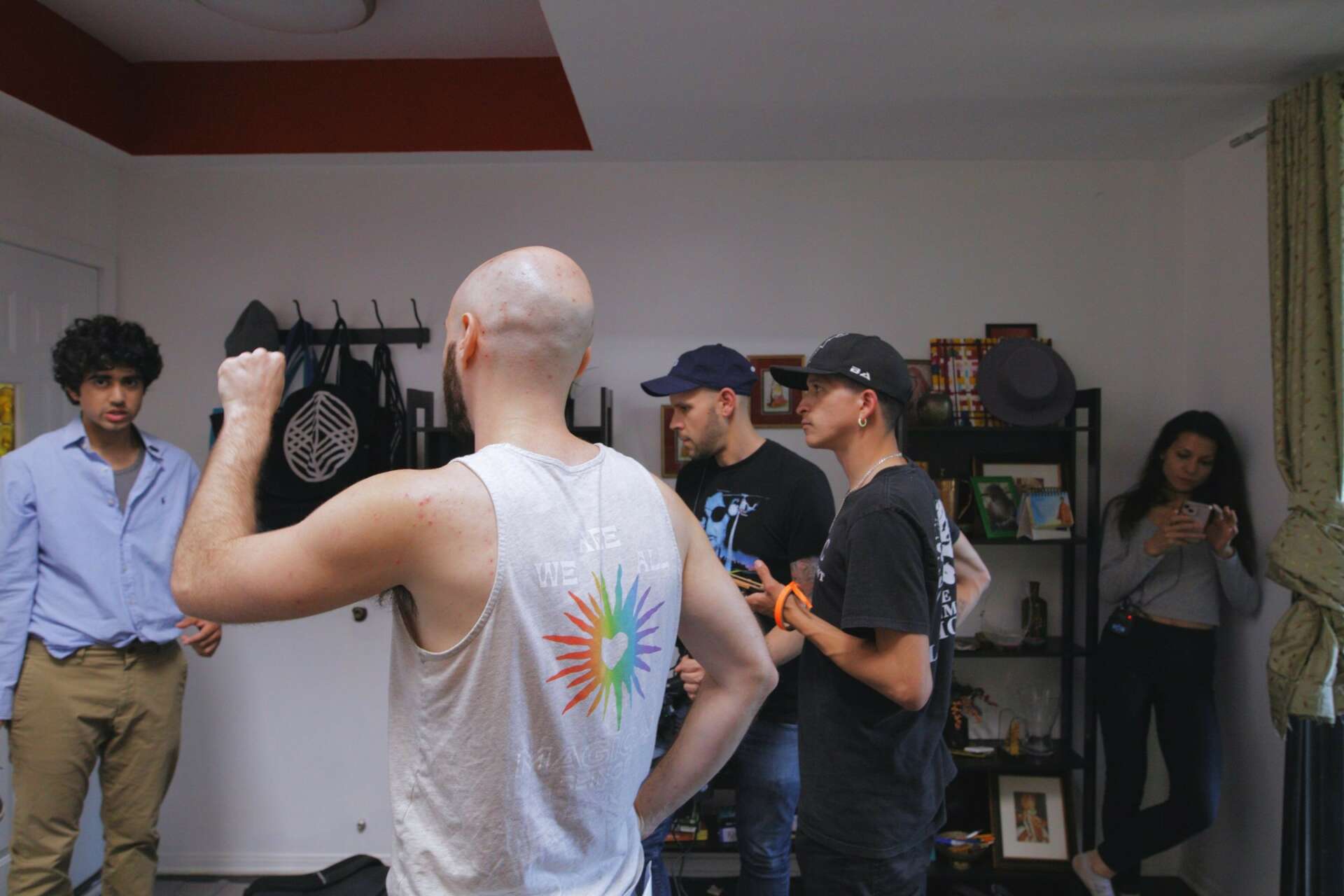
Now, whether I’m working with clients under the nonprofit New Hollywood banner offering fiscal sponsorship to films that agree to adhere to better working conditions, or producing for them with my company Pasadonuts LLC, or a hired hand on set as a writer, actor, or director, I bring all of my varied skill sets to each job. When I’m directing I know what my actors need to be in the best possible headspace, as a producer I know what my director needs from me to feel supported. I understand the complexity of low and mid budget filmmaking, and our process at New Hollywood for films needing our support is as straight forward and streamlined as humanly possible. And whenever I get the chance to be in front of camera, I know in my bones how much work and care everyone behind the scenes has put into creating those moments between “action” and “cut”. I never waste a take, never bring anything but my best self. And, I have a lot of fun doing all of it.
Any resources you can share with us that might be helpful to other creatives?
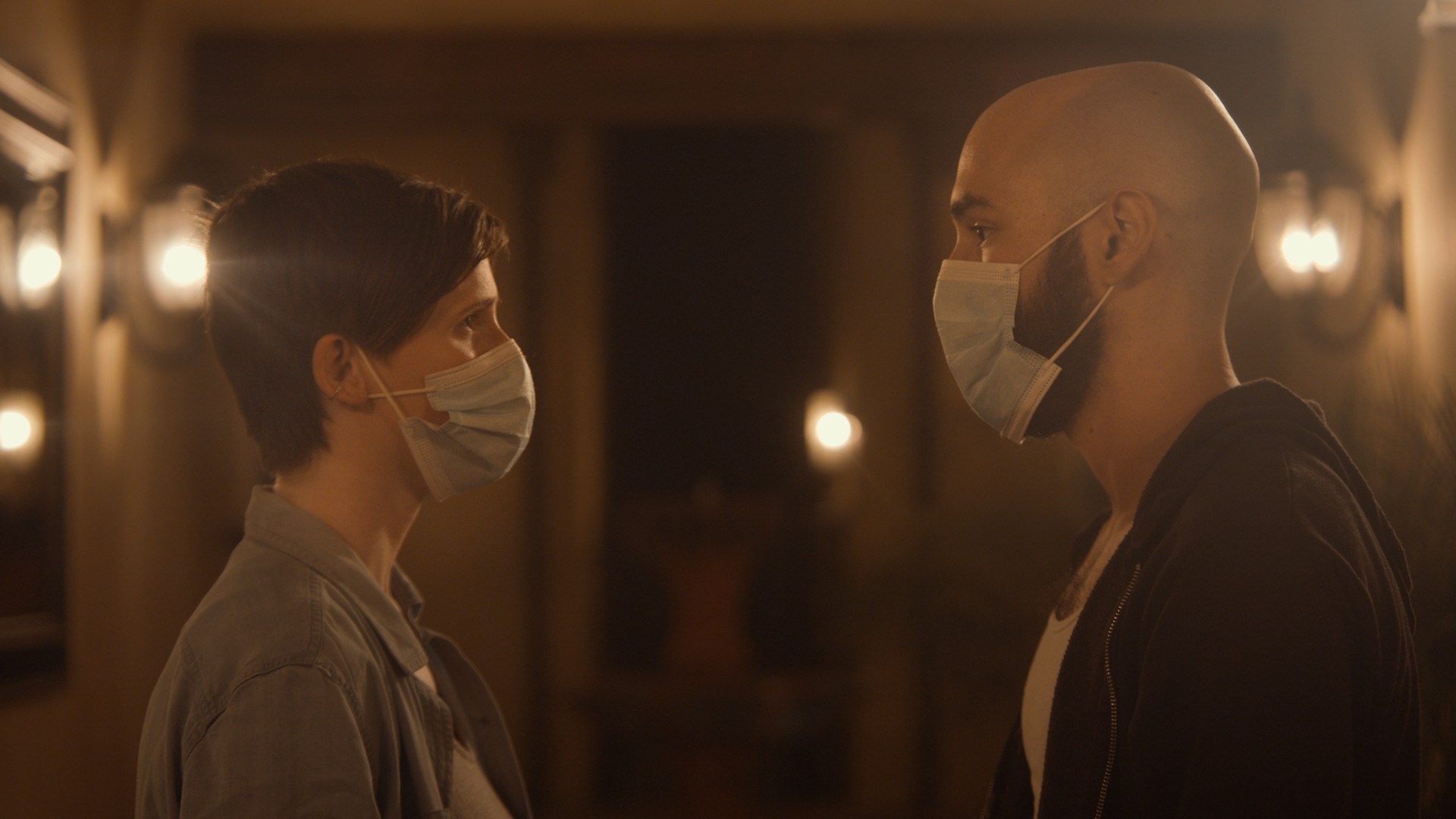
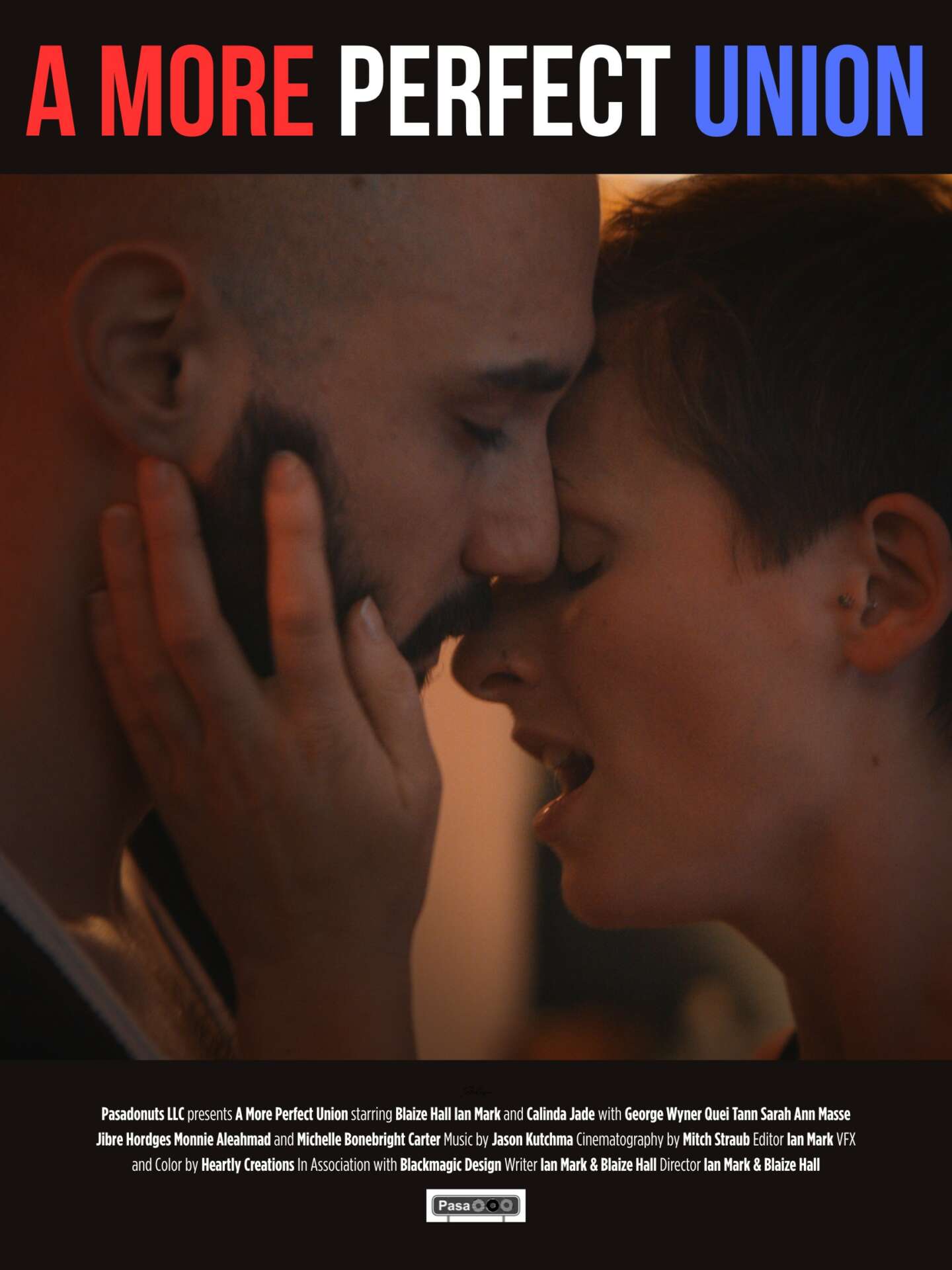
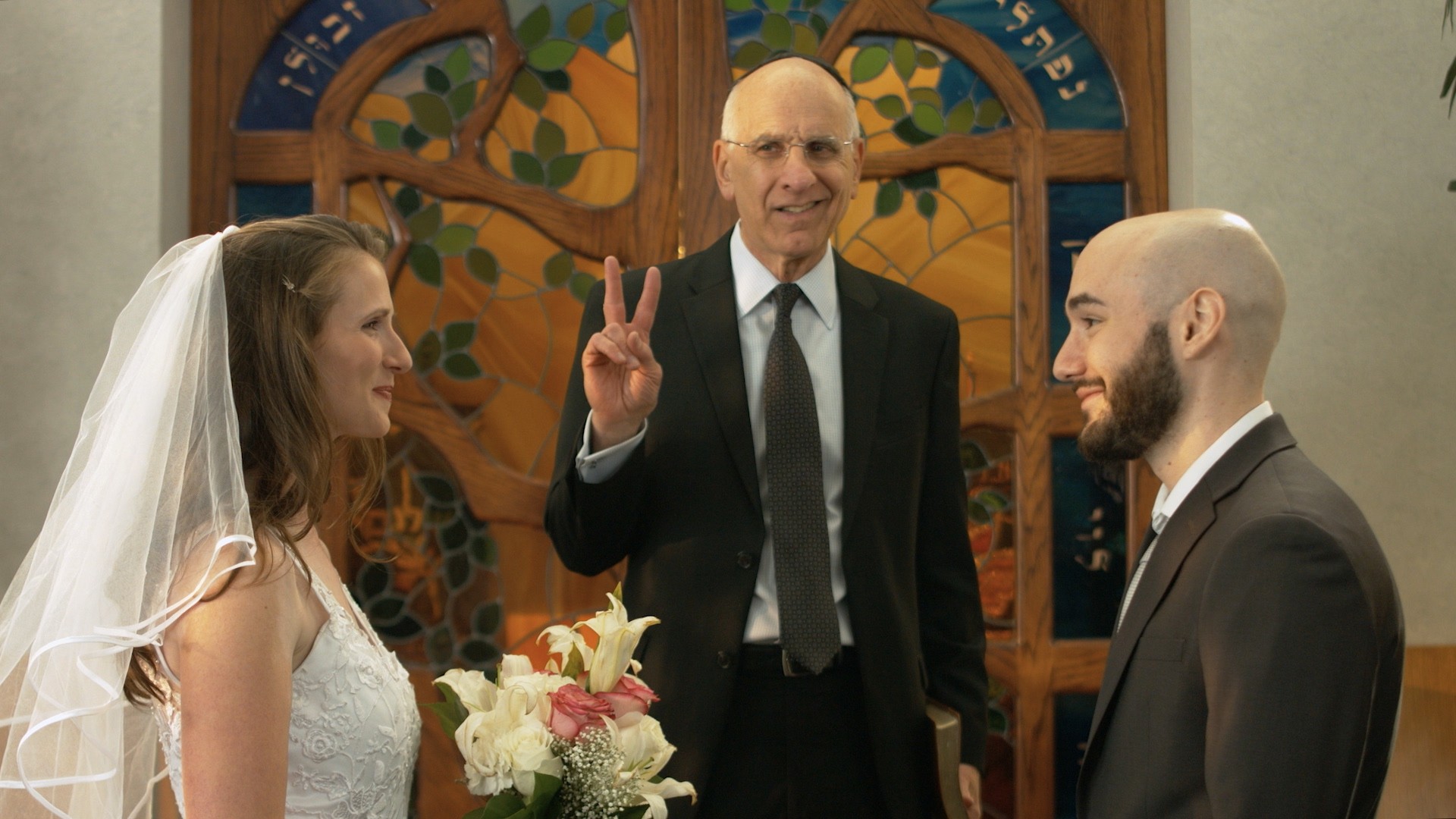
Nonprofit fiscal sponsorship is one of the most useful financial tools available to low budget filmmakers striving to make their feature films a reality. I can say without a doubt the only reason we were able to make A More Perfect Union happen was due to the support of our sponsor Media Alliance. Fundraising becomes much easier when you can offer the immediate return of a tax deduction. Corporate partners who otherwise would want nothing to do with your project are eager to lend you equipment in exchange for those same tax deductions.
My experience using these avenues to create A More Perfect Union in part inspired me to create New Hollywood. With the big players in Hollywood refusing to offer even basic improvements to on set conditions for workers without labor strikes forcing them to, how can we expect smaller production companies to be trailblazers when improved conditions for workers so often means a more difficult financial route to profitability? New Hollywood strives to incentivize productions of all sizes to adhere to longer turnaround times, shorter work days, actual meal breaks instead of baked in meal penalties, and allow workers to create great art without sacrificing work/life balance. Now, productions can do right by their crew and offer tax deductions to investors and corporate partners to off set the costs of these improvements.
In your view, what can society to do to best support artists, creatives and a thriving creative ecosystem?
I believe every person on earth has at least one ounce of creativity within them. Many, if not all, have even greater capacity for art, creation, and beauty. I’m not an economist, but to me the largest fallacy of our society is the premise that all the labor a society needs to function, divided by all the people in that society, will equate to one job per person. So many of the technological advances of the last 100 years could have been used to reduce jobs– instead, a few people got wealthy off of each invention, and a new unnecessary job was invented to provide other people a livelihood. We need to move past the idea that every person should have to work a 9-5. We are the wealthiest nation in the world, in the most advanced age of human history. The world produces enough food to feed every person on earth, yet millions are starving. We have healthcare beyond our ancestors’ wildest dreams, yet millions die each year unable to afford the cost. So many of the most successful artists and creatives come from wealthy backgrounds because they have the safety net to pursue their dreams without sacrificing food, shelter, or healthcare.
If we remove the one person one job adage on which all of economic theory is perched, we can create a world where tech makes everyone’s lives easier, not just the rich. Food, shelter, education, and healthcare can and should be provided to every single person on earth. Lifting the financial buzz saw off of the masses would unlock exponential amounts of creativity and great art. To those who’d say no one would work on the hard jobs that require sacrifice if they didn’t have to because of financial concerns– I believe for the right salary there’d be no shortage of people willing to do those jobs. I am not saying capitalism cannot exist, I’m saying we need a rising tide to lift all boats. Once everyone has their basic needs met, then competition and creativity can truly flourish.
Contact Info:
- Website: ianmark.ptnt.com
- Instagram: instagram.com/therealianmark/
- Facebook: https://www.facebook.com/Pasadonuts/
- Twitter: twitter.com/therealianmark
- Youtube: https://www.youtube.com/@pasadonutsimprov/streams
- Other: union.ptnt.com https://www.eventbrite.com/e/the-pasadonuts-present-next-years-oscar-winner-tickets-707571033007?aff=erelexpmlt
Image Credits
Images courtesy of Pasadonuts LLC