



Alright – so today we’ve got the honor of introducing you to Ian Janco. We think you’ll enjoy our conversation, we’ve shared it below.
Hi Ian, thanks for joining us today. How did you learn to do what you do? Knowing what you know now, what could you have done to speed up your learning process? What skills do you think were most essential? What obstacles stood in the way of learning more?
I’ve been writing songs since I was a kid, so it’s been a very consistent process of getting a little better, of sharpening the tools and learning new skills. My dad was making a lot of music when I was young, so he really got me started playing, songwriting and recording. At first it was just for fun.
When I was about 14, I started writing as an outlet for my emotions. Something took over and I became kind of obsessed. I filled dozens of notebooks with songs and made a couple records. They were personal and abstract songs, inspired by what I listened to..
I traveled in Europe after high school and my songs became more inspired by my surroundings, the old, rich and beautiful cultures and the people I met.
I auditioned to Paul McCartney’s Liverpool Institute of Performing Arts at the end of that trip with some of the songs I’d written on my travels. Given the opportunity to study there, I really doubled down on my songwriting and was writing a few songs a day, in addition to the songwriting tasks we were given as part of the course.
This is when I started really diving deep into the craft: learning different song forms, studying rhythm and melody, and improving my lyrical skills.
I moved to London after graduating and my manager at the time put me in a lot of cowriting sessions. Working with professional artists, writers and producers taught me more in a year than I’d learned in ten. Watching other people’s processes expanded my own. Writing for other artists helped me hone my empathy and understanding of different points of view.
For the last 4 years I’ve expanded my writing work to include writing custom songs for brands and individuals. The briefs for this kind of work all over the place, so every day is a new challenge. Sometimes it’s a song for someone’s wedding day, sometimes it’s a song for a clothing brand. My work in composition for film and tv has further helped me hone my skills to hit targets that music supervisors look for.
Through all this experience, I continue to write songs to express myself and explore my changing worldview.
I feel happy and blessed with how my creative journey has unfolded. There’s always room for regret in the arts, but the more I work in music the more it becomes clear that “success” is an ever shifting target. Building a multifaceted songwriting practice that includes collaboration, inspiration, and discipline has been crucial. A career in music is a marathon, not a sprint, so finding ways to keep the fires burning steady and not burn out is very important too!
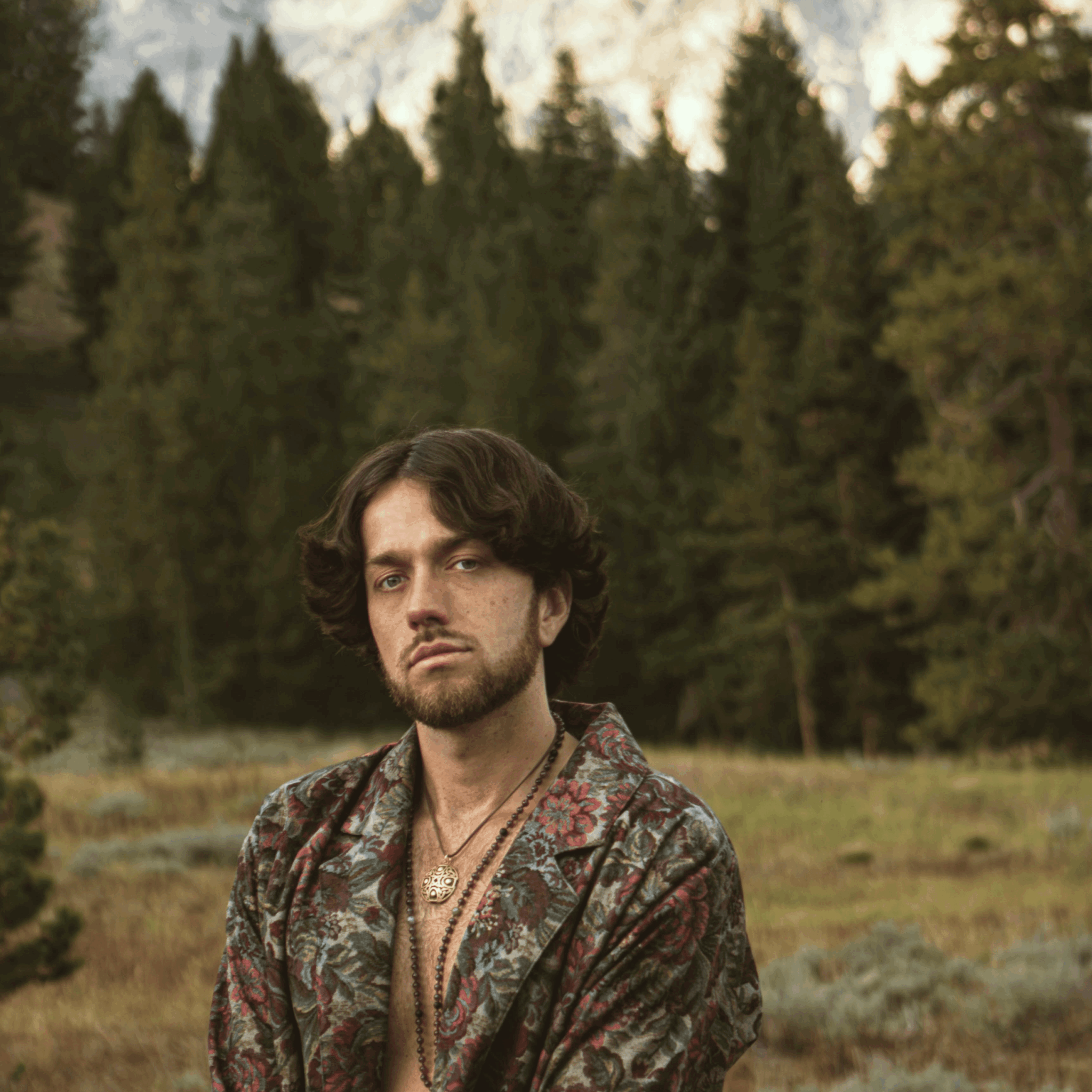
Awesome – so before we get into the rest of our questions, can you briefly introduce yourself to our readers.
I started by following a narrower, more traditional approach to being an artist and songwriter in the music industry. I got some good attention and opportunities early on and had a manager, a record deal, and was playing some great shows. Covid kind of derailed the momentum that was building, and I realized how tenuous all of those structures were. I needed a way to make money on my own terms. I wanted longevity, freedom and autonomy. I wanted those things while still being able to make music for a living.
I set up profiles as a songwriter for hire on some freelancing platforms and slowly started getting clients. I found I really enjoyed the deadline-based work which gets you paid immediately. It was a contrast to the music industry where you could write a hundred songs and not see a pay day for any of them for years.
However, I knew it was important to keep chipping away at higher potential projects. So I continue to cowrite with artists and work in sync (composition for film and tv); efforts which generate passive income that grows over time, and increase the odds of a song blowing up.
These strategies and multiple income streams allow me to release my own music at my own pace, under my own terms, without needing to spend all day making content in hopes of going viral.
The landscape today is so over saturated. It’s both easier and more difficult than ever to connect to an audience. The truth is that the traditional routes to success in the industry are just a narrow part of what a musician can do.
I’m excited to continue creating and releasing my own music, writing and producing for others, and exploring new avenues for creative work in the modern music industry.
What do you think is the goal or mission that drives your creative journey?
This is something I’ve reflected on a lot. First and foremost, I create to express myself. This is what got me hooked on songwriting and producing music. But I’ve always had these other interests – philosophy, psychology history, physics, poetry, and spirituality. These interests have helped me form an Interesting and holistic approach to creativity.
I remember times when I was working in the music industry, writing songs and making music behind closed doors, only to release songs and not really know who they were reaching and how they were being affected. It made me feel selfish and cut off from a larger purpose.
I realized I wanted to help people. In particular, I wanted to help people find and refine their own creative voices.
These insights coupled with some very profound spiritual experiences and lessons I’ve learned have led me to develop this theory… This may sound far-fetched to some people, But some of the most successful songwriters of all time have said something similar,, which is what inspired me.
Songs, and music, and all creative ideas come from a different realm, via our subconscious. Creatives and artists are here to translate those frequencies and bring them into existence on this plane. This enriches our physical world and allows us to live in closer harmony with ourselves and one another.
While at times it feels esoteric, I find this idea to be incredibly fulfilling. This is the belief that drives me, and helps me find my way when I feel lost and alone. We are all part of a larger force, an ocean of creativity. Sometimes we transmit ideas that go on to resonate with large audiences, and sometimes we transmit ideas that don’t necessarily make it past our bedroom. Neither version is inherently better or worse. My view is that the act of creativity and the pursuit of excellence in service of the betterment of our societies and this world.
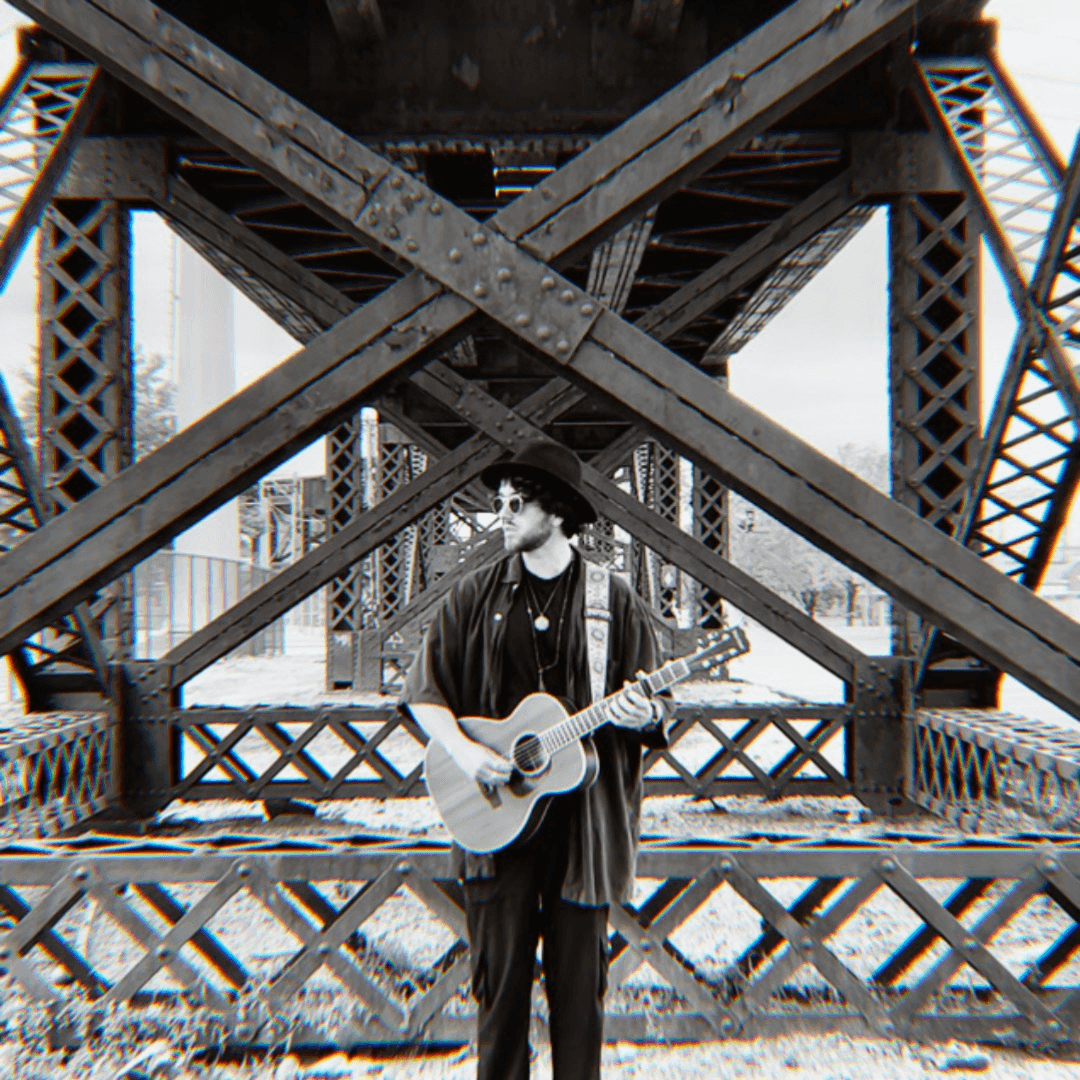
Can you share a story from your journey that illustrates your resilience?
There have been many times where it seemed like the odds were stacked against me, in favor of me quitting music. 2020 was the lowest point. My record deal was clearly not panning out, all my gigs had been cancelled, and my personal life was falling apart. My mental health was poor and I was stuck in London during lockdown, away from friends and family. I didn’t see any clear path forward. I was tired and sad.
But I just kept going. Like I had before and always will. My rule is “do one thing for your career every day.” This can be writing a song, sending an email, even going to a museum to get inspired. This keeps momentum going.
A life in the arts is about pressing forward, through adversity, doubt, misfortune, and fallow periods. It takes resilience and courage and acceptance of the notion that you may not always be compensated or appreciated for your efforts. Sometimes tests of faith require you to realign your values and motives, which can lead to new horizons you never could have previously imagined.
Contact Info:
- Website: https://Www.ianjanco.com
- Instagram: @ianjancomusic
- Facebook: https://Facebook.com/ianjancomusic
- Linkedin: Ian Janco
- Twitter: @ianjancomusic
- Youtube: https://YouTube.com/ianjancomusic
- Soundcloud: https://SoundCloud.com/ianjanco
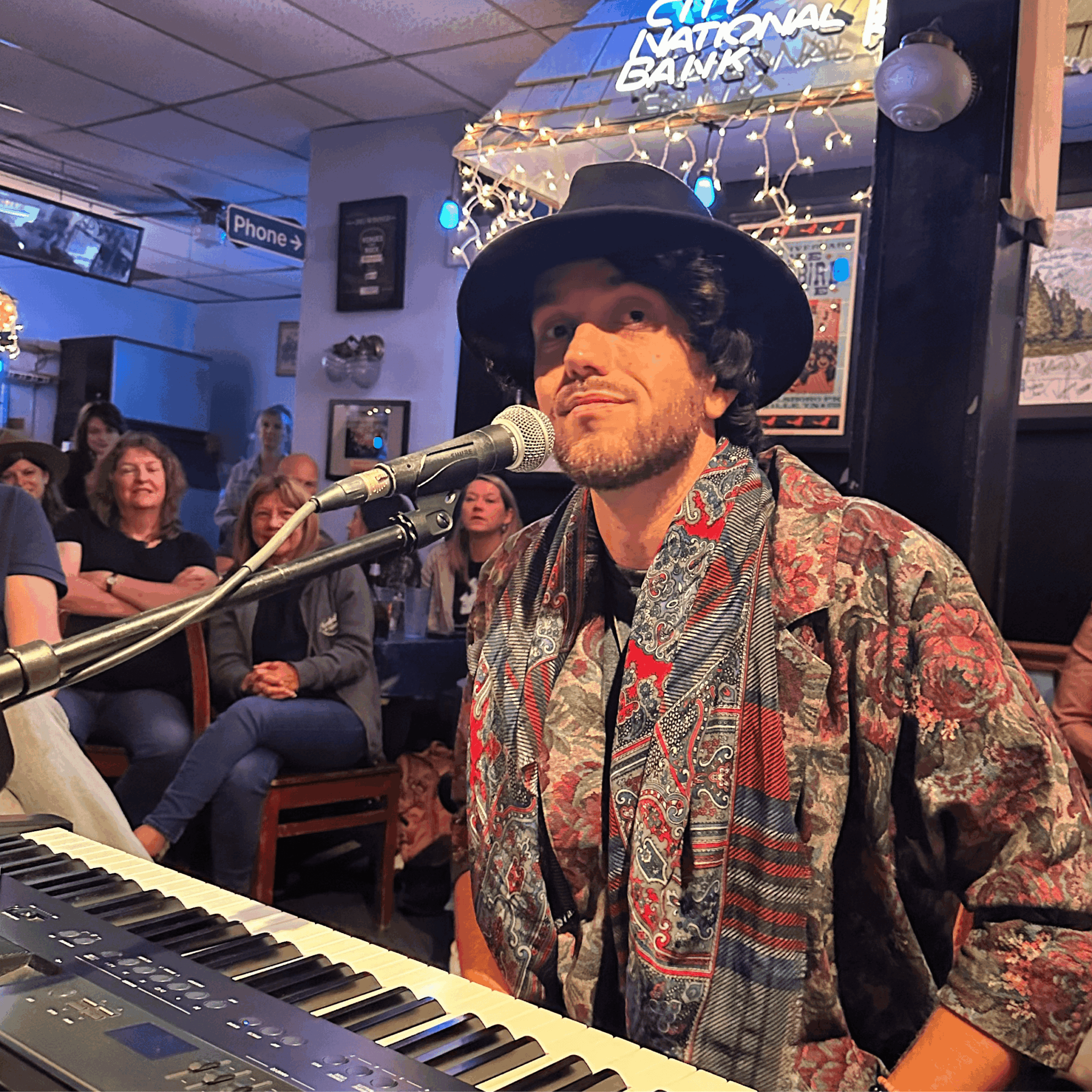
Image Credits
STABAL Tv for photo 1
Kailyn Avery photo 2
Killian Rush photo 3
Sarah Darling photo 4