

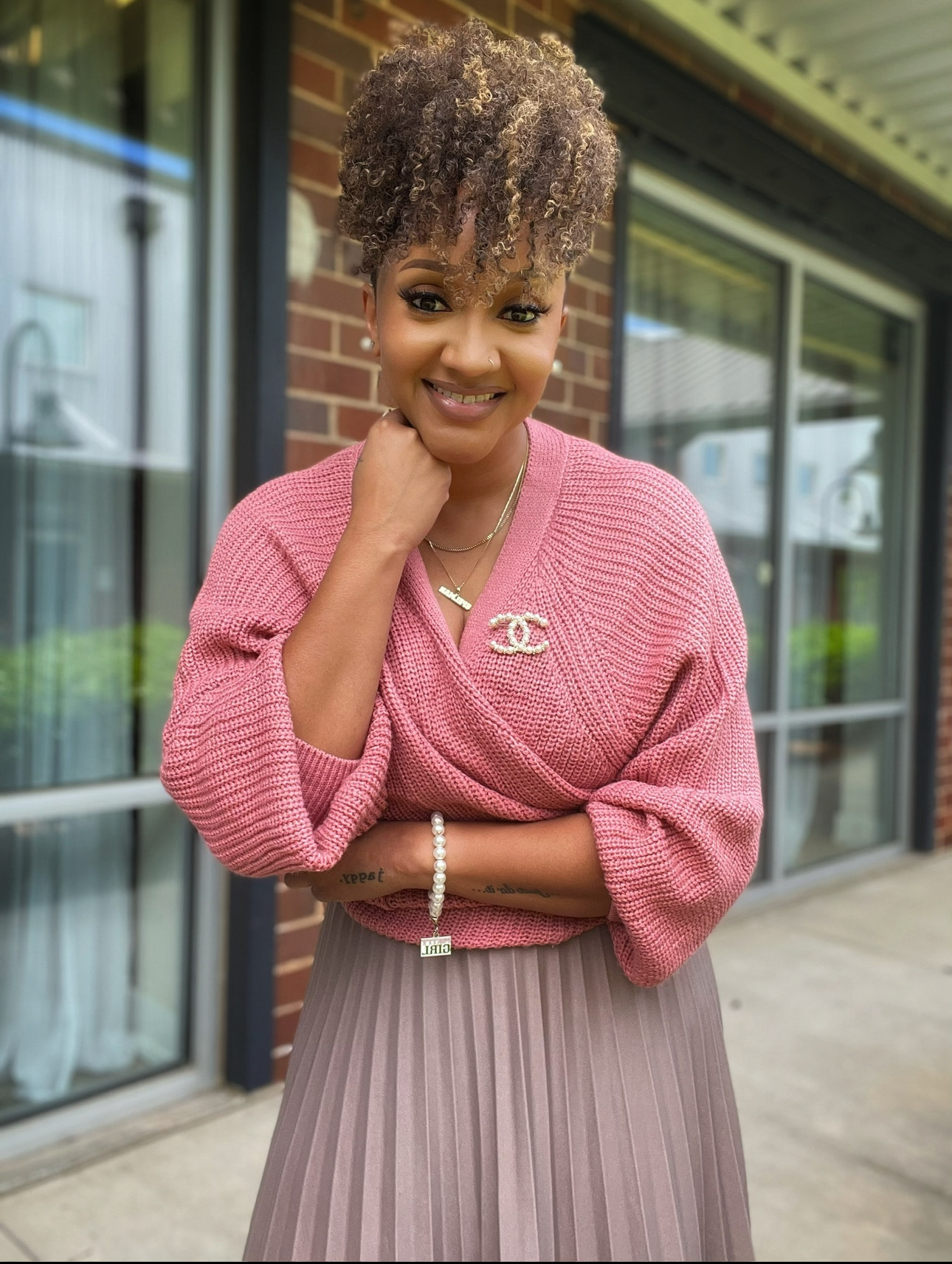

We were lucky to catch up with Hyla-Monét Penn recently and have shared our conversation below.
Hyla-Monét , thanks for taking the time to share your stories with us today Alright, so you had your idea and then what happened? Can you walk us through the story of how you went from just an idea to executing on the idea
The idea didn’t come to me in one single moment. It started quietly, during the year I was a part of a national principals fellowship. We spent hours coaching, modeling, and role-playing the types of conversations leaders navigate every day. And every single time I stepped into a role play, whether I was giving feedback, setting expectations, or coaching through challenges, I kept hearing the same thing:
“You’re warm but direct.”
“You make people feel safe enough to be honest.”
“Your expectations are high and clear.”
“You model the kind of coaching leaders actually need.”
At first, I shrugged it off as just “my style.” But with every round of feedback, a quiet thought started to sit heavier on my heart: Something is missing in how we develop leaders.
We were teaching technical leadership: frameworks, protocols, observation cycles, data analysis. All important. All necessary. But the adaptive side, how leaders navigate human behavior, build trust, communicate with clarity, hold people accountable with compassion, that part was almost always an afterthought. Yet those were the moments where people in the fellowship (both leaders and facilitators) kept saying, “Hyla, you do this differently.”
So I started researching. I read everything I could find on adaptive leadership, emotional intelligence, culture-building, psychological safety, and leader identity. And without even realizing it, I was building the foundation of what would one day become my boutique leadership and organizational development consulting practice.
However I sat on the idea for three years. Not because I didn’t believe in it, but because I was leading a school through a pandemic, had just had my third child, etc. And then one Saturday morning at brunch, I was lamenting about leadership development and the challenges I was experiencing as a leader and my my husband looked at me across the table and said, “Honey, you’ve been talking about this for years. Just do it. Start the business.”
Before I could think of reasons not to do it, he pulled out his iPad, opened the business registration site, and said, “Tell me the name of the business. Let’s go.”
The next few months looked like searching for coaching and development around building and leading a business, social media marketing, securing clients, financial business management, etc. and figuring out how to translate a decade of principalship into a consulting experience that balanced both people and productivity.
I built my website in pieces, refined my messaging, took my first clients, tested and refined my frameworks repeatedly and kept asking myself “What support did I wish I had as a leader?” That question is the heart of my business.
And that’s how my idea moved from a spark → to a calling → to an actual, functioning, high-impact consulting company serving leaders in education, nonprofits, and organizations who want to lead with heart and strategy.
It wasn’t glamorous.
It wasn’t overnight.
But it was intentional, grounded, and deeply aligned.
And in many ways, I’m still building because leadership is never a finished product. It’s a continuous story of growth, clarity, and courage.

Hyla-Monét , love having you share your insights with us. Before we ask you more questions, maybe you can take a moment to introduce yourself to our readers who might have missed our earlier conversations?
I’m Hyla-Monét Penn a leadership and organizational development coach, former principal, and the founder of H-Monét Penn Consulting, a boutique consulting firm dedicated to helping leaders balance empathy and accountability and build high-performing teams that have a sustainable impact.
I’ve spent nearly two decades in education, with over 12 years in school and organizational leadership. My journey started in the classroom, but it truly took shape when I became a school principal. That role put every leadership skill, technical and adaptive, to the test. I learned quickly that the most successful leaders weren’t just the ones with just strong systems; they were the ones who knew how to lead people with clarity, compassion, accountability, and strategy. They were the ones who created environments where teams felt both supported and challenged to grow.
But as I was developed as a school leader attending workshops and other professional development something was missing in the way leaders were being developed across education, nonprofits, and even corporate spaces:
Leadership programs were heavy on technical skills and light on adaptive, human-centered development.
I kept seeing this gap, leaders drowning in responsibilities, overwhelmed by expectations, struggling to balance people and productivity, and unsure how to communicate, coach, or make decisions with confidence. When I was consistently praised for my warm-yet-direct coaching style during a national principals fellowship, I realized:
This blend of clarity, compassion, accountability, and strategic thinking is teachable and most leaders aren’t getting it.
That’s what led me to create my firm.
What I Do & Who I Serve:
Today, I coach, train, and consult with early-career and emerging leaders (typically 0–5 years into leadership) across:
K–12 schools & districts
Higher education
Nonprofit organizations
Small-to-mid-sized businesses
My services include:
Leadership coaching (1:1 and team-based)
Organizational development consulting
Professional development for instructional and mid-level leaders
Leadership retreats and wellness-centered experiences
Membership and group coaching programs (Balanced Leadership League)
Frameworks & tools like my Balanced Leadership Blueprint™
Everything I create is rooted in a simple truth:
Leadership doesn’t work without balance.
Balance between people and productivity.
Between heart and strategy.
Between clarity and compassion.
Between expectation and support.
The Problems I Solve:
Most of my clients come to me overwhelmed, under-supported, and unclear. They’re juggling team morale, meeting organizational outcomes, managing conflict, and figuring out who they are as a leader all at once.
I help them:
Build confidence in their leadership identity
Communicate expectations clearly and consistently
Develop high-performing teams
Navigate difficult conversations with clarity and care
Strengthen culture through aligned behaviors
Avoid burnout and sustain their leadership energy
Make decisions strategically without second-guessing themselves
Leaders leave my programs feeling more grounded, more equipped, and more aligned not because I give them the “perfect script,” but because I help them develop the internal and external systems to lead with both heart and strategy.
What Sets Me Apart:
My work is different because it blends:
Adaptive leadership (the people side)
Technical leadership (the systems side)
Wellness-centered leadership (the sustainability side)
Most programs focus on one of these. Mine integrate all three.
Clients consistently describe me as:
Warm, but direct
Compassionate, but clear
Expert, but approachable
Vision-driven, but grounded in real, day-to-day leadership realities
I pride myself on creating psychologically safe coaching spaces where leaders feel comfortable being honest about their struggles and ready to rise into higher levels of excellence.
What I’m Most Proud Of:
I’m most proud of the leaders who walk away saying:
“I finally trust myself.”
“My team feels aligned again.”
“I’m a better leader and a better human.”
“I can breathe in my job again.”
These transformations remind me why I built this business.
What I Want People to Know:
I believe leadership should feel purposeful, sustainable, and human.
I believe in high expectations, not harsh leadership.
I believe in clarity, not confusion.
I believe teams deserve leaders who can coach with heart and hold accountable with integrity.
And I believe every leader regardless of title deserves support, strategy, and a community committed to their growth.
My brand is built on that philosophy.
My work is built on 18 years of lived leadership experience.
And my mission is to help leaders thrive without burning out.

Any advice for managing a team?
Managing a team and maintaining high morale starts with one core belief: People don’t perform at their best when they’re pressured. They perform at their best when they feel seen, supported, and crystal clear about what’s expected.
1. Lead with Clarity and communicate open, honestly, and early because morale begins with expectations. Most morale issues aren’t really morale issues; they’re clarity issues and morale drops when teams feel blindsided.
*Teams thrive when they know:
What success looks like
What the priorities are
How decisions get made
How their work contributes to the larger vision
When team members understand the “why” behind their work, they feel more connected and motivated.
Leaders should:
Share updates proactively
Explain decisions
Name challenges openly
Invite questions
Transparent communication is a sign of respect, and respect boosts morale more than any incentive program ever could.
2. Model What You Expect. Team culture mirrors leadership. If you want consistency, be consistent. If you want positivity, model emotional regulation. If you want accountability, practice self-accountability. Leaders set the tone long before they set the agenda. Your presence, behavior, and energy create the emotional climate your team works within.
3. Build Relationships That Are Both Warm and Direct. Morale grows when people feel respected and valued not just as employees, but as humans. Check in on your people. Listen deeply. Celebrate wins. Notice effort. At the same time, don’t shy away from honest and direct communication. Teams trust leaders who care enough to tell the truth, offer feedback, and hold everyone (including themselves) to high standards. This balance of warmth and directness is where psychological safety lives.
4. Give Frequent, High-Quality Feedback. People crave feedback that helps them grow. Not vague praise. Not delayed, unclear criticism. But specific, actionable feedback that communicates:
“I see you. I’m invested in you. I want you to win.” When leaders give supportive coaching consistently, morale naturally strengthens because people feel developed, not judged.
5. Prioritize Workload, Wellness, Sustainability, and celebrate progress. Burnout and a lack of recognition are the fastest ways to kill morale.
Leaders must:
Protect people’s time
Streamline priorities
Remove barriers
Normalize boundaries
Encourage rest
Provide the team with steady acknowledgement
When well-being and progress are prioritized, performance improves and it creates a culture where people feel appreciated and connected.

Can you share a story from your journey that illustrates your resilience?
One of the clearest examples of my resilience and the moment that shaped me most deeply as a leader came when I was leading a K–8 school through the height of the COVID-19 pandemic. It was the kind of experience no leadership program could have fully prepared any of us for. Every decision carried weight, uncertainty, and emotion. And every week felt like a new test of everything I believed about leadership.
The first challenge wasn’t instructional ,it was human. Before we could even talk about teaching and learning, we had to answer urgent and very real questions: Do all of our students have laptops? What about families without Wi-Fi? Which families are food insecure, and how do we make sure they eat? How do we support students whose homes aren’t safe or quiet enough for learning?
We had to build systems almost overnight deploying hundreds of devices, partnering with internet providers through the school district, connecting families to food distribution hubs, and checking in with families whose needs extended far beyond academics. It wasn’t glamorous; and it revealed the truth about technical leadership: systems matter, and they matter quickly.
At the same time, I had a team of teachers and staff who were trying to manage their own fear, grief, and uncertainty. They were becoming caregivers, parents, and educators all at once and I was leading them through a storm none of us had navigated before. Some days, I wasn’t just a principal. I was a therapist. A mentor. A crisis manager. A translator of district updates. A source of reassurance when I was privately overwhelmed myself. I held space for teachers grieving the loss of loved ones. I reassured staff members worried about their own health. My team and I problem-solved when teachers became ill. And my team and I created safe spaces where adults could be honest about their anxiety without feeling like it made them “less” of a professional.
At the same time, we had to rebuild instruction from the ground up. How do you keep students engaged through a screen? How do you train a full staff to deliver virtual instruction on a timeline that normally would’ve taken a year?
How do you keep parents informed when the guidance changed every week and sometimes every day?
We created a full virtual professional development plan, established daily walkthroughs of online classrooms, developed engagement trackers, and built communication structures to keep families updated and supported. We were designing a plane while flying it and still expected to land with care.
The hardest part was the constant whiplash of uncertainty. Week to week, I didn’t know if we would remain virtual, transition hybrid, or return fully in person. Every decision had implications for safety, learning, staffing, and family stability. There was no roadmap. It was a crash course in one of the greatest leadership lessons of my life:
You cannot lead a crisis with only technical skills or only adaptive skills. You need BOTH. The technical side: systems, schedules, logistics, communication plans, PD structures kept the school operational. The adaptive side: empathy, clarity, emotional intelligence, supporting staff through trauma and anxiety kept the school together.
That experience reinforced my belief that balanced leadership isn’t a luxury; it’s a necessity. Leaders must be able to design systems AND care for people. They must be calm in chaos and transparent about reality. They must stabilize teams even when they themselves are navigating uncertainty.
I walked away from that season forever changed. More grounded. More emotionally intelligent. More aware of the role that humanity plays in effective leadership.
That experience didn’t just show me I was resilient. It made me the leader and the coach I am today.
Contact Info:
- Website: https://www.hmpennconsulting.com
- Instagram: @thehmonetway
- Linkedin: Hyla-Monét H. Penn
- Other: Tiktok: @thehmonetway

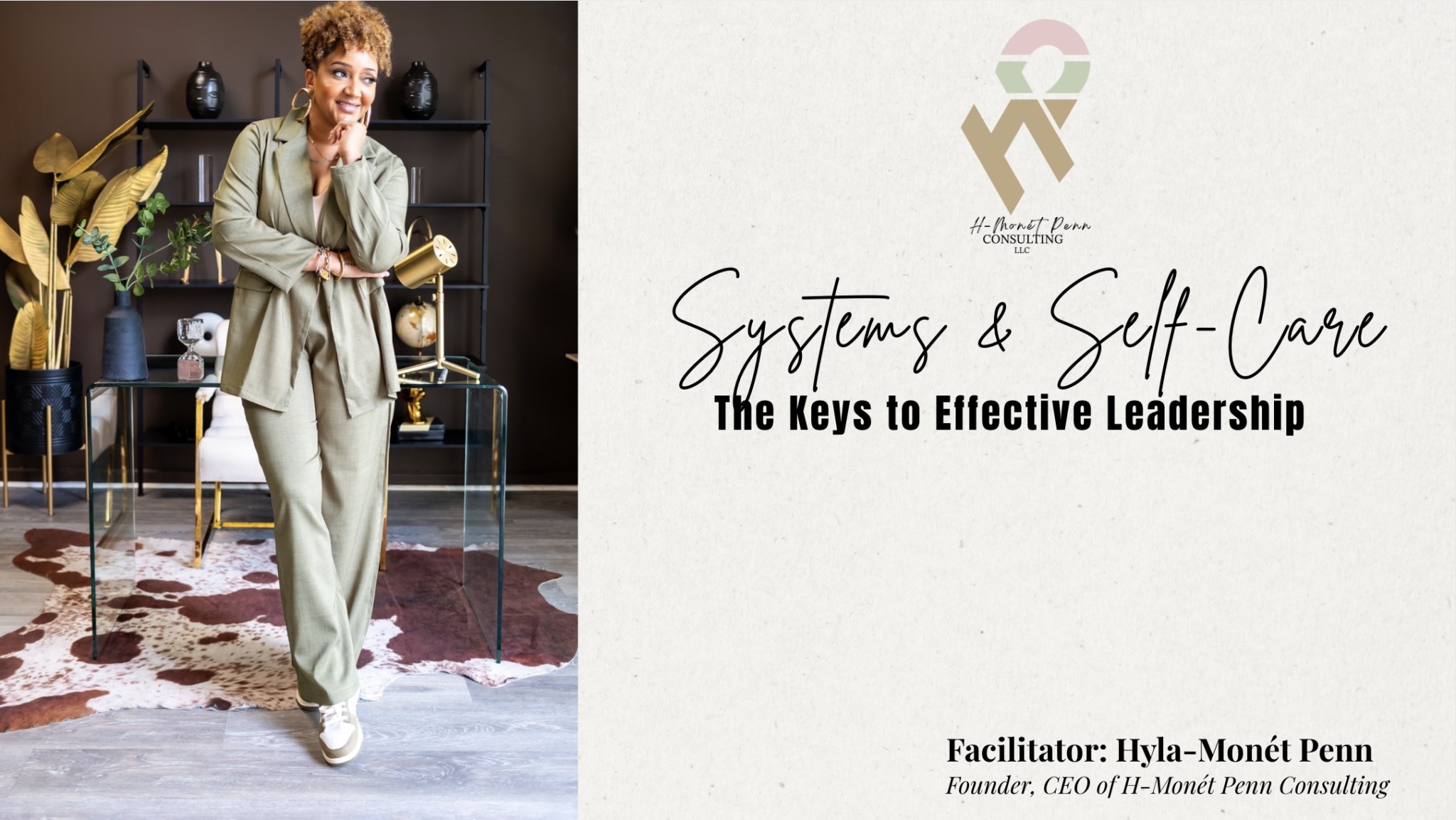
Image Credits
Ameer Linthicum
Mike D.