

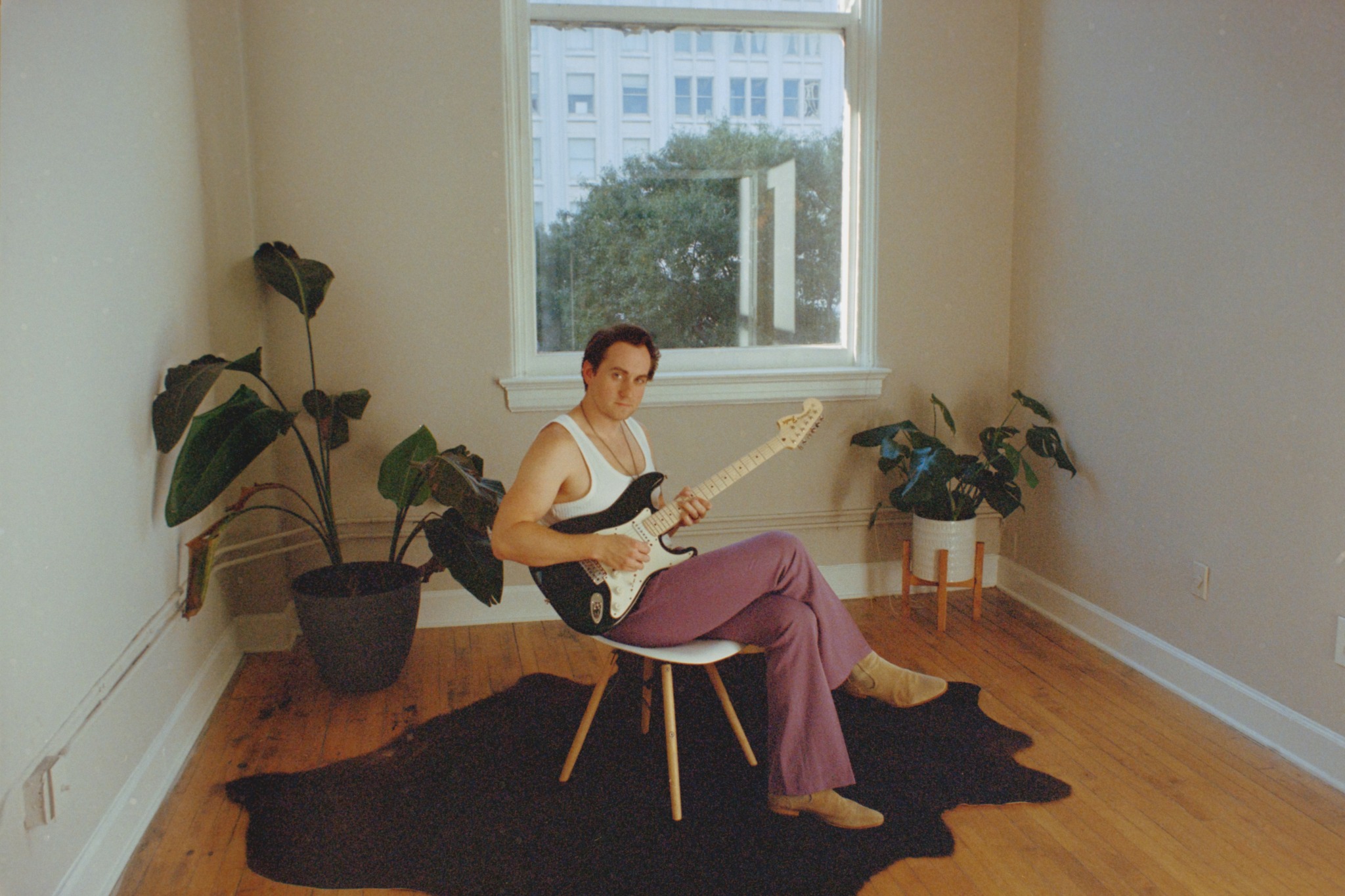

Alright – so today we’ve got the honor of introducing you to Hunter Callahan. We think you’ll enjoy our conversation, we’ve shared it below.
Hi Hunter, thanks for joining us today. Can you talk to us about how you learned to do what you do?
It all started when I was about 14, I started taking guitar lessons. It was something that came pretty naturally to me, technically speaking. But I knew very early on that I wanted to more than just “play guitar.” I wanted to be able to create music; to write, to improvise, to be able to speak through it. That leads to what I believe is the most essential skill, when it comes to learning a craft or taking that next step in something; curiosity.
I could’ve said perseverance and, make no mistake, you need that too, but curiosity was what opened the floodgates for me. When I was trying to learn a song on guitar, I’d wonder “why did they choose THAT note? How did they know it would fit?” Which leads to things like music theory, which leads to “okay, why do these notes sound good together?”
It applies to songwriting too, “which progressions evoke certain emotions?” “What makes something ‘pop’ versus ‘blues’ or ‘folk?'” It can lead you down the rabbit hole of creative influences. I remember falling in love with AC/DC in high school. Well, AC/DC is massively influenced by classic rock n’ rollers like Chuck Berry. John Mayer? He’ll lead you to Stevie Ray Vaughan, who will point you to Jimi Hendrix.
Curiosity keeps the fire burning. I love this because it removes the “end” of the process. It helps avoid burning out or plateauing. There’s new music everyday, so there’s always something you can learn from it. If you’re willing and wanting to listen.
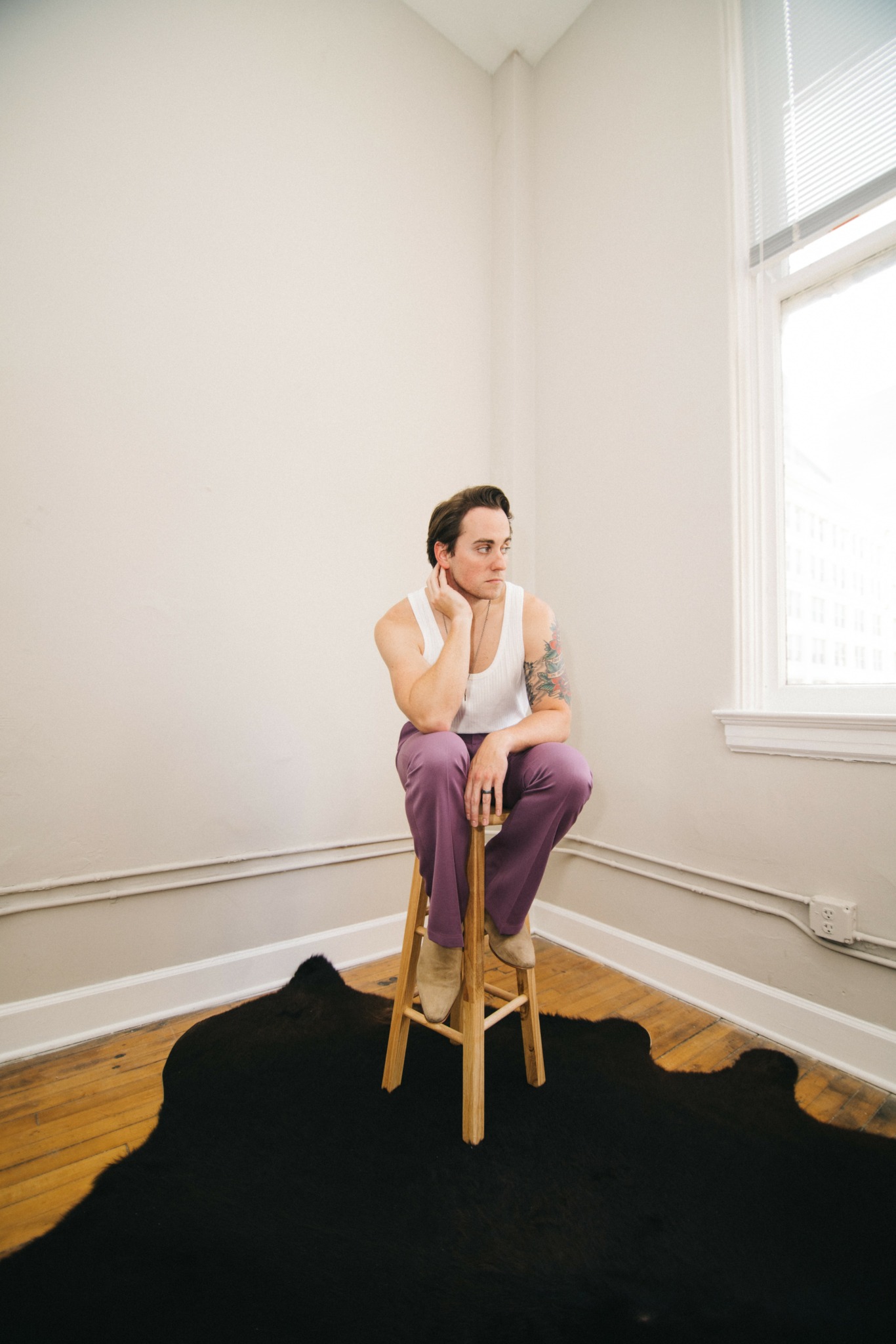
Hunter, before we move on to more of these sorts of questions, can you take some time to bring our readers up to speed on you and what you do?
I suppose my music career started when I joined my older brother’s band when I was 16. It sounds like a full high school hobby, but in reality we played many shows over the course of a couple years; including some bigger one’s like opening shows at the Frederick Brown Amphitheater in Peachtree City.
However, I say that I truly started around 18 or 19. That was when I started writing music, and for me, that’s when I started to take it seriously. Fast forward 13 years and I’m very happy to still be doing it! Over the years, I’ve had some really cool moments and done some things that were on the bucket list. I’ve had the honor of releasing multiple EPs, an album recorded up in Nashville, and string of new music over the past couple of years. It’s not just in the studio though, I love to play live and love the way it brings people together, and I’ve had the privilege of sharing the stage with some music heavyweights like Zac Brown, Mama Jan Smith, Zach Williams of the Lone Bellow, David Ryan Harris, and more.
As I’ve gotten older, however, there’s been a bit of a focus shift. For years, my band and I played tons of shows all over the place, one thing to the next. But recently, there’s been an effort to slow down and be more intentional. It’s reminded me, or maybe finally taught me, to be invest in the local creative scenes. It’s not about chasing a follower count, or trying to up the streaming numbers. Sure, those things are great, but now I get to share the stage with my wife and my 4 year old son. Now when we play local festivals, we’re sharing the stage with friends we’ve known for years, not just other musicians. Now we create because we love it, not because there’s something to prove. And that opens you up to collaboration, to supporting others, not trying to “out do” another creative. Art is so subjective, it’s literally impossible to be the best. The only way to be “the best” is to support the art of others and create because you love to do it. That’s what I try to do these days.
I suppose if there’s anything that sets me apart (and when I say me, I mean my band as well), it’s that we just want to make people happy and have a good time. We love what we do, and we love getting people involved. And we pride ourselves on being the easiest people to work with, period. It’s not about me, it’s about us. Including the audience, fans, venues, clients, and more.
What’s the most rewarding aspect of being a creative in your experience?
This is an interesting question to me, because it feels like I’ve just now, at 32, started to understand it. Or maybe, get back to it. The most rewarding aspect of being an artist can also be the most difficult to keep present. When you start out, or find something you love (like music for me), it’s all about that thing. That art. Everything is new and pure and exciting. And you’re just doing it because you love it. That’s the most rewarding thing about art and creativity. Doing it.
But I’ve found over the years that it’s very easy to lose sight of that. Life happens, and things get busy. Or the art you used to love becomes a chore, done out of obligation instead of truly wanting to do it. As I’ve gotten older, my focus has shifted to getting back to creating because I love it again. Doing something solely out of the love for doing it is when magic happens. And that can lead to self-exploration, self-discovery, and it can even lead others to feeling seen, to feeling loved, to feeling inspired.
That is the most rewarding aspect. The art itself, and the effect art can have on yourself and others.
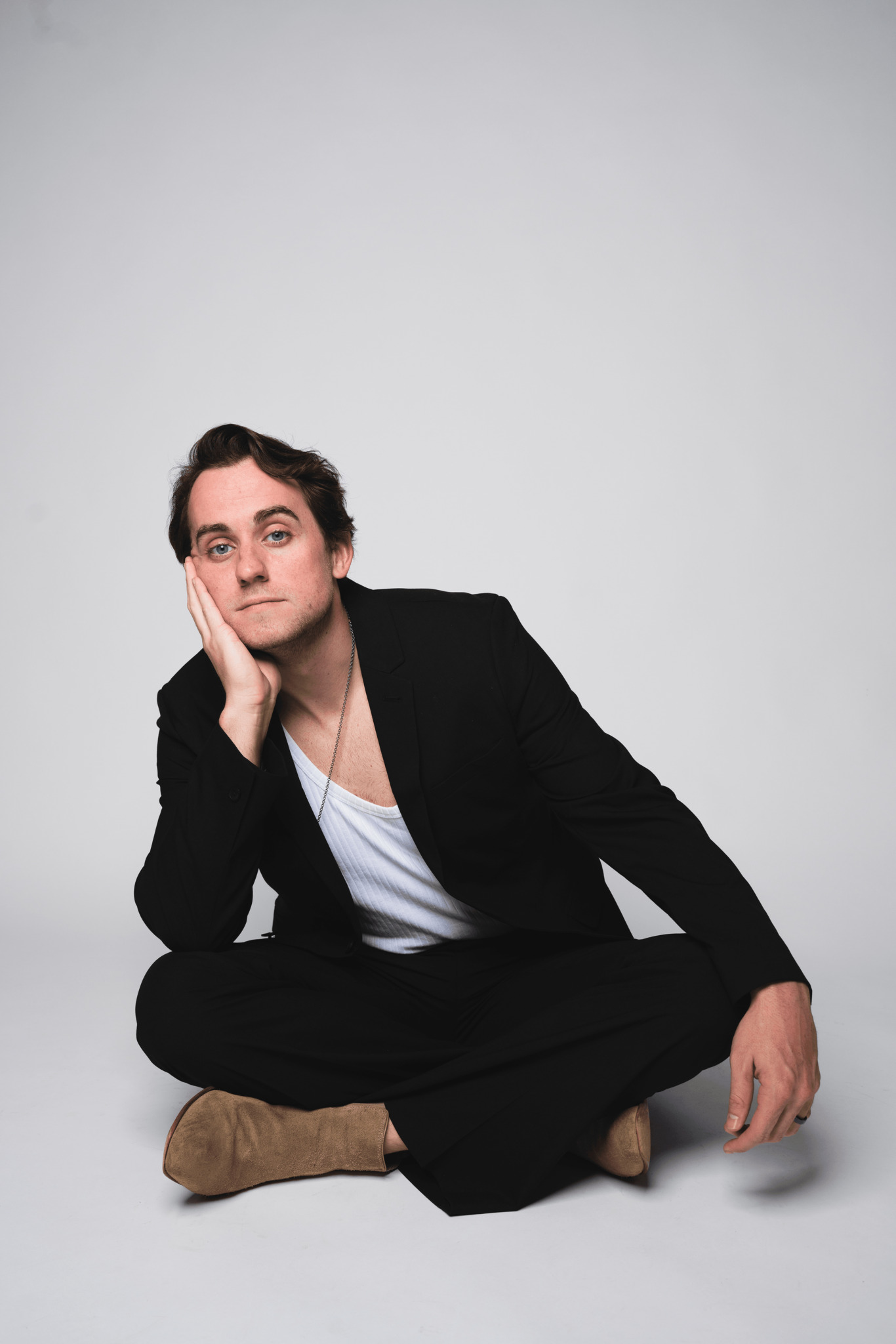
In your view, what can society to do to best support artists, creatives and a thriving creative ecosystem?
What a question. I doubt I’ll be able to solve the world’s problems in this answer, but I’ll give it a shot. I think, especially when it comes to artists & creatives, there’s a need for love, support, and radical transparency and acceptance. There’s so many versions of the “but what will they think” story we tell ourselves. So many times I’ve written a song and thought “it’s not as good as….” or “I know people won’t like this…” Who cares?
If society or a community encouraged people (of all ages) to explore, to ask questions, and to try new things; I think we’d all be shocked at the results. There’s no such thing as “normal.” A lot of society thinks people should fit in a box, or there’s certain requirements that make art “good”…when in reality, those are just limiting factors. I think society and communities should also go a step further than just letting people be creative, but communities should actively invest in it. Invest in music & art programs in schools, hold local festivals with local talent. Art can simultaneously give people outlets of expression, and bring people together inclusively.
Image Credits
the personal photo & photos #1 & #2 of the additional photos are to be credited to Zach DeLoach