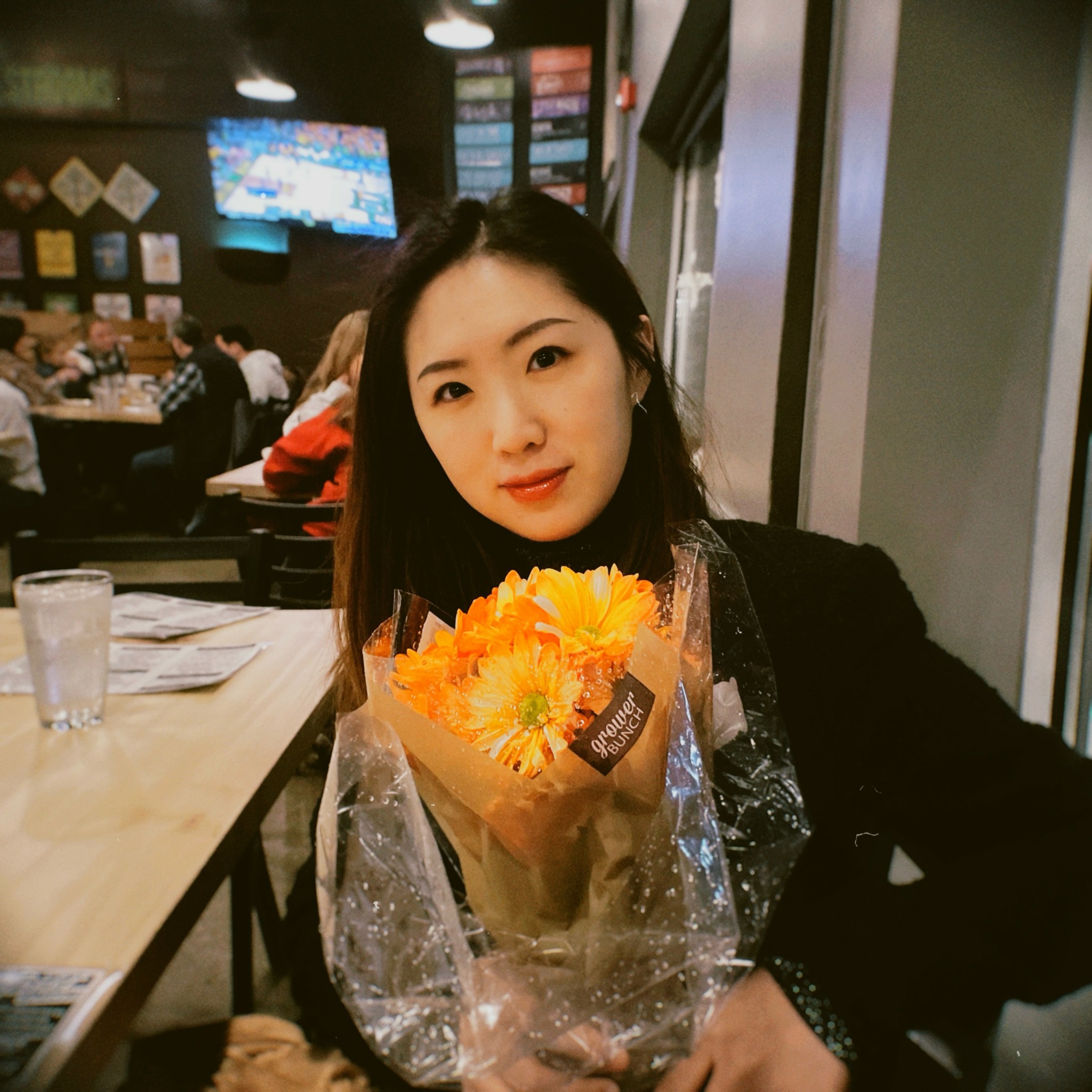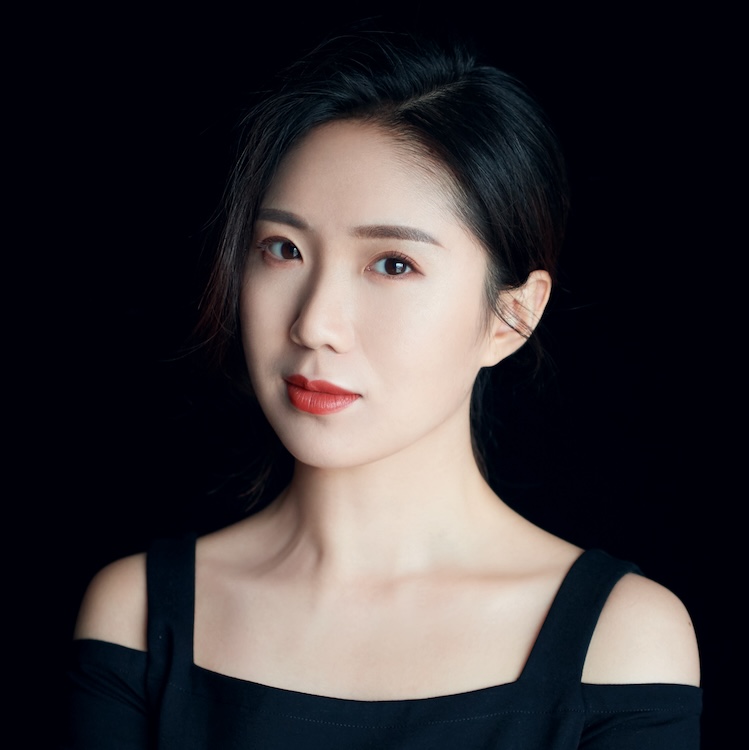

We were lucky to catch up with Huan Sun recently and have shared our conversation below.
Alright, Huan thanks for taking the time to share your stories and insights with us today. We’d love to hear about a project that you’ve worked on that’s meant a lot to you.
“and the glaciers echoed” is one of the most meaningful projects I have ever undertaken.
The piece began with an encounter. By chance, I came across Katie Paterson’s installation Vatnajökull (the sound of), in which she transmitted live audio from the Jökulsárlón lagoon in Iceland—the largest glacier in Europe—through a waterproof microphone. The work invited listeners to form an emotional connection with a distant, melting body of ice. What struck me most was that the link to the glacier no longer functions: the glacier itself has disappeared.
I was deeply shaken by the idea that something so vast could vanish. I began watching footage of glaciers breaking apart—cracking, splitting, collapsing in slow, monumental gestures before sinking into the water. The process felt both violent and majestic, almost cinematic in scale.
This piece became my first work for solo percussion and electronics, and also my first time writing for bass drum as a solo instrument. Choosing the bass drum felt risky. Everyone who knew about the project—including the performer—was curious and slightly skeptical about how such a piece would turn out. I recorded sounds from the bass drum alongside recordings of ice, without fully knowing what the final work would become. That uncertainty made the process both addictive and torturous—an unusually vulnerable experience in my nearly twenty years of composing.
I found myself stitching together acoustic resonance and electronic sound, struggling to let the instrument breathe while allowing the electronics to speak. Despite the difficulty, the piece emerged quickly: aside from recording, I composed it in less than twenty days. Throughout the process, I often felt physical goosebumps, as if the sound of the glacier were unfolding directly in front of me.
Electronic music made this subject immediate and unavoidable. It allowed me to confront the listener directly—to let the echo of the glaciers speak for itself.
Huan, love having you share your insights with us. Before we ask you more questions, maybe you can take a moment to introduce yourself to our readers who might have missed our earlier conversations?
I am a Chinese contemporary music composer, and my work lives at the intersection of cultural memory and contemporary sound. I grew up immersed in Chinese traditions—its language, philosophy, and aesthetics—and over time, composition became the way I learned to translate those experiences into a modern musical vocabulary. Rather than treating tradition as something fixed or nostalgic, I approach it as living material, something that can be reimagined through contemporary techniques, electronics, and interdisciplinary thinking.
I was drawn to composition because it allowed me to build worlds through sound. My creative process is often sparked by non-musical sources: visual art, installations, literature, and fine art. These influences shape not only how my music sounds, but how it unfolds in time—how listeners move through it emotionally and physically. I am especially interested in how music can function as a space for reflection, confrontation, and connection, particularly in response to cultural identity and global issues.
In terms of creative work, I primarily compose concert music for acoustic instruments, electronics, and mixed media. Many of my projects involve close collaboration with performers and institutions, where I design works that challenge traditional instrumental roles and expand expressive possibilities. What I aim to provide is not just a piece of music, but an experience—one that invites listeners to engage deeply, whether through sonic immersion, narrative resonance, or conceptual clarity.
What sets my work apart is my commitment to cultural dialogue. I see my role as a bridge: between East and West, tradition and innovation, sound and visual imagination. Rather than simplifying cultural references, I embrace complexity, allowing multiple layers of meaning to coexist. This approach has led to my music being recognized by organizations such as the ARTZenter Institute, SEAMUS/ASCAP, and Breaking Barriers, and presented at festivals including the Ravinia Festival, IRCAM’s CIEE Program, and the Atlantic Music Festival.
I am most proud of my ability to take creative risks—to write pieces whose outcomes are not fully known at the beginning, and to trust the process. That vulnerability has been essential to my growth as an artist. My work has been commissioned by ensembles and institutions including the Chicago Philharmonic Symphony, Zhejiang Conservatory of Music, and IU Percussion Ensemble, and each collaboration has reinforced my belief in music as a shared, evolving practice.
I hold degrees from the Central Conservatory of Music in Beijing and the Mannes School of Music, and I am currently pursuing my doctoral degree in composition at Indiana University Bloomington. For those encountering my work for the first time, I hope it comes across as honest, immersive, and open-ended—music that does not offer easy answers, but invites listening as an act of curiosity and empathy.
What can society do to ensure an environment that’s helpful to artists and creatives?
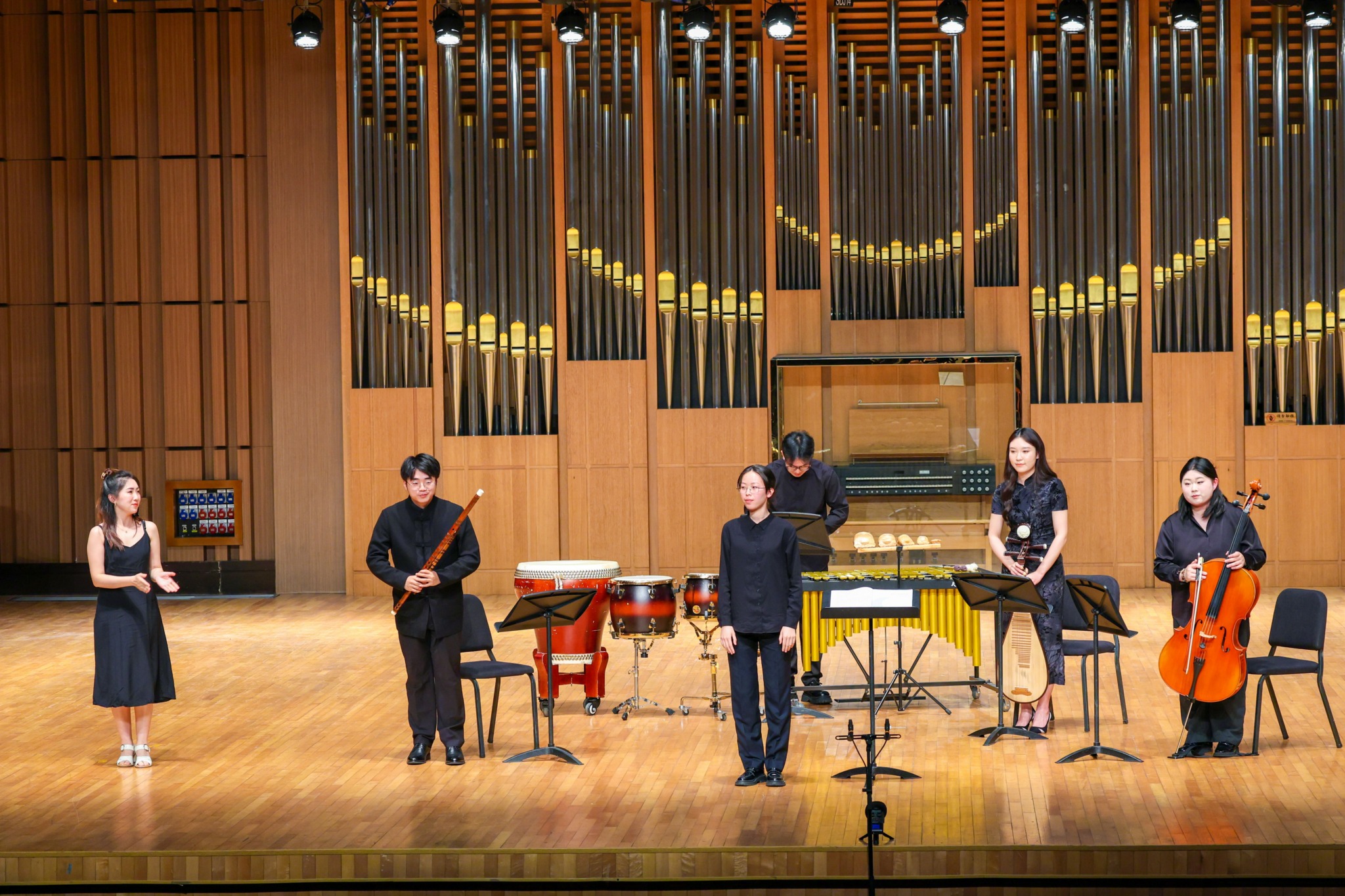
In my view, one of the most effective ways society can support artists and foster a thriving creative ecosystem is by creating more platforms and resources for interdisciplinary collaboration. When artists from different fields—music, technology, visual art, science, or performance—are encouraged to work together, they naturally challenge each other’s perspectives and expand what is creatively possible.
Creativity often stagnates when we remain too long in our comfort zones. Collaboration pushes artists to rethink their habits, their tools, and even their definitions of their own disciplines. In a healthy creative ecosystem, artists are not isolated specialists but active participants in shared projects, where ideas can intersect and evolve in unexpected ways. I like to think of it as a kind of fireworks display: many individual sparks coming together to create something larger, more vivid, and more impactful than any single element alone.
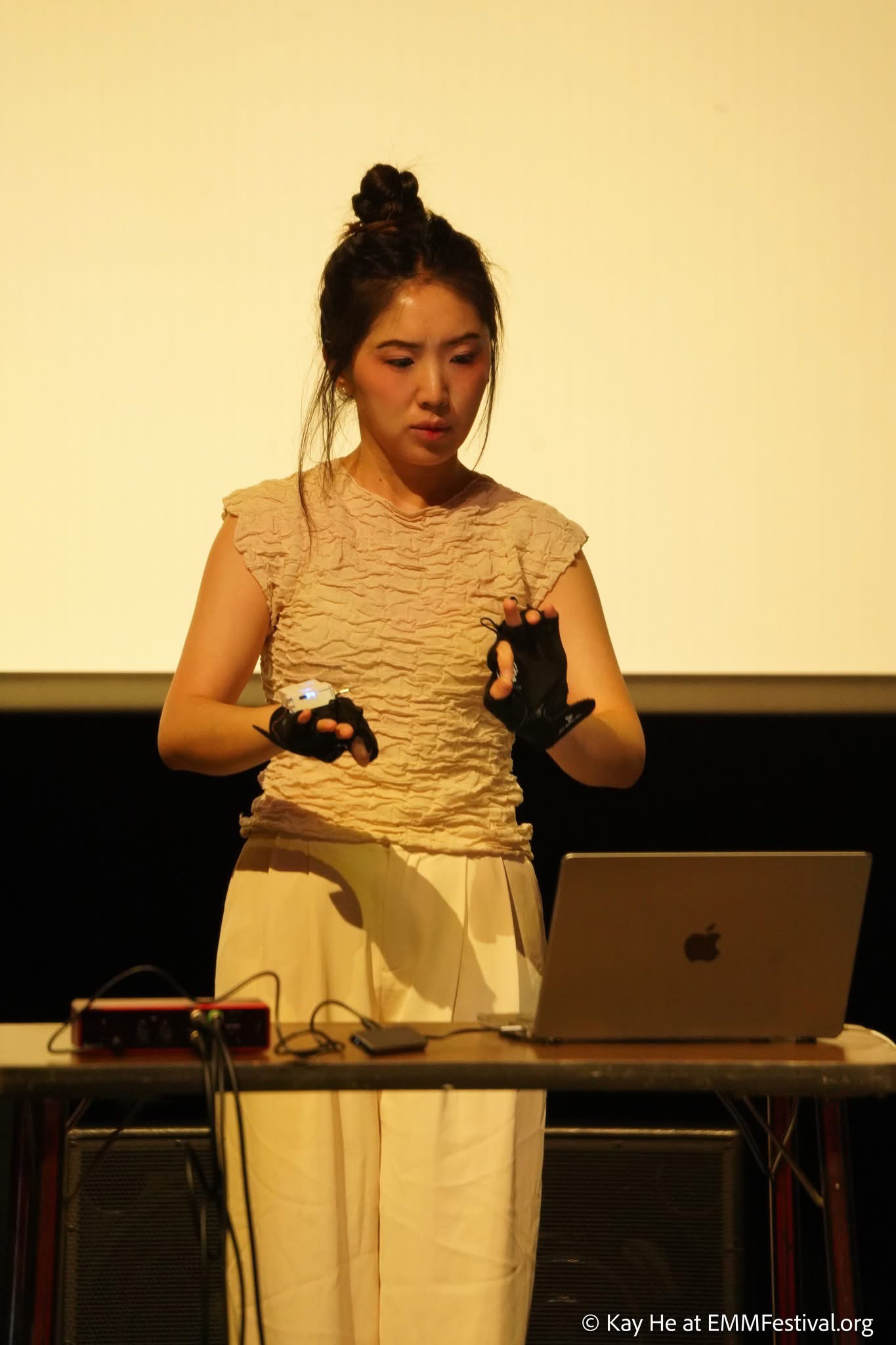
I experienced this firsthand last summer at a concert at MIT, where electronic music was combined with a string orchestra through live processing. The audience was not just listening passively—they became part of the musical experience as the sound transformed in real time. This kind of project benefits everyone involved: composers, performers, technologists, and listeners. It creates new artistic languages while also making contemporary work more accessible and engaging.
To truly support artists, society needs to invest not only in funding, but in environments—labs, residencies, festivals, and educational spaces—where experimentation and collaboration are encouraged. These spaces allow artists to take risks, learn from one another, and build meaningful connections, which ultimately sustain both creativity and cultural vitality.
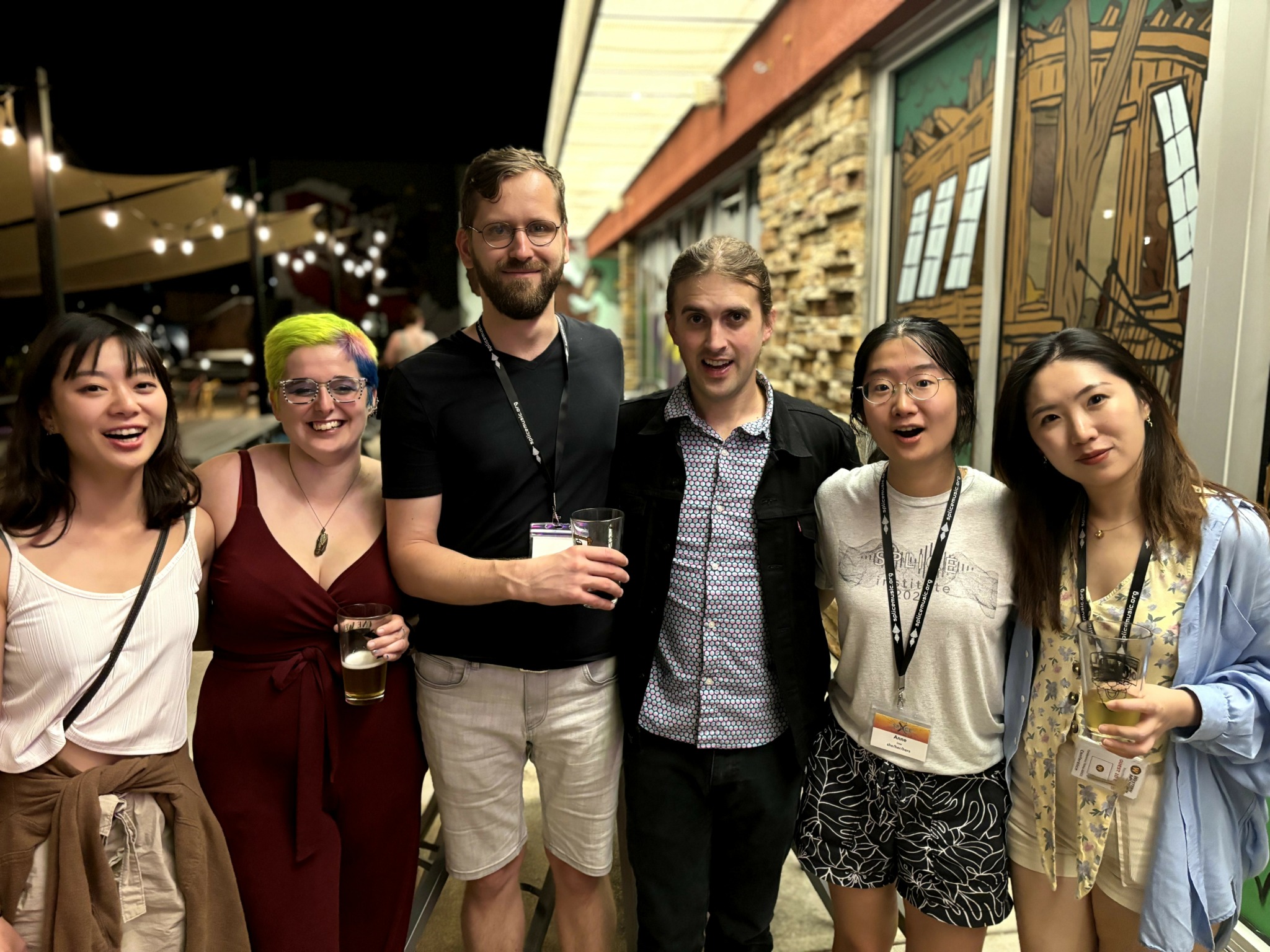
Is there a particular goal or mission driving your creative journey?
Yes—at the core of my creative journey is a very clear mission: to bring more people into the concert hall, especially those who may not have a background in classical music or formal musical training. I believe contemporary music does not have to be intimidating or exclusive. It can be direct, emotional, and deeply human.
I see myself as a storyteller through sound. Rather than asking audiences to decode complex systems or techniques, I want my music to guide them into a topic—whether cultural, environmental, or emotional—in a way that feels intuitive and accessible. If listeners can sense the narrative, the atmosphere, or the emotional trajectory, they are already engaged, even if they don’t know the musical language behind it.
For me, success is not measured only by technical innovation, but by connection. If someone leaves a concert feeling that they understood something—about the world, about a story, or about themselves—then the music has done its work. That desire to communicate clearly and honestly is what continues to drive my creative path as a contemporary composer.
Contact Info:
- Instagram: huan.sun_
- Facebook: Huan Sun
- Youtube: https://www.youtube.com/@huansun9255