


We recently connected with Holly Melear and have shared our conversation below.
Hi Holly, thanks for joining us today. We’d love to have you retell us the story behind how you came up with the idea for your business, I think our audience would really enjoy hearing the backstory.
It all began in 2015. I had been an educator for 16 years at an amazing school focused on progressive education. We were early adopters of social-emotional learning techniques and project-based learning strategies. I was head of the Fine Arts department, as well as a 3D printing and children’s engineering instructor.
I like to tell people that I came from a “STEAMy” family consisting of mathematicians, artists, astronomers, and musicians. I was fortunate never to see a separation between the arts and STEM. My mother, who was an artist and musician, also taught me love for the stars and space. As I continued to grow in the excitement of 3D printing and technology, my love for space grew. I found myself integrating ideas on space settlement and exploration into my regular instruction.
Flashback to 2011: I have been growing in fascination with the strong emergence of commercial space and governmental and private collaboration after the shuttle’s closing. I found my growing excitement was contagious among my young students, and I knew I wanted to do more!
And then it happened. In March 2015, I came home from work to find my family watching an interview with the CEO of a rocket company, Firefly Aerospace, that had recently started in my own hometown of Austin, Texas. As I watched, mesmerized, what I wanted to do became crystal clear. I looked to my family and explained that I wanted to help create humanities space settlers. My mission would be to reach every child, everywhere, by breaking down barriers of socio-economic, ethnic, ideology, learning differences, and gender identity. I would help create the pipeline for future leaders, workers, and scientists in the space industry. And, of course, I would incorporate the arts, hence, STEAMSpace Education Outreach® and Cities in Space®. In November 2015, the first Cities in Space® student competition and conference was held.

Great, appreciate you sharing that with us. Before we ask you to share more of your insights, can you take a moment to introduce yourself and how you got to where you are today to our readers.
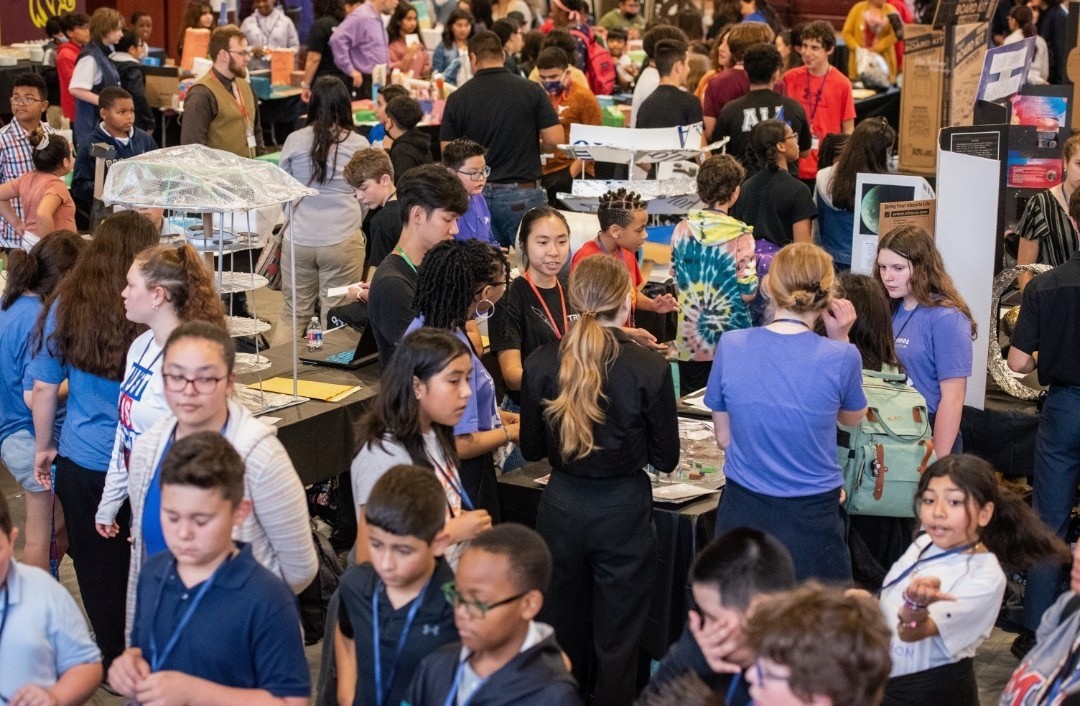
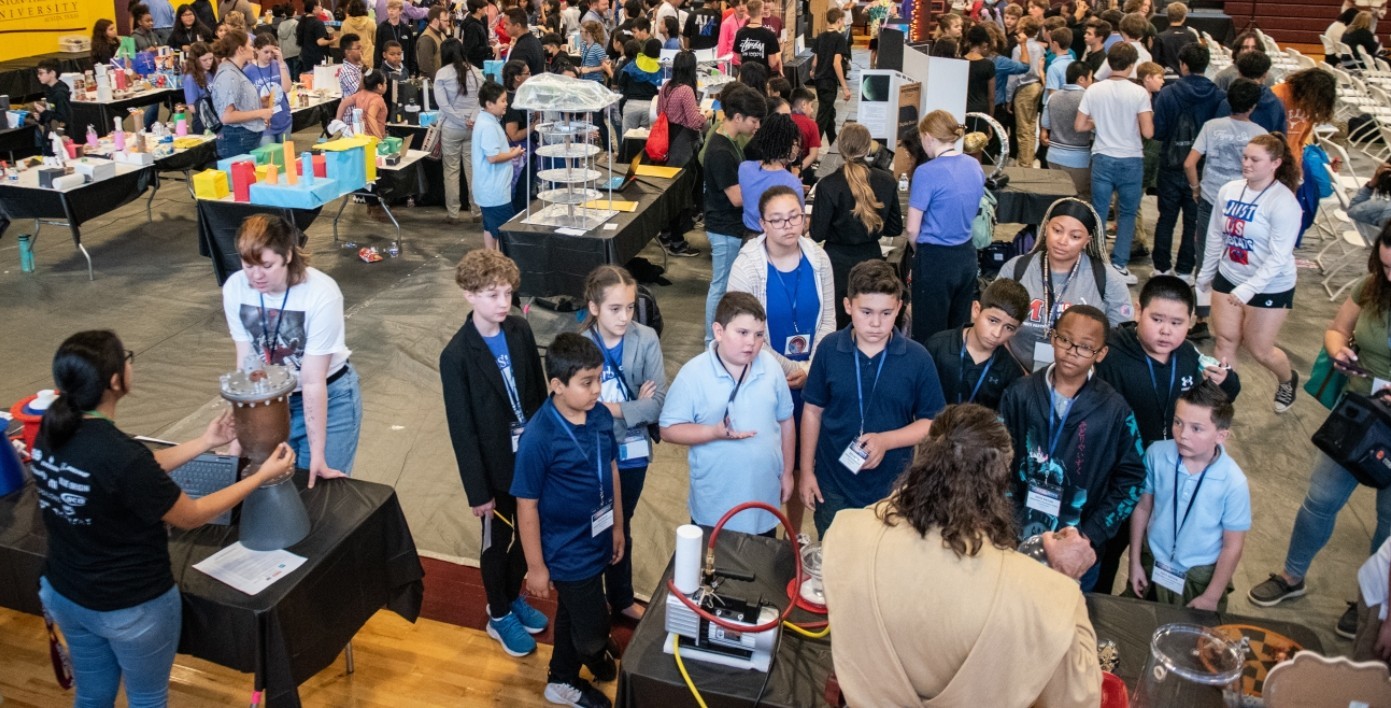
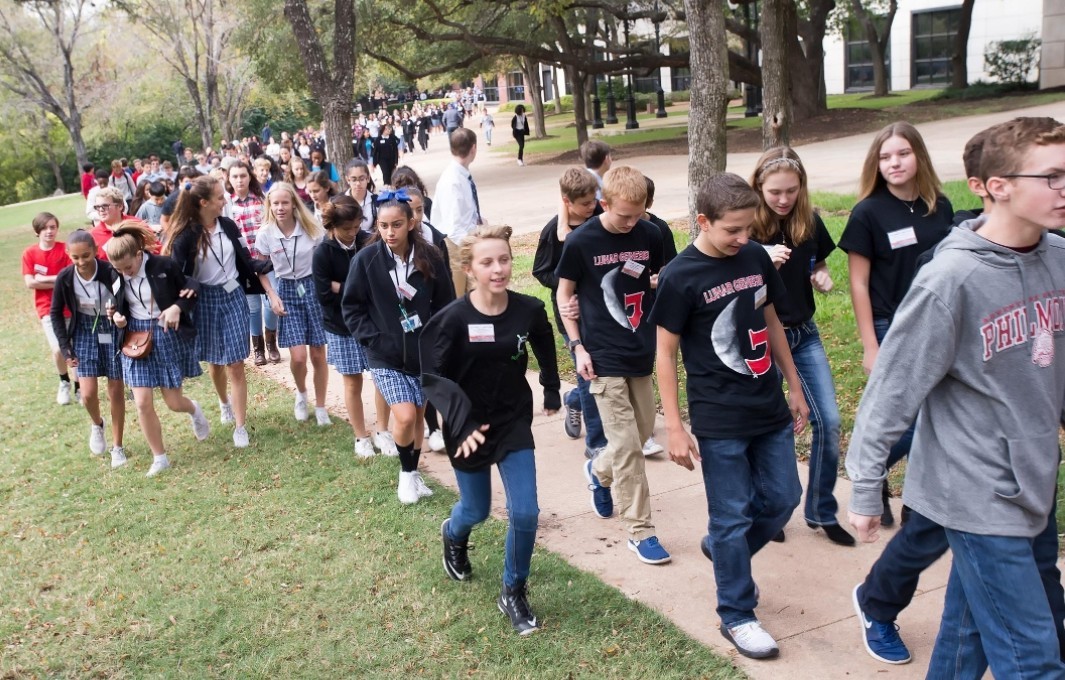
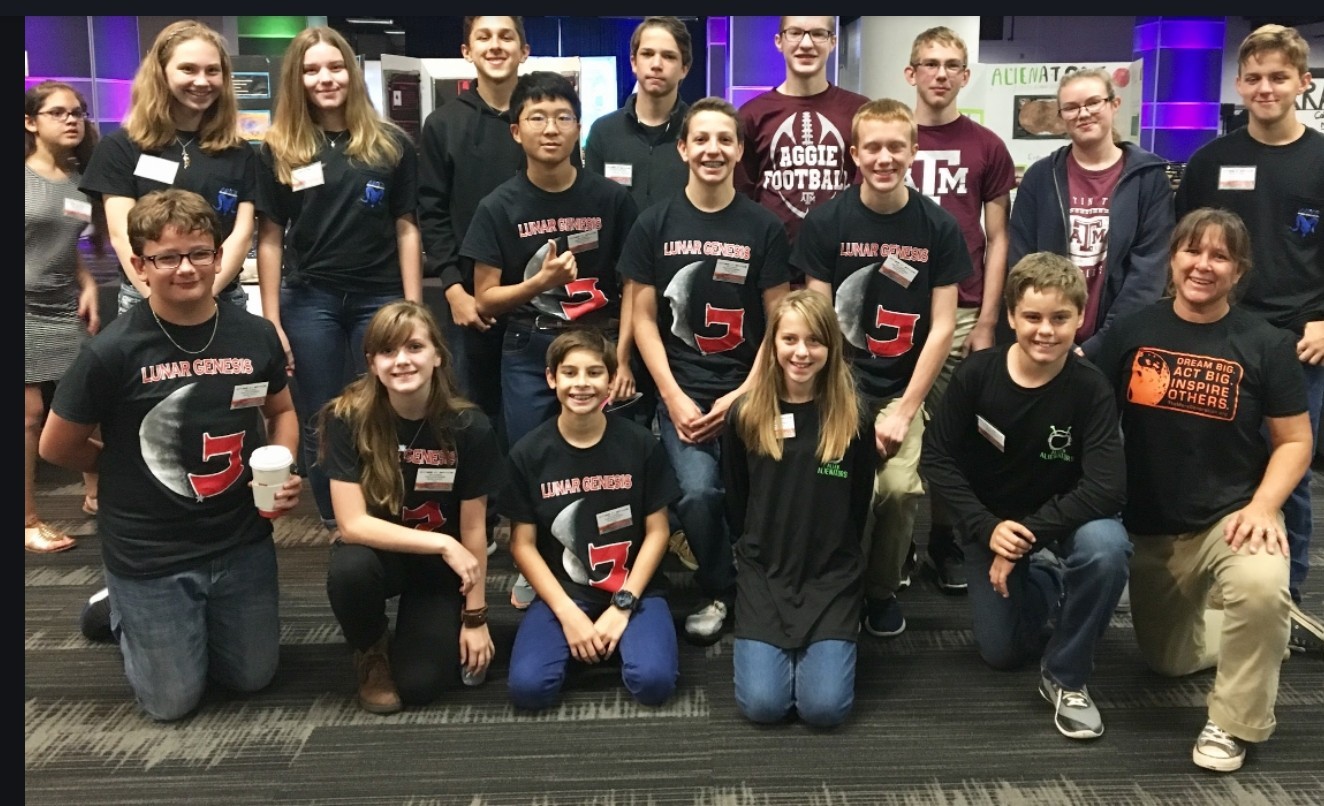
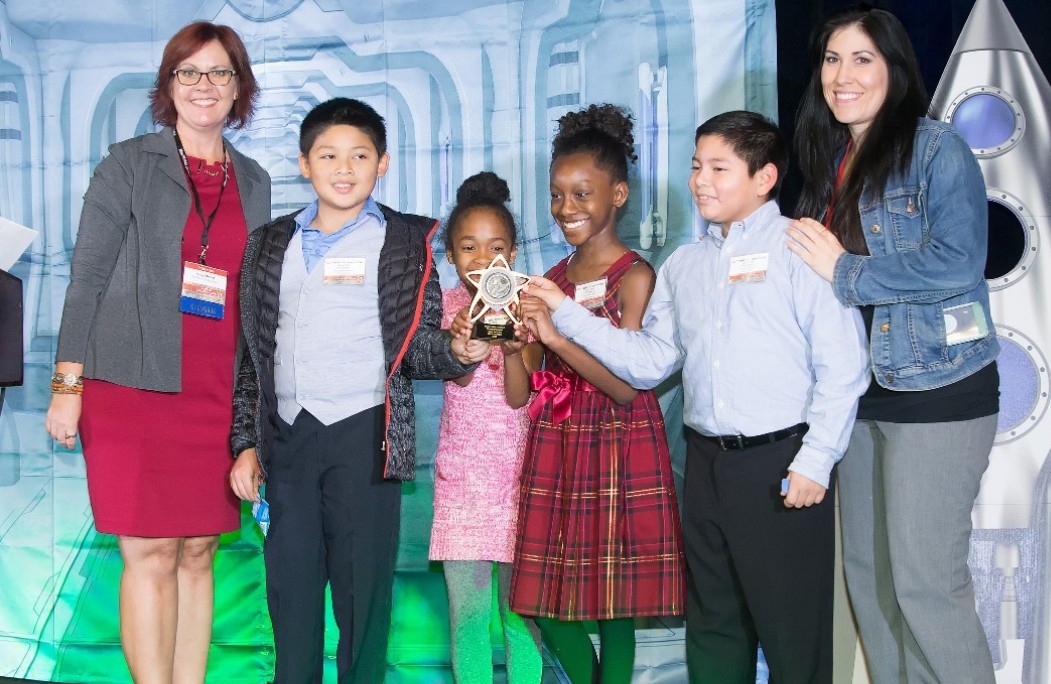
Nine years later, our mission has remained the same. When children walk into a Cities in Space® competition, they will see a conference like no other. Students focus on creating an off-world habitat or specific emerging technologies that will be needed for space exploration and settlement. Middle and High school teams will have a lot of preparation to do before they arrive at the event. In addition to written work and creating digital or sculptural models, teams quickly learn the art of collaboration and presentation. They know that when they arrive at Cities in Space® they will be judged by industry professionals as well as presenting to their 500 on-site peers from across the United States. They will also enjoy listening to inspiring industry leaders focused on space architecture, rocket science, space law and policy, the arts, and more. Though Cities in Space® is capped at 500 on-site students, international students also compete online. But what makes Cities in Space® quite unique is that though teams all have the same requirements for building their model and creating their written work, they have the choice to focus on one aspect of their habitation which they are passionate about. For instance, a team focused on space architecture or mining will arrive to see other students presentations focused on medicine, art, music, ecology, agriculture in space, and more. Thus, seeing what it takes to have a successful and thriving community off-world allows students to understand that everyone is needed in space.
In 2022, we realized as a team, that despite the success of Cities in Space® competitions, leadership summits, and workshops there was more work needed to reach every child, every where. To address this, in January 2023, STEAMSPACE® launched the Cities in Space® podcast which is free and available on most major streaming platforms. Each podcast includes essential questions and projects that teachers can utilize while they listen to space industry experts discuss exciting developments and opportunities in their field. With the growing success of this podcast, our team hopes to reach more students than ever before!
How about pivoting – can you share the story of a time you’ve had to pivot?
With the arrival of the pandemic in 2020, it became clear that we could not invite 500 students, educators, and additional judges, volunteers, and experts to an in-person setting. Hence, the virtual Cities in Space® student competition and conference was born! It was a big learning curve, and we were thrilled at how many volunteers and professionals jumped in to join us. When we launched, we were shocked to receive 70,000 views of our virtual event. Looking back, this experience planted a seed of how we could grow to reach more students in the future.
Any thoughts, advice, or strategies you can share for fostering brand loyalty?
Through the years, the STEAMSPACE® community has grown in our connections to volunteers, supporters, and educators, and we strive to keep people up to date on exciting news and developments in the space industry. Our dedicated use of social media, regular email announcements, and in-person engagements serve as our high-touch communication which maintains the integrity of our brand.
Contact Info:
- Website: https://steam-space.org/
- Instagram: @steamingforspace
- Facebook: Cities in Space
- Linkedin: Holly Melear
- Twitter: @Cities in Space
- Youtube: STEAMSPACE Cities in Space
Image Credits
Photos courtesy of Deborah Barak Photography and Steve Rogers Photography