

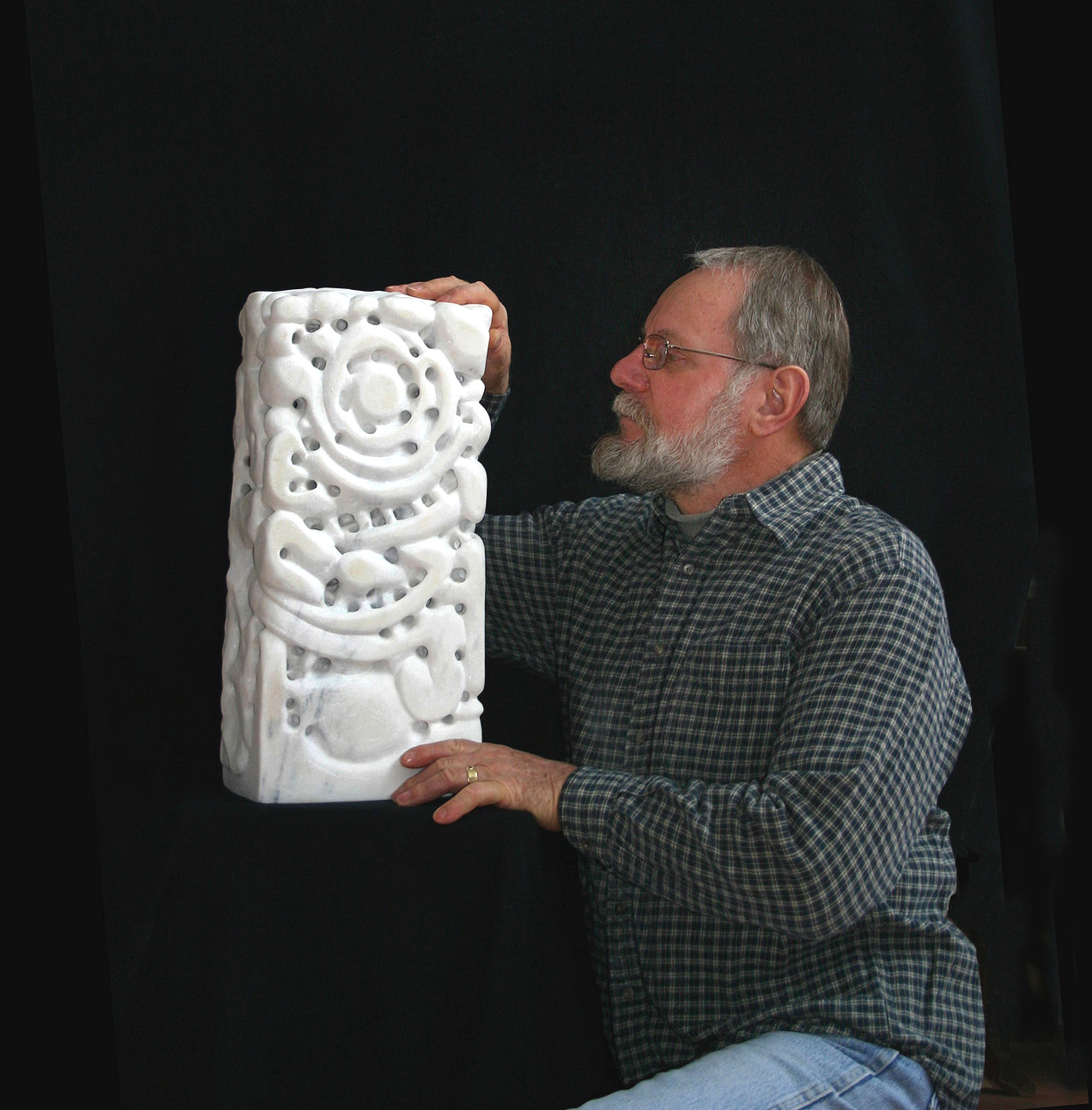

We’re excited to introduce you to the always interesting and insightful Hilmar Gottesthal. We hope you’ll enjoy our conversation with Hilmar below.
Alright, Hilmar thanks for taking the time to share your stories and insights with us today. Have you been able to earn a full-time living from your creative work? If so, can you walk us through your journey and how you made it happen? Was it like that from day one? If not, what were some of the major steps and milestones and do you think you could have sped up the process somehow knowing what you know now?
The first show was in Vienna Austria at the city gallery and first sale happened there of a wood sculpture and a painting to a German collector. It was encouraging. I was then given a grand from the Austrian Ministry of Education and Culture to follow my interest in Byzantine art and classical archology to Istanbul, Turkey. That turned into a seven year stay the important thing there was I traveled along the Aegean and the Mediterranean coast of western Turkey to record in the form of watercolors the ancient Greek ruins. I was very methodical working in on my main body of work including olive wood sculpture and oil painting. My first show was in Istanbul City Gallery and the American Robert College and at that time Nancy Hanks of the Rockefeller Center arranged my first showing in New York there at the head office. She became the future chairman of the Arts. Resulted in an invitation to the Albright Knox Museum in Buffalo, NY to show my work. During that period, I had very successful exhibitions in London, Paris, Vienna and then Athens. After that show I fell in love with Stomion, a Greek fishing village near Mount Olympus where I lived and worked for the next fifteen years. Traveling each year for exhibitions to Lyon and Grenoble France, and in Hamburg, German and throughout Austria. Received an invitation from the Berkely School of Arts to be a resident artist in Oaxaca, Mexico where I painted old archeological sites throughout the Yucatan Peninsula resulting in a show at the Governor’s Palace in Oaxaca.
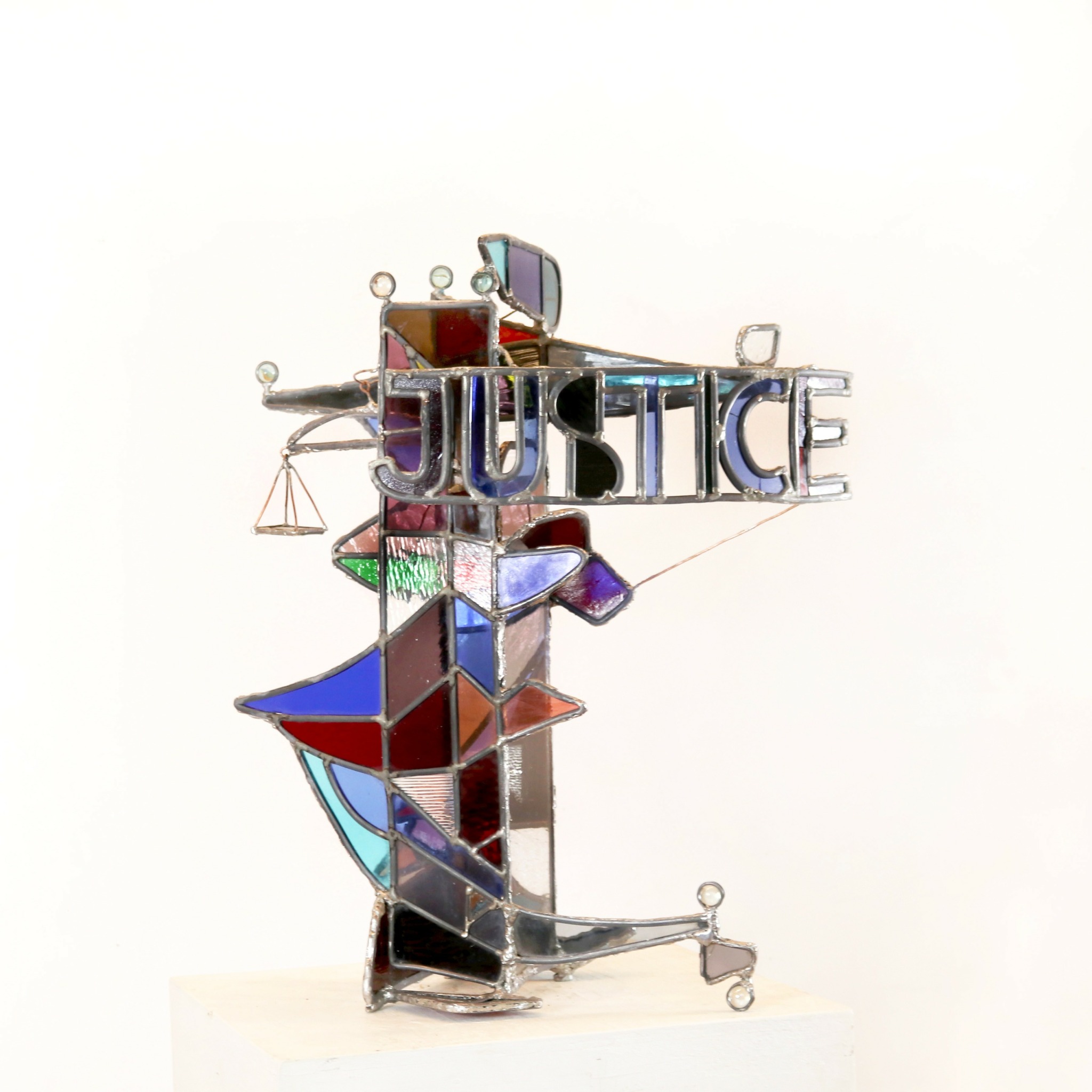
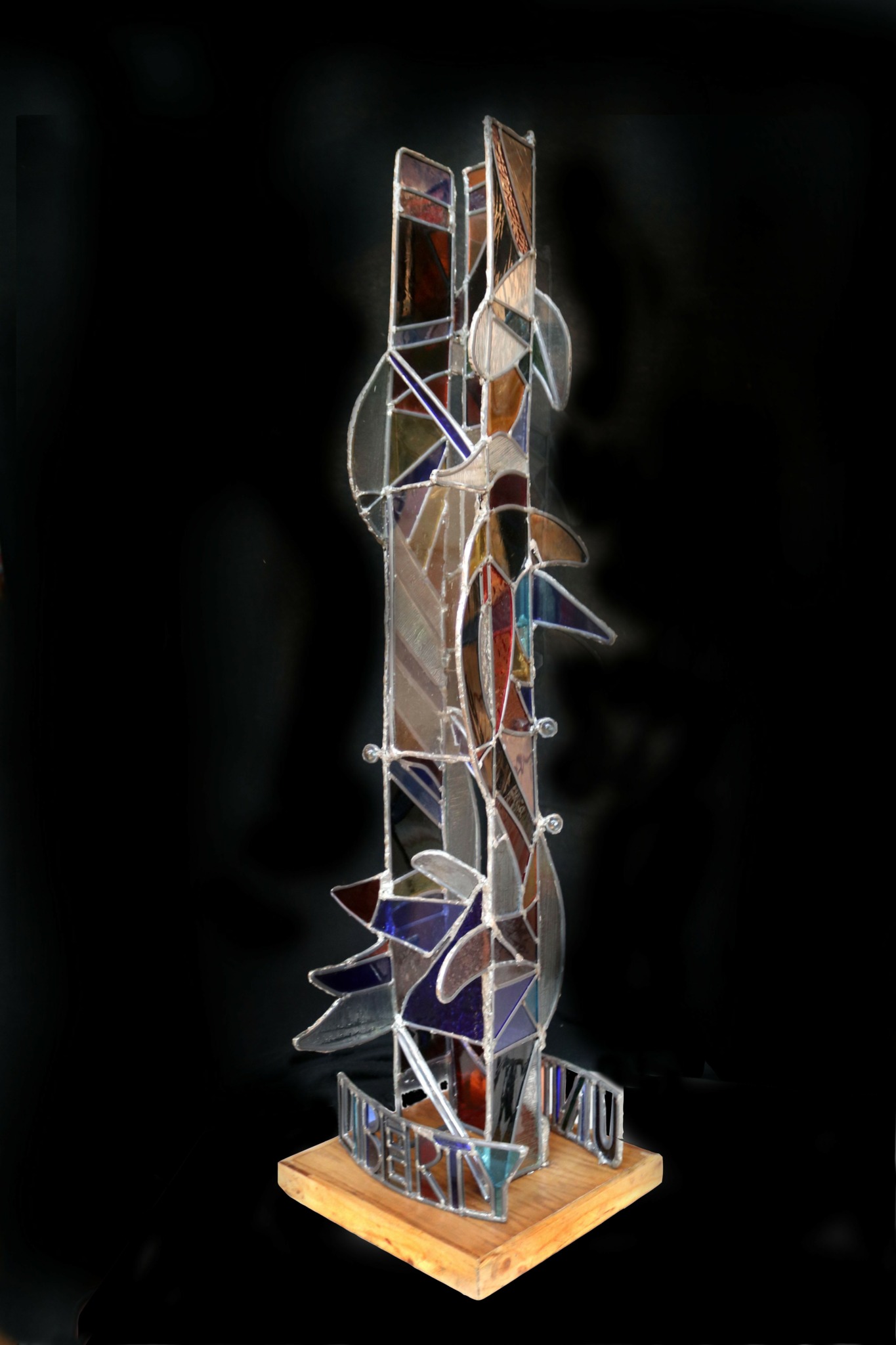
Hilmar, before we move on to more of these sorts of questions, can you take some time to bring our readers up to speed on you and what you do?
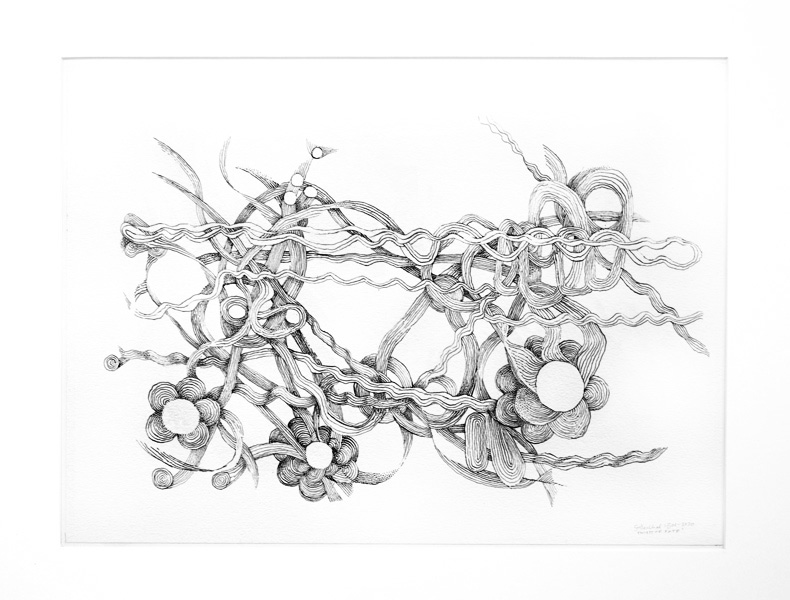
After my Paris exhibition where I was offered a five-year contract to exclusively produce squid ink drawings, I decided to rather go back to my beach village in Greece where the population was a living example of a continuation of Greek mythology, philosophy, poetry, and drama. That was nourishing background for my personal growth and learning. After my classical academy training in Vienna, which highlighted the renaissance my exposure to modern art at many European museum and exhibitions of other artists I was inspired by Kandinsky, Paul Klee, Wols, Cezanne compositions. A liberating experience was exposure to American modern art. So, from the library of old and new art I developed my own artistic language and personal style.
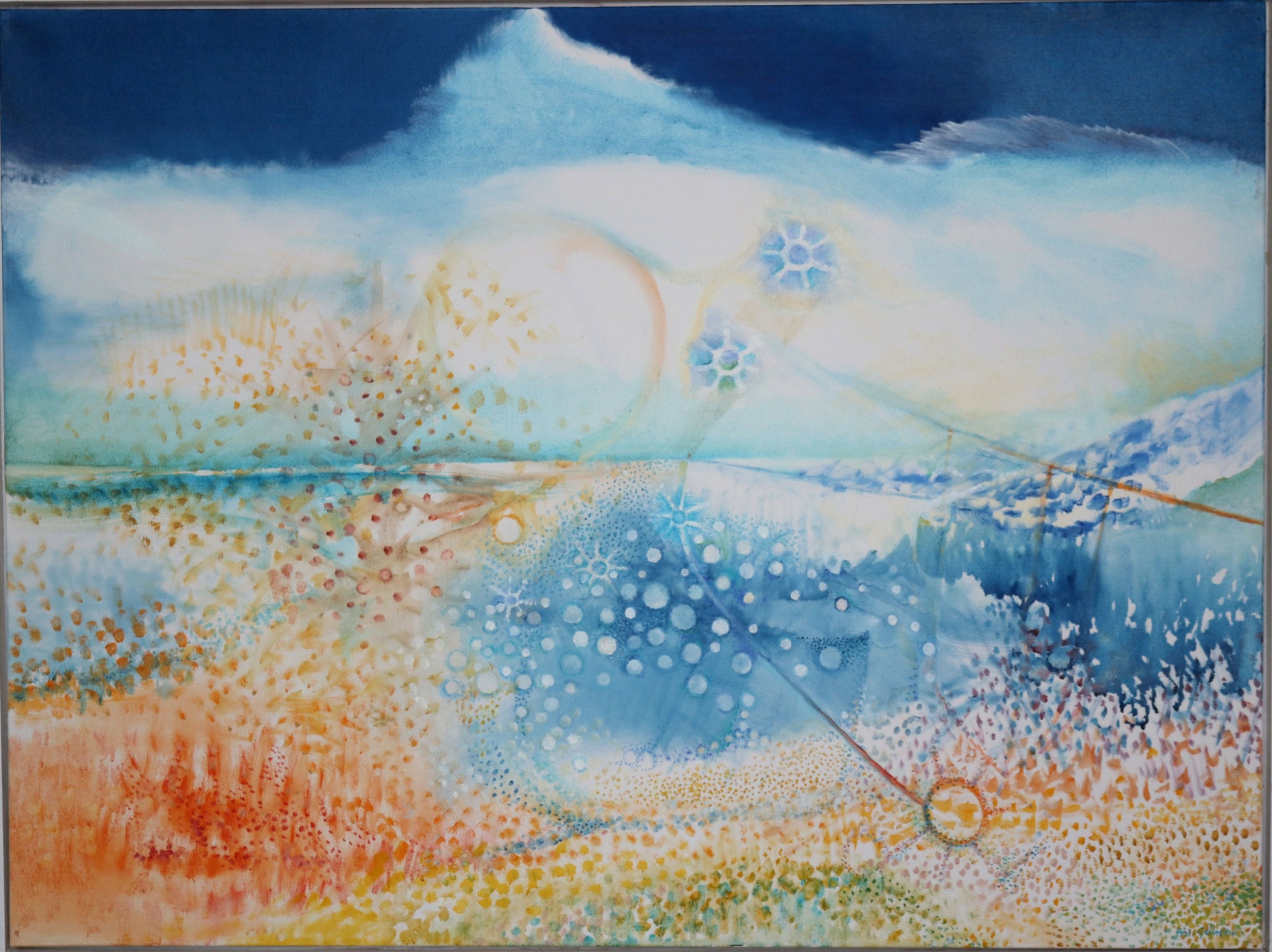
What do you think is the goal or mission that drives your creative journey?
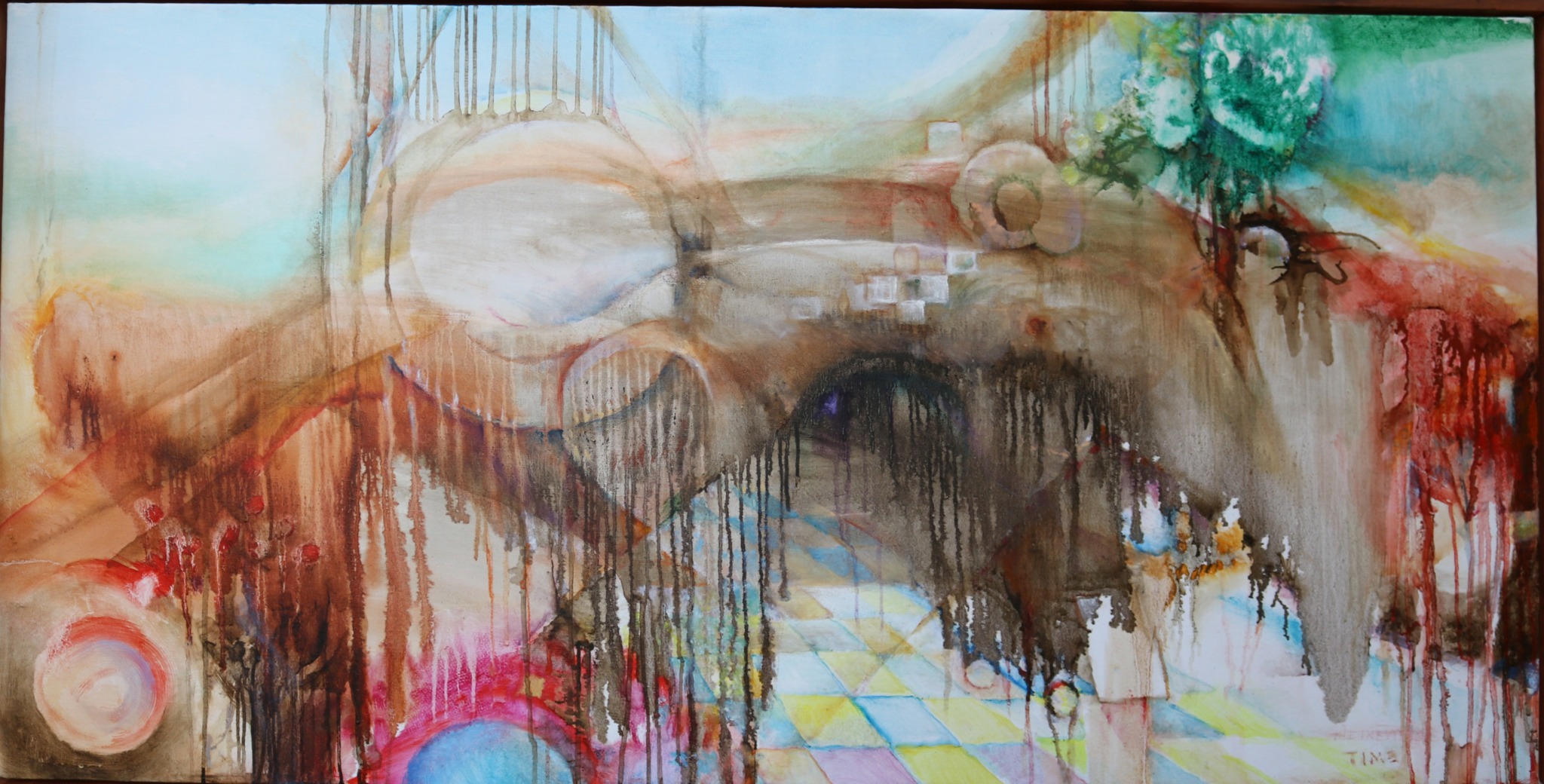
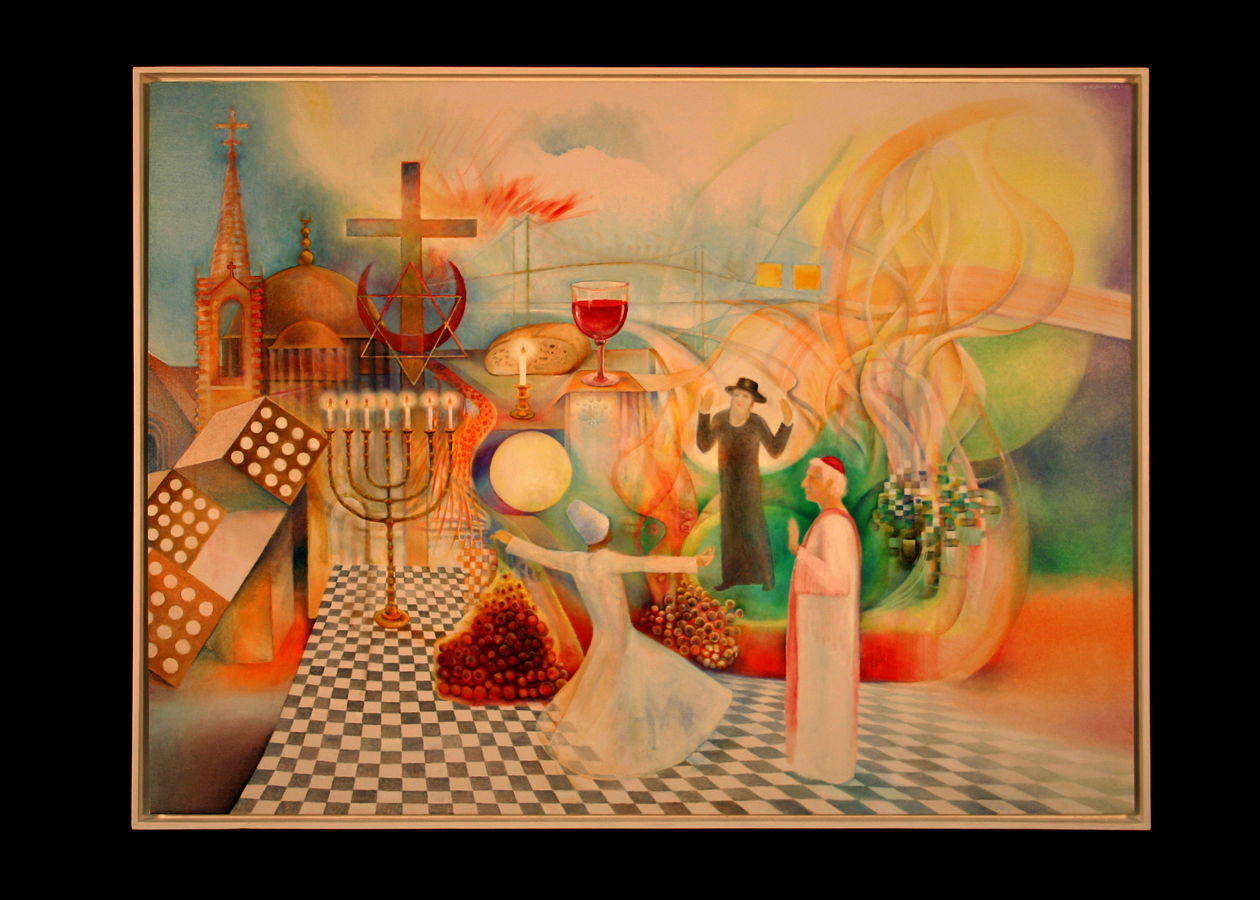
Goal or Mission: I have been driven to select positive themes but have to overcome the traumatic events that we all are faced with daily, humanly, physical, and environmentally. That made me paint a variety of works of serious themes. (Gettysburg, Holocaust, The Wall, Shipwreck and Abandon, Arabian Spring, Asylum Seekers, and many painting covering natural disasters. The purpose of this is personal to find catharsis and inner peace, plus to influence the viewer.
Let’s talk about resilience next – do you have a story you can share with us?
A pivotal experience: At my London show a young child climbed all over my wooden sculpture and showed her happiness. That gave me the inspiration to create a huge sycamore tree sculpture for the Hasan Baba forestry park in Turkey. The tree’s center was tunneled out with excess holes to outer surface and smoothly shaped tree limbs allowing children to enter and climb in and out. It was dedicated to the “Children of the World”. Another interesting experience was an invitation to record the discovery and recovery of the Serce Liman Byzantine 12th century shipwreck. I was taught to dive with the archeological director. Resulting in seventeen watercolors that are now on permeant exhibit at the Nautical Archeological Museum in Bodrum, Turkey.
Another interesting experience was the restoring of several Byzantine chapels on a mountainside of Mount Kissavos with and seven students from Princeton and New York University. After that Greek National TV made a television movie of my life as an artist.
Contact Info:
- Website: https://www.gottesthal.com
- Facebook: [email protected]
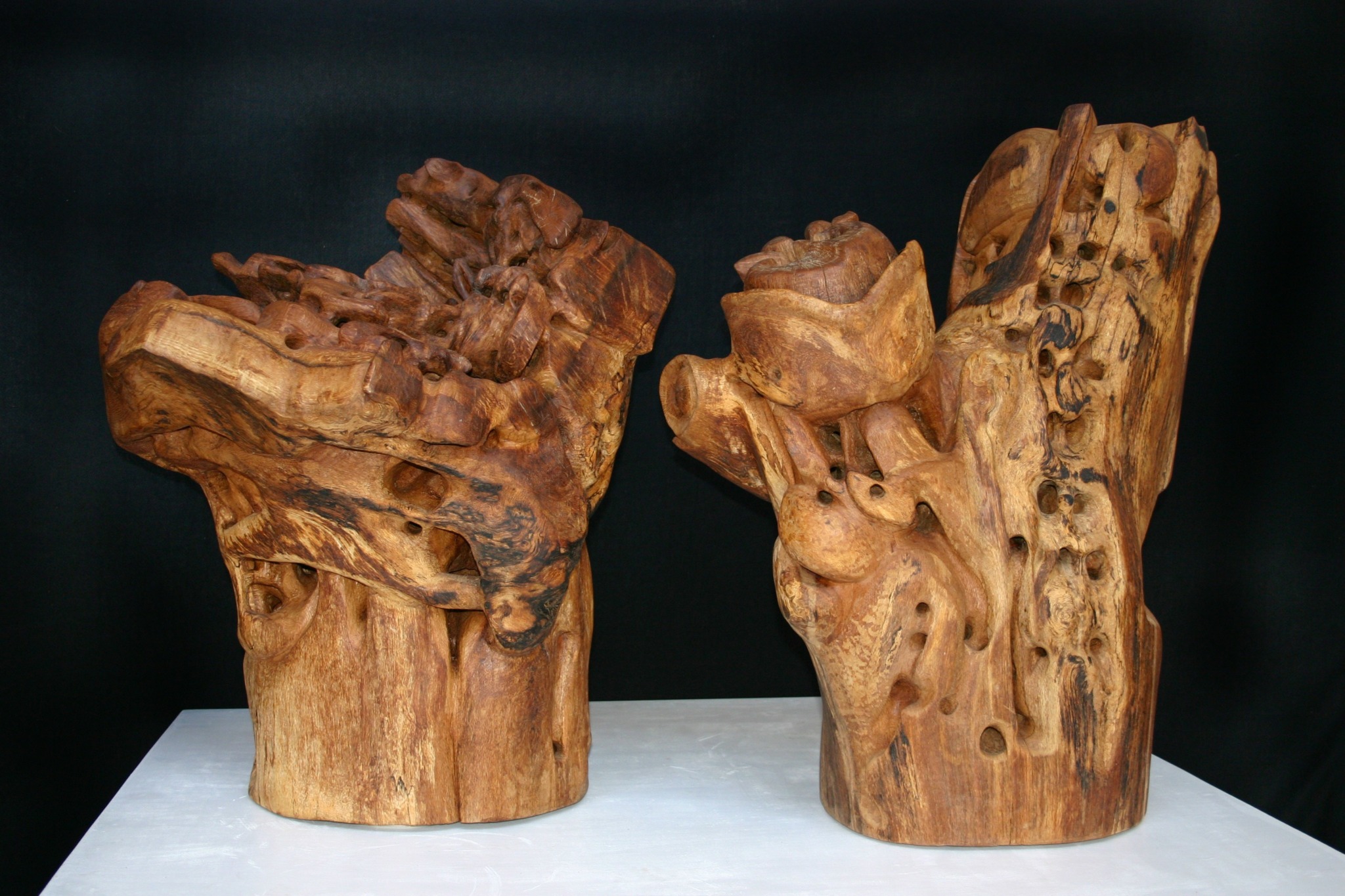
Image Credits
Photographer: Penny Knobel-Besa