

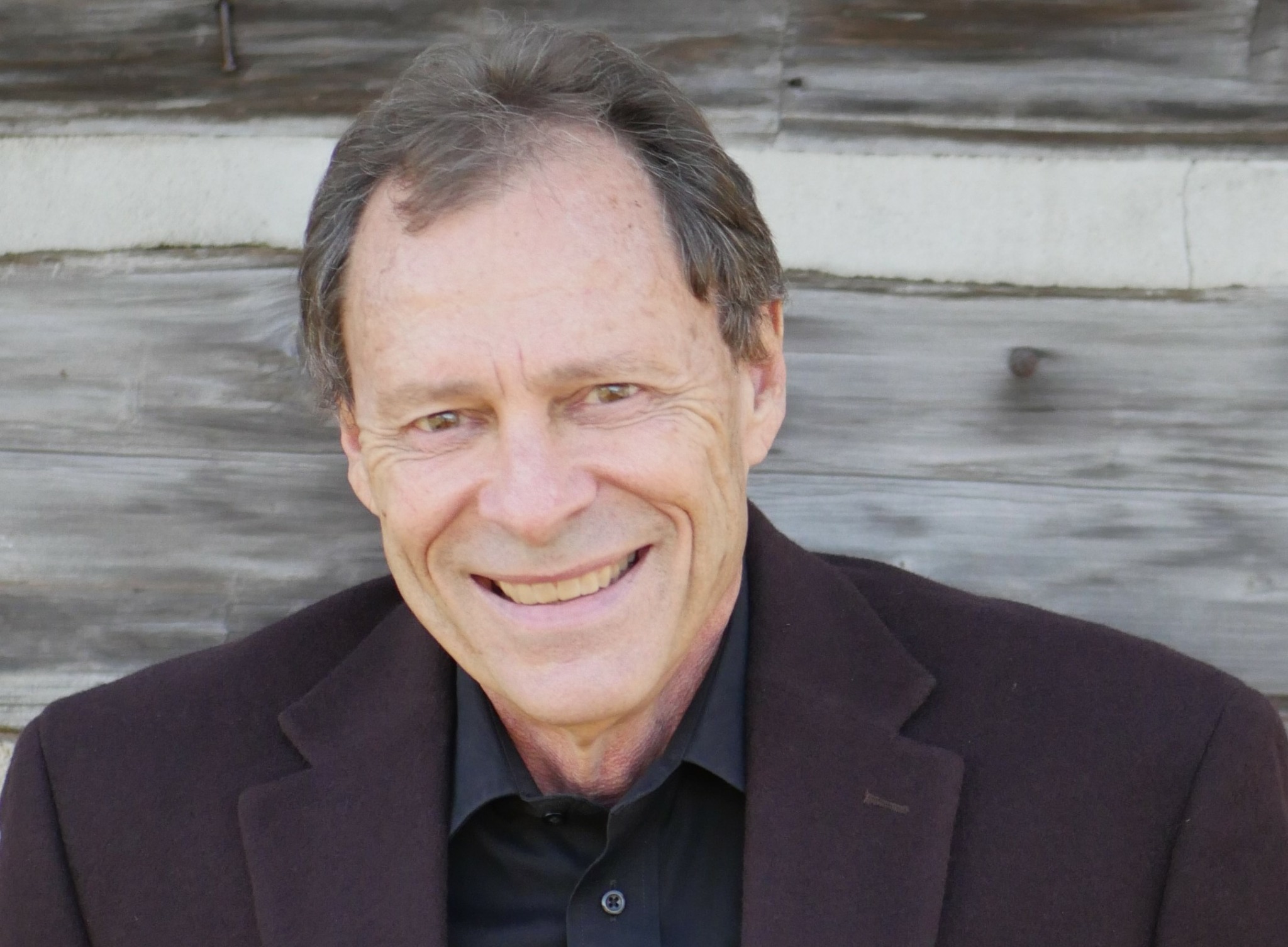

We recently connected with Henry O. Arnold and have shared our conversation below.
Henry O., appreciate you joining us today. We’d love to hear about when you first realized that you wanted to pursue a creative path professionally.
When my dad was cast as Don Quixote in a production of “Man of La Mancha,” he thought his wayward son might benefit from having an experience on stage. In my underdeveloped, idiot brain, Dad’s coolness factor was deficient, but he cast me a lifeline and got me to audition. In spite of my being solidly mediocre (the bar was low), I landed the role of Paco, muleteer #5.
In the process of rehearsals and performances, I watched how my father took direction, how he paid attention to what was going on around him, how he reacted to what other actors gave him, how he made manifest his physical, vocal, and interpretive choices for his character. He was gradually transforming, and I began to experience my own small transformation.
Dad was leading me into a dream, an “impossible” dream of the possible. Night-after-night I saw my father transform from Henry Arnold into Miguel de Cervantes, and then into Don Quixote as he followed his beautiful quest jousting against evil, seeing the beauty in all things and in all people, even his enemies.
I was in awe of my father’s skill as an artist who used his imagination to create transcendence, a sublime moment of truth and beauty. I knew then that acting and eventually writing was my professional destiny.
As always, we appreciate you sharing your insights and we’ve got a few more questions for you, but before we get to all of that can you take a minute to introduce yourself and give our readers some of your back background and context?
There are all kinds of marketing schemes and unique ways to make you and your work relevant. For me it boils down to two things: 1) staying power – don’t give up when nothing seems to be going right; and 2) willingness to risk – don’t play it safe. As an actor and author, I have to accept a life full of rejections and I have to be willing to risk putting myself and my work out there in the world regardless of how it might be received. Don’t give up. Don’t stop taking risks.
Can you share a story from your journey that illustrates your resilience?
The writing side of my life was decades in the making. I collected rejection letters from publishers and producers far and wide.
For years I sat at my desk and hammered away on my typewriter. In 1989 I won five hundred dollars in a literary contest and bought my first computer. The clicking typewriter keys and manually slamming the carriage at the end of every line became a by-gone sound effect. In time, complete manuscripts began to pile up all looking for a home. There were intermittent successes, but most folks in the publishing world “passed by on the other side.”
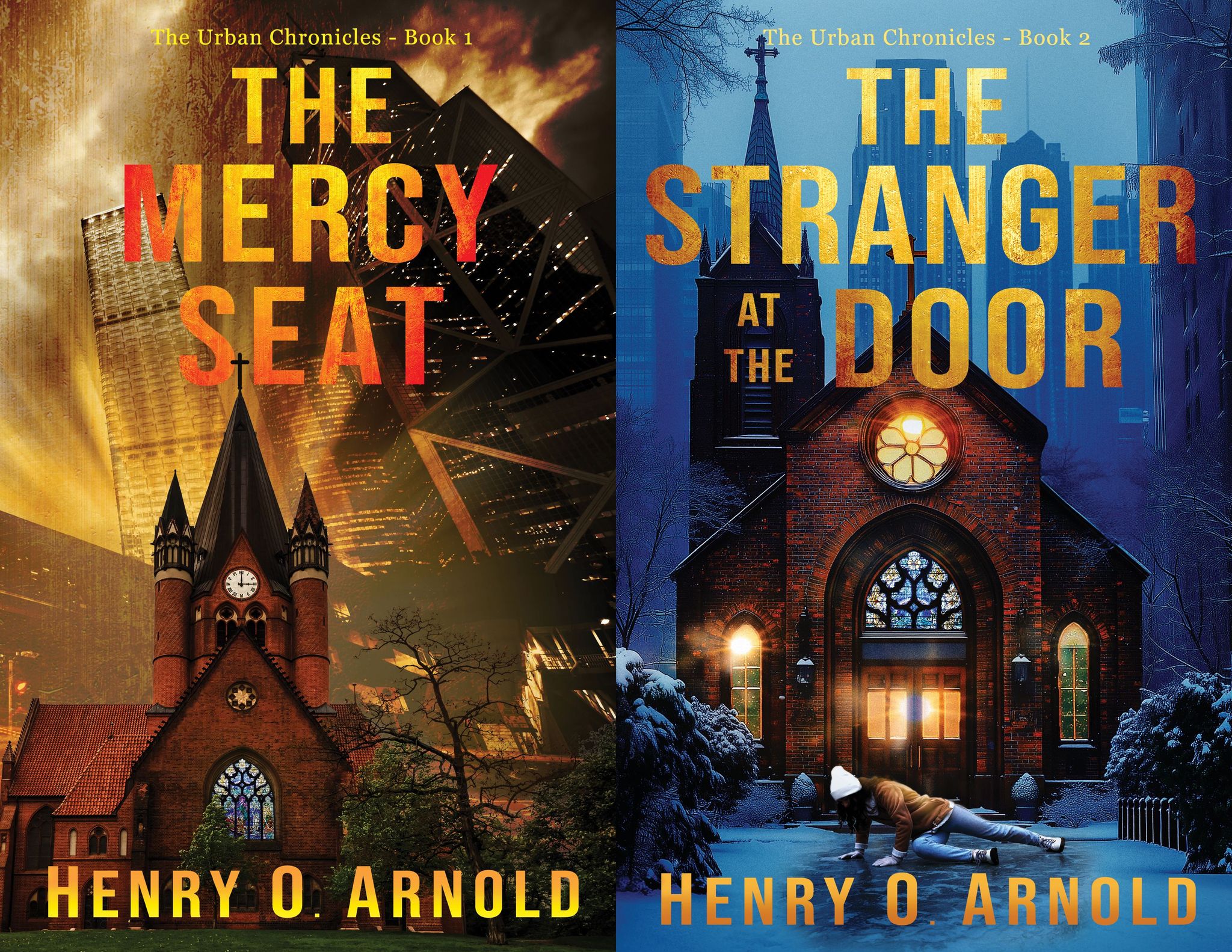
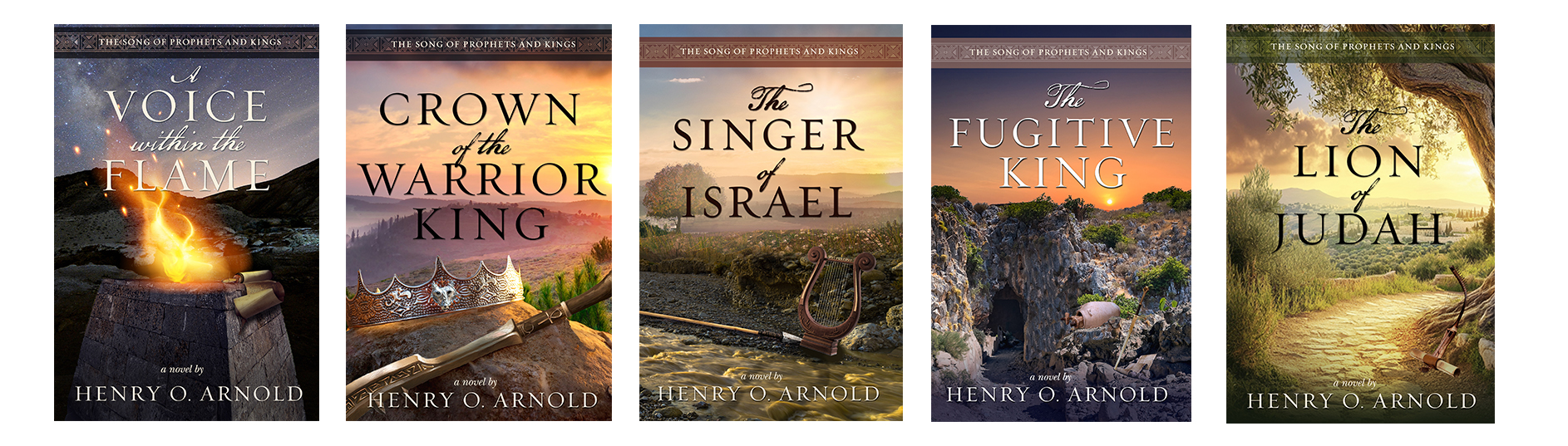
Then I showed up on the doorstep of WTA-Media like a pet that had been left out in the rain. When everyone said “no,” Brian Mitchell, president of WTA-Media at the time, said “yes.” When rejections from publishers began crowding his inbox, he said, “I believe.” When I gave him the option to throw in the towel, he said, “Keep your towel.” Through his patience and persistence, Brian landed a publishing deal and brought my biblical/historical fiction series, “The Song of Prophets and Kings,” across the finish line. Once that was done, I was then blessed with the bonus of Dave Schroeder, also with WTA-Media, who found a home for my contemporary fiction series “The Urban Chronicles.” The over-night success was decades in the making.
What’s the most rewarding aspect of being a creative in your experience?
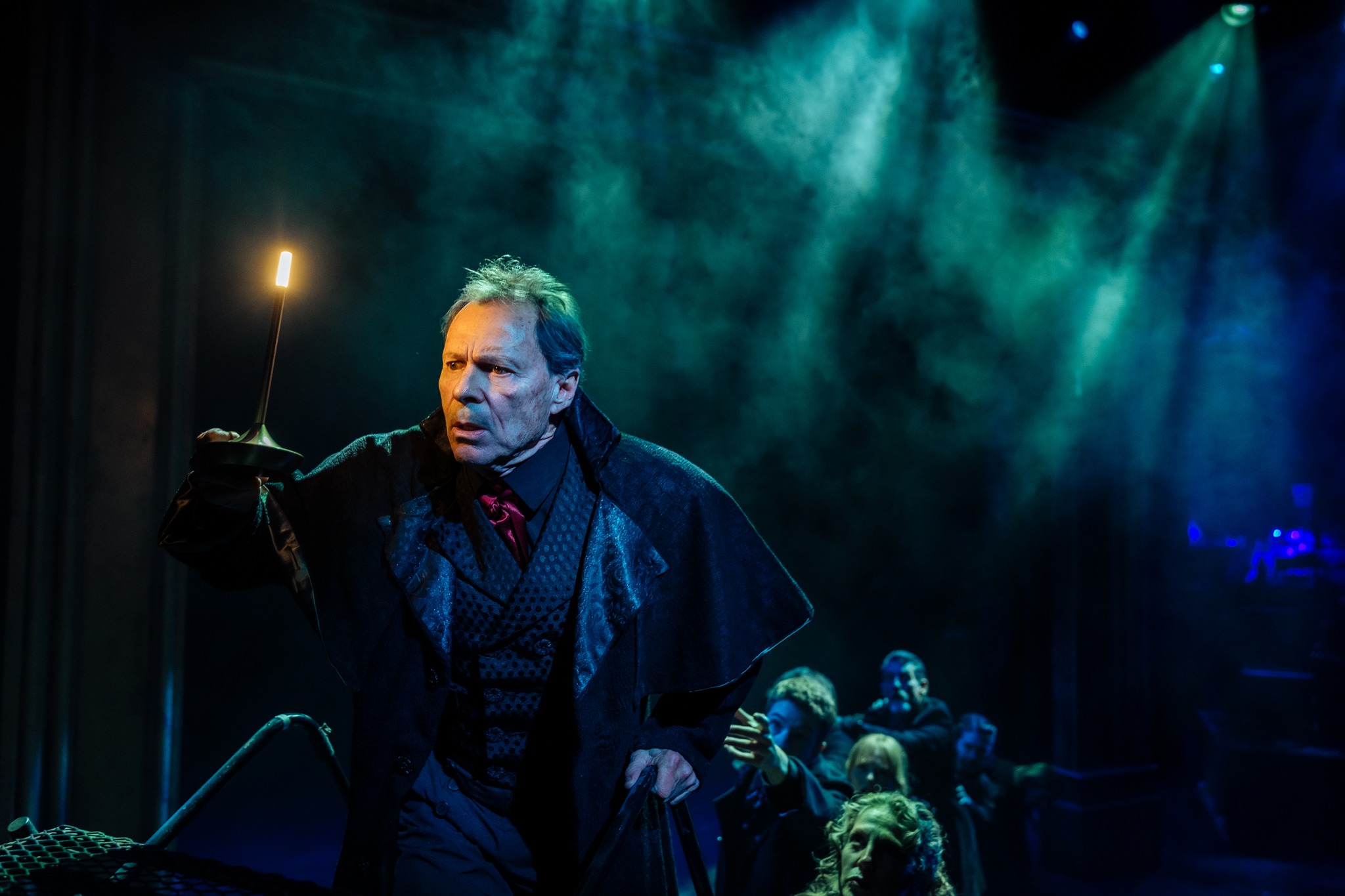
Aside from the joy of creating a work of art and sharing it with the world, the most rewarding aspect of being an actor or writer is being in community. When I get to act, for the period of time devoted to rehearsal and performances, I am in community with like-minded people who have come together for the purpose of telling a story and sharing it with the public.
In a similar fashion, the same thing happens when I write a novel. First, there is the community of characters that enter into my imagination and together we attempt to fashion a compelling story. Second, eventually the imagined world of fiction becomes the real world of publishing and promoting, and real people show up to help introduce and advance what has been created.
You cannot overestimate the importance of being a part of a great community.
Contact Info:
- Website: https://www.henryoarnold.com
- Instagram: henryoarnold
- Facebook: Chip Arnold or Henry Arnold
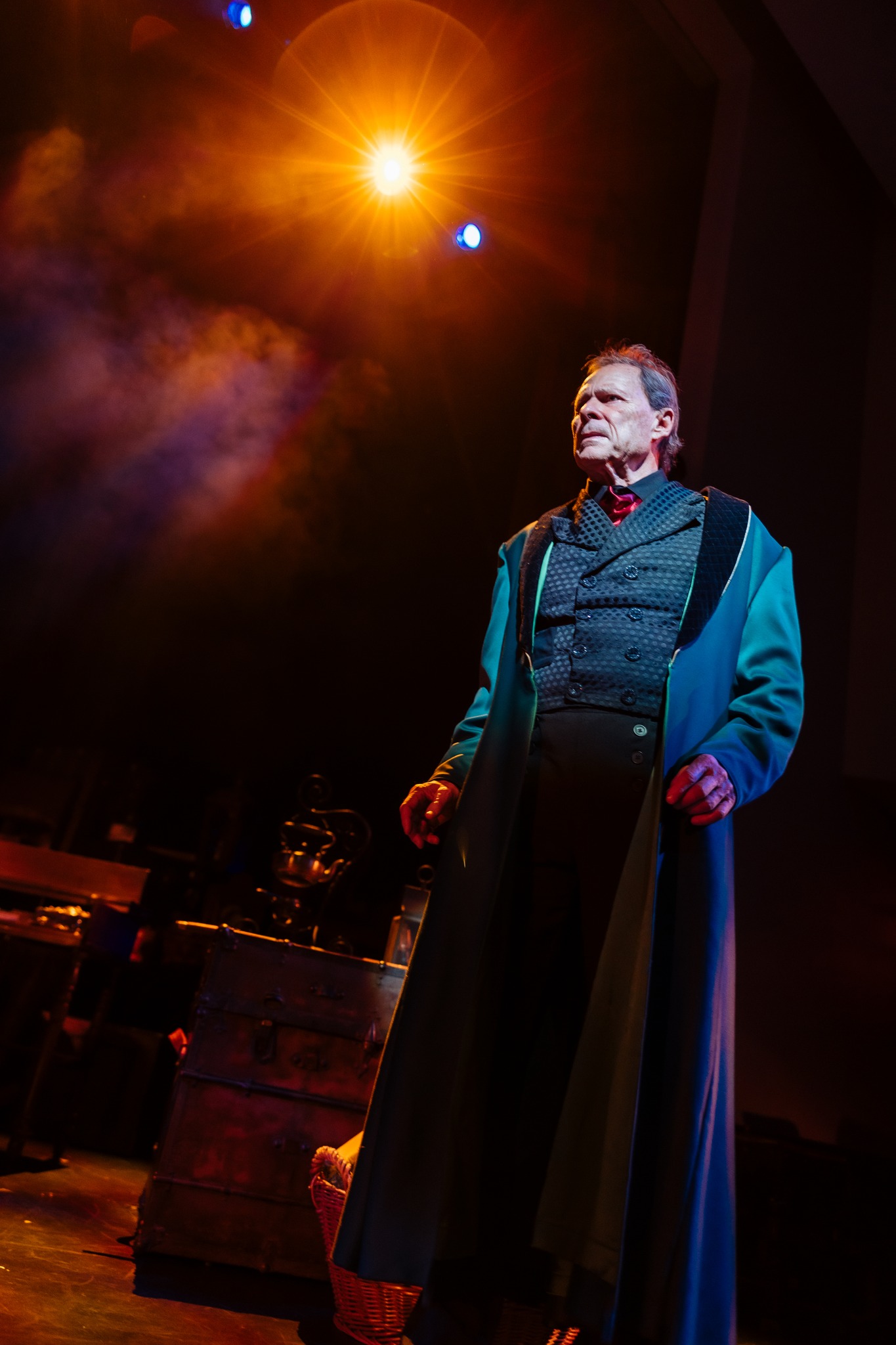
Image Credits
1) For The Mercy Seat/The Stranger at the Door 2-book series covers: Lynette Bonner
2) For The Song of Prophets and Kings 5-book series covers: Roseanna White
3) For the two actor shots: Production of “A Christmas Carol” for Rabbit Room Theatre; Photographer: Anthony Matula