

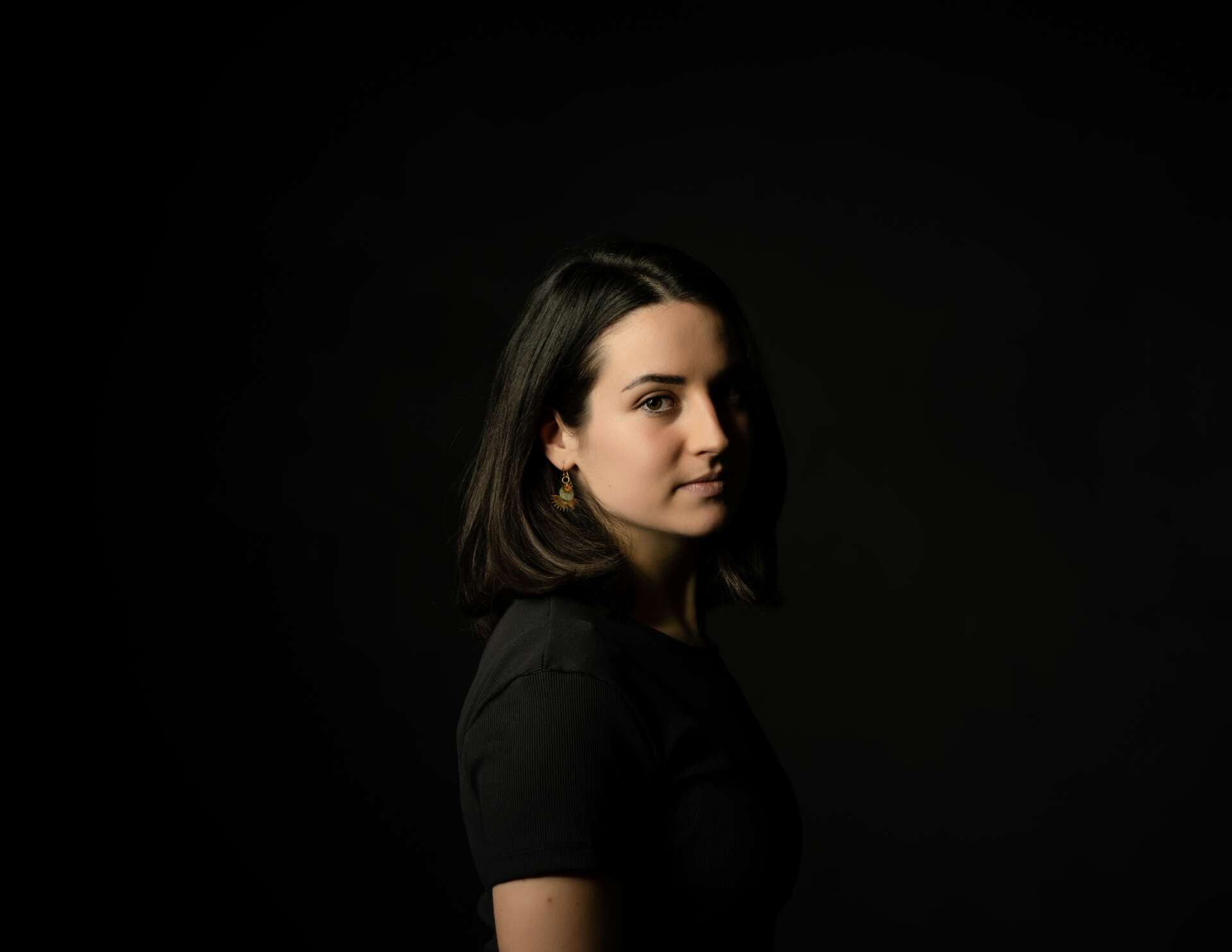

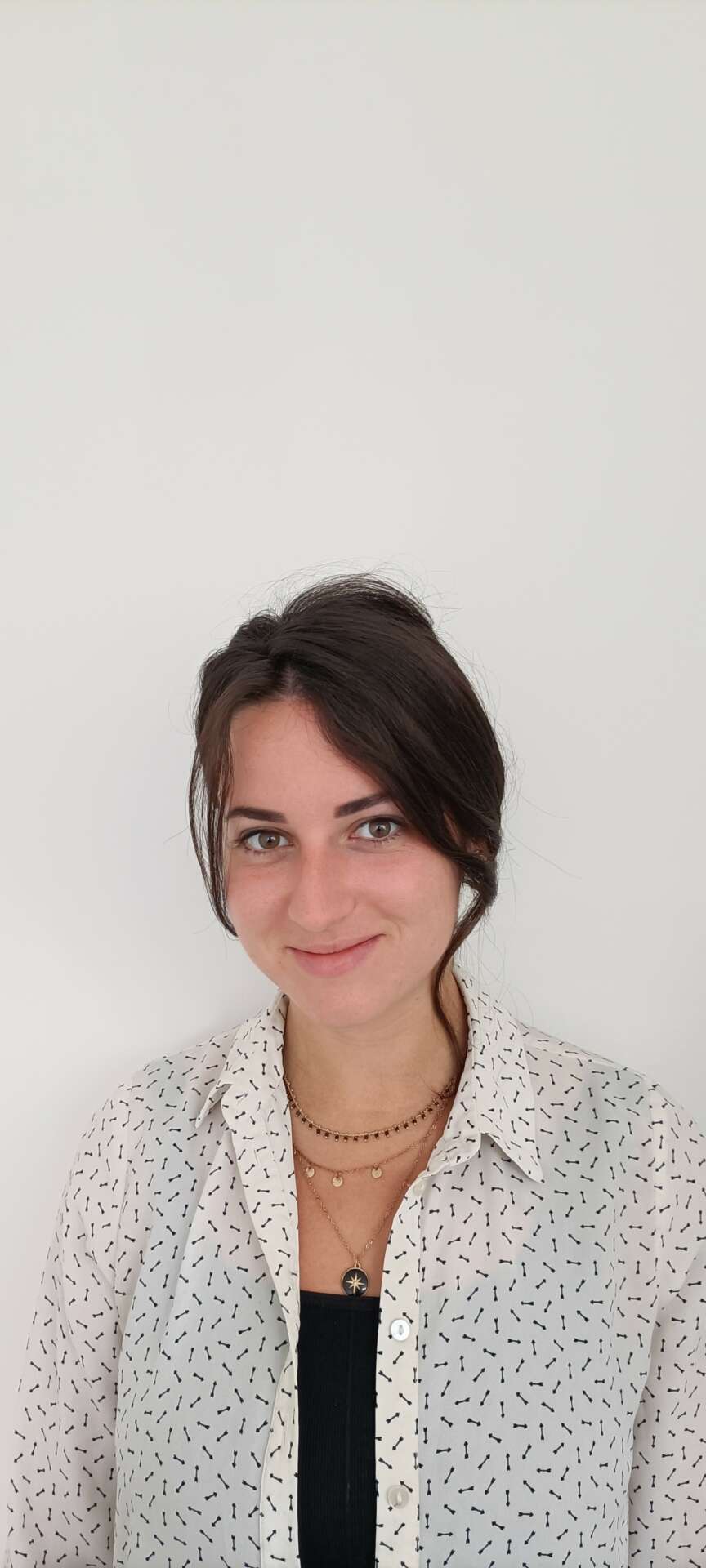
Alright – so today we’ve got the honor of introducing you to Hélène Choyer. We think you’ll enjoy our conversation, we’ve shared it below.
Hélène Choyer, looking forward to hearing all of your stories today. Do you have an agent or someone (or a team) that helps you secure opportunities and compensation for your creative work? How did you meet you, why did you decide to work with them, why do you think they decided to work with you?
When I was 15, I already knew I wanted to be a music composer and write soundtracks for films, I met my friend’s mom, she was a successful screen writer in France. She was represented by a very inspiring agent, she would often talk about her. Her name is Sévane. She also represented music composers. My friend’s mom took me one weekend from Paris to Barcelona to met one of them, Anahit Simonian, in order for me to ask for piece of advice to a professional. I loved her work and was very impressed by her career and her music. I remember playing my compositions to her on her piano so she could give me advice and insight. After studying years abroad and returning to France a year ago, I was contacted by Sévane, the agent, she heard about me and wanted to represent me. It was amazing to see that after working hard and starting my career I was finally represented by the same agent as the people I admire and got my inspiration from. I would never imagine, 10 years before when meeting Sévane, that I would one day share the same agent, it felt like an honor and a great achievement.
Being part of a talent agency is also a great way of meeting a lot of inspiring people and give the opportunity to collaborate with them, it never feels like a competitive situation.
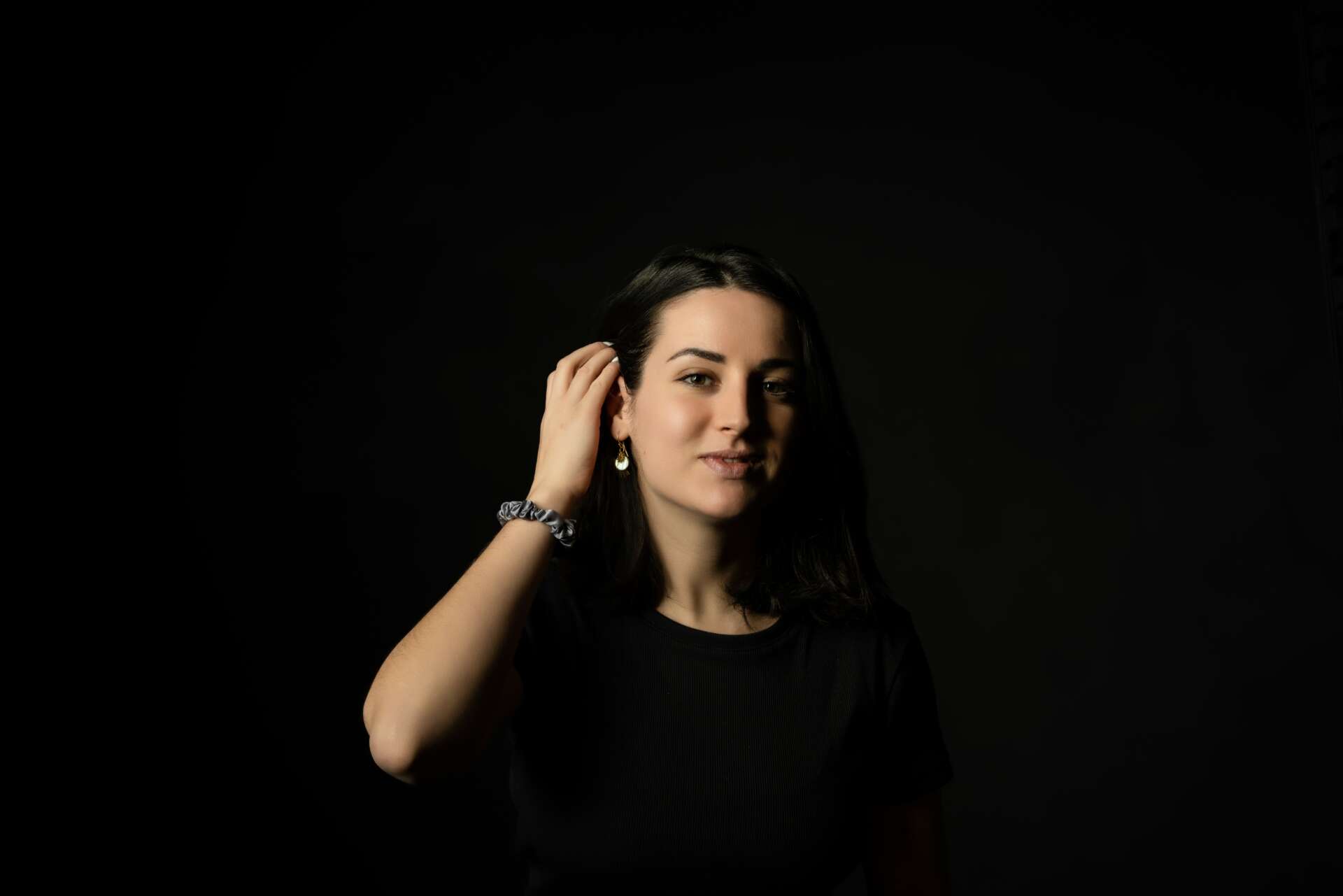
Awesome – so before we get into the rest of our questions, can you briefly introduce yourself to our readers.
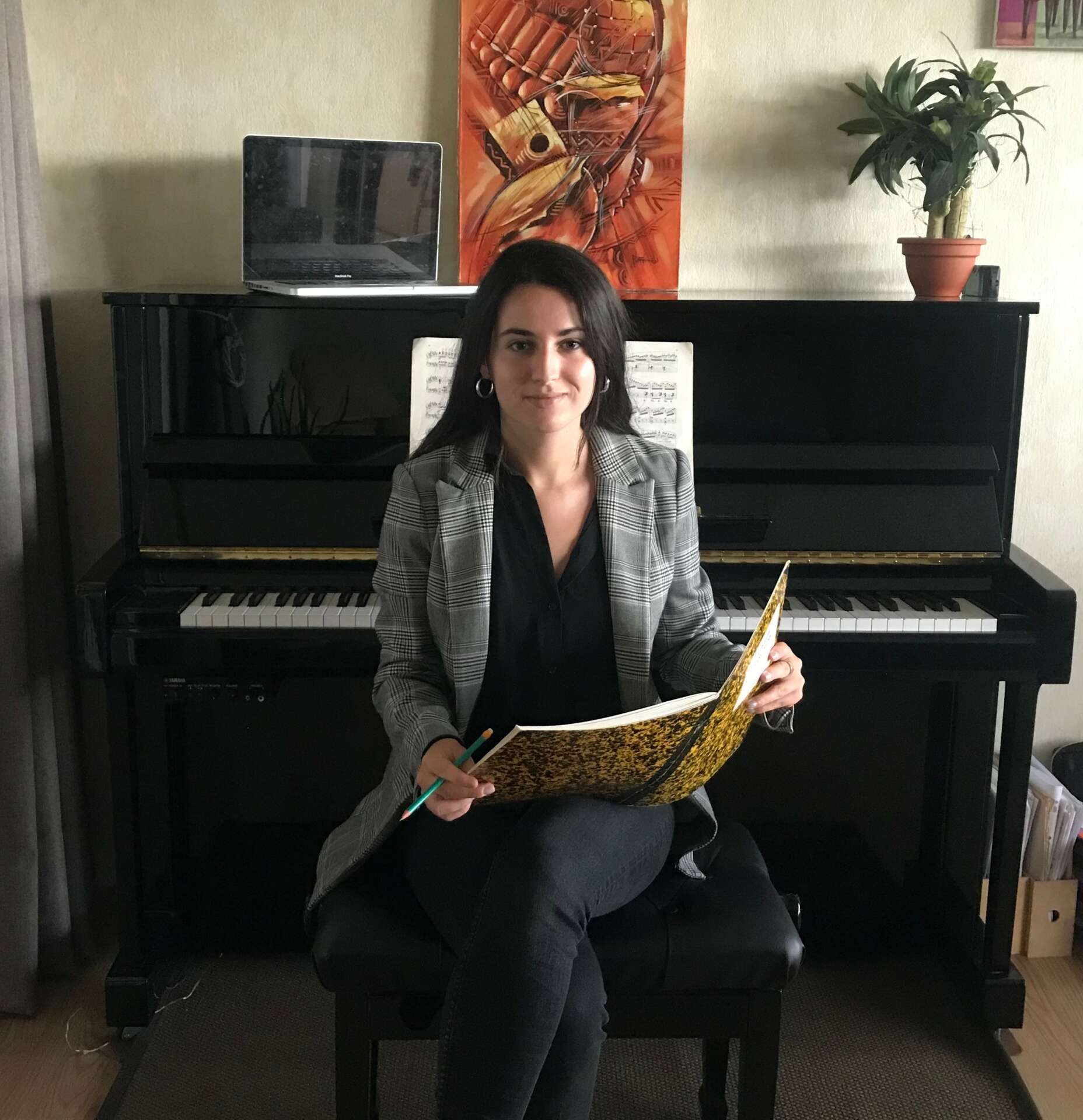
I am Hélène Choyer, a pianist and music composer. I grew up learning classical music in french conservatories, as well as traditional instruments from West Africa where my parents took me often to travel. I knew very early that the part I loved the most about music was the creation. Writing music using all the different and broad influences and inspirations I had.
I work in the industry for a few years know, I work on a very broad range of project ; films, video games, concert pieces or albums. I always start a new project as a white page, forgetting everything I knew so far, to completely write my music to the service of the project.
It’s very important for me to work on meaningful project, projects that can have an impact, or an interesting artistic insight. I think music, and art in general, are very powerful tools that we should use as political weapons.
Beside this, I do a lot of research work and preservation study for the music under-represented and dying. I often travel to meet and record musicians that are part of very remote communities.
What do you find most rewarding about being a creative?
In my opinion, artists have a real important role to play in our societies, wether is entertaining, highlight something or use art as an act of activism. Art is way more powerful tool to me than politics, it speaks to everyone it speaks directly to the heart. So if you have the chance to be seen, to be heard, you should use it wisely. It’s very rewarding to feel like what we create can have an impact, change things or raise awareness. I remember a composer telling the story about him writing the music for a documentary that were fighting against the mass killing of sharks. The music made the documentary incredibly powerful and deep – the documentary made a real impact and ended up making the government change the law to protect the sharks.
I like the fat that once you created a piece, and you release it to the world, it’s not yours anymore, It will have its own journey, people will use it, listen to it, understand it the way they want.
We often hear about learning lessons – but just as important is unlearning lessons. Have you ever had to unlearn a lesson?
Growing in very severe education in french conservatories of music, I really felt the pressure that we need to be the “best”. It was a very competitive environment that is not appropriate, according to me, for the learning process of an art, even tho you have to be exigent and hard-working. The risk of the “competition” is that you spend too much time trying to be the best and not the best version of yourself. Everyone is a different artist and it is very subjective to tell who is “the best” especially in term of creation. I had to unlearn the obsession of performance and focus on developing who I was as an artist without comparing to the others.
Contact Info:
- Instagram: @helenechoyer