

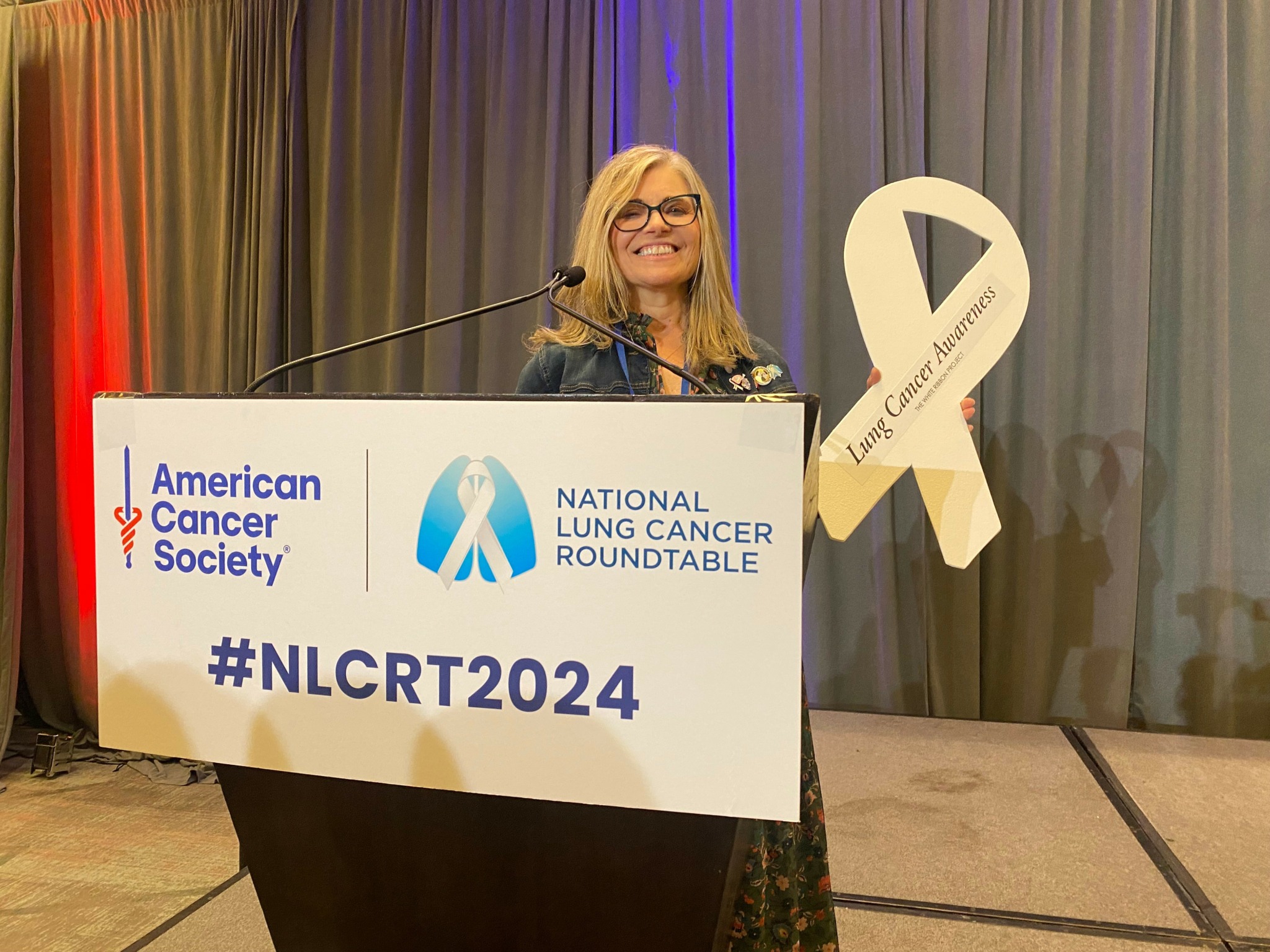

We’re excited to introduce you to the always interesting and insightful Heidi. We hope you’ll enjoy our conversation with Heidi below.
Heidi , thanks for joining us, excited to have you contributing your stories and insights. Was there a defining moment in your professional career? A moment that changed the trajectory of your career?
In October of 2018, it happened in an instant—one phone call that split my life in two. I was perfectly healthy, with no respiratory symptoms, when a pulmonologist told me I had terminal, Stage IIIA inoperable lung cancer. The voice on the other end was somber, the message hopeless. In that moment, my life plans and my sense of self dissolved. Suddenly, I felt stripped of control, my days dictated and defined by a calendar of doctor’s appointments. How could this happen to a lifelong health enthusiast, health educator, fitness trainer, someone without any known risk factors? My head was spinning.
I kept working as a health educator and fitness trainer to maintain a sense of normalcy and stability, all while focusing on surviving. After more than a year of treatments, and doing surprisingly well, I began leaning toward advocacy. Two years after my diagnosis, I stepped fully into that role, determined to fight stigma, raise awareness, and offer hope and community so no one ever feels alone with a lung cancer diagnosis.
When time feels short, your priorities sharpen, your voice grows louder, and your purpose becomes clear and unstoppable.
Great, appreciate you sharing that with us. Before we ask you to share more of your insights, can you take a moment to introduce yourself and how you got to where you are today to our readers.
About Me and How I Got Started
I’m a lifelong health enthusiast, health educator, and professional fitness trainer, and my husband, Pierre, is a recently retired internal medicine physician. Neither of us ever had lung cancer on our radar. We were both trained in prevention, and like most of the general public, we had absorbed decades of institutional messaging that lung cancer was caused only by tobacco use. The message was simple: Don’t smoke, and this won’t happen to you. We believed it just like everyone else. Now we know that is not true at all.
When I was diagnosed with terminal, late-stage lung cancer with no known risk factors and no respiratory symptoms, my world was turned upside down. As I met more people living with lung cancer, it became clear that cases without a history of tobacco use are escalating worldwide. It made me question: Why was it ever reasonable to believe that any organ in the body could develop cancer without a known cause, but the lungs could only develop cancer from tobacco use? It simply doesn’t make sense.
We now know that radon exposure is the leading cause of lung cancer in people who have never smoked. Air pollution, family history, and other environmental and genetic factors are also significant risks. The public needs to know the truth: lung cancer is the number one cancer killer of both men and women, claiming more lives than breast and colon cancers combined for decades. It has killed 1.5 times more women than breast cancer every year since 1987. It is a terrible disease that no one deserves. People with a history of tobacco use need empathy and compassion. Tobacco addiction is real and difficult to overcome. It is time to stop blaming the victim which pushes people into hiding.
Why Hope Matters
I am living proof that research matters. Nearly seven years after my diagnosis, I’m still here thanks to a newly FDA-approved immunotherapy I received after aggressive chemoradiation with “curative intent.” This is why giving people hope is so important. Even in a late-stage diagnosis, there are real reasons to believe in better outcomes today. My message boils down to three critical points:
Anyone with lungs can get lung cancer.
There is great hope today, even in late-stage disease—thanks to research and new treatments.
Get screened if you’re eligible. If you’re not eligible but have other known risk factors, advocate for yourself with your healthcare team.
The White Ribbon Project
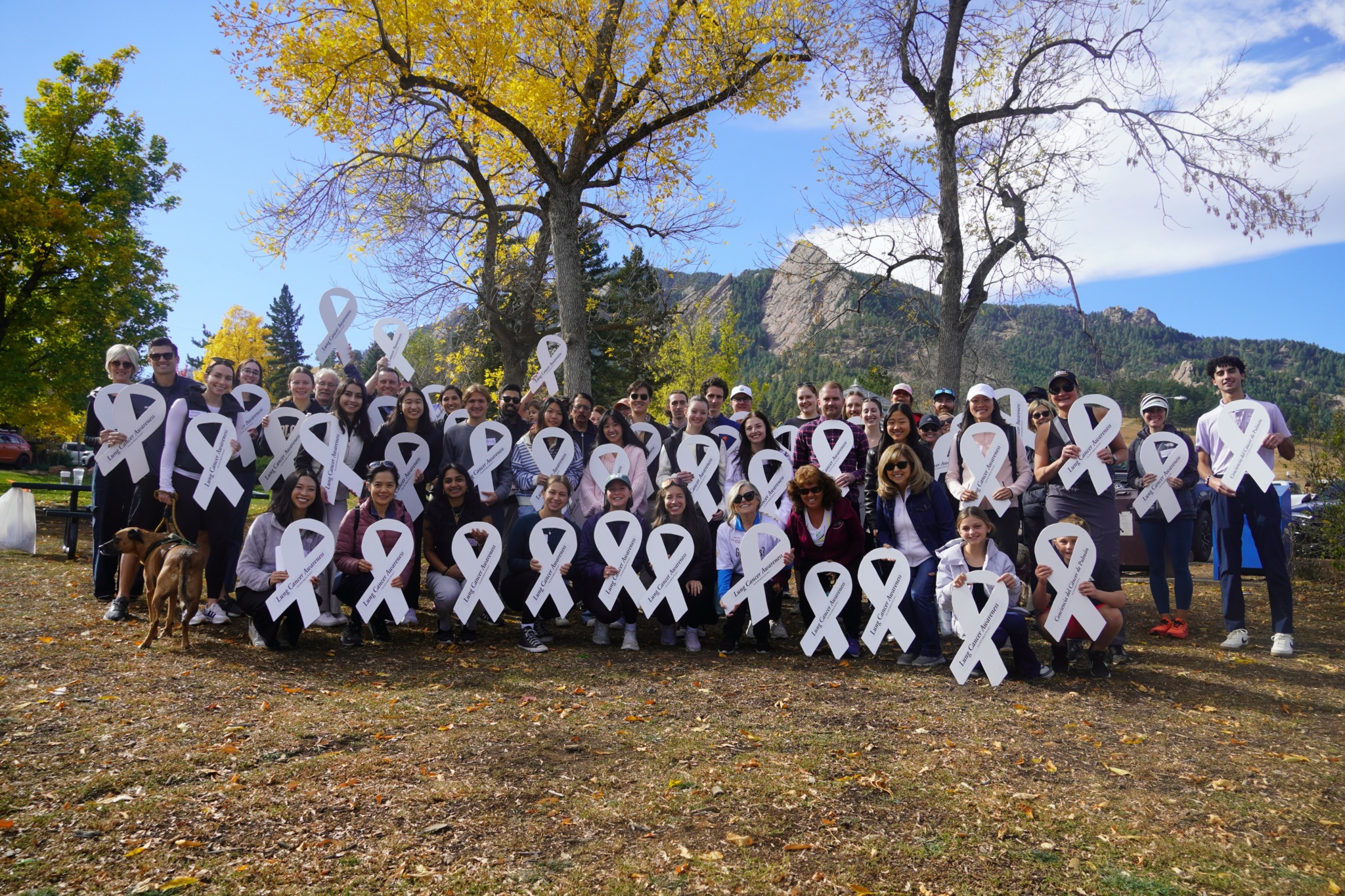
In 2020, my frustration with the lack of recognition for Lung Cancer Awareness Month which is in November, led me to ask Pierre to make a large (24″ tall) wooden white ribbon for our front door. I thought, no one can stop me from putting a white ribbon on my own house. This was my literal scream from my front door that I had lung cancer, I wasn’t ashamed of it, and we need to talk about it! We labeled it “Lung Cancer Awareness” and shared a photo in a private social media survivor group page. The response was overwhelming, and soon we were making and shipping wooden white ribbons all over the country and beyond—each one signed and accompanied by a personal note.
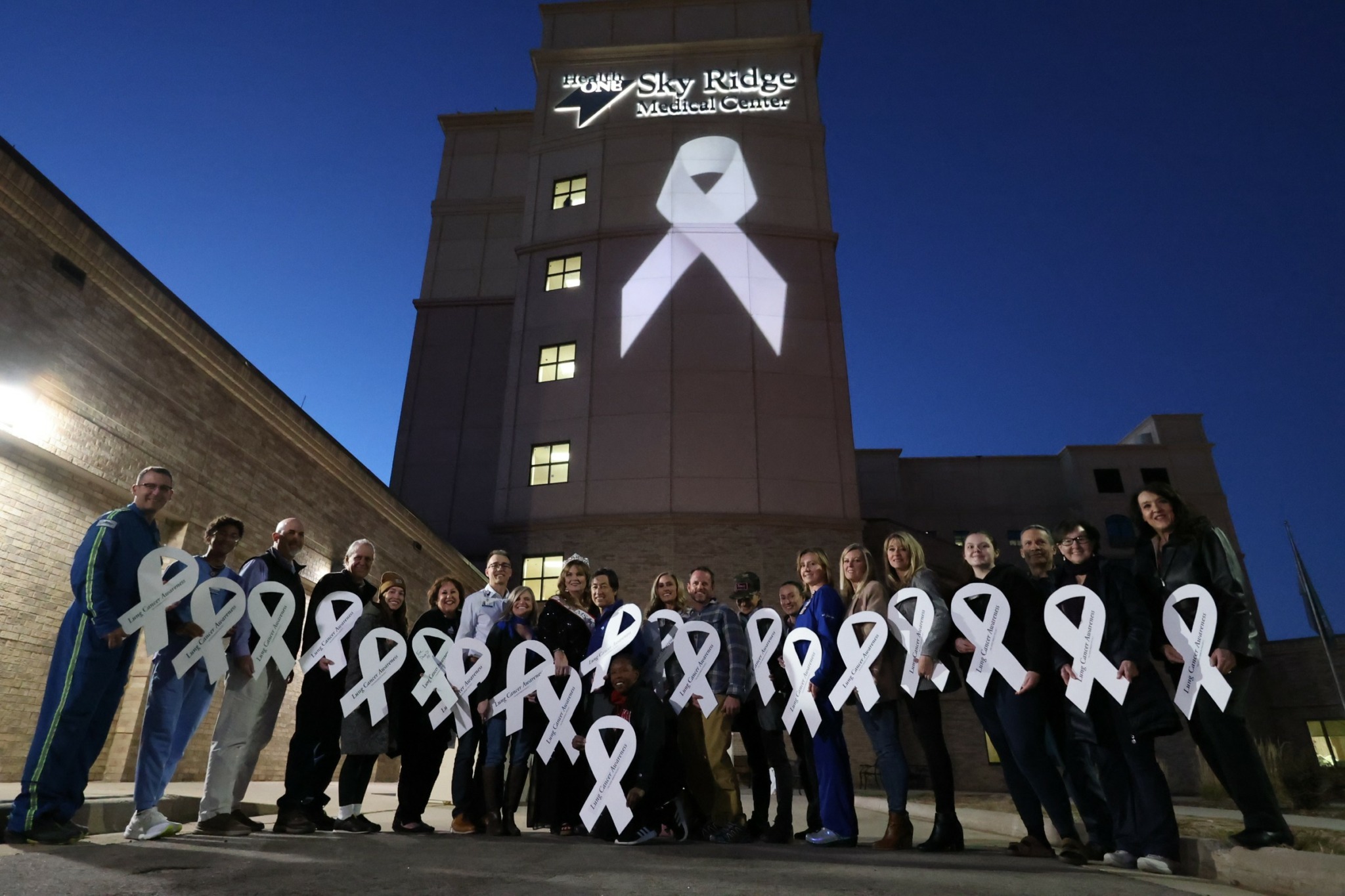
The White Ribbon Project has grown into an international movement, in 36 countries to build community, reframe education, increase awareness, and dismantle the stigma around lung cancer. Our mission is simple: to increase lung cancer awareness by changing the public perception of the disease. Anyone with lungs can get lung cancer, and no one deserves it. What sets us apart is that we do not focus on fundraising. Instead, we work to raise public awareness, provide education, and connect people with organizations that deliver patient services and fund critical research.
What Fuels My Work
As a very shy and private person, I never imagined becoming a public advocate. My outrage about the misinformation, the stigma, my frustration with the lack of awareness, and my deep compassion for everyone affected, regardless of smoking history ignited a passion I could not ignore. Somehow, some way, we all ended up in the same place—with a devastating lung cancer diagnosis. We really don’t know how we got there, and why should it matter? No one deserves lung cancer. No one should face it alone. We are worth fighting for.
Let’s talk about resilience next – do you have a story you can share with us?
At the age of 55, I received a phone call that shattered my world: I had terminal, late-stage lung cancer. No symptoms. No known risk factors. No family history that could have warned me. In a single moment, my life was split in two—before and after—and the future I thought I knew dissolved into a blur of treatments, appointments, and uncertainty.
I clung to my work as a health educator and fitness trainer, using the routine to anchor myself while I fought to survive. After more than a year of aggressive chemoradiation and a newly FDA-approved immunotherapy, I began to do well—and my focus shifted. I poured my energy into what became The White Ribbon Project, a grassroots movement to raise awareness, fight stigma, and build community for everyone affected by lung cancer.
Resilience for me wasn’t about “bouncing back” to who I was before—it was about transforming unimaginable adversity into a mission that now reaches across the world. I learned you don’t have to feel ready to take on a huge challenge—you just have to take the first step, even if it’s shaky. Sometimes, the very thing that threatens to break you becomes the reason you find your voice.
Living with the knowledge that lung cancer is the number one cancer killer—and yet has the least awareness and education—filled me with enough outrage to act. Today, we are no longer invisible. We are being seen. We are being heard.

How’d you build such a strong reputation within your market?
I think my reputation grew among the lung cancer community (patients, caregivers, healthcare providers, pharmaceutical and biotech companies) because I have always led with authenticity and persistence. I share my late-stage lung cancer story openly, even though I’m naturally private, and I back it up with consistent, hands-on work, personally making and shipping White Ribbons, attending and speaking at events, presenting at conferences and keeping the mission people-focused. Lived experience, a clear message, and a refusal to give up have helped me earn trust and recognition in this space. More people than ever before are standing up to humanize lung cancer by telling their stories too.
Contact Info:
- Website: https://www.thewhiteribbonproject.org
- Instagram: @thewhiteribbonproject
- Facebook: @thewhiteribbonproject
- Twitter: @TheWRP4LC

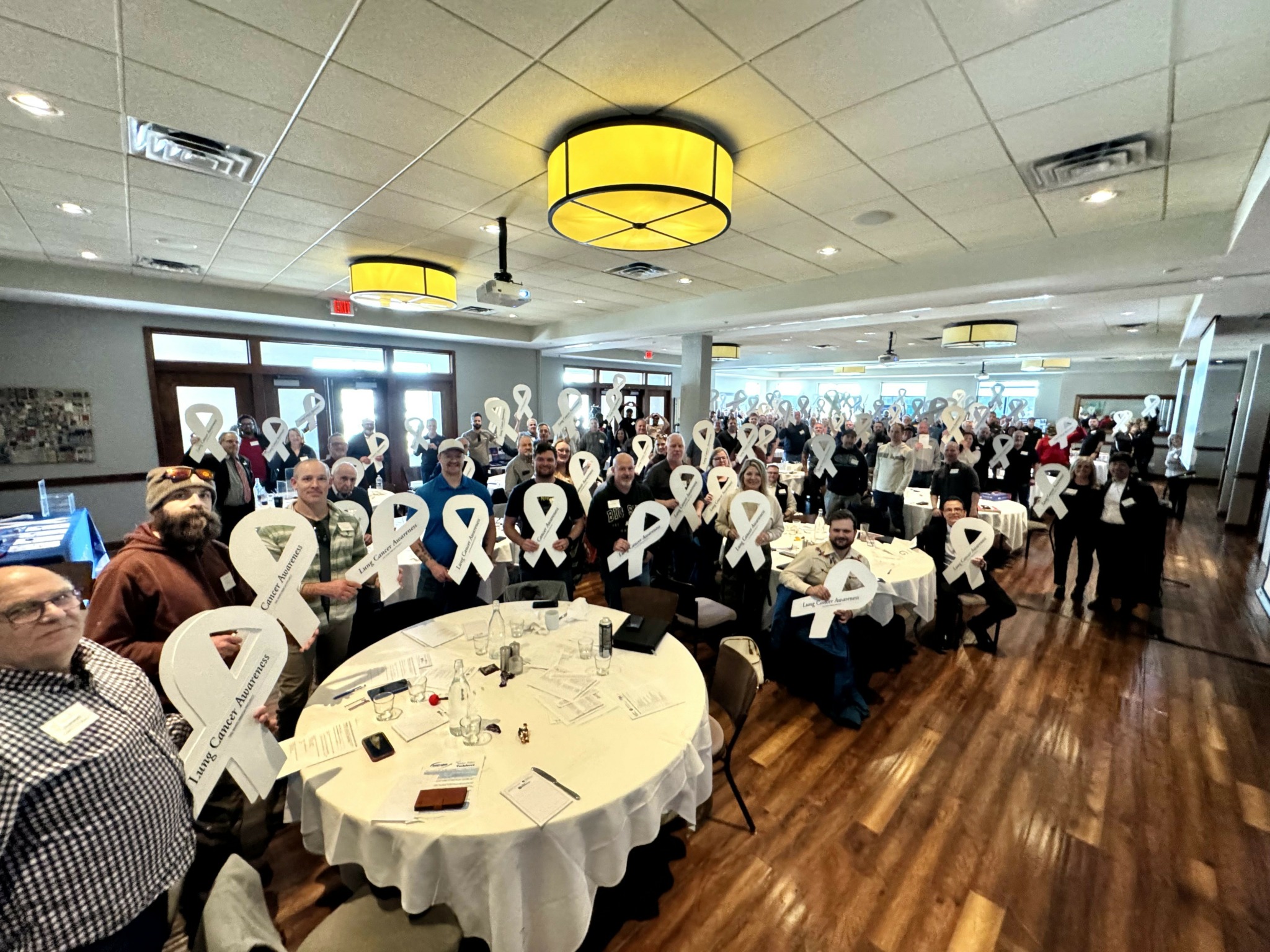
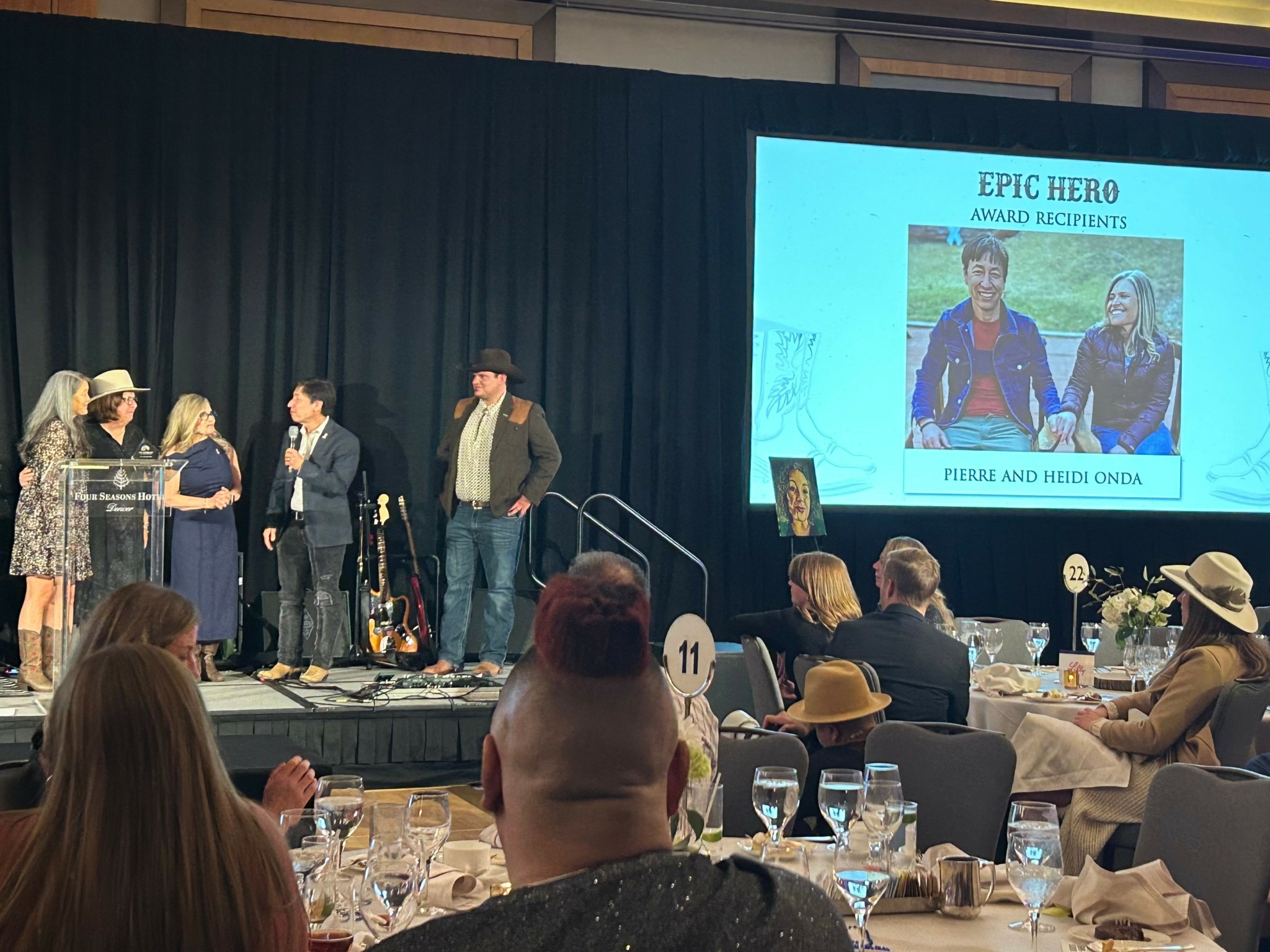
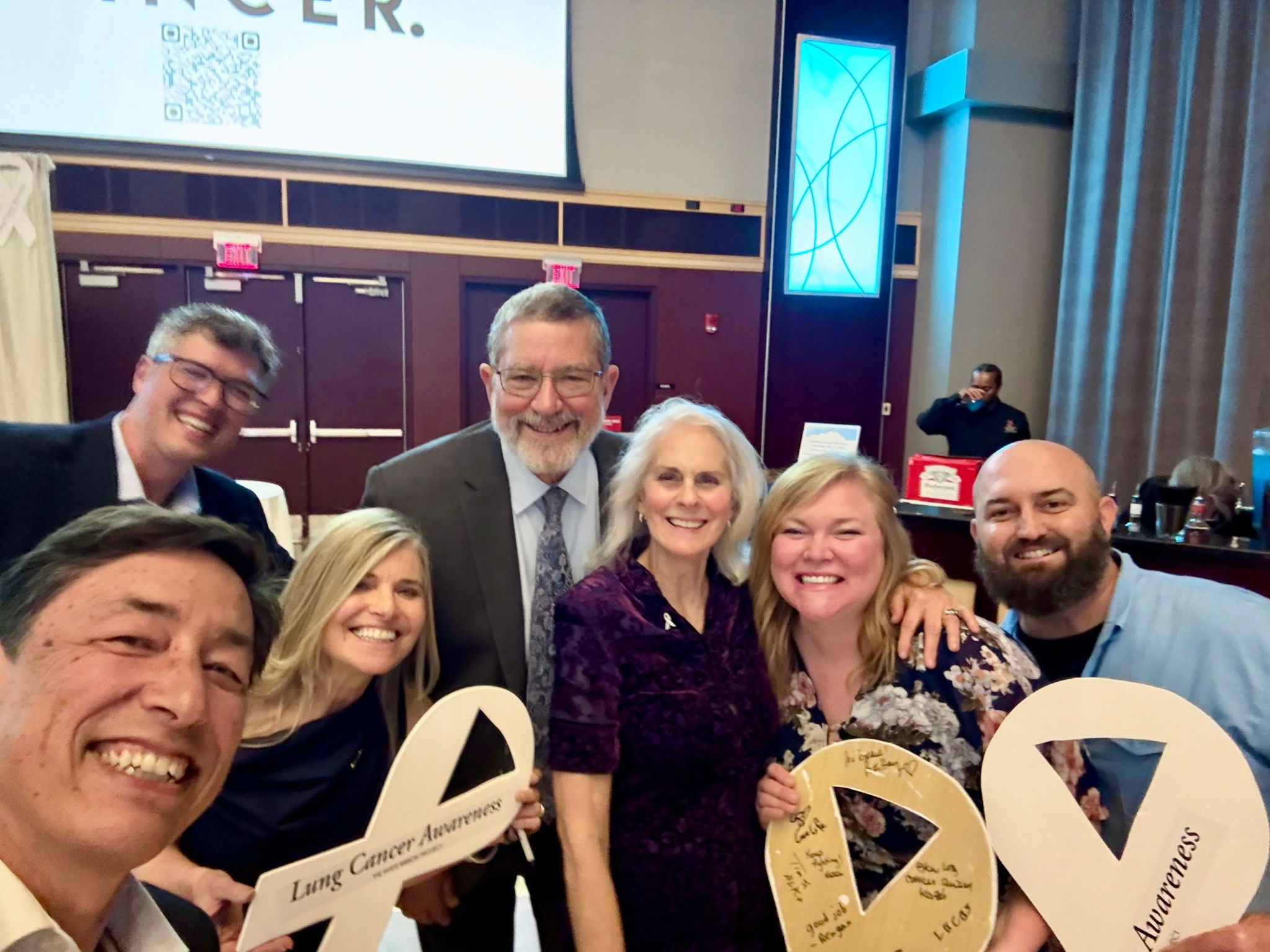
Image Credits
Heidi Nafman-Onda