

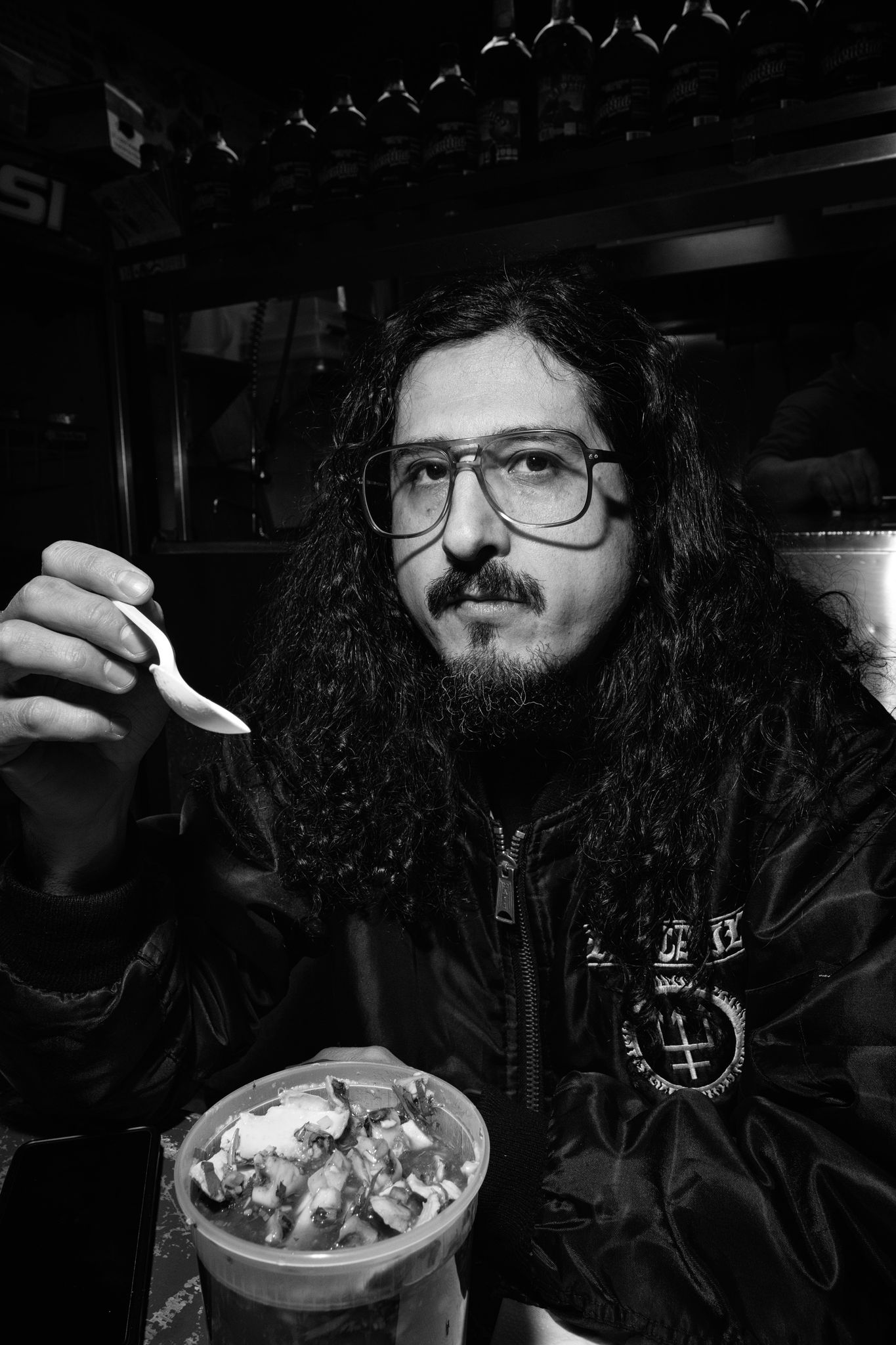

We recently connected with Hector and have shared our conversation below.
Hi Hector , thanks for joining us today. So, let’s imagine that you were advising someone who wanted to start something similar to you and they asked you what you would do differently in the startup-process knowing what you know now. How would you respond?
I started filming in my late 20s and became a photographer in my late 30s. Sometimes, when I see young people doing amazing things in art, I wish I had started earlier. But back then, the context of my life simply didn’t allow it.
If you discover a passion early on—whether it’s photography, filmmaking, music, or anything creative—I encourage you to keep going. That spark might become your lifelong path.
One thing I wish I had done in my early years is to keep creating, to surround myself with people who shared my passions. I spent a lot of time at parties, and looking back, I wish I had found more balance between leisure and creative work. Still, every step brought me to where I am now, and I’m grateful to be creating at all.
Great, appreciate you sharing that with us. Before we ask you to share more of your insights, can you take a moment to introduce yourself and how you got to where you are today to our readers.
I’m a Mexican photographer and visual artist based in New York City. My creative journey began in my late 20s when I studied filmmaking in Buenos Aires, Argentina. It was during that transformative time that I first discovered photography. What started as curiosity quickly evolved into one of my deepest passions—an essential way for me to observe, connect, and express.
After finishing my studies, I moved back to Mexico and began working in the commercial film industry as a Camera Assistant and Focus Puller. I gained technical experience and insight into large-scale productions, but something always felt incomplete. While I was immersed in the craft of image-making, I lacked a deeper creative connection to the projects. I wasn’t telling the stories I felt compelled to tell. That realization pushed me to take a leap—to move to New York and study photography more seriously at the International Center of Photography (ICP).
Joining the Creative Practices program at ICP was one of the most important decisions I’ve made. It completely reshaped my approach to photography and gave me the tools, confidence, and community to explore my ideas more fully. ICP didn’t just refine my technique—it opened up new ways of thinking, seeing, and creating.
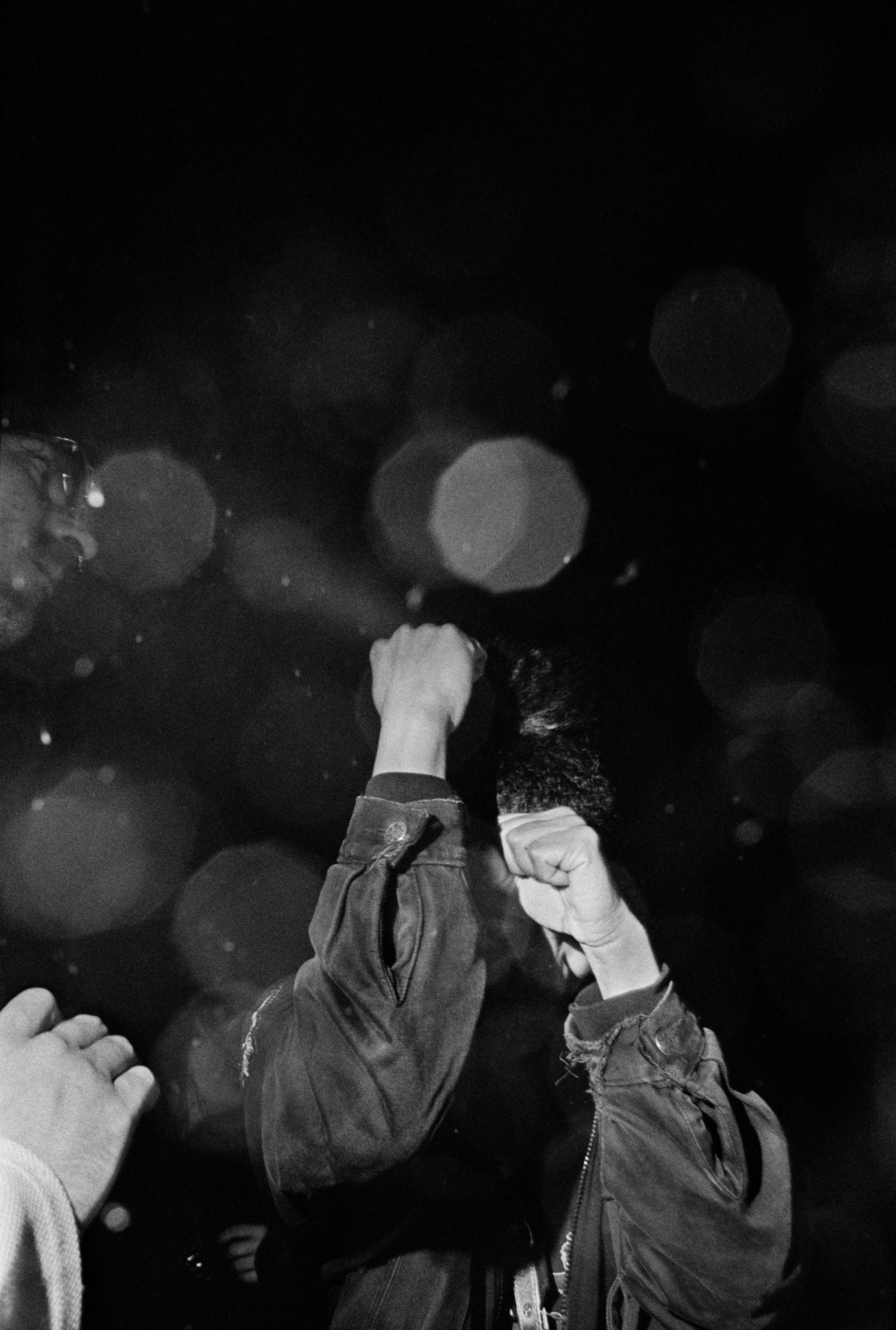
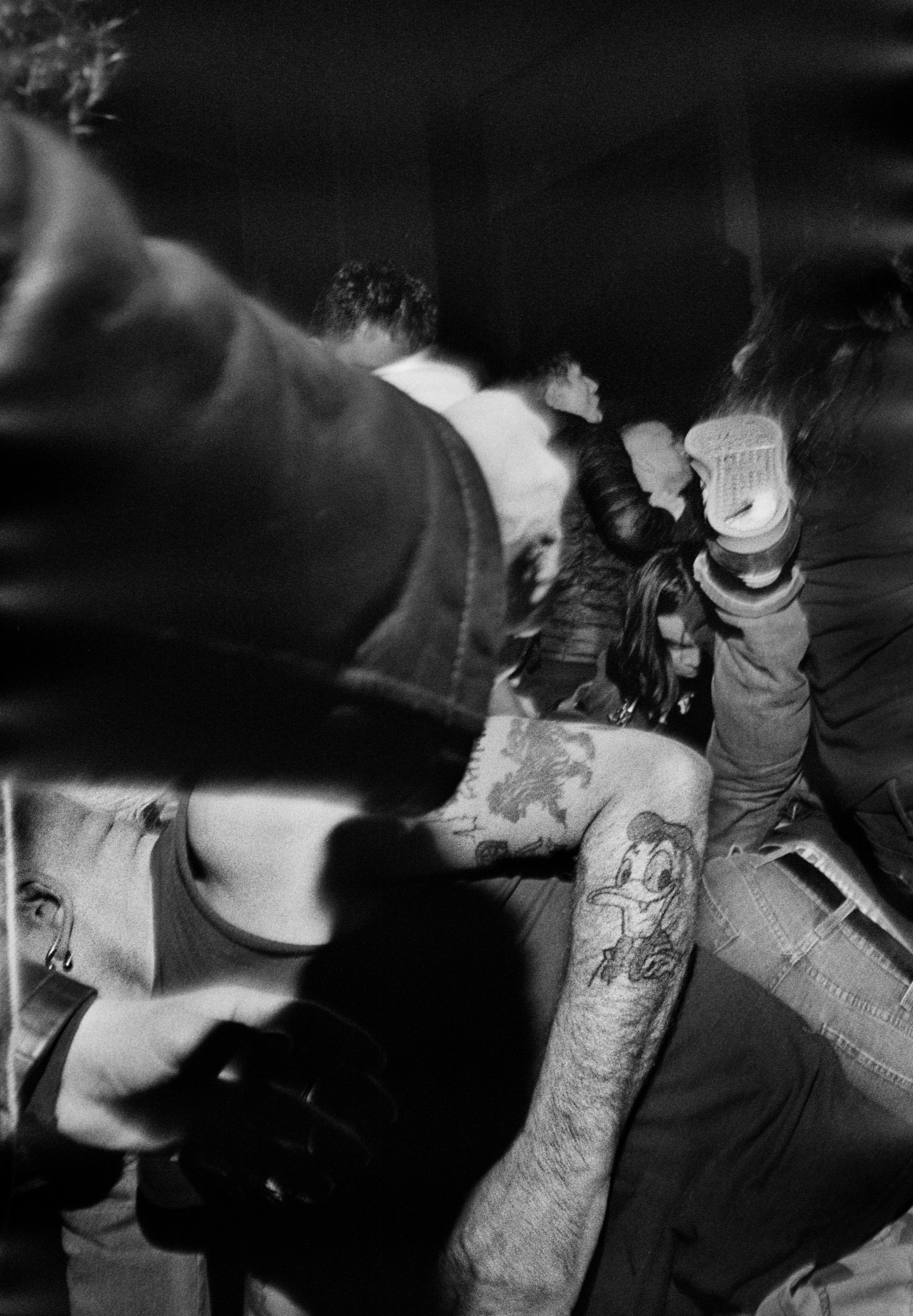
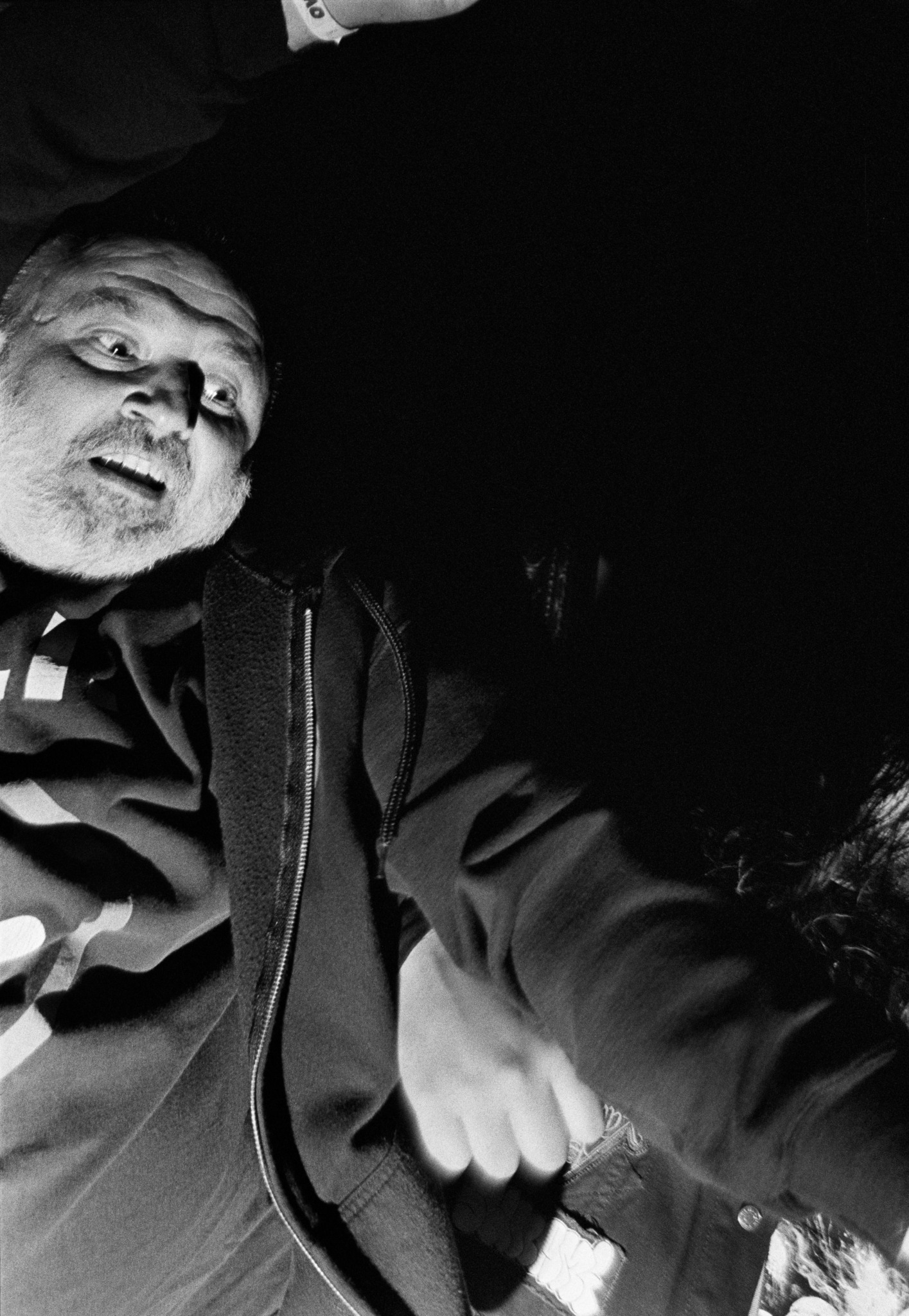
It was during my time at ICP that I began Beyond the Void, a long-term personal project that continues to evolve. This work explores the raw, physical energy of mosh pits at extreme heavy metal shows. I enter the pit myself, using my camera to capture fleeting moments of freedom—bodies in motion, people letting go, surrendering to sound and chaos.
With Beyond the Void, I’m not just documenting a subculture. I’m exploring themes of release, identity, and vulnerability in unlikely places. I try to isolate individuals within the crowd, to momentarily extract them from the chaotic orbit of bodies thrashing and dancing. There’s something poetic in those instants—something deeply human that exists right at the edge of disorder.
Photography, for me, is not just about aesthetics—it’s about presence, immersion, and emotional truth. My practice is rooted in movement, intensity, and the challenge of finding stillness within noise.
For you, what’s the most rewarding aspect of being a creative?
For me, the most fulfilling part of being a visual artist is the freedom to engage deeply with subjects that truly matter to me. I’m not just working on assignments or commissions—I’m creating work that reflects my personal interests, experiences, and questions about the world. That freedom allows me to dive into themes that resonate on a profound level, such as extreme metal, migration, and political issues that shape and challenge our society.
These themes aren’t just academic or abstract—they’re connected to lived experiences, cultural identity, and social realities. Photography allows me to approach them with a sense of urgency and care. It gives me a voice to respond to the world around me and to build a body of work that contributes to larger conversations about who we are, where we’re going, and what we’re resisting.
One of the most beautiful aspects of being an artist is the process itself—how much it teaches you. You might begin a project with a clear idea in your head, but as you move through it, you learn new things, meet new people, confront unexpected challenges, and often shift directions. That evolution is part of the creative journey. It’s a living, breathing experience. By the time you arrive at the final result, it’s not just a finished piece—it’s a reflection of everything you went through to get there. That sense of growth and transformation is incredibly rewarding.
Being able to dedicate myself to long-term projects, to follow my curiosity wherever it leads, and to grow not just as an artist but as a person—that’s what makes this path so meaningful to me.
Do you think there is something that non-creatives might struggle to understand about your journey as a creative? Maybe you can shed some light?
I believe that for people who are not involved in the arts, it can sometimes be very difficult to understand why we, as artists, create and focus on themes that captivate us. Many often perceive art as irrelevant or devoid of meaning. In particular, a viewer looking at a photograph today might dismiss it as “just a picture,” unaware that in the future, this same image could become a vital document for understanding the historical circumstances of its time.
Photographs—and artworks in general—serve as more than aesthetic objects; they are historical artifacts. A single photograph, when embedded in its proper context, can reveal everything from clothing and architecture to social movements and cultural attitudes of the era.
The context in which an artist creates—both personal and societal—is key to grasping the moment in history we are living through. It anchors the work in time and place, giving it layers of meaning beyond surface beauty. It’s precisely this historical embedding that allows future generations to witness what different sectors of society experienced—and overcame—to arrive at where we stand today.
In essence, the value of art lies not just in how it looks, but in the stories it holds and the truths it preserves. Without acknowledging that context, we risk losing not only the deeper meaning behind the image, but also a critical record of our collective journey through time.
Contact Info:
- Website: https://www.hectorruizcardenas.com/
- Instagram: https://www.instagram.com/borre_ruiz__/
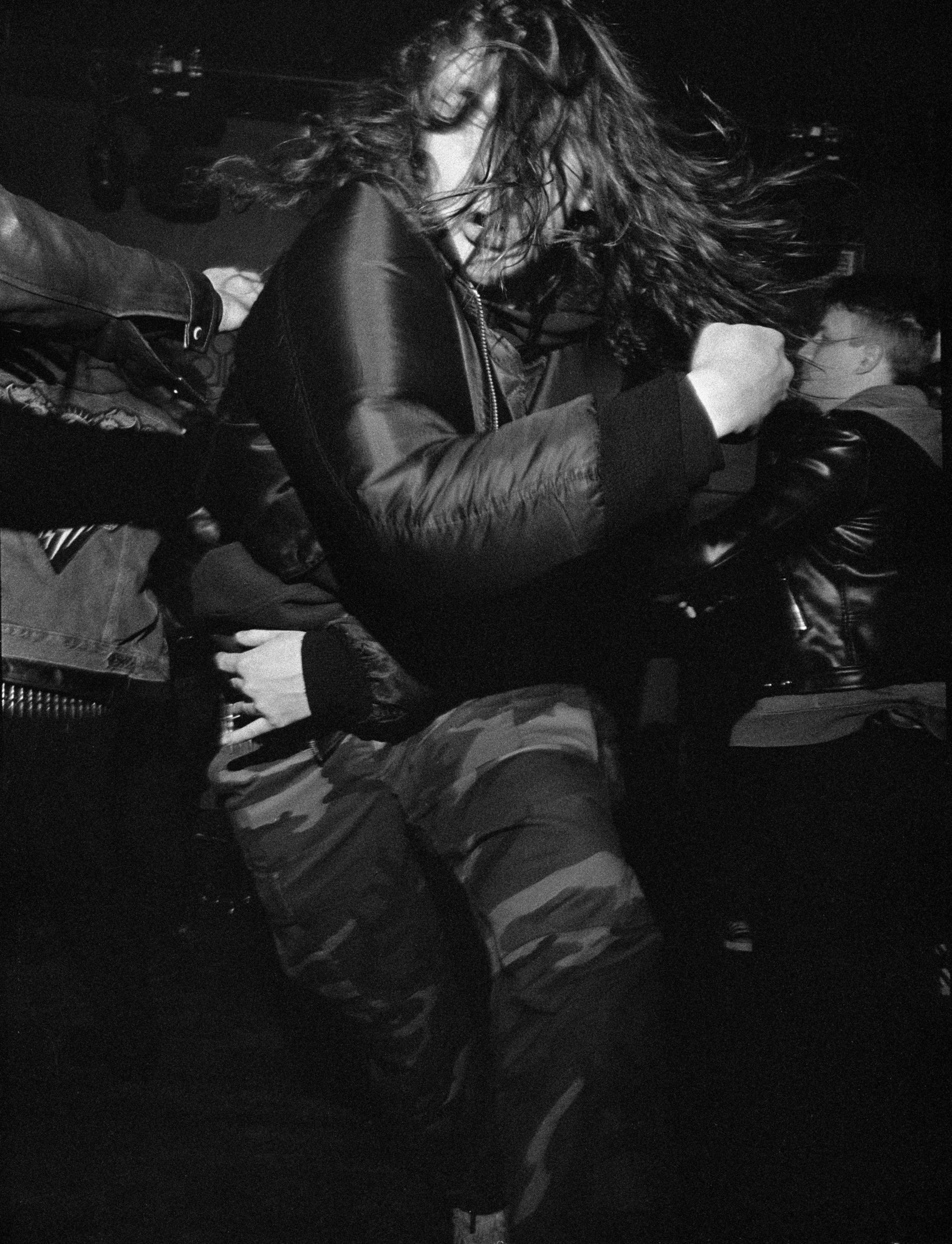
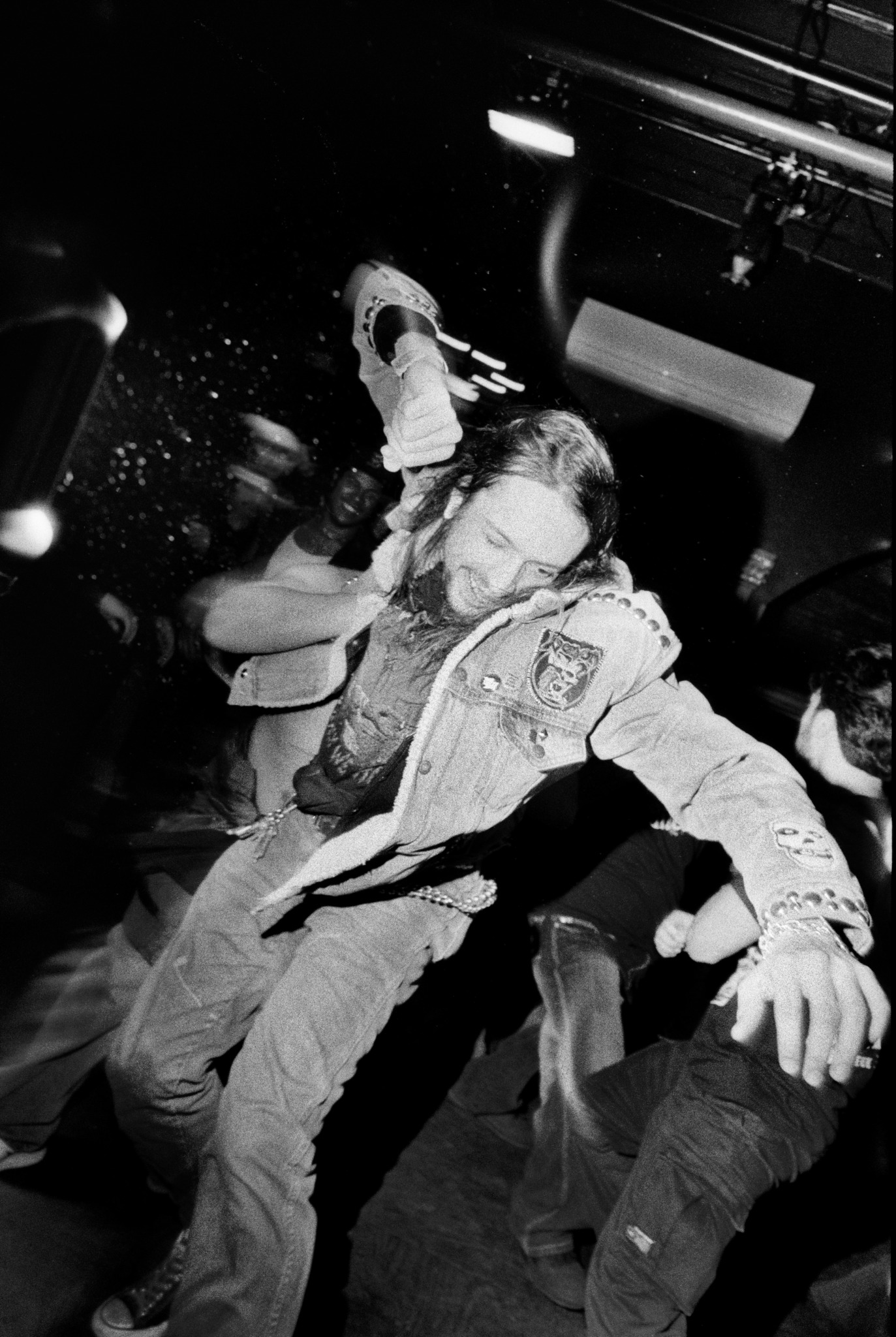
Image Credits
My portrait was taken by Kentaro Yasu