



Alright – so today we’ve got the honor of introducing you to Heather Taylor. We think you’ll enjoy our conversation, we’ve shared it below.
Heather, thanks for taking the time to share your stories with us today Was there a moment in your career that meaningfully altered your trajectory? If so, we’d love to hear the backstory.
I’m a local PNW gal. I grew up in a small town in Washington, went to Gonzaga for undergraduate school, even did a brief stint at Microsoft before figuring out corporate life wasn’t a good fit for me. I was planning to return to graduate school to be a librarian in 2009. That was the year my life got turned on its head. I lost my younger brother traumatically in November of that year. His name was Garrett and he was 22. We were incredibly close growing up and I still miss him almost fifteen years later. This was my first big experience with grief. I’d lost both of my grandfathers and experienced sadness and some complicated emotions but it wasn’t world-altering to me.
After he died, I knew two things, one, I needed a goal to be working toward and two, I knew I was going to need therapy to help me figure out how to adapt and exist in this world where my brother wasn’t in it. I reached out to some local clinicians to get started. And after having a few disappointing experiences (including one clinician who literally played Cloud & Townsend VHS videos about grief rather than talk to me), I was like, this sucks, this shouldn’t be this hard, we can do grief work better than what I’m experiencing. I decided to go back to school and become a grief therapist myself. I wanted to understand grief better so that I could feel like I could try to make sense of what I was feeling and why and how to move through it. And as a by product, help others grieve better too.
I applied to a local university because I didn’t want to be too far from my parents and got accepted into the master’s program. Well, about a month before the program started, I got a call and was offered a spot in their new PsyD program. As I’d never taken a psychology class before (my undergrad was a business degree), I decided to go for the five year PsyD program instead of the two year MA program. I wanted to be better prepared to help others and felt more training was probably a good thing.
My brother dying changed my life. I started volunteering with hospice the first year of my program because I understood traumatic loss from a personal lens, but hadn’t been part of a hospice program and wanted to learn more about a “slow goodbye”. For four years I volunteered as a bereavement and vigil volunteer while going to graduate school. I made grief my passion.
Fast forward to 2022, after jumping around from a number of different clinical positions, I launched my private practice, Grief is the New Normal Psychological Services. In February 2024, I started my Grief is the New Normal podcast. I discuss different types of loss or ways grief shows up in our day-to-day existence. In April 2024, I started The Mourning Movement with my colleague, Jen Reisinger, LMHC who I met at hospice twelve years prior. We wanted to create modern grief educational content to normalize grief, bring it forward from outdated language and help support people in all seasons of loss.
Grief is the most human experience there is and yet we live in a grief-phobic society that doesn’t know how to talk about it. My passion is to support grievers, help train other clinicians to do grief work better and normalize talking about this universal lived experience.
Heather, before we move on to more of these sorts of questions, can you take some time to bring our readers up to speed on you and what you do?
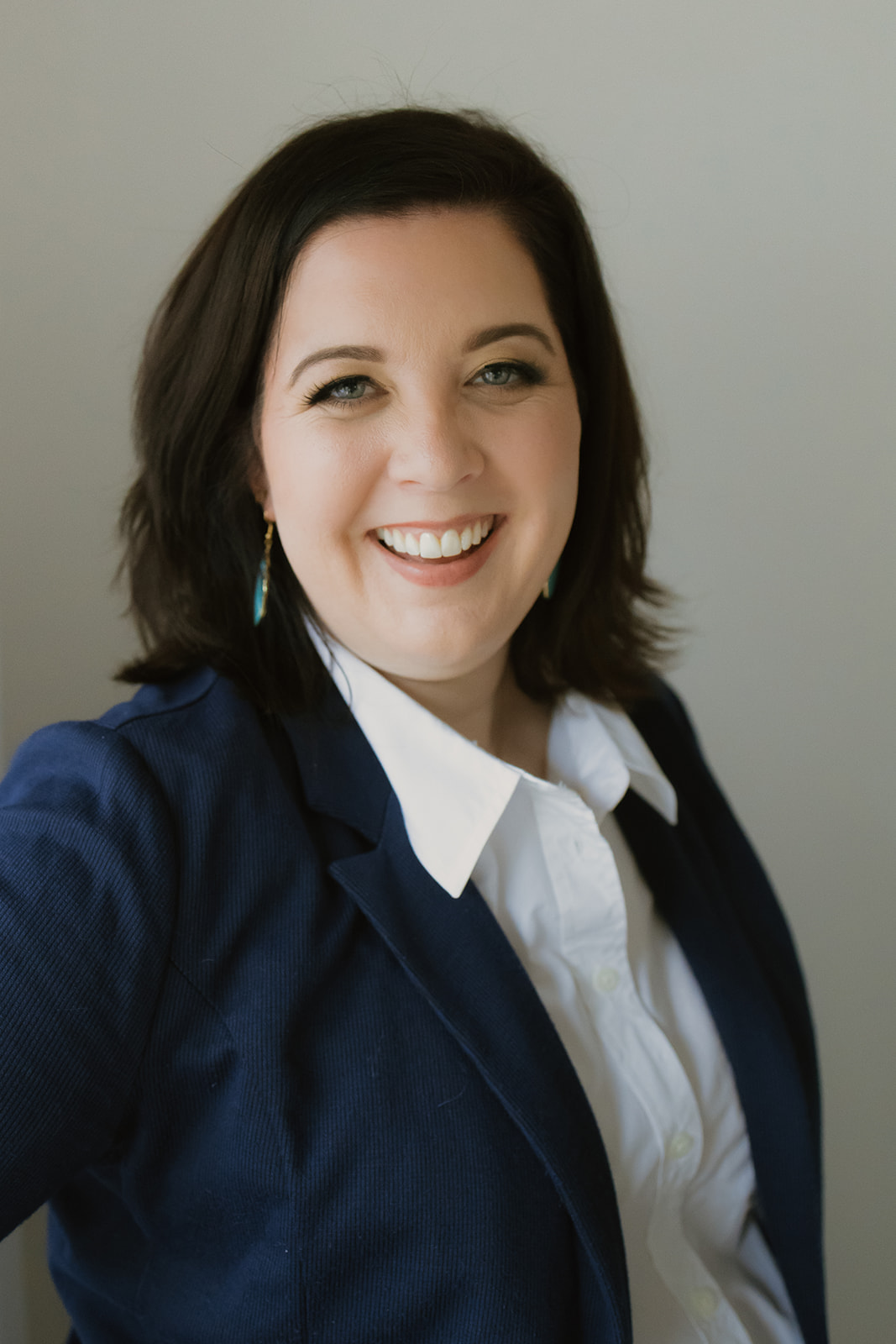
I am someone who has experienced grief, just like many of my clients. My path to becoming a grief psychologist was shaped by my own profound losses, namely the traumatic loss of my younger brother, Garrett. This experience brought to light the significant gap in compassionate, personalized grief therapy that truly resonated with me, leading me to pursue a career where I could offer the support I once sought.
As a licensed psychologist, my practice (Grief is the New Normal Psychological Services) is centered on providing a normalizing and inclusive space for individuals to process both death and non-death losses, helping them navigate the complexities of grief with empathy and understanding. My approach is integrative, utilizing tools from art, writing, and mindfulness practices, tailored to resonate with my clients’ unique selves and the distinct relationship they had with their loved ones.
I genuinely care about my clients and am driven to help others create meaning and understand their circumstances as they adjust to a new normal. While grief is a primary focus, my practice also extends to supporting individuals through fertility challenges, adjustments to parenthood, and life transitions, fostering resilience and personal growth.
– Grief and Loss Therapy: I provide a compassionate environment to navigate the complexities of grief. The hard thing is that grief never really goes away, it just gets different and providing space to process, to navigate “grief bursts” to learn coping strategies to help oscillate between grief work and restorative work is imperative. We need to feel comfortable talking about mortality and the ripples grief impacts us with post-loss.
-Trauma Therapy: I do trauma therapy as I find that a helpful lens for most of the grief work I do. I utilize techniques like EMDR and The Flash Technique, to help my clients move through activating parts of their life story where they feel stuck. I’m currently working on rolling out EMDR and Grief intensives for individuals who hope to do more work in an abbreviated time.
Fertility challenges, pregnancy and postpartum therapy: This topic is so important. I believe having tools and a safe space to normalize the challenges that can come with family expansion and reproductive health is imperative.
I was also recently certified with PsyPact so I’m able to provide telehealth services nationally (or at least to individuals in the states that are part of PsyPact). I offer supervision to pre-licensed clinicians in Washington State as well as grief consults for other clinicians.
– Grief is the New Normal Podcast
In February 2024, I started my podcast, “Grief is the New Normal.” I explore various ways grief impacts our daily existence, aiming to normalize and open dialogues about the often-silenced topics of loss and mourning. Each episode dives into different aspects of grief, offering insights and strategies to help listeners navigate their paths. I do a mix of solo episodes and interviews with other mental health clinicians who have unique perspectives on grief or subject expertise on a topic and then we apply the lens of grief to it. I want to show how diverse grief is and the different ways it can show up. It’s definitely a passion project.
-The Mourning Movement
Together with my co-founder, Jen Reisinger, LMHC, in April 2024, we established The Mourning Movement, a platform committed to modern grief education. We offer a range of resources from webinars and training to grief workshops and retreats, all designed to support individuals in different seasons of their grief journey. Our aim is to build community and enhance understanding around the complexities of grief, providing a space for education and collective healing.
www.griefisthenewnormal.com, @grief_is_the_new_normal
www.themourningmovement.com, @themourningmovement
I think the thing I’d most like clients or followers to know is that grief occurs in emotion “states” not “stages”. We need to move away from that outdated language as it doesn’t accurately represent how grief shows up. Grief, like many things, occurs on a spectrum. It’s going to look different for each person whether they are more external with how they are grieving or it’s a bigger internal experience. Both are valid and we need to stop comparing how we are grieving to others around us. Our grief is personal to us and will reflect that. Third, grief doesn’t go away; it just gets different. We learn how to carry it will us and over time may feel it less acutely. However, it stays with us. And lastly grief is more than just being sad. It’s a complicated experience that impacts us physically, emotionally, socially, etc. It’s bigger than the box that our society tries to put it in. I encourage people to let their grief take up space.


How about pivoting – can you share the story of a time you’ve had to pivot?
Back in December 2019, I was feeling exhausted and burnout from clinical work. I’d been doing trauma and grief work for eight years and needed to shift to something different. I felt like the work I was doing was bleeding into home and I didn’t have the capacity to take care of myself in the ways I was supporting my clients to do. I gave notice at the group practice I was at and in January 2020, I shifted into a role as a behavioral case manager. It was working from home and learning the back end of insurance by assisting people to use their state benefits. It was a breathe of fresh air for me. I had better work/life balance and could refocus on getting new training and healing from the stress and strain of graduate school and my initial years in the field.
I was an adjunct professor at the time and shared with my students about my pseudo-sabbatical from clinical work. And I remember them being surprised that we are “allowed” to take a break or pivot if we need to do something different for a bit. Being in the mental field can be draining and demanding and it’s okay to take a break. I restarted my private practice in August 2022 and it’s felt amazing since. I have a renewed focus and feel like I have capacity to do the work I’m passionate about. I’m so grateful I took a break to realign with what I needed.

If you could go back in time, do you think you would have chosen a different profession or specialty?
Absolutely not. Do I wish the path to get here had been a little less challenging, maybe. I love the work that I do. I am grateful for the clients that I get to hold space for, the students I get to support in growing their own voices as clinicians and working toward making mental health more accessible and less stigmatized. Grief needs a voice and I’m honored to be part of that conversation. Grief deserves to take up space and it’s important to learn how to lean into the pain of loss and to invite people into those grief spaces with us.
Contact Info:
- Website: https://www.griefisthenewnormal.com
- Instagram: https://instagram.com/grief_is_the_new_normal
- Linkedin: https://www.linkedin.com/in/heather-taylor-psyd-licensed-psychologist
- Youtube: https://www.youtube.com/@Grief_Is_The_New_Normal
- Other: https://podcasts.apple.com/us/podcast/grief-is-the-new-normal/id1734509245
www.themourningmovement.com

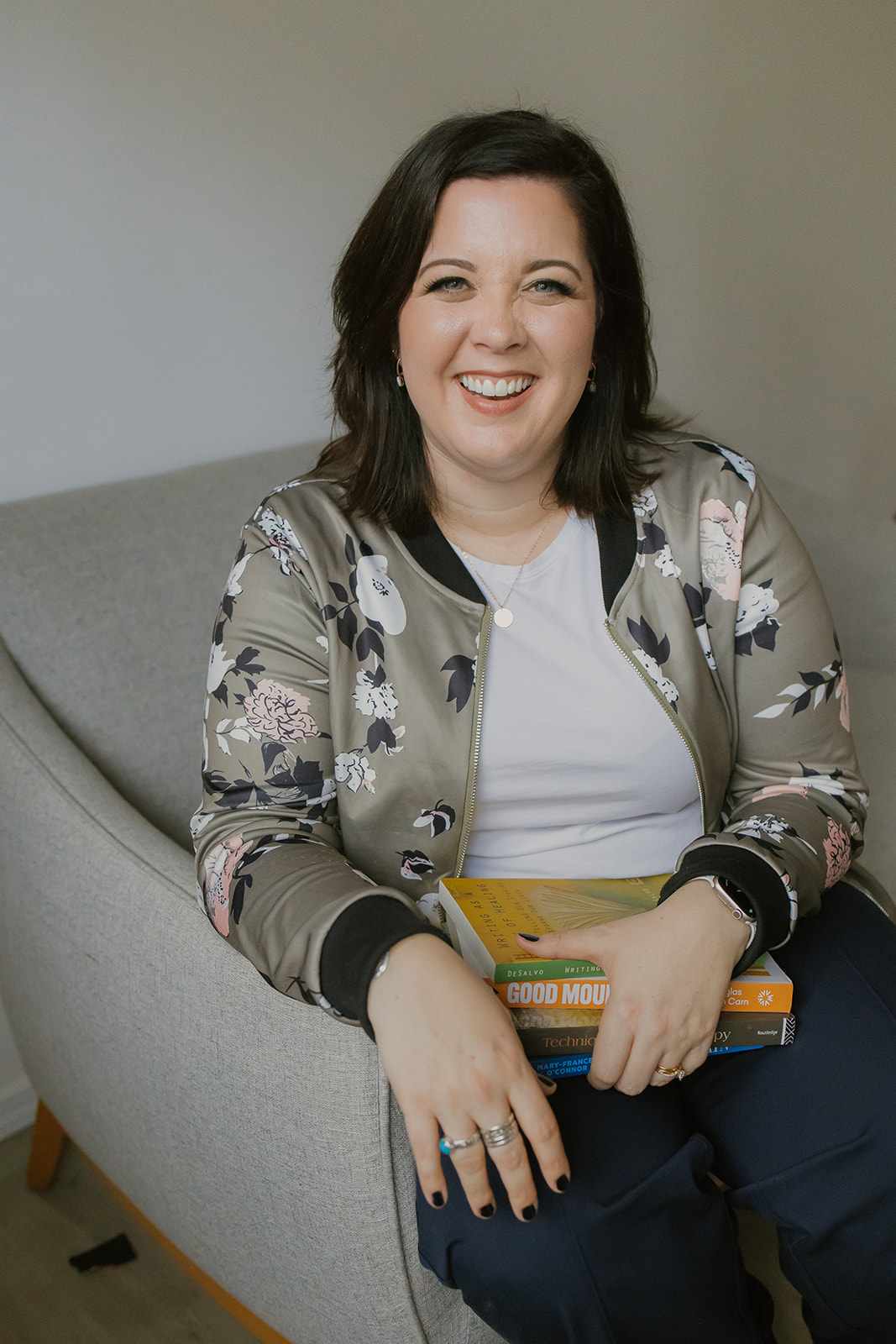
Image Credits
Heather Lewis Portraits – heatherlewisportraits.com