

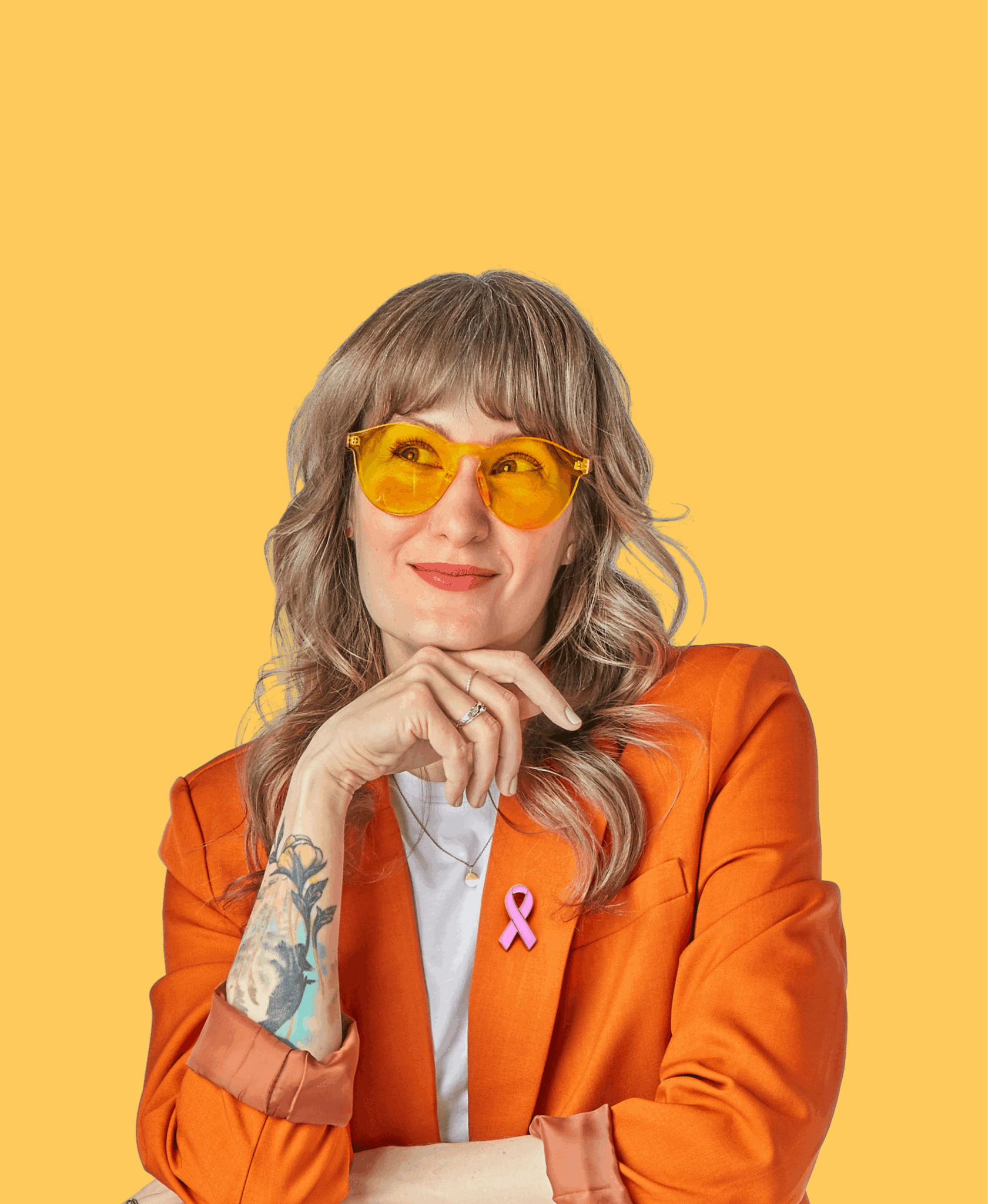

We’re excited to introduce you to the always interesting and insightful Heather Broman. We hope you’ll enjoy our conversation with Heather below.
Heather, thanks for taking the time to share your stories with us today We’d love to have you retell us the story behind how you came up with the idea for your business, I think our audience would really enjoy hearing the backstory.
For years, I’ve had the privilege of working with women-owned small businesses to bring their visions to life through branding and design. Over time, I began to notice a pattern. Many of the women who reached out to me were passionate, mission-driven, and full of great ideas, but they were just starting out and couldn’t yet afford professional design help.
Even though I’ve always tried to keep my pricing accessible, I could see that there was still a gap between where many small business owners were starting and the level of design support they needed to launch confidently. That realization really stayed with me — especially when I would later see that, without being able to hire me, many tried to create their own branding. They were doing their best, but without guidance from a professional, they were struggling, and it showed in their design choices.
After years of thinking about how I could bridge that gap, I finally began developing what would become Branding New – a guided DIY design system that I’ve been building for months. It’s a self-paced digital course, led by me, that teaches beginners and non-designers the step-by-step branding basics they need to create a professional, cohesive visual identity for their business. The course officially launches this winter.
To make branding more accessible right now, I’ve already released several free resources like my Brand Personality Exercise which helps small business owners start thinking critically and creatively about how their brand should feel before jumping into visuals. I’ve also launched a growing collection of Brand Aesthetic Kits for those who want extra support choosing fonts, color palettes, and imagery that align with their brand vibe.
Because here’s the thing: design isn’t about elitism. It’s about empowerment. Everyone deserves to look like they belong in the room — no matter their budget.
What excites me most about Branding New is that it allows me to keep supporting the same kind of women I’ve always loved working with — women who have purpose, drive, and something meaningful to share. I can now support them right where they are in their journey.
As always, we appreciate you sharing your insights and we’ve got a few more questions for you, but before we get to all of that can you take a minute to introduce yourself and give our readers some of your back background and context?
I’m a packaging and branding design specialist. I have a BFA in graphic design and over 20 years of professional experience. I’ve worked for big companies like Hasbro and UNFI, but I never felt like the corporate world was the right fit for me. I had already been freelancing for a few years when life took a major turn.
In 2020, I was grieving the loss of my dog, Cricket. George Floyd had just been murdered. I was diagnosed with breast cancer. And, of course, we were in the middle of a global pandemic. It was a heavy, heartbreaking time.
During that period, I had been an online customer at a Rhode Island–based, Black-owned tea company called Black Leaf. Through Instagram, I watched as the business suddenly exploded in visibility. Without her permission, she and her company became the face of “Black-owned businesses to support” in Rhode Island. She hadn’t asked for that spotlight, and it was clear she was overwhelmed.
At the time, I wasn’t physically well enough to attend protests, and financially, my husband (a public school art teacher) and I didn’t have much extra money to donate to social causes. But I was desperate to do something — anything — that could help, even on a small, local scale. So I decided to use the skills I had.
I reached out to Amber Jackson, the owner of Black Leaf and offered to help her with branding and packaging design, free of charge. She said yes right away. We met over Zoom and started working together. We talked about how her packaging wasn’t serving her, and where she wanted to see improvement. At first, we made small updates — refining her branding and aligning her visuals for a more cohesive look. Over time, we transitioned her from hand-labeling kraft pouches to fully printed, resealable packaging that reflected the quality of her product.
I know most designers would think I was crazy to do all that work for free, but at a time when I felt helpless and hopeless, this project gave me purpose. I was doing something meaningful for someone who truly deserved it, and that was deeply fulfilling.
Before long, Black Leaf began to see real financial success. Her elevated branding and packaging helped her stand out. Local retailers started placing orders, and cafes began buying her tea wholesale. She was able to pay me, and we built a wonderful working relationship — one rooted in trust, collaboration, and shared vision.
That experience marked the beginning of a new path for me. I realized that my purpose was to help women-owned small businesses build their brands.
Soon, other business owners began reaching out to Amber, asking who her designer was. One by one, I started taking on new clients — mostly women of color — and I began building systems to streamline my process so I could keep my pricing affordable for small, growing businesses.
I’m incredibly proud to see so many of the brands I’ve worked with thriving today. One of them, Caribe & Co, has been especially successful since her rebrand. Watching my clients grow and flourish has been one of the greatest rewards of my career.
How’d you build such a strong reputation within your market?
I believe my reputation has been built on trust, cultural competence, and genuine respect for the people I work with. Many of my clients are women of color, and I recognize that I come from a different cultural background and am often older than they are. Because of that, I make it a priority to ensure that every client feels completely comfortable working with me.
It’s very important to me that my work reflects their voice, their story, and their community. My role as a designer is to listen carefully, to understand what my clients want to express, and then use my skills and experience to bring that vision to life in a way that feels true to them.
I genuinely care about people and want to see women succeed. I always lead with kindness, patience, and empathy — because I know that creating a brand can feel deeply personal and even vulnerable. My goal is to make every client feel supported and empowered throughout the process.
I never want my design style or personal tone of voice to overpower theirs. Instead, I see my job as helping clients communicate their message clearly and confidently through visuals that feel authentic and aligned with who they are. That sensitivity, care, and respect have helped me build meaningful relationships and a strong reputation within my market.
Can you tell us about a time you’ve had to pivot?
I feel like both my life and my career has been a series of pivots, each one teaching me something new about myself and the kind of designer I want to be. But one of the biggest came after 2020, when life forced me to slow down and reassess everything.
That year brought a lot of change and challenge. Between personal loss, health struggles, and a deep sense of uncertainty in the world, I found myself craving a sense of purpose. When I started working with Black Leaf and other women-owned small businesses, it reignited something in me. I realized that I didn’t just want to design beautiful visuals. I wanted to use my skills to help women feel seen, supported, and proud of what they are building.
As my client base grew, I quickly learned that passion alone was not enough. I needed systems that could help me sustain this work without burning out. I began creating clear processes and resources for myself: onboarding PDFs that explained how I work, my hours, and my timelines; templates to streamline projects; and baseline packages that set expectations for clients. These changes helped me spend less time on logistics and more time on creativity.
Around that same time, I also learned an important lesson about boundaries. I have always seen kindness as a strength, even though my whole life people told me it was a weakness. Being kind and compassionate is so natural to me that I hardly even notice I am doing it. I give a lot of myself to others, and sometimes that means I overextend my time and energy. As an immunocompromised person, I do not have much extra energy to spare, so I had to learn to protect it.
A book that really helped me during that time was “Set Boundaries, Find Peace” by Nedra Glover Tawwab. It helped me understand that boundaries are not walls, but ways of protecting what matters most. That shift allowed me to continue leading with kindness, but in a way that is more sustainable.
I think sometimes a pivot is not about changing direction completely. It is about refining your path so you can keep moving forward with more clarity and compassion. That is exactly what that season taught me.
Contact Info:
- Website: www.heatherbroman.co
- Instagram: @heatherbroman.co
- Facebook: Heatherbroman.co
- Other: https://stan.store/heatherbroman
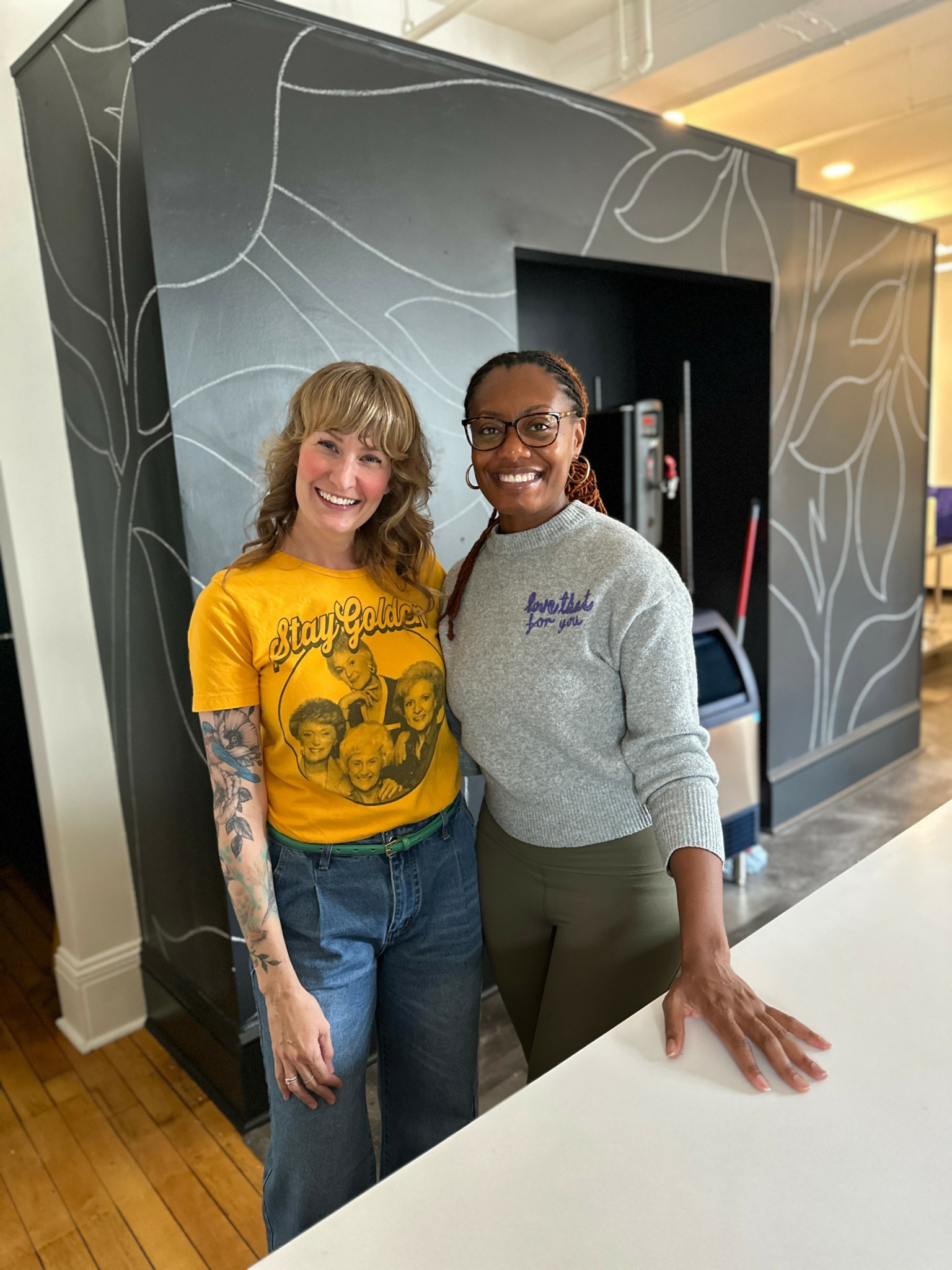
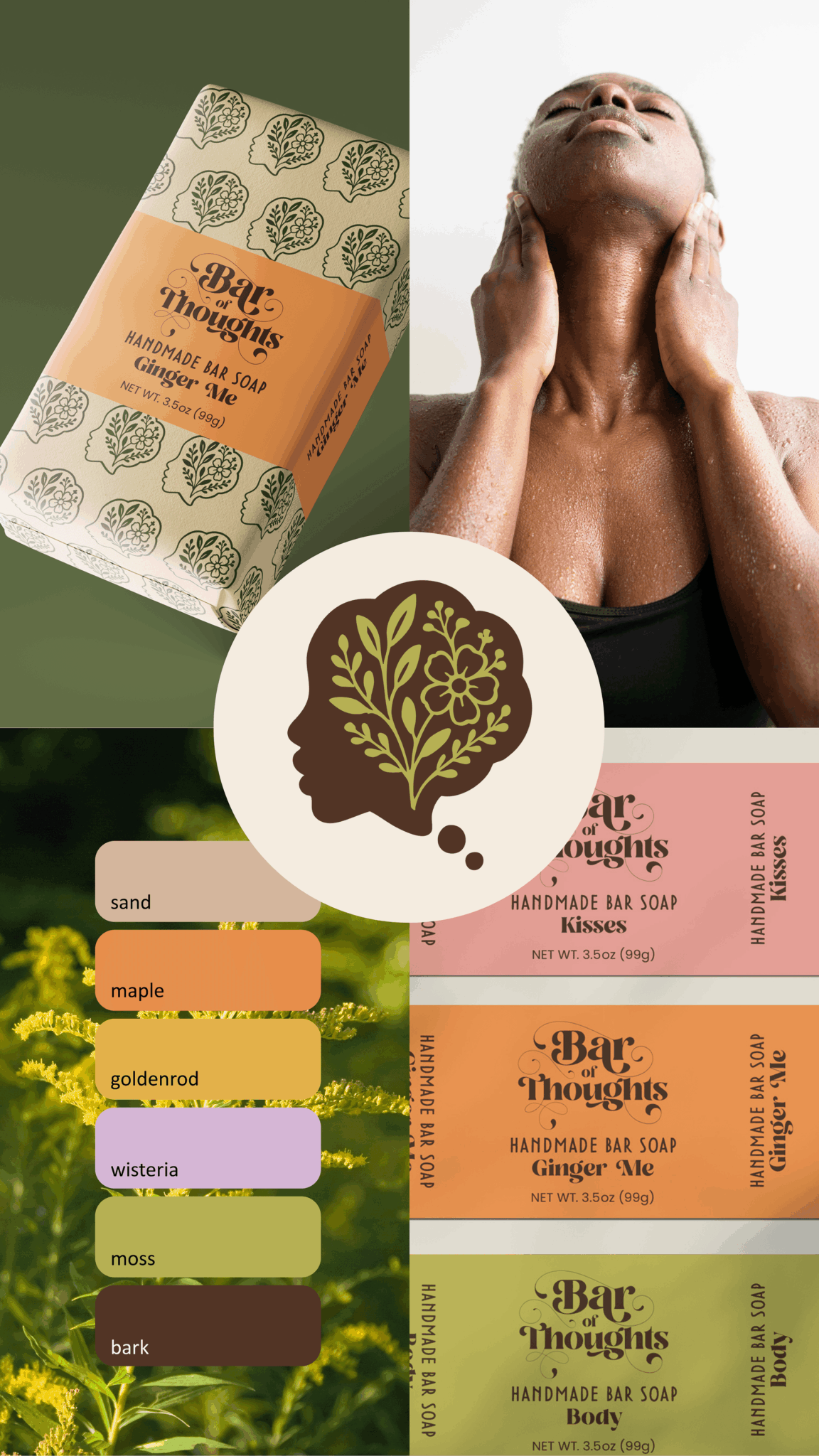
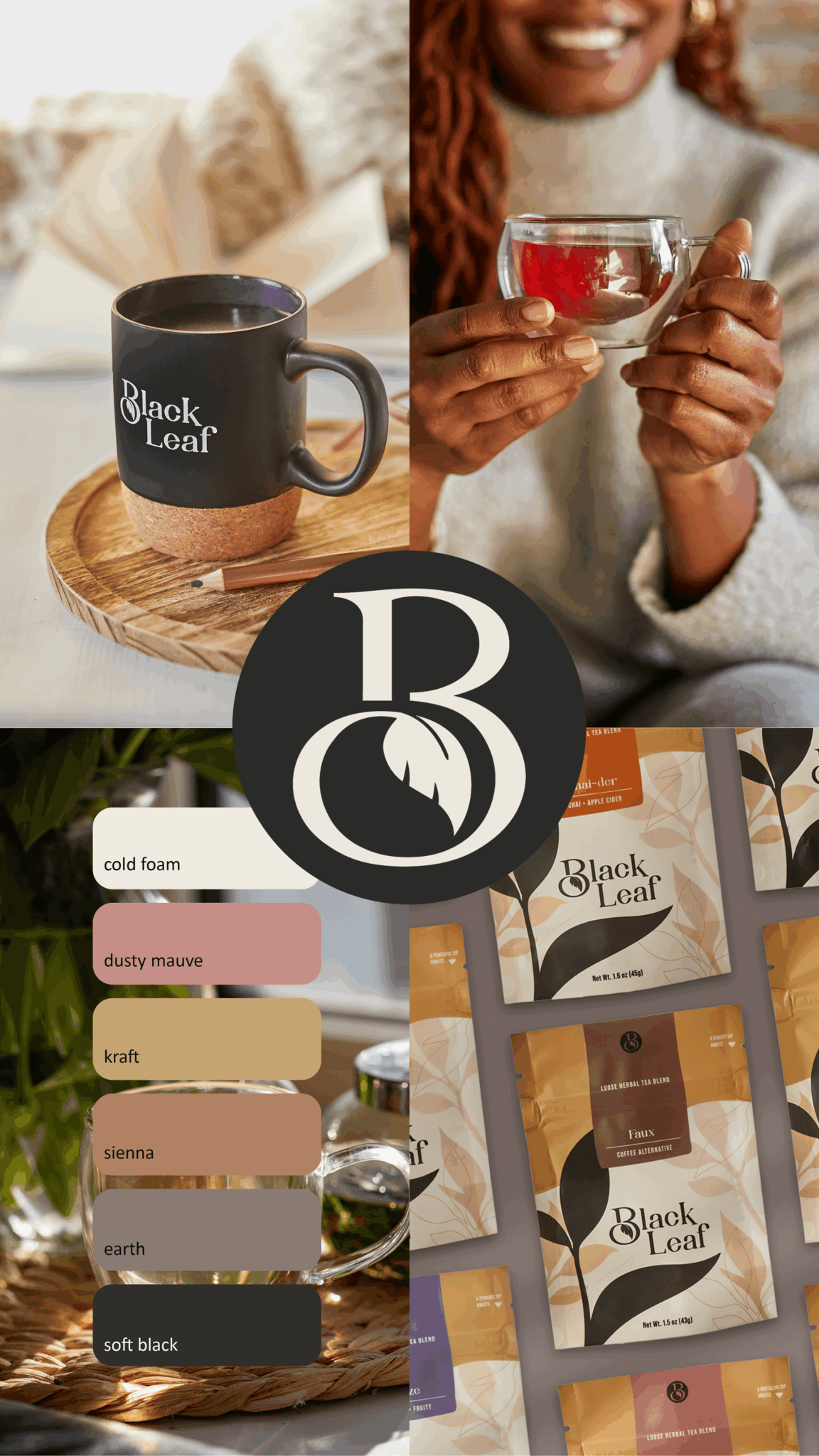
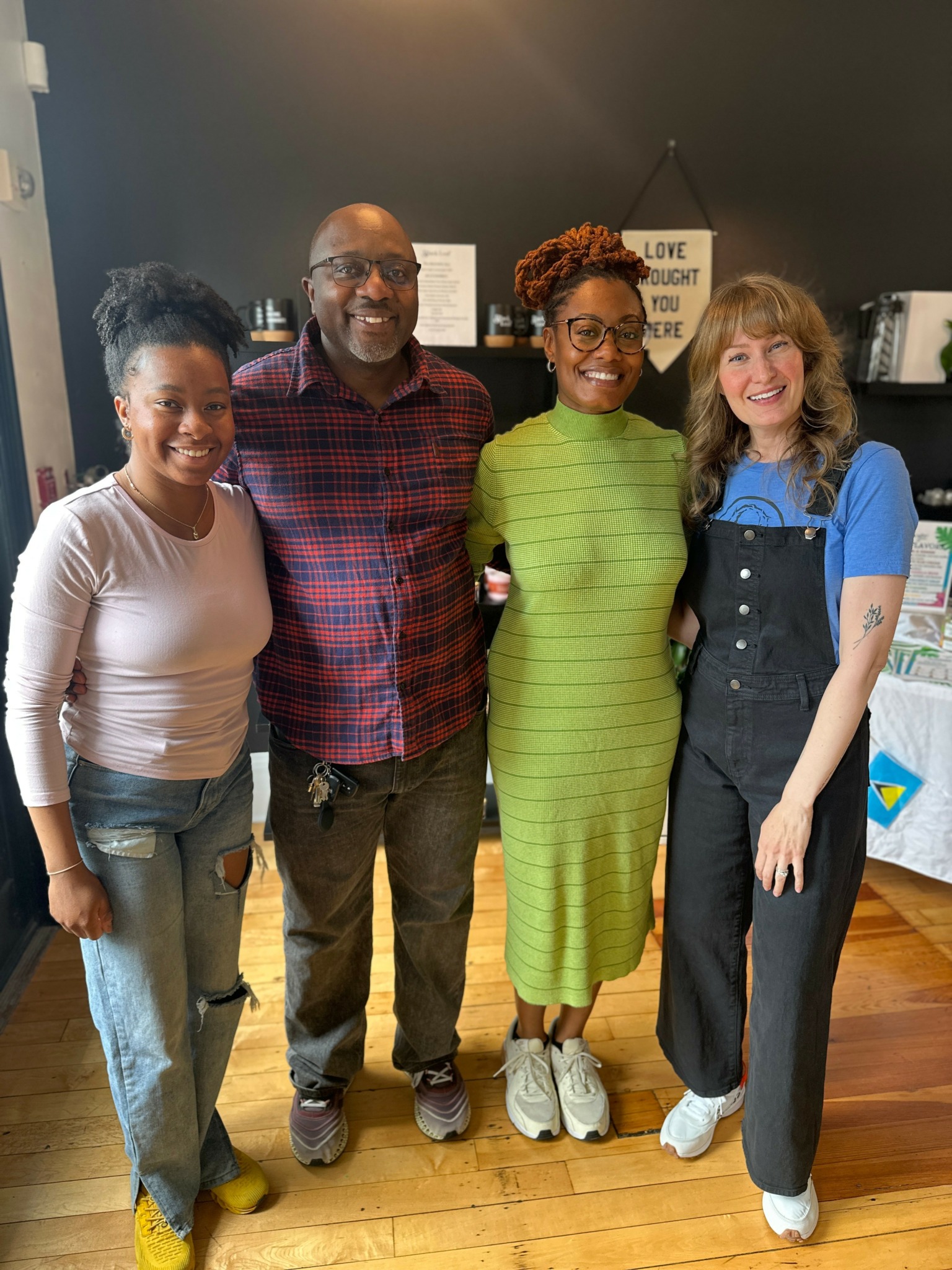
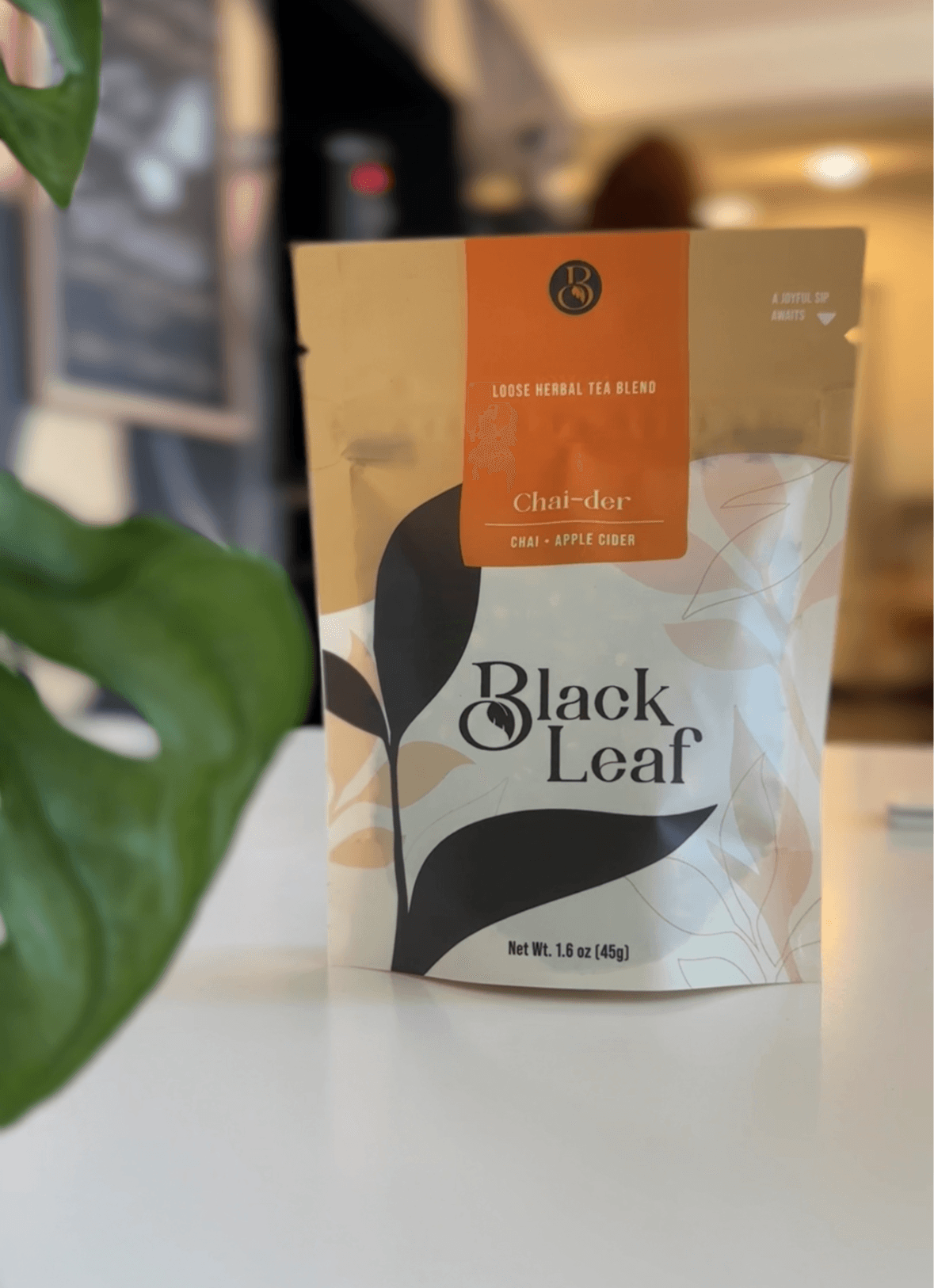
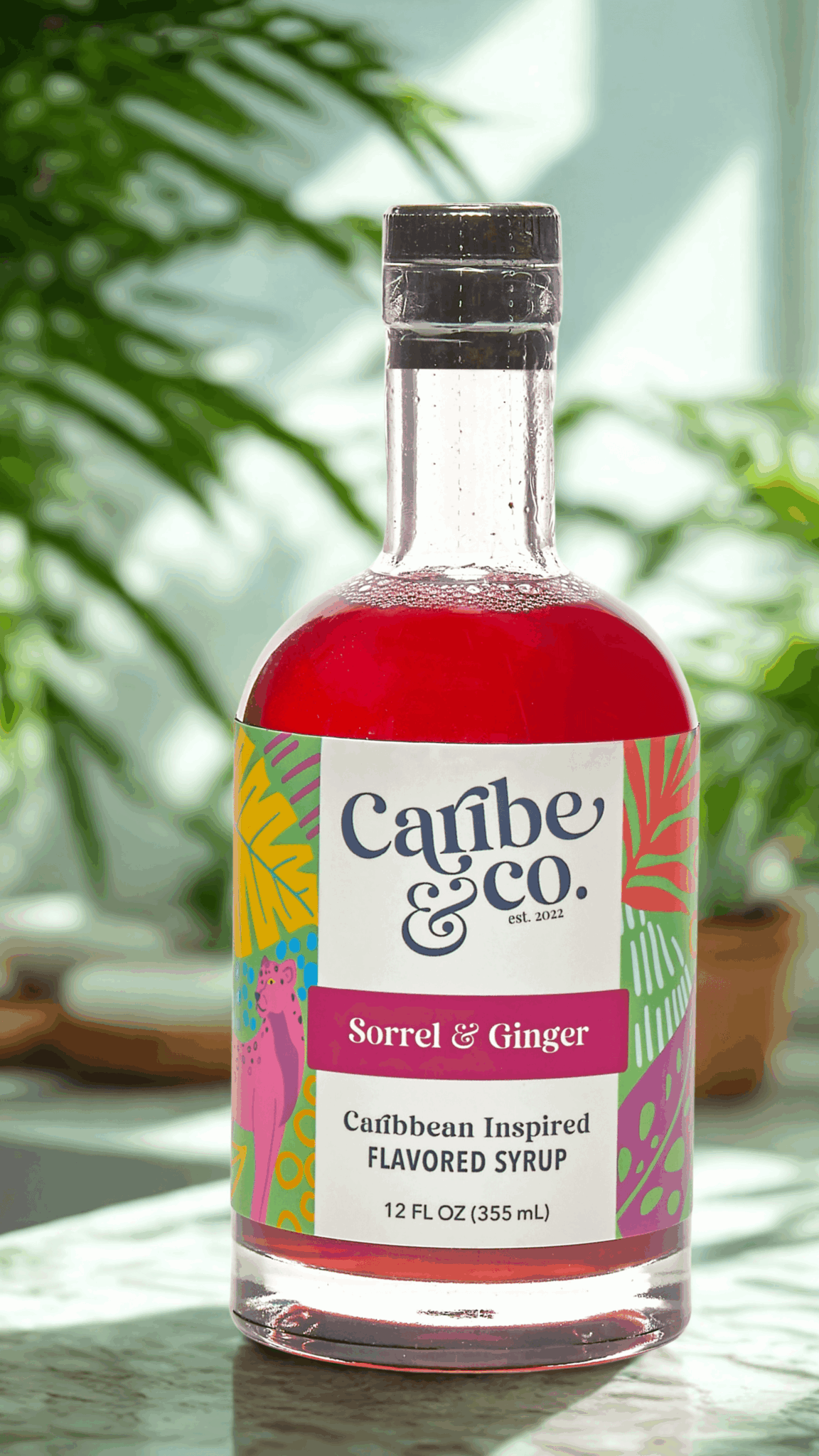
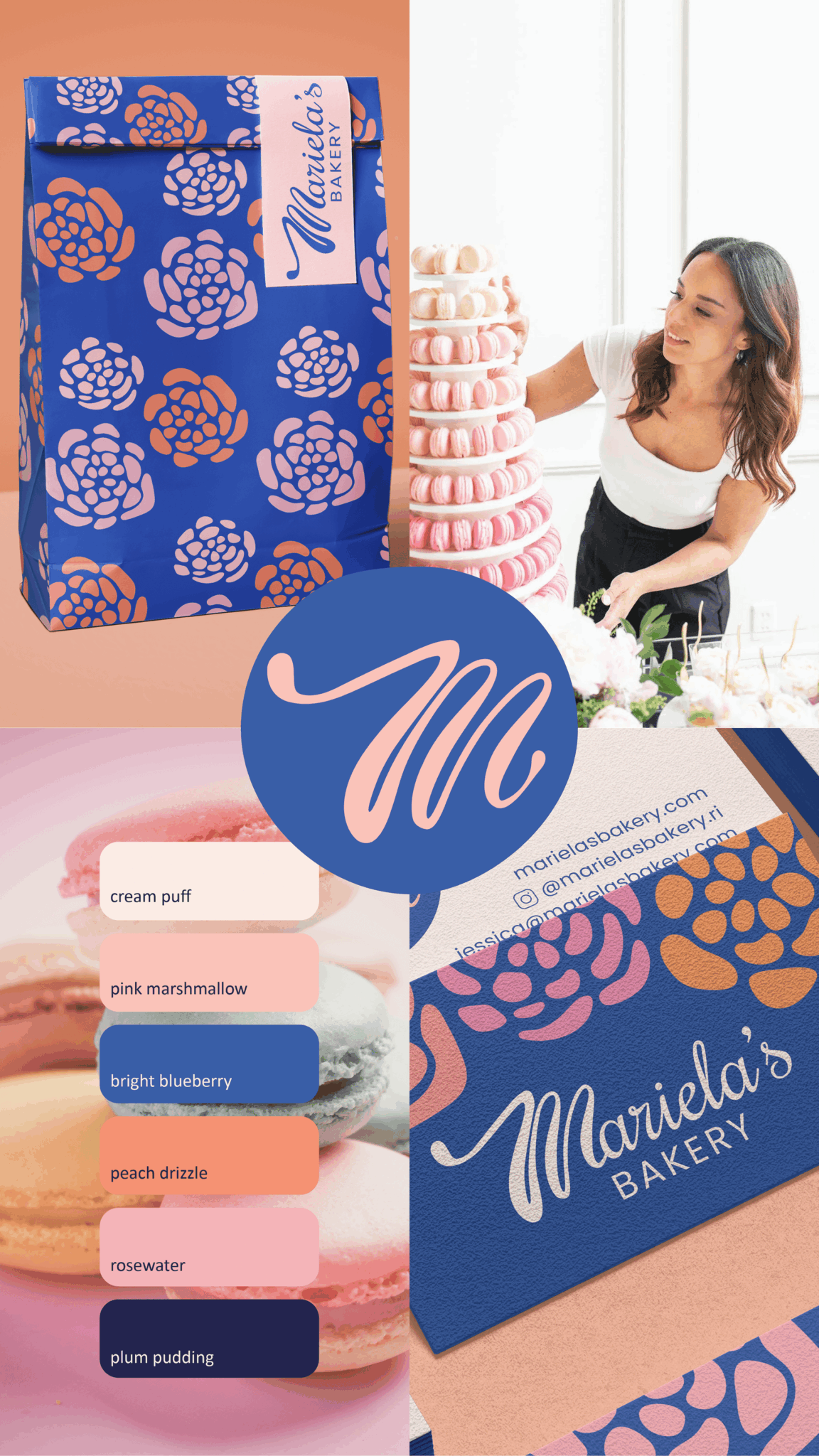
Image Credits
Angel Tucker (professional headshot)