

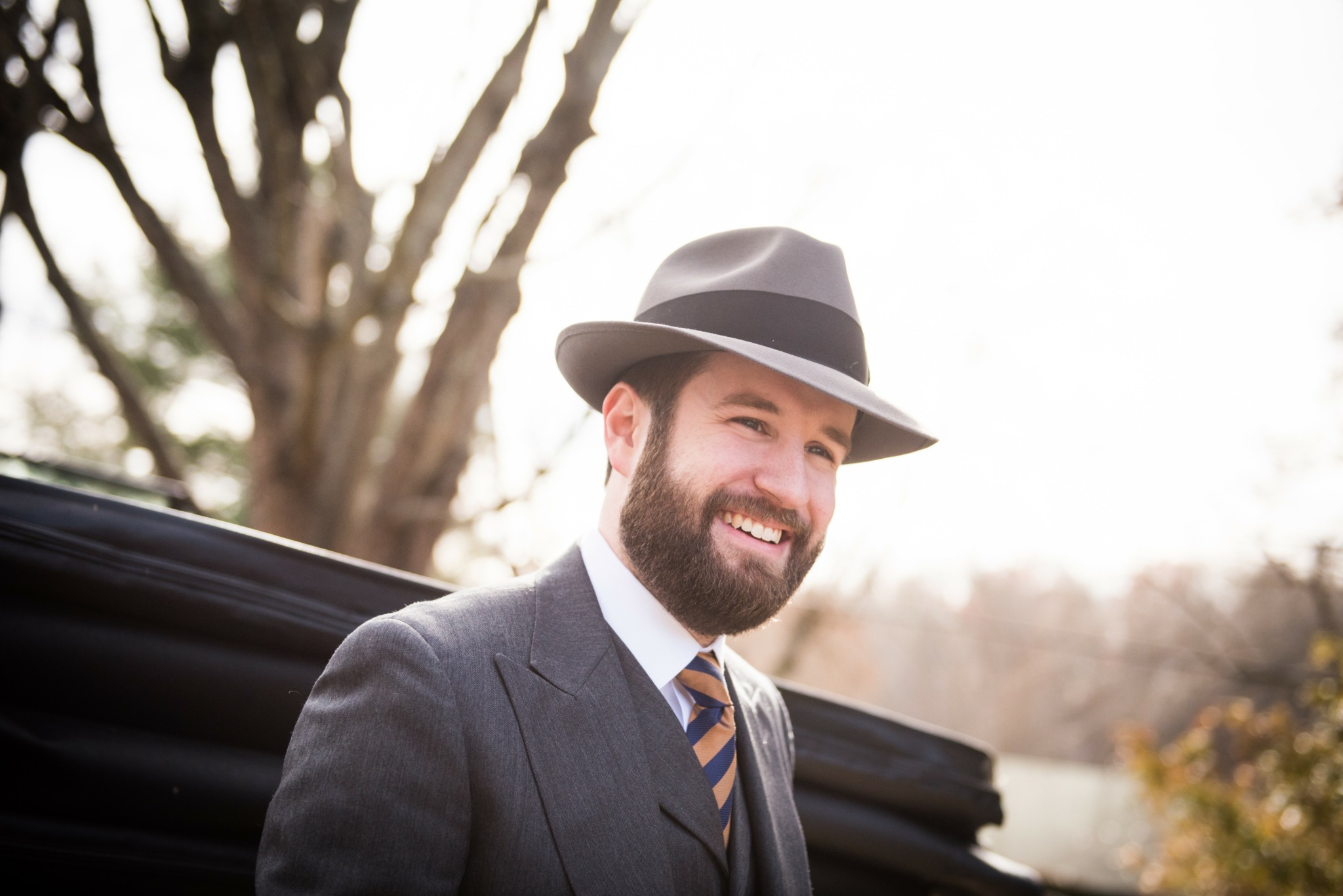

We’re excited to introduce you to the always interesting and insightful Heath Towson. We hope you’ll enjoy our conversation with Heath below.
Heath , thanks for joining us, excited to have you contributing your stories and insights. Can you talk to us about a project that’s meant a lot to you?
The most meaningful project for me is usually the one I am currently working on. This Spring, I have two large projects I am working towards, which I am incredibly excited about!
In May I am hosting an architectural trolley tour, focused on the works of architect Douglas Ellington during the “boomtown” era of Asheville’s history during the decade of the 1920s. At the beginning of this decade, Asheville was at a crossroads of moving towards the future. During the nineteen teens, the city had endured a World War, the devastating flood of 1916, which claimed the lives of 80 people, a global influenza pandemic and the beginning of Prohibition. At the dawn of the 1920s, Asheville had begun an ambitious program of redesigning the city, building new infrastructure that could keep pace with a vigorous housing and commercial building boom, as well as embracing the growing popularity of the automobile.
At the center of this boom was a North Carolina architect named Douglas Ellington. Ellington studied architecture at the Ecole Des Beaux Arts in Paris, France where he was top of his class. He began his practice in Pittsburgh, Pennsylvania before receiving the commission for First Baptist Church, which was large enough that it required he move to Asheville and relocate his architectural practice in 1926. He would construct several iconic public buildings including First Baptist Church (1927) Asheville City Hall (1928), S&W Cafeteria (1929) Asheville High School (1929) the North Asheville Fire Station (1927) and his own personal home (1926-1929). He was known for bringing Art Deco and European design to Asheville. This year marks the 100 year anniversary of Ellington beginning his practice in Asheville in earnest and I feel that it is our duty to take a closer look at his work and share it in a meaningful way. Douglas wasn’t just an architect, he was also an artist, poet, thespian and general creative. His personal home in East Asheville, which concludes our tour, showcases all of his creativity and ingenuity.
In addition to the Ellington architectural tour, I am also hosting the Chrysler 300 Club International Spring Meeting Asheville, from May 27 – 31. Over the course of four days, we will gather to share our enthusiasm for these unique automobiles, as well as host a community car show in downtown Asheville. On Saturday May 30, we are hosting “The Motor Mile Car Show” on Coxe avenue in downtown Asheville. Coxe Avenue was the city’s first zoned automobile district starting in 1924, where all of the new and used car dealers, as well as repair facilities were located. Growing up in Asheville, I always wondered why there were not car shows in downtown Asheville, when there are similar shows in other neighboring parts of Asheville and decided to host one in tandem with the Chrysler Club Meet. The show is open to the public to attend and show their cars at no charge. I think it is going to be a really special event, that I hope will generate more interest in Asheville’s automotive history, which is rich and varied.
Great, appreciate you sharing that with us. Before we ask you to share more of your insights, can you take a moment to introduce yourself and how you got to where you are today to our readers.
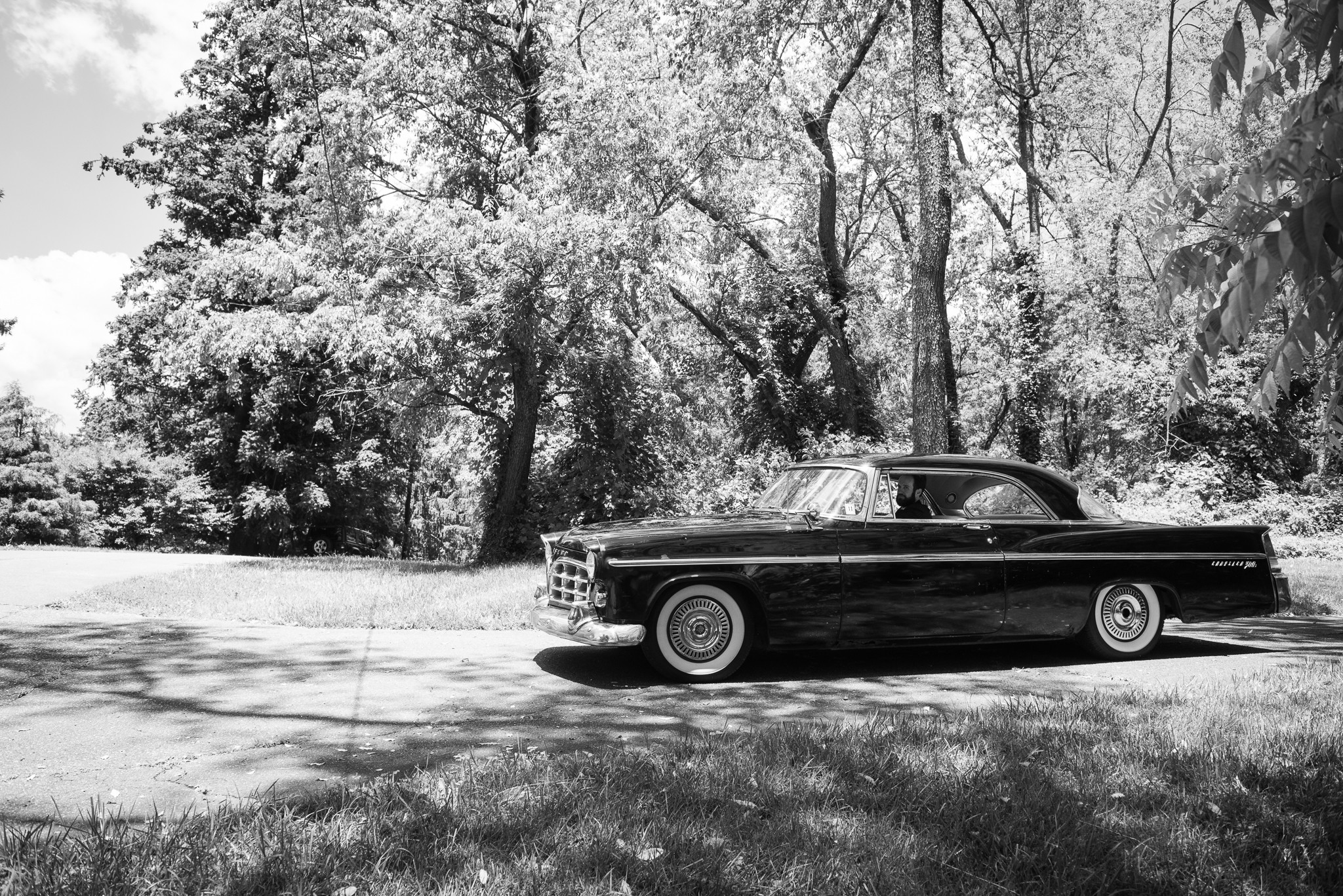
Mountaineer Motor Tours is a historical touring company, that is in the business of sharing Asheville’s rich past in a variety of mediums. We provide private tours of Asheville in a 1923 Ford Model T, give multi-media historical presentations for your organization and provide guide services for private charter bus groups. We are different than other tour groups, in that we are focused on telling the stories of Asheville with a historic aesthetic.
I am a born and raised Asheville native, which made me curious about my surroundings. I have always been interested in history, but took the long way around to get where I am today. My first job was working for a music history museum focused on percussion instruments called the Rhythm! Discovery Center in Indianapolis. It was at Rhythm! that I developed the skills to be a tour guide and a deeper love of historical research. The collection at Rhythm! contained historically significant percussion instruments, a vast sheet music and manuscript collection, as well as recorded media. We would rotate exhibits every 6 to 18 months, which gave me the opportunity to design an exhibit called “Drums From the Circle City: The History of the Leedy Drum Company,” which was a very meaningful experience. Leedy was the first mass-manufactured drum company, which was based in downtown Indianapolis. They made some of the highest quality instruments that are still sought after today.
After several years of living in Indianapolis, I missed Asheville and decided to move into a more stable career path. I earned a master’s degree in accounting from Western Carolina University and went to work for a local accounting firm for the next ten years. The accounting firm happened to be in a historic automobile dealer that was built in 1924. As someone who has loved cars and history my entire life, I set to work researching the history. I would come to find out that it was constructed by Eugene Sawyer, who brought the first automobile to Asheville in 1901 and sold many vehicles to the Biltmore Estate in the early years. From there, it became harder to focus on tax work as Asheville’s many historical mysteries were constantly on my mind.
I began working at a local car museum, The Estes-Winn Antique Car Museum as a docent part time to work up my tour chops again after years away from the museum. Our manager of the museum, Tom Anders, would introduce me to a friend of his named Steve Lyda, who had built a custom Ford Model T that he was looking to sell. I had been working on the idea for a private tour company in a historic automobile, but hadn’t found the right car for the job yet. Steve’s Model T had been modified with a more powerful engine and better brakes, both of which I needed for my tours. After buying Steve’s car and thinking about what I wanted the business to be, Mountaineer Motor Tours was born.
Seeing Asheville and learning the history in a vehicle that evokes the mood of the period is an incredibly unique experience. I also believe that being an Asheville native gives you an interesting perspective to share with visitors. Our tours and historical programs are focused on being extremely high quality, with much more historical depth. Our tours and talks weave together multiple historical stories, to help provide more context and understanding for visitors that are trying to figure out where to start understanding the vast and complicated history of the city.
I am proud of providing an experience that is focused on giving a high quality and fun experience.
Are there any books, videos or other content that you feel have meaningfully impacted your thinking?
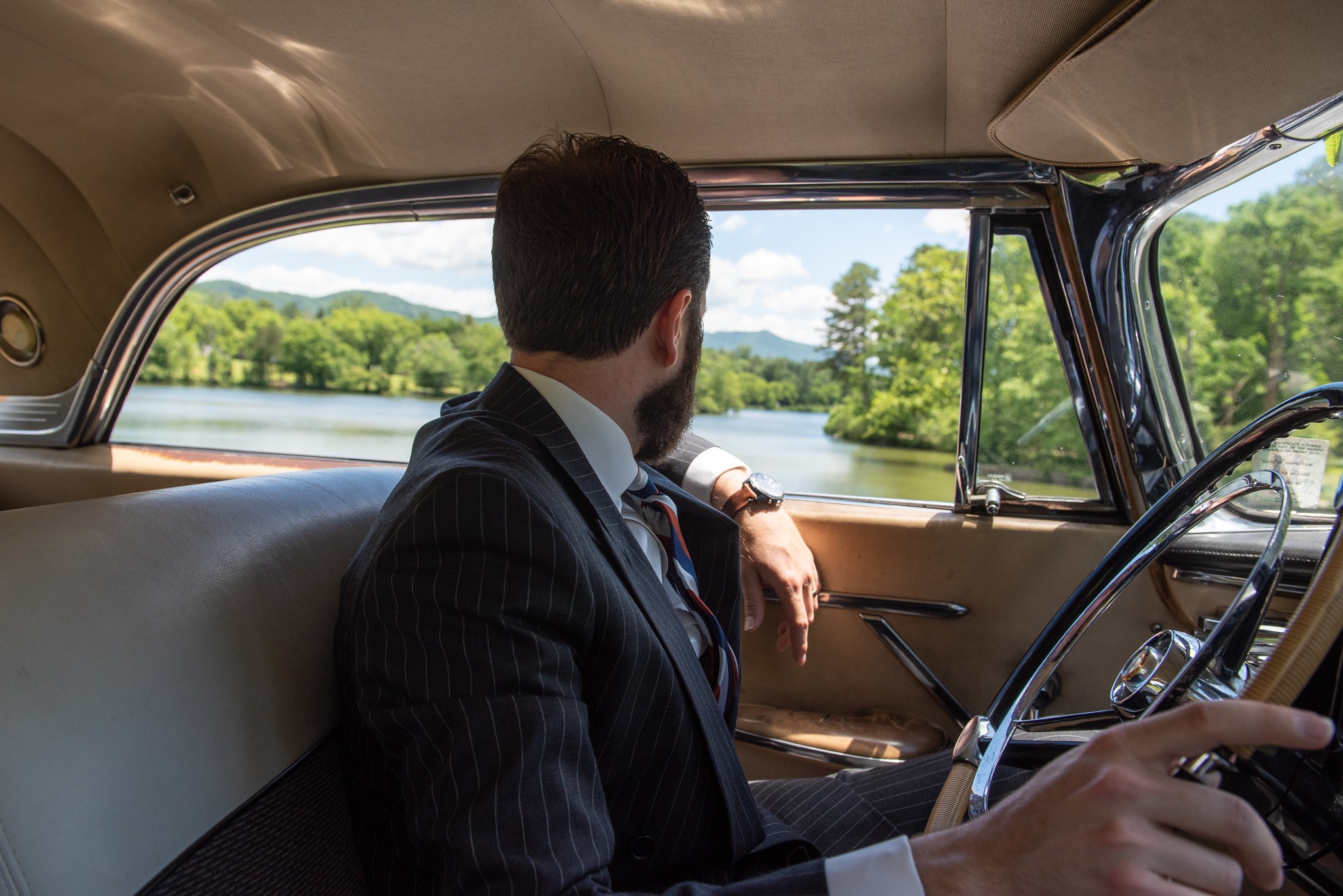
Company of One by Paul Jarvis was a book that really changed my perspective on what running a sole proprietorship could be. Jarvis makes the case that it is fine to not be focused on scaling a business into massive profits, but one that makes you happy and provides high quality service. When I began Mountaineer Motor Tours, I received advice that I should be using my Model T for wedding services and scaling the business into a franchise, that might involve a fleet of Model Ts. That is not what I wanted though. I wanted people to appreciate the car and its historical significance, not for it to just become a prop for photos. Business owners need to understand that if you want to scale your business, there are a lot of strings attached like payroll, HR and more advanced accounting systems. I want to be leading tours and behind the wheel of my car, not behind a desk managing other people. That is why I began the tour company in the first place – to get back outside!
Is there something you think non-creatives will struggle to understand about your journey as a creative?
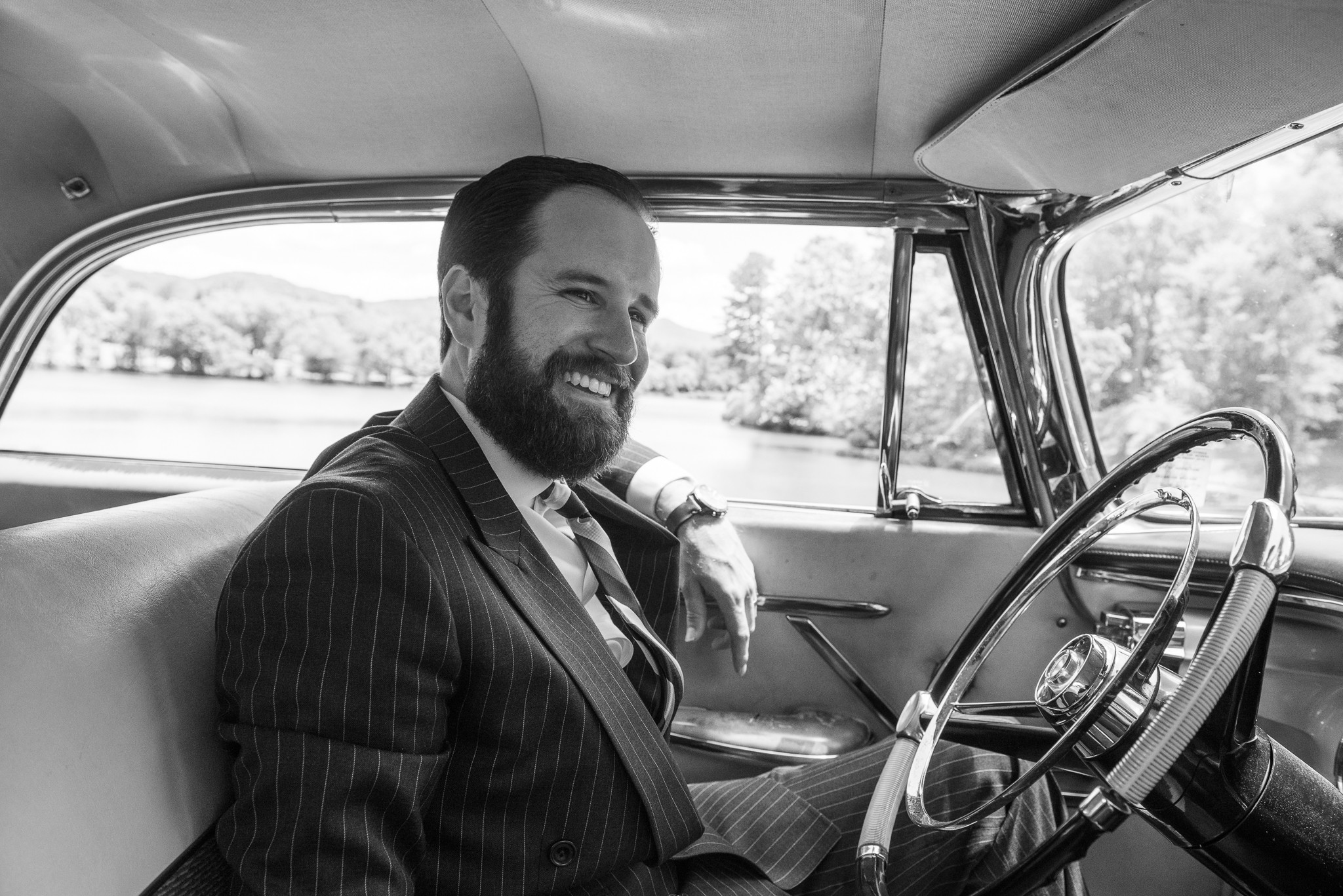
I think when you are doing creative work, non-creatives tend to think because it is artistic, it makes a lot of money. If you can serve your community, make a decent living and do really good work that makes you happy – those are the things that are most important to me. I think often the concept of success is tied to a vision that is not really practical for most people. We tend to idolize leaders of large corporations or with very rare success stories, rather than people in our own community who have been quietly working for years to build a sustainable business that also serves their community.
Contact Info:
- Website: https://www.mountaineermotortours.com/
- Instagram: https://www.instagram.com/mountaineermotortours/
- Facebook: https://www.facebook.com/mountaineermotortours/
- Linkedin: https://www.linkedin.com/in/heath-towson-564904126/
- Youtube: https://www.youtube.com/@mountaineermotortours
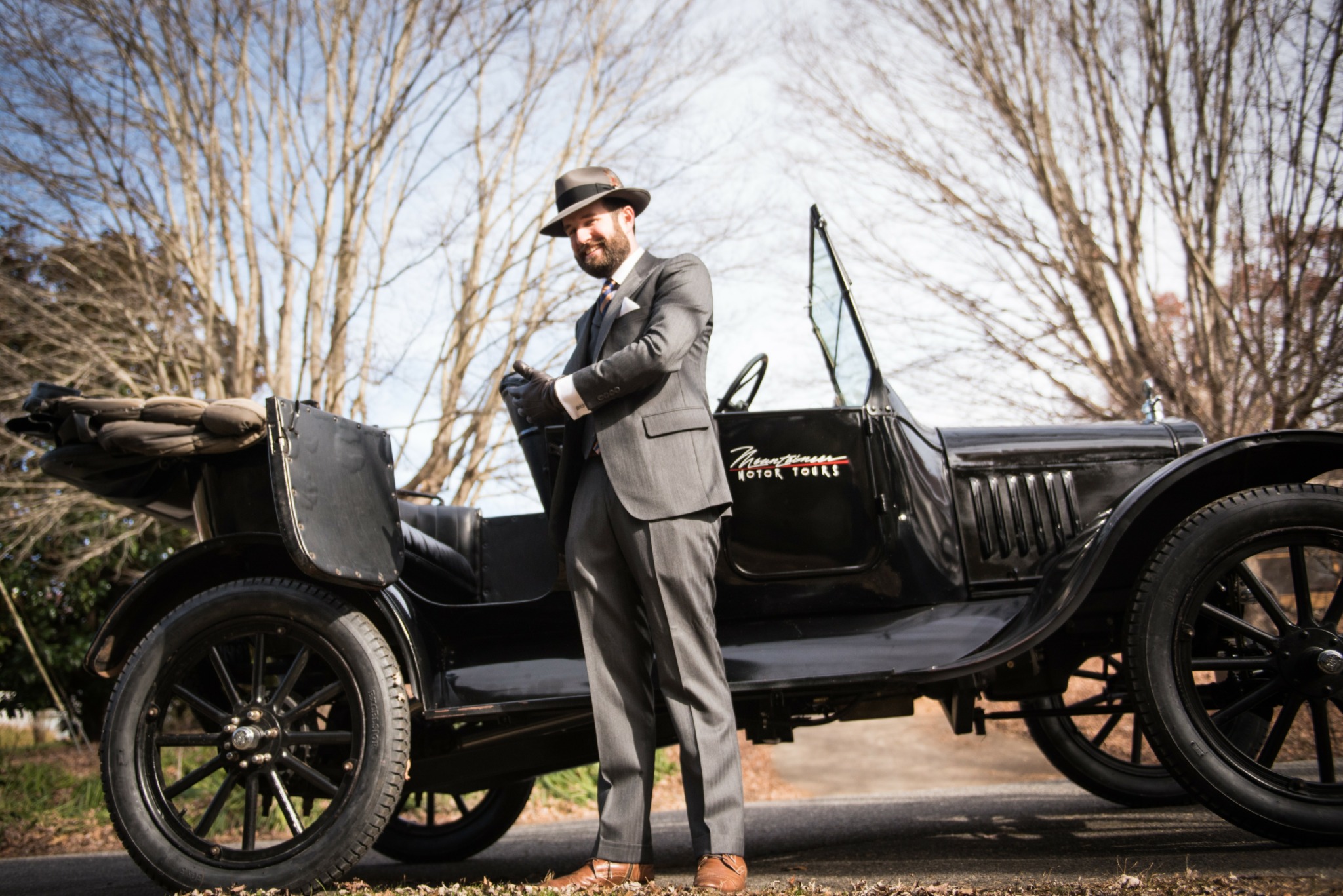
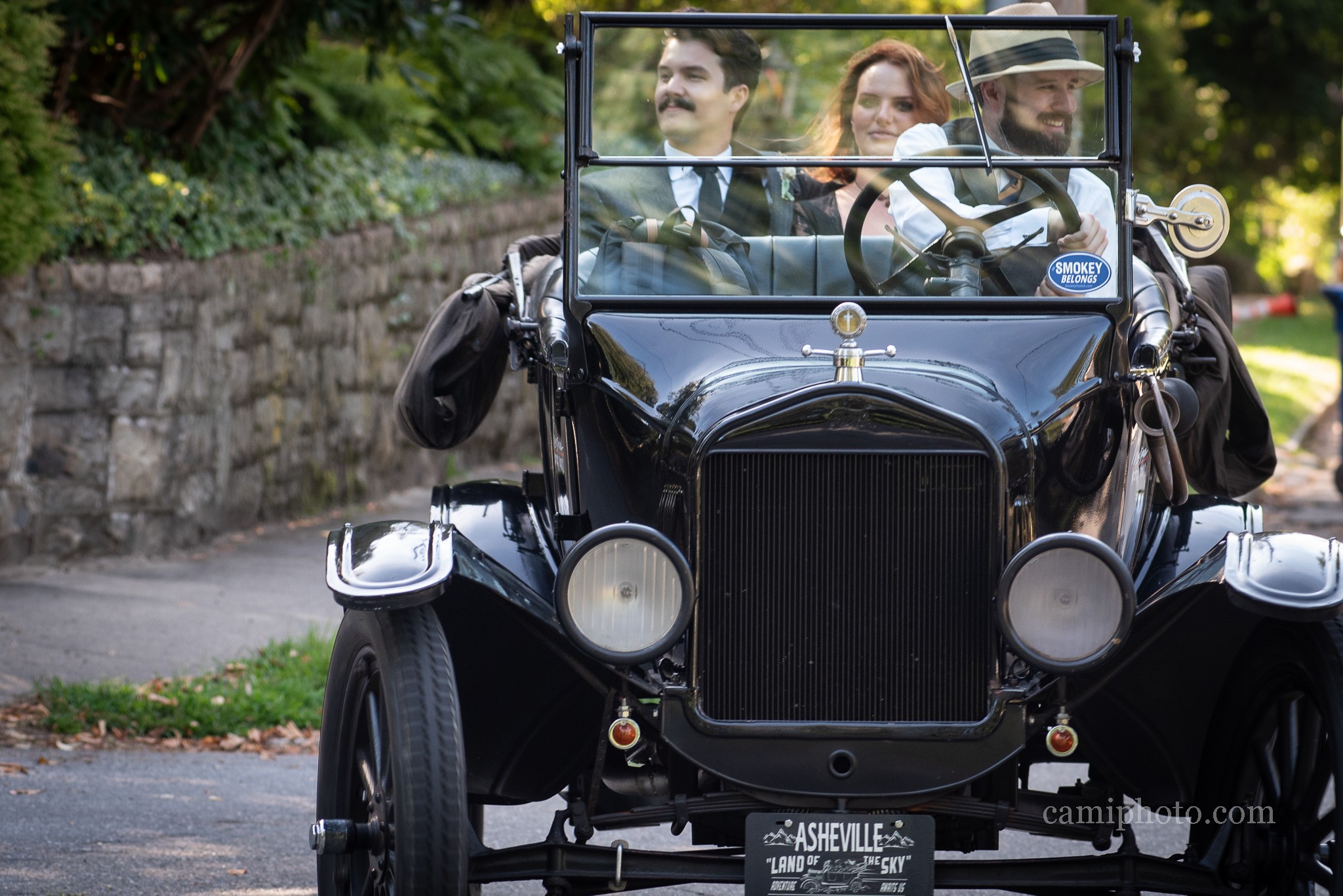
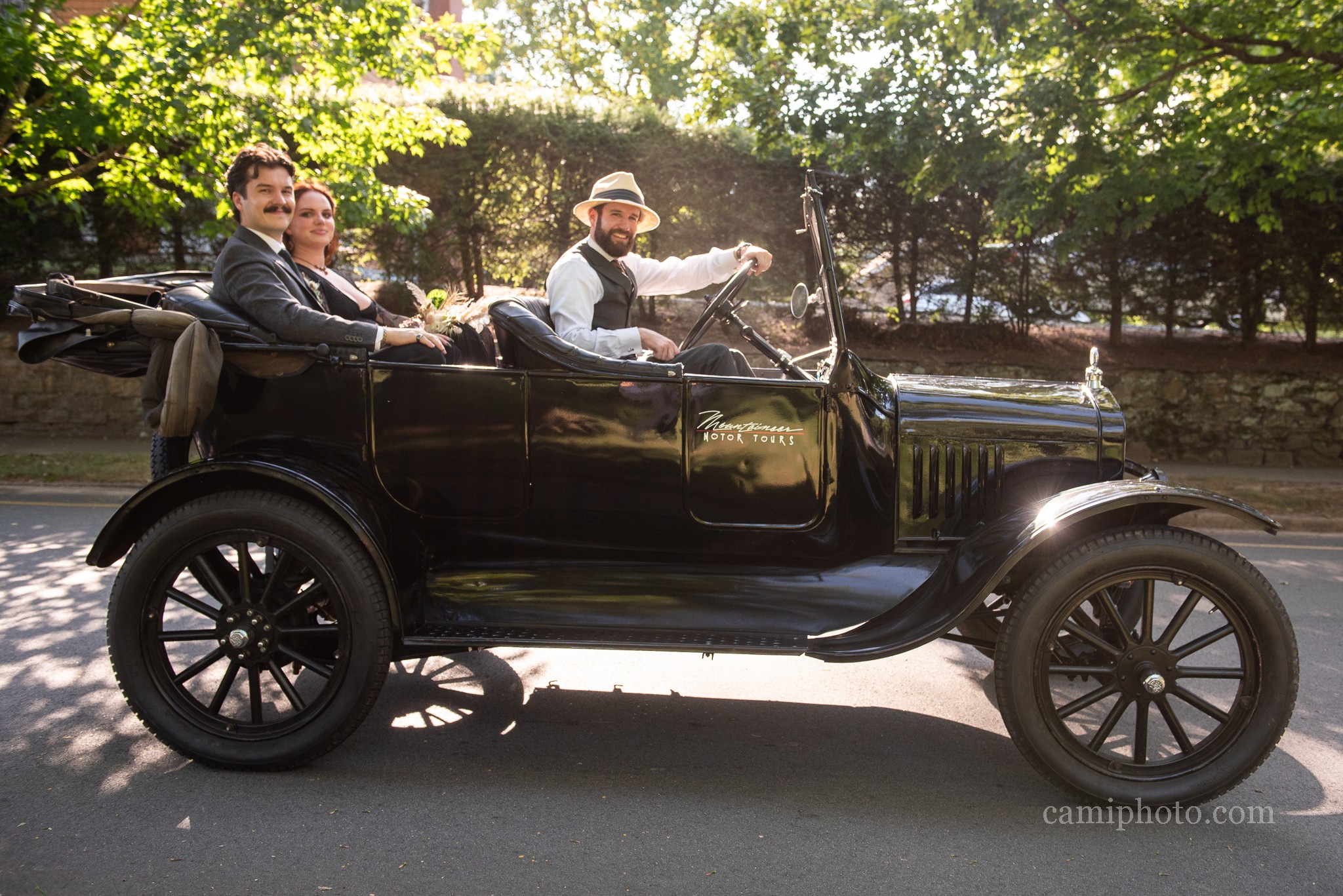
Image Credits
Camilla Calnan Photography