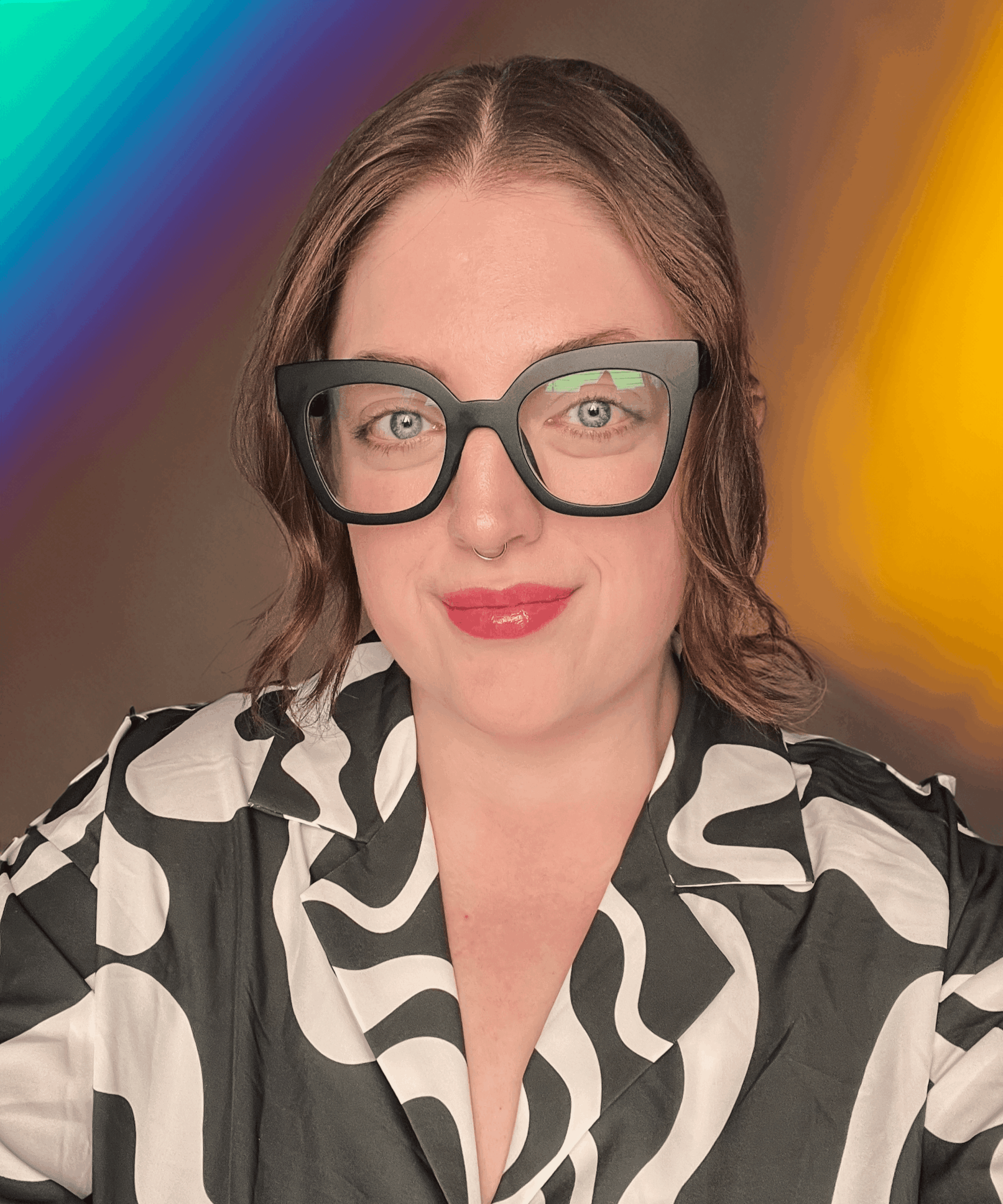

We caught up with the brilliant and insightful Hayley Boso a few weeks ago and have shared our conversation below.
Hi Hayley, thanks for joining us today. Are you able to earn a full-time living from your creative work? If so, can you walk us through your journey and how you made it happen?
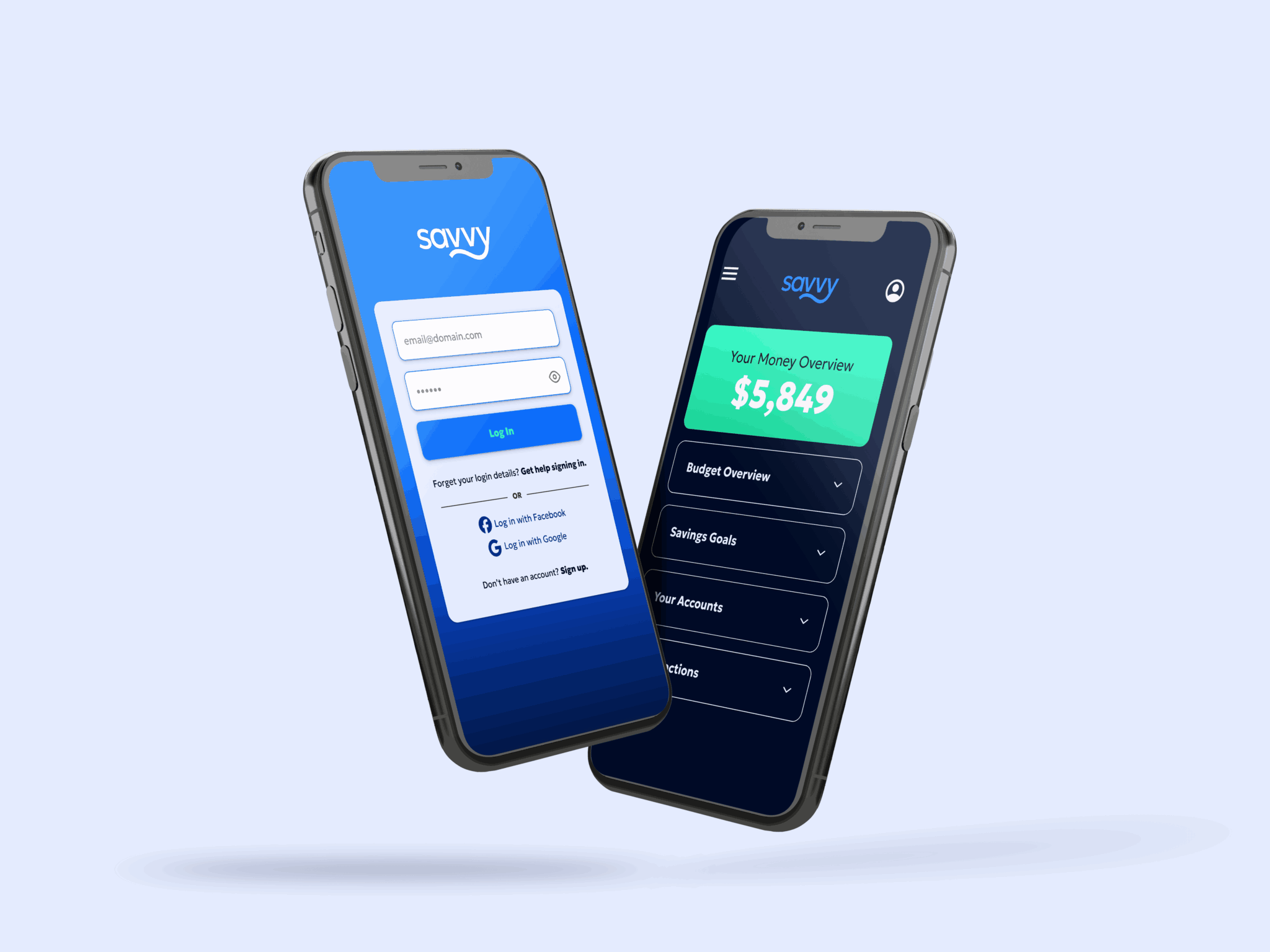
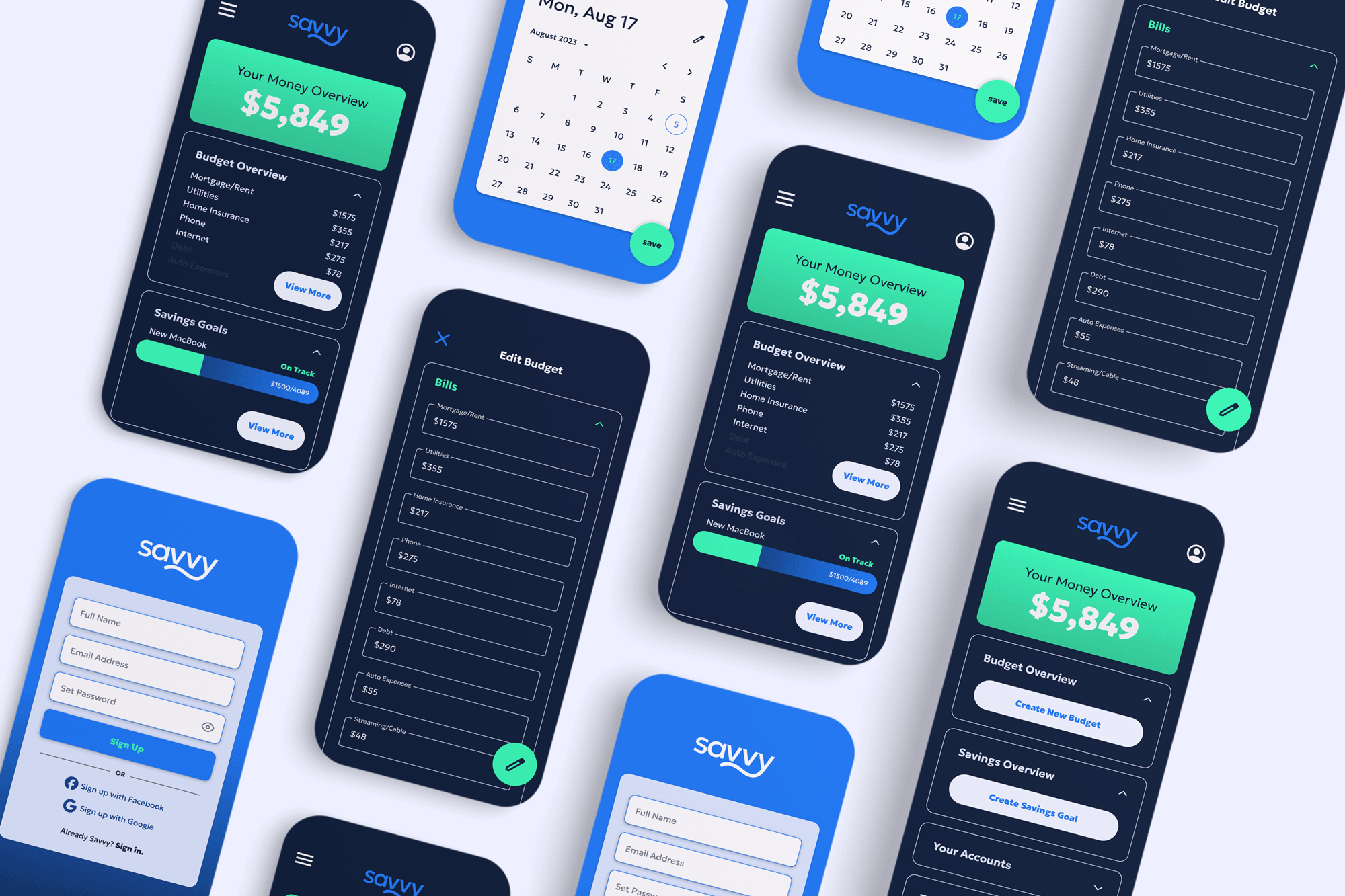
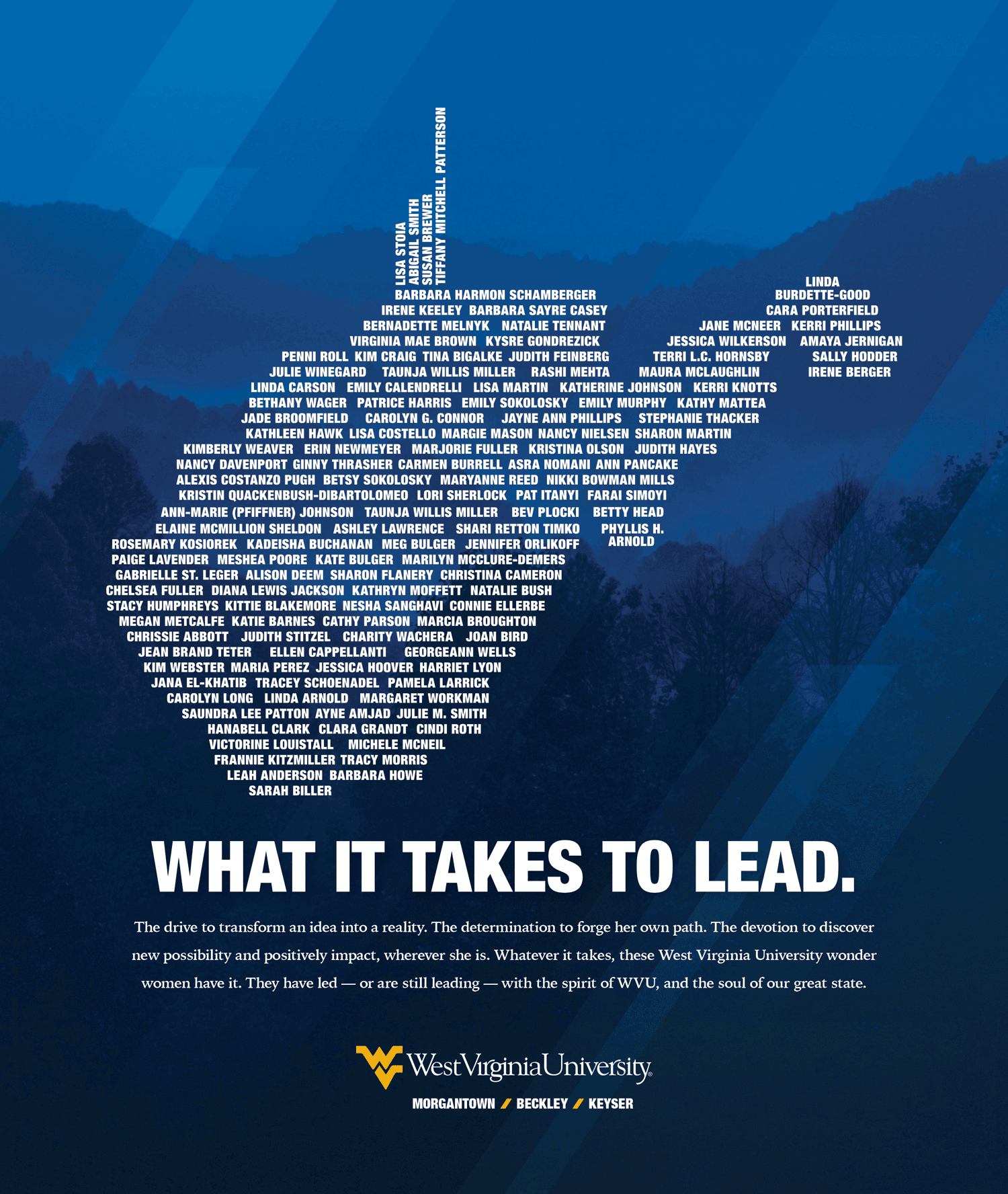
I do earn a full-time living through my creative work! I studied design in college and graduated from West Virginia University with my BFA in Graphic Design and minors in Advertising & Art History in 2014. I’m the first person in my family to go to college. Because of that, I’m very grateful that I get to put my degree to use and be creative for a living. The experience I gained during college helped me land a graphic & web design job at a small marketing agency right out of school. After a couple years in that environment, I transitioned to working in Higher Ed and accepted a position at WVU. It was my dream job at the time; I was so proud to work for my alma mater. I learned a lot during my time at WVU, but as time went on, I began to feel like WVU wasn’t where I was meant to stay. It was hard to accept that it just wasn’t my dream anymore. I enrolled in a professional certificate program to immerse myself in user experience (UX) and user interface (UI) design. I chose UX & UI because I care deeply about accessibility, equity, and improving people’s lives — and these themes are imperative to good UX & UI design. I completed my certification in spring 2024 and I am currently working as a UX/UI designer for GE Appliances. I really enjoy the work that I do and that I’m learning something new every day! As scared as I was to leave WVU after almost 8 years, I’m so glad I took the leap.
I think I could have sped up the process by not being scared of change. I’d had doubts about staying at WVU since the Covid-19 pandemic began, but financial security and the fear of the unknown kept me from putting myself out there. I was afraid to fail, but I finally reached my breaking point and knew I had to choose what was best for me, even if it was scary. I wish I had listened to my gut and not waited until the proverbial last straw before taking serious action. I applied to jobs for almost a year before I accepted the position at GEA. Because I’d gotten complacent, I had no pulse on the job market or the design world as a whole until I started job searching again. I learned some big, hard lessons: leave when your gut tells you the FIRST time that it’s time to go, and also stay ready, so you don’t gotta get ready! In the design world, that means staying up-to-date on best practices and design trends and keeping your resume and portfolio up-to-date, so you don’t miss out on amazing opportunities while you’re scrambling to get your shit together again.
Hayley, love having you share your insights with us. Before we ask you more questions, maybe you can take a moment to introduce yourself to our readers who might have missed our earlier conversations?
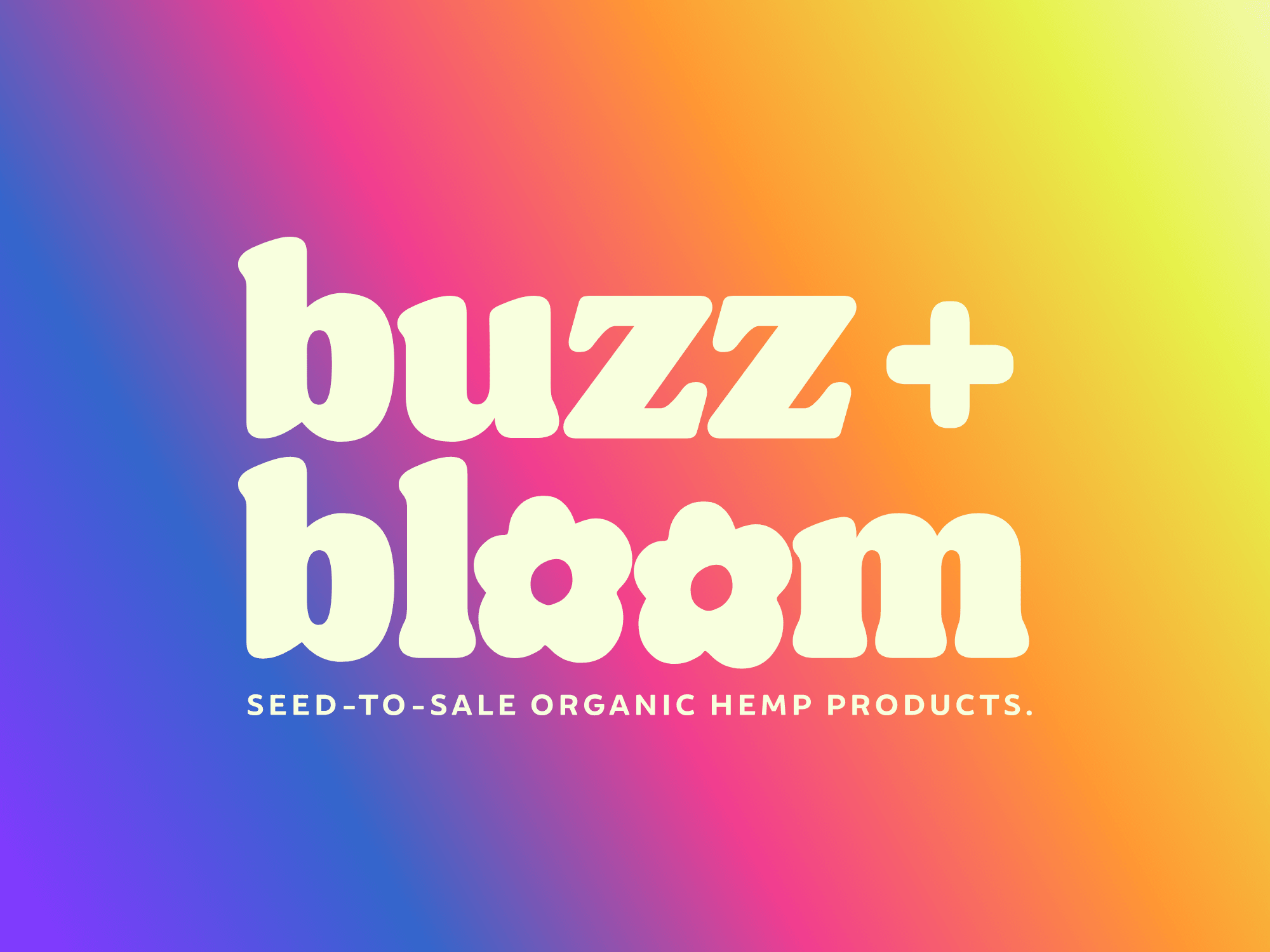
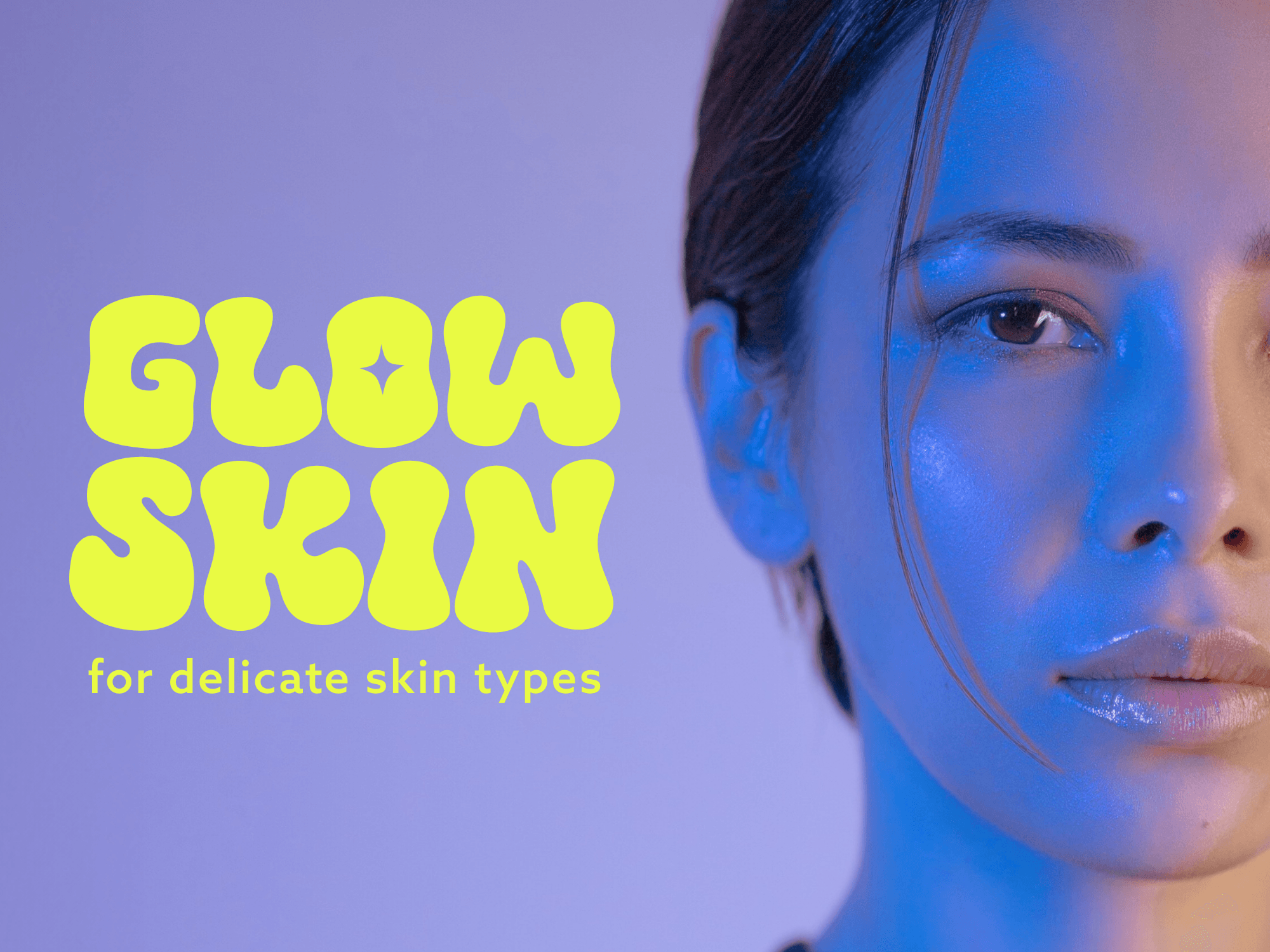
Although my focus is in UX/UI, I consider myself a multifaceted “jack-of-all-trades” designer at heart. In my 10 years in the industry, I’ve worked in a lot of different design disciplines, including apparel, branding, print & publication, web, digital, UX, UI, and product design. I’ve also worked in different industries, including STEM, healthcare, Higher Ed, retail, mental health, and the esoteric realm — and learned how to effectively market to a variety of audiences in the process.
I think having diverse experiences and skills is something that sets me apart from other designers, especially in a time where so many creatives are niching down and honing in on their specialties. It affords me the opportunity to help clients with whatever they may need. Branding? A website? Marketing collateral? Company apparel? Say no more, I’ve got you. Trust is so important in your professional relationships. Being able to design a lot of different things shows clients in real time that they don’t have to worry if I’ll come through for them. Being a designer also means creating visuals even when your client can’t articulate what they actually want. It’s not something I say with judgment; they’re coming to me because they aren’t a designer, so I can’t expect them to speak “designer” to me. Graphic design utilizes a lot of soft skills like listening, empathy, and reading between the lines when you’re working with clients. It’s your job to interpret their words into a final product that solves the problem, functions well, and the client loves.
I think my personal background also sets me apart from my peers. I am a born-and-raised West Virginian, come from a blue-collar family, and grew up on a farm. My dad was the primary breadwinner and my mom was a homemaker until I was 16, when she returned to the workforce. Seeing my dad work a physically grueling job that he hated really shaped my perspective of what it means to work. He hated where he worked, but he had a family to provide for and had to put food on the table, so he did it anyway. He sacrificed more than I could understand at the time. He taught me the importance of being someone your family can rely on as an adult. It also showed me that the career you choose is about more than just how much money you make. If I’m going to be working for like 40+ years, I want it to be something that I enjoy that I can also earn a living with!
As the eldest child, I was tasked with hard work at a young age. I worked in the hayfields, stacking square bales on the back of a truck, from ages 12-16. I helped my mom in the garden most summers. I had to mow the lawn, shovel snow, and help stack firewood. Having to do all that honestly wasn’t fun and boy, did I HATE doing a lot of it at the time! But it did teach me some valuable lessons. We sometimes have to do hard work that will pay off later, not right now. When learning something new, we’re going to feel uncomfortable and unsure of ourselves, but we shouldn’t let that stop us. That perspective kept me going throughout adulthood when I wanted to just give up. It gave me a fire, or maybe just pure stubbornness, to keep going until I have whatever it is that I want. I bring that determination into every creative project I do to this day.

Is there something you think non-creatives will struggle to understand about your journey as a creative?
I think non-creatives struggle to understand that sometimes creativity means doing nothing. Not working, even. Creativity is like a muscle; you have to use it or you lose it, but it also needs time to rest and recover to get stronger! I have worked in environments where the project timelines are unnecessarily short, and you burn out over time with little to no recovery. When I’m burnt out, I’m not at my best as an employee. Creatively, it means I’m going through the motions and slapping things together to get them out the door as fast as I can. Sometimes rush projects can’t be avoided, but when every project is a rush project, that typically means there’s a breakdown in the established process and/or you’re working with people who don’t value the creative process. Which isn’t uncommon amongst non-designers, but I struggle to think of another career that has to spend as much time defending its value as designers seem to. We have to defend our prices, our timeline, our ethics — all while educating clients on what is and isn’t good design and trying to meet project goals.
Which brings me to my second point! Design is not as simple as just clicking some buttons, and “presto!” Do we use computers? Yes. But there’s no ‘Create Branding’ button that you click and it just spits out 3 ready-made concepts. Pairing type, colors, and imagery together isn’t as easy as A + B + C = D. There’s a LOT of iteration that happens before a concept is even ready to be shown to a client.
Any resources you can share with us that might be helpful to other creatives?
I’m not sure if this is a resource, but I wish I knew about the power of networking earlier on. I consider myself an ambivert now, but when I was coming out of college, the thought of networking made my introvert skin crawl. Talking to strangers and making small talk? The horror!!! But the reality is that your professional network is how you grow. I realized that when I re-entered the job market; it was a steep learning curve. If I’d been consistently networking for the last 10 years, I probably wouldn’t have felt like such a fish out of water.
Contact Info:
- Website: https://www.hayleyboso.com
- Instagram: http://instagram.com/hayleydesigns.jpg
- Linkedin: https://www.linkedin.com/in/hboso/