



We recently connected with Harrison Coll and have shared our conversation below.
Hi Harrison, thanks for joining us today. We’d love to hear about when you first realized that you wanted to pursue a creative path professionally.
When I was 13 years old, I had the privilege of performing as the “Young Nutcracker Prince” with the Los Angeles Ballet. Backstage, before my entrance for the “snow scene variation,” Adam Luders, a former principal dancer with the New York City Ballet, shared something with me that would forever change the trajectory of my life. In a quiet, almost conspiratorial whisper, as if it were a secret meant only for my ears, he said, “I want you to know something. I think you could be a professional dancer. I think you could probably dance at the New York City Ballet. It’s a choice only you can make. It’s an interesting life to be an artist. It’s different than anything else. It’s special… but it can also be lonely, and you may not have that many friends. I just know that at your age, I wished someone had told me the truth. In my opinion, you are a dancer.”
This was the first time in my training that I seriously considered dancing professionally. Until that moment, I had always danced for fun—or so I thought. Reflecting on that time, I now realize that Mr. Luders must have seen that dancing and expressing myself through this art form was a central part of my identity.
I am now at a point in my career where I feel confident and ready to pass on the knowledge I received from my mentors. This includes the kind of encouragement and honesty that Mr. Luders offered me. He changed my life, and anytime someone asks me how I decided to become a professional dancer, I always respond, “Because Adam Luders believed in me, and that helped me to believe in myself.”
Great, appreciate you sharing that with us. Before we ask you to share more of your insights, can you take a moment to introduce yourself and how you got to where you are today to our readers.
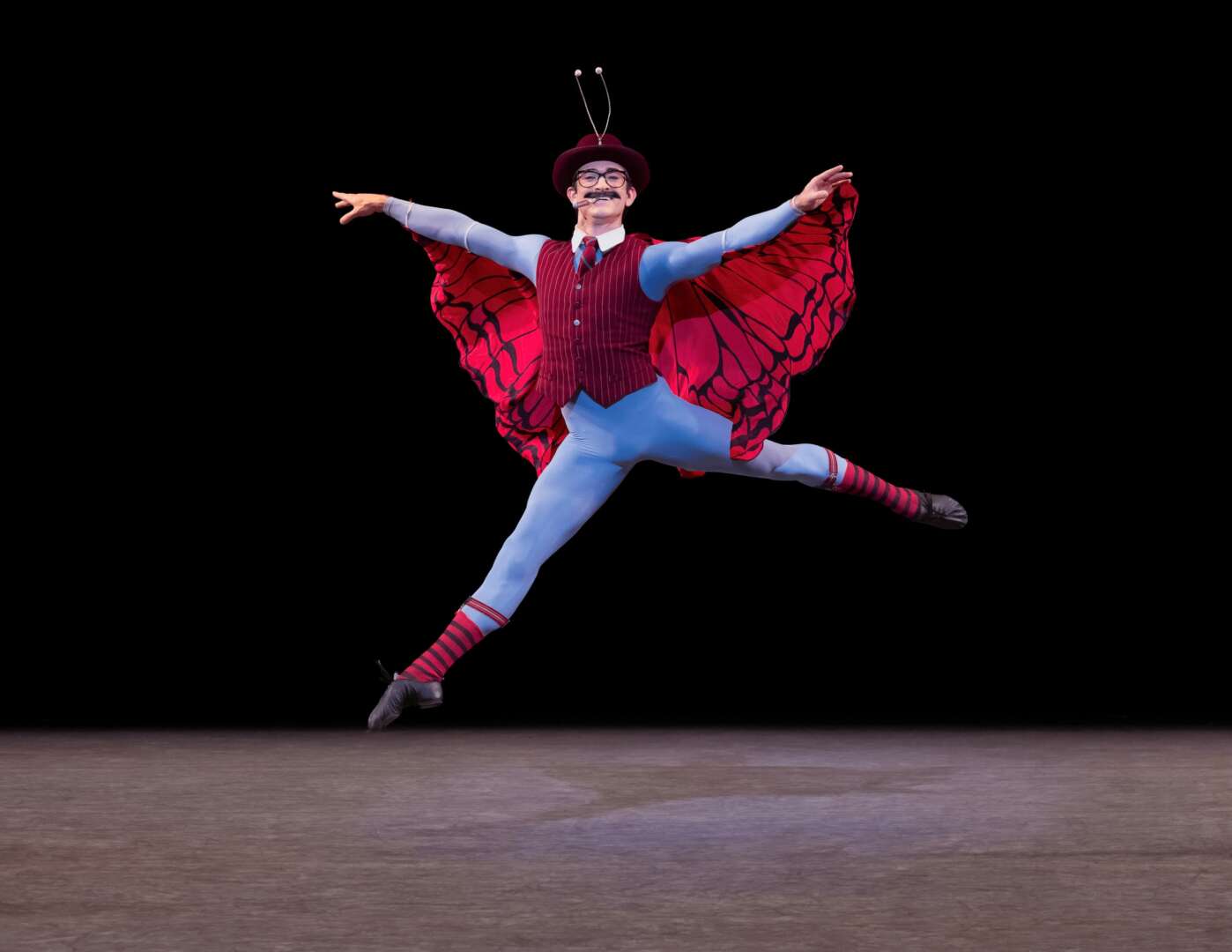
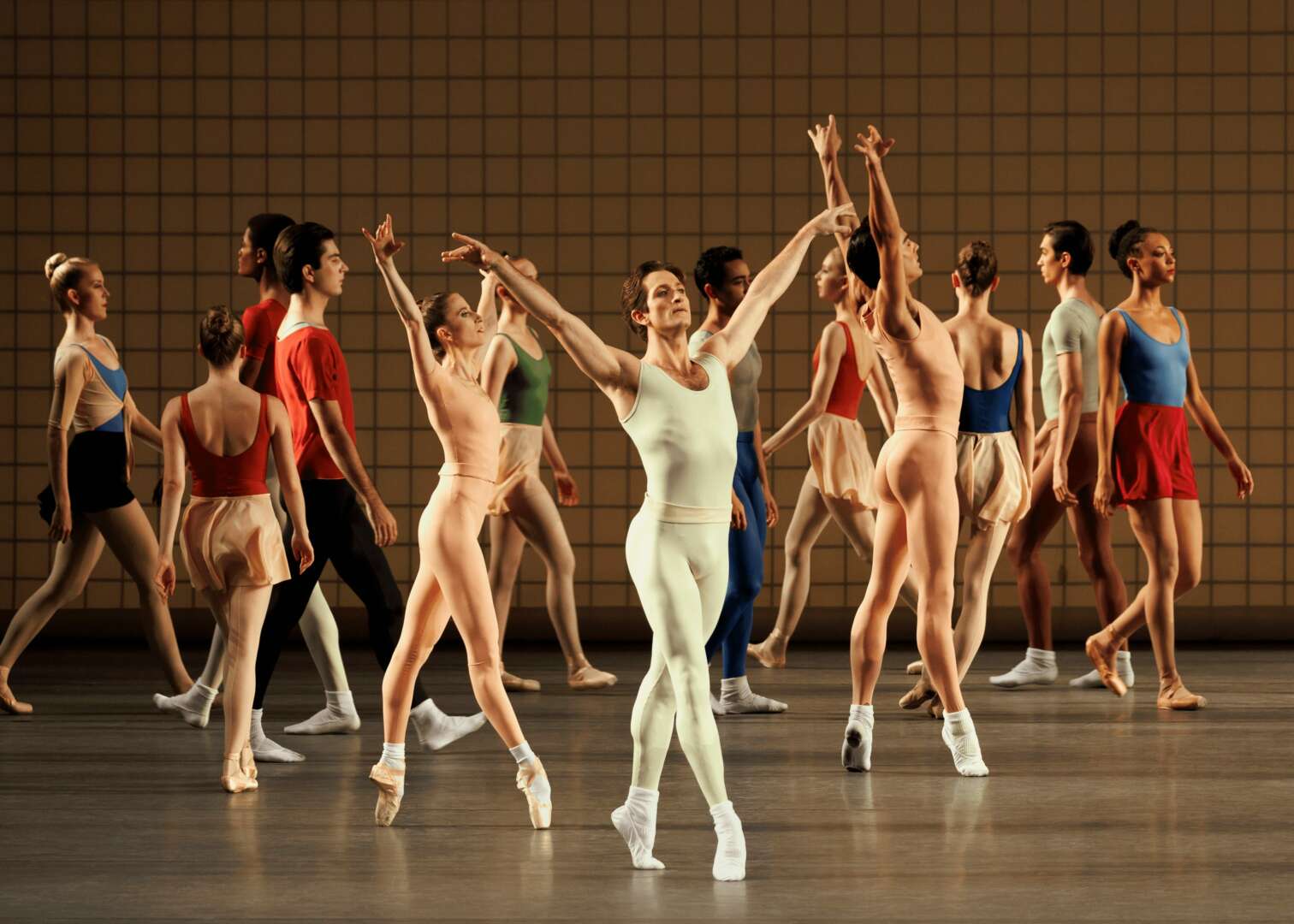
My first experience in a dance studio was in a class called “Shake Rhythm and Roll,” a creative movement class taught by my mother, focusing more on creative expression than technique. My introduction to dance was purely for enjoyment until my perspective shifted after witnessing Mikhail Baryshnikov’s athleticism. His graceful movements and the audience’s adulation following each pirouette inspired me to pursue ballet professionally. Joining New York City Ballet in 2012 marked the beginning of a transformative journey—from apprentice to corps dancer and eventually elevating to the role of Soloist in 2018. With the opportunity to perform works by renowned choreographers such as George Balanchine, Jerome Robbins, Peter Martins, Justin Peck, Alexei Ratmansky, and Christopher Wheeldon, I became a preferred choice for incoming choreographers to partake in the development of new pieces.
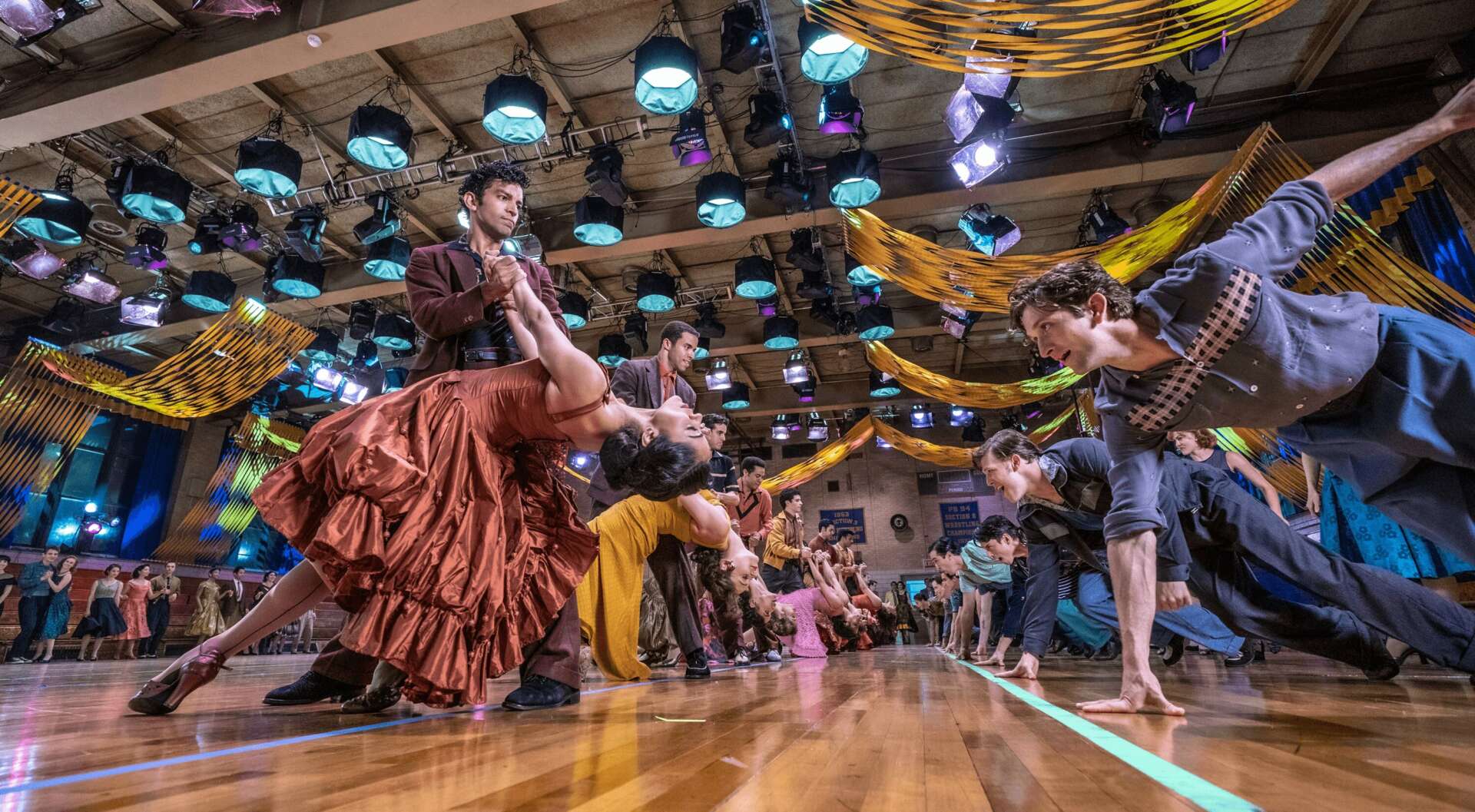
My involvement with NYCB also opened doors to the realms of musical theatre and film. I showcased award-winning choreography by Justin Peck at the 2018 Tony Awards. In 2021 I joined the SAG-aftra film and television union following my portrayal as a Jet named “Numbers” in Steven Spielberg’s West Side Story. More recently, in 2023 I appeared as a “Sailor” in Bradley Cooper’s 2023 film, “Maestro.”
At this stage in my career, I’ve discovered that balancing personal professional pursuits with teaching and mentoring the next generation of artists renews my appreciation for the power of movement. I have found immense fulfillment in helping students hone there balletic technique and develop their unique artistic voice.
Joining the facult of the School of American Ballet as a teaching apprentice in the fall of 2023, I’ve had the opportunity to study and practice SAB’s prestigious syllabus. Now, I have a sense of how to better cater to dancers at different proficiency levels, ranging from beginner to advanced stages of their training. As a frequent substitute teacher for SAB I’ve taught students aged six to fourteen.
Aside from teaching at SAB, I’ve also joined an elite team of professional dancers offering coaching services through “www.danceported.com”. This platform, created by my former classmate and accomplished ballet dancer, Bianca Bulle, serves as a conduit to connect aspiring dancers worldwide with top-tier talent, transcending geographical and socioeconomic barriers. “Danceported’s” mission aligns with my own vision of utilizing modern technology to universalize dance education.
I will be certified through the National Academy of Sports Medicine at the time of the publication of this article and would also like to offer my services as a personal trainer to those interested in strengthening their bodies and minds with a mindful approach to movement. My approach to optimal training blends athletic training, creative mentorship, and holistic health guidance. Drawing from my experience of overcoming various dance-related injuries, I have a personal appreciation for the connection that exists between our bodies and our minds. I also understand that in order to heal and strengthen we have to learn how to balance these parts of ourselves to achieve our full potential in whatever path we pursue. I emphasize functional strength training for lasting health benefits over fleeting aesthetic goals. Through a balanced approach incorporating exercise, nutrition counseling, and mindfulness, my objective is to empower individuals toward physical fortitude and mental well-being. My dedication to excellence permeates through my work at New York City Ballet, “www.danceported.com,” and personal training, underscoring a commitment to innovation and creativity in dance and wellness.
What do you think is the goal or mission that drives your creative journey?
After 12 years of dancing at New York City Ballet, I’m approaching my personal and professional life with a renewed focus on practicing courage and gratitude. Courage to step outside of my comfort zone and develop new skills.I like to think of this in scientific terms – nurturing neuroplasticity. New York City Ballet’s current roster includes 95 dancers. As one of these many talented dancers, it is my responsibility to act as a metaphorical “vacuum” for movement. I think most dancers’ creativity is, to a certain degree, limited to how they interpret an existing piece of choreography or how they embody someone else’s vision when generating new work. After 12 years of dancing and exploring someone else’s ideas, I want to channel my creative energy towards personal projects that are not restricted to any time frames or expectations.
The creative process for new work at the company is demanding. Choreographers are challenged to flesh out both their creative ideas and movement vocabulary in as little as four to six weeks and, in certain special cases, up to eight weeks. The choreographers are allotted around 3 hours per day to rehearse with dancers. The limited time frames allotted to choreographers are necessitated by the company’s need to rehearse the dozens of ballets performed in any of our four- to six-week seasons.
While I may not introduce myself as a choreographer at NYCB, I’m curious to move in the way that is most authentic and natural to my body Creating a new ballet involves vulnerable and powerful moments. There are circumstances where the dynamic between dancer and choreographer transcends the need for words. Occasionally, I intuit a change or adjustment that a choreographer wants to make before they even explain their thought process. I want to trust my instincts regarding choreography and try to push beyond my anxiety or self-doubt. My body has absorbed and adapted to so many choreographers’ needs and now I need to permit myself to discover my creative voice.
What’s a lesson you had to unlearn and what’s the backstory?
A lesson I’ve had to unlearn is the age-old adage that “practice makes perfect.” Throughout my training and professional career as a dancer, this message became ingrained in my psyche, shaping a conviction that the pursuit of excellence led to success. I adhered to a strict regimen of rehearsing every step meticulously, believing that repetition and executing each movement flawlessly would dispel any pre-show jitters and allow me to experience a “perfect show.” This idea of mastery through constant repetition was reinforced by the concept of muscle memory, where movements become ingrained in one’s being through relentless practice.
At one point, this rigid approach to practice and performance started to have unintended consequences. With a desire to make up for lost time post-pandemic, I placed even more pressure on myself to aim for perfection in every class, rehearsal or performance, akin to how Olympic athletes strive for flawless execution in their routines. This fixation on flawlessness led to an obsession with precision. I was keeping track of the quality of my movement with a scoreboard in my mind. The pursuit of perfection culminated in a harrowing experience during a solo performance when I suffered a debilitating “blank out” onstage due to overwhelming self-imposed pressure to execute a challenging choreographic sequence flawlessly.
This moment of vulnerability and disorientation taught me a valuable lesson – the importance of embracing imperfection and valuing the joy of dance beyond technical perfection. I realized that excessively drilling exercises could lead to ingraining inefficient movement rather than natural coordination. In live performances, the ability to adapt, be present, and dance with authenticity trumps the pursuit of rigid perfection. By freeing myself from the confines of perfectionism, learning to embody choreography with joy and fluidity, and accepting the beauty of imperfection, I discovered a newfound sense of freedom and resilience on stage.
Live theatre thrives on the spontaneity and authenticity that imperfections bring, creating unique and unforgettable moments that captivate audiences. The essence of dance lies not in flawless execution but in the genuine expression and joy that dance elicits. As an artist and performer, I don’t pursue perfection; instead, I focus on achieving freedom in my dancing. Artistic mastery is not merely a technical feat; it emerges from vulnerability, courage, and embracing serenity.
Contact Info:
- Website: https://www.harrisoncoll.com
- Instagram: https://www.instagram.com/harrison_coll_/
- Facebook: https://www.linkedin.com/in/harrison-coll-30562a170/
- Linkedin: https://www.linkedin.com/in/harrison-coll-30562a170/
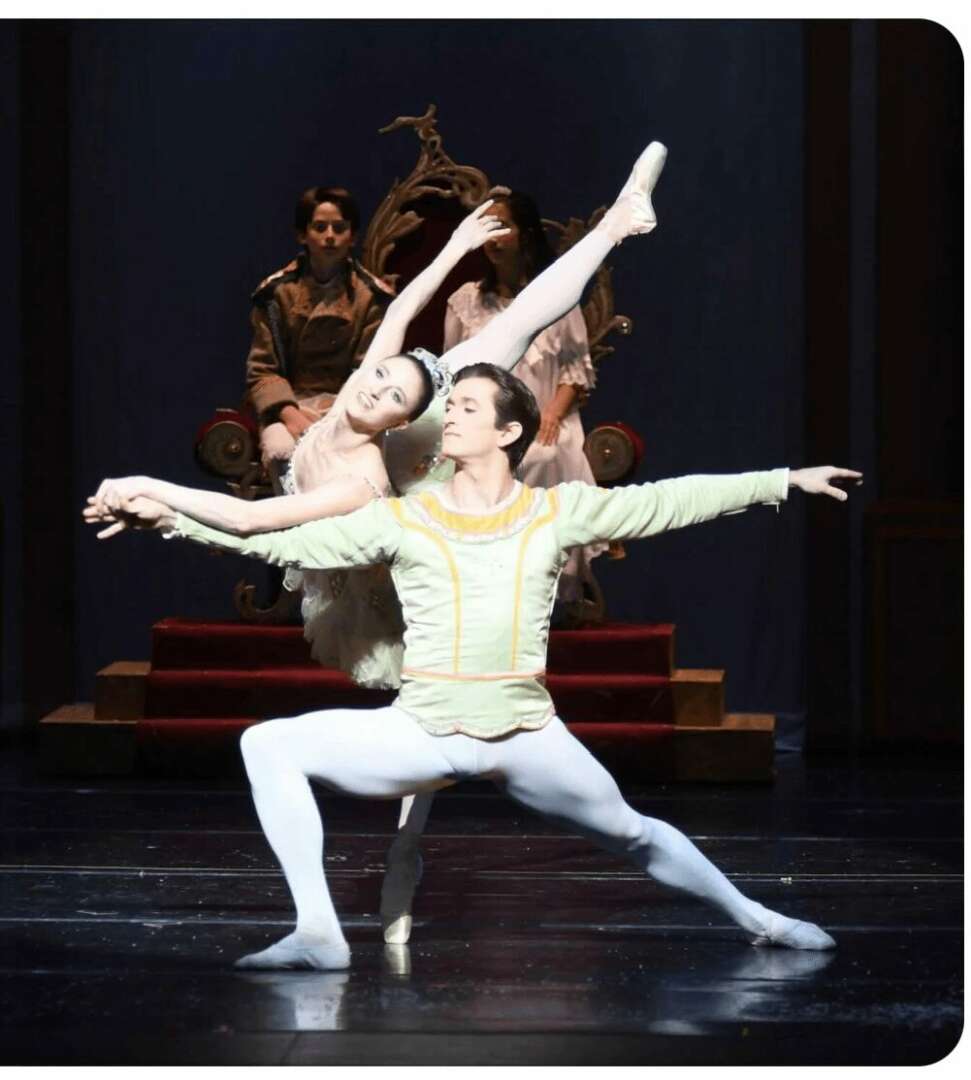

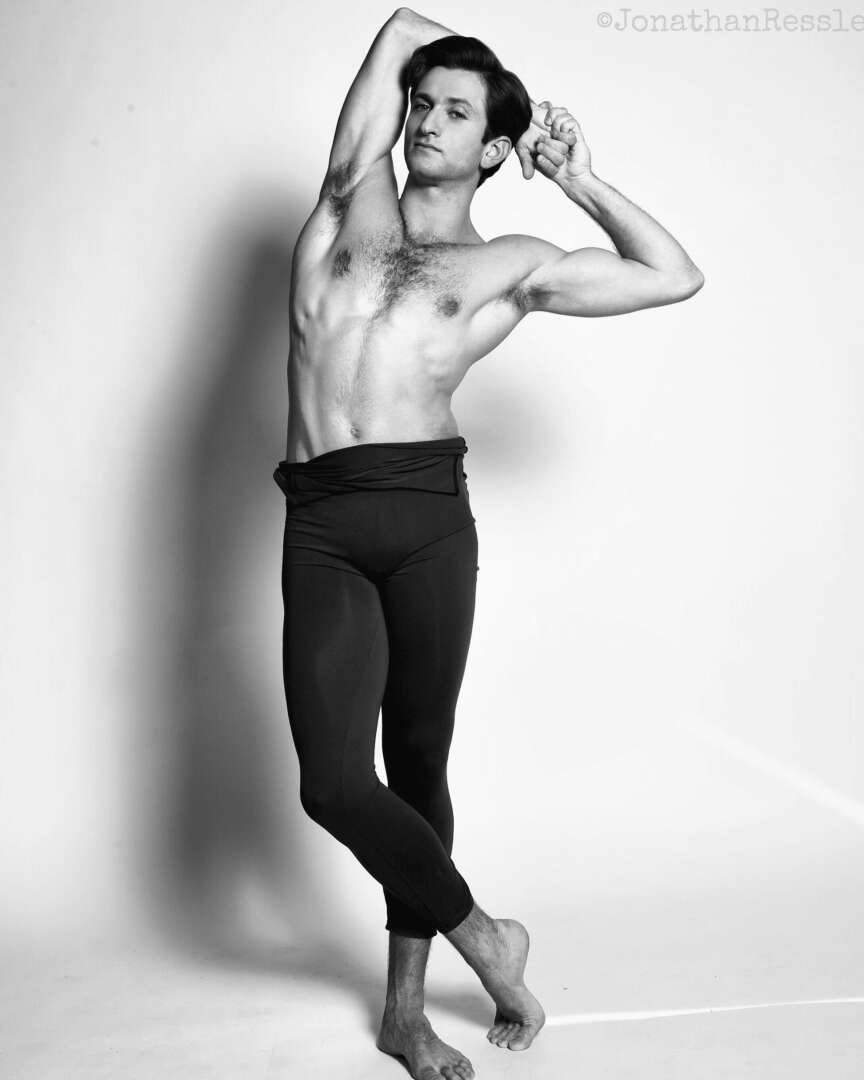
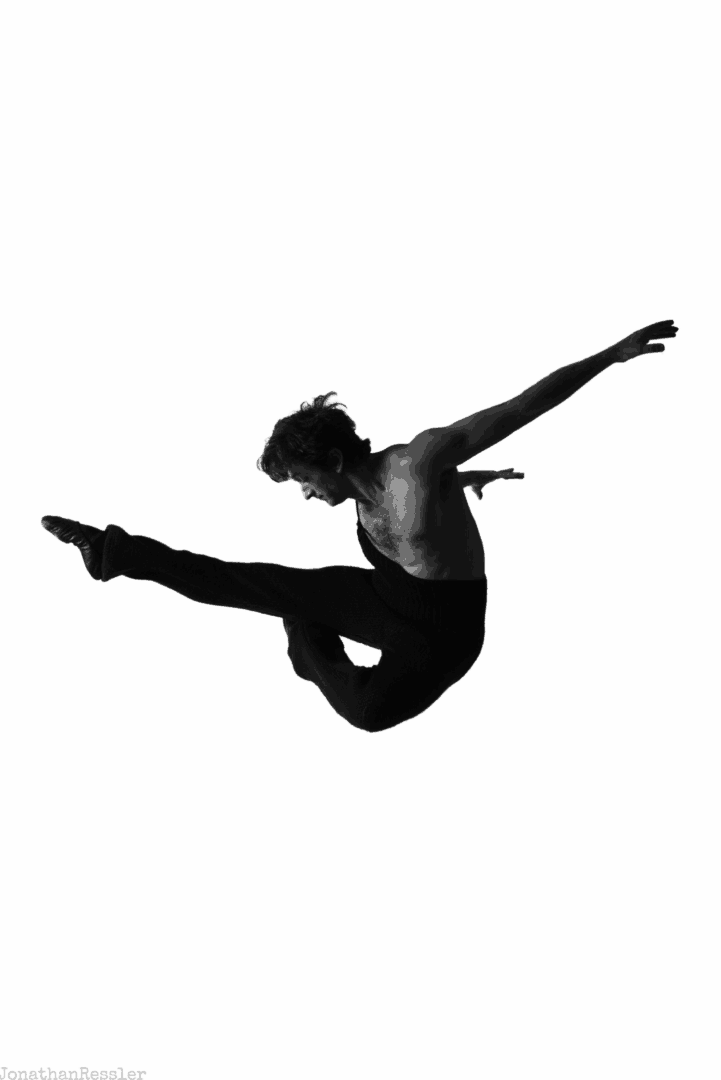
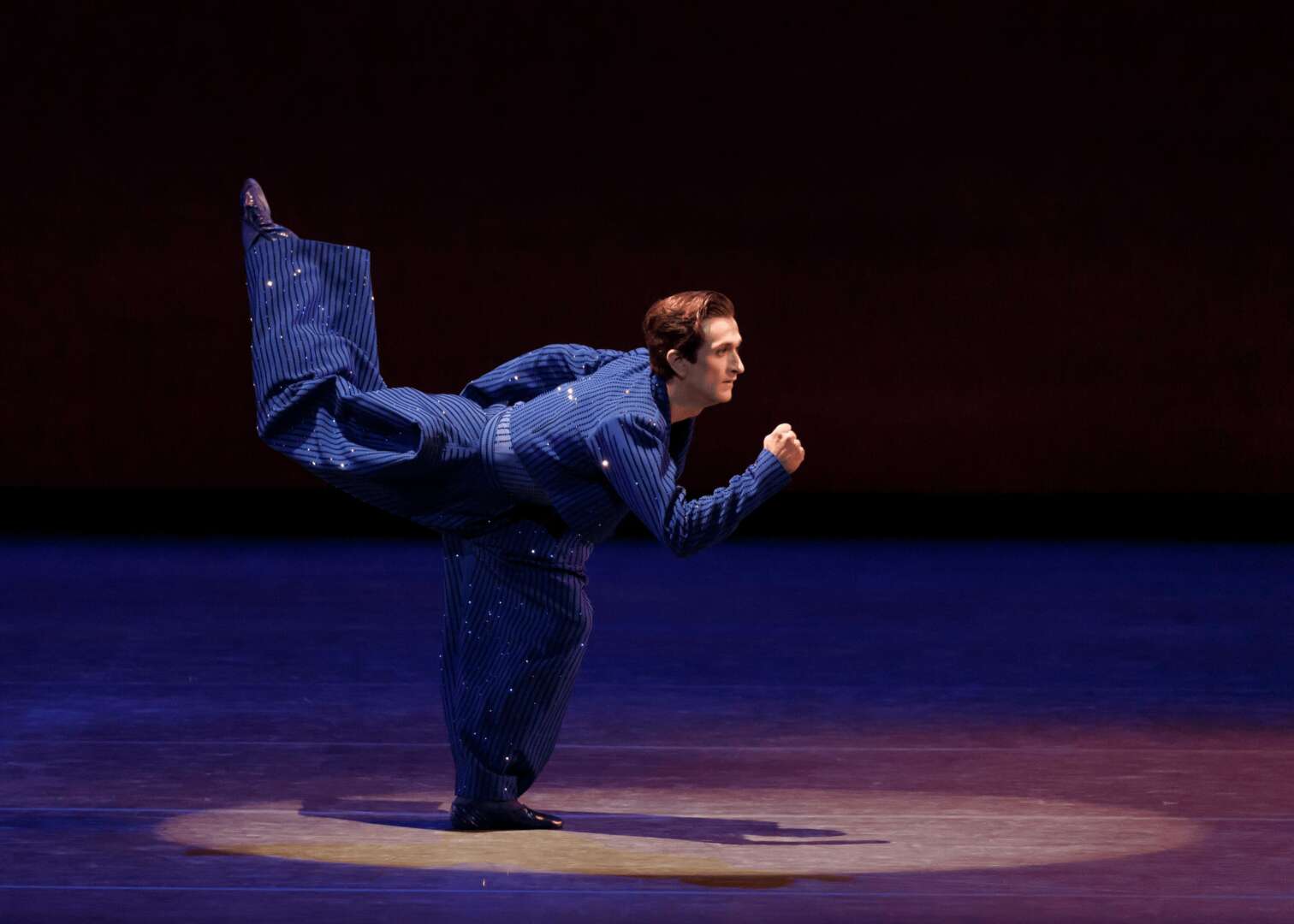
Image Credits
Erin Baino
Jonathan Ressler