

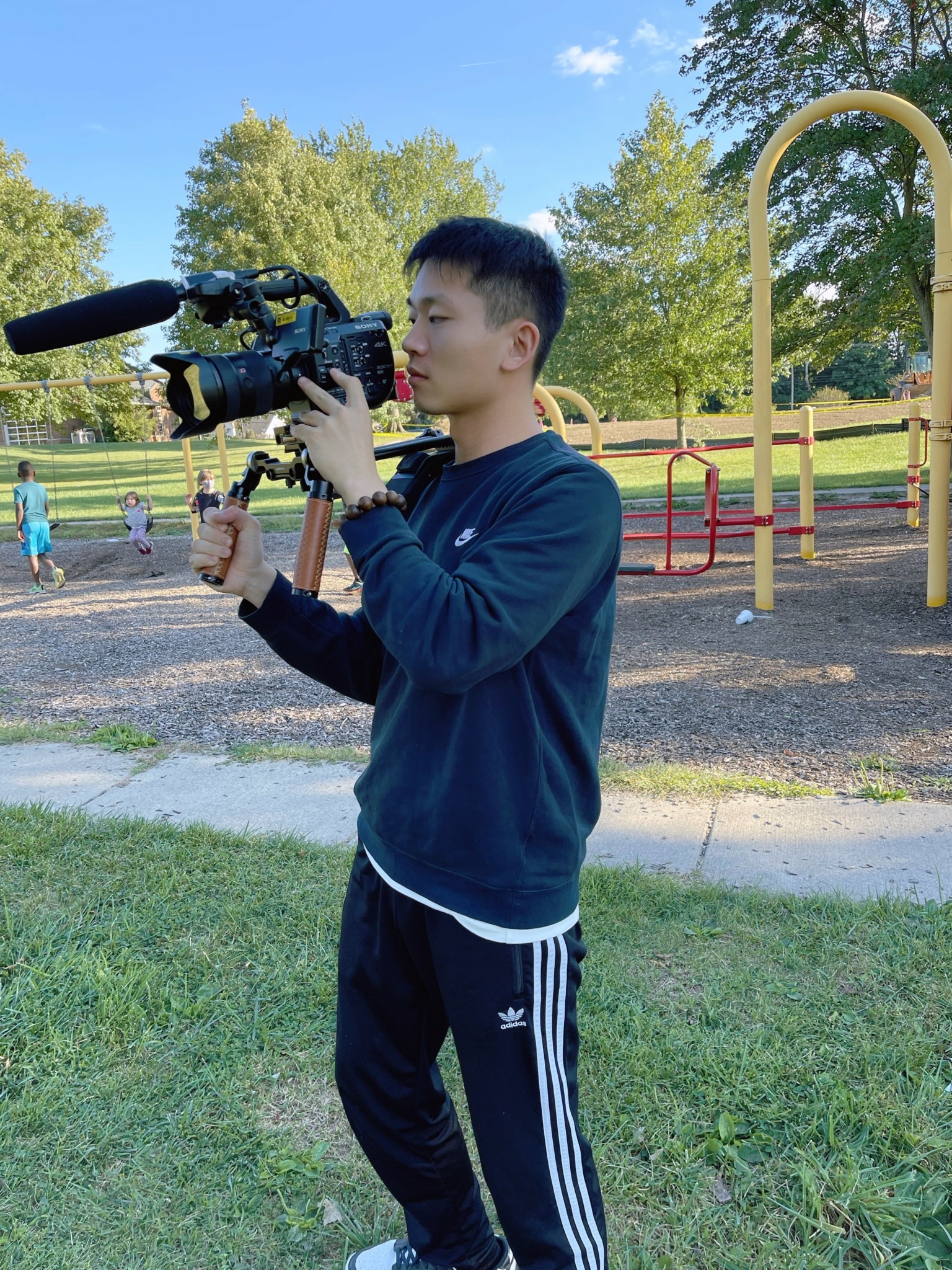

We caught up with the brilliant and insightful Hansen Lin a few weeks ago and have shared our conversation below.
Alright, Hansen thanks for taking the time to share your stories and insights with us today. When did you first know you wanted to pursue a creative/artistic path professionally?
I don’t clearly remember at what age it started, but I began participating in performances and hosting events from a young age. When I was a child, I felt happy, rather than embarrassed, when my parents would ask me to perform at the dinner table. I truly enjoyed the way I could take charge of the room and capture everyone’s attention.
In addition to that, I’ve always had a deep passion for creative work. When I was very young, my mother enrolled me in after-school classes such as electronic piano and oil painting. Her initial goal was to channel my energy into activities that would teach me patience. However, as I immersed myself in these creative pursuits, I began to enjoy the process of focusing my creativity in a specific moment and space.
I was fortunate to have teachers who were kind when I made mistakes and who believed in my abilities. I quickly grasped details and became familiar with melodies, which gave them confidence in my talents. They encouraged me to explore various things and even took me to competitions. I felt very accomplished being recognized by professionals, and this recognition inspired me to dig deeper into my artistic identity.
After quite some time, and following my graduation from university with a degree in economics, I realized that I wasn’t satisfied with the lifestyle I envisioned from pursuing a career in my field. That’s when I made the decision to study filmmaking abroad.
Hansen, love having you share your insights with us. Before we ask you more questions, maybe you can take a moment to introduce yourself to our readers who might have missed our earlier conversations?
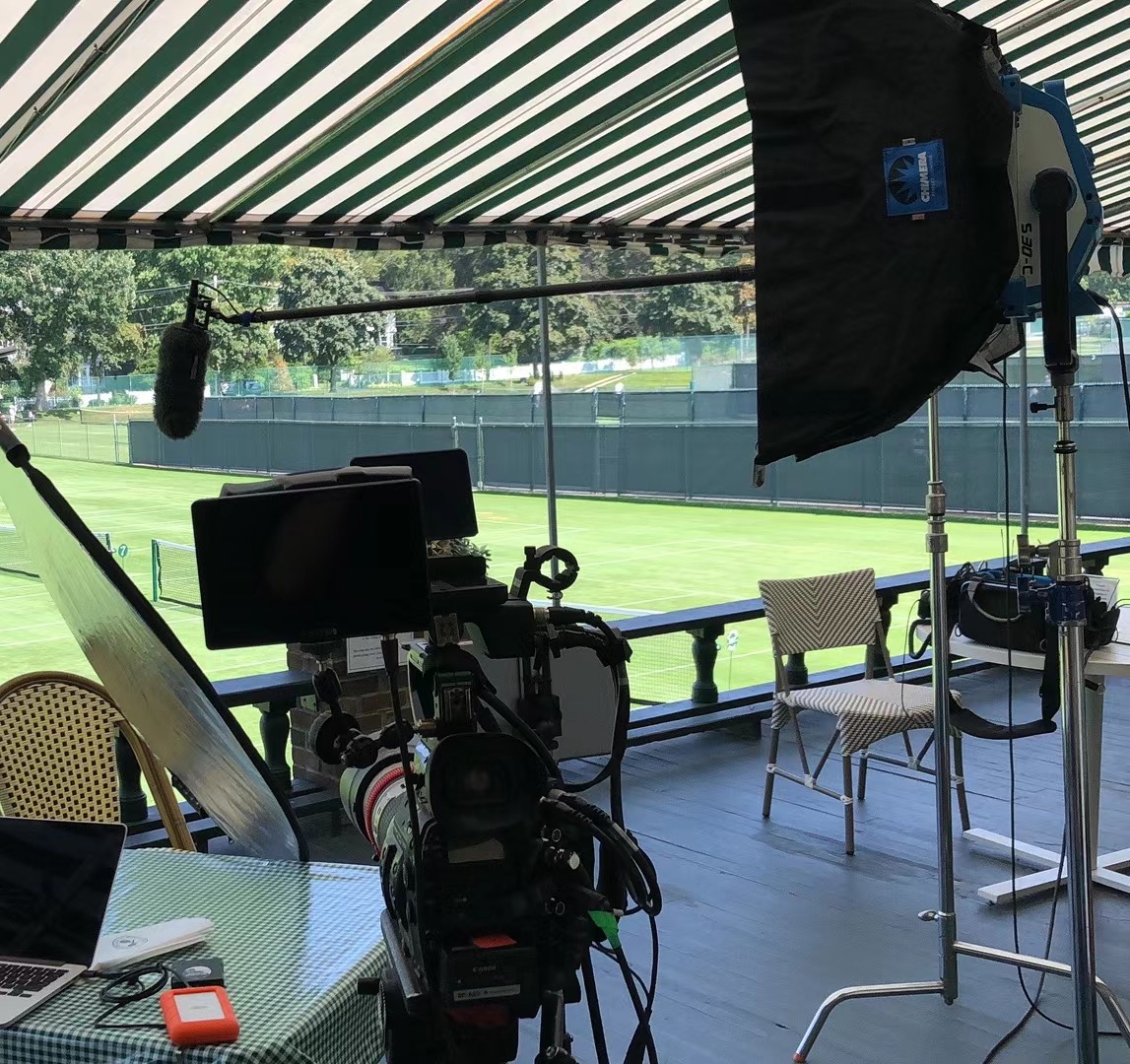
After coming to New York to study, I gained many practical opportunities and gradually entered the documentary filmmaking industry through various introductions. During my studies, I was constantly working on my own projects as well as participating in others, taking on roles such as director, producer, editor, and cinematographer. Eventually, we were able to participate in notable festivals and market events like DOC NYC, the largest documentary festival in North America, the highly influential Beijing International Film Festival, and the In Moments Film Festival.
Through these collaborations, I saw how we could learn from each other and improve in visual storytelling. After graduation, I became involved in the production of a feature-length documentary, primarily focusing on production and post-production. We worked in a tightly-knit team without any hierarchy; even the experienced directors entrusted me with important responsibilities. This trust allowed me to fully utilize my strengths and help the project reach its full potential, something I truly appreciated.When we found out that we were selected for prestigious and highly competitive festivals like Sundance, SXSW, and CPH
, I would always cheer in front of my computer screen. I cherish being part of a team that is united in trust and working toward a shared goal.
Later, in other projects, I began taking on more leadership roles independently. In commercial projects, which often have shorter production cycles and tighter budgets, I became more adept at creating execution plans that best fit the project. This ability to make sound judgments and decisions allowed me to take on more commercial projects. In the past few years, I’ve completed many projects focused on American Chinese community stories, garnering tens of millions of views on platforms like Tencent and Bilibili (Chinese Netflix), and Youtube. I have found the global audiences have a huge interest in American Chinese stories and, by sharing their stories, how we can help more people understand the challenges faced by this community. During the three years of the pandemic in New York, amidst the many sudden Asian hate violence incidents, I realized that as a visual storyteller, I could use my craft to promote understanding and reduce the distance between people. I actively participated in community cultural organizations and started collecting stories. I founded my own production company, dedicated to collecting and producing stories of immigrant communities, helping them better integrate into American society, and using their perspectives to raise awareness of the support they need. Also, I believe that in today’s multicultural America, the stories of immigrant communities can serve as a bridge, helping mainstream society better understand the positive role diversity plays in social development. Through these authentic and nuanced narratives, I aim to show audiences that each immigrant is not just an individual striving for success; their efforts are actually contributing to the progress and prosperity of the entire nation. By sharing these stories, I hope to spark policy discussions, garner broader social support, and ultimately promote deeper integration and collaboration within the societal structure.
Can you share a story from your journey that illustrates your resilience?
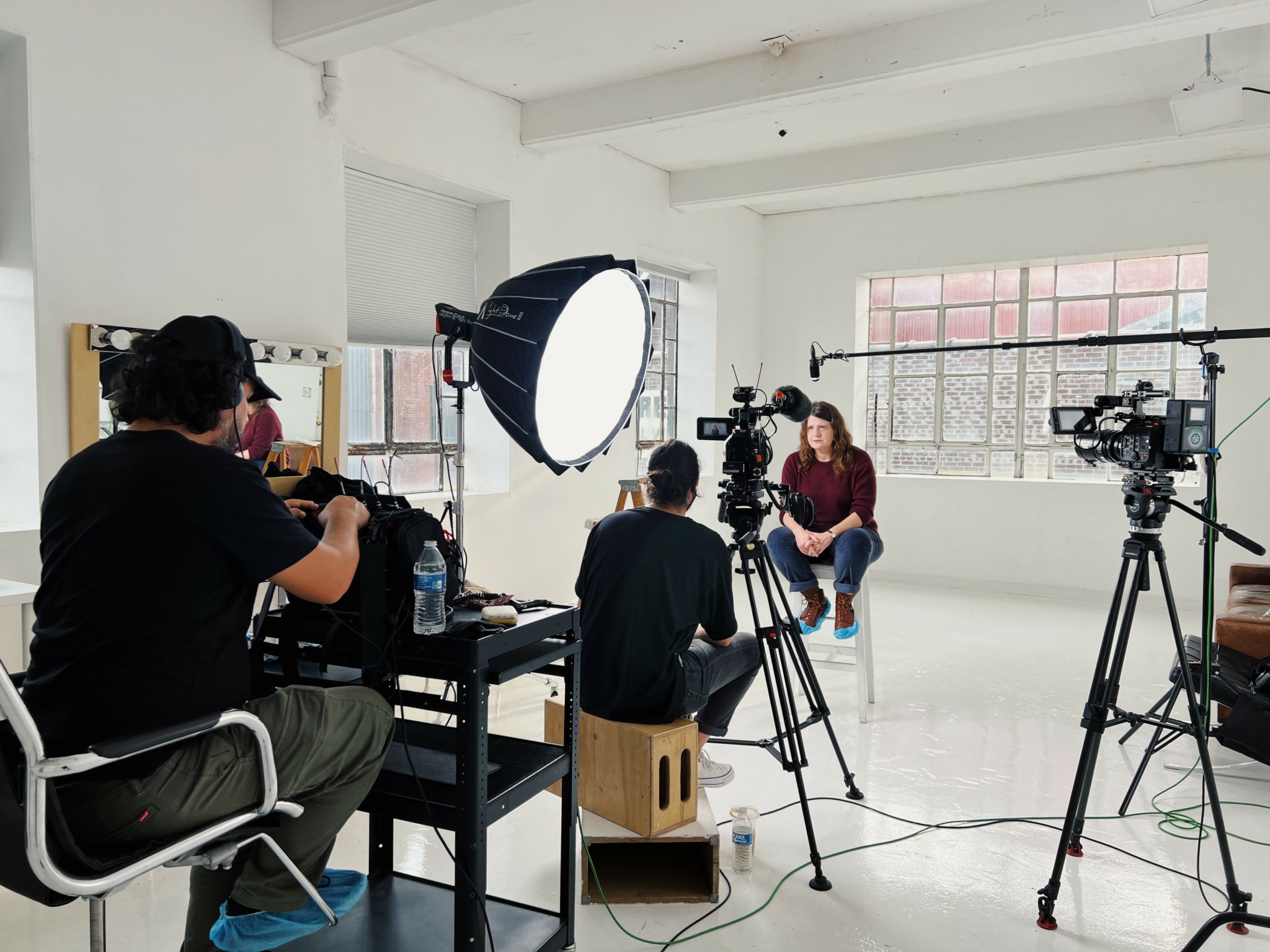
When I first arrived in the U.S., I had very few resources and faced significant financial challenges. It wasn’t just the struggle of pursuing filmmaking, but also managing everyday life with limited means. Despite these difficulties, I remained fully committed to my passion for storytelling. Every obstacle—whether it was financial, securing funding, or being rejected by interview subjects—only strengthened my determination to find new ways to keep pushing forward.
As an independent filmmaker, I’ve encountered numerous challenges, particularly in securing funding and gaining the cooperation of interview subjects. There were many times when my grant applications were turned down, or key subjects for my documentaries refused to participate. While these setbacks could have easily discouraged me, they instead fueled my resolve. Every “no” forced me to find creative solutions—whether it meant cutting down budgets, seeking smaller grants, or turning to crowdfunding. When one door closed, I explored unconventional paths, collaborating with other filmmakers or leveraging my network for support.
Even when interview subjects declined, I stayed flexible and persistent, often finding new angles or different subjects whose stories resonated even more deeply with my vision. These experiences taught me that filmmaking is as much about adaptation and perseverance as it is about creativity. Each challenge became an opportunity to innovate, making me a more resourceful and determined filmmaker.
This resilience didn’t just shape my own journey but also had a ripple effect on those around me. Many of my peers, who saw me push through adversity, were inspired to persevere in their own projects. Together, we built a community of mutual support, encouraging each other to keep going no matter how tough the circumstances. Through this shared sense of determination, I not only found my footing as an independent filmmaker but also helped foster a supportive environment for others to pursue their creative paths.
Are there any books, videos, essays or other resources that have significantly impacted your management and entrepreneurial thinking and philosophy?
I am deeply inspired by the film Bodyhood, directed by Richard Linklater, and by a Chinese director I greatly admire, Jia Zhangke, particularly his work Mountains May Depart. Both films have profoundly shaped my understanding of cinema, its artistry, and the connection between film and the lives I observe. These works have influenced my belief that while relationships between people are often temporary, certain emotions endure throughout our lives, helping us discover our true selves and live more authentically. Even in an era dominated by artificial intelligence, I firmly believe that sincere human emotions remain the core essence that differentiates us from machines. This belief is a guiding philosophy in both my filmmaking and entrepreneurial approach.
Contact Info:
- Website: https://www.aak-law.com
- Instagram: aaklaw
- Linkedin: https://linkedin.com/in/aaron-a-karger-8479096

Image Credits
Hansen