Alright – so today we’ve got the honor of introducing you to Hannah Lewis. We think you’ll enjoy our conversation, we’ve shared it below.
Hannah, thanks for joining us, excited to have you contributing your stories and insights. How did you learn to do what you do? Knowing what you know now, what could you have done to speed up your learning process? What skills do you think were most essential? What obstacles stood in the way of learning more?
I started drawing when I was still in the single digits. My mom told me that when I was little, she would give me a stack of printer paper and I would draw a figure on every single piece, in her words she said I created “prolifically”. I’m lucky enough that my parents took my dedication to making art seriously, and they put me in art classes early. I took classes through elementary, middle, high school and college. The class I took that was the most influential on my style was an intensive series called Figure Academy taught by the Visual Art Institute in Salt Lake City, Utah. There I learned the fundamentals of how to draw people, I have been enamored with drawing the human figure ever since. My largest obstacle in my art practice has funnily enough been myself. I’ll have spurts where I create and create, and then down time where I will go months without picking up a pen or a brush, and then inspiration will suddenly hit and I’ll again begin to produce “prolifically”. This has been my pattern for years. I try to fight it, I wish I were an artist who wanted to produce art constantly, but I am beginning to become settled with the idea that this may just be the way that I make art and may always will be.
Hannah, love having you share your insights with us. Before we ask you more questions, maybe you can take a moment to introduce yourself to our readers who might have missed our earlier conversations?
Currently, my main goal as an artist is to create. For the past year or so I have been focusing on practicing my skills, honing my style, and trying to take what I see in my mind and put it into the world. I have been a professional artist before, around five years ago I made art my main job and only source of income, but during that period I lost my vision. I would love to be able to be a full time artist again, but before I do that I first want to make sure that I feel very stable and secure in my practice.
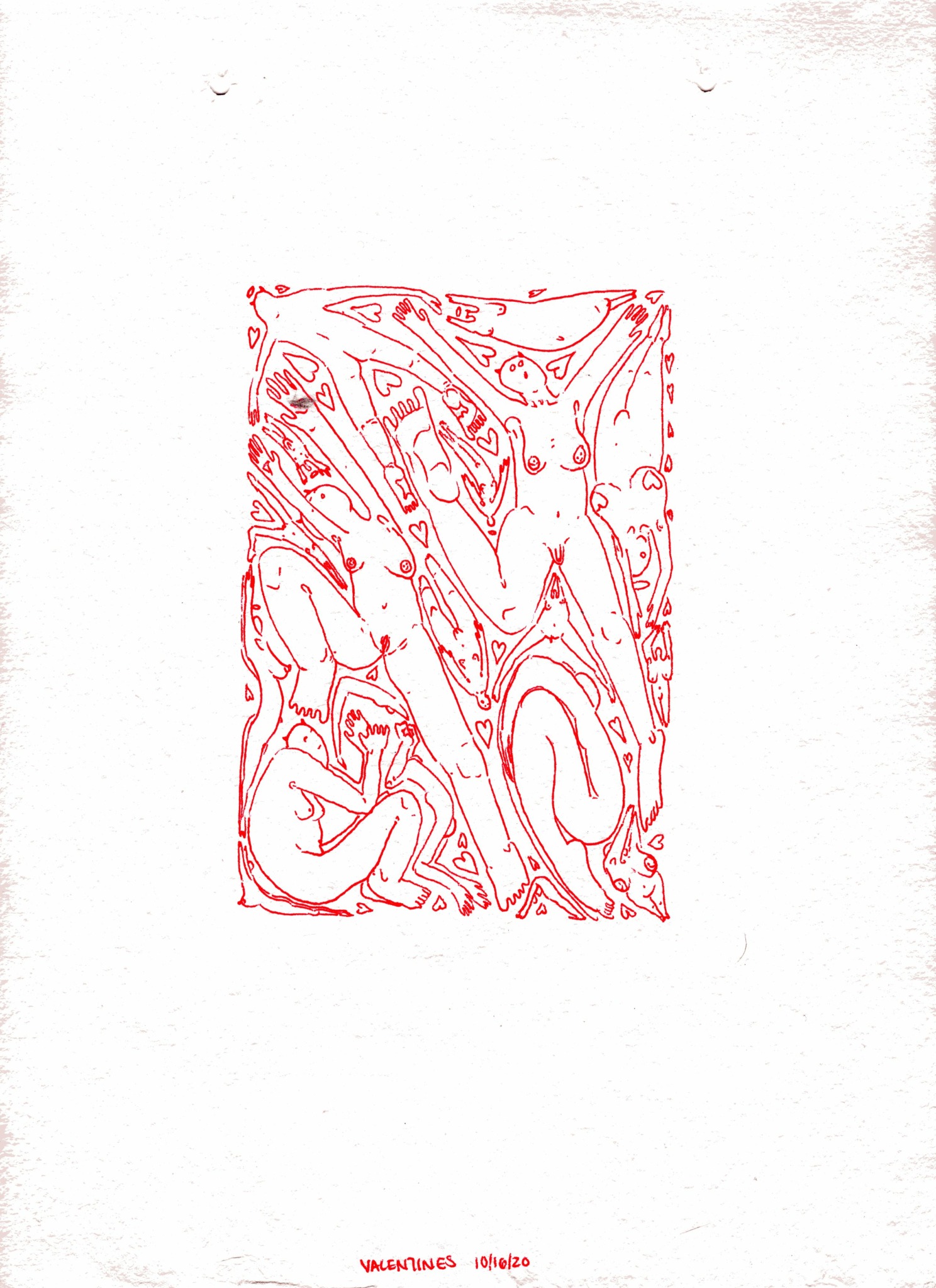
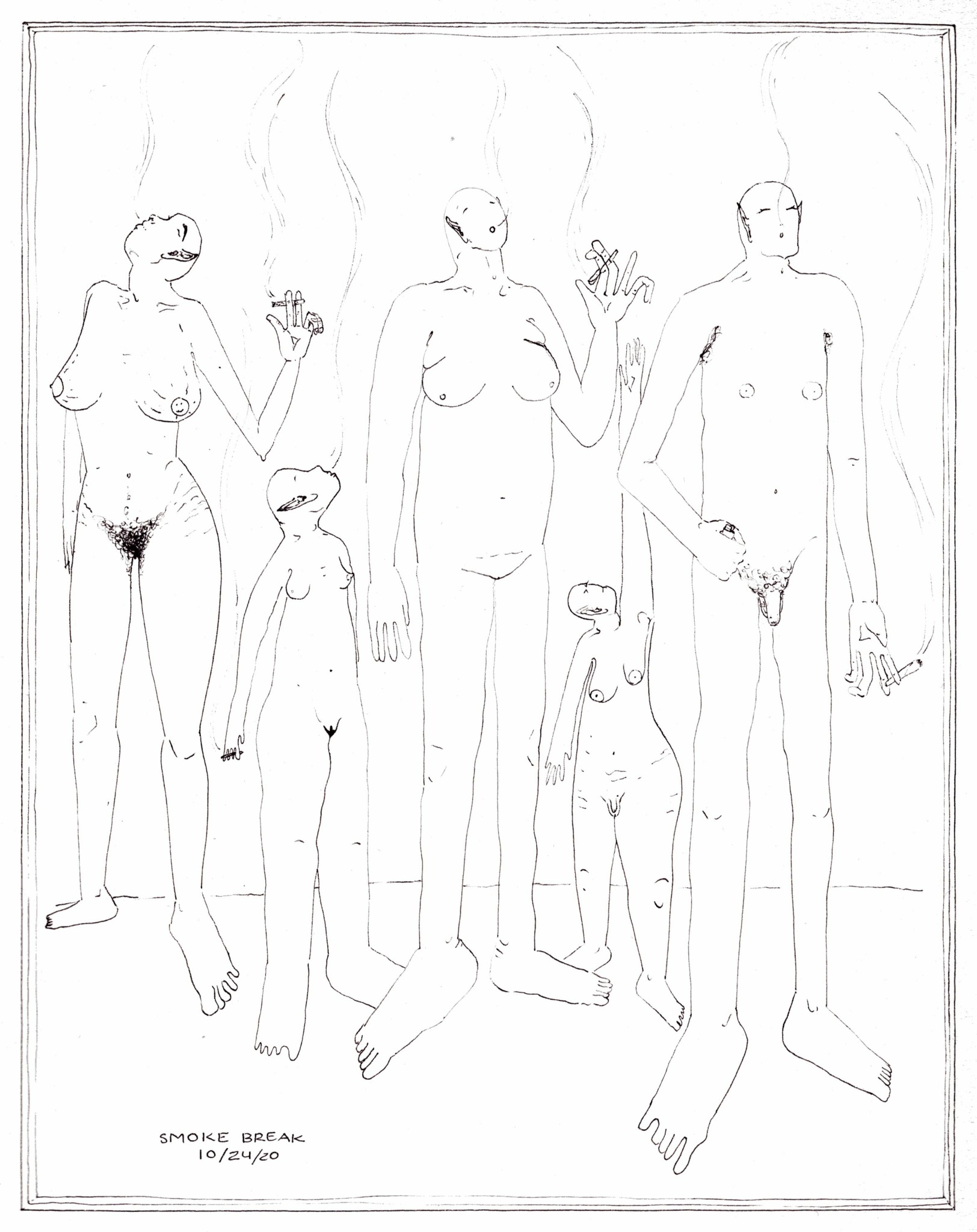
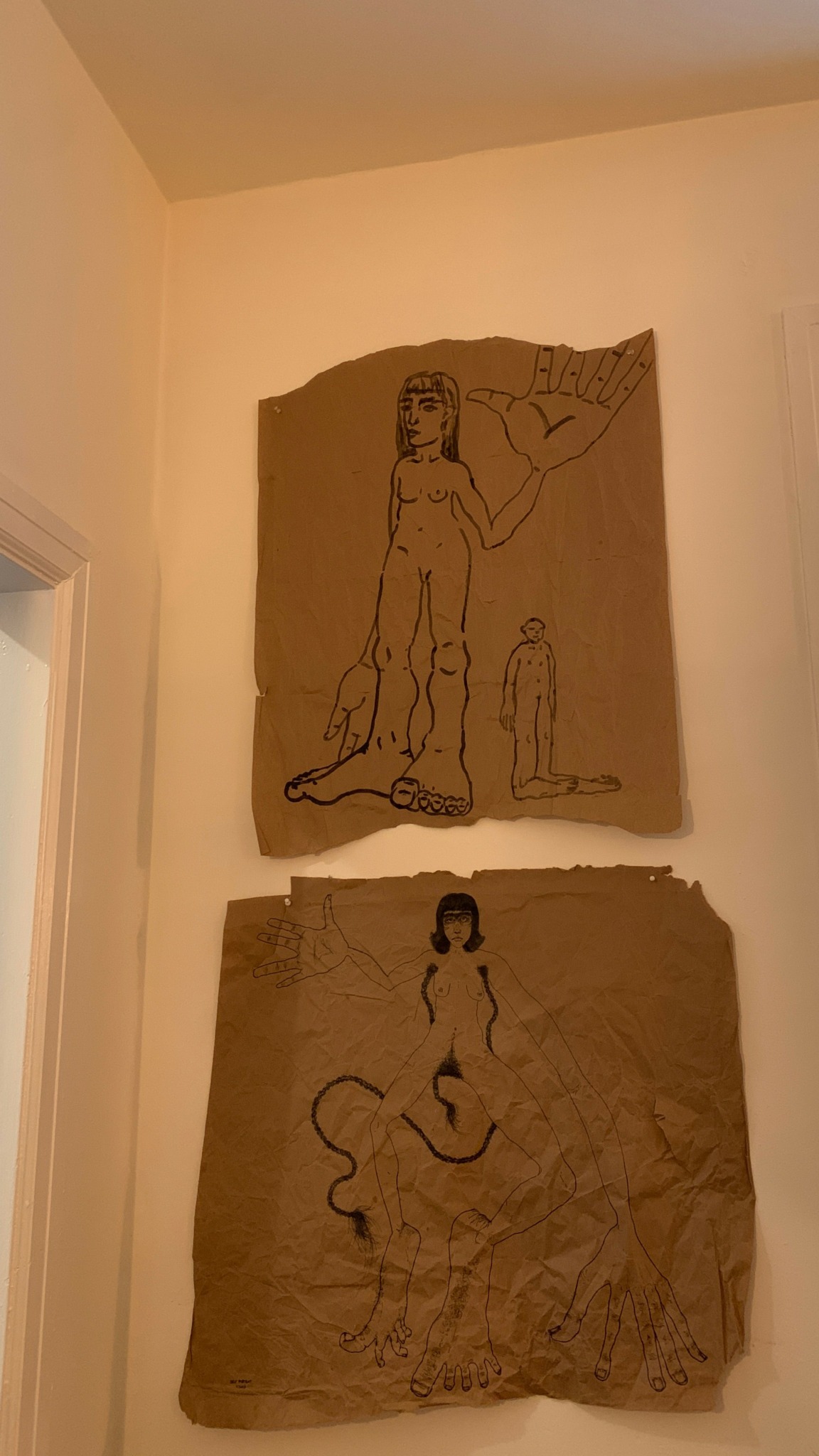
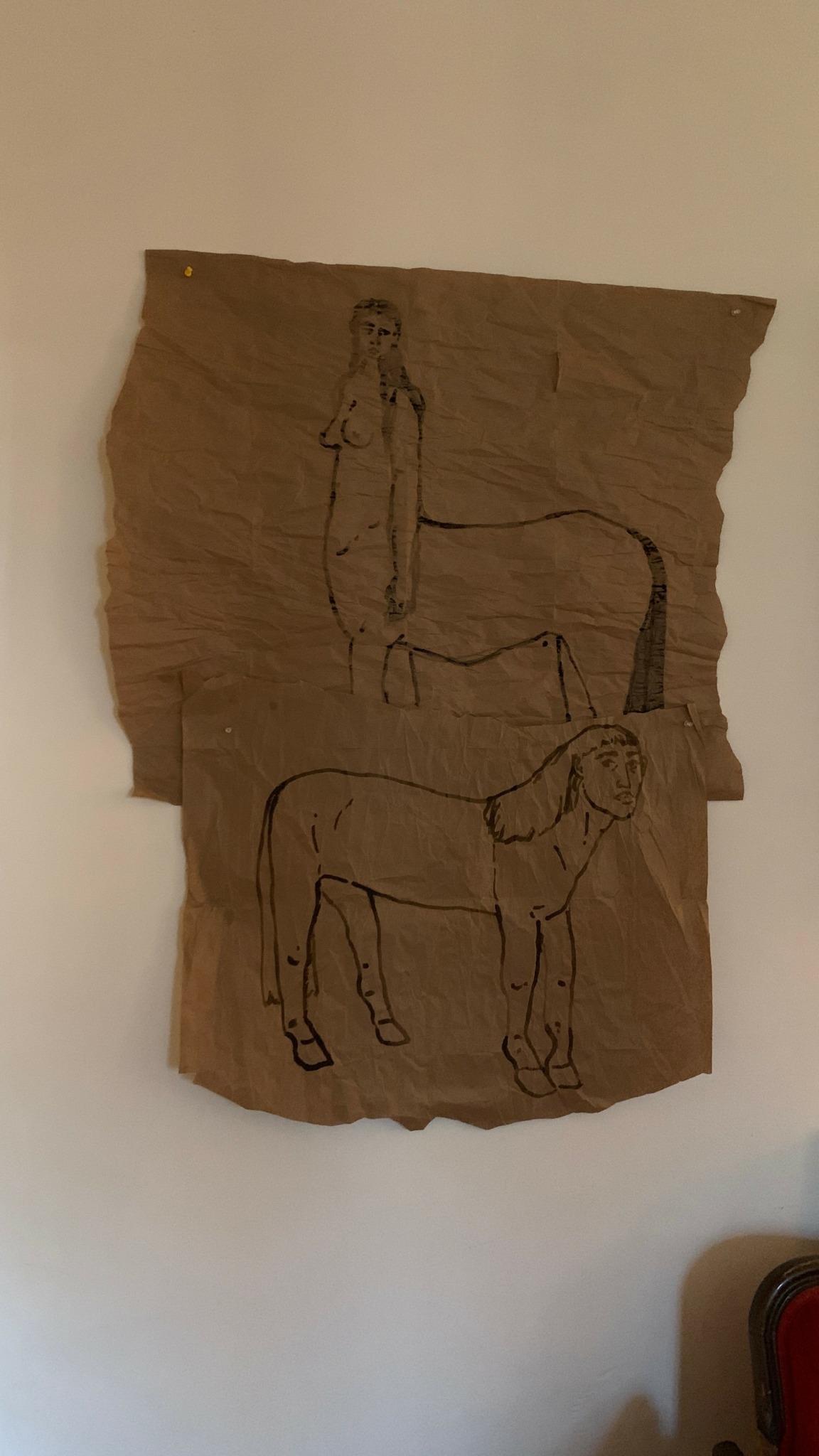
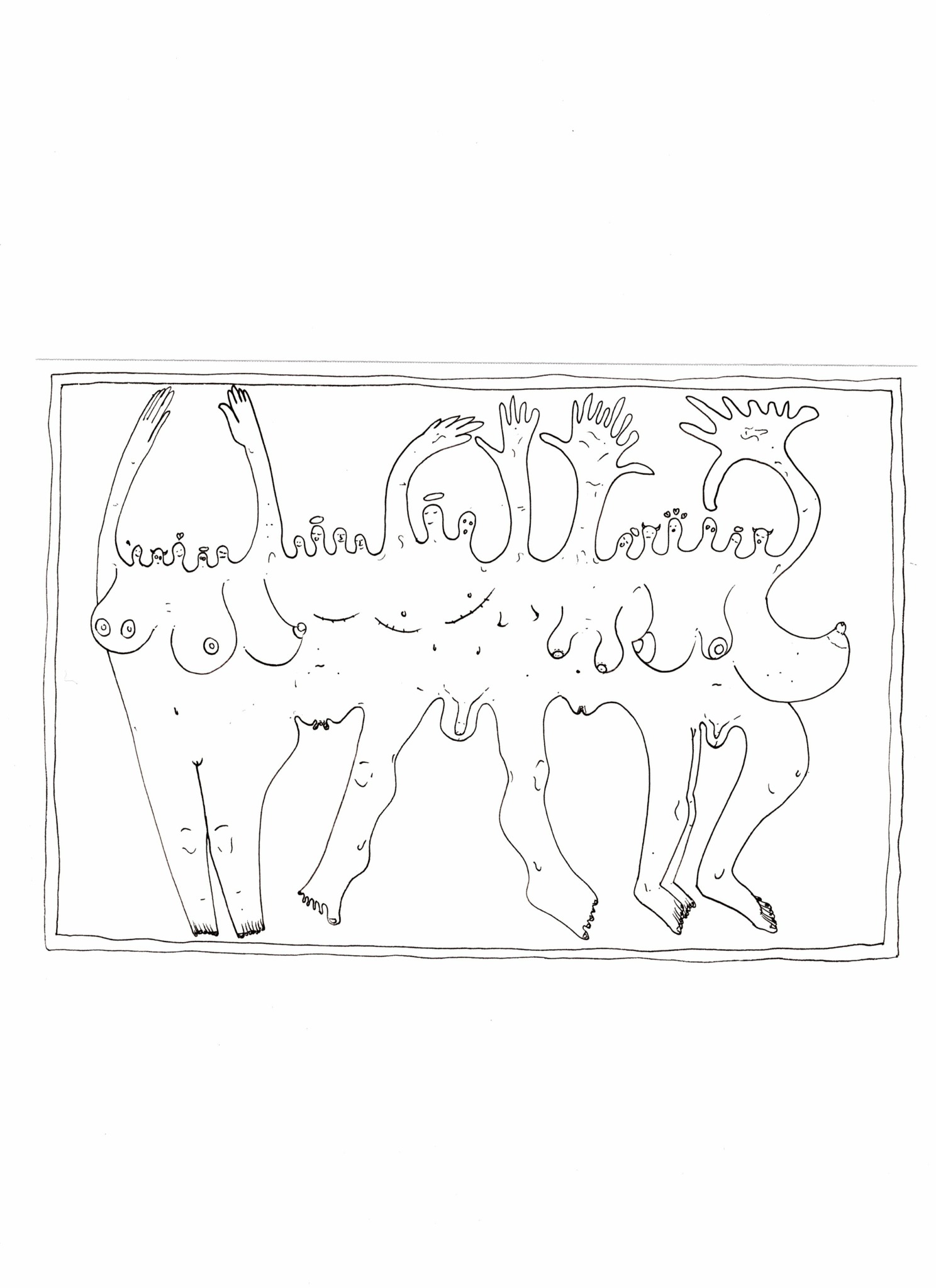
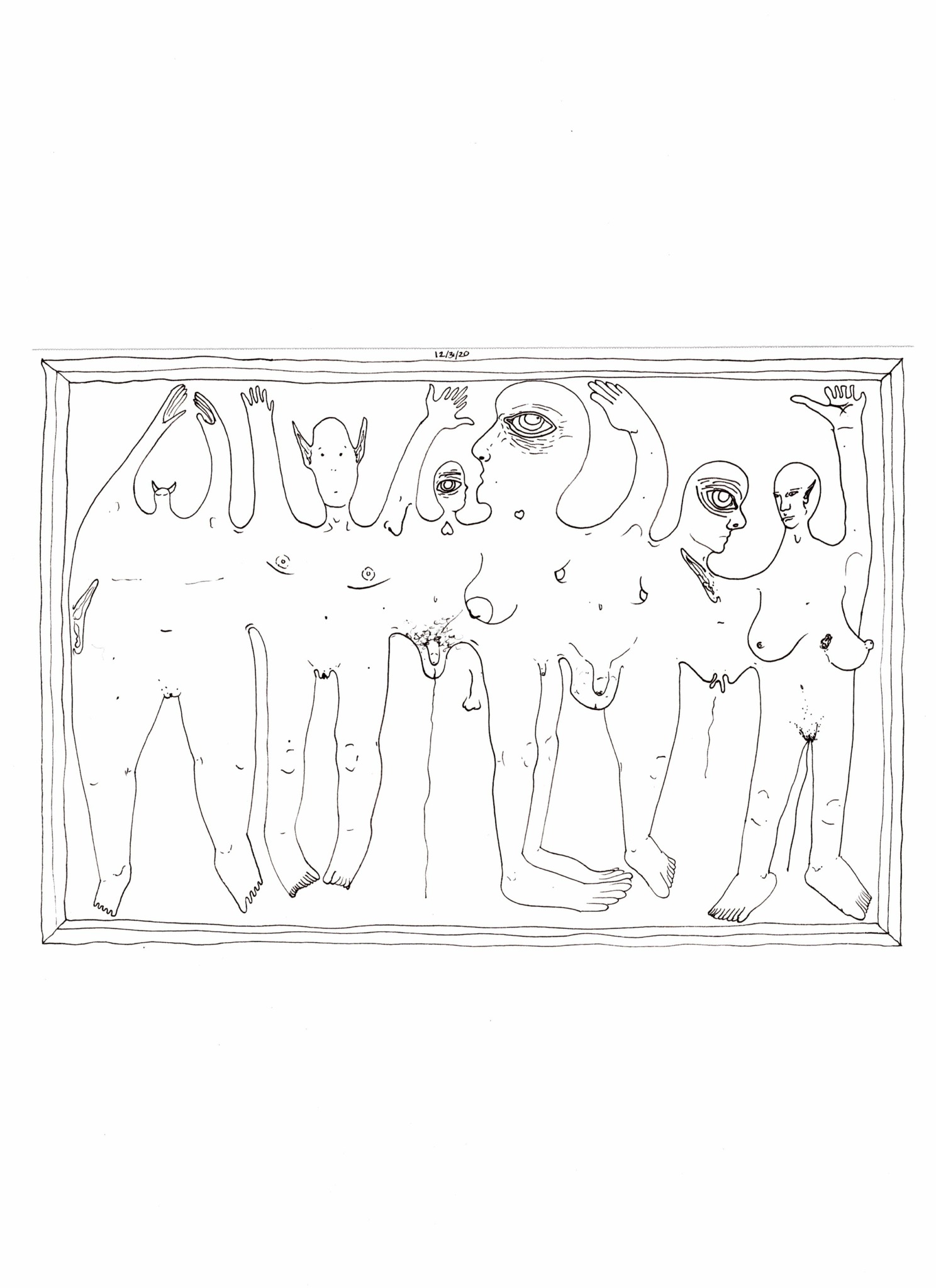
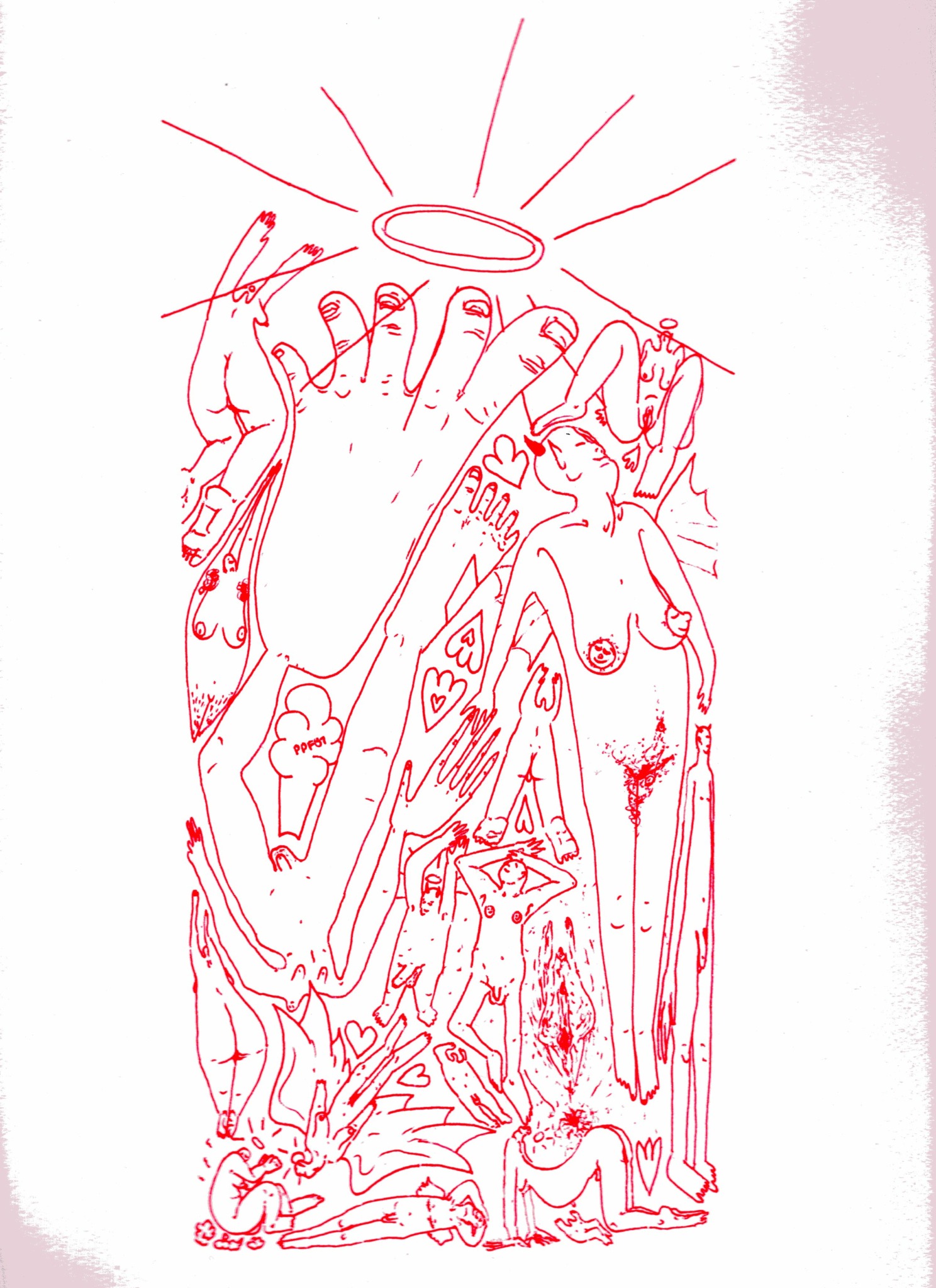
I enjoy working with many mediums, when an idea comes to me I like producing it in any way that feels right. I draw, paint, knit, do ceramics, write prose and poetry. Though I think the best way to describe me as an artist would be a figure painter. For the past four years I’ve been drawing people in many forms, of different sizes and races and genders. The humans I create are androgynous, ambiguous. I want them to look like the broadest and most generalized human one could imagine. They are just people, nameless, existing in their utopian worlds where distinguishers such as race and gender don’t exist, because everyone is everything.
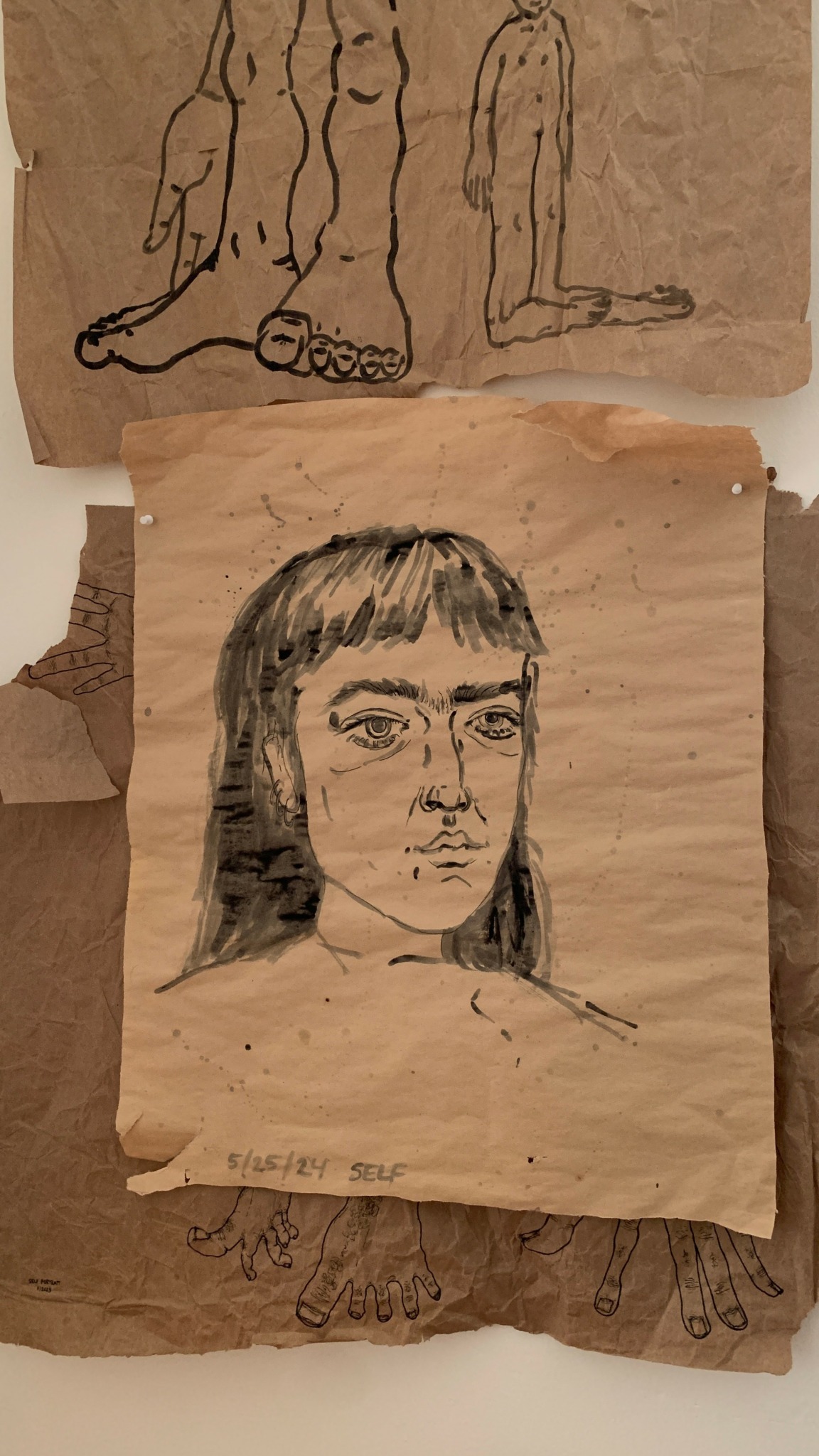
More recently I have been painting self portraits, this feels like a step to understand myself and my practice better. With every new step I take in my practice I feel closer to being ready to become a full time professional artist again.
How about pivoting – can you share the story of a time you’ve had to pivot?
In 2020, I realized that my entire art practice had turned into me forcing myself to create mass amounts of art for my audience. I had lost my vision and my authenticity. What I was doing was working in a way, I was making money, I had a solid following on social media, I felt support from my peers, but I was no longer making the art that I wanted to make. I needed to make a change. I stopped selling art and took a break from posting art online. My break from sharing my art to the public was extremely helpful in finding myself again. It acted as a reset. I stayed creating, but knowing that no one had to see what I was making helped me find my style and authenticity again. I grew tremendously as an artist that year and ended up making some of my favorite works I have ever produced.
How can we best help foster a strong, supportive environment for artists and creatives?
Something similar to this has been said time and time again, but truly the best way to support artists is to buy works from small and local artists. This goes for visual artists as well as musicians, designers, writers, and other creatives. Buying a small work or attending an event here and there is extremely helpful, appreciated, and inspiring. Inspiring not only for the artist but also for the audience.
Contact Info:
- Website: https://hannahrachellewisart.wixsite.com/hannahlewisart
- Instagram: https://www.instagram.com/hannahrachellewisart