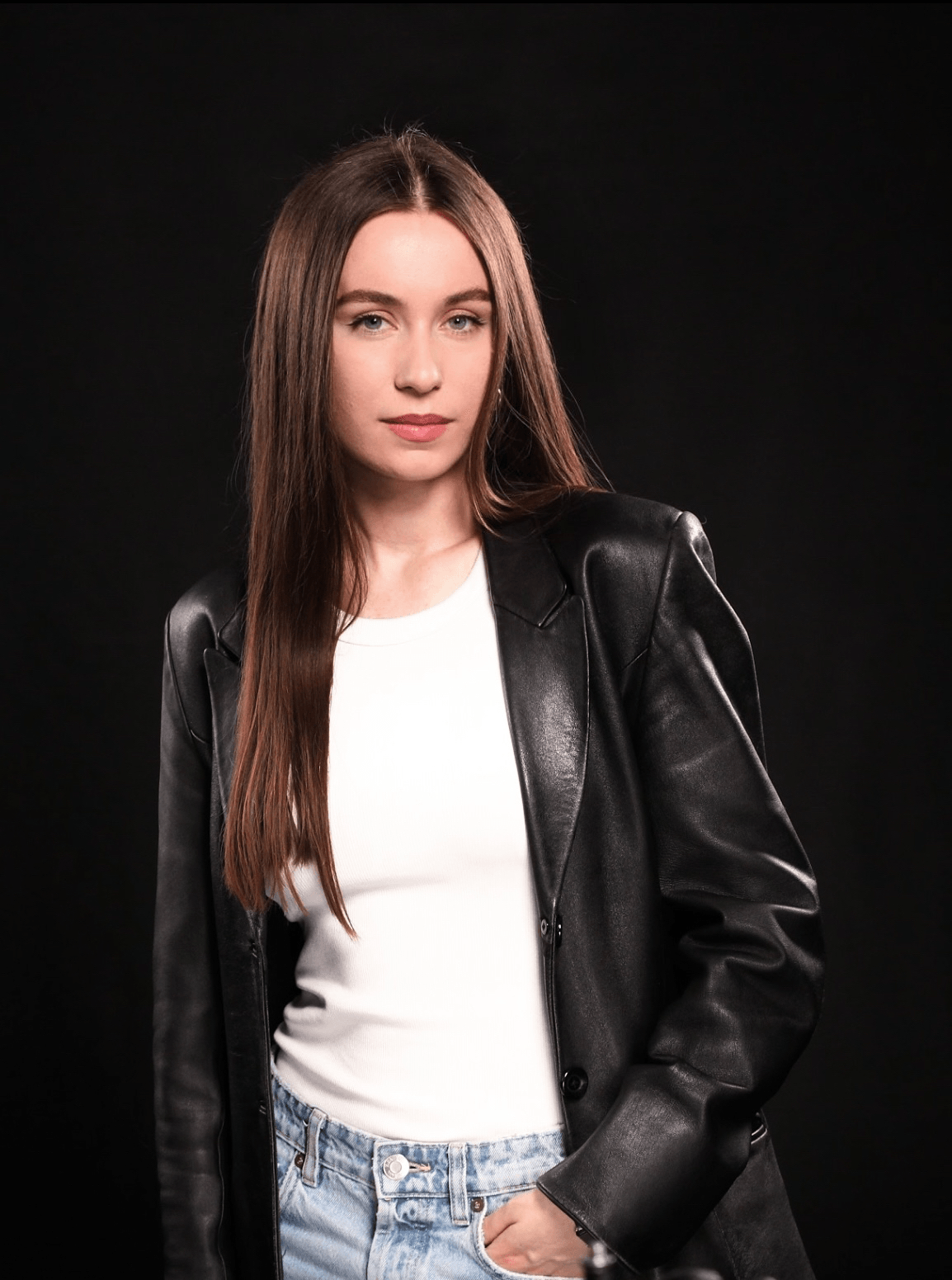

We were lucky to catch up with Hanna Kazeka recently and have shared our conversation below.
Hanna, looking forward to hearing all of your stories today. Have you been able to earn a full-time living from your creative work? If so, can you walk us through your journey and how you made it happen? Was it like that from day one? If not, what were some of the major steps and milestones and do you think you could have sped up the process somehow knowing what you know now?
I believe studying motion design was one of the best decisions I’ve ever made because it has allowed me to make a full-time living doing something I genuinely love. Motion design is such a versatile field that almost every company or industry you can think of uses the skills we bring to the table.
That said, I’ve realized that while motion design has incredible potential, getting those opportunities takes more than just skills. You need a strong portfolio that shows off your range and your ability to deliver real results, but you also need to be someone people want to work with. Being easy to collaborate with is just as important as being talented.
Early on, I figured out how important it is to be strategic about your career and to learn from other people’s experiences. I paid attention to the people who were landing jobs and excelling, and I tried to figure out what they were doing right, whether it was how they built their portfolios, gained real-world experience, or networked in the industry. For me, it was all about being intentional — building my portfolio, learning from others, getting industry experience, and developing my soft skills. Those steps really helped me feel confident as I started my career.
Hanna, love having you share your insights with us. Before we ask you more questions, maybe you can take a moment to introduce yourself to our readers who might have missed our earlier conversations?
I’ve always been into art and storytelling, it’s something that’s been part of my life since I was a kid. I used to spend hours sketching or trying out different materials, just having fun with whatever I could create. Over time, that naturally led me to motion design. It felt like the perfect mix of everything I love — art, creativity, and the technical side of things — where I could bring ideas to life in a way that’s dynamic and exciting.
What I really love about motion design is how it’s always changing. There’s always a new tool to learn, a new trend to explore, or some fresh challenge to figure out. It keeps you on your toes. Whether I’m working on 2D animation, 3D designs, or compositing, there’s always something to improve on or discover. It’s impossible to get bored in this field, and I love that.
Another thing I really appreciate is how tight-knit the motion design community is. It’s a small industry, but that’s what makes it special. People are so willing to share their knowledge and push each other forward. That sense of collaboration and support has been so inspiring for me and keeps me motivated to grow and contribute.
For me, motion design is the perfect balance of creativity, technology, and storytelling. It’s challenging in the best way, and it’s always exciting.

What do you find most rewarding about being a creative?
For me, the most rewarding part of being an artist and creative is knowing that my work can connect with people. There’s something really special about creating something that others can engage with, whether it makes them curious, gives them something to think about, or just brings a little joy to their day. That idea of leaving even a small impression is what keeps me inspired.

Looking back, are there any resources you wish you knew about earlier in your creative journey?
The biggest thing I wish I’d realized earlier in my creative journey is how valuable the people around me are — mentors, peers, collaborators, and even clients. Honestly, I’ve learned so much more from connecting with others than I ever could from a tutorial or a course. Whether it’s advice from someone experienced, a fresh perspective from a peer, or constructive feedback from a client, those interactions have been some of the best learning experiences for me.
When I was starting out, I was a little hesitant to ask for advice or reach out to people whose work I admired. I didn’t realize how generous and welcoming the creative community could be. Once I started joining groups, attending events, and even just messaging people on LinkedIn, it opened up so many unexpected opportunities and collaborations.
What I’ve found is that people can help you see possibilities you might not notice on your own. A mentor can point you toward a tool or technique that’s perfect for your style, or a colleague can share a method that completely shifts the way you work. And creative work thrives on collaboration—some of my best ideas have come from brainstorming with others or seeing how they approach challenges.
Looking back, I wish I’d put myself out there more and started building relationships earlier. The people you connect with aren’t just resources—they’re key to growing both as a designer and as a person.
Contact Info:
- Website: https://www.hannakazeka.com/
- Instagram: @kozzmotion
- Linkedin: https://www.linkedin.com/in/hanna-kazeka/