

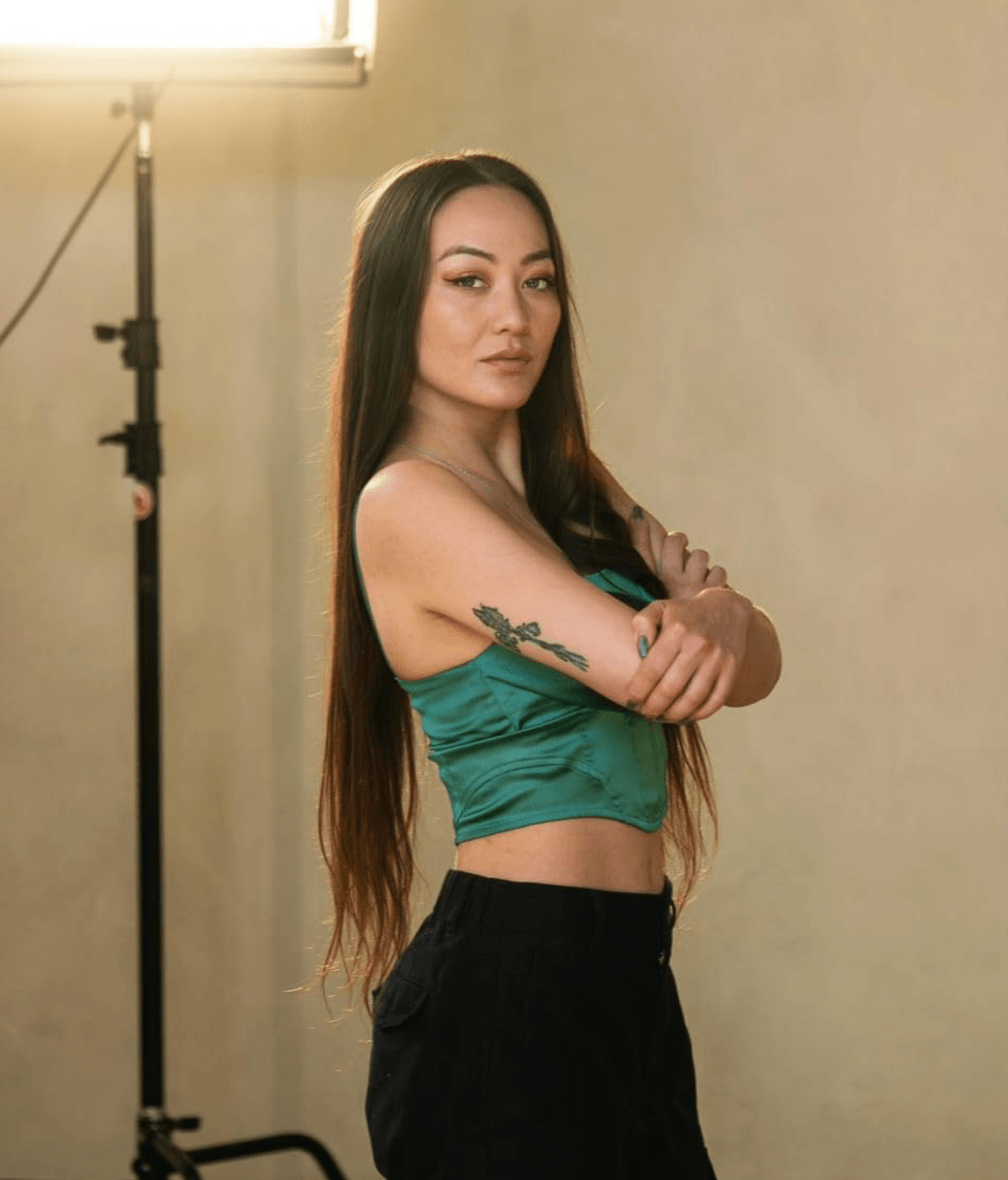

We were lucky to catch up with Hana Liu recently and have shared our conversation below.
Hana, looking forward to hearing all of your stories today. Learning the craft is often a unique journey from every creative – we’d love to hear about your journey and if knowing what you know now, you would have done anything differently to speed up the learning process.
How did you learn to do what you do?
Learning to act and write came from over a decade of training — mostly in creative classes that integrated acting with writing and directing. I started taking acting classes between the ages of 6 and 8, then returned to it more seriously around 13 years-old. The early years were all about pushing past the fear of being seen — stumbling through awkward readings, cringing at the sound of my own voice while watching playback, and getting comfortable with being deeply uncomfortable.
Over time, I began to feel the magic of nailing a scene or finding moments of real improvisation within a character. Sometimes, I’d connect so well with a role that I’d spend an entire class exploring it from different angles, responding to different scene partners — it felt like doing a screen test for something I’d already been cast in.
After several years of this work, I learned how to ride the waves of uncertainty in a scene, to watch other actors closely and integrate what moved me — but only if it felt authentic to my own voice. That meant letting my heart break open, receiving from a scene partner, letting things affect me deeply but safely. The craft became less about projecting outward and more about turning inward.
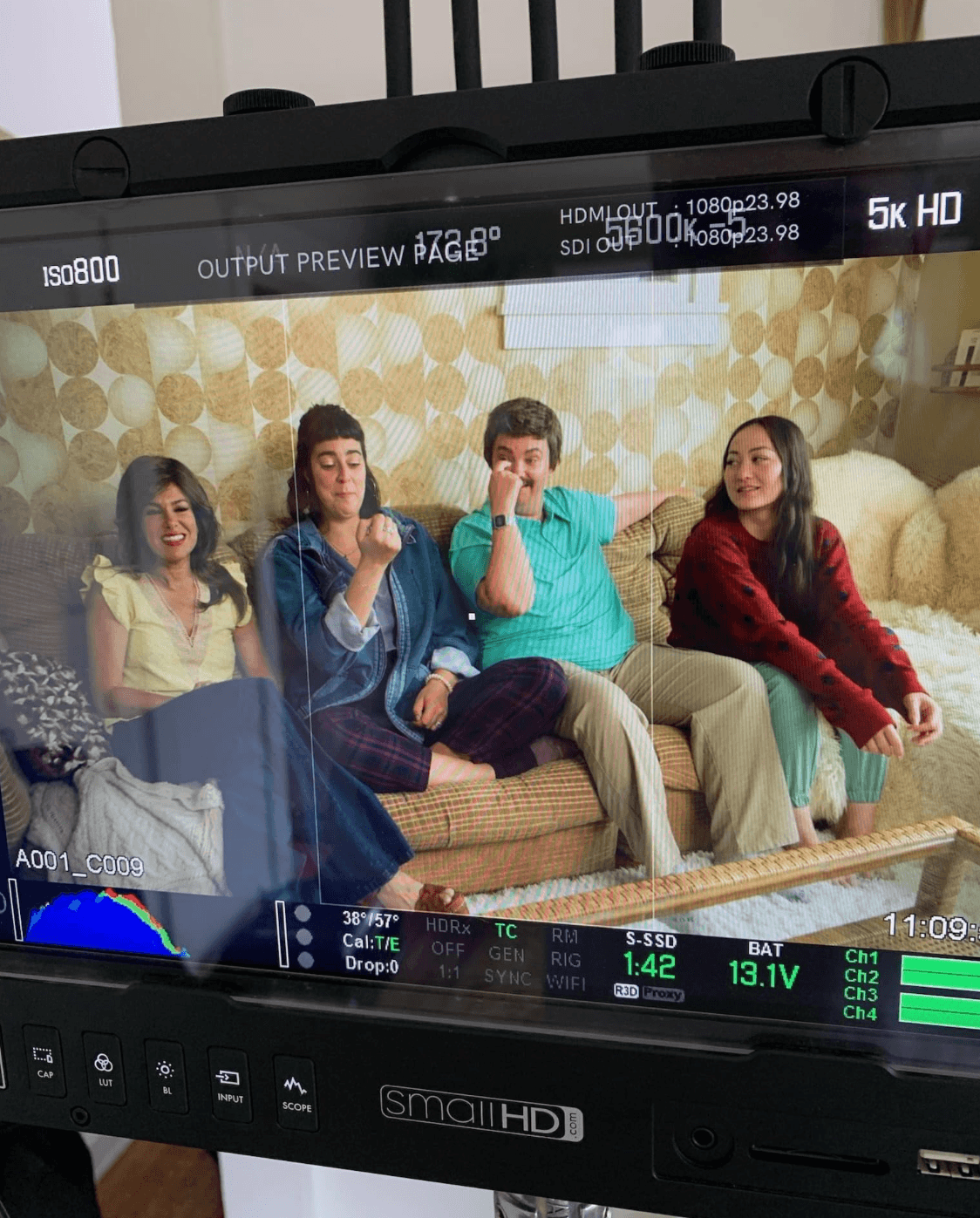
Eventually, I created my own work — writing, directing, producing, and acting in a miniseries called Hand Jobs, which centered around the world of hand modeling. I also started booking roles in feature films and short series, and realized how much I love every part of the process.
Knowing what you know now, what could you have done to speed up your learning process?
I would’ve leaned into my own quirks more and trusted that they were part of the magic. I would’ve let myself enjoy the process, rather than getting frustrated when something didn’t click right away.
I also would’ve left unhealthy environments sooner — whether that meant distancing from a partner or family member who didn’t support my goals, or walking away from an acting class that limited me to token Asian roles. If I had trusted my instincts earlier, I would’ve stepped into my confidence more quickly and realized that all I needed was discipline and gratitude — not external validation.
What skills do you think were most essential?
Intuition, integrity, observation, curiosity, vulnerability, and endurance. These are internal tools — gifts I give to myself — and only when I truly experience them can others experience them through my work.
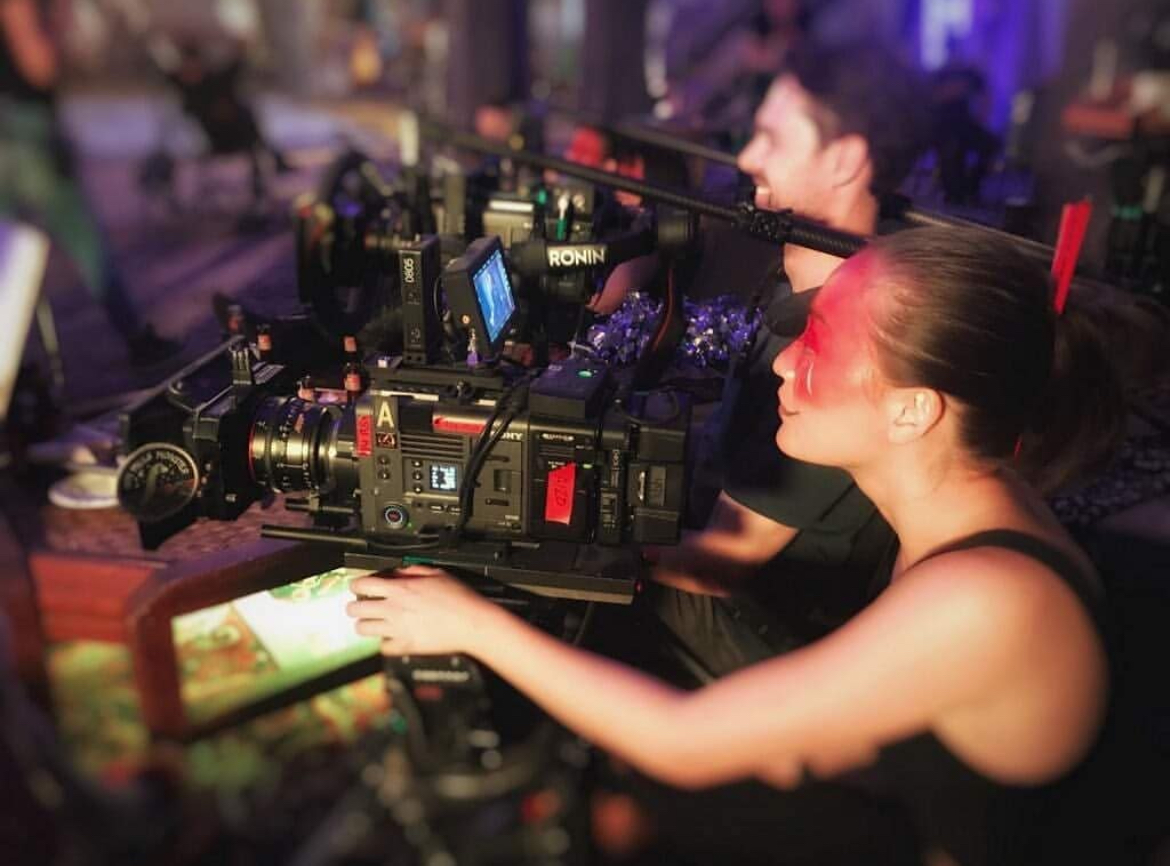
For example, endurance is vital on long shoot days — I’ve worked 14 to 16-hour days on set. Curiosity allows me to keep exploring a character and to stay open to learning new skills. Vulnerability lets me drop the mask and let the work touch me, and intuition helps me navigate what’s real and what’s forced. These are the essentials I return to again and again.
What obstacles stood in the way of learning more?
Some of the biggest obstacles were internal: letting people mistreat me because they didn’t understand my creative path, holding myself back out of fear of being judged, and getting stuck in perfectionism rather than letting myself play.
One of the greatest lessons I’ve learned is that the mistake is often the gift. In film, when something unexpected happens and they keep it in the final cut, it’s usually because it added something real — a happy accident that made the story better. I’m learning to apply that mindset to my process, too.
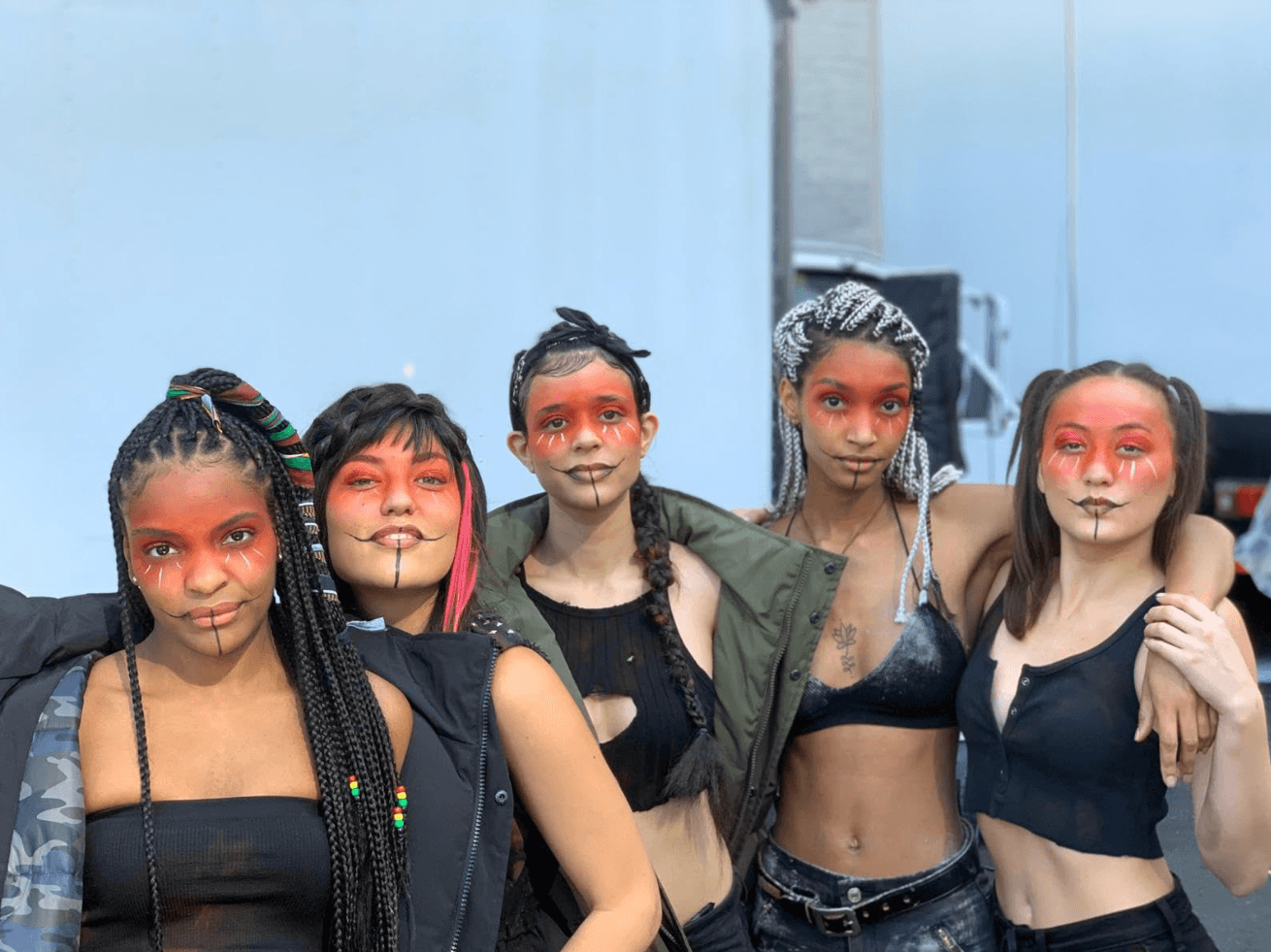
Hana, before we move on to more of these sorts of questions, can you take some time to bring our readers up to speed on you and what you do?
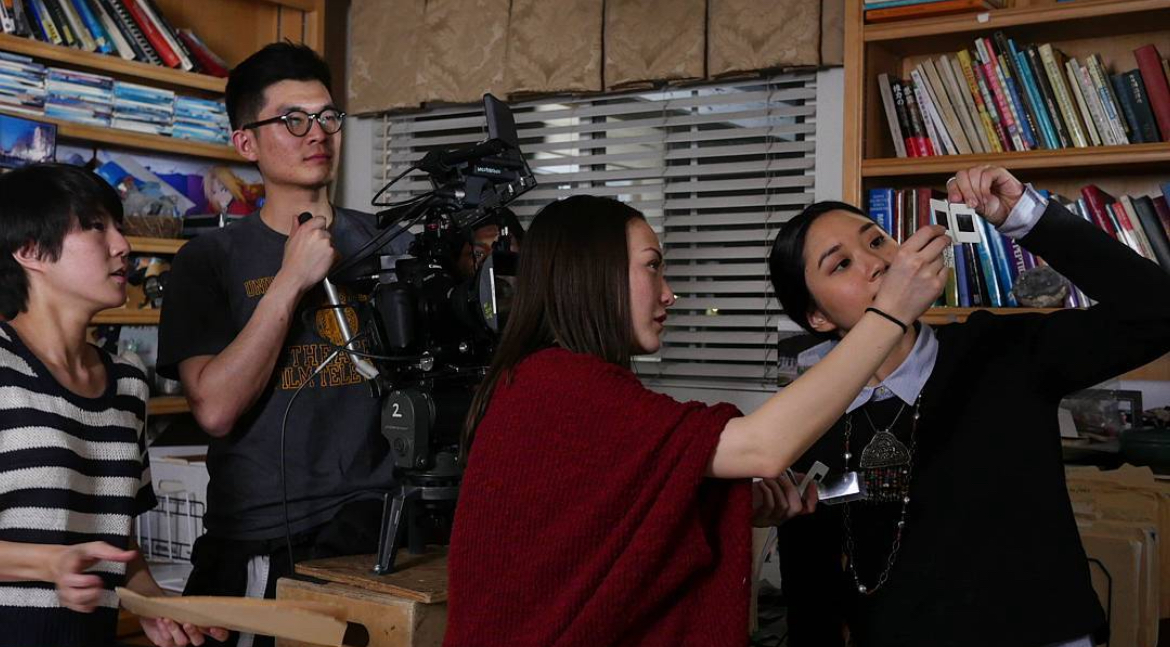
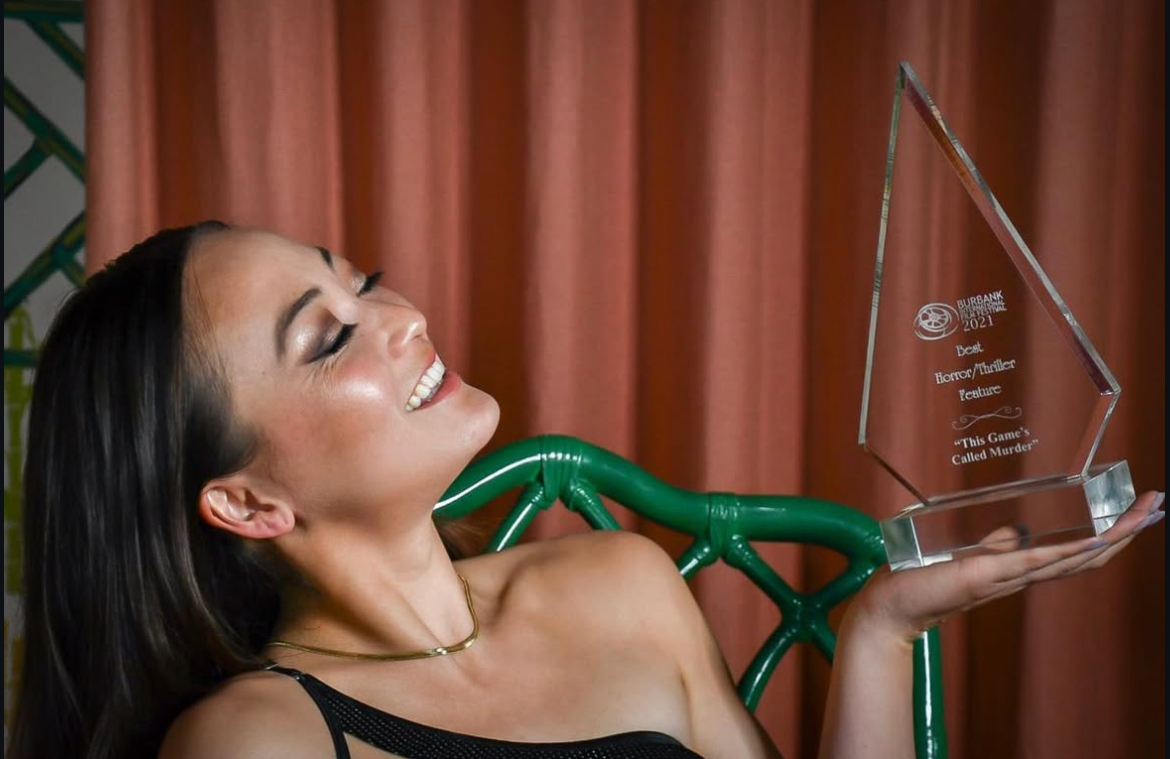
Acting is where my creative journey began — but over time, I’ve expanded into writing, directing, and producing. For me, each of those disciplines feeds the others: acting gives me emotional truth, writing gives me voice, directing gives me vision, and producing gives me the practical skills to bring it all together. I love every stage of creation, from the spark of an idea to the final cut.
A lot of my production opportunities have come from word-of-mouth — often from people who’ve dined in at restaurants I’ve worked in. I spent years in hospitality as a sommelier and server, and I think my work ethic there translated naturally into my creative work. Guests I served saw how much I cared about delivering a great experience and later trusted me with creative projects. That’s something I value deeply: building relationships through excellence in whatever I’m doing in the moment.
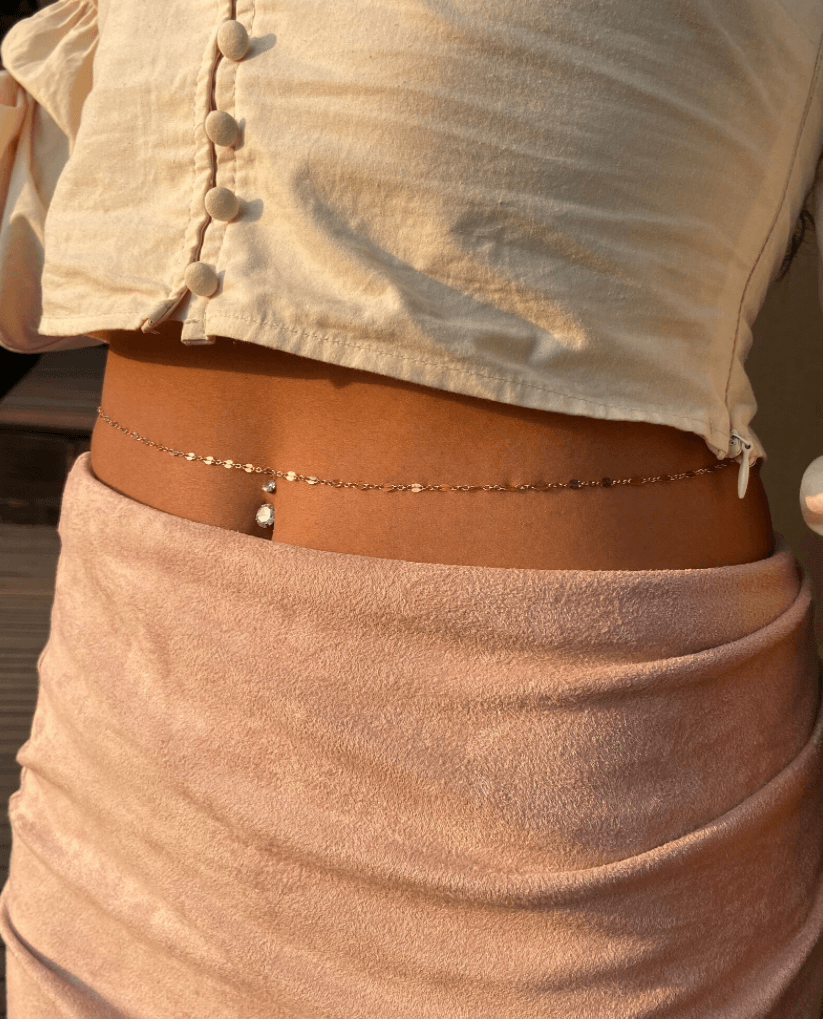
I also enjoy the entrepreneurial side of my life. I run an online store selling belly chains, and during the pandemic I resold sneakers — which taught me a lot about market timing, branding, and connecting with customers. I’ve taken on many side jobs and am usually the person who says “yes” to new learning experiences. Whether I’m working on set, ghost painting for an artist, producing an event, or adapting on the fly in an unfamiliar role, I’m fueled by curiosity and resourcefulness.
What sets me apart is my willingness to show up fully — whether I’m acting in a role, producing a series, or making sure a wedding reception runs smoothly. I take pride in being adaptable without losing my authenticity. I’m most proud of the fact that my career has grown from both my creative talent and my ability to connect with people in all sorts of environments.
What I’d want potential collaborators to know is this: I love the work, I’m invested in making the process enjoyable for everyone involved, and I believe in saying yes to opportunities that stretch me. My art and my work ethic both come from the same place — a commitment to showing up with curiosity, integrity, and a readiness to create something meaningful together.
What can society do to ensure an environment that’s helpful to artists and creatives?
I think the most impactful way society can support artists is by valuing the work beyond just the final product. So much of art happens in the unseen stages — the rehearsals, the rewrites, the years of honing a craft. Respecting that process means creating more accessible spaces for artists to develop their skills without the constant pressure of financial instability. That could look like more funding for independent projects, affordable rehearsal and performance spaces, and programs that connect emerging artists with mentorship and resources.
It’s also important to dismantle the gatekeeping that still exists in many creative industries. I’ve been in classes where I was only given token roles because of my ethnicity, and it’s a reminder that diversity and inclusion are not just buzzwords — they’re necessary for an ecosystem to truly thrive. Giving artists from all backgrounds the freedom to tell their own stories, and not just the ones they’re “expected” to tell, will enrich the entire cultural landscape.
On a more personal level, support can be as simple as showing up — going to a play, buying work from an independent maker, or sharing an artist’s project with your network. Many of my opportunities came through word-of-mouth from people who valued my work ethic, whether it was in hospitality or on set. Encouragement, visibility, and trust go a long way.
A thriving creative ecosystem is one where artists are treated not as an afterthought, but as an essential part of the social fabric — where saying “yes” to creative work doesn’t mean saying “yes” to struggle.
Is there something you think non-creatives will struggle to understand about your journey as a creative?
I think one of the hardest things for non-creatives to understand is that the path isn’t linear — there’s no clear ladder to climb, no guaranteed return on effort. It’s a constant cycle of investing time, money, and heart into something that may not pay off right away, if at all. But the payoff isn’t always external — sometimes it’s the growth, the skill, or the connection that comes from the work itself.
Another thing people may not see is the emotional vulnerability required. In acting, writing, or directing, you have to open yourself up — and that means risking failure in a very public way. For me, saying “yes” to that vulnerability has been the key to my progress. As a character actor, what feels “cringe” (but authentic) to me in the moment often turns out to be everyone else’s favorite part.
I’ve also learned that many of my creative opportunities came from places non-creatives might not expect — like one of my favorite producers to work with, I served at a restaurant who later hired me for several Comedic projects, Fox Studio, and recommended me to other films productions. Creativity doesn’t only happen in a studio or on a set; it happens in how you approach life, relationships, and work, even in the most unexpected settings. Do the best work you can, no matter the job. That’s why there are so many viral videos of street cooks, construction workers, artisans moving with precision and speed — their skill makes it look like magic. When you have that integrity of work, you are absolutely mesmerizing.
If I could give any insight, it’s this: the creative journey isn’t just about talent. It’s about resilience, adaptability, and the willingness to keep showing up for the work — even when no one’s watching yet.
Contact Info:
- Instagram: @hananaberry
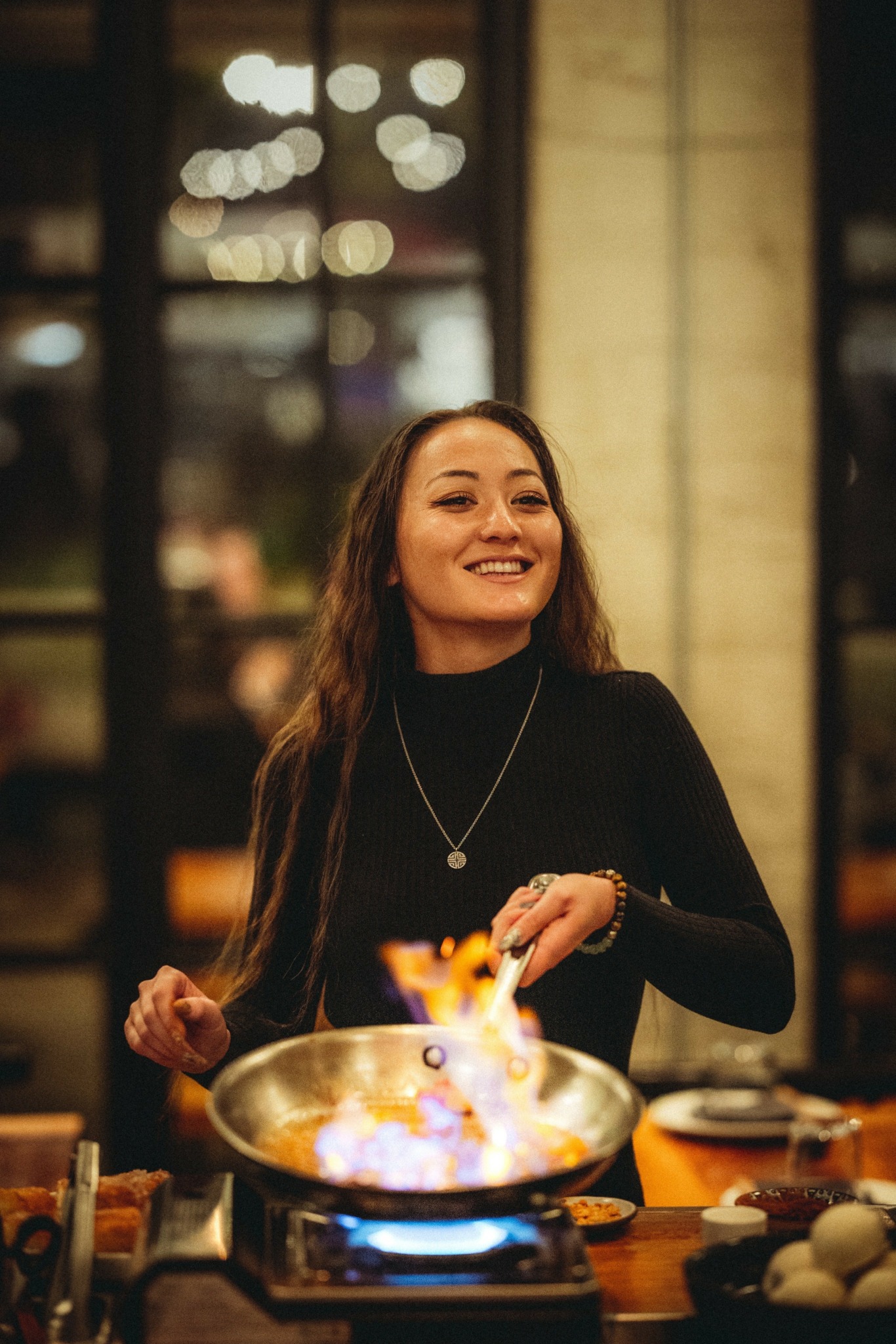
Image Credits
Yes I have permission for all