

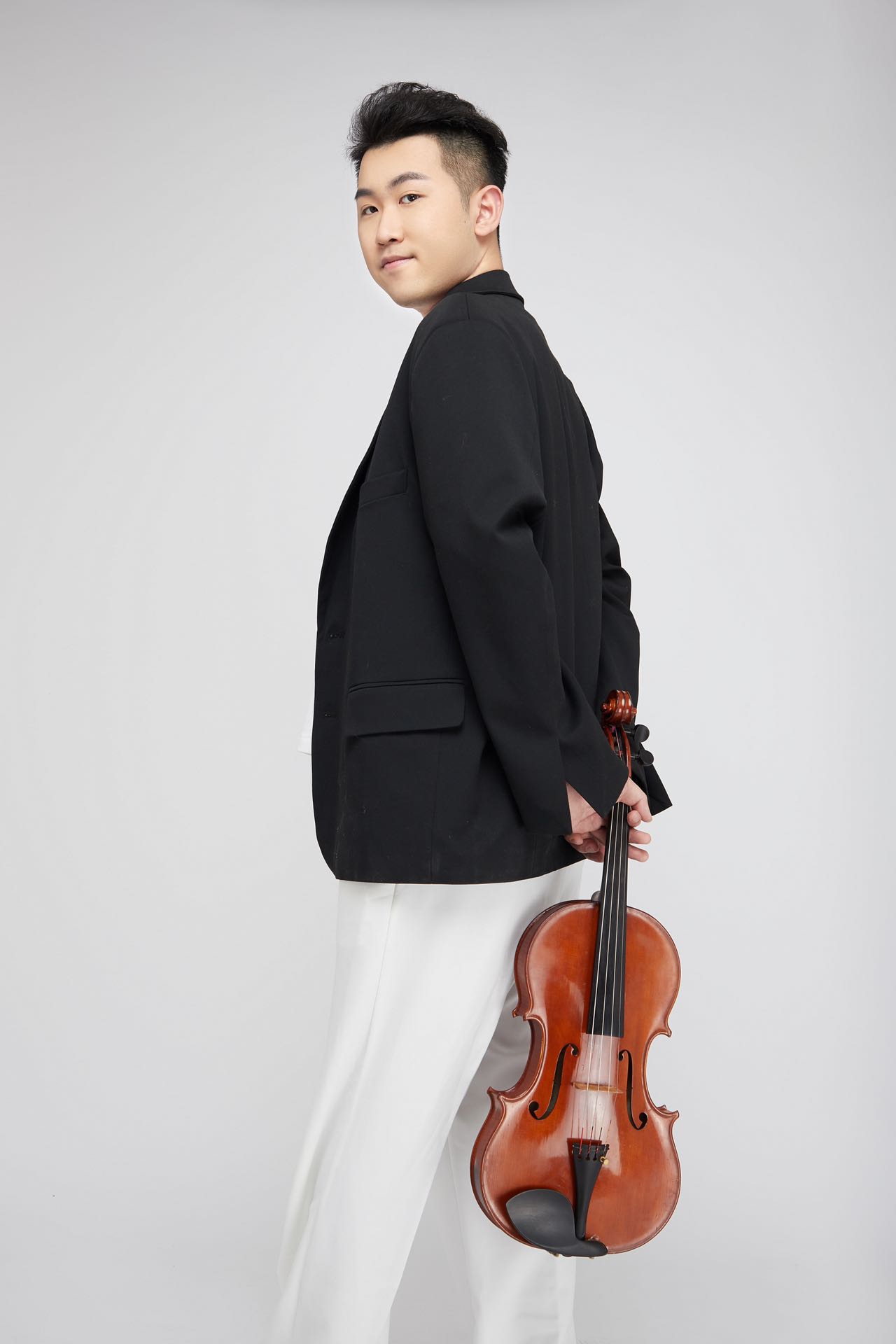

We recently connected with Haixiang Ge and have shared our conversation below.
Haixiang, thanks for joining us, excited to have you contributing your stories and insights. We’d love to hear about when you first realized that you wanted to pursue a creative path professionally.
The moment I realized I wanted to pursue a creative path professionally was during my first year at the Shanghai Conservatory of Music. It was my first performance in a major recital hall, and I was surrounded by peers who were equally passionate about classical music. I vividly remember playing a piece by Bartók—one that challenged both my technical abilities and emotional expression. When I finished, the applause was more than just a reaction; it felt like a connection with the audience, a shared understanding that transcended language and culture.
That performance was transformative. I realized that music wasn’t just a skill or a passion—it was my voice, my way of contributing something meaningful to the world. This realization drove me to dedicate myself fully to my craft, from honing my technique to collaborating with other talented musicians, such as my experience with the Asian Youth Orchestra and sharing the stage with luminaries like Yo-Yo Ma. Every step since then has reinforced my decision to make music my life’s work—not only as a performer but as an advocate for classical music’s ability to connect diverse audiences.
This realization has shaped my path, from earning accolades in international competitions to creating initiatives like “Frost Built,” a collaborative project with composers to expand the viola repertoire. Music, to me, is both a profession and a mission—one I am committed to pursuing with passion and purpose.
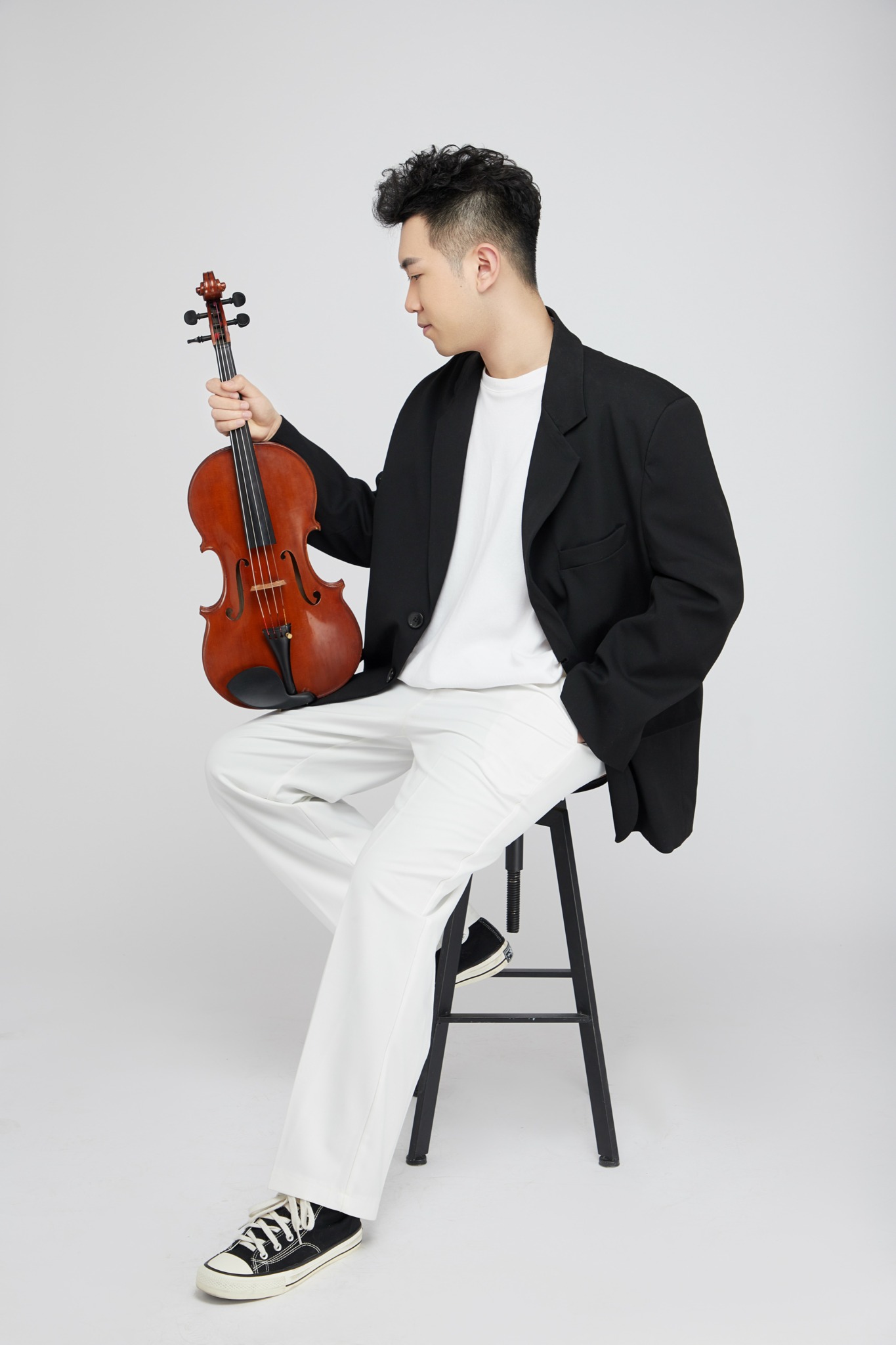
Great, appreciate you sharing that with us. Before we ask you to share more of your insights, can you take a moment to introduce yourself and how you got to where you are today to our readers.
I am Haixiang Ge, a violist and a passionate advocate for classical music’s power to connect people across cultures. Born in China and currently pursuing my Doctor of Musical Arts at the University of Miami, my journey in music began at the Shanghai Conservatory of Music. This foundation led me to earn a Master of Music degree at The Tianjin Juilliard School, where I deepened my artistry under the mentorship of world-renowned musicians.
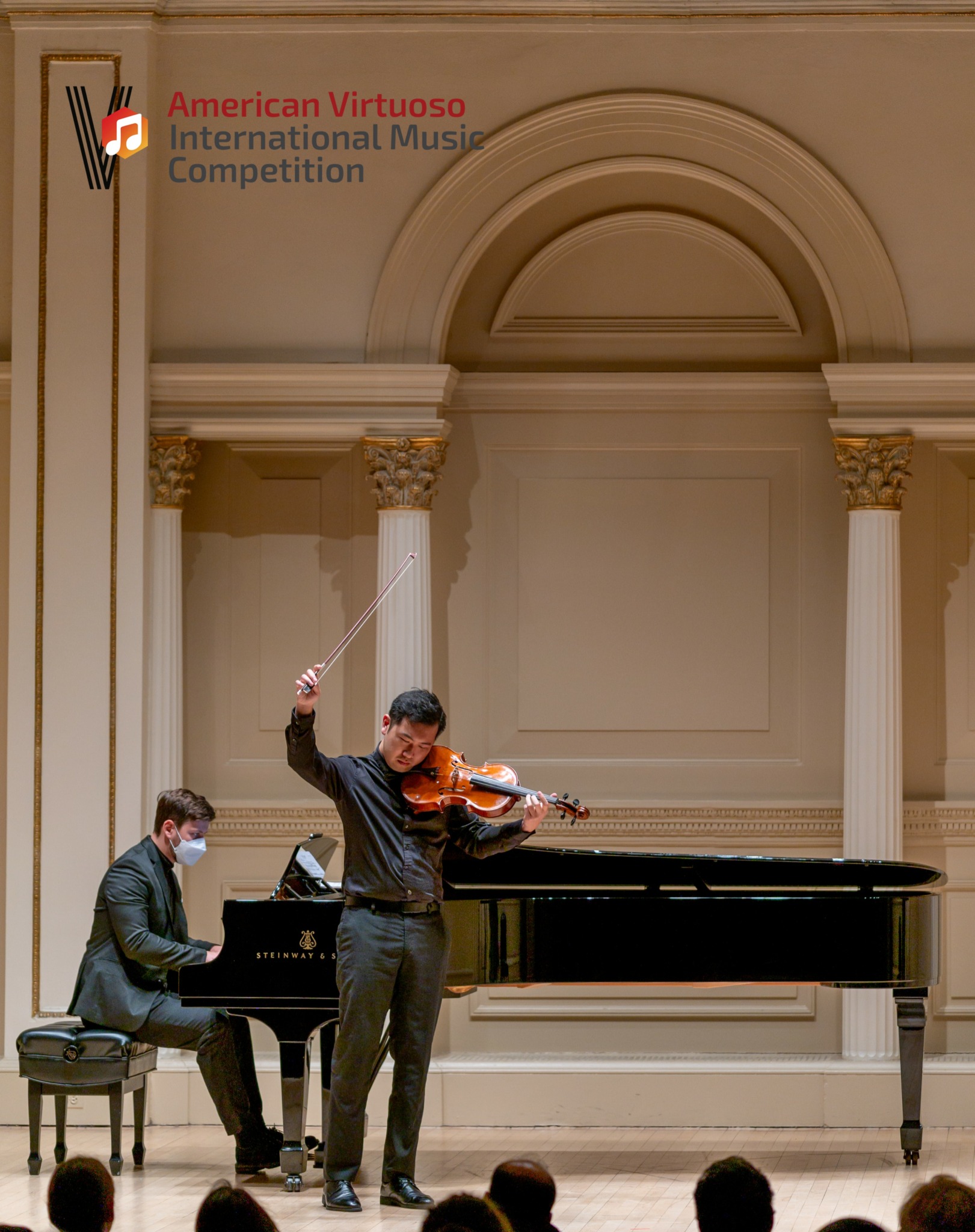
As a performer, I’ve had the privilege of showcasing my craft on prestigious stages around the world, collaborating with luminaries such as Yo-Yo Ma and performing in festivals like Aspen Music Festival, Festival Napa Valley, and the Asian Youth Orchestra. My orchestral experiences as a principal violist in multiple ensembles have shaped my ability to lead and connect with fellow musicians in creating transformative performances.
What sets my work apart is my commitment to innovation within classical music. One of my most ambitious projects is “Frost Built,” a collaborative exploration of new compositions for viola. This initiative unites composers to create works that expand the viola repertoire, blending classical traditions with contemporary influences. Through this, I aim to bridge the gap between composers, performers, and audiences.
Beyond performance, I am deeply invested in music education and cultural exchange. My experiences as a mentor and educator, combined with my current role as a graduate teaching assistant, allow me to inspire the next generation of musicians while promoting understanding between diverse cultures through music. For example, my upcoming project—a music festival blending Chinese and Western classical traditions—exemplifies my mission to use music as a vehicle for cultural dialogue.
Above all, I want people to know that my work is driven by a belief in music’s universal language. Whether it’s performing a timeless masterpiece, premiering a contemporary composition, or teaching aspiring musicians, my goal is to create meaningful connections and inspire audiences around the world.
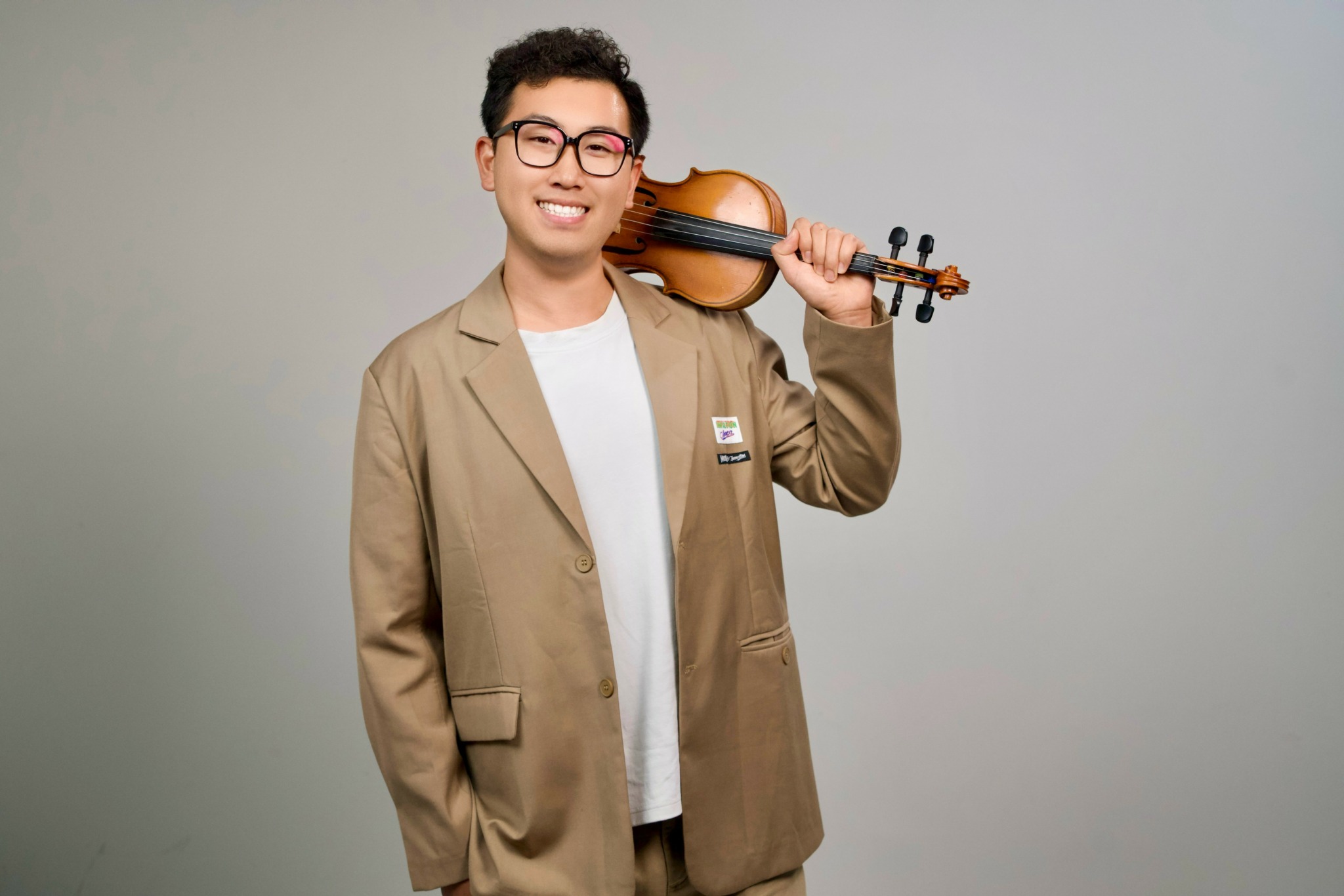
For you, what’s the most rewarding aspect of being a creative?
For me, the most rewarding aspect of being an artist is the ability to create connections that transcend barriers. As a violist, I have witnessed the profound emotional impact music can have on people, regardless of their language or cultural background. Whether it’s performing a deeply moving piece in a concert hall or introducing a child to classical music for the first time, these moments of shared understanding and emotional resonance are unparalleled. Additionally, being part of a collaborative process—whether with composers creating new works or with fellow musicians interpreting a timeless masterpiece—is incredibly fulfilling. It reminds me of the endless possibilities of creativity and the joy of contributing to something larger than myself.
How can we best help foster a strong, supportive environment for artists and creatives?
To best support artists and a thriving creative ecosystem, society needs to prioritize accessibility and sustainability in the arts. This means investing in arts education from a young age to cultivate a culture that values creativity and artistic expression. Funding and grants for emerging artists and projects can help nurture talent and innovation, ensuring that diverse voices and perspectives are represented. Additionally, fostering collaborations between institutions, such as universities and cultural organizations, can provide platforms for artists to create and share their work with wider audiences. Society should also celebrate and promote cross-cultural artistic exchanges, as these deepen mutual understanding and enrich the creative landscape. Ultimately, a thriving ecosystem requires recognizing that art is not a luxury but a vital part of our collective identity and humanity.
Contact Info:
- Website: https://www.haixiangge.com
- Instagram: https://www.instagram.com/haixiang.ge/
- Facebook: https://www.facebook.com/profile.php?id=100013114697697
- Youtube: https://www.youtube.com/@haixiangge1485
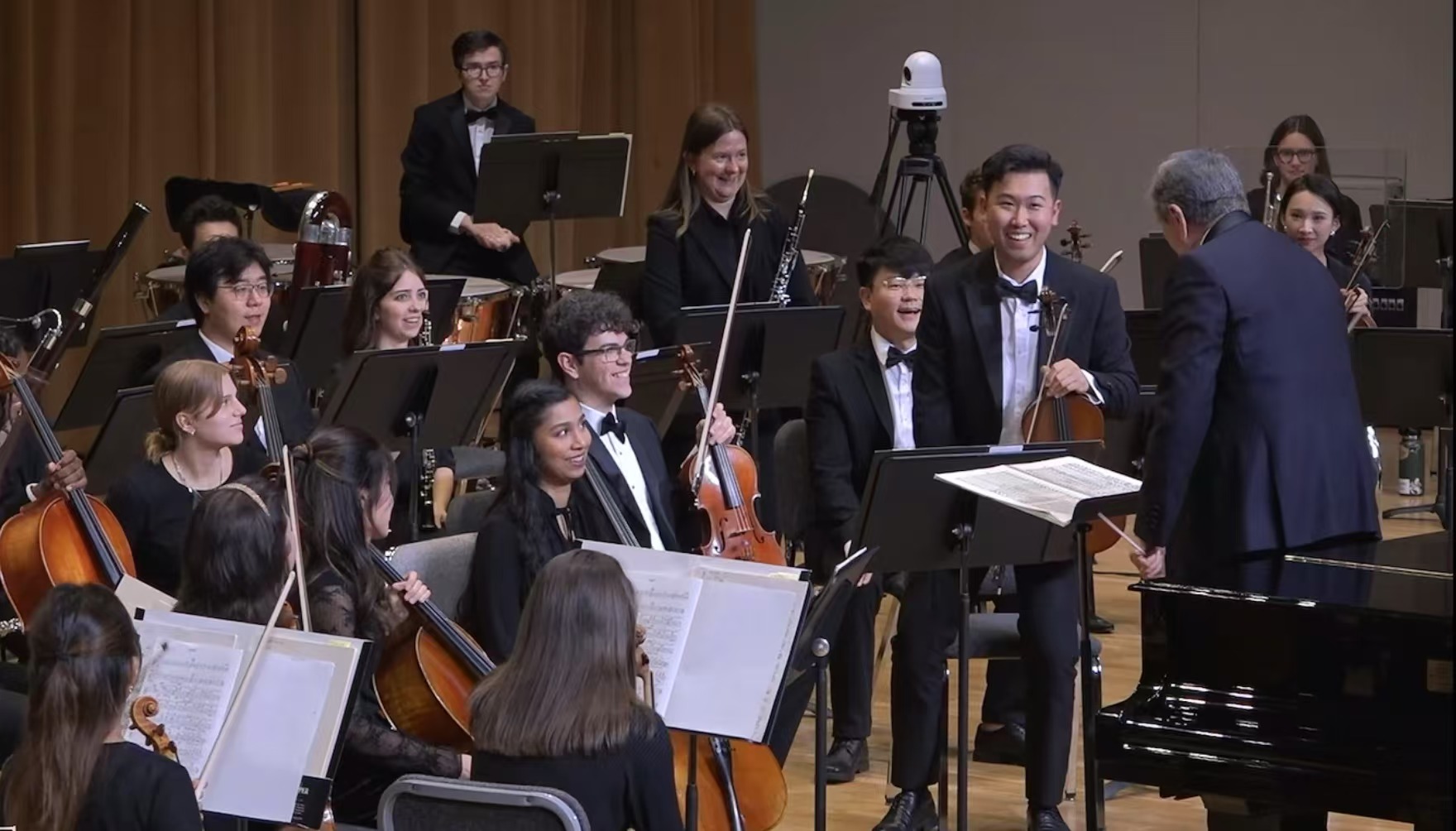
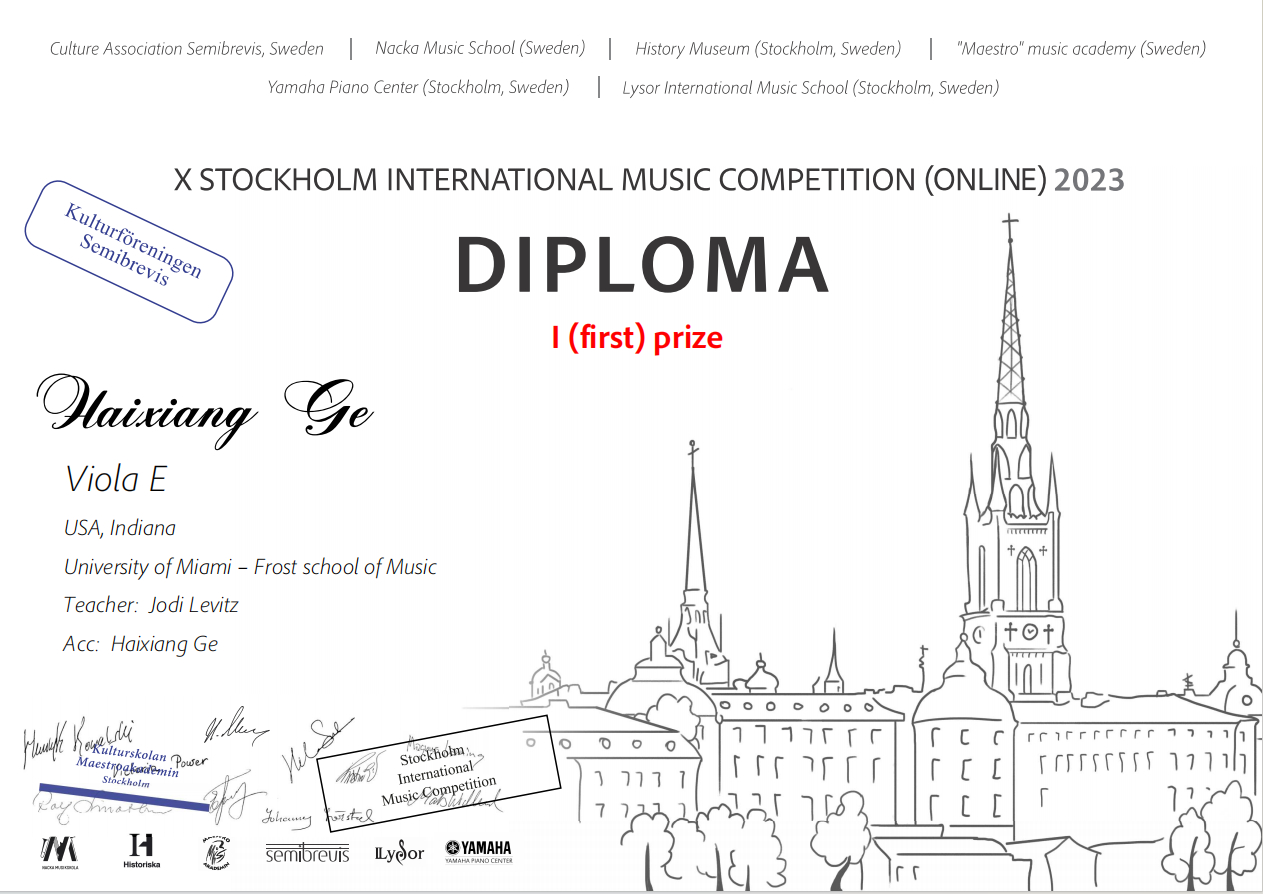
Image Credits
N/A