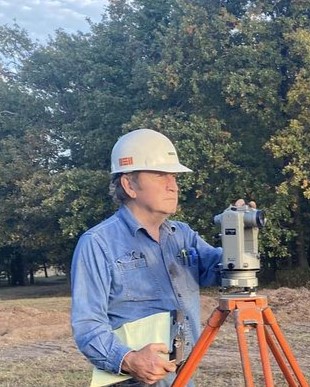
Alright – so today we’ve got the honor of introducing you to H. Melvin James. We think you’ll enjoy our conversation, we’ve shared it below.
Hi H. Melvin, thanks for joining us today. Going back to the beginning – how did you come up with the idea in the first place?
My “idea” was to reinvent myself from an engineer and business manager of highl-tech industry to a literary fiction author. Throughout my career in the complex and demanding aerospace/defense industry, I wanted to find time and peace of mind to write literary fiction stories and novels. Those conditions of time and an uncluttered mind did not occur together for any effective intervals until I retired from industry.
My first novel might be construed as my response to this question of, “How did you come up with the idea?” My first novel was inspired by the stories I heard from my relatives concerning my ancestors. My ancestors were from first to fourth generation immigrants from Europe. They were pioneers, farmers, and homesteaders.
Each of my four grandparents were of different cultures and Old-World roots, Irish, German, Czech, and Dutch. They had intriguing cultures, including religions, superstitions, values, skills, foods, and traditions, both contrasting and enhancing their characters and their relationships.
I wove into my novel, those colorful character-types and their historical dramatic experiences, as could only be collectively experienced in Oklahoma and in that bygone era. Monumental events included the world’s greatest land run, the horrific Dust Bowl of the “Dirty Thirties,” the Great Depression, the 1918 Spanish influenza epidemic, prohibition and bootlegging, and the oil booms and busts of the 20th Century.
Awesome – so before we get into the rest of our questions, can you briefly introduce yourself to our readers.
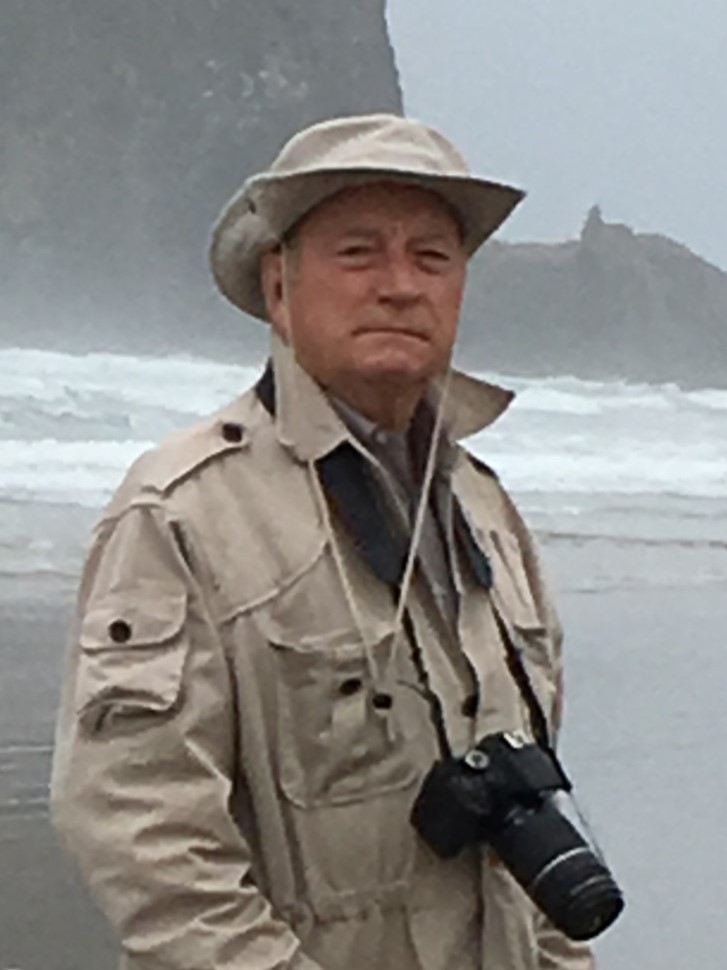
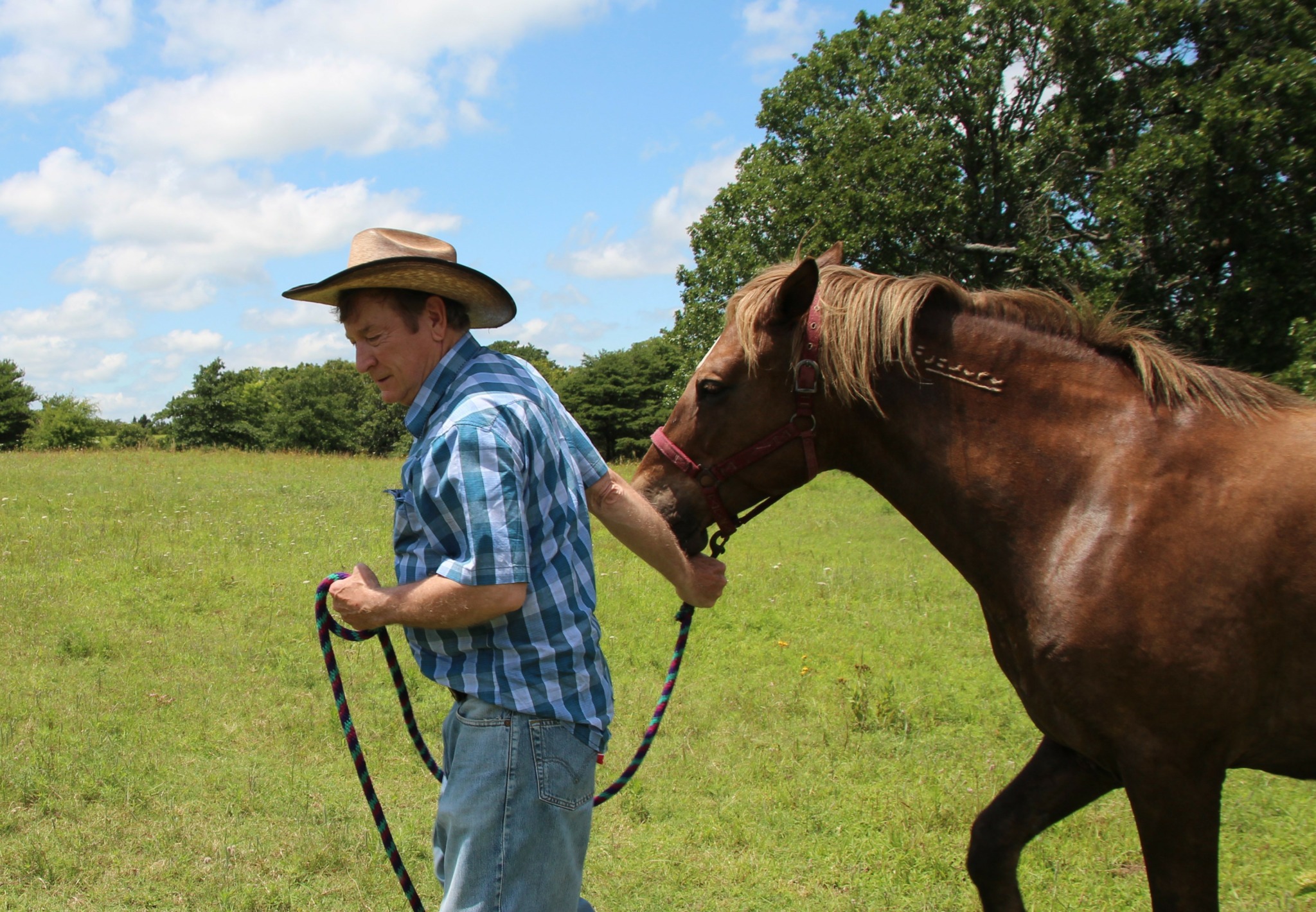
After working common jobs from coast to coast, serving 4 years in military intelligence, earning two college degrees, completing a career in aerospace/defense, working top secret projects, traveling the world, and raising cattle and horses, after retirement I began writing literary fiction novels with more authenticity than most authors can claim or imitate.
I have published three novels, and I am concurrently writing two new novels. My novels are rated 4.6 to 5 stars, with highly complimentary reviews, on Amazon, Goodreads, Barnes and Noble, and on other websites. My novels are available worldwide from major on-line booksellers, in paperback, hardcover, or e-book formats for any reading device. The audiobook of my third novel will be released in the autumn of 2025.
I have collected photographs I have taken from around the world and posted them on my primary website. My novels, photographs, videos, links to my various other sites and social pages, and more are all available at my primary website: https://www.h-melvin-james.com

We often hear about learning lessons – but just as important is unlearning lessons. Have you ever had to unlearn a lesson?
I was naive as a new writer. I thought that a well-written novel would “sell itself” or that an interesting first novel would soon catch the attention of a major publisher who would promote it. But modern lifestyles and new technology are changing the landscape for writers.
In today’s society, few readers have the time or are willing to read a lengthy thought-provoking or attention-demanding novel. Novels that sell are written at an easy-to-read middle-school, or at an even lower, reading level, such as Stephen King’s novels. Also changed in this new age, public libraries, struggling to remain relevant, showcase and promote the “Best Sellers” for attraction, rather than promoting quality literature and the advancement of reading levels.
Main street independent bookstores are virtually non-existent and are no longer the primary marketers and retailers of books. Popular contemporary authors receive large revenues from on-line monopolies such as Amazon. In return, such monopolies earn large revenues from the pop-cult authors, a symbiotic relationship. Amazon grants those authors and their books top billing and will only place unknown authors’ books on the front display webpages with a $ 10,000 payment, regardless of the books’ qualities.
Best Seller sensational novels represent billions of dollars to the literary industry. Consequently, famous authors and their publishers employ armies of “starving writers” to “ghost-write” novels, producing several novels a year as opposed to the traditional authors’, years per novel.
Artificial intelligence (AI), has already begun to “e-ghost write” simple, uninspirational, inhuman books. Soon, virtually all literary fiction will be AI-written for much greater profits to the publishers. AI applies the simple formulae of long-established story-telling techniques which are readily adaptable to computer program routines. But worse than “starving writers,” AI stories, like AI art, will be even less human, less original, and less enlightening.
Let’s talk about resilience next – do you have a story you can share with us?
I sent my first manuscript to a major publisher, one of the few willing to receive unsolicited manuscripts. The editor must have only read the first page, promptly replying that my novel lacked an immediate attention-grabbing opening. Rather than comparing my opening to popular classics, which I was careful to have patterned after in style, the editor suggested I needed an opening line such as, “The man in black fled across the desert, and the gunslinger followed” (from “The Gunslinger” by Stephen King).
The Flesch-Kincaid Grade Level rating for that sentence and that first page of the King novel is 4.9, nearly achieving a fifth-grade elementary school level. The trite opening sentence also has at least three mistakes, incredible for such a short simple sentence, i.e. (1) It is unlikely that anyone other than a fool would wear black in the sunshine of a hot desert, (2) If the man “fled” it is likely the gunslinger would have been in “pursuit” or “tracking” rather than “following.” “Following” a man would be like the followers of fanatic, Jimmy Jones, and (3) There were no “gunslingers” in that era. The word, “gunslinger” was not derived and made popular until the early 20th century, by 10-cent pocket novels and glorified later in movies and TV.
My early experience with publishers taught me that writing should be tailored for sales, written for the simple-minded to read in a hurry, with little thought. Popular novels appeal to base human sensitivities, e.g. fear, survival, lust, revenge, and not written to the sensitivities of higher order characteristics, hope, love, philosophy, religious faith, charity, family, and so forth. Nevertheless, sacrificing sales, I write for the few readers who have the time, intelligence, and sentiments to read above the fifth-grade level and to interpret more than a “reading ape’s” survival and mating instincts.
Contact Info:
- Website: https://www,h-melvin-james.com
- Instagram: https://www.instagram.com/3brancherjim?igsh=MXRoNm93ejZhNWZ4cQ%3D%3D&utm_source=qr
- Facebook: https://www.facebook.com/h.melvin.james/
- Linkedin: https://www.linkedin.com/feed/
- Twitter: https://x.com/HMelvinJames1
- Youtube: https://www.youtube.com/channel/UCmsn2HOCuMHUYiNfStLuQ2Q
- Other: Goodreads: https://www.goodreads.com/author/show/19591744.H_Melvin_James