

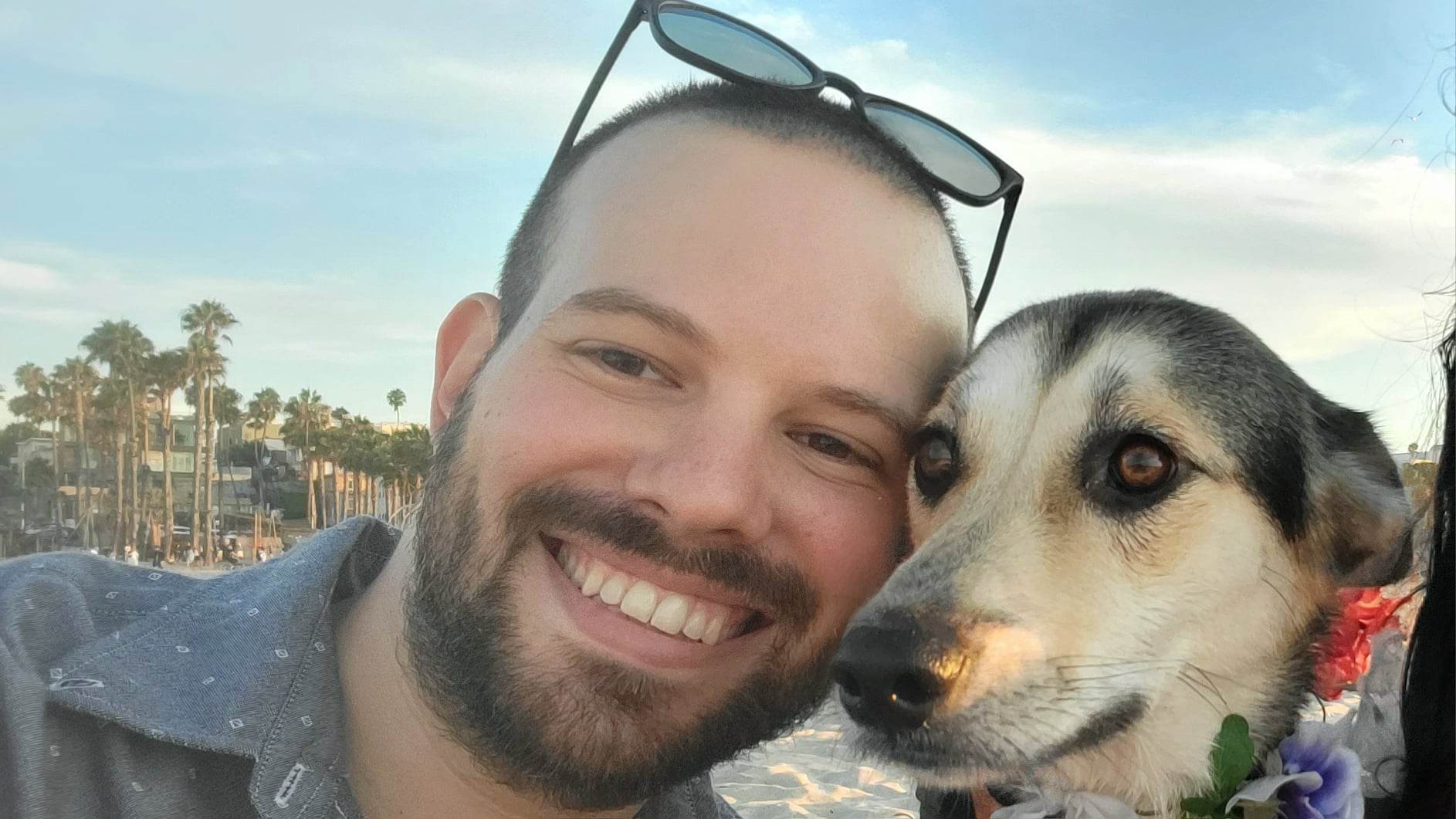

We were lucky to catch up with Guy Wolfus recently and have shared our conversation below.
Guy, thanks for joining us, excited to have you contributing your stories and insights. Are you happier as a creative? Do you sometimes think about what it would be like to just have a regular job? Can you talk to us about how you think through these emotions?
Being a programmer is considered by many to be a common occupation, but I think that in many workplaces even something as common as that can be very creative, so I wouldn’t say that having a regular job and being creative can’t go hand in hand. In my case, programming is used as part of a creative collective, whether in game development or an animation studio, and it’s not very ordinary at all!
I’m very glad to have found my niche within the industry where I can enjoy something that on the surface seems very technical, but in reality contains layers of creativity and is used to create beautiful art pieces in the form of video games and animations.
Awesome – so before we get into the rest of our questions, can you briefly introduce yourself to our readers.
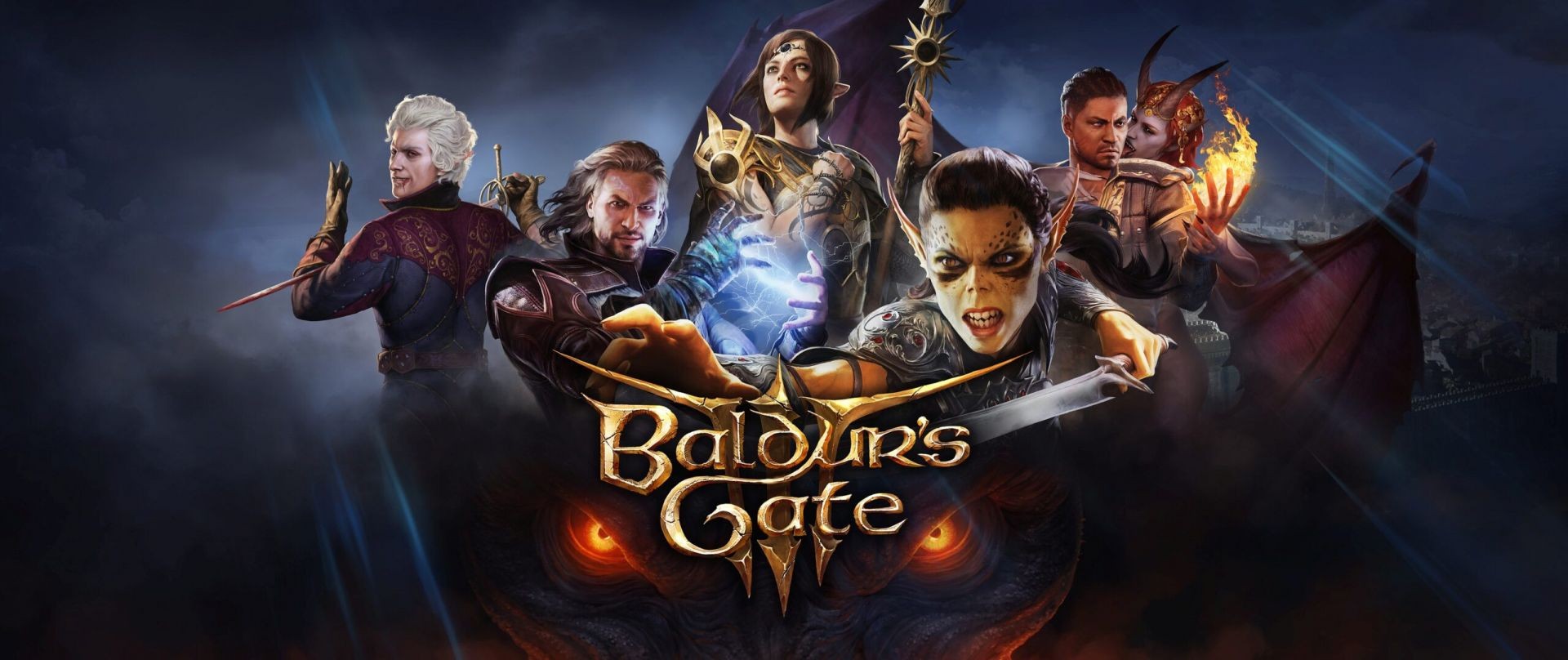
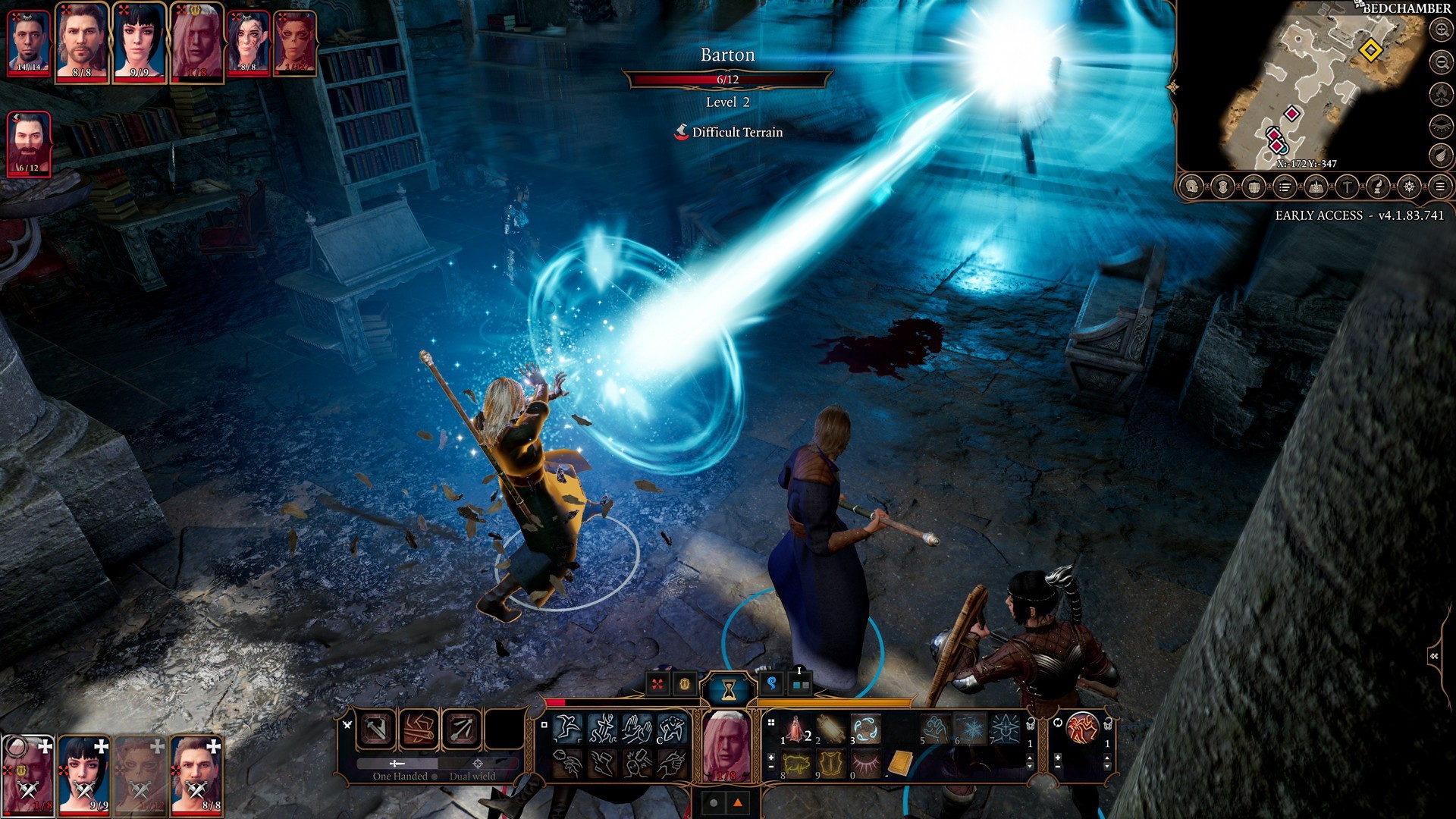
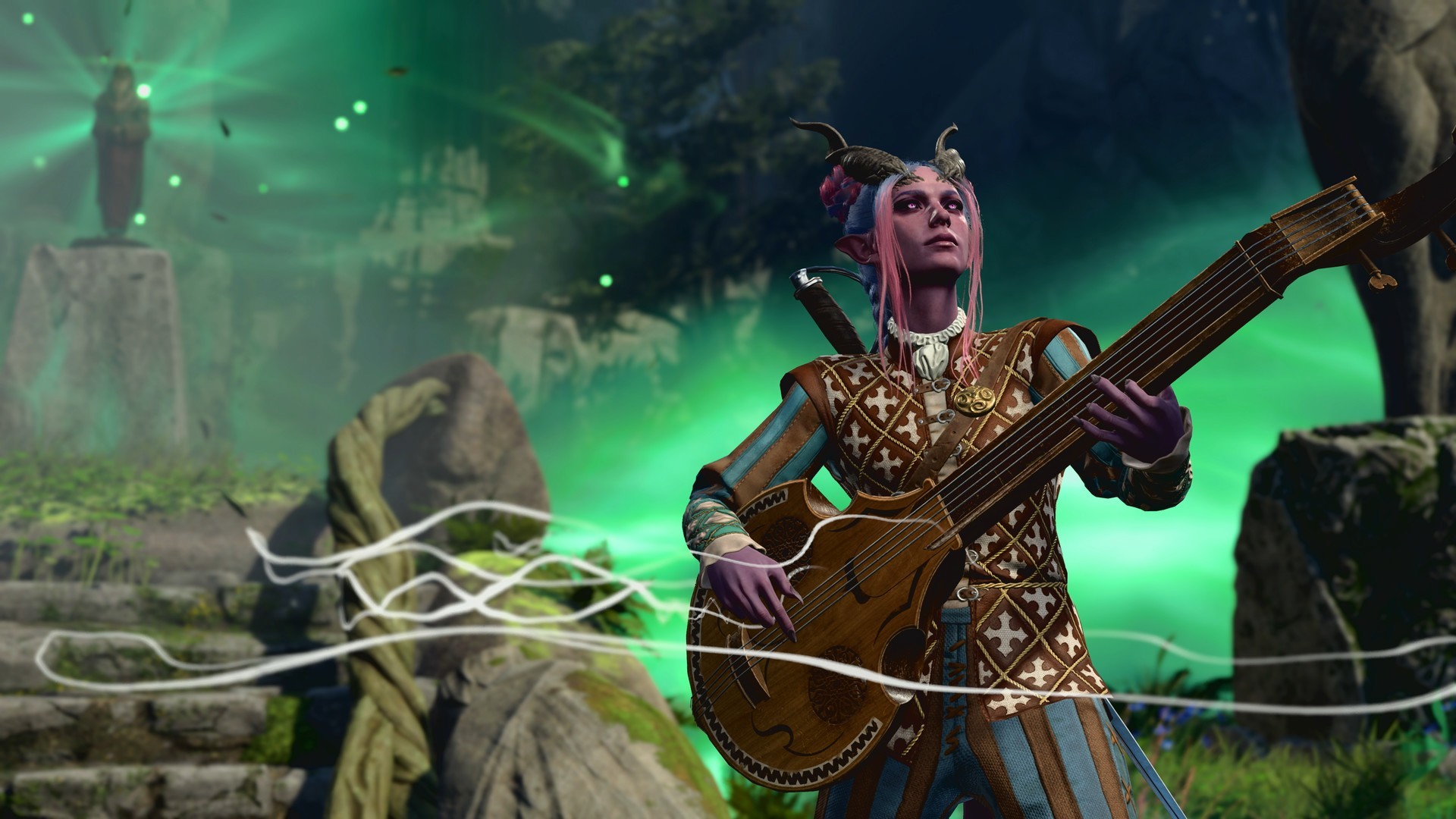
I’m a Technical Director with a specialization in tools and pipeline development, and recently worked at Larian Studios on the highly anticipated “Baldur’s Gate III”. I’m excited for the game to be fully released since this is such a massive project and a real labor of love.
The game adopts tabletop Dungeons & Dragons rules into a strategic, multiplayer, story-driven adventure. It is also the sequel to a successful series who’s last installment was released in the 90’s, so there’s a lot riding on it being a faithful successor to one of the most beloved adventures ever told in video games!
My first job in the industry was actually as an animator, and I took a somewhat irregular path to become a Technical Director which usually come from a computer science background.
In many ways my creative background was actually an advantage, giving me both perspectives of a developer and an artist, and I believe it allows me to be more understanding of artists’ needs.
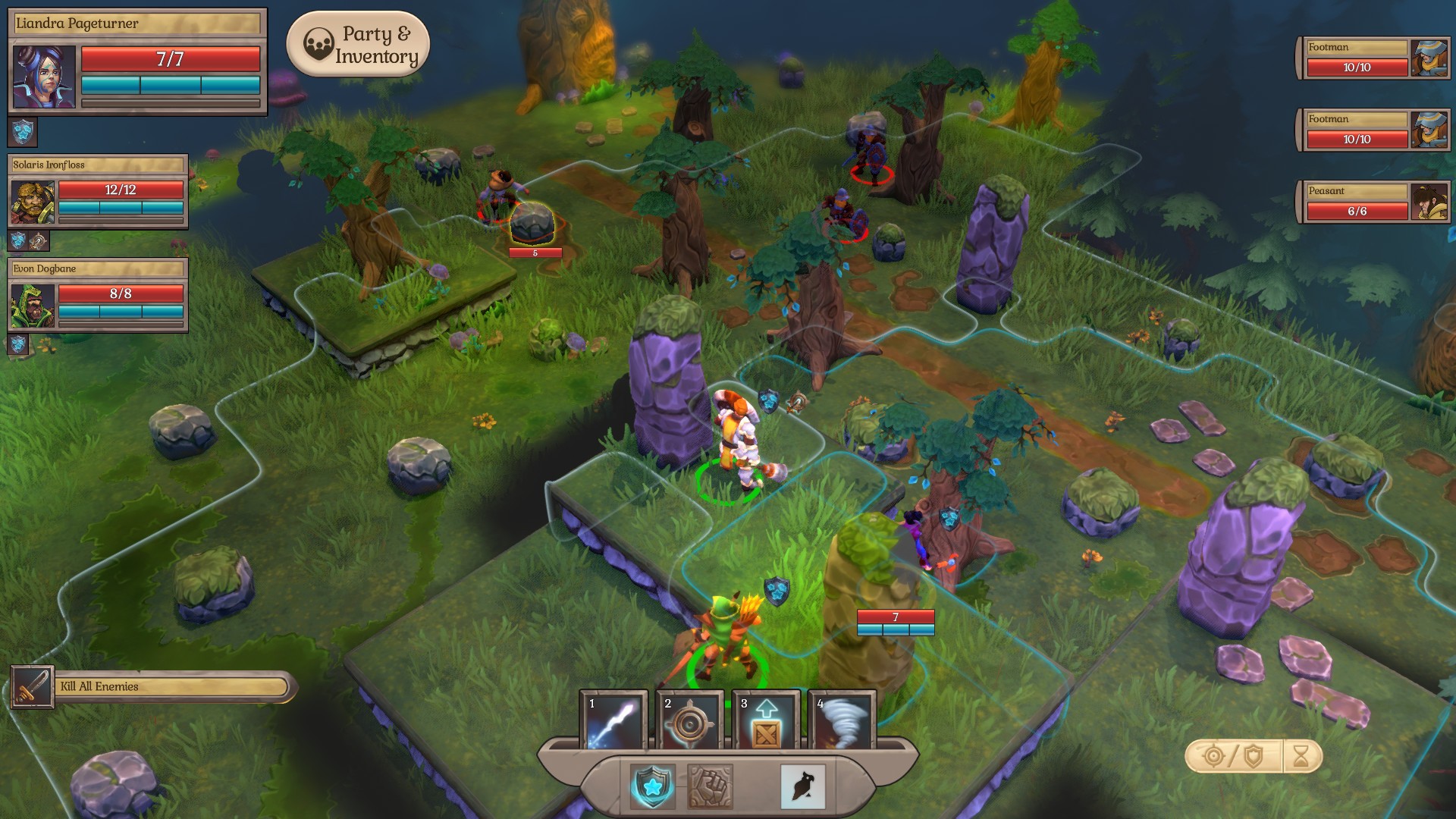
As a TD, my job entails problem solving, providing solutions and creating tools for artists to allow them to express their art with as minimal technical limitations as possible.
The day-to-day resembles that of a software developer, except that I usually work closely with artists to provide them with the tools and workflows to achieve graphical solutions within a certain software, like Maya which is very common for animations, Nuke for compositing, Photoshop for concept or texture artists, and sometimes it can be a proprietary software developed by the studio – such as Larian’s game engine.
For you, what’s the most rewarding aspect of being a creative?
The appeal to become a creative in the games and animation industries came from my enjoyment of these mediums. I grew up on some of those Disney classics that will forever be my favorite movies in the world, and some of my best childhood memories are from playing video games with my friends (I fondly remember playing HoM&M III and Diablo on local area networks!)
I really hope that the projects I’m working on today as a developer will not just be entertaining people in the short run, but will also be fondly looked upon years later.
The most rewarding aspect is to know that people are creating good memories that will stay with them beyond the scope of the movie or game, and sometimes it’s even better when they’re shared with their loved ones and friends, or if these projects helped them through a rough time on a personal level.

In your view, what can society to do to best support artists, creatives and a thriving creative ecosystem?
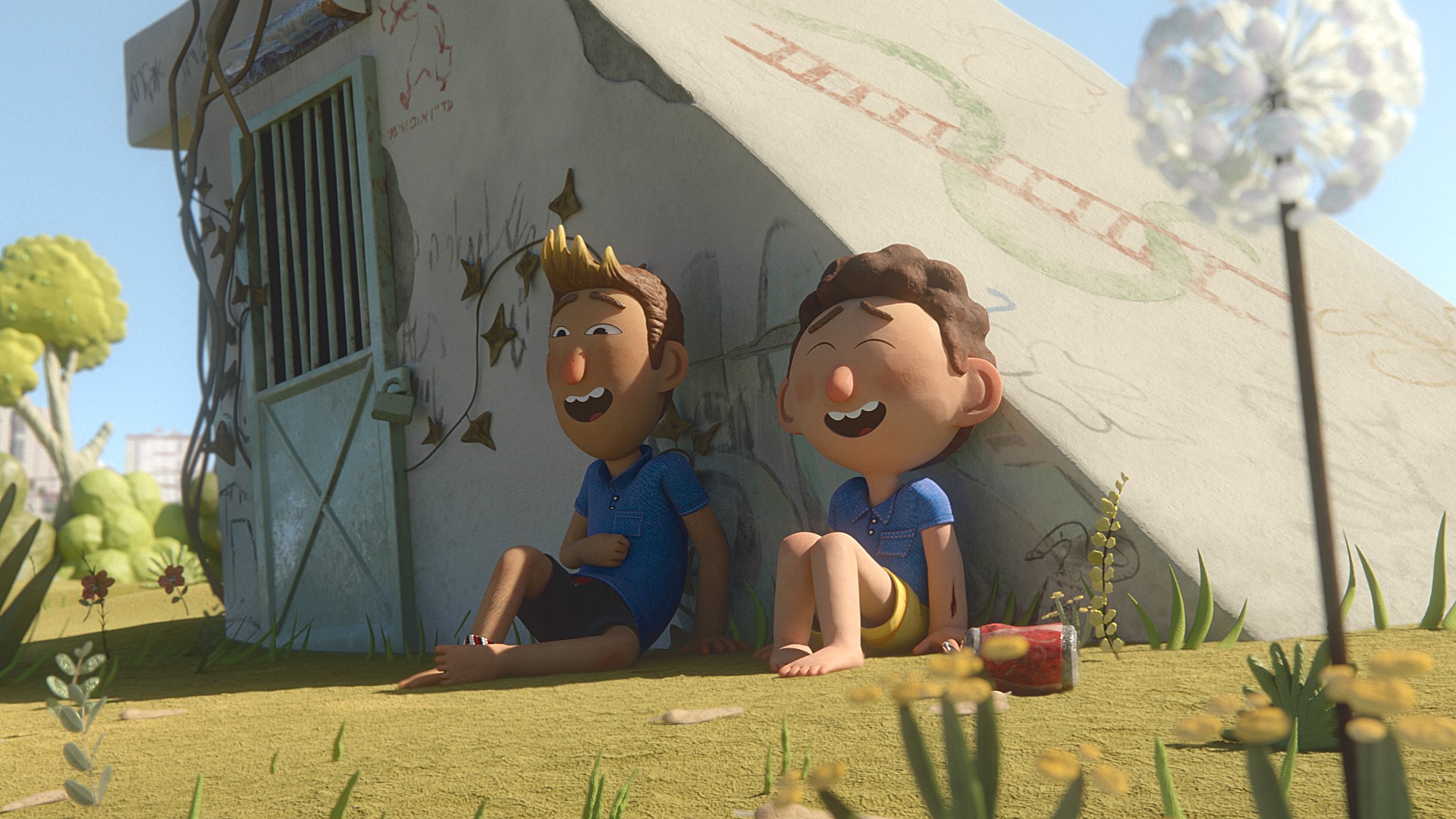
A lot of times when people hear that I work in the animation industry they’ll ask “oh, so you’re doodling a lot?”. On several occasions I had people shoot me emails saying “we have this idea for a project that we’d like to finish in two weeks”, which for people in the animation industry it’s clear that this is not a realistic timeline.
To put it in perspective, animation movies like the kind that are produced by the big studios usually take around 4 to 6 years from start to finish, and this is not exponential since a short movie usually take a couple of years to complete, too.
Those people who send these kind of emails are probably not mean or lowballing, but I believe that they do represent the general audience.
Most people don’t understand what it takes to produce high-quality animation or what goes into making these projects, they don’t understand the amount of hours and manpower and different kind of jobs needed to be able to have a project made or a studio running.
I believe that educating the public about the processes, skills and values of being a professional in this field can go a long way into the recognition of artists as a serious job.
It’s true (and nice) that we enjoy our work, but this is hard work nonetheless, and it would be great to see society shifting towards seeing that art, and the creation of entertainment, is as necessary to humankind as some other high-profile jobs.
Contact Info:
- Website: https://www.guywolfus.com/
- Facebook: https://www.facebook.com/guy.wolfus
- Linkedin: https://www.linkedin.com/in/guywolfus
- Other: https://guywolfus.gumroad.com/
Image Credits
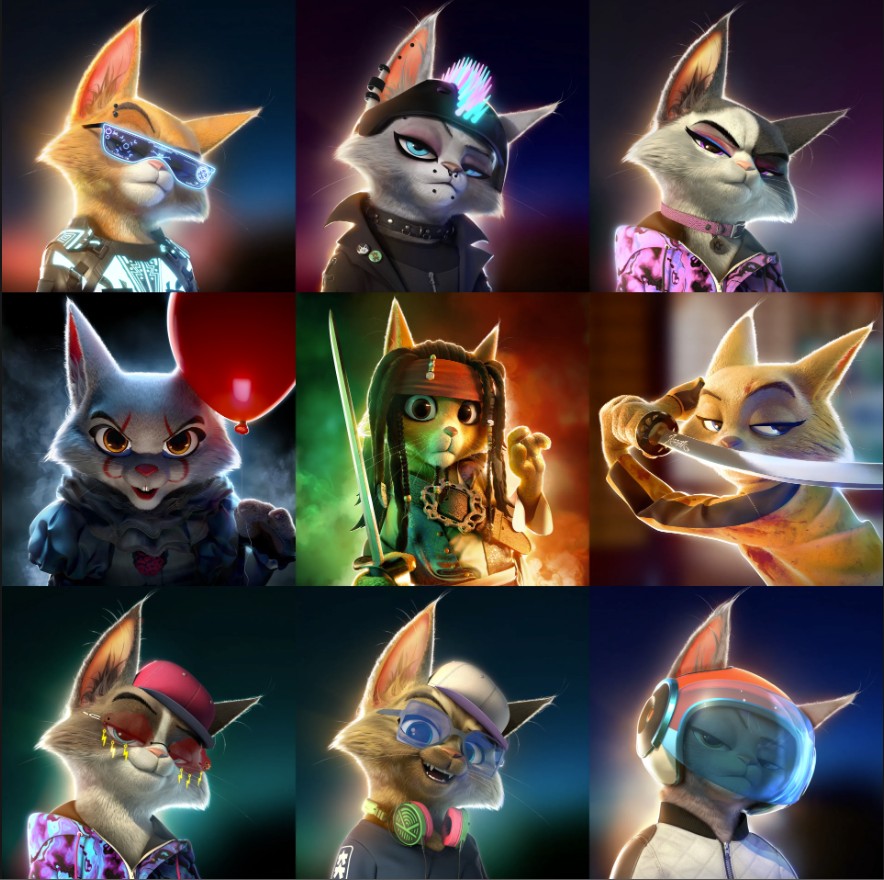
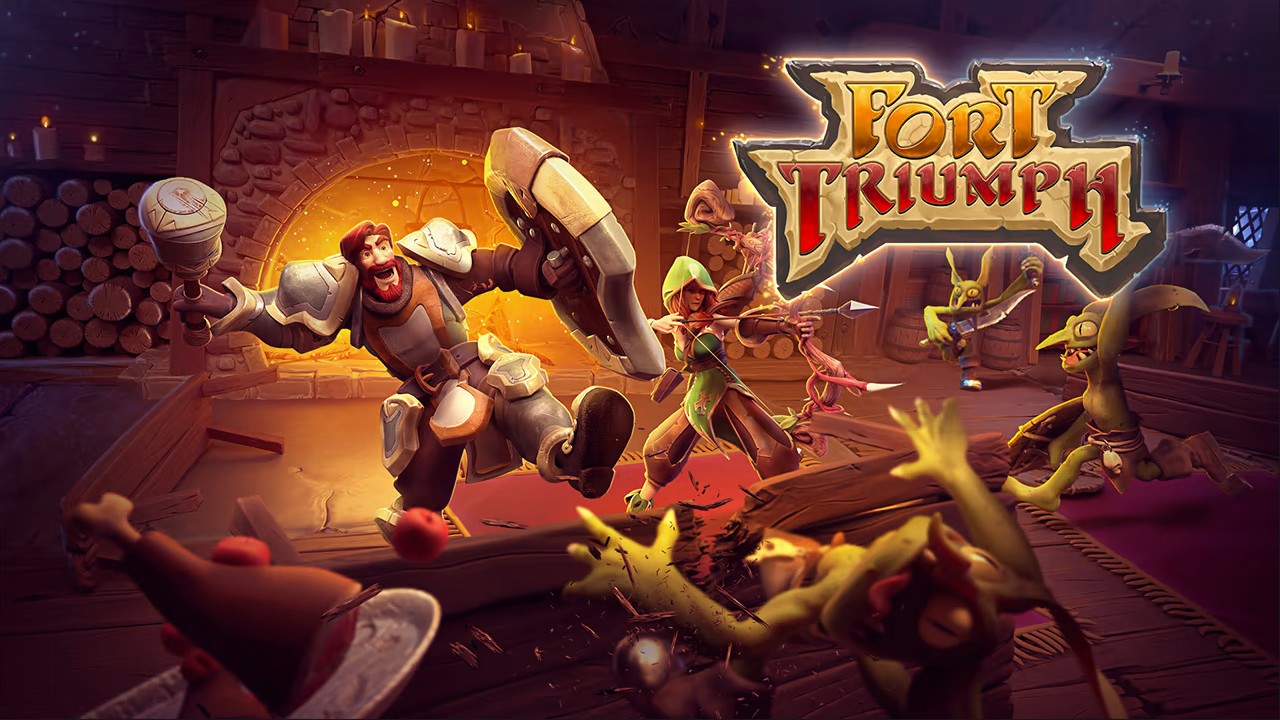
Baldur’s Gate III by Larian Studios Fort Triumph by CookieByte Entertainment Black Slide by Uri Lotan Katatonik by Liron Topaz, JP Sans & Neko Productions