

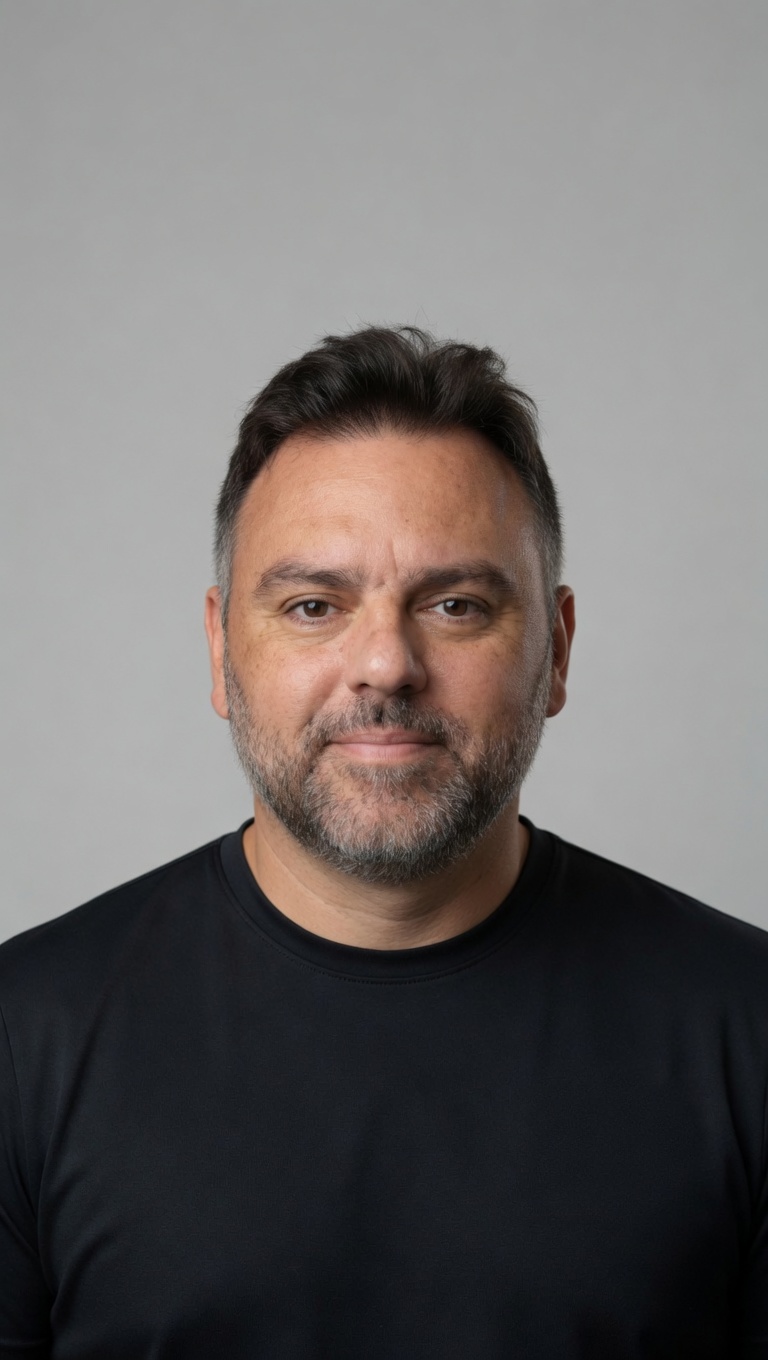

We caught up with the brilliant and insightful Gustavo Schmidt a few weeks ago and have shared our conversation below.
Gustavo, looking forward to hearing all of your stories today. What’s the backstory behind how you came up with the idea for your business?
Back when I was living in San Diego, a good friend who ran a popular surf school reached out with an unusual request. He wanted a classic VW Bus to take his students on unforgettable day trips from San Clemente up the coast to Trestles. After some research, he discovered that Brazil — with its massive historical production of these iconic vehicles — offered far better availability and pricing than the scarce U.S. market. He asked if I could help make it happen.
I had zero experience importing cars at the time. We fumbled through the process together, navigating unfamiliar waters, but the day that first VW Bus finally docked in Long Beach made it all worthwhile. The drive back down the coast to San Diego was pure joy — windows down, ocean breeze, that unmistakable classic van vibe. It felt like we’d brought a piece of rolling history to life.
A couple of months later, I ran into my friend on the street and asked how the bus was treating the surf school. He grinned and told me he’d parked it in La Jolla, only to return and find a note on the windshield with a seriously generous cash offer from someone who couldn’t resist it.
That note changed everything.

Gustavo, before we move on to more of these sorts of questions, can you take some time to bring our readers up to speed on you and what you do?
When I checked the U.S. market prices, the numbers didn’t lie — there was real money to be made. What started as a one-time favor for a friend quickly revealed itself as a golden opportunity. I dove in headfirst, mastering the entire import process: sourcing the best vehicles from Brazil, handling all the documentation, logistics, and compliance. Before long, we took the next big step — launching our own restoration workshops in Brazil to deliver fully rebuilt, turnkey classics that American enthusiasts would love.
And that’s how Buses’n Bugs was born — from a simple request between friends, a lucky parking spot in La Jolla, and the realization that we could turn passion for these legendary vehicles into a thriving business. Today, we continue hunting, restoring, and delivering the best classic VW Buses and Beetles from Brazil to enthusiasts across the United States.

Any insights you can share with us about how you built up your social media presence?
When we officially launched Buses’n Bugs, I had no big marketing budget and almost zero experience with social media. Our first Instagram account had a handful of followers — mostly friends and family who politely liked our early, not-so-great photos.
But I knew one thing: the magic wasn’t in polished ads. It was in the buses themselves.
I started doing the only thing I could — documenting the real journey. Every time I flew down to Brazil to source new vehicles, I’d film the dusty warehouses, the skilled craftsmen bringing these classics back to life, and the emotional moment when a freshly restored Samba or Beetle fired up for the first time. I posted raw before-and-after videos, restoration timelapses, and honest stories about the challenges of importing and restoring these iconic vans.
At first, the growth was slow. But something interesting started happening. VW enthusiasts began finding us. People who owned old Buses, those dreaming of owning one, and even younger surfers and road-trippers who fell in love with the vintage vibe. They loved the authenticity — no fake filters, just real passion, grease-stained hands, and the sound of classic air-cooled engines.
A turning point came when I posted a video of a beautiful 1970s VW Bus we restored, driving along the Pacific Coast Highway at golden hour. Within days, it went semi-viral in the VW community. Comments poured in from all over the US, Brazil, Europe, and Australia. People started tagging their friends, sharing their own bus stories, and asking questions about our process.
From there, we doubled down:
Weekly restoration updates
Customer delivery stories and handover moments
“Build with us” series showing the full journey from Brazil to their driveway
Engaging directly with every comment and DM
We also joined and respected the classic VW groups and forums instead of spamming them. The community responded by welcoming us with open arms.
Today, Buses’n Bugs has built a genuine, engaged audience of thousands of enthusiasts who follow not just for the vehicles, but for the lifestyle — freedom, adventure, and keeping these rolling pieces of history alive. Many of our customers now come from organic reach on social media, and some of our best content comes from them sharing their own adventures in the buses we restored.
What started as simple phone videos has grown into a real community of VW lovers who trust us because they’ve watched the entire process unfold in real time.
That’s how we built our audience — one honest post, one restored bus, and one genuine connection at a time.

What’s a lesson you had to unlearn and what’s the backstory?
Early on with Buses’n Bugs, I was convinced that the only way to succeed was to control every single detail myself.
I had come from a background where hustling hard and micromanaging meant survival. So when we started importing and restoring VW Buses, I tried to do it all: sourcing the vehicles in Brazil, overseeing every weld and paint job, handling the paperwork, answering every customer message, posting on social media, and even managing the shipping logistics. I believed that if I didn’t personally touch it, the quality would drop and the business would fail.
For a while, it worked. We delivered some beautiful buses and earned great reviews. But I was completely burned out. I was flying back and forth between the US and Brazil constantly, sleeping very little, and the business was growing slower than it should have because everything depended on me.
The wake-up call came after a particularly stressful shipment. A beautiful restored Samba arrived in the US with a small cosmetic issue that I could have easily prevented if I had trusted my team. A disappointed customer posted about it, and for the first time, I saw the real cost of my “I have to do it all” mindset. It wasn’t just the rework — it was the trust we almost lost.
That moment forced me to confront the hard truth: I had to unlearn the belief that control equals quality.
I started small. I gave my restoration team in Brazil more autonomy and clear standards instead of daily instructions. I hired help for logistics and customer communication. I began focusing on the things only I could do best — building relationships with customers, telling the story of these classic vehicles, and steering the overall vision.
The results surprised me. The quality actually improved because the specialists were empowered to do what they do best. Delivery times got faster. Our social media became more consistent and authentic. And most importantly, I had energy again to grow the business instead of just keeping it alive.
Looking back, that was one of the most valuable lessons of my entrepreneurial journey. Letting go of excessive control didn’t weaken the company — it freed it to grow. Today, I still care deeply about every bus that leaves our workshop, but I’ve learned that the best leaders build systems and trust great people, rather than trying to be the hero in every story.
Sometimes the hardest lessons aren’t the ones you learn… they’re the old ones you finally have the courage to unlearn.
Contact Info:
- Website: https://vwbusesnbugs.com/
- Instagram: https://instagram.com/vwbusesnbugs
- Facebook: https://Facebook.com/vwbusesnbugs
- Youtube: https://www.youtube.com/@busesnbugs

Image Credits
image credits to BUSES N BUGS LLC