

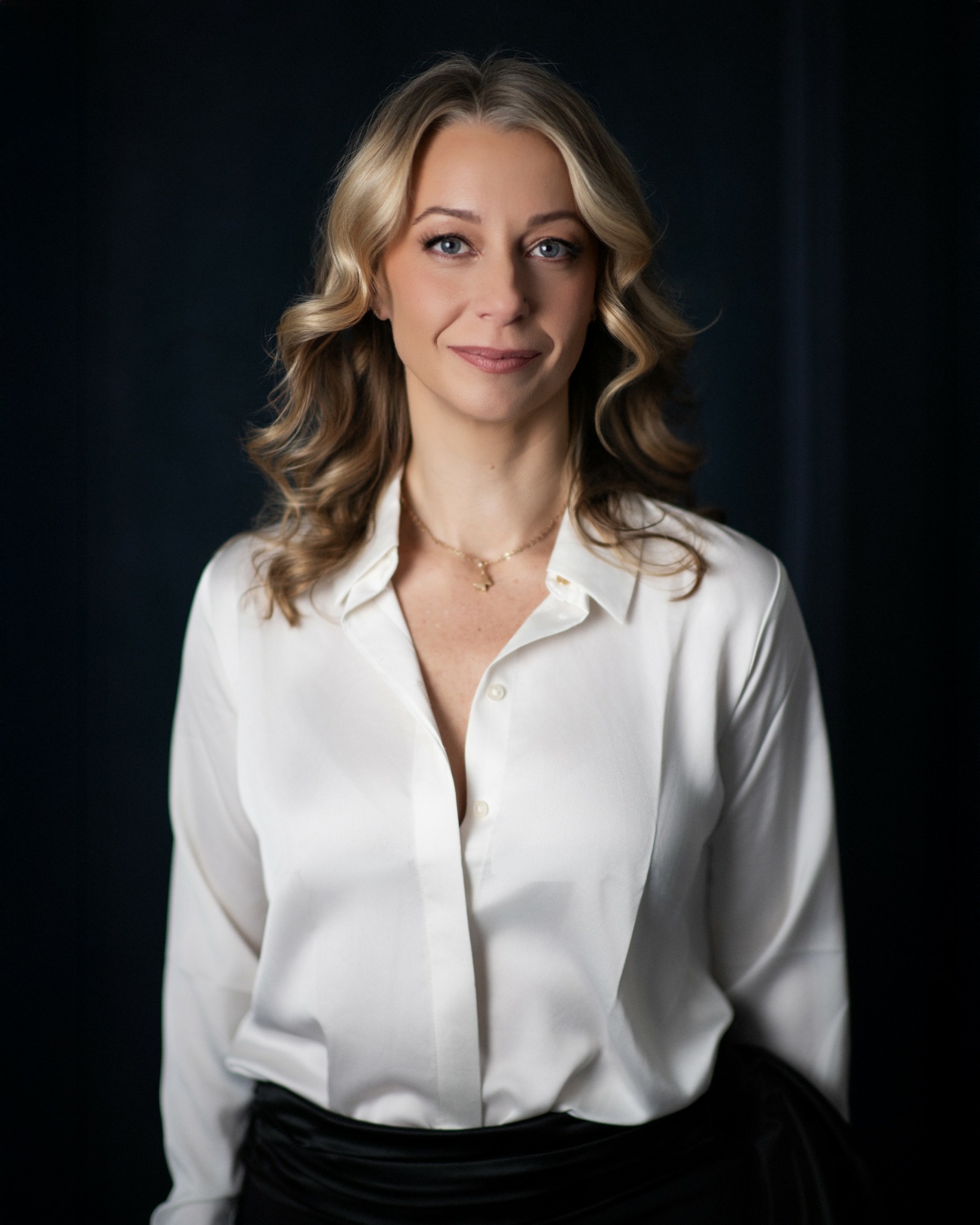

Alright – so today we’ve got the honor of introducing you to Gretchen Zimmermann. We think you’ll enjoy our conversation, we’ve shared it below.
Alright, Gretchen thanks for taking the time to share your stories and insights with us today. We’d love to hear about the best boss, mentor, or leader you’ve ever worked with.
Early in my career, I stepped into my first director role at my current company. I was responsible for building and leading a clinical department of registered dietitians from the ground up, many of whom had more clinical experience and credentials than I did. Although I had held leadership roles before, this position felt especially intimidating, and I struggled with a strong sense of imposter syndrome.
As my team and I rapidly scaled the department during COVID-19, I remember leading meetings for hundreds of dietitians, with my hands shaking so hard because I was afraid I would be seen as not knowledgeable or experienced enough to lead. At times, the anxiety felt almost debilitating.
I was fortunate to have a boss and mentor who was professionally trained as both a therapist and a dietitian (a pretty perfect combination, if you ask me!). He played a pivotal role in helping me move past those doubts and recognize my strengths. He reminded me why I was chosen for the role, that I had worked hard, earned my place, and brought real value to the organization. It was one of those rare times when seeing someone else’s faith in you changes how you see yourself. That shift changed everything. It allowed me to see myself as the capable expert I truly was and to step into leadership with real confidence.
This is what good leaders do. He inspired not only my professional but also my personal growth, and I later pursued a business degree because of his influence. He probably doesn’t know it, but he planted the seeds and completely changed the trajectory of my career.
I’ve come a long way from the days when I needed breathing exercises just to lead a team meeting. Now, I can speak in front of a room of over a thousand people with real confidence, grounded in the fact that I’ve put in the work, earned my place, and intentionally built the expertise that allows me to do exactly what I’m doing today: influencing decisions, people, and outcomes in ways that genuinely matter.
His leadership also taught me how to lead. That is, with empathy, compassion, and a real appreciation for each person’s unique strengths. The best leaders are the ones who advocate for you, take the time to understand what you bring to the table, and offer constructive feedback that helps you grow. In the end, feedback is one of the greatest gifts you can receive.
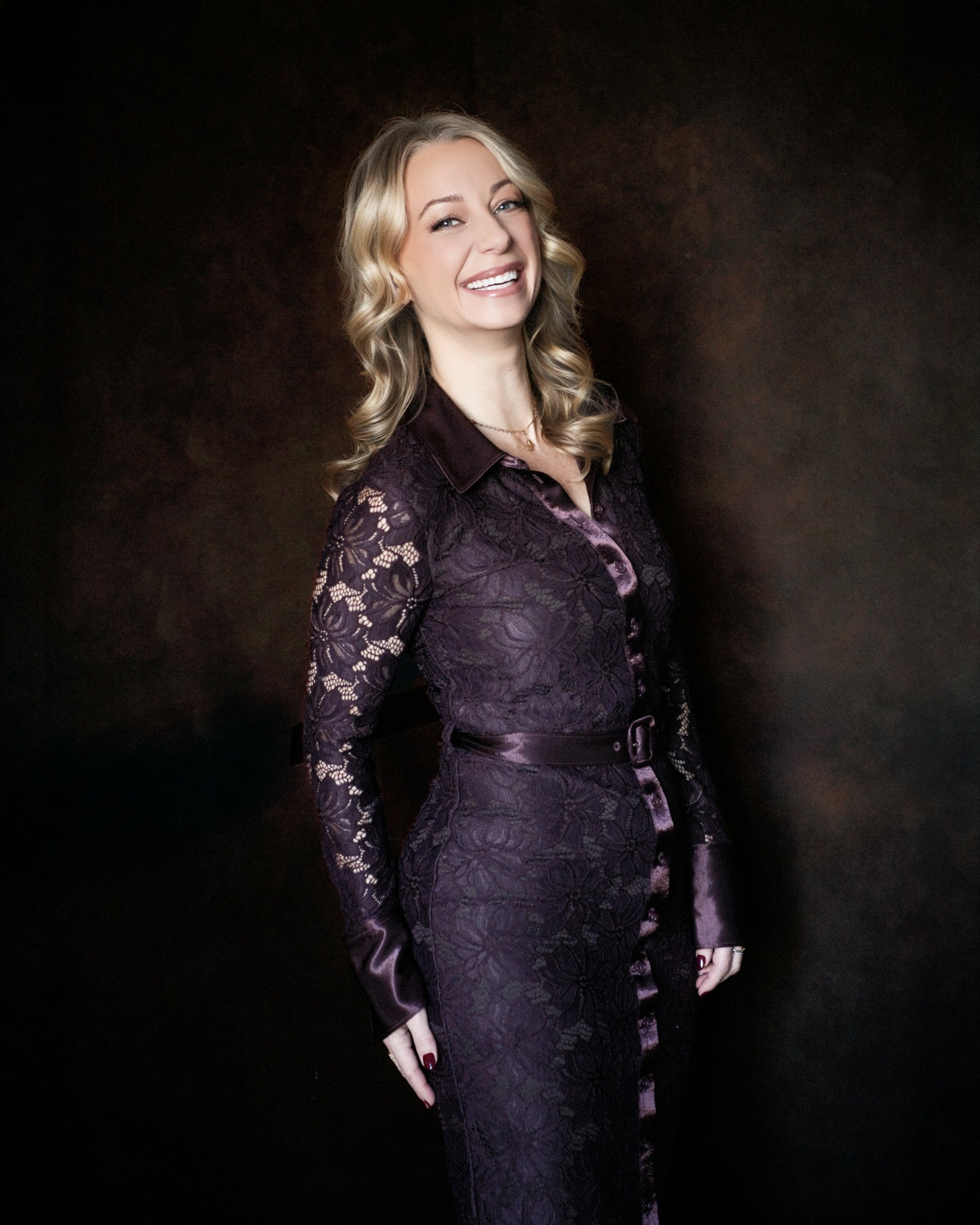
As always, we appreciate you sharing your insights and we’ve got a few more questions for you, but before we get to all of that can you take a minute to introduce yourself and give our readers some of your back background and context?
I am Gretchen Zimmermann, MBA, RD, LDN, CDCES, CSOWM, DipACLM. I am a registered dietitian, healthcare executive, and clinical strategist with more than 15 years of experience in nutrition, digital health, and obesity care. My career has not followed a traditional path, but every step has led me to the work I am most passionate about: advancing compassionate, evidence-based care for people living with obesity and chronic conditions.
Dietetics is my second career. I worked as a medical esthetician for nearly a decade before returning to school to pursue a BS in Dietetics. Skincare and nutrition are deeply connected because both focus on root causes, long-term habits, and supporting people from the inside out. In medical aesthetics, you learn that healthy skin depends on factors like inflammation, hormones, stress, sleep, and daily routines, which naturally lead to an interest in how nutrition influences those same systems. There is a saying that healthy skin comes from within, and for me, that connection sparked a curiosity about nutrition and overall health.
As a dietitian, I had a strong interest in obesity and weight management, and began my dietetics career in outpatient bariatric care. I quickly learned that weight management goes far beyond nutrition. Bariatric surgery is a tool, much like GLP-1 medications for weight loss, but true success requires ongoing support and attention to behavioral, hormonal, environmental, and physiological factors. Like many dietitians, I was encouraged to gain experience in a hospital, so I moved from bariatrics into acute care. I soon realized it was not the right fit. I spent my days calculating tube feedings for very sick patients or providing nutrition education to those overwhelmed by a new diagnosis. Seeing the reactive nature of our healthcare system was eye-opening and inspired me to find a way to provide care that could make a lasting difference.
That search led me to join a digital health company in 2014 as a coach and dietitian. It was exactly what I had been looking for—a place designed to provide ongoing, preventive care where I could help people make lasting changes and follow their progress over time. Around the same period, I also started my own private practice, supporting individuals with autoimmune conditions, diabetes, and obesity. Living with autoimmune thyroid disease myself, I understand firsthand how overwhelming symptoms, uncertainty, and the search for answers can feel.
These experiences shaped my perspective on care and prepared me for my current role as Vice President of Clinical Strategy at Vida Health, a virtual care solution for obesity and cardiometabolic conditions. In this role, I combine clinical innovation, business strategy, and health equity to influence care pathways and models that guide how thousands of patients receive support every day. Beyond my work as a clinical strategist, I am a public speaker and thought leader in the obesity space, contributing to media outlets as a nutrition expert and advocating for more compassionate, evidence-based care.
One achievement I am particularly proud of is leading the development of a model that allows dietitians to practice across all fifty states. This expansion dramatically increased access to medical nutrition therapy nationwide, ensuring that patients can receive high-quality care from a licensed professional no matter where they live. I am also proud of the work I have done with my team to advocate for fair pay, stronger career pathways, and greater recognition of dietitians’ expertise, which has been central to my career. Elevating the visibility and voice of dietitians is a mission I continue to champion.
Dietitians do not have to follow a traditional path or spend years in acute care to prove themselves. We can lead in community programs, outpatient clinics, digital health, consulting, private practice, combining clinical expertise with business and leadership skills. I want to see more dietitians pursue degrees in business and leadership roles, claiming their seat at the table in healthcare innovation. With the right mindset and training, dietitians can move beyond conventional roles, step into new spaces, and become indispensable voices driving better care and real impact for patients.
Training and knowledge matter of course, but beyond that what do you think matters most in terms of succeeding in your field?
Honestly? Beyond expertise, the thing that has made the biggest difference in my career is relationships. The kind you invest in and nurture because you genuinely value the people doing this work alongside you. Putting time and energy into relationships pays dividends over the long run.
Business moves fast. Strategies shift, markets change, and entire industries can pivot overnight—just look at what happened when GLP-1 receptor agonists first came to the market for obesity. Consumer demand surged almost immediately, creating new opportunities and driving innovation across the field by the day. What keeps you grounded and growing is the network you build and how you show up in it. I have learned never to burn a bridge, even when situations feel messy or frustrating. To always go out with grace. To avoid saying a thing you might regret. This world is small, and people remember how you made them feel long after they forget the details.
I regularly check in with people in my network simply to connect, to hear what they are excited about, what they are building, and what trends they are noticing before they hit the headlines. When meeting someone new, I always follow up with a note to thank them for their time and to reflect on a personal detail that they may have shared during the conversation. When reaching out to grow my network, I try to add a personal touch, showing that I’m human and genuinely interested in connecting. Those efforts are noticed, and they matter. They’re how you build real connection versus just accruing followers.
Success in business is deeply human. When you nurture relationships for the right reasons, not transactional ones, doors open that you could not have forced open on your own.
Any advice for managing a team?
Work shapes our lives in profound ways. We spend a huge part of our time at work, and it affects our stress, our health, and our overall well-being. The best leaders understand this. They lead not just with strategy, but with empathy, attentiveness, and a sense of what drives people. They take the time to see what motivates each individual.
Positive psychology plays a big role here. Leaders who keep their teams engaged focus on making people feel valued, capable, and heard and identifying each person’s strengths. They make space for different perspectives, knowing that the best ideas often come from diversity of thought. When people understand that their work matters, they show up fully, take ownership, and give their best. The best leaders recognize that they don’t know everything and that leveraging their team members’ talents and perspectives is what drives success.
The same principles apply whether you are leading a team or supporting a patient. Knowledge alone is never enough. Just as patients are motivated by different factors, like health, family, energy, or confidence, employees are motivated by different things, from recognition and growth to autonomy and purpose. Understanding those intrinsic motivations and helping people connect them to meaningful action is key to lasting engagement and results. When people feel seen, heard, and understood, whether in patient care or in business, they are far more likely to commit, contribute, and embrace meaningful change.
Contact Info:
- Instagram: gretchenzimmermann.rd
- Linkedin: https://www.linkedin.com/in/gretchen-zimmermann-17736117/
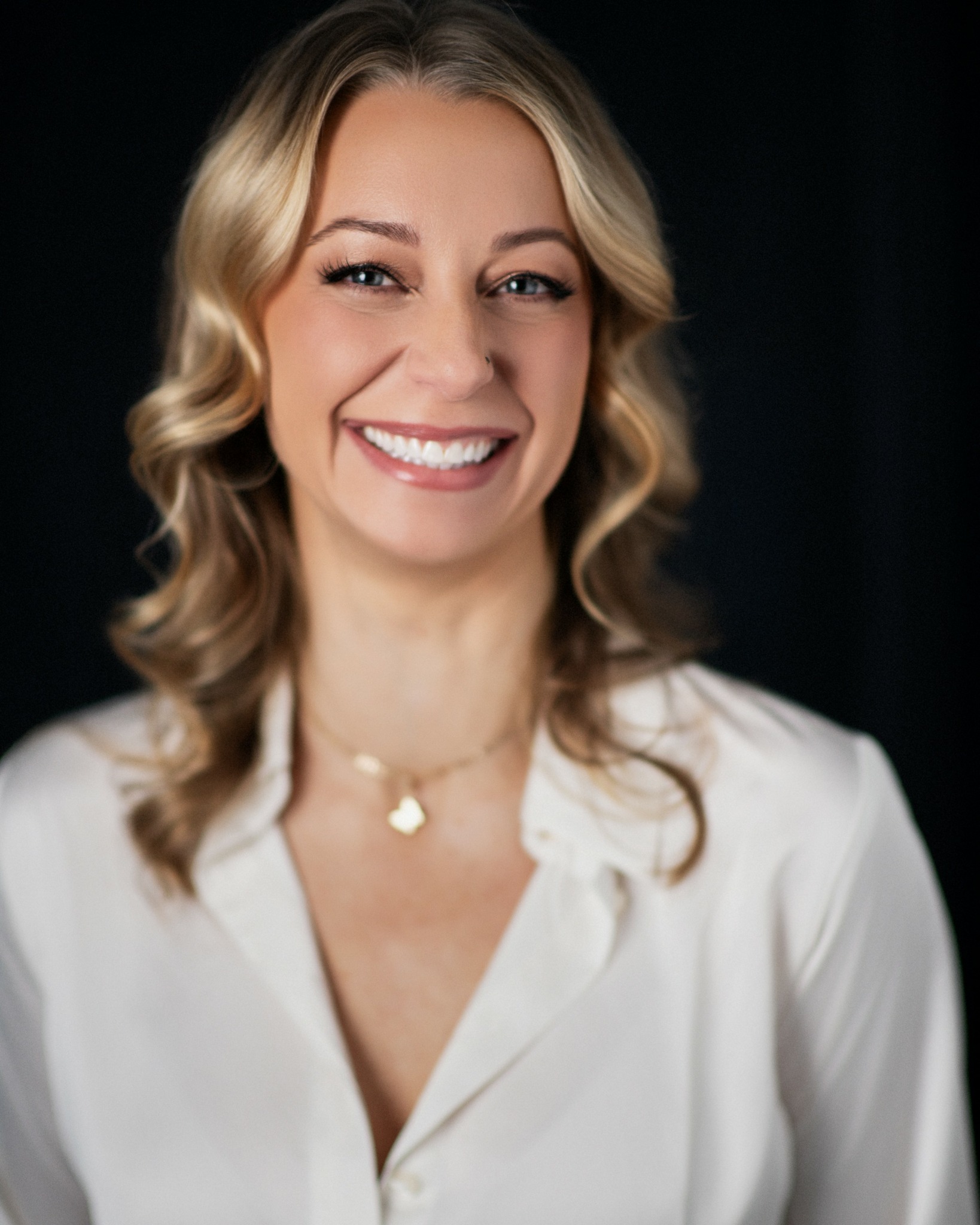
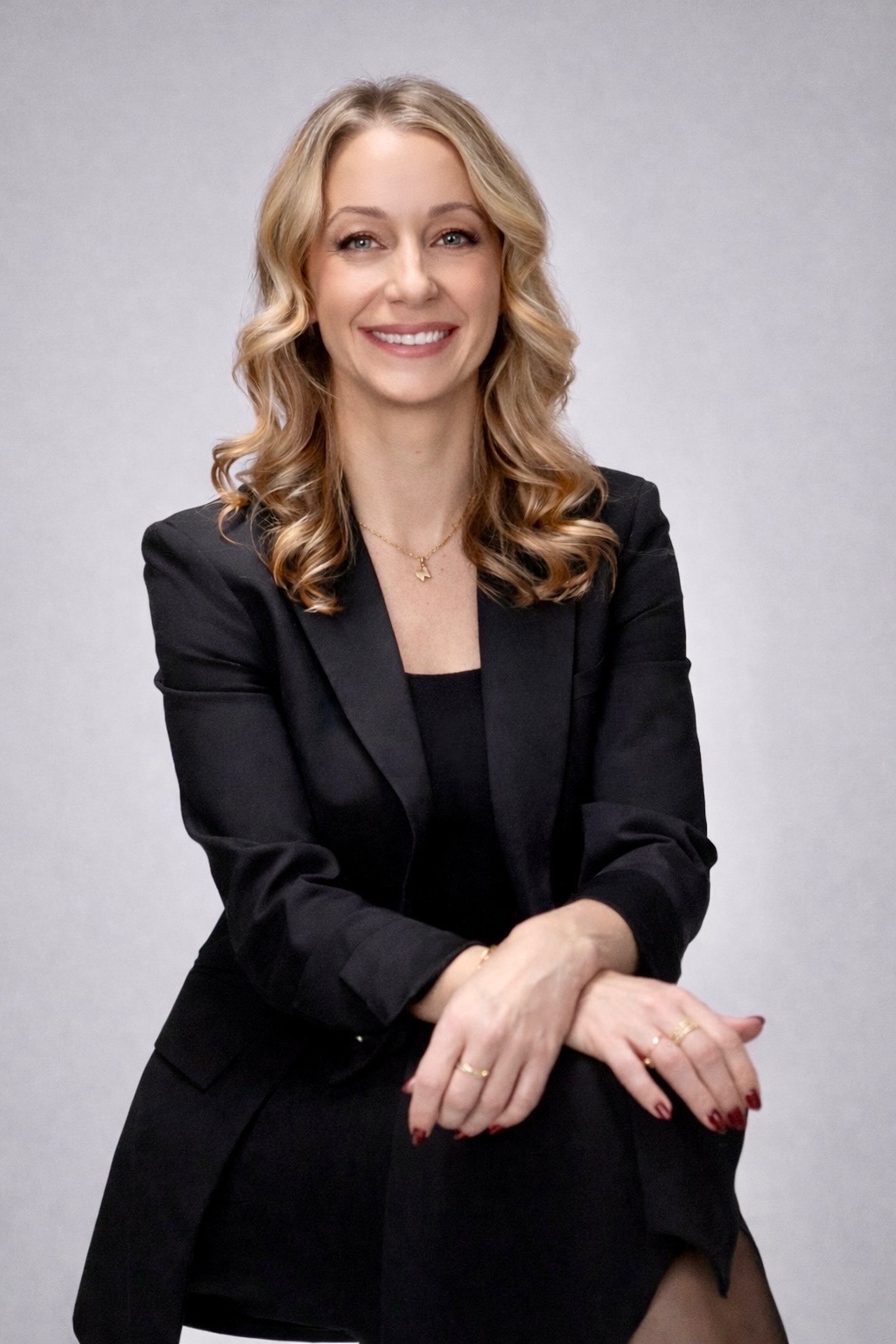
Image Credits
Alisa Stillwell Photography