
We recently connected with Gretchen Crilly McKay and have shared our conversation below.
Gretchen, appreciate you joining us today. Can you open up about a risk you’ve taken – what it was like taking that risk, why you took the risk and how it turned out?
I had been teaching elementary school for 30 years but was at least 10 years away from retirement. I loved teaching for the first 25 years but the last 5 I had felt burned out. I had begun studying shamanism in 1994 with the Foundation for Shamanic Studies and was seeking spiritual guidance about what was next for me. Upon encouragement from several friends, I went to see a visiting African healer (Sangoma).
I had a deep love of Africa and had traveled to East Africa several times on safari, making friends along the way and taking Americans to explore the beauty of Kenya and Uganda. The idea of visiting this African healer for guidance felt exciting, so I made an appointment. Let me say that this Sangoma, Traditional Doctor P.H. Mtshali, changed my life and opened a new doorway for me to walk through! He told me I was being called to the path of the healer and the Ancestors were guiding me. His advice resonated and I followed his guidance, planning to make a trip to Swaziland to see him the following summer.
The summer of 2000 proved to be the most important journey of my life. P.H. took me through rituals and initiations, telling me that I was being called to the path of healer but it was my choice. I made a commitment to return to the U.S., quit my teaching job, and come back to Swaziland the next summer to train and be initiated into this African shamanic path of the Sangoma.
The risk was great because I was leaving my teaching career early, before I could take retirement. I chose to use my retirement money to make the transition from a salaried teacher to a healer, trusting Divine guidance and finding my way into my new life. I was 51 years old, single, and beginning my life anew! I have never been sorry because this decision opened me up to unexpected adventures and a renewed sense of my soul’s purpose!
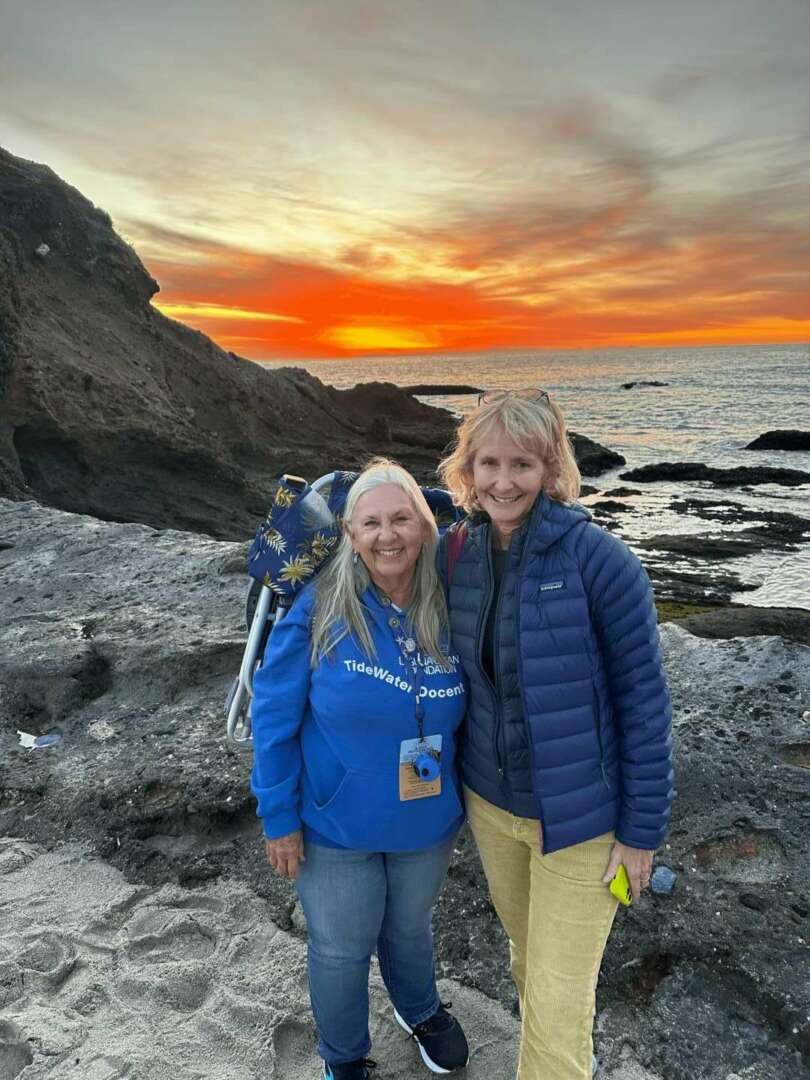
Gretchen, love having you share your insights with us. Before we ask you more questions, maybe you can take a moment to introduce yourself to our readers who might have missed our earlier conversations?
Gretchen Crilly McKay
My original career was an elementary teacher, educating children and adults. In the mid-1990’s I became frustrated with teaching but had no idea what to do. Retirement wasn’t scheduled for another 15 years but I knew I couldn’t continue in this career! I left teaching in 2001 but that foundation has continued to guide me as I work with individuals and groups.
I began studying shamanism for personal and spiritual growth in 1994, using shamanic techniques to deepen my relationship with Creator and to heal personal trauma. Shamanism—the term applied to healing techniques that originated in ancient tribal cultures—has roots in every continent. Commonly known as “walkers between worlds,” shamans are “traditional doctors” who use altered states of consciousness to bring back healing knowledge, wisdom, and power that is otherwise inaccessible in normal reality.
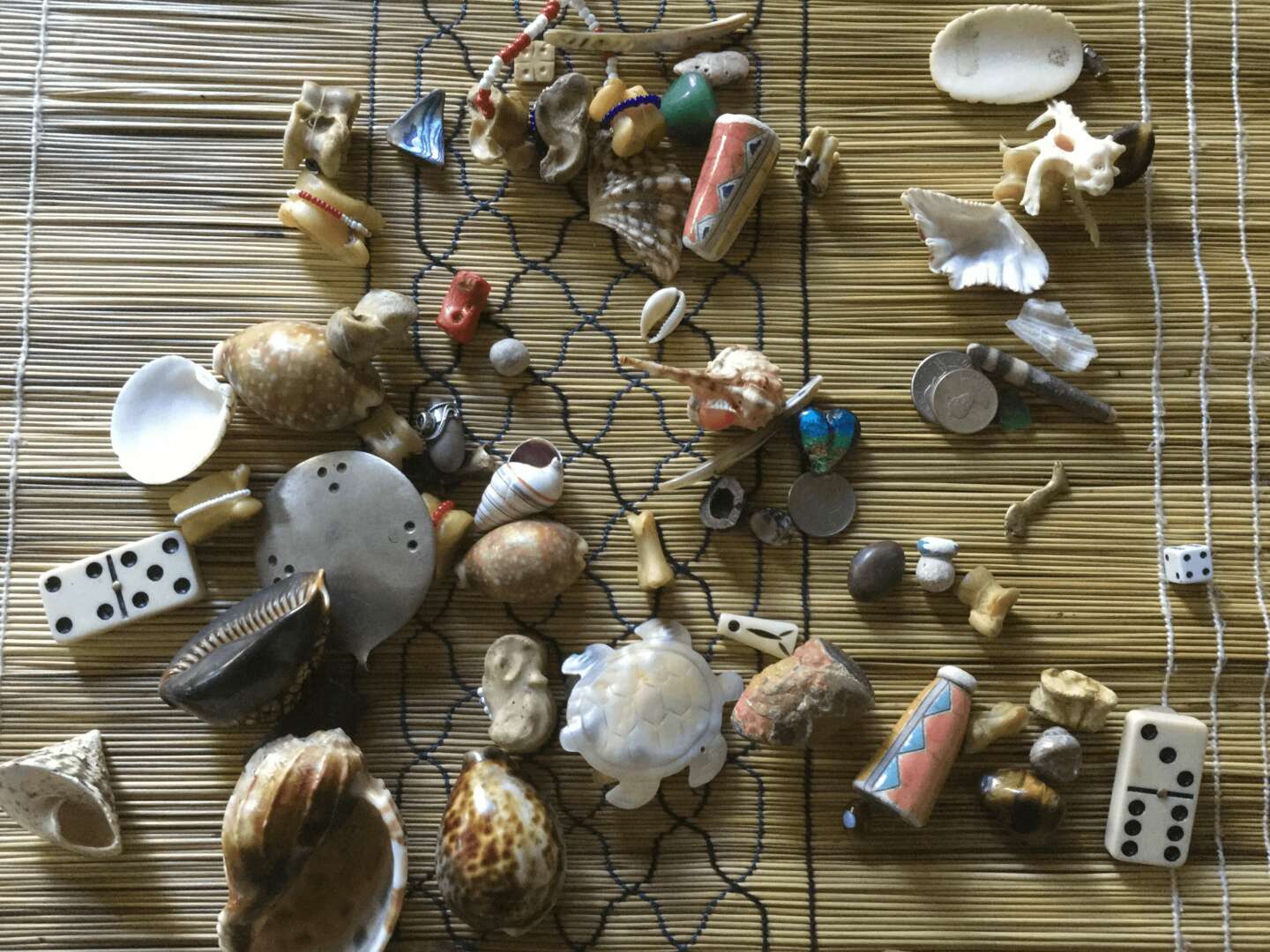
In the summer of 1999 I heard about an African healer visiting Costa Mesa, CA and sought out his guidance. At 75, Petros Hezekial Mtshali was ready to retire when his ancestors started sending him dreams of teaching white people. Having lived through apartheid, this was not a dream he had for himself, but he never said no to his ancestors. This led him to America where he spent the summer giving lectures at medical conferences across the country. Mtshali used an ancient divination process called “throwing the bones” to help expand my perspective and discover where I was being guided next. On a straw mat, Mtshali tossed bones and other objects and translated the patterns for me. He looked up from the bones and smiled. My ancestors were calling me to become a healer.
In Southern African traditions, where I was initiated, sangoma (initiated shamans/healers) use techniques such as trance, lucid dreaming, spirit journeying, ritual, and rhythmic dance to access insights shown to them by deceased ancestors, both familial and archetypal. According to their beliefs, each living relative has a team of ancestors and spirit animals looking after their best interests. It is a spiritual calling, not a chosen profession. An apprentice sangoma (thwasa) studies with a mentor for several years and must learn how to connect with her ancestors, prepare herbal medicines, interpret dreams, diagnose illness through divination with bones, and how to heal both physical and spiritual illness. Through the ritual use of herbs, steaming, purification, dreaming, and dancing to ancient drum rhythms and traditional songs, the initiate becomes bound to her ancestors who have chosen her for this work. It is the mentor’s responsibility to work with the initiate’s ancestors, alleviating any conflicts or problems that are encountered. Humility and respect are essential to the work of the sangoma so it is the mentor’s job to train the initiate in a way that leads to surrender of the egoic state, facilitating a deepening of their relationship to the spirit world and the ancestors. Working in partnership with one’s ancestors is a gift representing a close link with the spirit realm as a mediator between the worlds.
In the summer of 2000, I traveled to Swaziland (Eswatini) to begin my training with “Baba P.H.” as he was lovingly called. Ten thousand miles from home and in a time before GPS, I arrived in Swaziland and rented a car, driving on the wrong side of the road in search of Mtshali’s house with only landmarks as directions. Over the next two years, I spent extended periods of time in Swaziland, training to become a sangoma. I went through purification rituals similar to baptisms, and learned how to enter deep states of meditation to connect with my ancestors. There were many challenges living in a rural area, on a traditional homestead. Everything was unfamiliar and I had no way to communicate with my friends and family back in California. However, the training guided me to face my shadow as well as my gifts and talents and I knew that I was finally aligned with my soul’s path. At the end of my second stay, I was ready for graduation.
During three days of my graduation, sangomas from surrounding communities traveled to observe this American white woman go through traditional rituals, dancing, finding hidden things and initiations. I had not been told what any of the initiation processes would be so I was quite nervous! This was a test of whether or not my ancestors were guiding me and if I failed, it would be an embarrassment to Baba P.H. as well as myself. Gratefully, my ancestors were with me and I passed all the tests and graduated as Sangoma. After three days of singing, drumming, dancing, and celebrating, all the visitors left, and I had a week of rest and seclusion.
After my graduation, I asked Baba P.H. what the path of the Sangoma would look like in America. He responded, “I have no idea my dear, it’s America!” This turned out to be an incredible gift because he gave me permission to trust myself and my ancestors and let something new evolve. In 2001 I left teaching and began offering shamanic services.
I use the African divination system of throwing the bones to diagnose the spiritual issues underlying dis-ease and family patterns; provide shamanic healing through energy work, soul retrieval, and chakra clearing/balancing; use medicinal herbs, aromatherapy, and ritual to facilitate healing; and teach workshops for ancestral, personal and global healing. I also offer an advanced shamanic training apprenticeship for those called to this path.
I have a passion for working with the spirits of nature and teaching others how to get be in a reciprocal relationship with Mother Earth. It is my honor and joy to facilitate others as they connect with their own divine wisdom, creating balance and harmony within and without. When we heal ourself, we healing seven generations behind us and seven generations ahead. This process contributes to the collective healing and well being of Mother Earth as we take responsibility for our thoughts, words, and actions.
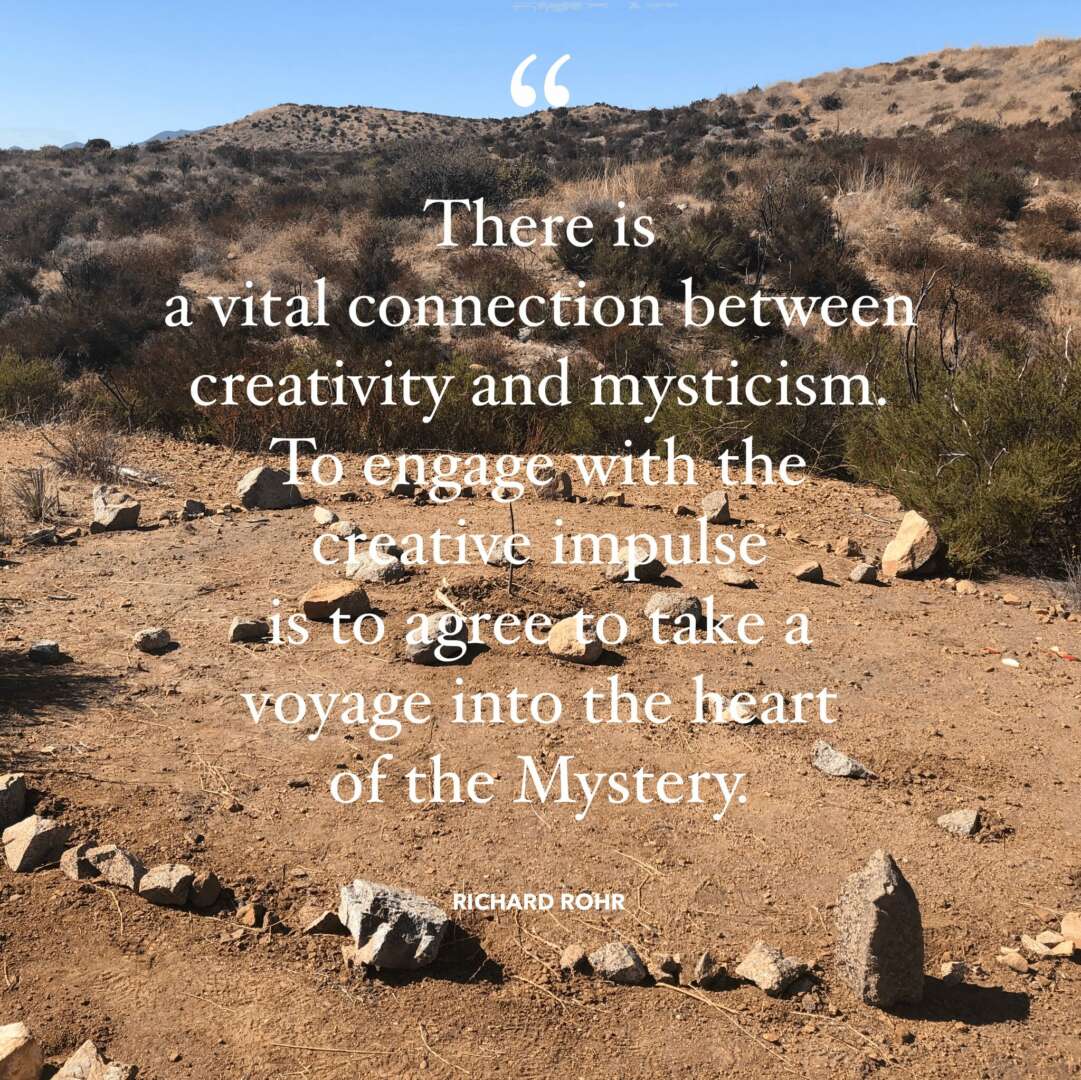
We often hear about learning lessons – but just as important is unlearning lessons. Have you ever had to unlearn a lesson?
I had to unlearn our cultural perspective that you shouldn’t take risks like quitting your career and following your passion, especially if it is a non-traditional one. In leaving a career that would have provided me with a retirement pension for one with no guarantees, I risked failure. However, I am currently 74 years old and thriving BECAUSE I left a career that was draining me physically, emotionally, and mentally. I have been following a path that continually inspires and delights me as well as fulfilling my desire to be of service to Mother Earth humanity.
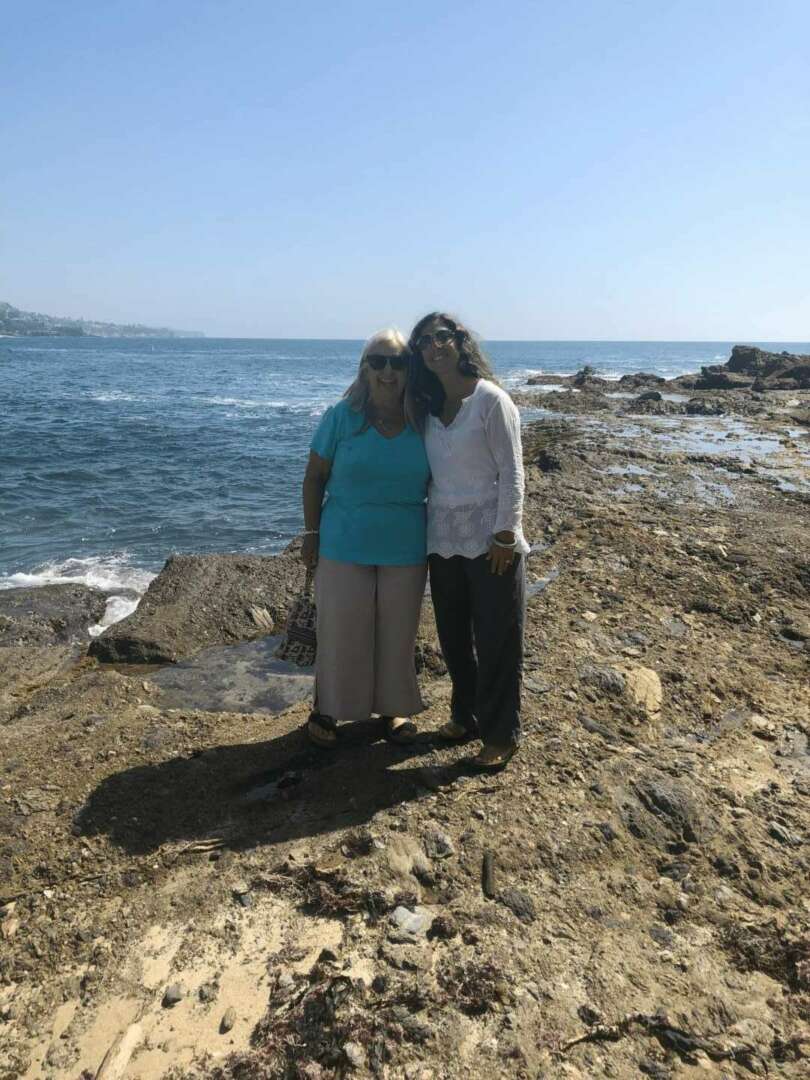
Training and knowledge matter of course, but beyond that what do you think matters most in terms of succeeding in your field?
Connecting with other like-minded people is essential for success. Continuing to grow, expanding perspectives about myself and the world, keeps me curious and creative. When I need to process and/or vent frustrations, it is my spiritual community and close friends that help me reframe my concerns and encourage me to keep moving forward.
Contact Info:
- Website: https://www.ancestralwisdom.com
- Facebook: https://www.facebook.com/profile.php?id=100053110552837
- Linkedin: https://www.linkedin.com/in/gretchen-crilly-mckay-73b37ba