
Alright – so today we’ve got the honor of introducing you to Gregg Stewart. We think you’ll enjoy our conversation, we’ve shared it below.
Gregg, thanks for joining us, excited to have you contributing your stories and insights. Can you take us back in time to the first dollar you earned as a creative – how did it happen? What’s the story?
I’ve had a few incarnations as a creative. As a songwriter and musician in my early twenties, I got paid in free drink tickets. It was neither lucrative nor healthy when it came to earning a living. But I did it, and soon, more people started coming to the shows. I made a few connections, and somehow I got signed to a publishing deal, then a recording contract, and it was a lot of money all at once—well, a lot for me, since my norm up until that point was free drink tickets. There is a blessing and a curse to a sudden windfall of cash. I was a young, passionate, idealist, and there were now high expectations from the people who had invested in me. I felt like I had to prove my worth, which might be the worst possible place to come from when creating. In retrospect, things might have gone easier had the flow of money been more gradual, or if there was someone around me who had walked this path before and could offer guidance, like a mentor. Flash forward two decades, and I’d written two novels and gotten zero traction with either. A writer friend (and mentor) suggested I go back to “gigging” as a writer, like I did in my musician days. I began entering short story contests. I came in sixth place, then fourth place, and kept going, always reading the winners’ work to gain insights. Soon, I’d won second place, then first place, another first place, then an acceptance into an anthology, then another, then my novella signed with a publisher and my novel signed with a larger publisher. It was gradual and organic. The short stories helped me hone my craft while building an audience as a writer, and it led me to two publishing deals (so far). Along the way. I’ve learned a few things about money as a creative. I had to focus on the joy of creating, and what I could learn about myself by honoring my creative spirit. That was its greatest gift. The money came as an acknowledgment of me doing that work, and using my creative expression not for accolades, but as the most powerful tool available to help me learn and grow as a person. I’ve learned that, when I stay true to my journey of creating work that is wholly and unapologetically ME, money and opportunities flow toward me in response to that energy.
As always, we appreciate you sharing your insights and we’ve got a few more questions for you, but before we get to all of that can you take a minute to introduce yourself and give our readers some of your back background and context?
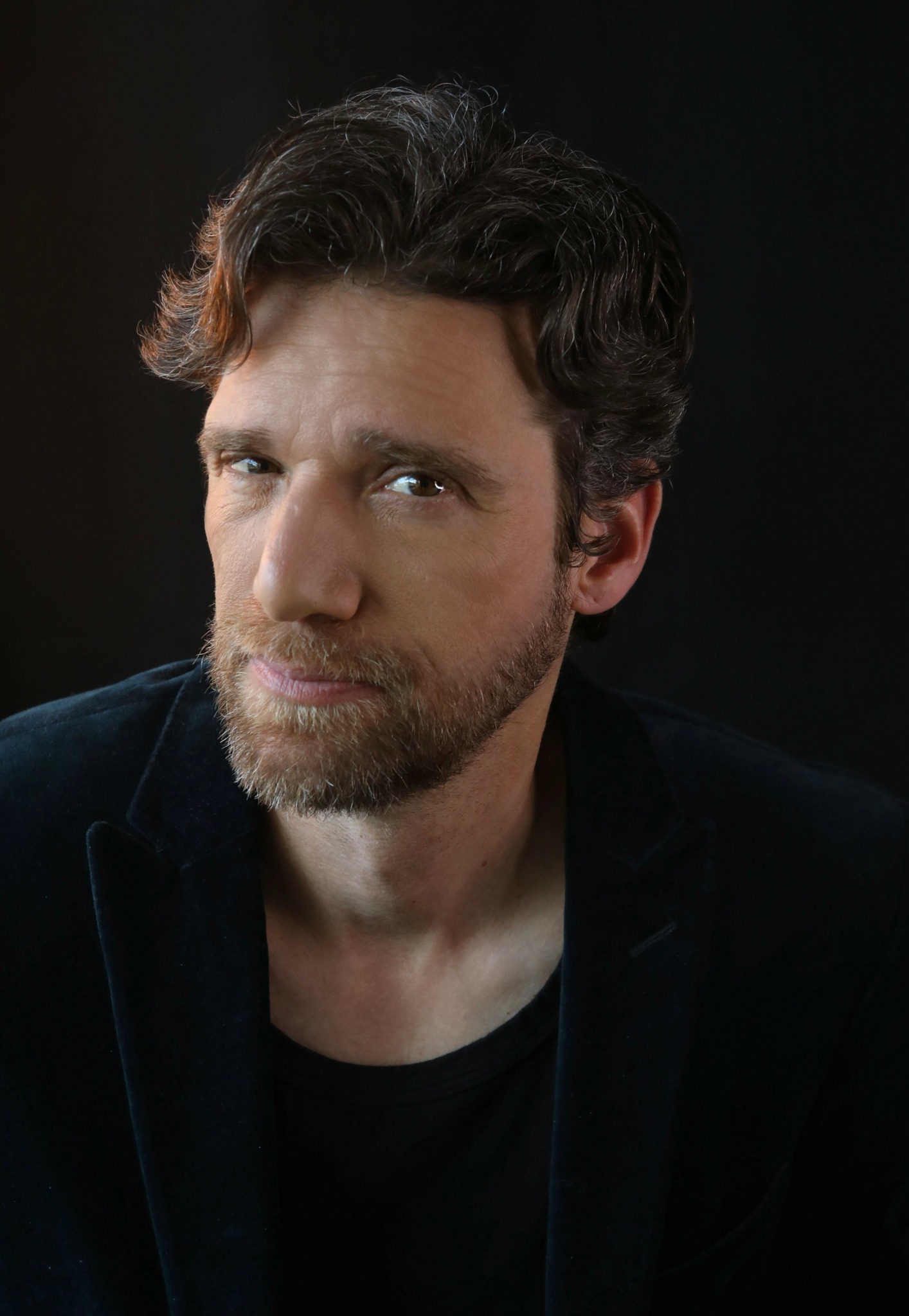
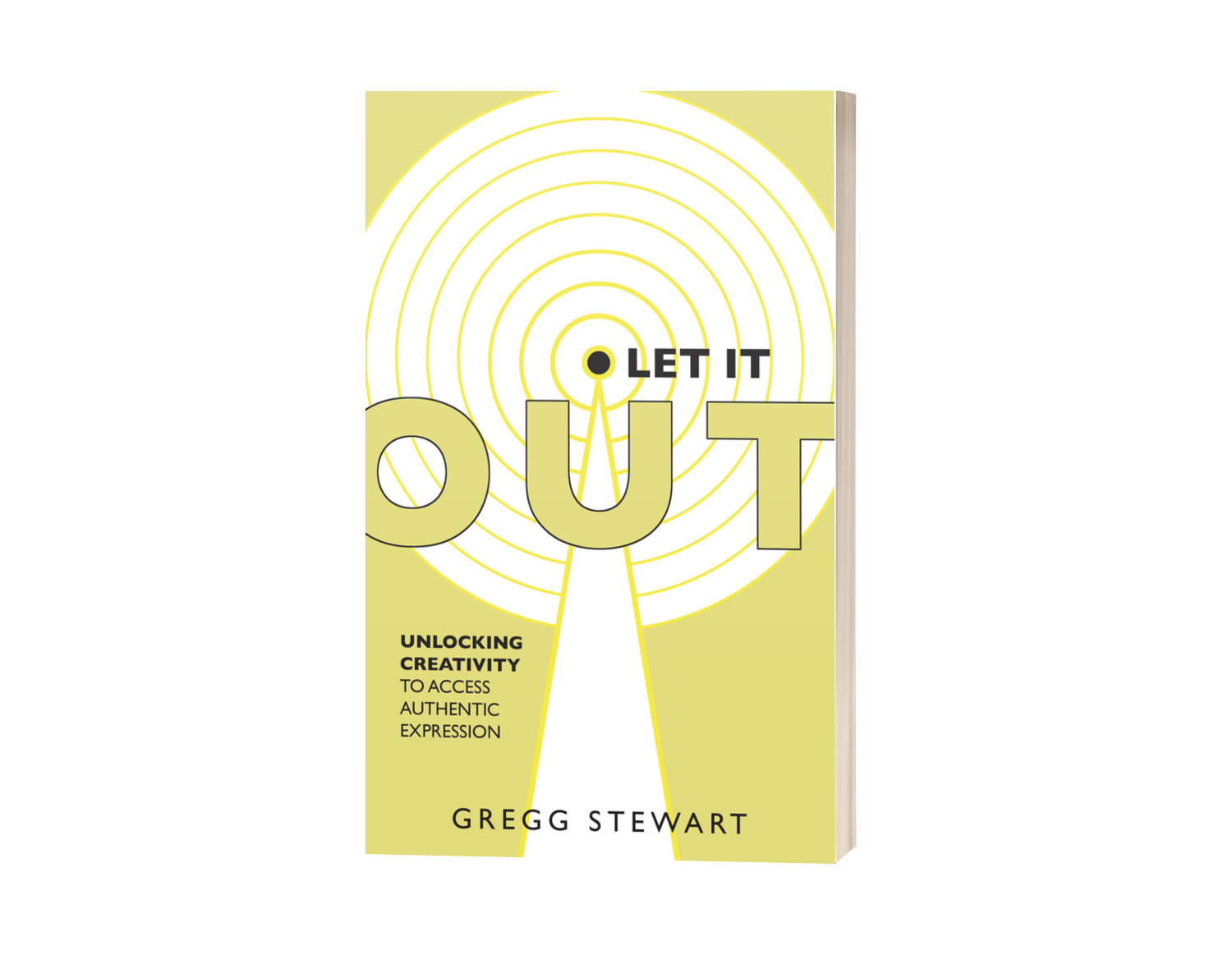
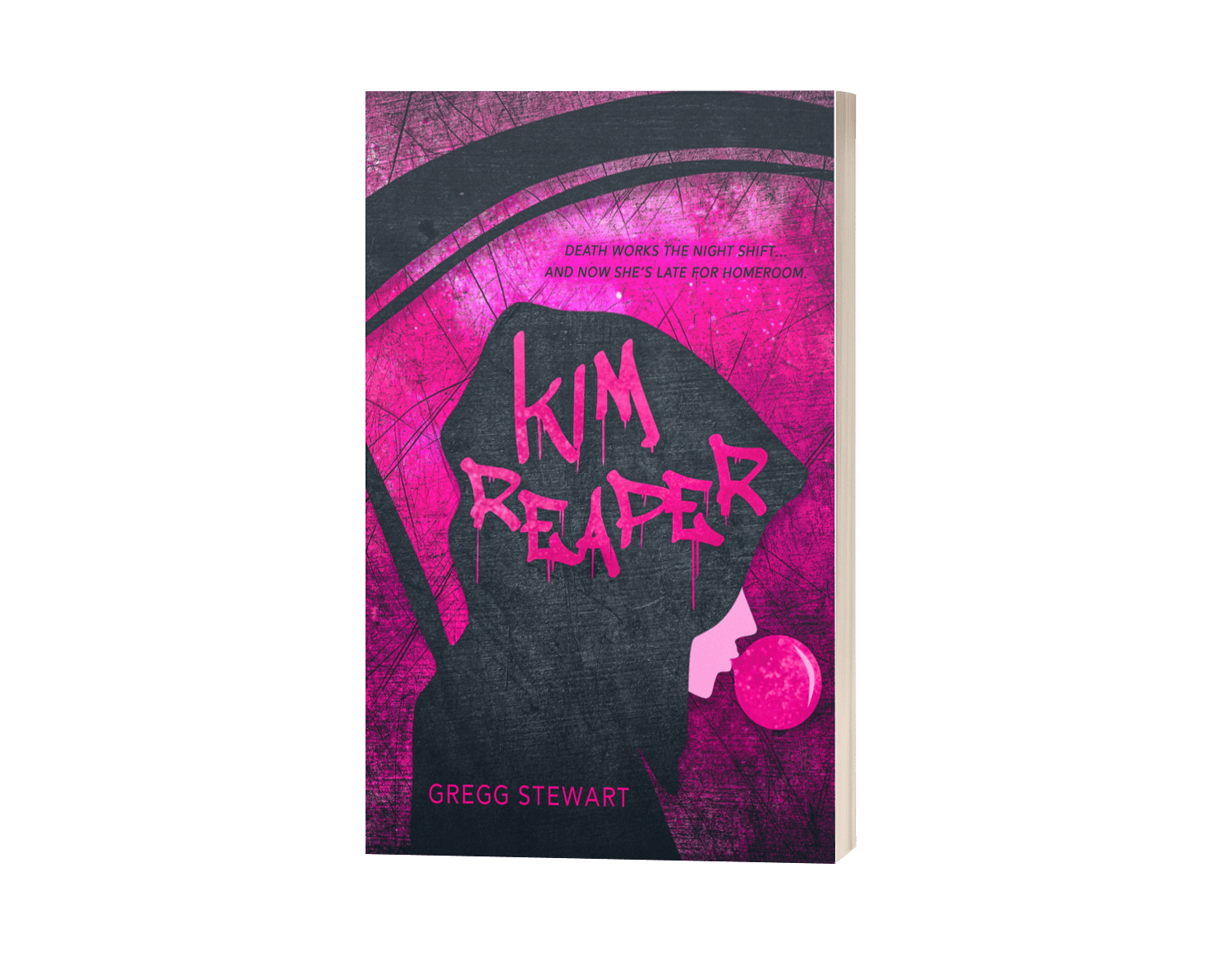
My name is Gregg Stewart, I am the founder/owner of New Fable—a storytelling media and production studio located in Southern California. We develop original IPs—short stories, graphics novels, podcasts, books, and screenplays—that awaken the imagination and remind people of their power to transform. As a writer, my work is mainly speculative (sci-fi, thriller, horror, fantasy). My recent novella, Kim Reaper (Graveside Press) is the first in a trilogy of supernatural tales for teens and young adults. My nonfiction book, Let It Out (New Fable), reached #7 on the best sellers list in creativity. My upcoming novel and podcast, The Isochron Treatment (Crystal Lake), a sci-fi thriller, launches in 2026. When I am not writing, I work as a creative consultant workshop facilitator, supporting small businesses and individuals to share their authentic voices and stories to foster deeper connections.
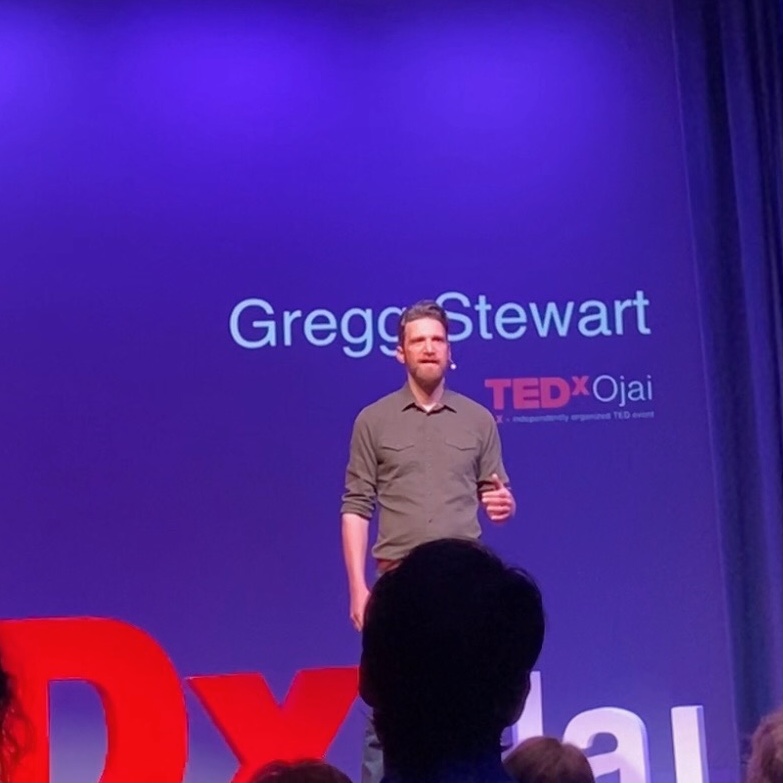
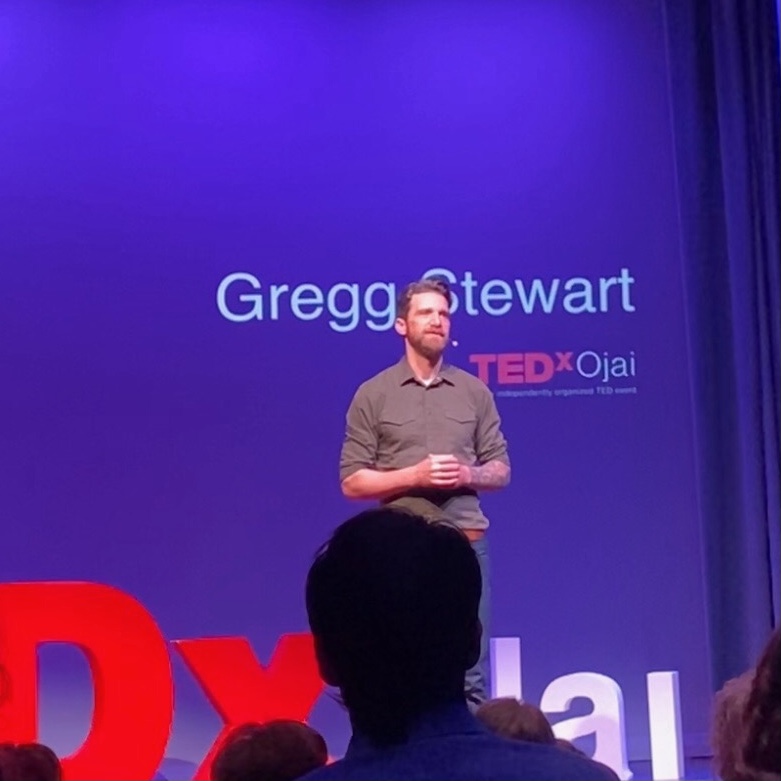
Creative expression is one of the seven core needs for our well-being—on par with clean air, healthy food, pure water, safe shelter, human connection, and quality sleep. Without creative expression, our emotional and mental health suffers. My framework for my personal creative expression—and how I support others on their creative journeys—is to discover and connect with our shared innate love of storytelling as “soul medicine.” When we seek to heal ourselves through creating vulnerable work—as opposed to creating to “make content and money”—that’s when our creativity becomes priceless. When I’m not writing, I offer 1:1 creative consultations, six-session group workshops, and keynote speaking engagements to uplift and inspire creative expression. My recent TEDxTalk was an Editor’s Pick, offering six ways to reignite your creativity and start a practice to engage with your authentic voice.
For you, what’s the most rewarding aspect of being a creative?
The greatest gift from creativity is what you can learn about yourself by creating. This is the focus of all my workshops, and it is especially impactful for those who don’t necessarily see themselves as “creative.” The truth is, beyond any accolades, awards, money, success, or fame—what you can discover about yourself (and even heal) from engaging with your creativity is its greatest reward.
It doesn’t matter if what you create is “good” but it must be authentically “you.” That’s all that matters. All your unprocessed emotions—whether grief, anger, rage, sorrow—your creative expression is the healthiest and safest place you can put those things. Throw paint at the canvas, write a murder mystery where the victim bears an eerie resemblance to your middle school bully, sing loudly, bang on a guitar, dance it out—it doesn’t matter what you create, what matters is the power of engaging with your inner voice and imagination in an honest, authentic way. Let ALL those emotions out. That’s healing. That’s how we become healthier as a society. So, while we continue to cut funding for the arts in schools, or hand it off to software to do on our behalf, we are growing increasingly more emotionally and mentally unstable as a society, and I am shocked that no one seems to see the correlation. We need to get back to creating and we need to prioritize it in our lives—not for success or money or to make “content”—but to process our emotions in a healthy way so we can feel whole again.
In your view, what can society to do to best support artists, creatives and a thriving creative ecosystem?
Artists are the truth-tellers of society, they point out what’s working and what isn’t and hold up a mirror to society better than any other segment of the population. Why do you think all repressive regimes throughout history have silenced and killed off the artists first? I understand in our current society why it might be difficult to take an honest look, but we need to put down our phones, turn off our televisions, and seek out more everyday creatives working in public spaces, not just the tiny percentage who work for major corporations.
Start supporting independent creatives—go to their shows, their book signings, gallery openings, house concerts, poetry readings—see what’s out there and start engaging with it.
Also, more creatives need to step-up and mentor others, especially children. I know, with constant devaluation of the arts, many creatives are simply trying to survive, so who has time to support others? Still, it’s essential that more people understand what it takes to live a creative life, that they see how challenging society, corporations, and software companies have made it for independent artists to share their work and keep their voice at the table. Creatives need to show up more, get our of their bedroom studios, busk in front of the grocery store, get kicked out, who cares, be SEEN.
The point of engaging with art is not simply to consume but to CONNECT—to witness it, to be in its presence and allow yourself to be moved by it. To let it inspire you to be more creative. We need to celebrate art, all art, all self-expression, and know that the more we do this, the healthier we become as a society.
Contact Info:
- Instagram: @thatgreggstewart
- Other: You can write me anytime for workshop dates or to book a 1:1 creative deep-dive session, or to tell me what you’re working on: [email protected]