

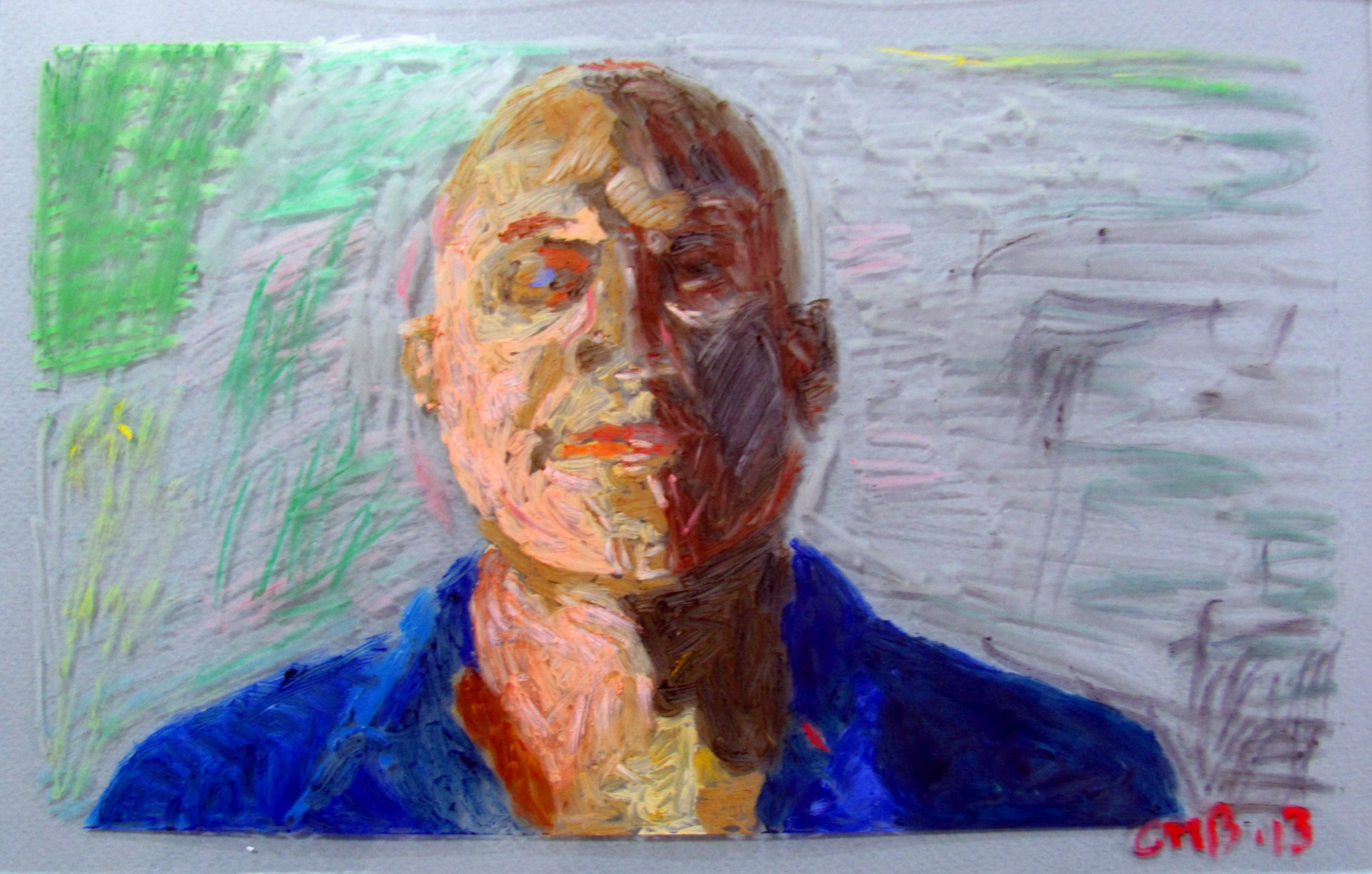

We recently connected with Greg Mason Burns and have shared our conversation below.
Greg, thanks for taking the time to share your stories with us today Are you happy as a creative professional? Do you sometimes wonder what it would be like to work for someone else?
Man, this question is so difficult to answer, and the answer always comes out so easily every time I think about it. I worked in a corporative environment for many years before I realized that I was neither happy nor making any gains I wanted in my life. At one point I simply made the decision to leave that world to lead a more creative life. I haven’t looked back, but that doesn’t mean everything is perfect today. Honestly, the stress I used to have while working a job I didn’t enjoy is probably the same as the stress I feel as an artist who struggles to make ends meet. The prior stress revolved around happiness. I made good money, but I wasn’t happy. Today, I don’t make great money but I’m much happier. The stress just shifted, but more importantly it shifted toward something I could live with.
There have been times when I’ve needed to work a regular job, and I still do to some extent. I currently put together three flexible part-time jobs in between my creative space. This helps to pay the bills, and I’m reasonably happy with that set-up, though I’d love to ditch at least one of the jobs. The thing is that when I was applying for jobs the last time around when I needed to, I felt a pretty big layer of depression come over me as I was writing the cover letters. To me, this is the most obvious proof that I made the right decision. I don’t like the financial struggles of being an artist, but I don’t think I would last long in a regular job if I had to go back to that world again.
Another question I ask myself that is similar is: why couldn’t I just be normal and open up a convenience store, or a book store, or some small business like that? I come from Maine, which has the highest percentage of small businesses per-capita in the US. I have many family members and friends who have gone this route to tremendous success over the years. But truthfully, even that life would get boring after a time. I feel that I need to create, to feed this curious side of my personality in order to hold my head up each day. I don’t fit into the system, so rewards are few, but I made the right decision for myself, and that has made my life better than it was in the past.
Great, appreciate you sharing that with us. Before we ask you to share more of your insights, can you take a moment to introduce yourself and how you got to where you are today to our readers.
I started out in the corporate world, decided I wasn’t happy, and moved to Chile to lead a more creative life. While there, I stumbled on visual arts as something I was better at than what I had previously expected. I later moved to Brazil where I cut my teeth even more. During that time I developed my craft and the intellectual feel for my work. After a few years there I returned to Maine before settling in Boston. This was a massive transition that left me nearly broke at one point, but I’ve bounced back each time.
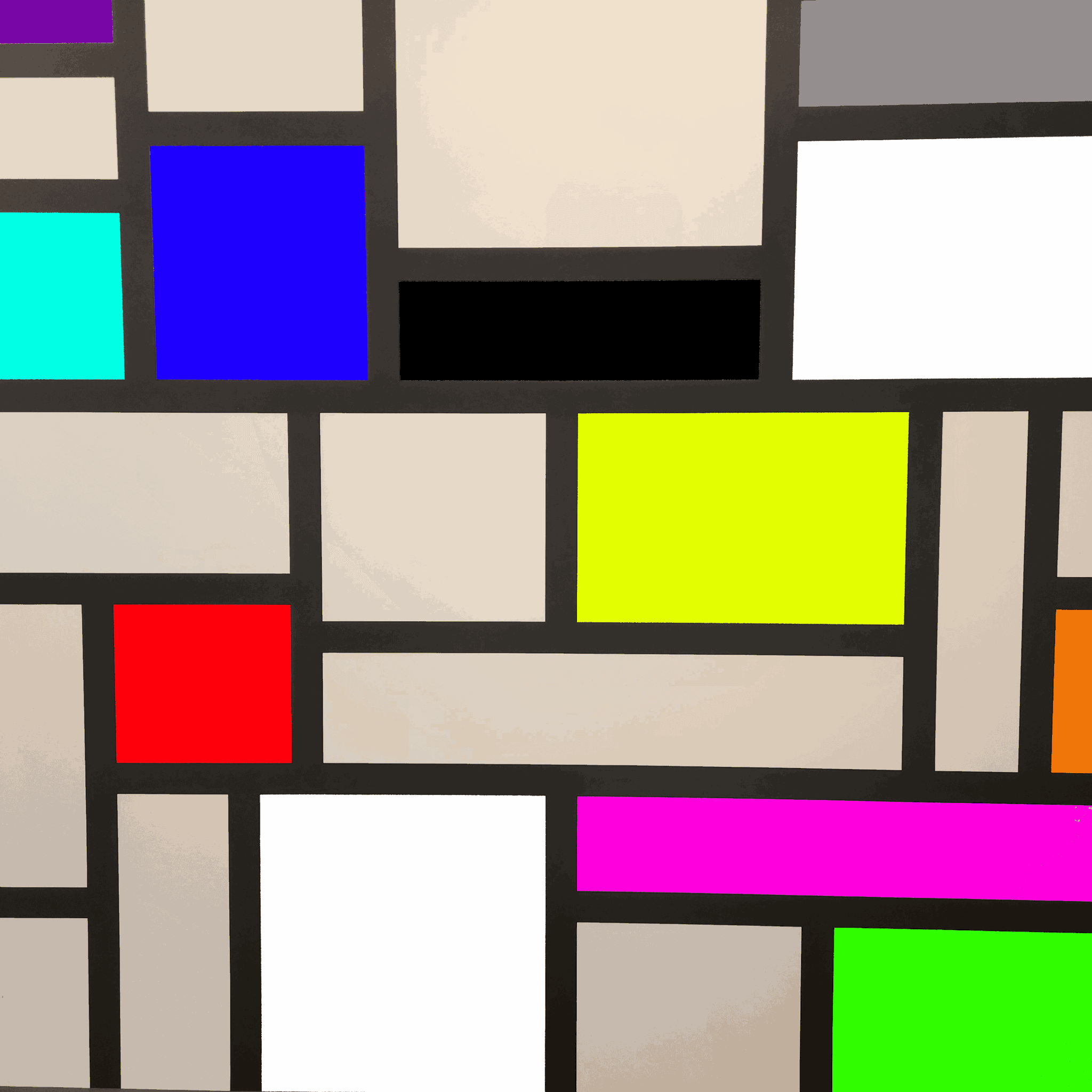
Intellectually, I play with the communication gap that exists between what was said and what was interpreted. No one ever interprets exactly what was communicated to them in the way that the communicator intends. There’s always a difference. If I say the color blue, your blue in your mind will always be lighter or darker than the image in my mind. Even if I say light blue that truth always holds.
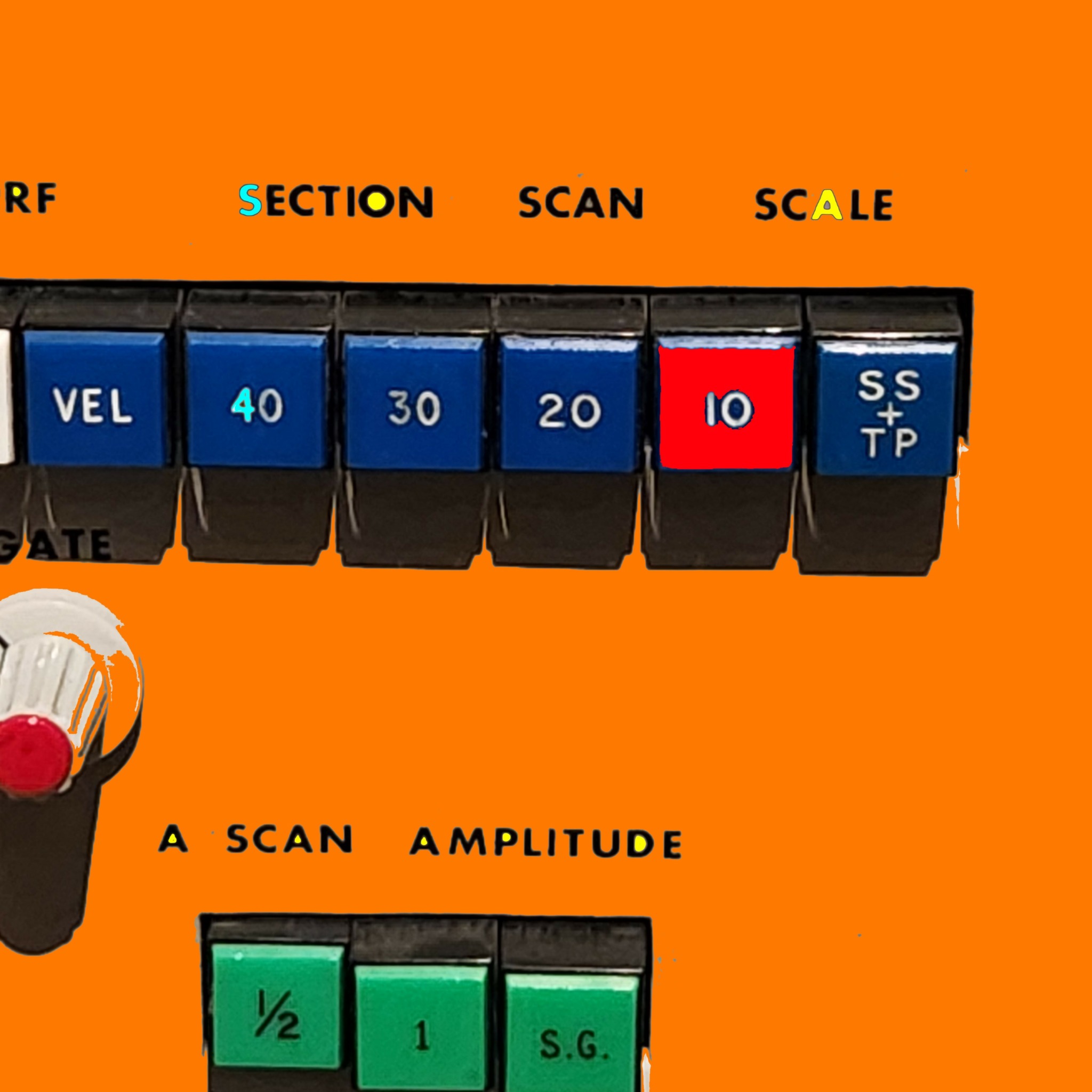
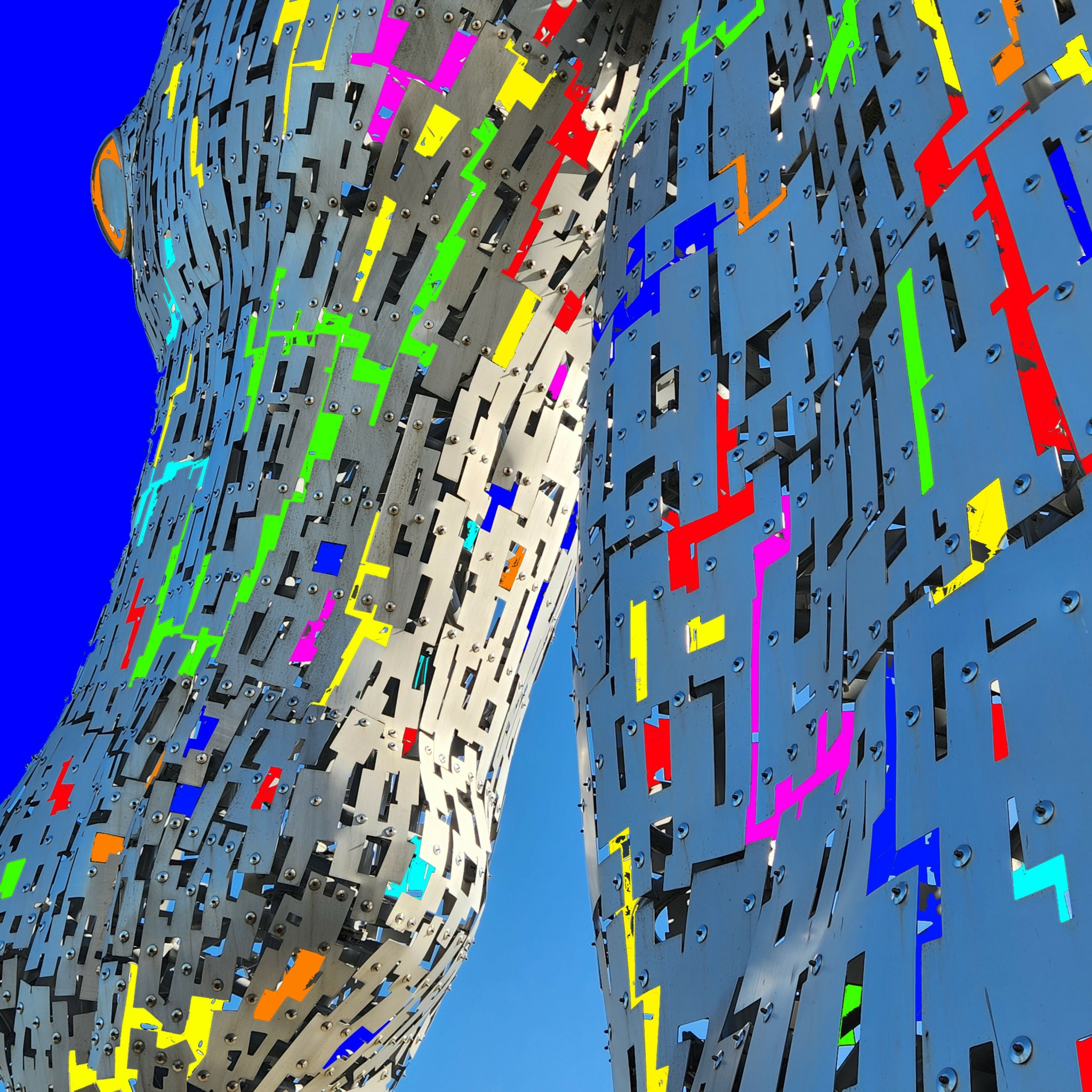
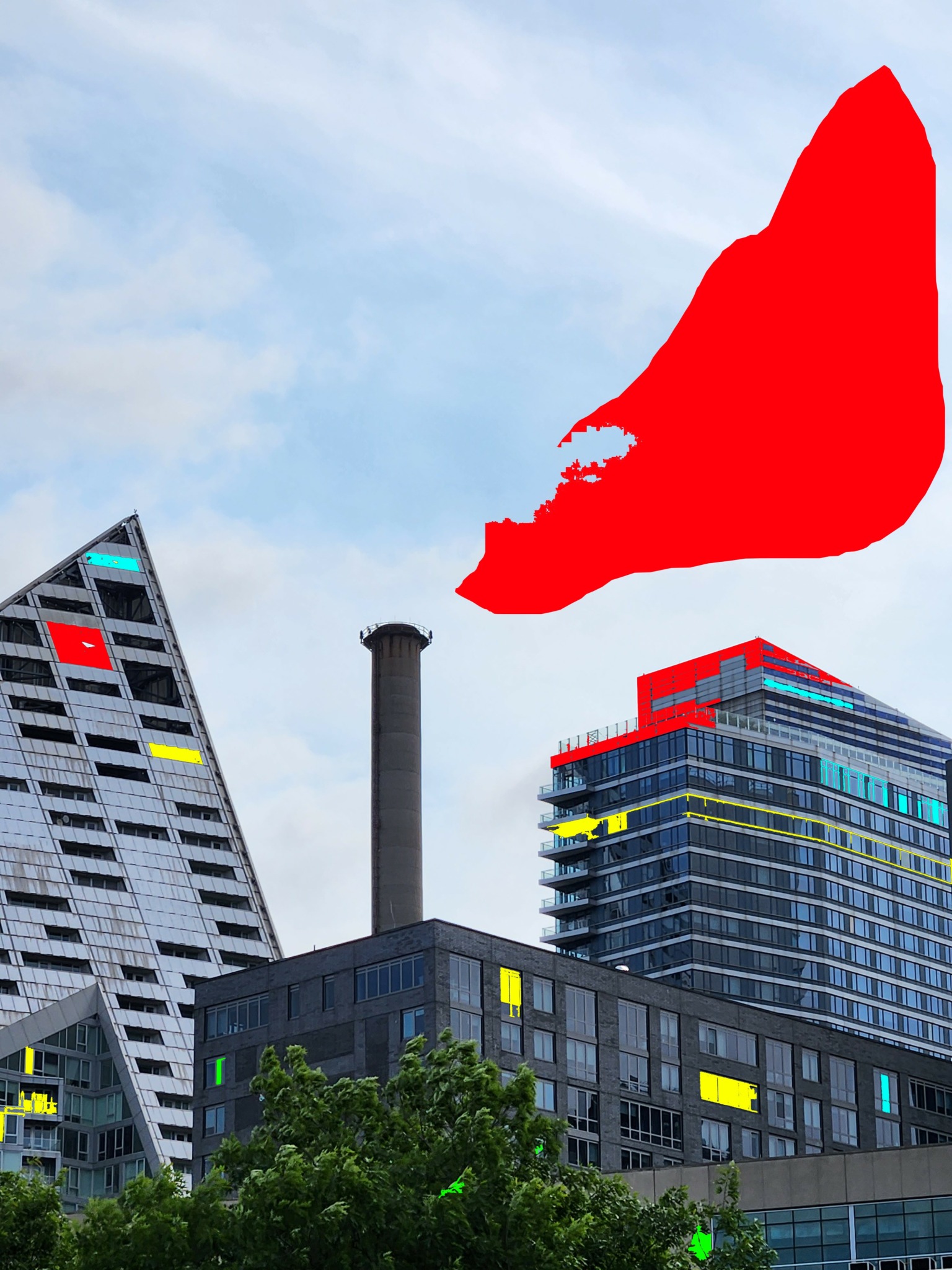
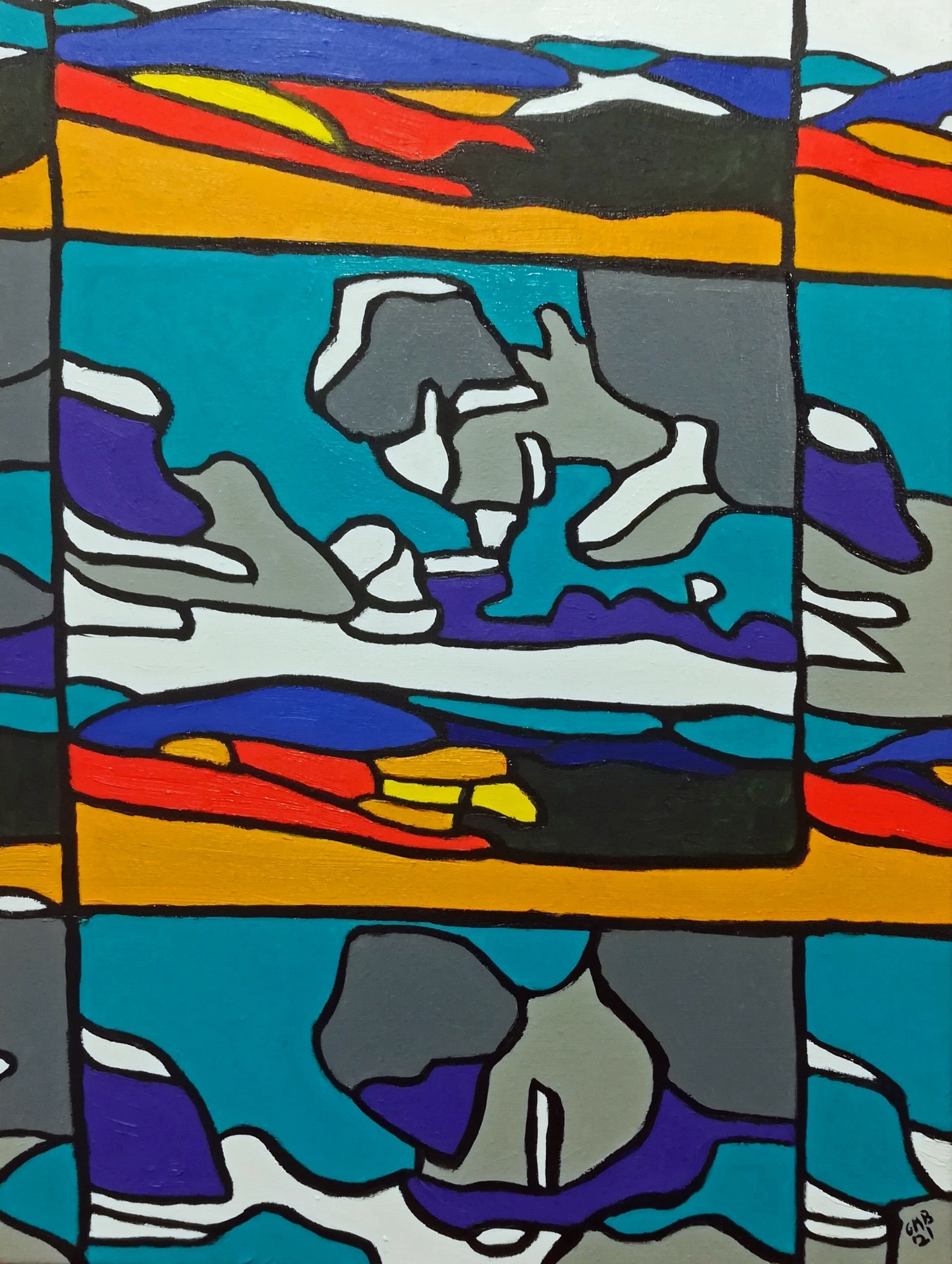
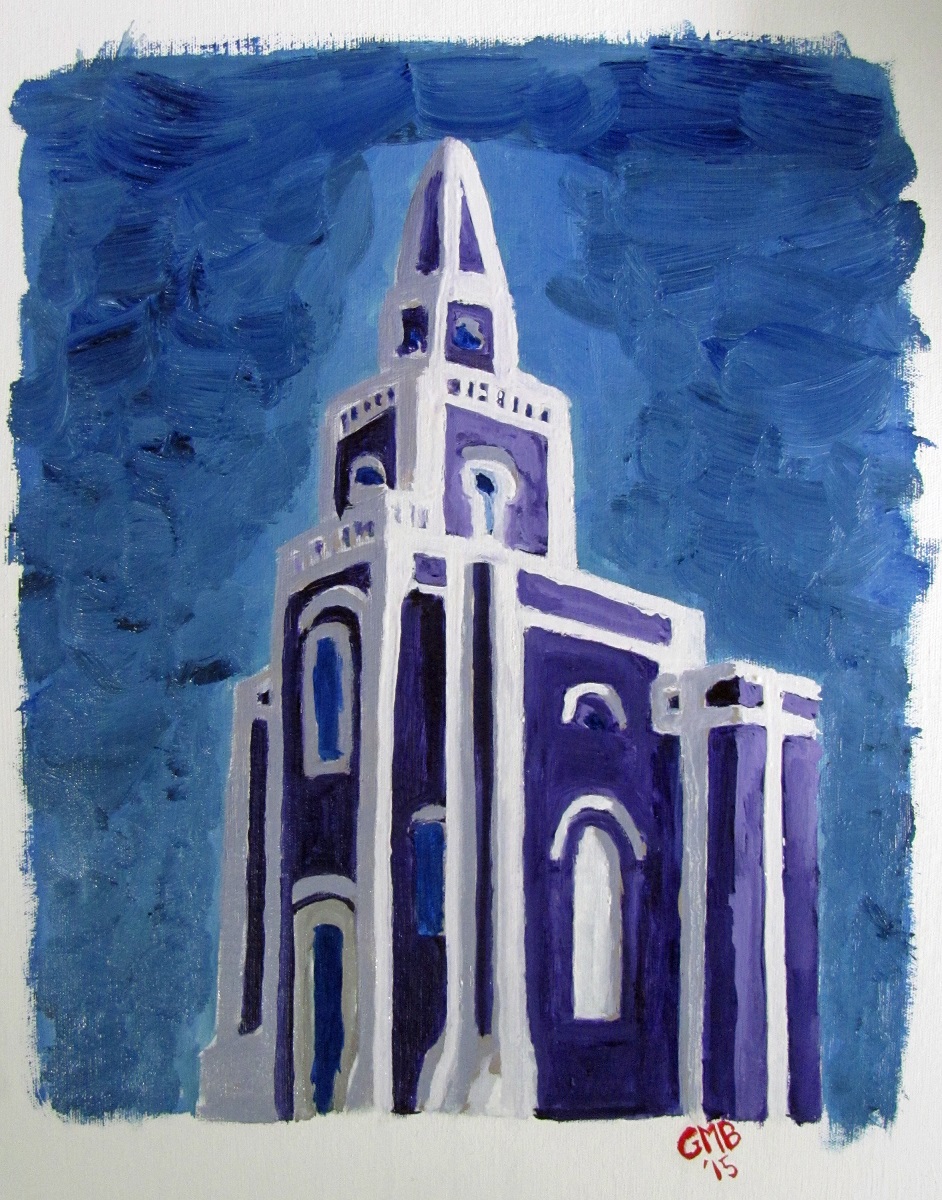
I work in a variety of media, but all of my work reflects this approach. In my paintings, I tend to reduce the overall imagery so that the viewer must focus on what I think is most important. I try to weed out unnecessary information so that the final work is stripped to one idea. With my photography, I bluntly manipulate the imagery to reflect a different perspective than what the viewer might expect otherwise. My drawings tend to be more reductive than my paintings, with usually only 3-5 lines completing a single subject.
With all media, my goal is the same: to create a conversation with the viewer by creating imagery that is different from what might have been expected otherwise.
In your view, what can society to do to best support artists, creatives and a thriving creative ecosystem?
The single most important thing people can do is actually support artists financially. There is nothing that could have a greater impact. It’s not enough to simply show up at gallery openings, to offer to let an artist hang their stuff in a restaurant, etc. Artists need to have people who buy from them. Creating art costs money. This isn’t about rent, medical insurance, food, etc. All of that is obviously important, but art requires supplies and it requires time not being spent doing someone else’s work (e.g. – a job). That costs money. Maintaining physical inventory costs money (and out of every good painting that I create I’ve probably worked on 5-10 studies that will never be seen by a buyer, all using supplies). Driving to art shows costs money. Owning a website, having a camera, computer, buying more supplies when you run out all cost money.
I have a Patreon page that helps to pay for my storage unit. I sell some originals on occasion, but I sell some prints through Saatchi and other graphic-design-like products (t-shirts, tote bags), etc. through TeePublic. Sometimes I get a public art commission or even a grant to develop an idea.
Patting your artist friend on the back with a “good job” doesn’t help. The idea of the starving artist has been debunked so many times it makes artists’ heads spin. Almost none of the artists in museums or galleries who sell on a regular basis were poor. Almost all of them had financial support behind them. Maybe they didn’t have major financial support, but it was enough for them to spend time on their projects and not have to worry about where their next meal or rent check was going to come from. That’s a truth most people are not familiar with, but it is absolutely true. If you want art in this world, support the artist directly as best as you can.
BTW – supporting art organizations who support artists is also great, except most of that money goes towards art administration and not art creation or development. Art administration is vital to the success of promoting the arts, but it doesn’t help the artist as much as one thinks.
Is there something you think non-creatives will struggle to understand about your journey as a creative?
Creativity is neither something associated with talent nor can it be turned on and off like a light switch. It’s an aggregated skill that is developed over time. The expression “think outside of the box” is actually corporate-speak for “I give you permission to do something that is outside our typical boundaries.” The artist is the box already. In fact, the artist is more like an amoeba that constantly re-shapes and re-sizes itself. The artist is always absorbing ideas, twisting them into forms, and spitting them out into products, finished or not. And for the person who says, “but when I’m told to think outside the box a solution always ends up coming” – it’s not because you suddenly turned on your creative talent. It’s because you’ve actually been thinking about the solution for some time before you were given permission to speak up.
The scene of four artists sitting at a bar having drinks in the afternoon is actually work being done. To a society that measures productivity based on scales, metrics, and documents, this behavior seems counter-productive, if not outright lazy. But what’s happening in that bar is actually the exchange of high-level ideas, even if those ideas aren’t even being actively discussed. The artist is always thinking about how to manifest the idea in their head. The conversation between them might be about football, but at some point a solution to the problem they’ve been facing will come to them. This leisurely pursuit is actually productivity to a creative. When one works a corporate job, one tries to leave work at work so that one can enjoy home. The artist NEVER shuts off.
Creativity is something that needs to be built off of each day. Day #2 is better than day #1. Day #5 is better than day #4. If you skip a day, you don’t retain that creative mindset unless you’ve built that mindset up over the course of months if not years. Taking a day off always sets the artist back somehow. How much depends on how long the artist has been focusing on developing creativity. Being creative for a week and then taking the weekend off will almost certainly set you back to zero. This is why artists who have the time to spend on art develop more and better art than those who have to turn elsewhere for financial support.
One final thing I bet you never thought about. Problem solvers solve problems quickly not because they’re good at solving problems but because they’re uncomfortable with something being left unsolved. They solve problems because of their insecurities, not because they’re inherently faster or smarter. Creatives take longer to solve a problem, but the solution is often better. Creatives aren’t slower, they’re just more comfortable leaving something unsolved longer until the right solution comes to mind. Creatives have a higher tolerance for something that is left unsolved in order to find the best answer.
Contact Info:
- Website: https://gregmasonburns.com
- Instagram: @gregmasonburns
- Facebook: https://facebook.com/gregmasonburns
- Linkedin: https://www.linkedin.com/in/greg-mason-burns/
- Twitter: @gregmasonburns
- Other: https://www.patreon.com/gregmasonburns
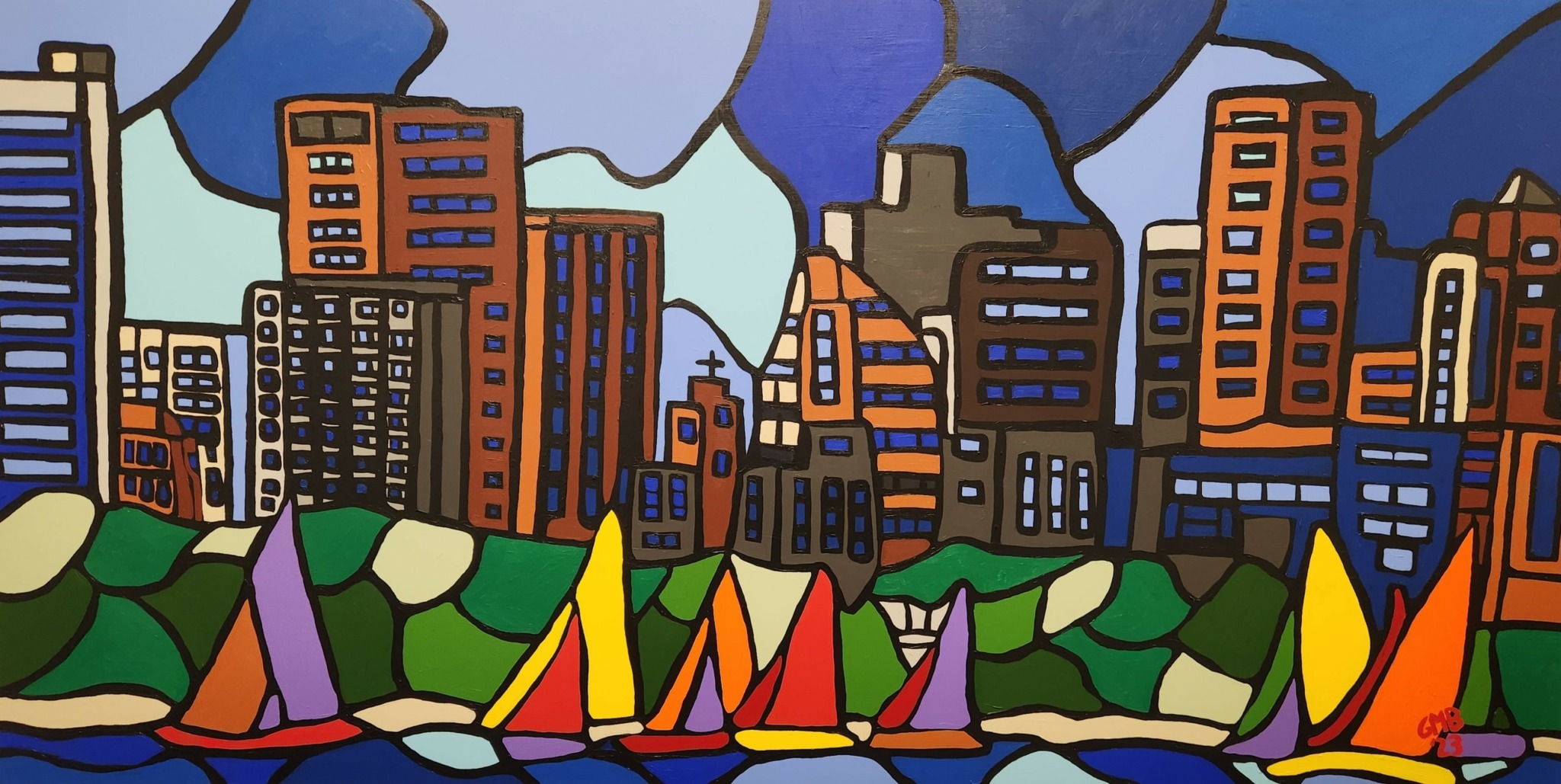
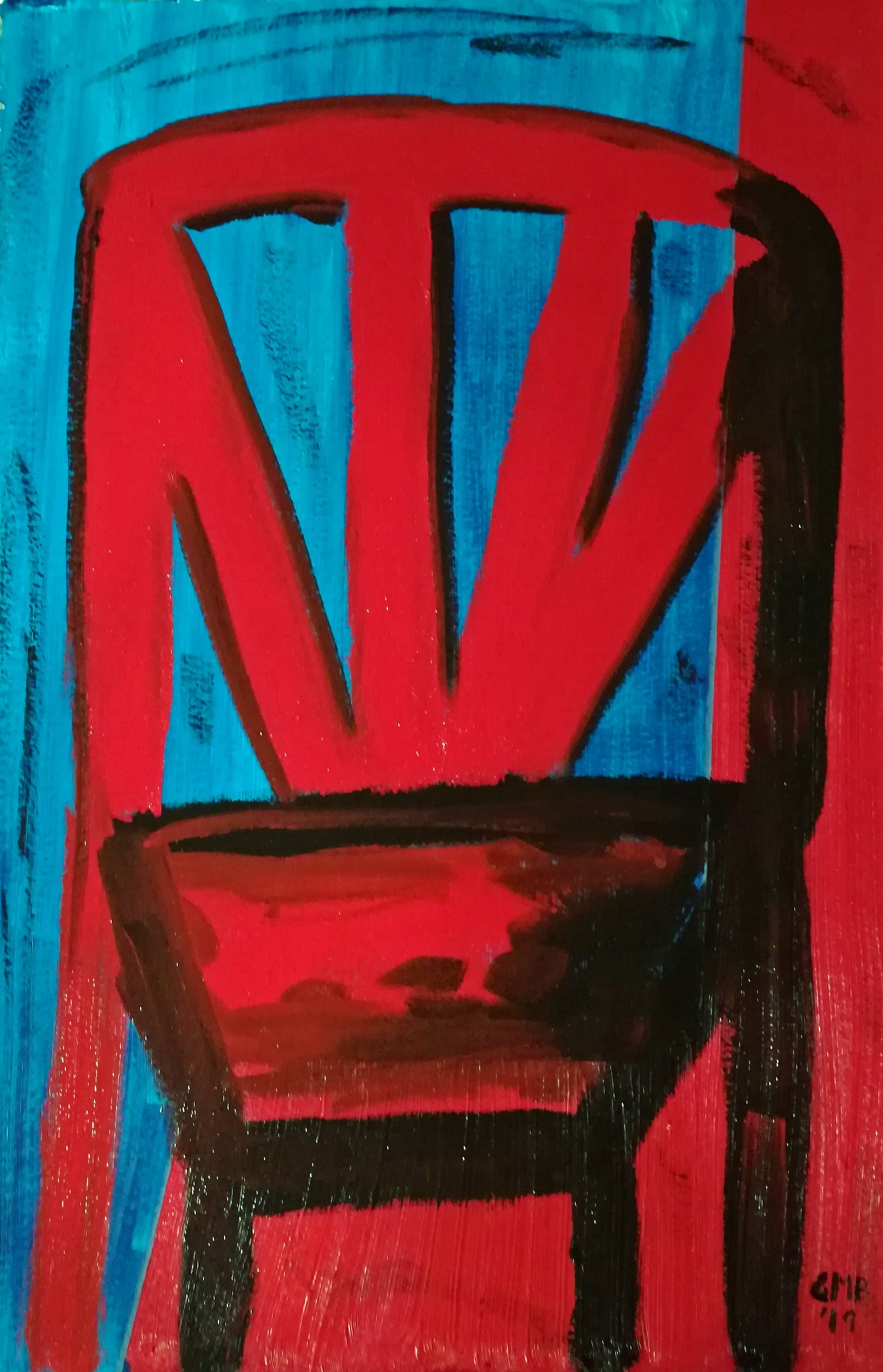
Image Credits
All images credited to Greg Mason Burns