

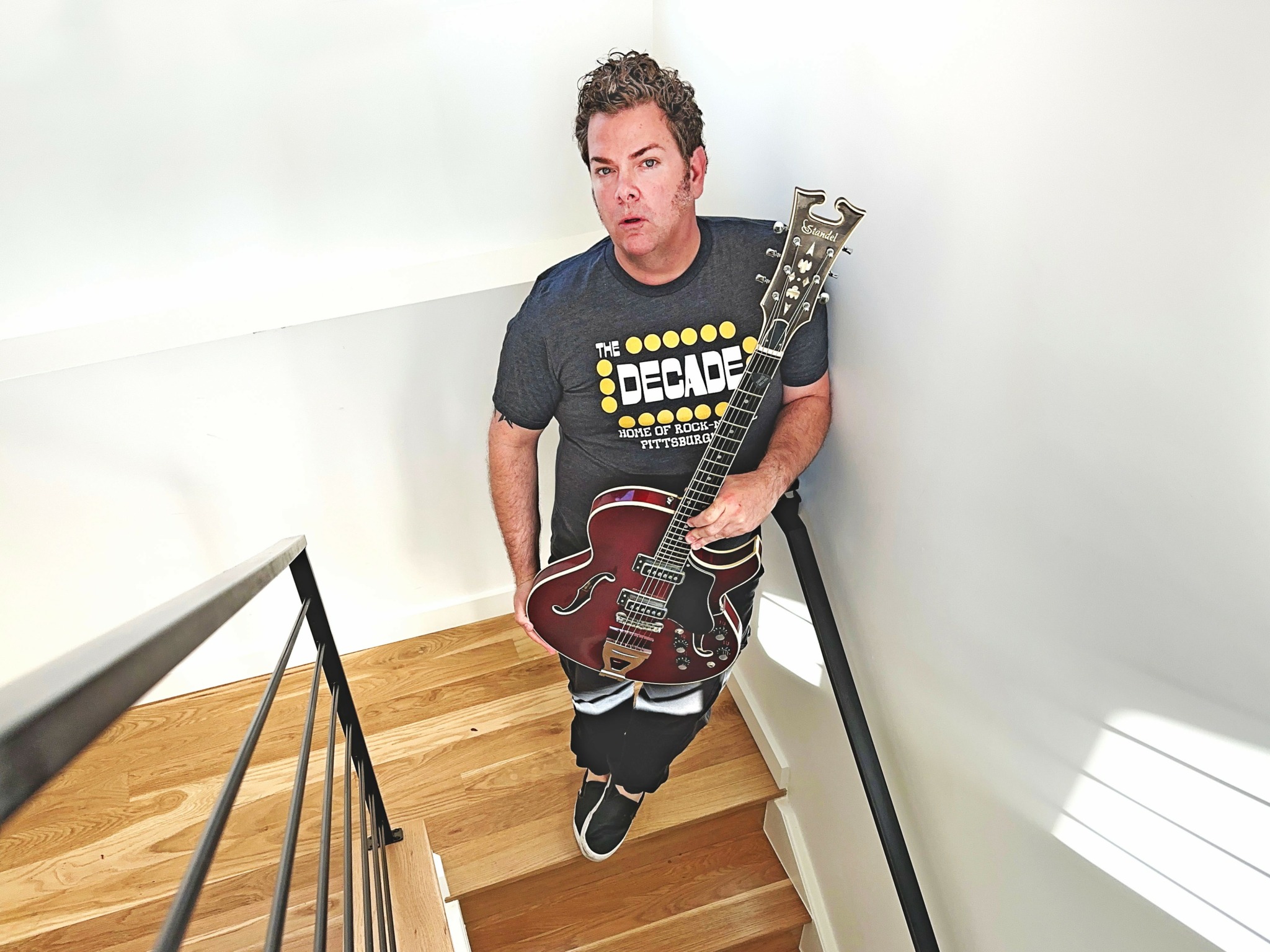

Alright – so today we’ve got the honor of introducing you to Greg Hoy. We think you’ll enjoy our conversation, we’ve shared it below.
Greg, thanks for taking the time to share your stories with us today Have you been able to earn a full-time living from your creative work? If so, can you walk us through your journey and how you made it happen? Was it like that from day one? If not, what were some of the major steps and milestones and do you think you could have sped up the process somehow knowing what you know now?
There’s a passage in the powerful book ‘The Creative Act: A Way of Being’ by entrepreneur and artist Rick Rubin that encapsulates my thoughts on commerce and creativity. ‘Art is choosing to do something skillfully, caring about the details, bringing all of yourself to make the finest work you can.’ The biggest misconception about being an artist is that it’s a choice. Some people will say ‘I need to work at a coffee shop to afford to make art.’ The art is in how you make that coffee. The misconception of my upbringing in a small Pennsylvania town was a sort of lottery mentality. ‘If only I could (insert some financial windfall), I could work full-time on my art.’ But even without the awareness, I was always working on my art. It commanded my decisions, and led my muse.
Moving to New York City after getting hired at the Village Voice, I had the realization that my success could be both immediate, and also, compounding. So, I began to scope the options. What job will pay me, and also, give me time to work on art, at the same time? Who will I meet while working there? What job will give me more of what is my most valuable commodity – time to work on art? I had to move away from service jobs unless they added some sort of creative equity for my time. DJing a club? Great. Bartending? Not so much. Could I work days AND some nights? Day job at a desk! Newspapers, then graphic design in advertising, fashion, and marketing, became that balance. I can print out CD covers and flyers after hours. I can work on my website, and email music bookers and clubs, and blasts to fans.
For a period of 18 months, I was working 80 hours a week between three jobs. Each job, however, propelled my creativity. Accepting that being an artist comes first came later to me as a GenXer than maybe more recent artists – we got sold a more old school sack of lies than the generations after – but once it hit me, I never looked back.
By reframing even my earliest career choices – things like four years PT at McDonald’s, being a food delivery driver, a bartender, a wait server – I can say with no hesitation I have *always* earned a living from my creative work – because my work is always creative. That reframing is what made all the difference. And it all paid off. The last time I worked for anyone else’s profit was almost a decade ago. It would be impossible to go back now. I’d be useless working for anyone else except my own muse.
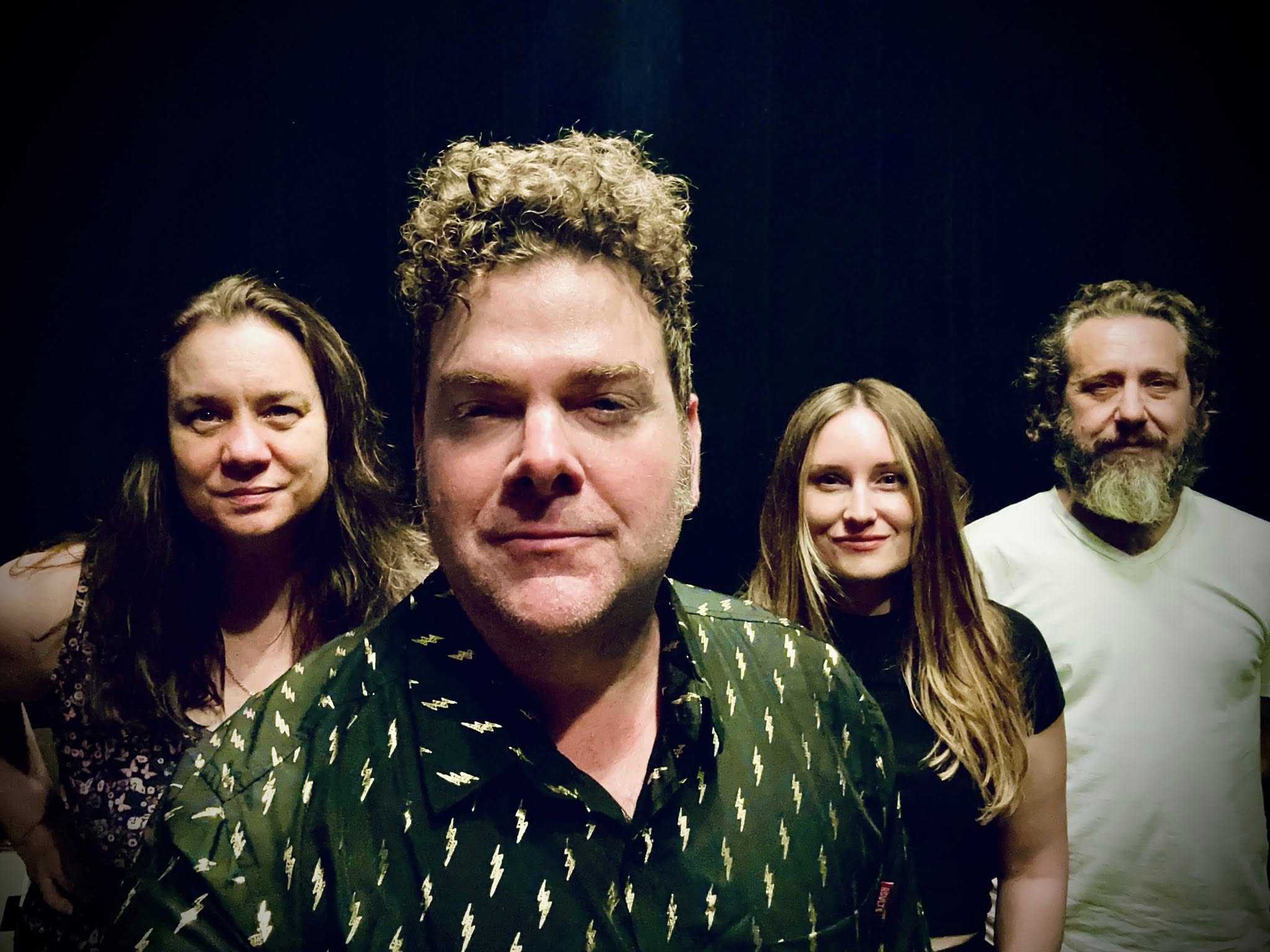
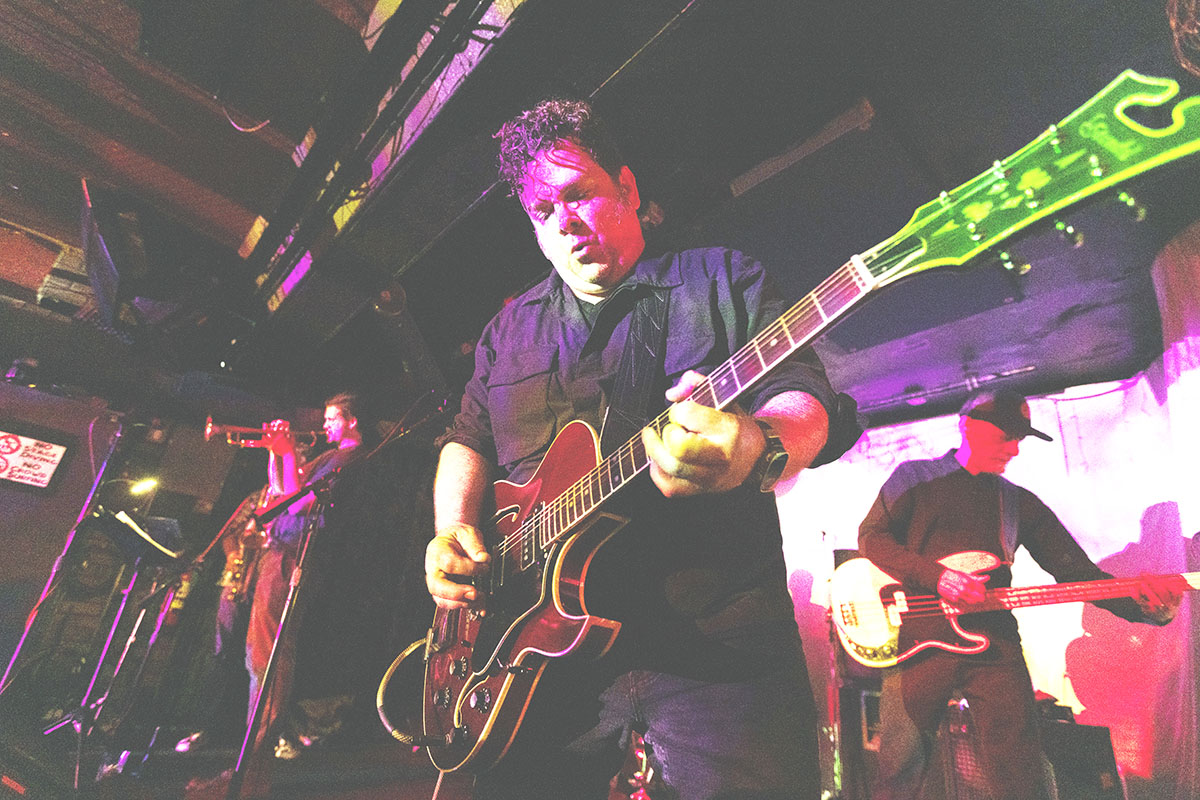
As always, we appreciate you sharing your insights and we’ve got a few more questions for you, but before we get to all of that can you take a minute to introduce yourself and give our readers some of your background and context?
My sweet spot has always been putting creative elements together to make a cohesive whole. My earliest audio recording engineering was recording on cassette tapes when I was 7 or 8, then playing that cassette tape on one player out loud while recording myself on another tape deck. This was the 1980s when CDs were something only the rich people had in their big hifi rack stereo systems. Arranging, songwriting, forming bands in my teens led to working at my college newspaper – first as a writer, then a Managing Editor, and finally, as the Editor-in-Chief.
What mattered? Deciding what to expose. Putting the right person on the right topic. Arranging the grid on the paper’s pages to fit all the articles. Managing the staff to deliver a weekly product in the name of the college. I’d like to think we hit more than we missed. My management skills weren’t exactly top notch. Mistakes were a big part of it.
Fast forward through my NYC decade. By 2010, I’d forged a new career as a team builder and recruiter, taking my creative hands-on pixel work and moving into people. I kept my name out there – keeping my LinkedIn profile updated. This was before LinkedIn became the cesspool of self-promotion and bots that it is today. A keen recruiter named Lauren found my profile. ‘Look at the creativity on this one!’ And a few months later, Facebook hired me as their first dedicated design and creative recruiter, moving me to California.
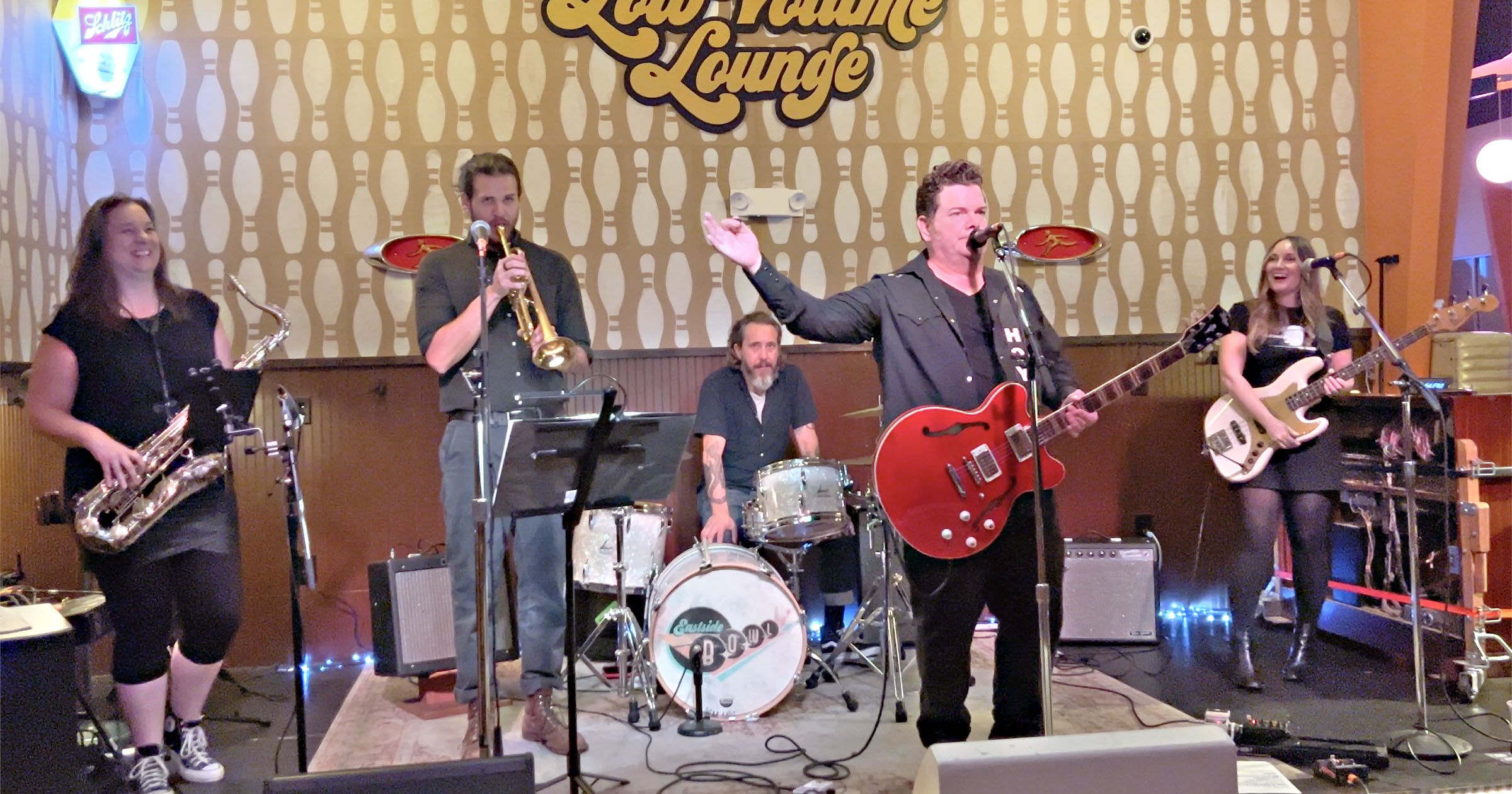
Now, this was opportunity! A job that didn’t exist, to be molded and created by a Silicon Valley outsider. Again, I soaked in the scene. Where else can I take this? More start-ups: Pinterest, Lyft. Rinse, repeat. People skills matter more than ever in tech. And the money I made was filtered into working with great artists, furthering the craft of recording, building bands, touring with my vacation days, learning from the inside about how a musician couldn’t just make music. They were morphing into content generators for publicly-held companies. And I was there, as James Murphy of LCD Soundsystem once said.
After 10 years at these start-ups, it was time to do it for myself. Again, the creativity and team building paid off, and led me to finding an incredible co-founder, and doing it this time as an outsider – something that’s always resonated with being an artist coexisting with capitalism.
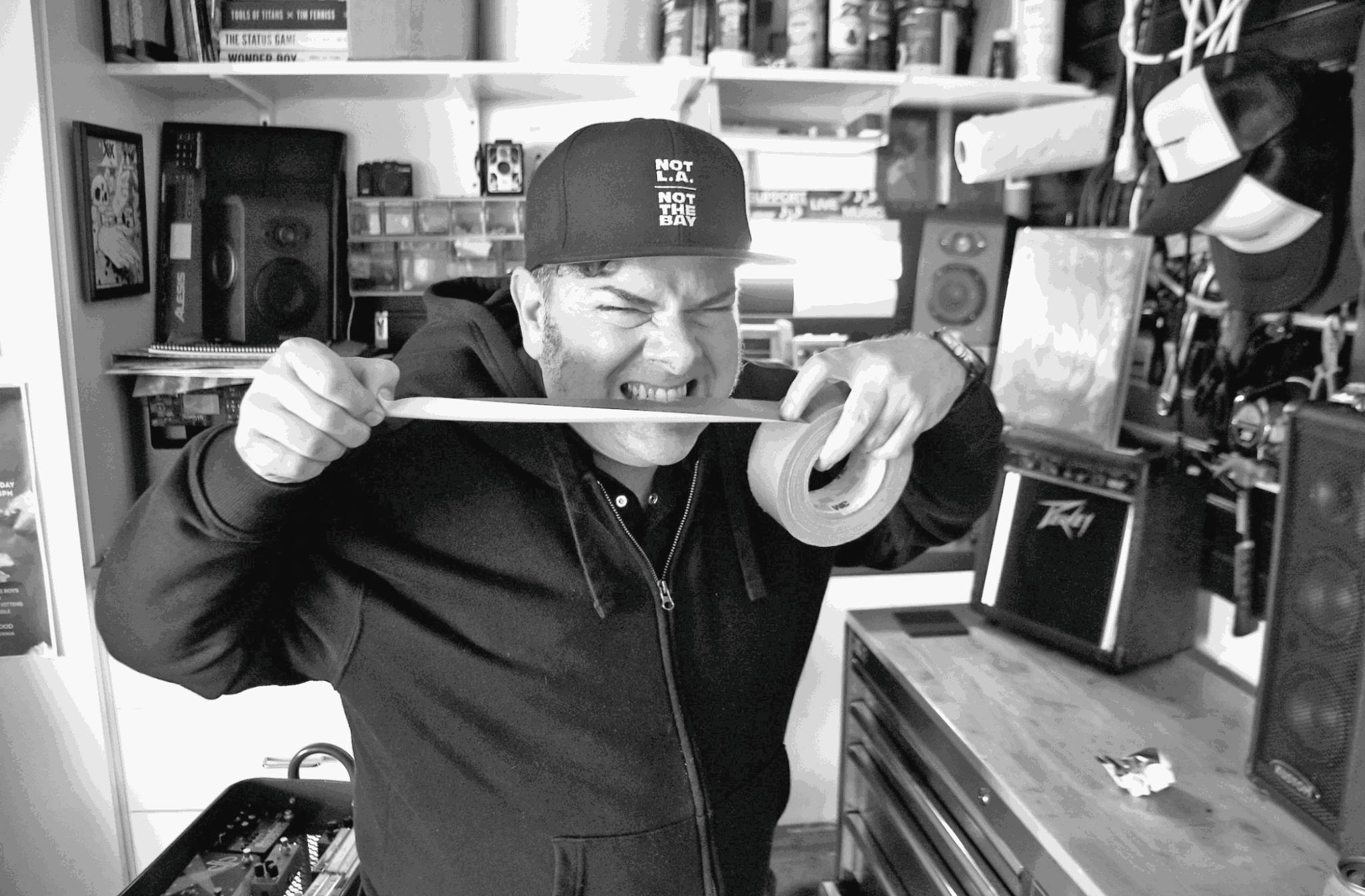
Last year, it was time to again shake up the artistic vision. Moving to Colorado, I’ve started my own creative company, Hemigraph, still managing, working, creating, coaching, producing. I’ve build out a recording studio and art space in the NoBo section of Boulder called Star Star to help fellow artists forward their vision. I’m writing a book on mindfulness with my mentor. There’s a musical in the works. I just put out the 3rd single and video from the vinyl LP I released last year.
My work varies depending on the collaborator. And sometimes, that collaborator is just me. Do you need a spare ear on your new record? Would you like me to manage you? Do you need to build a team for your start-up company? It’s all the same to me. Same as it ever was.
Any insights you can share with us about how you built up your social media presence?
Recently at a dinner party, the conversation turned to making new friends. Where do we look now that we no longer work in an office, or particularly participate in things like churches? Active, performing musicians have it pretty good. We get to meet new vibrant artists all time in our travels. But what moves someone from acquaintance to trusted friend?
My answer is mostly authenticity, and adaptability. It’s never been more important to be yourself. That’s just about the only thing left that’s uncompromising, unsullied, and under-the-radar of our tech overlords. Make yourself undefinable. It’s easy once you accept you are an artist, and find the art you create in the day to day.
Is there something you think non-creatives will struggle to understand about your journey as a creative?
The misconception of the artist is that we are unique. Everyone is an artist. We are all creators. Spiritually, we are all god-like. Whether we are making toast, or a baby, a new song, or a million dollar company, we are entering into the artistic realm. How this manifests is up to the individual. So when you see that kid on the street singing with his guitar, putting a dollar in his case is showing your understanding of your own inner artist. Going to a live show, buying a T-shirt or LP. Telling your friends about your artist friend’s sculpture show. That’s acknowledging the struggle for us all.
Contact Info:
- Website: https://www.hemigraph.com
- Instagram: https://www.instagram.com/thegreghoy
- Facebook: https://www.linkedin.com/in/thegreghoy/?
- Linkedin: https://www.linkedin.com/in/thegreghoy/
- Youtube: https://www.youtube.com/@GregHoyOhYeah
- Other: https://linktr.ee/greghoy
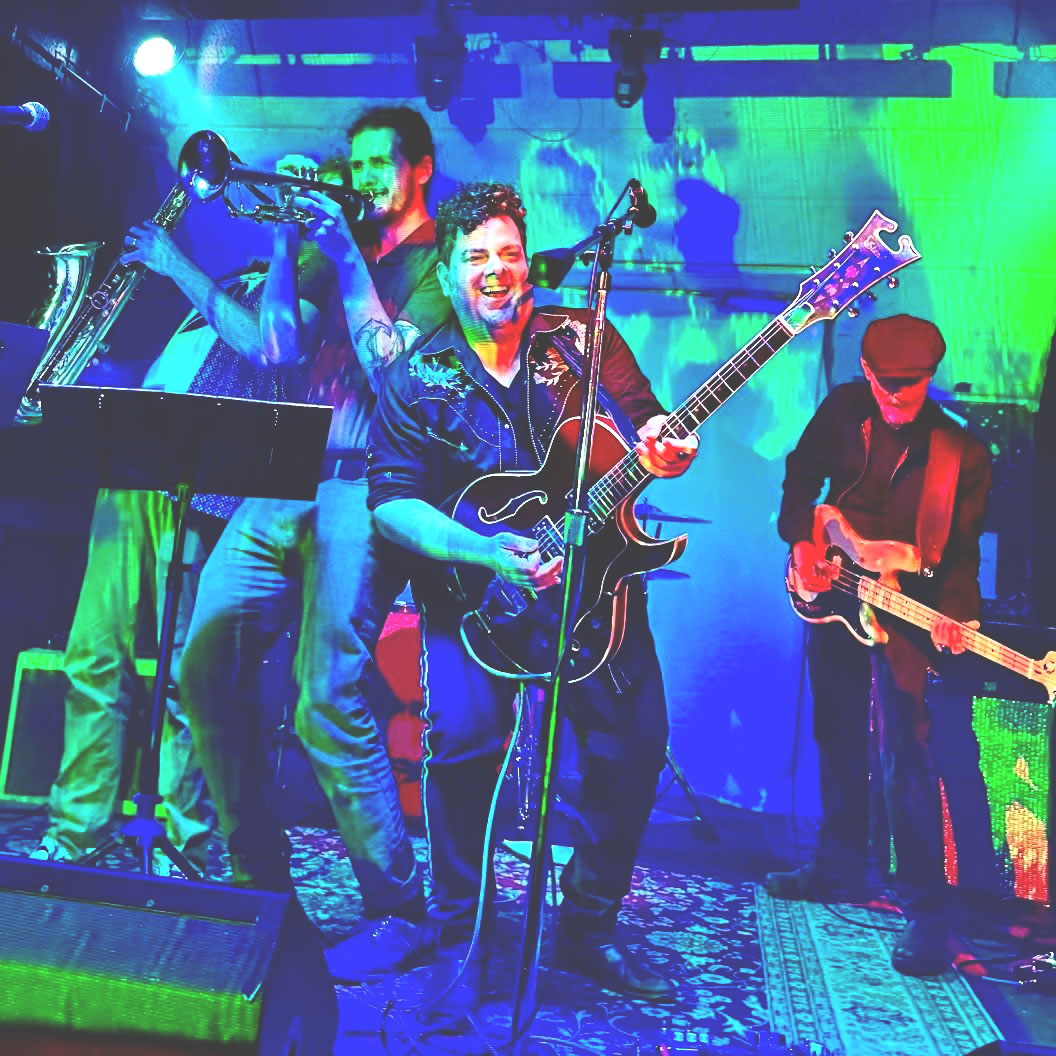
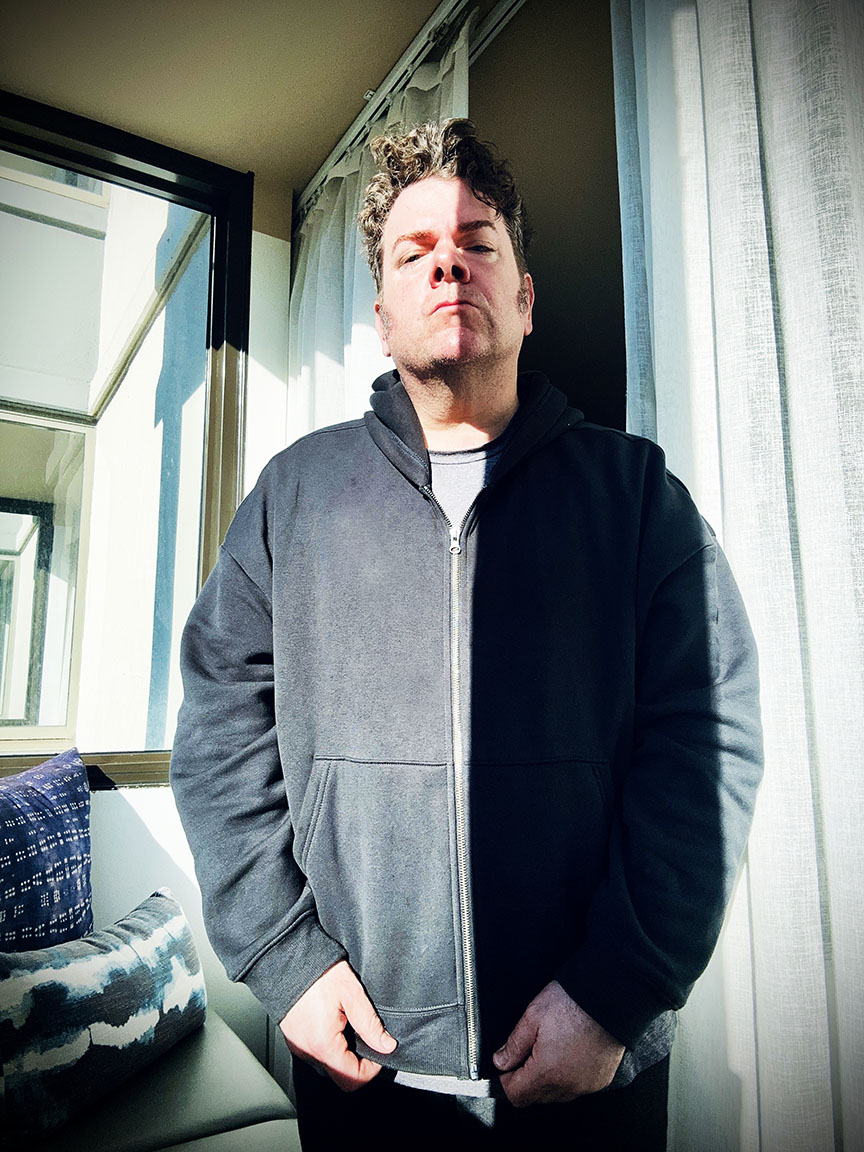
Image Credits
Black and white photo by William Wayland. Live photos by Will Toft, Mikayla Lewis. Portraits by Loretta Sweet.