


We caught up with the brilliant and insightful Grant Maloy Smith a few weeks ago and have shared our conversation below.
Grant Maloy, thanks for taking the time to share your stories with us today Can you talk to us about a project that’s meant a lot to you?
In 2016, I was writing a song, and the words that kept coming into my mind for the chorus were “Never Seen the Rain” – I didn’t know what it meant yet, but I just loved the way that the words wrapped around the melody and rhythm that I was playing on the guitar. After an hour or so, I tried to change these words because they didn’t seem like an interesting topic for a song. Everyone has seen the rain, right? What could the title mean, and how could I write a song around it? I tried for several days to come up with different words for the title, but none felt as good or natural with the melody. I gave up and decided to go with it. I did an internet search on famous droughts in history. I thought that perhaps the title was an exaggeration, and it had not rained in a very long time. The first thing that popped up was the Dust Bowl of the 1930s.
I had learned something about the Dust Bowl in school a long time ago, but I didn’t remember much. I started reading about it, going from one website to another. I was totally fascinated by the history of it – what caused it, and how it affected the people of the Great Plains and eventually the entire country. After some hours of research, I realized that the Dust Bowl was a rich topic. There were so many stories that would be wonderful songs. I decided to make the entire album about this topic. The result, about 18 months later, was my first theme album, called “Dust Bowl: American Stories.”
I produced the album first in New York, then moved the operation to Nashville, where I hired some of the best roots and Country musicians in the world to play on it. I hired Jeff Silverman of Palette MSP to co-produce the album with me, and ended up learning a lot from him. Jeff has produced hundreds of records in his long career and is a top-notch talent.
My album went on to sell almost 30,000 copies and was on the Billboard charts for 17 weeks, including 11 weeks in the top 10 on the Americana/Folk album sales charts, where it reached #5 for five weeks. It even reached #12 on the Country album sales charts and was #1 on several Billboard Heatseekers charts.
Since “Dust Bowl,” I have released two more theme albums in the American Stories series. The second one was “Appalachia: American Stories,” and the third was “Mississippi: American Stories.” All of them have received great critical acclaim, which is always gratifying. I am deep into the fourth album in the series, titled “Wild West: American Stories.” All the songs are about America’s westward expansion in the 1800s.
The moral of the story is that by writing outside my comfort zone, I completely redefined my career. These theme albums have taken me to a new and unique place as a songwriter, performer, and producer with historical and cultural relevance specific to the American experience. And it all started with one song called “Never Seen the Rain.”
Grant Maloy, love having you share your insights with us. Before we ask you more questions, maybe you can take a moment to introduce yourself to our readers who might have missed our earlier conversations?
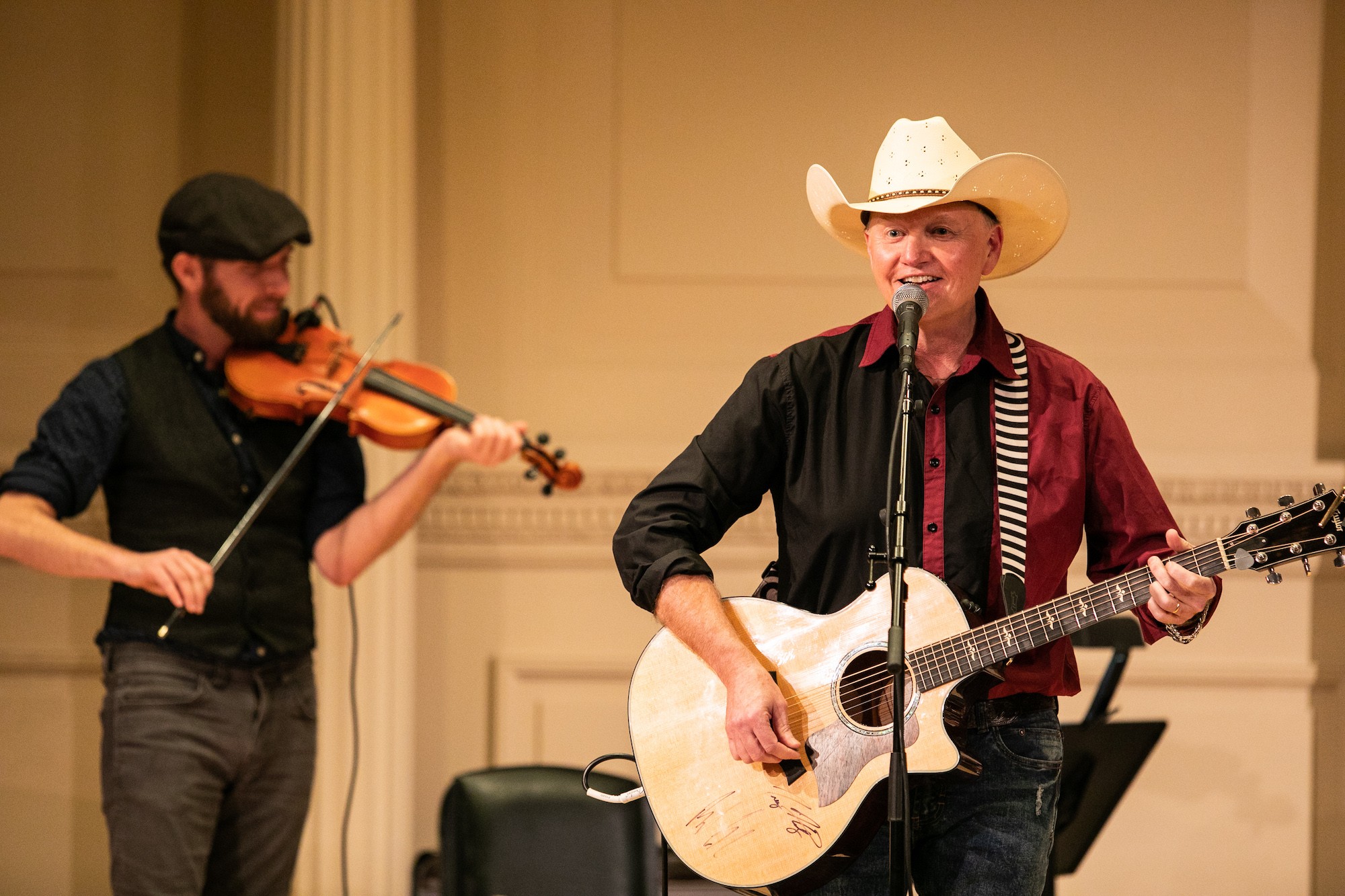
When I was much younger, I formed a rock band in Rhode Island called Britannia. We played my songs, which were mainly rock ballads. We were lucky enough to open for some big names around New England, including Steppenwolf, The Guess Who, Elvin Bishop, Jack Bruce, and more. But after years of writing these kinds of songs, I felt like I didn’t have anything else to say musically. I felt trapped by the genre. In addition, I was older, and it didn’t seem like pop/rock was where I should be as an artist or writer.
For years, I had been hearing that my songs were constructed like Country songs, telling stories and offering glimpses into people’s lives. I always rejected that idea because I had never been a huge Country music fan. I did enjoy Americana music, a unique blend of American folk and Country. It’s also called American Roots. My mother’s mother, “Grammy,” had raised me listening to Ralph Stanley and other artists who played what she called “my mountain music.” She was from eastern Kentucky, and her accent proved it. I can never repay her for exposing me to this unique American form from an early age. I had discovered Alison Krause, a fiddle player and singer with the voice of an angel, and became totally captivated by American Roots music.
It all led up to 2011, when I decided to switch to American Roots music. I started writing songs and making experimental recordings to see what it might sound like. About a year later, I released my first roots album called “Yellow Trailer.” I was very new to the genre, but I dove in headfirst and have never looked back. This is where I was meant to be from the beginning. I can’t imagine doing anything else.
What can society do to ensure an environment that’s helpful to artists and creatives?
The rise of streaming has drastically reduced the income of all artists and writers. For example, I used to sell hundreds, and sometimes thousands, of CDs each year, but that has effectively ended. A considerable percentage of my income is gone. Streaming services pay virtually nothing per stream – a tiny fraction of a cent. Streaming has given people the idea that music is free: you can have whatever music you want at anytime on your phone or computer without paying much or anything. This has even affected the major artists who were selling millions of physical albums and downloads. This is why they’re charging $500 or more per seat to come to a concert. It’s to make up for the loss of sales due to streaming. Of course, they make money from streaming, with hundreds of millions or even billions of streams, but it’s still a fraction of what they used to earn.
At the indie artist level, it’s worse. I can’t charge $500 for a ticket to come and see me, because no one would pay it. The only way I can make up for the loss of sales is to play more shows and be on the road all year.
I can’t change the reality of streaming or turn back time. Still, I wish the public would be willing to buy digital downloads if they don’t have a CD player anymore, and to come to my shows and support all the other indie artists who aren’t rich and famous.
What do you find most rewarding about being a creative?
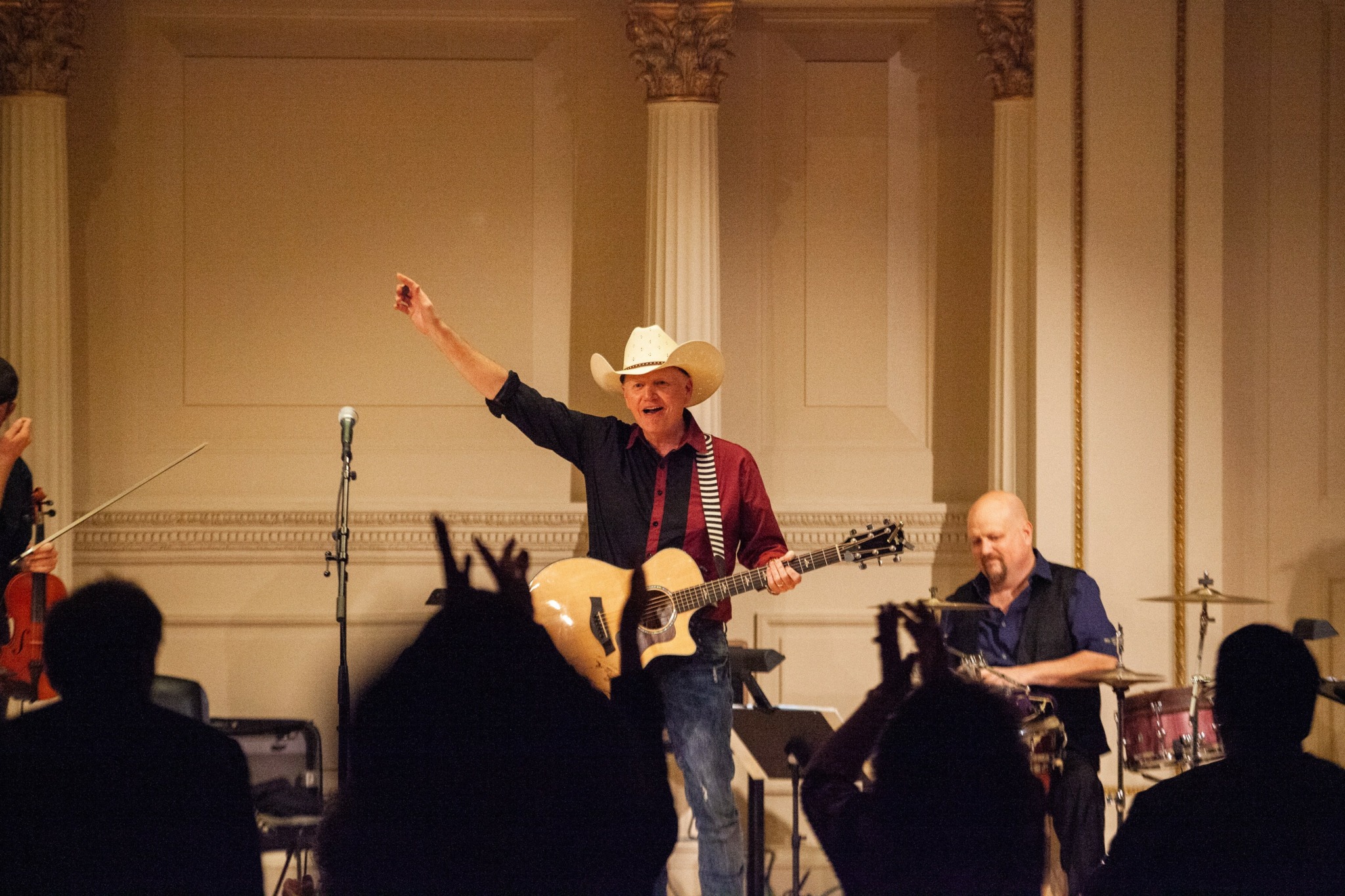
When I am playing a song live, I can see and hear people in the audience emotionally resonating with the story that I am telling. It’s not just the words, it’s the emotion of the performance. I’ve had so many people cry during a sad song, and call out when it’s over, “That’s me! That’s my story!” with tears streaming down their face. These are genuine connections, and they make all of the hard work that goes into writing, recording, and rehearsing worth it.
Contact Info:
- Website: https://www.grant-maloy-smith.com
- Instagram: https://instagram.com/grantmaloysmith
- Facebook: https://facebook.com/thegrantmaloysmith
- Linkedin: https://www.linkedin.com/in/grantmaloysmith
- Twitter: https://twitter.com/grantmaloysmith
- Youtube: https://www.youtube.com/@Grantmaloysmith
- Soundcloud: https://soundcloud.com/grantmaloysmith
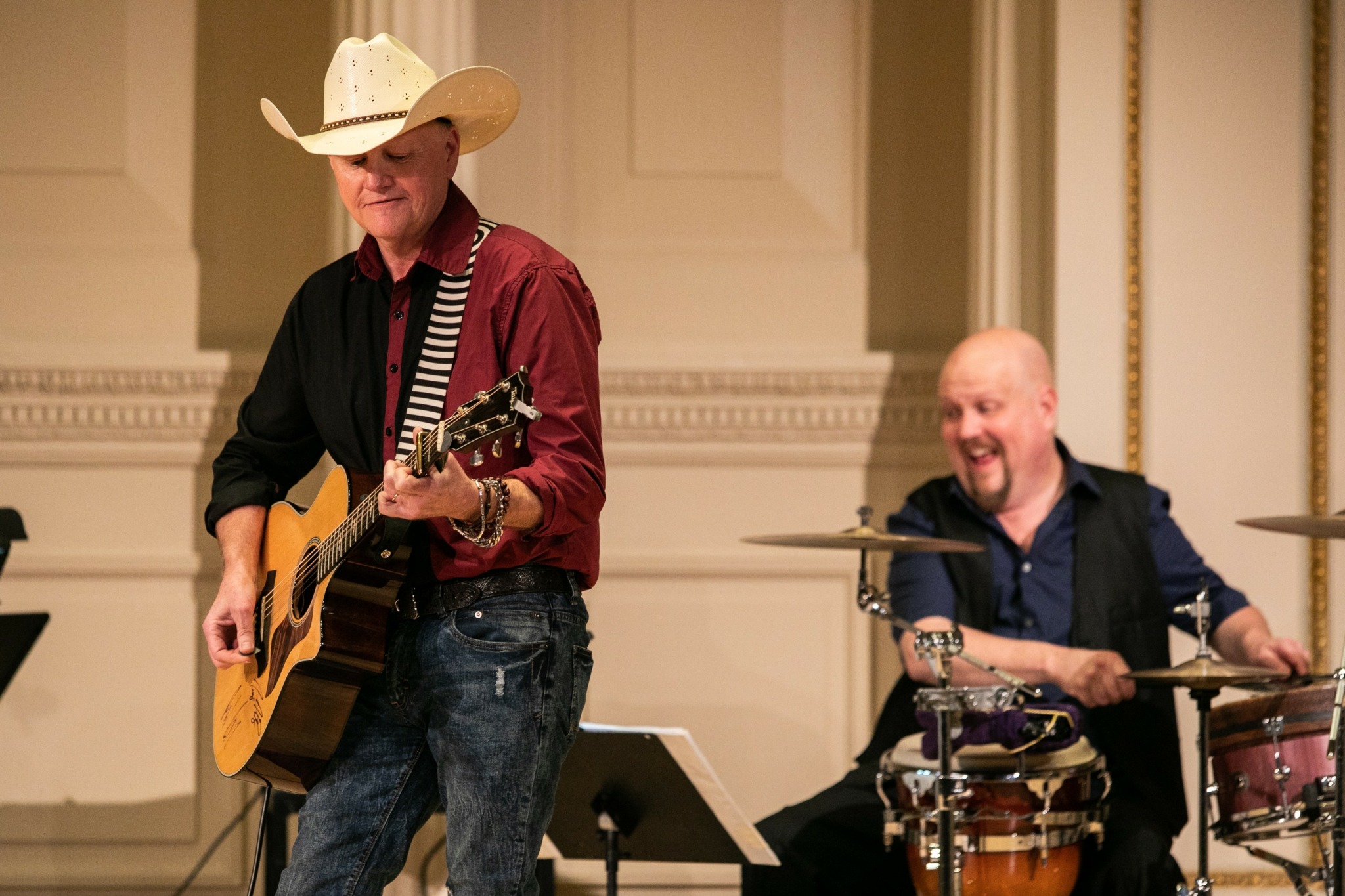
Image Credits
Lisa Kato