

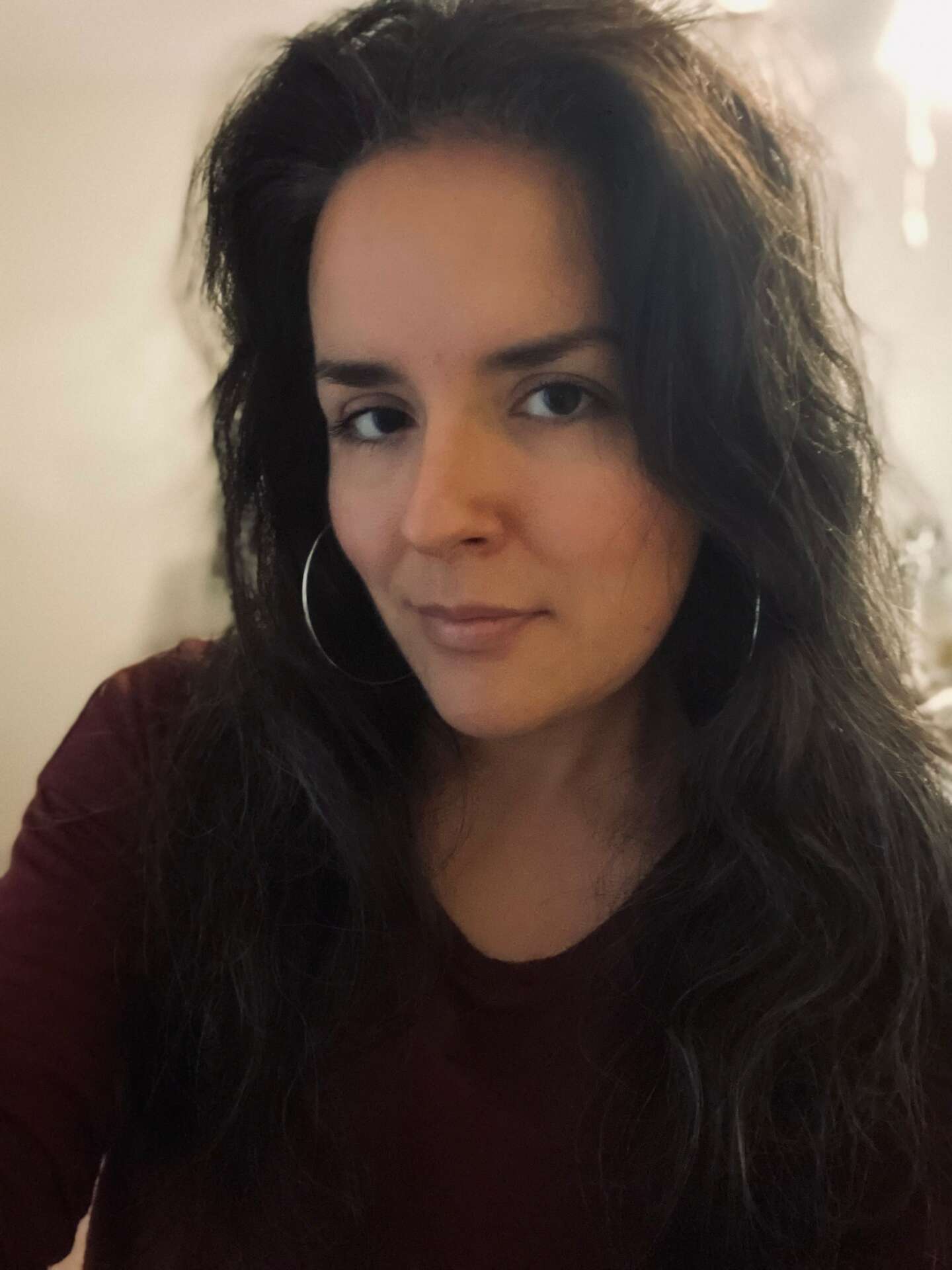

We were lucky to catch up with Grace Zaras recently and have shared our conversation below.
Grace, appreciate you joining us today. Risking taking is a huge part of most people’s story but too often society overlooks those risks and only focuses on where you are today. Can you talk to us about a risk you’ve taken – it could be a big risk or a small one – but walk us through the backstory.
When I was 23, I moved from West Virginia to New Mexico. I did not know what to expect in New Mexico; all I knew was that I wanted to study the science of disordered communication. I have been practicing as an ASHA Certified Speech-Language Pathologist for over 6 years. The children whom I have helped are unforgettable; the greatest lessons I have learned have been taught by my students.



Grace, before we move on to more of these sorts of questions, can you take some time to bring our readers up to speed on you and what you do?
I was born and raised in West Virginia. I am an educated and driven half Greek lady who always wanted to trade the mountains for the ocean. I currently reside about twenty miles from the beach in North Carolina. I am employed as a full-time speech-language pathologist at an elementary school on a nearby military base. My younger brother who is now a civil engineer, inspired me to pursue a career in speech-language pathology. During his elementary years, I witnessed other children teasing my brother due to his speech impediment; at the same time though, I observed how speech therapy changed his life. I received my Bachelor of Science in Communication Disorders from Marshall University in 2012. After obtaining my Master’s degree from Eastern New Mexico University in 2016, I worked in a Virginia school system. Early in my career, I noticed that many of the children who were receiving speech therapy services also struggled with reading. Research indicates that reading and speaking are very interdependent.
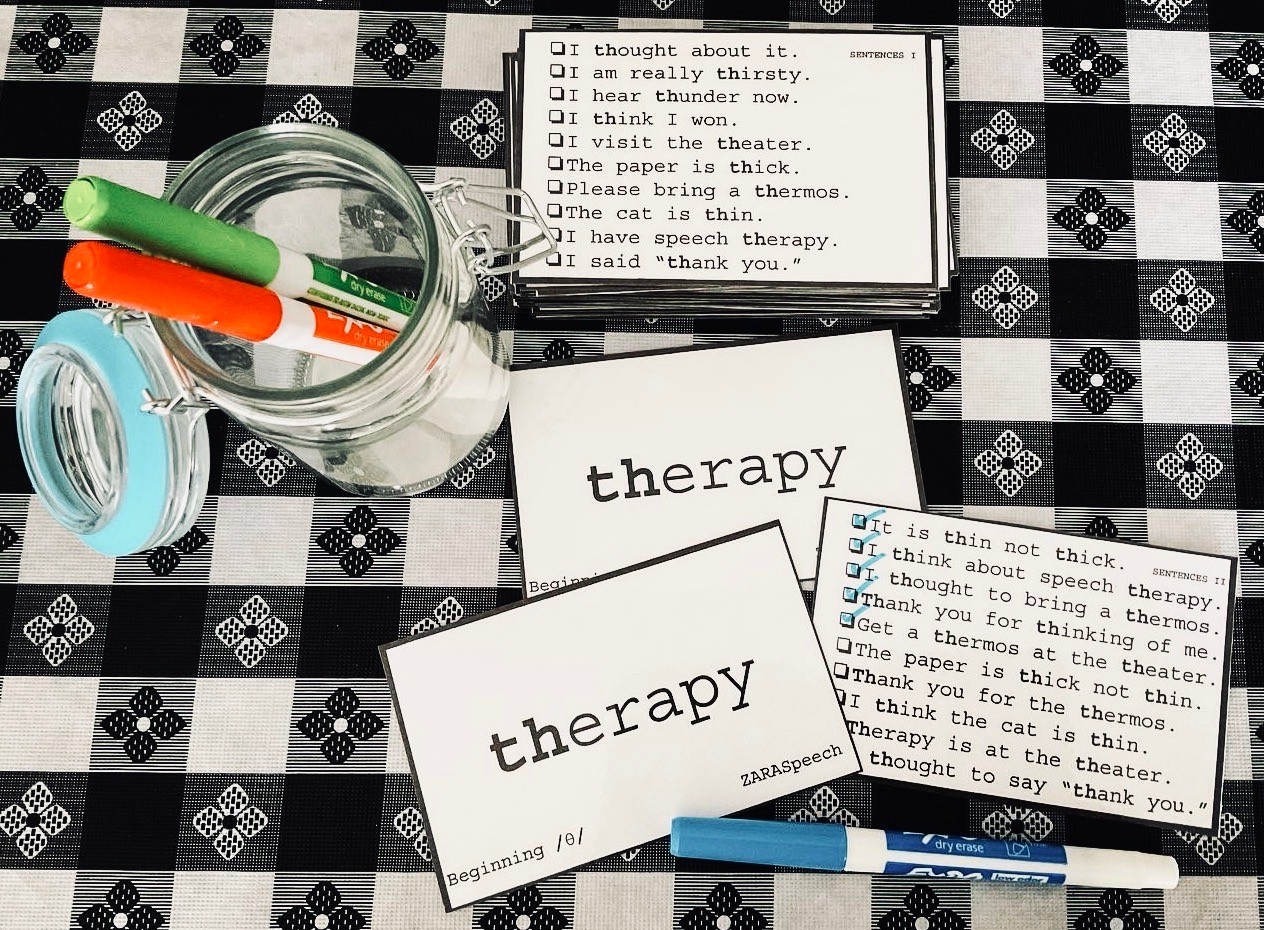
In an effort to bring awareness to the importance of reading in speech and language intervention, I founded ZARASpeech Company in January 2019. The green flower logo has five petals, one for each letter of my last name “Zaras.” My speech and language interventions are unique, in that all products pertaining to the key components of communication: articulation, receptive language, expressive language, pragmatics, are written sans pictures. Without pictures, students learn to decode and connect their mispronunciations and/or grammatical errors with the written symbols. To pay homage to my Greek background, I developed the acronym OPPA (Orthographic Phonetic Phonemic Activity) which is currently a Trademark of ZARASpeech Company. In Greek, the expression “opa” is an exclamation of celebration. Essentially, I celebrate the connection between reading and speaking in my speech therapy materials.
Can you talk to us about manufacturing? How’d you figure it all out? We’d love to hear the story.
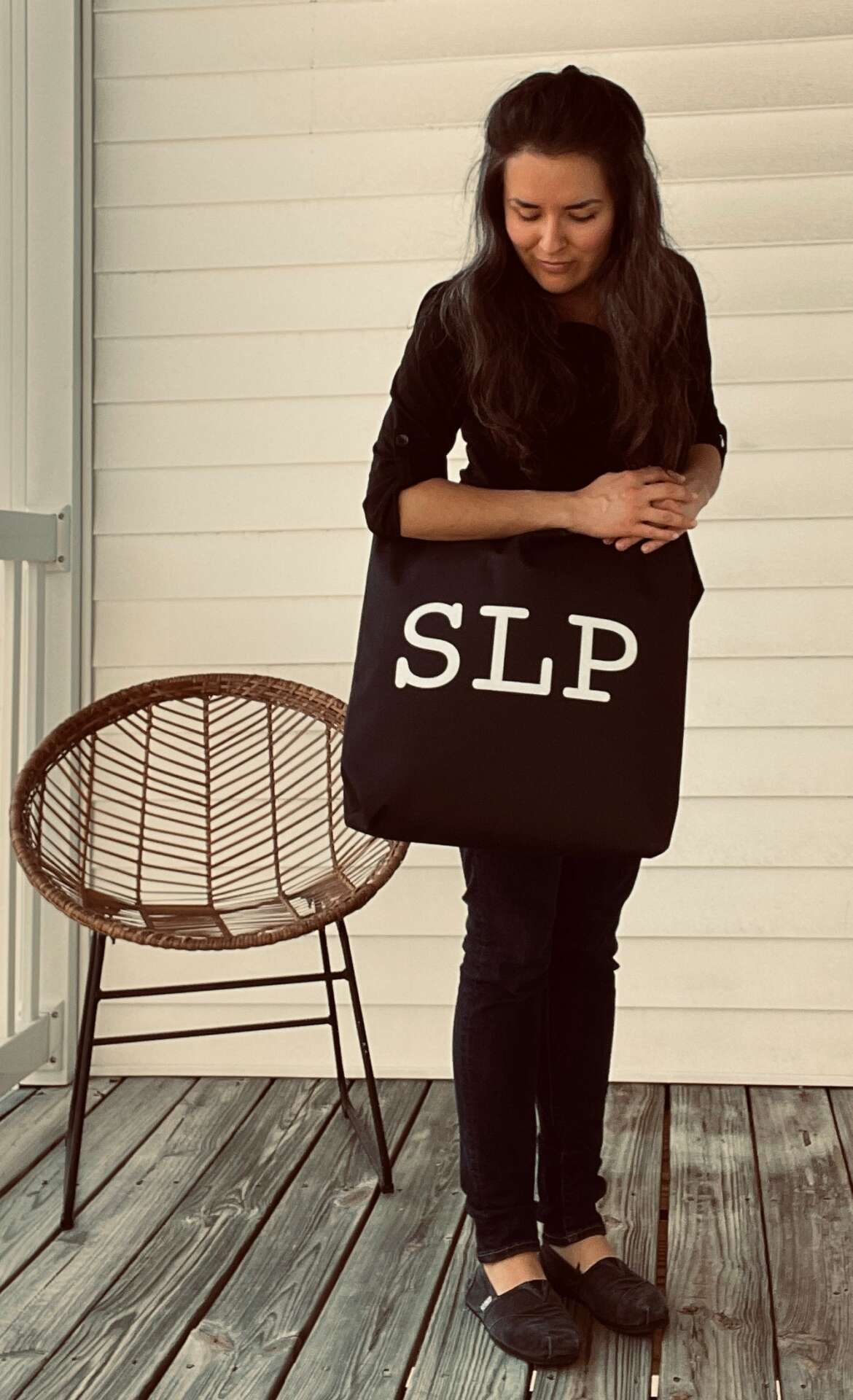
I have been creating my own speech therapy resources since I was enrolled in my undergraduate studies. I manufacture all speech therapy products including forms, flashcards, and bingo boards. In October 2022, I self-published the first edition of “OPPA™ Articulation Drill Book I” which is available on Amazon Kindle. I recently began working with a few vendors to make apparel and other accessories for speech-language pathologists and related health professionals.

Learning and unlearning are both critical parts of growth – can you share a story of a time when you had to unlearn a lesson?
I had to unlearn a lesson about learning. Speech-language therapy involves creating new habits for clear communication. In our graduate and undergraduate studies, we are taught to always collect data and document how our student or patient performs with respect to their speech therapy goals. Some even recommend showing the student or patient the actual percentage correct of a targeted speech sound. When we constantly collect data though, sometimes our students become fixated on the data. I had to teach my students to focus on their level of independence with the skill of, for example, pronouncing their speech sounds accurately. Percentage correct is only one part of learning; while, the number of times I have to help the student achieve optimal communication is the best measurement of learning.
Contact Info:
- Website: https://www.zaraspeech.com/
- Instagram: https://www.instagram.com/zaraspeech/
- Other: https://www.amazon.com/OPPATM-Articulation-Drill-Book-I-ebook/dp/B0BKYF8RZ4/ref=sr_1_2?qid=1674509724&refinements=p_27%3AZara&s=books&sr=1-2
Image Credits
G. Zaras & C. Zaras