

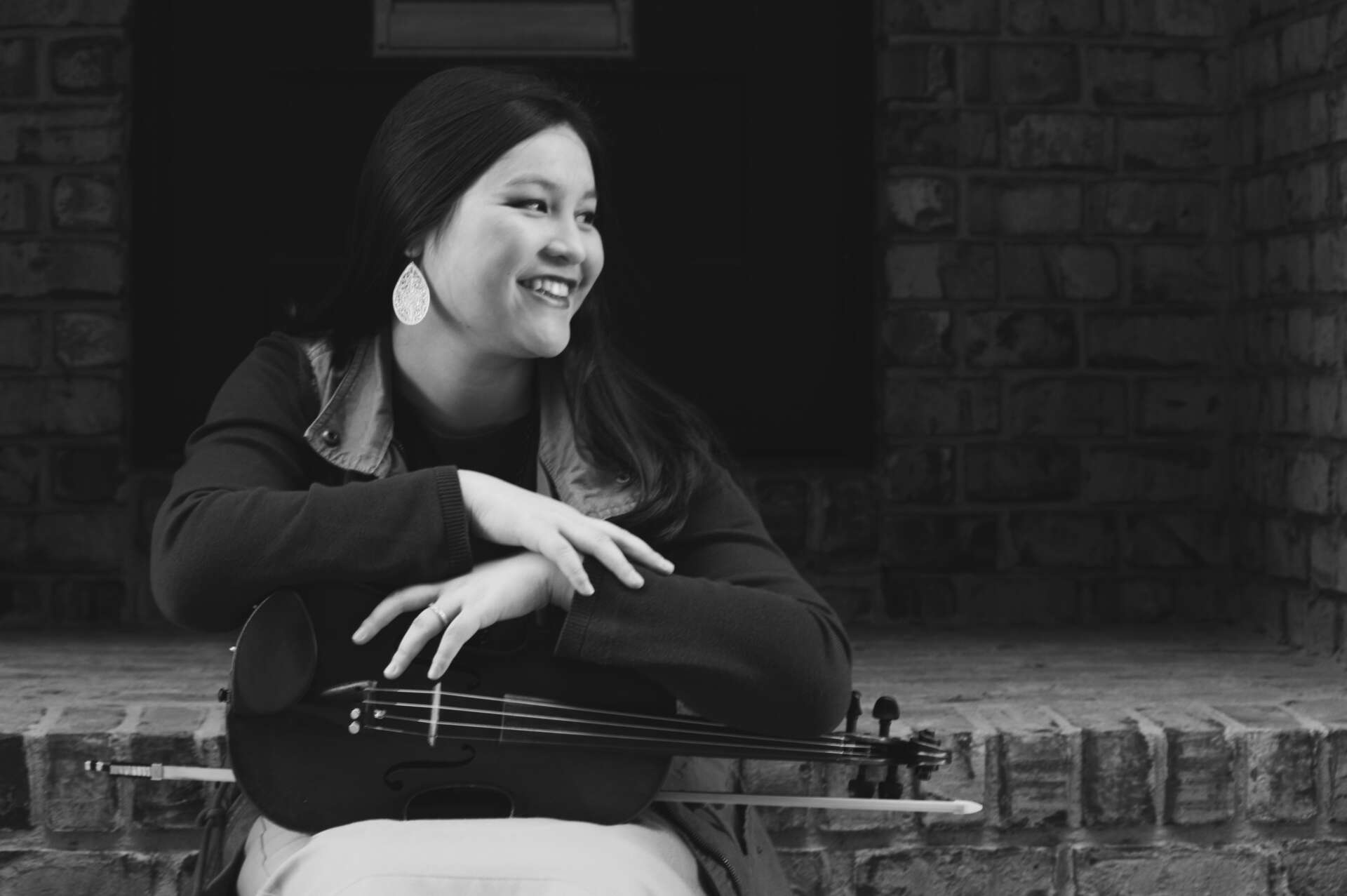

We recently connected with Grace Drury and have shared our conversation below.
Alright, Grace thanks for taking the time to share your stories and insights with us today. Some of the most interesting parts of our journey emerge from areas where we believe something that most people in our industry do not – do you have something like that?
I think the most controversial thing I don’t believe in is the use of practice logs, practice requirements or outside incentives. In my studio, I focus on encouraging quality practice and the natural rewards of practicing; which include progressing in their books, getting new pieces, and being accompanied by myself or a duet track. As a young student, I did whatever I could to stretch the time I “counted” for practice. Everything was an excuse to hit those “magic practice times.” My teachers could tell when I wasn’t practicing well, even though I was “getting my time in.”
I know there are studies arguing for a quantity vs quality approach, specifically in physical arts like pottery. But in music, it’s easier to slip into a quantity approach when the music you create vanishes never to be heard again (unless you’re fastidiously recording yourself). Even approaches like asking students to play a passage correctly a number of times isn’t always ideal because it doesn’t take into account the times they played the passage wrong. If I play a passage right 5 times, that sounds pretty good, right? But if I also played it wrong an additional 5 times, that means I played the passage a total of 10 times. Meaning I have a 50% chance (or less) of getting it correct. The goal of a musician’s practice should always be to practice for greater accuracy in every subsequent practice session. Practicing a magic amount of minutes doesn’t guarantee the student will produce this type of accuracy.

Awesome – so before we get into the rest of our questions, can you briefly introduce yourself to our readers.
I began playing violin and piano at very young ages and now have been playing both for over two decades. I think I realized early on that my passion wasn’t performing. However I was drawn to many of my teachers and how most of them were more than music instructors to me. They went to great lengths to encourage me, provide support, correction and were mostly positive influences beyond my home life. Having had 14 different piano and violin teachers, I’ve had a range of the good, the bad and the ugly. Those teachers have helped me formulate how I want to teach the next generation of musicians.
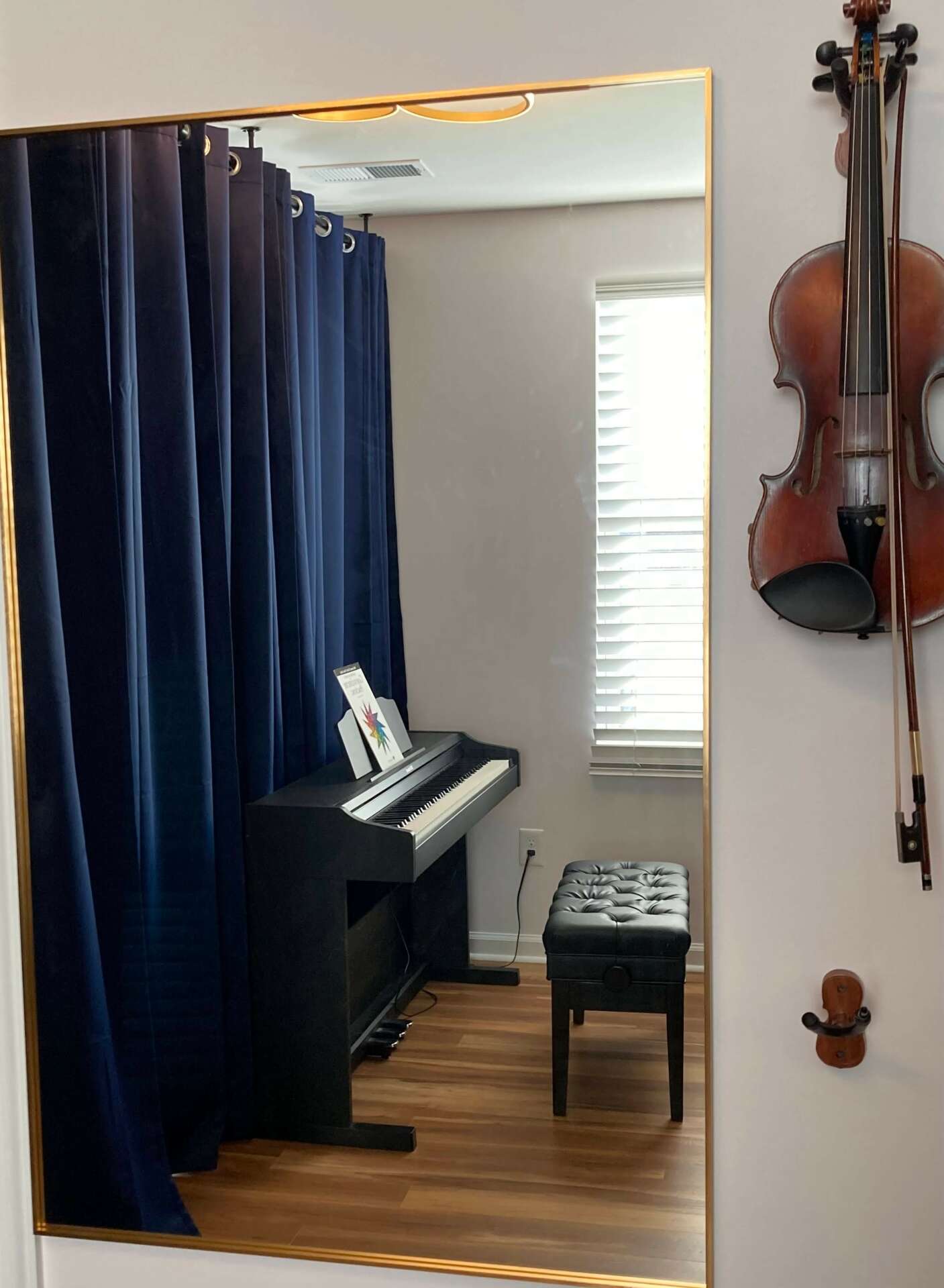
I teach piano and violin to a wide range of students including those with ADHD, RSD, physical impairments, and those who are on the spectrum. I think what sets me apart most is my willingness to adapt or pivot when something isn’t working. I frequently find myself exploring and employing a variety of teaching practices and curricula for individual students. I’ve found that by tailoring lessons to each student’s need I support them in their individuality.
I have a violin student with ADHD who sometimes walks in with a list of questions and we go through every single one and I explain them in a variety of ways and use a lot of analogies to help them comprehend how to attain the results they want. Other times a complex physical maneuver can be fixed through a single simplified instruction. I have a completely different student who struggles with self-criticism and RSD. I’ve learned that by limiting the length of time we spend on an activity we reduce the amount of frustration build up. This means our lessons are a mix of composing, piano playing and a theory work book. He recently played in his first recital and I’m so proud of him. One last student I work with is a very young student with a hand impairment. Most of our lessons have focused on playing simple melodies on the piano, rhythm sticks and singing songs. As he’s growing up, my plan for him is to transition into composing on a computer and teaching him theory as well as conducting if he shows an interest when he’s even older. All of these students I’ve mentioned have needs that require outside of the box thinking beyond “following a curriculum and practicing a lot.”
I think what I’m most proud of is that I believe my students are learning what they want to while still having a strong foundation in their chosen instrument. I have an adult who is learning how to play out of fake books and improvise. I have a pre-teen who enjoys the challenge of standard piano repertoire, so that is what we focus on in her lessons. I have another almost teenager who wants to play more video game standards and anime music. Ultimately the type of music they play should be predominantly their choice while my job is to come alongside them and make sure they have the skills and knowledge to play what they want.

What’s been the best source of new clients for you?
I would have to say it’s been local Facebook groups. I enjoy connecting with people and finding good food, great experiences and local businesses to support. That means I’m in a lot of my local groups, small business groups and Mom groups. I have a list of groups I’m part of that allow business postings and I always make sure to respect everyone’s time. I never want to over spam my business and I try to contribute beyond just gaining business for myself. Overall it’s been a great resource as my business is not product but client based.


Any thoughts, advice, or strategies you can share for fostering brand loyalty?
In all honesty, my clients are the parents of the students I teach; however, when parents tell me their students “love their lessons”, “practiced 30 minutes today already”, and “have really enjoyed the challenge” I know that my students’ enthusiasm is what speaks most for me and my business. It really ties in with
how much focus I put on what their goals are and what they want to achieve with their instrument. When my students are happy, their parents are happy.
Other ways I keep in touch is by always sending home student notes via email, this way parents are aware of their students’ assignments. Often those notes are accompanied by a progress update or we have a short chat at the end of their student’s lesson. Recently, we had a fall costume recital where everyone got to dress up and perform a piece of their choosing. It was a fantastic success and we had a turnout of over 60 people. This gave all my students the chance to see how far they’d come or how much further they could go.

Contact Info:
- Website: drurylanemusic.com
- Instagram: drury_lane_music
- Facebook: https://www.facebook.com/profile.php?viewas=100000686899395&id=100087587934857
- Linkedin: https://www.linkedin.com/in/grace-drury-1903ab15b/
Image Credits
Memory Layne Photography Grace Drury