

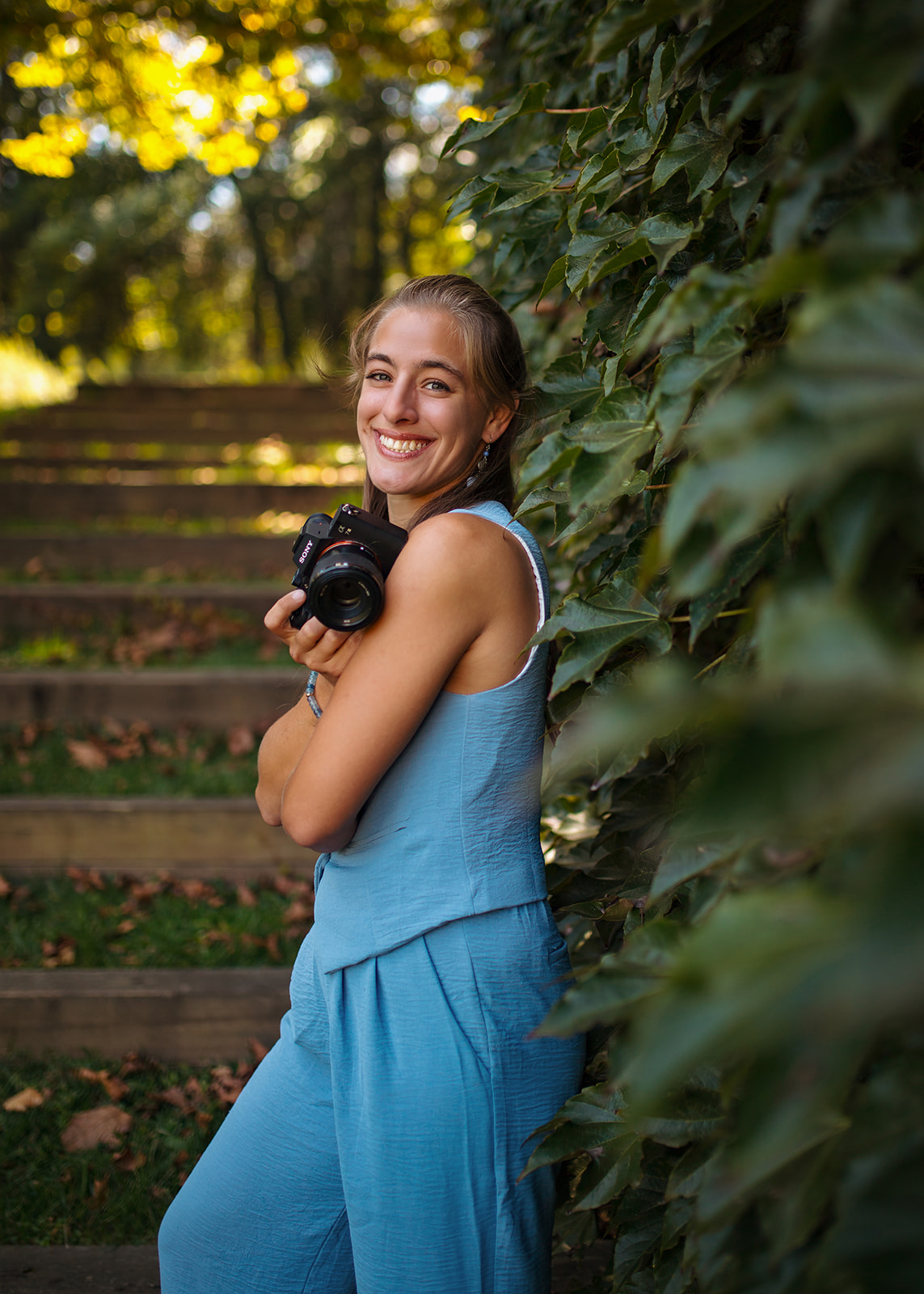

We’re excited to introduce you to the always interesting and insightful Grace Ayars-Feazell. We hope you’ll enjoy our conversation with Grace below.
Grace, thanks for joining us, excited to have you contributing your stories and insights. Has your work ever been misunderstood or mischaracterized?
Yes, there have several been moments where I’ve been misunderstood due to my mild cerebral palsy, which affects my speech and fine motor skills. One particularly memorable instance happened a couple of years ago while I was out with a friend at a local bar and restaurant in Charlottesville. We were on the back patio, chatting and enjoying the evening vibes. It’s worth noting that I hadn’t touched alcohol in about a year and a half at that point—I’d quit drinking entirely as part of my personal journey of self-care.
A guy struck up a conversation with my friend, and soon we were all laughing and joking together. I chimed in with my own thoughts, feeling completely at ease. After a minute or two, he turned to me and suggested, kindly but insistently, that I should sit down. I politely declined, saying I was fine standing. He pressed, “No, seriously, you should sit down. You’re drunk.” I assured him I was okay and hadn’t been drinking at all that night. Curious, I asked why he thought that (though I suspected it was my speech). He replied, “Dude, you’re slurring.. C’mon have a seat.”
In that moment, I calmly explained, “I have a disability called mild cerebral palsy. It affects my fine motor skills and speech muscles. I quit drinking a year and a half ago—I can promise you I’m more sober than you are.” The gentleman looked between me and my friend, half-laughing in confusion, clearly wondering if I was joking. My friend backed me up: “No, she’s being for real.” You could see the regret wash over his face instantly. He apologized profusely, and we all moved past it. The conversation continued smoothly, we exchanged contact info. This individual and I actually became close friends afterward.
This misunderstanding stemmed from a common assumption: people often associate slurred speech with intoxication rather than a neurological condition. It wasn’t malicious—just a lack of awareness about invisible disabilities. But it highlighted how quickly judgments can form based on surface-level perceptions, especially in social settings where alcohol is involved.
The experience was powerful for me. It reinforced the importance of speaking up and educating others without defensiveness, turning a potentially awkward moment into an opportunity for connection. In retrospect, it was a key building block in my mission to share stories of overcoming challenges through my photography. It inspired me to amplify voices of people with disabilities in my work, like my ongoing gallery series that captures individuals pursuing their passions despite obstacles. By fostering understanding, we break down barriers and remind everyone that we’re all human—seeking acceptance, love, and the chance to socialize freely. Moments like this have taught me resilience in vulnerability, and they’ve fueled my drive to create art that educates and unites.
Great, appreciate you sharing that with us. Before we ask you to share more of your insights, can you take a moment to introduce yourself and how you got to where you are today to our readers.
Born and raised in Charlottesville, Virginia, I’ve spent my life overcoming challenges, starting with being born with mild cerebral palsy. From an early age, I embraced resilience, even speaking out about my experiences in elementary school to inspire others. My creative spark ignited at 16 when I received my first DSLR camera, initially dabbling in nature photography inspired by the legendary Ansel Adams. Though I couldn’t fit a photography class into my senior year schedule due to credit requirements, I graduated high school and briefly pursued a Sociology degree at Old Dominion University—only to drop out after three weeks, trusting my gut that it wasn’t the right path at the time. Returning home, I waitressed while rediscovering my camera, and that’s when my passion truly flourished. I realized photography was my calling. I took a basic course at the local community college, then transitioned to working at a camera shop, meanwhile I was mentored by local photographers. When COVID forced the shop to close permanently, I pivoted again. Just 11 months later, I founded Graceful Perceptions LLC, a portrait photography business specializing in couples and families. After a little over three years in business, I was honored to be voted Best of C-Ville Family Photographer in 2024.
Photography captivated me because it allows full self-expression, helping me transcend the insecurities tied to my cerebral palsy. In my work, I strive to empower clients to embrace their true, natural beauty. Artistically, my mission extends further: to use my platform to amplify stories of people with disabilities overcoming challenges. I’m developing a mobile gallery series that raises awareness and educates the public, showing that we’re all human—deserving of love, acceptance, and support.
Beyond my art and building meaningful relationships, I find joy in nature, sharing laughs with loved ones, immersing myself in music (especially live local scenes), and letting loose on the dance floor!
Let’s talk about resilience next – do you have a story you can share with us?
Resilience has been the cornerstone of my life, forged from challenges that began before I even took my first breath. Eager to enter the world, I arrived amid complications: my umbilical cord prolapsed, cutting off oxygen to my brain for eight minutes. This led to cerebral palsy (CP), a condition that has shaped my path but never defined me. From infancy, I faced hurdles—seizure medication for the first six months (though none occurred), struggles with feeding, 1.5 weeks in the NICU, and another 1.5 weeks at Kluge Children’s Hospital. I slept so deeply that nurses had to wake me to build my swallowing reflex, relying on a feeding tube until I got home. In a spark of early determination, I yanked it out myself and began drinking milk independently, as if declaring, “I will adapt and thrive.”
Therapy became my constant from those early days. Starting weeks after discharge, I underwent occupational therapy through elementary school for fine motor skills, physical therapy through upper elementary for mobility, and speech therapy until high school for communication. Milestones were delayed – entering Head Start at three, after learning how to walk and talk at two years old. School was a supportive haven, with teachers and peers who focused on my potential. I even shared my story publicly—three speeches, including one over the intercom in elementary about growing up with CP, and two before the entire school. Those moments turned vulnerability into empowerment, teaching classmates the importance of accepting other people’s differences.
By freshman year’s end, I achieved independence from all CP-related therapies—a victory built on persistence and support. True liberation came at 16 with my first camera, sparking my artistic journey. Photography let me transcend physical limits, capturing raw human beauty and helping others embrace their natural selves, easing my lingering insecurities.
Today, at 26, I’ve built a thriving portrait photography business over four years, specializing in families and couples. Winning the Best of Charlottesville Family Photographer award in 2024 affirmed my resilience. This passion fuels a deeper mission: a years-long photo project—a gallery series of individuals with disabilities overcoming challenges through their passions, blending images to evoke their essence. It raises awareness, educates, and highlights our shared humanity.Through every trial, resilience has shown me challenges are growth invitations. From pulling out my feeding tube to pulling beauty from the world, I’ve rewritten my narrative with persistence.
Is there a particular goal or mission driving your creative journey?
As someone who has struggled with insecurities, I strive to use my passion to help others feel & value their true natural beauty.
I do this with all clients. However, my larger end goal is to use my art as a platform to help others with disabilities feel heard and seen. I have a photo project that has been in the works for a few years — A gallery series of individuals with disabilities in moments of overcoming challenges through their passions. The other goal of this is to raise awareness and to educate others, through showing that we’re not that different from others.
My lifelong goal is to help others feel heard and seen through sharing their stories while highlighting their passions and happiness, showing that we’re not that different from others . The other goal of this is to raise awareness and to educate others — Thus overcoming my own challenges and insecurities through my passion.
Contact Info:
- Website: www.gracefulpics.com
- Instagram: https://www.instagram.com/graceful_perceptions/
- Facebook: https://www.facebook.com/GracefulPics
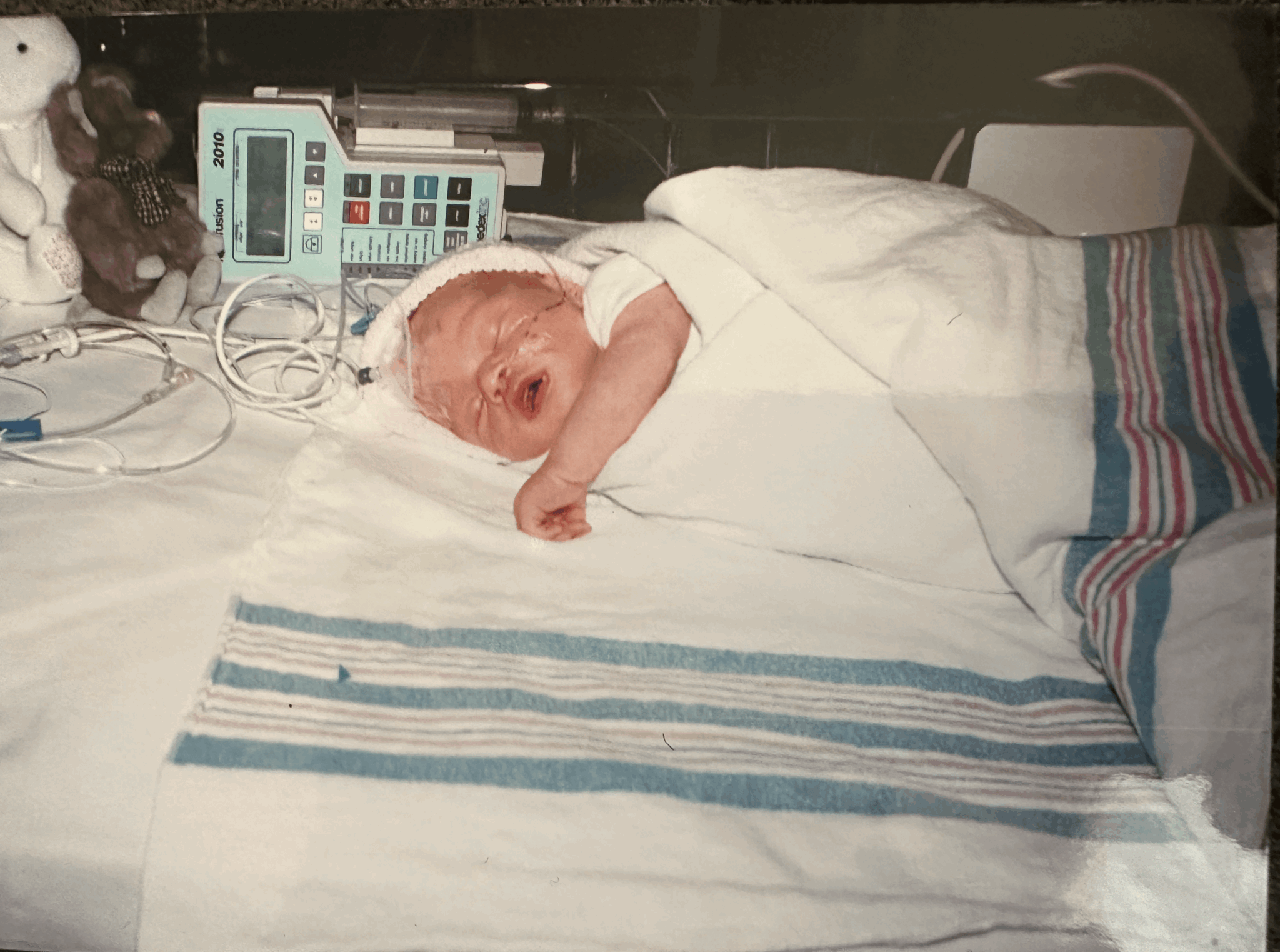
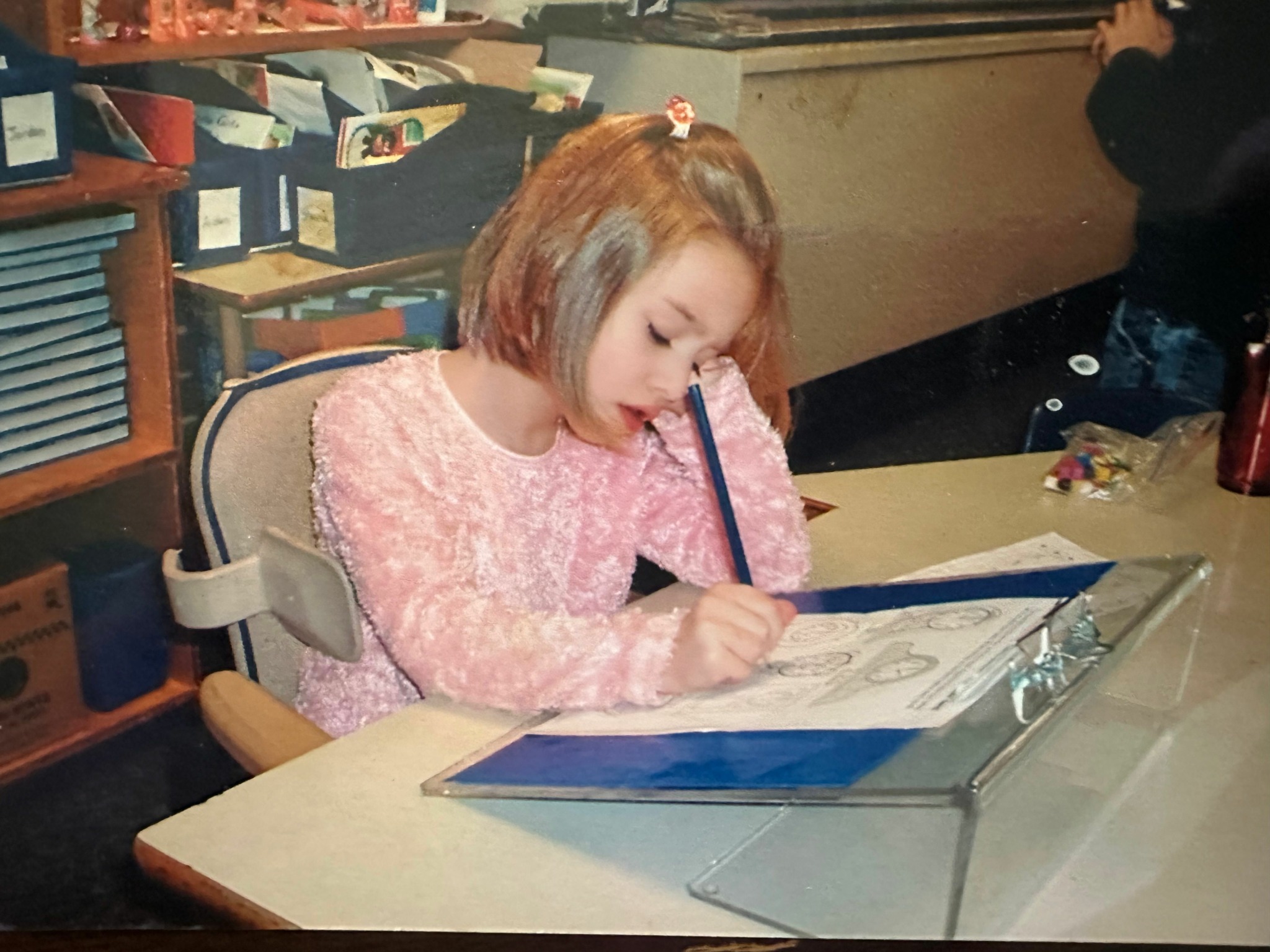
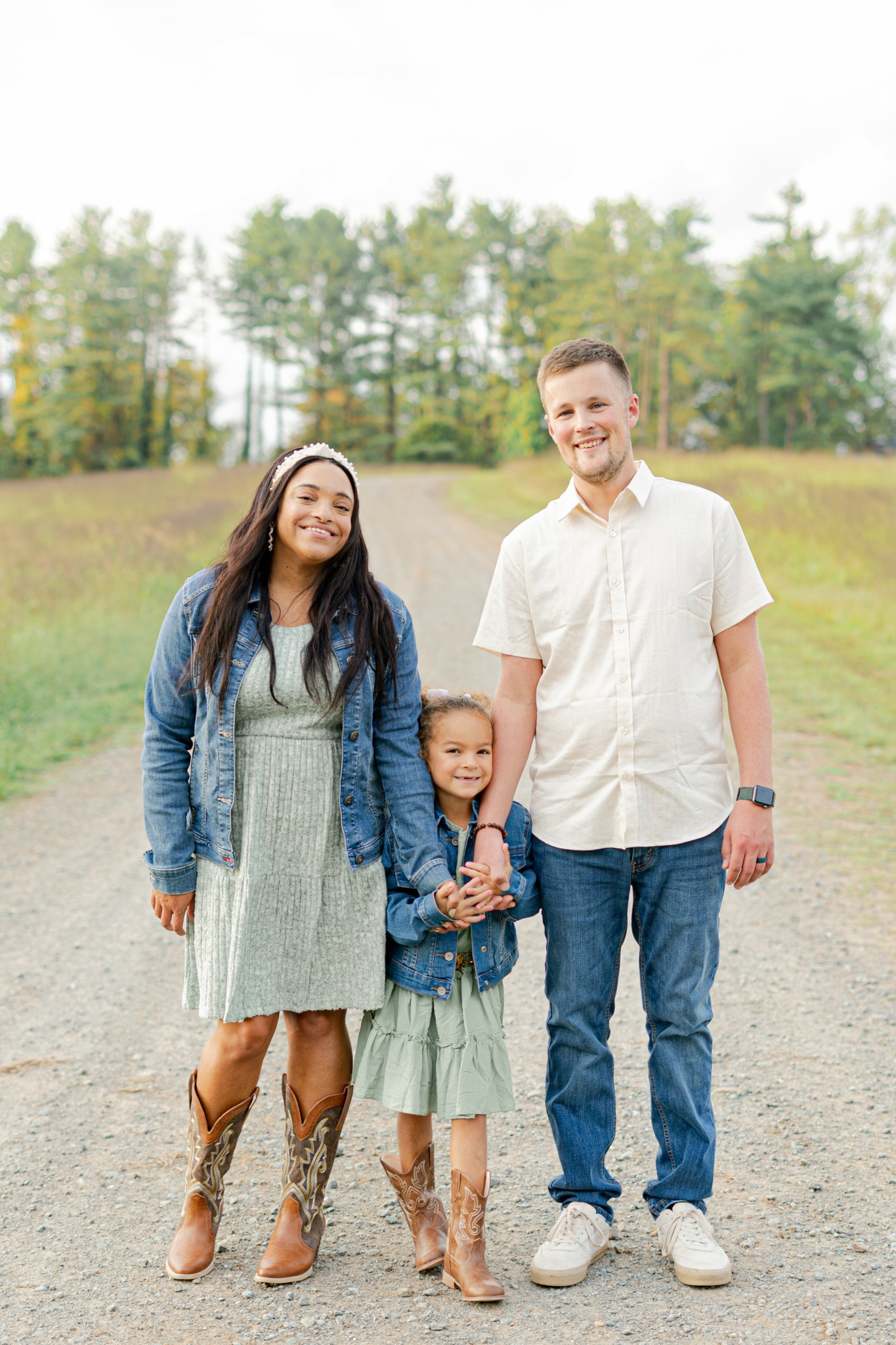
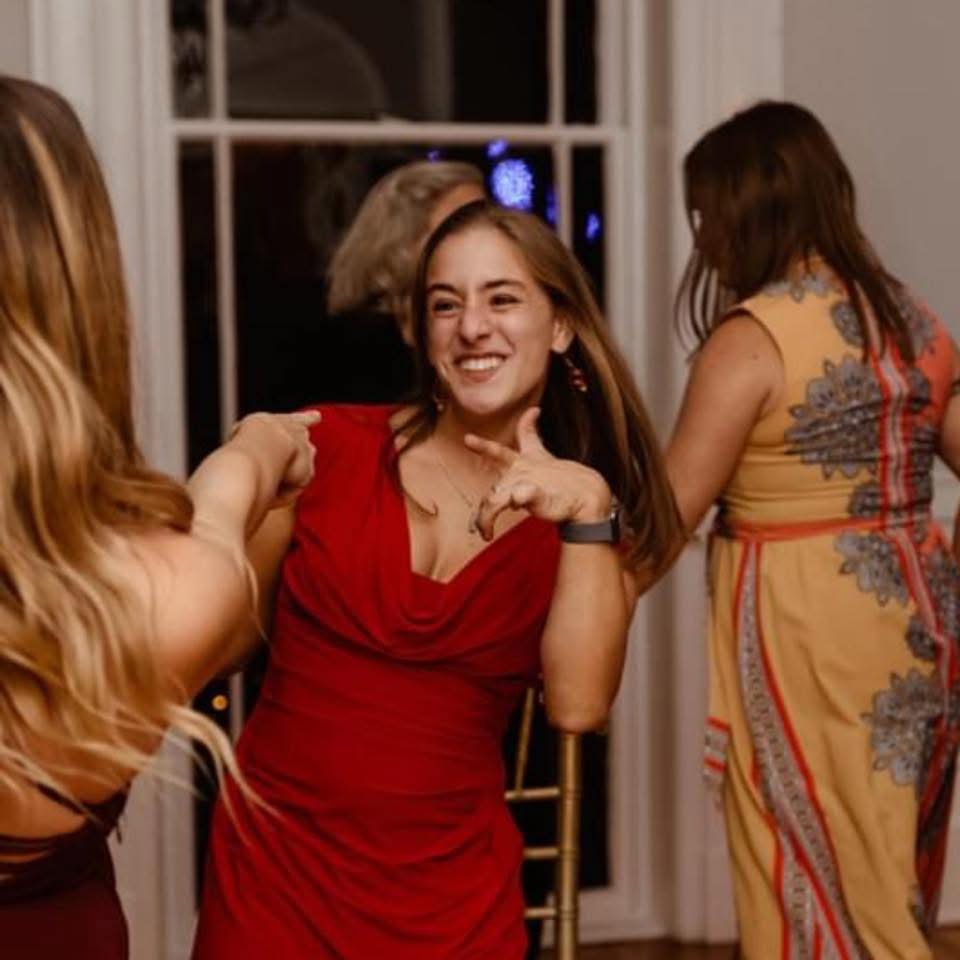
Image Credits
Pura Photo – Aliysa Foytik