We caught up with the brilliant and insightful Gorman Bentley a few weeks ago and have shared our conversation below.
Gorman, thanks for taking the time to share your stories with us today Some of the most interesting parts of our journey emerge from areas where we believe something that most people in our industry do not – do you have something like that?
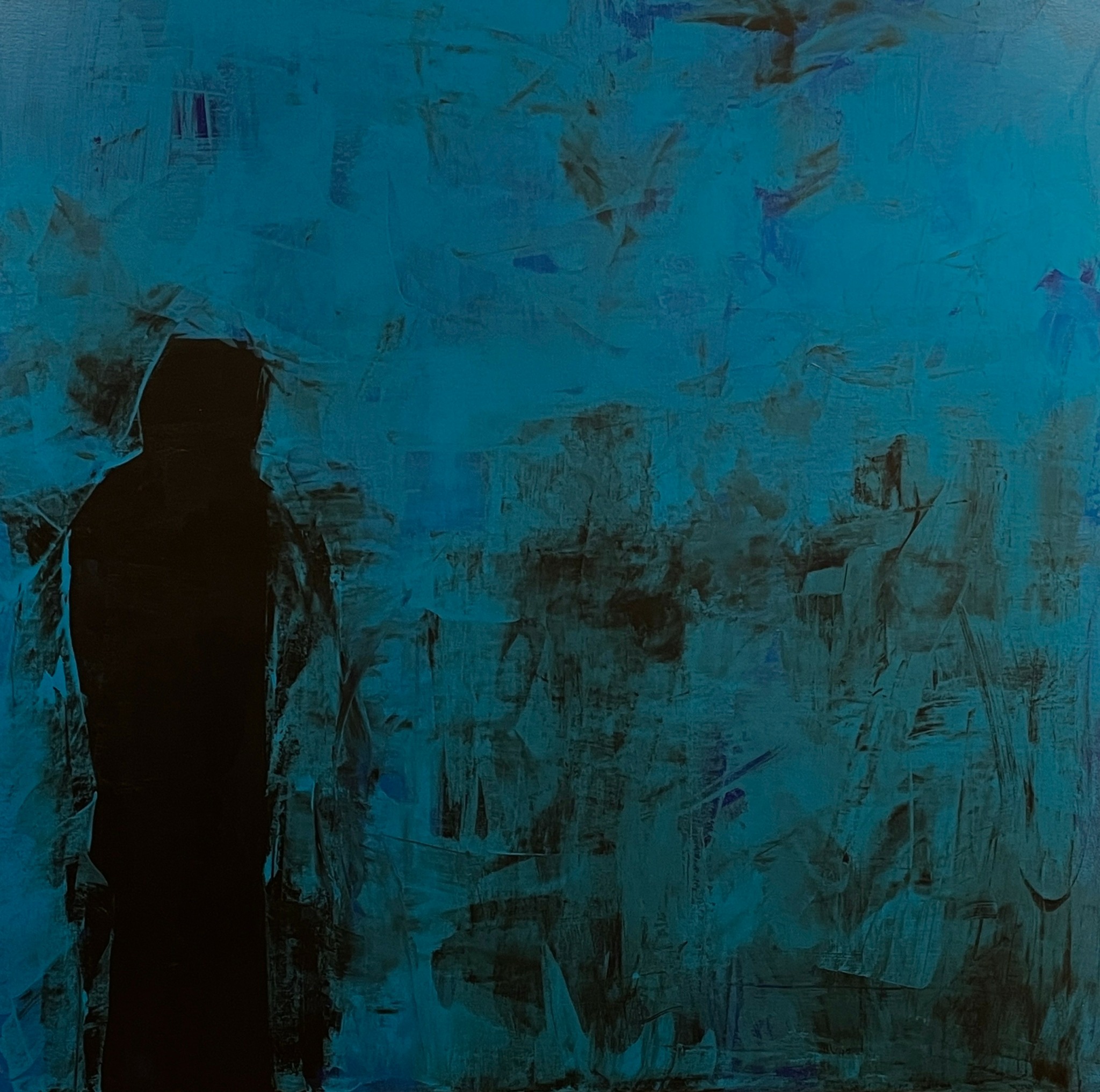
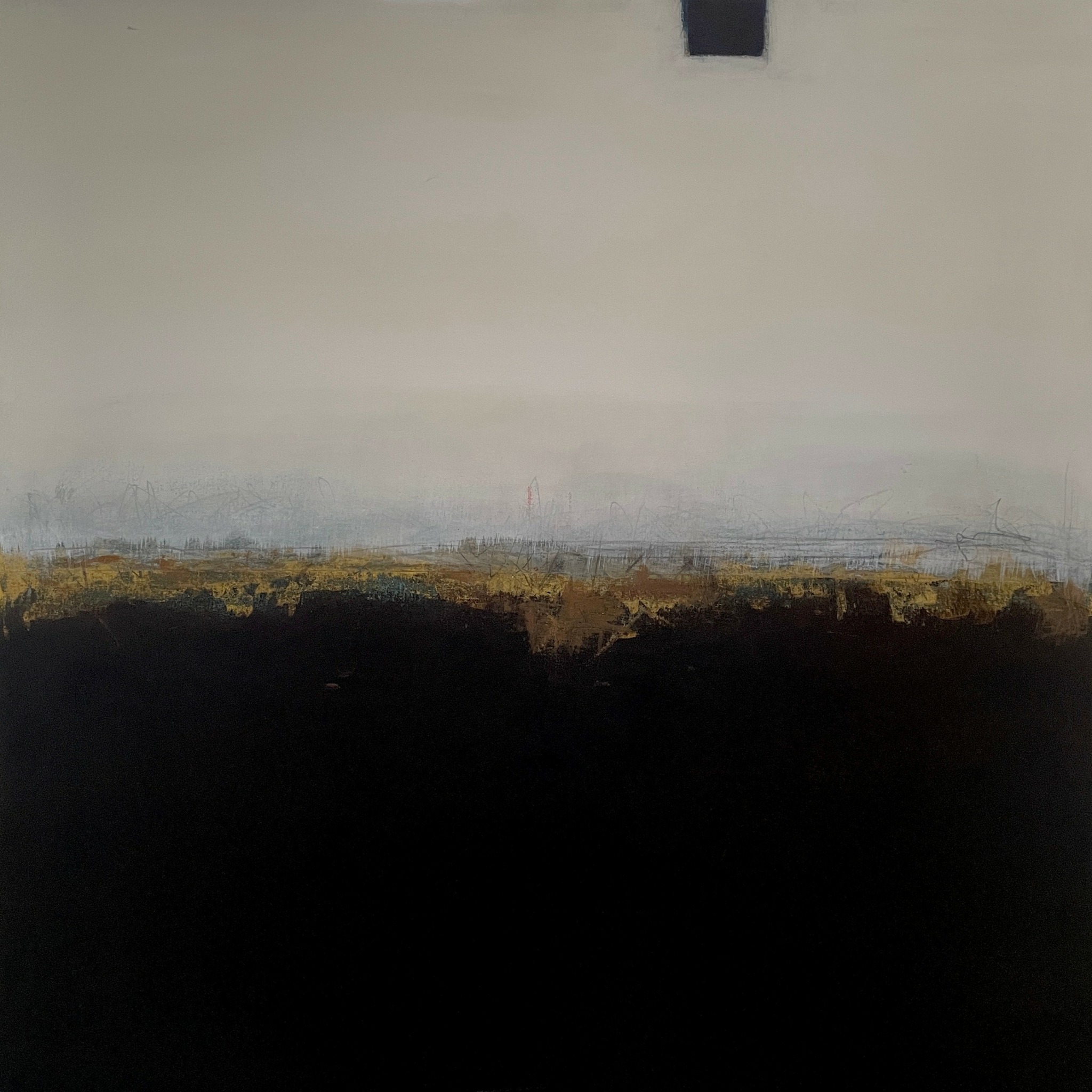
I believe the essence of being a Fine Art artist is born, not acquired. If one is born as an individual who sees their world more clearly, and differently, the skills and techniques can easily be developed to display the vision of the artist. As a visual artist, I see many who have worked decades in developing skills and techniques that create works that are quite beautiful. But that is Decorative Art, and valid as such. Fine Art does not have to be beautiful, but it does have to be interesting. Fine art communicates to the viewer and it has something to say in order to engage the viewer. Yes, anyone can become an artist, yet the vast majority of artists I see out there create works that are popularly decorative, commercial and mirror current trends. However, the essence of what it means to be human is eternal, and the fine art artist creates art that comes from the soul of a uniquely constituted individual. I hope I am that artist.
Gorman, before we move on to more of these sorts of questions, can you take some time to bring our readers up to speed on you and what you do?
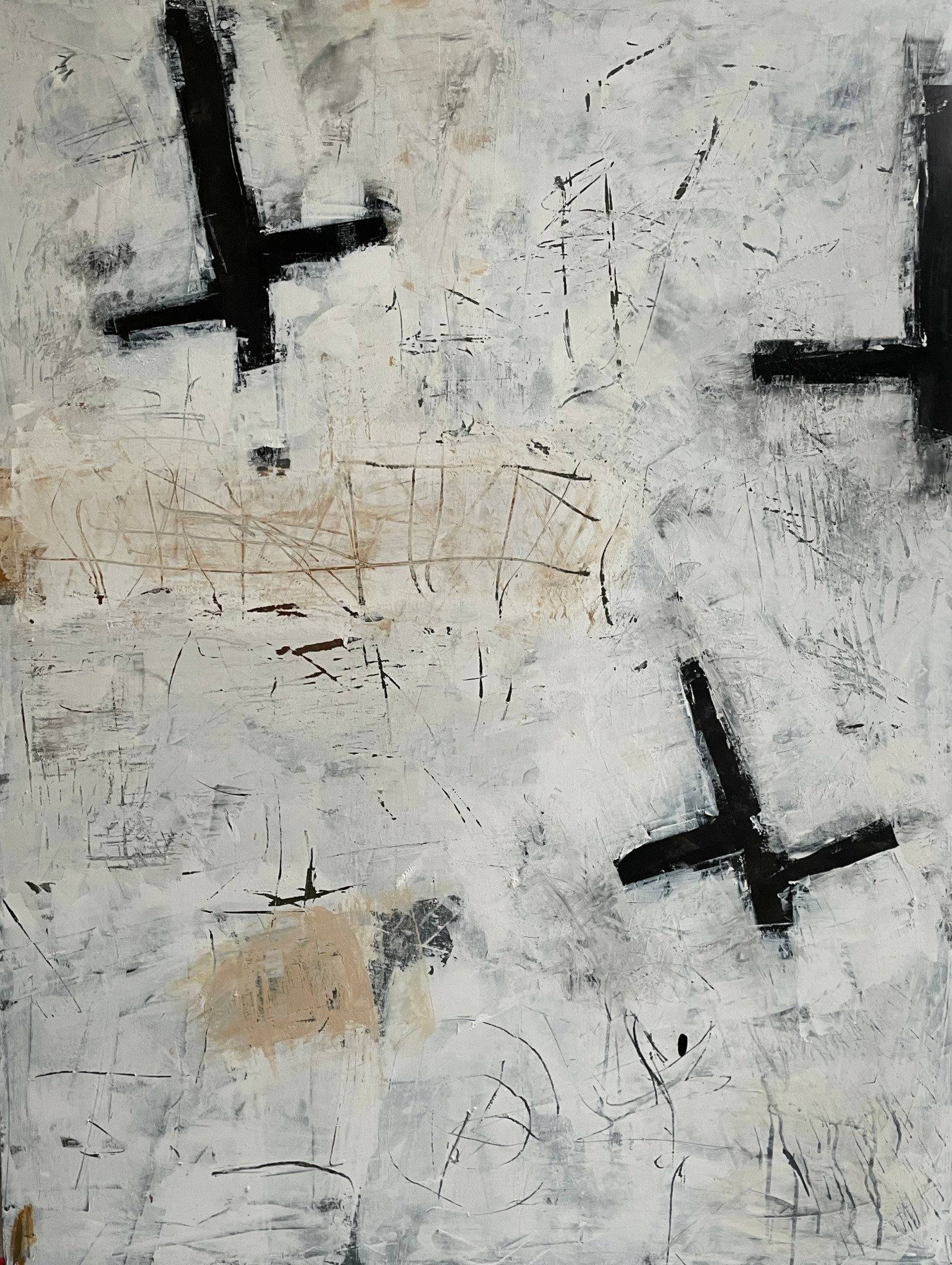
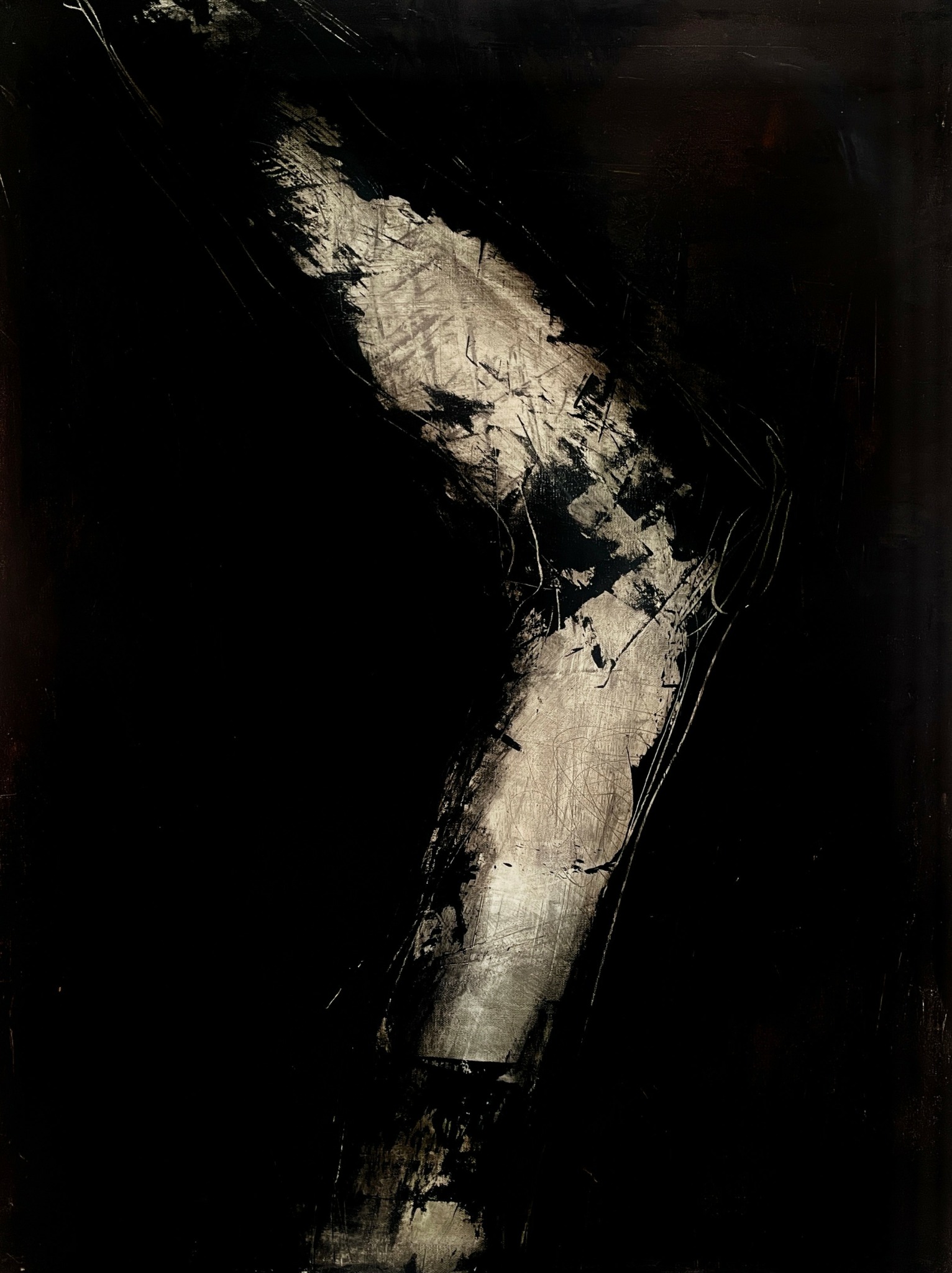
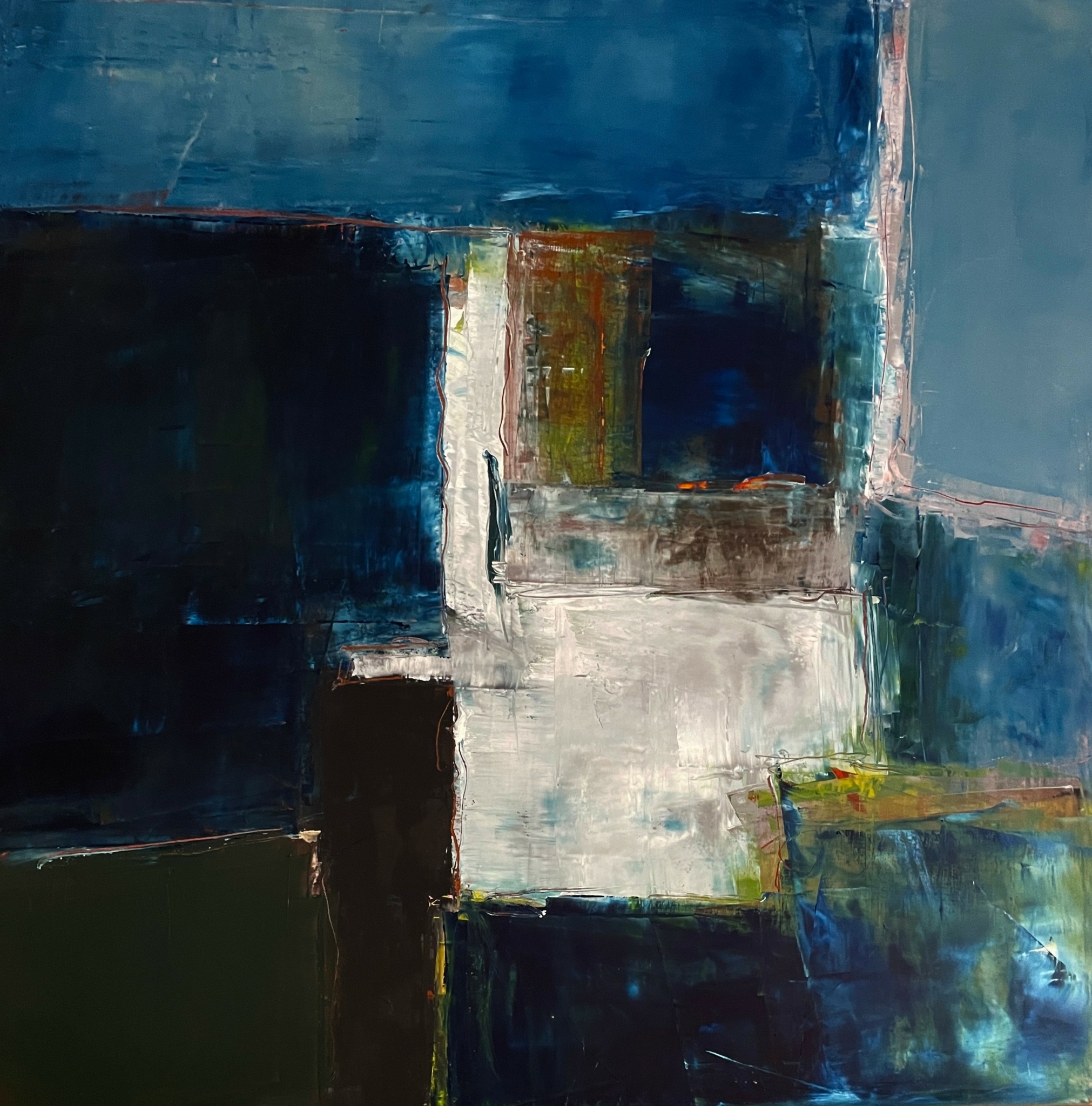
I am a visual, mostly abstract, Fine Art artist. As someone who identifies as gay and comes from a rural, post-war background, my art has a simple color scheme and uses visual language typical of outsiders. I think I was an artist from birth. I feel compelled to express what I see and feel because I have always seen things that others frequently do not. Even though I’m in my 70s, I’m continuously honing the abilities and methods required to properly achieve my artistic vision.
How’d you build such a strong reputation within your market?
I don’t think anyone can consider themselves a “self-taught” artist in the modern world. Anyone may determine what kind of artist they want to be and set out to become that artist, thanks to the abundance of knowledge available online. Before the internet, my art education was dispersed, haphazard, and dependent on the organization, the instructors, and what they could provide. I learned that there was a chance for me to become the kind of artist I wanted to be once I could connect to the outside world. In short, I started by defining my own artistic objectives and gradually studied the methods and abilities of other fine art artists. That alone might have been all that was needed, but when the world shut down for quarantine, I saw a chance that would never come again. I already was familiar with teaching online and discovered I could also be a Zoom learner. And quarantine offered the best resources at an affordable price. For two years, I had my own personal painter coach online from Ukraine. When that opportunity was abruptly cut off by war, I built a small local network of artists where we could use those same coaching techniques with each other.
What do you find most rewarding about being a creative?
Any real artist will tell you that creating is not something to do, but something one must do. Phillip Guston expressed it best when he remarked that although the artist comes to the studio with the world at their disposal, it soon leaves the artist alone. And if the artist reaches a place of true authenticity, the artist “exits” the space as well. That’s the “zone” and that’s when the best work is produced, as any experienced artist would know. The last benefit of being in the “zone” is being able to step back, view a piece of work as completed for the first time, and wonder who and how it was created. That being said, an artist also suffers daily. It is required.
Contact Info:
- Website: https://www.gormanbentley.com
- Instagram: @gormanbentley