

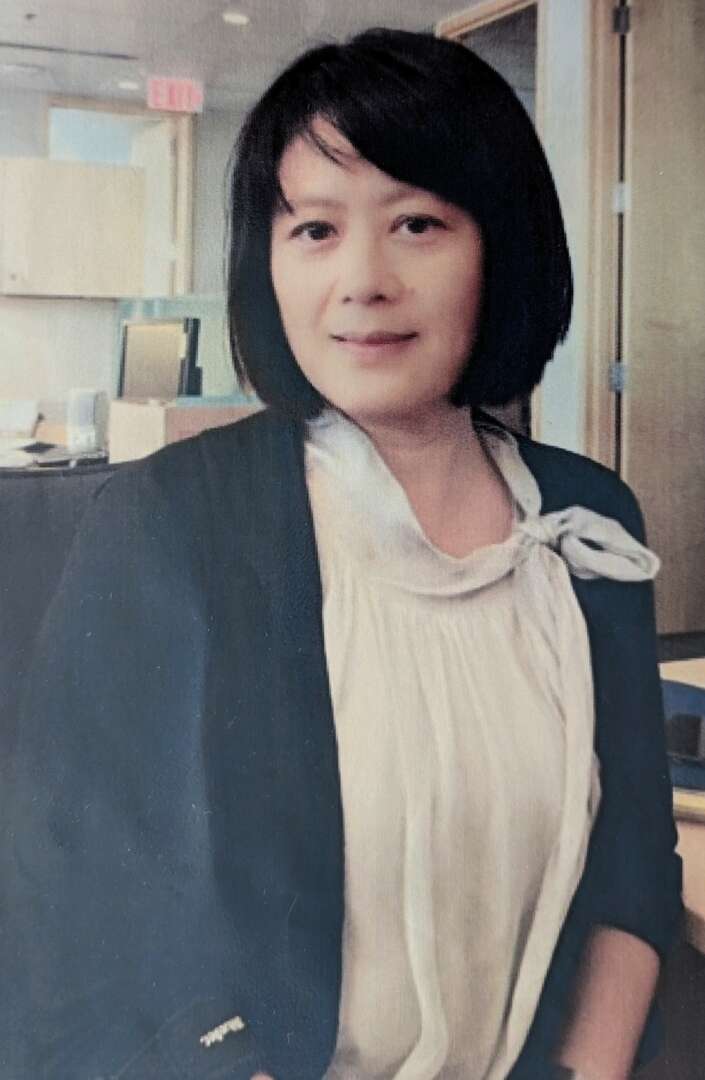

We recently connected with Glo Z. and have shared our conversation below.
Glo, appreciate you joining us today. Learning the craft is often a unique journey from every creative – we’d love to hear about your journey and if knowing what you know now, you would have done anything differently to speed up the learning process.
When the Covid restriction was lifted in Spring of 2022, I was able to sign up for a ceramic class at a community center. And that started my newly found passion of pottery making. I found the process really “centering” for me. It has a very calming effect on my mind, which has becoming increasingly important in this chaotic world we’re in today. Since then, I have attended five regular sessions (each session is about 7-8 weeks) and one short session (one month).
In terms of learning the pottery making skills, in the first year, I found that achieving a centered clay on the pottery wheelhead can be tricky. One has to be reminded for proper hand placement, maintaining consistent pressure, and practicing centering techniques whenever one can.
The second challenge would be ensuring even thickness when pulling up the clay. While I have improved on the centering part by now, I still find that maintaining consistent thickness throughout the throwing process challenging.
The third one would be managing the water content. When pulling up the clay, water has to be applied to the inside and outside of the clay (after opening up the clay, a thick cylinder appears). Not enough water, the clay cannot be thrown evenly; too much water, the clay may not be able to hold up.
The takeaway: Have patience, enjoy the process and keep practicing. Practicing is really the key to get better. Meanwhile, don’t forget to breathe (Yes, at times I was so concentrated when pulling the clay upward, I forgot to breath!).
As always, we appreciate you sharing your insights and we’ve got a few more questions for you, but before we get to all of that can you take a minute to introduce yourself and give our readers some of your back background and context?
Even though I make a living in the finance field, I’ve always been drawn to things/matters that are 3-D: those objects that one can see and feel. The paintings in galleries & museums, the décors in front of the (historical) buildings, the plants along the sidewalks, the creatures in the water and on the land.
Growing up, the focus was placed on academic achievements & house chaos or any labor related work was not encouraged. I wasn’t aware of the joy of “making things” by hands – until recent years (since 2018). Through a few friends’ introductions, I experimented with some entry level of knitting and sewing. It occurred to me (athough kind of late in life) that, making things happen, seeing their finished forms, through one’s hands & labor, albeit (the end objects are) so simple and so at a beginner’s level, could bring so much contentment in one’s life.
And pottery making is one of my recent years’ explorations. And I’m loving it.
I found it enchating because it allows me to create functional or decorative pieces from clay: from the tactile experience, to the shaping process, to the anticipation of the final results (& the surprises!) – all very exciting .
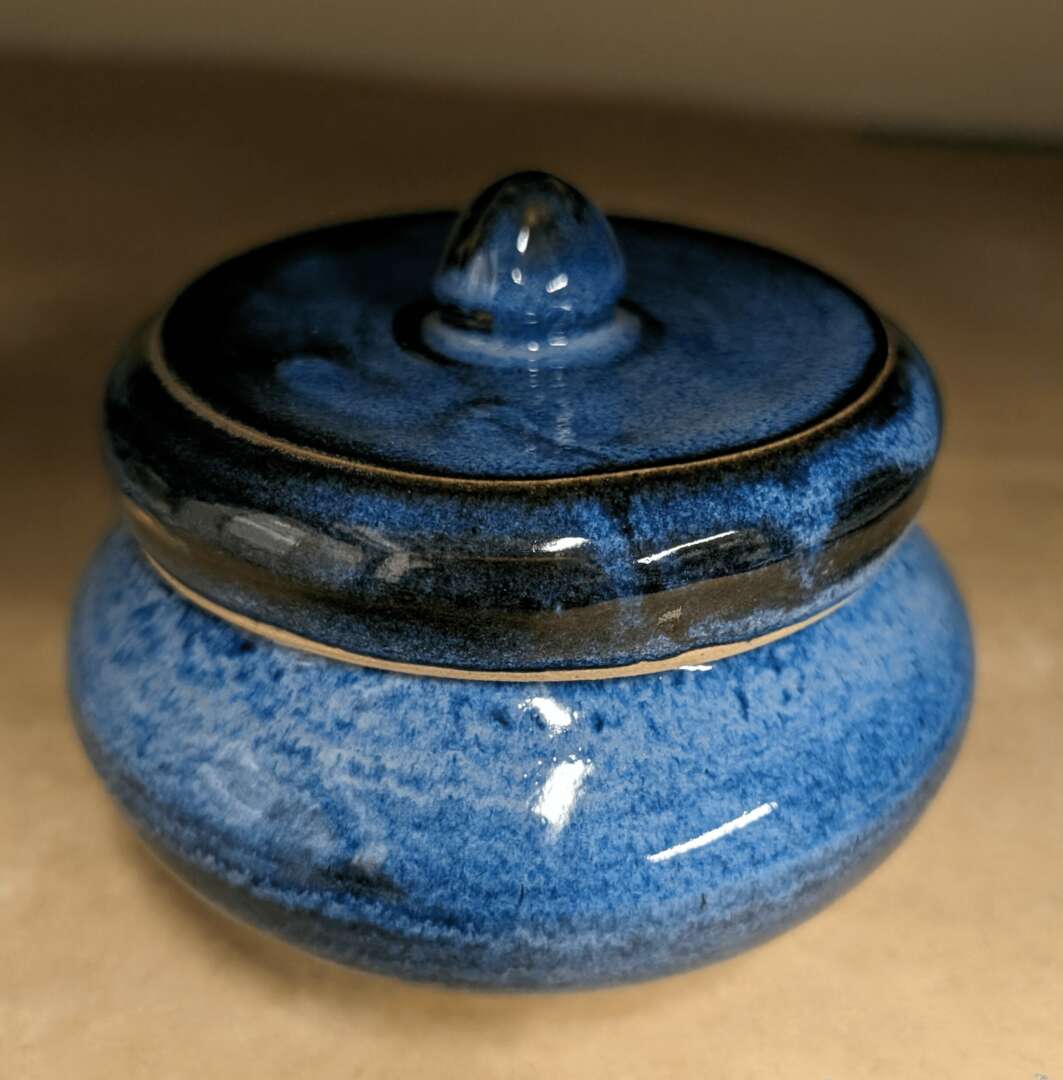
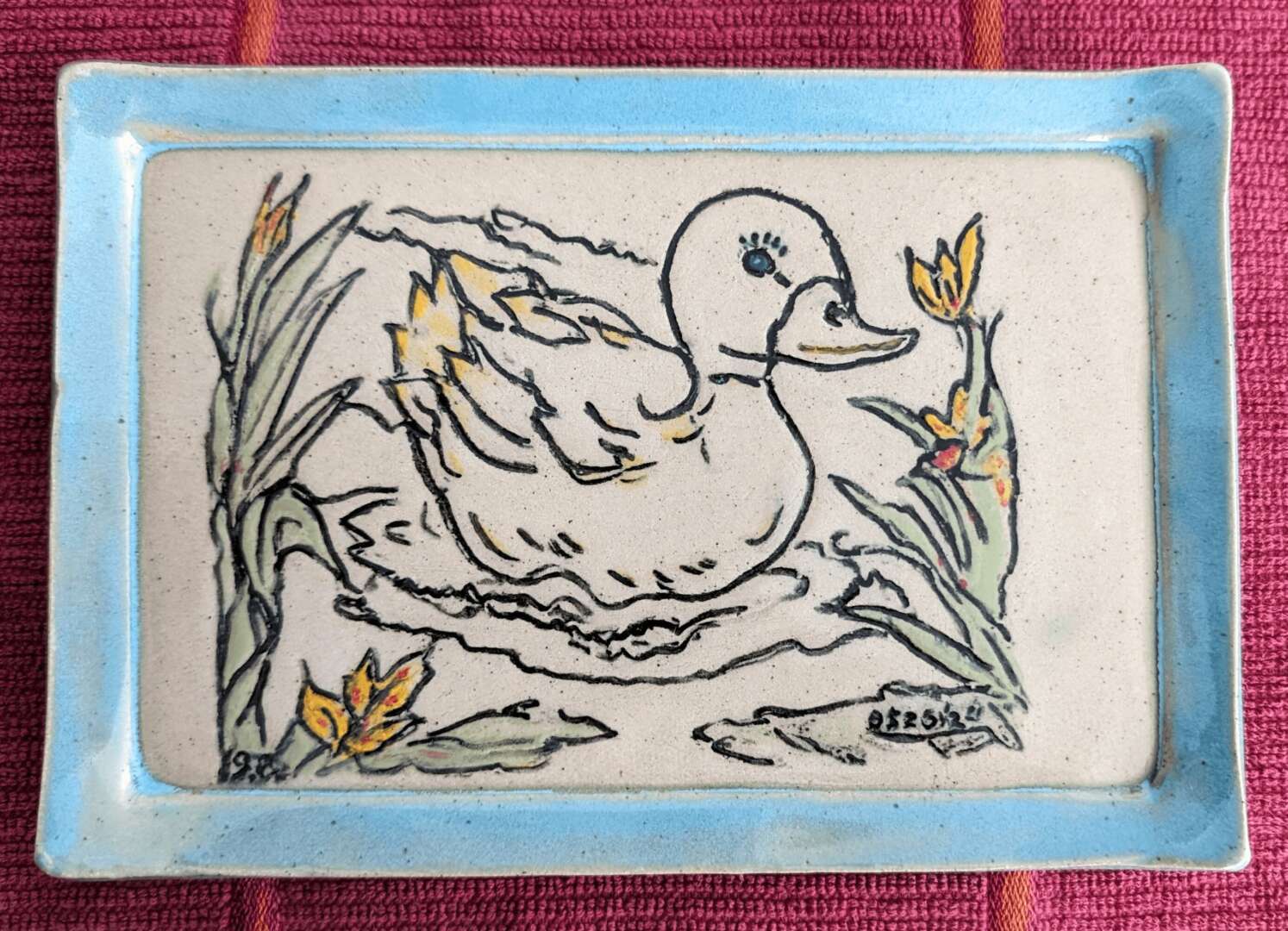
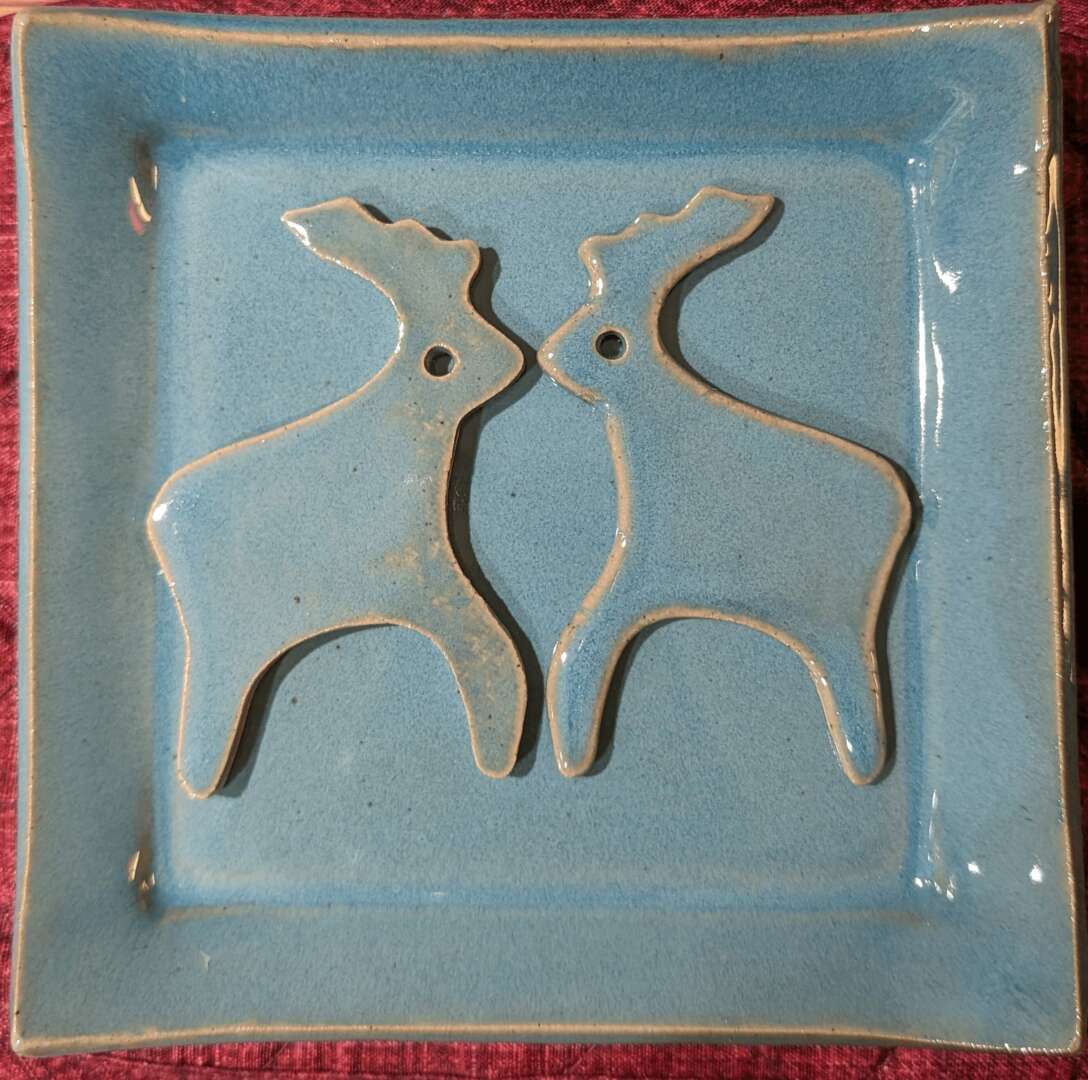
I take pride in mastering specific techniques, like throwing a rice bowl on a wheel, or hand-building an intricate sushi tray. After the pieces are in a very dry stage, they’re bisque fired first. Followed by procedures called waxing and glazing. One piece at a time. Then the glazed items get fired again in higher tempretures.
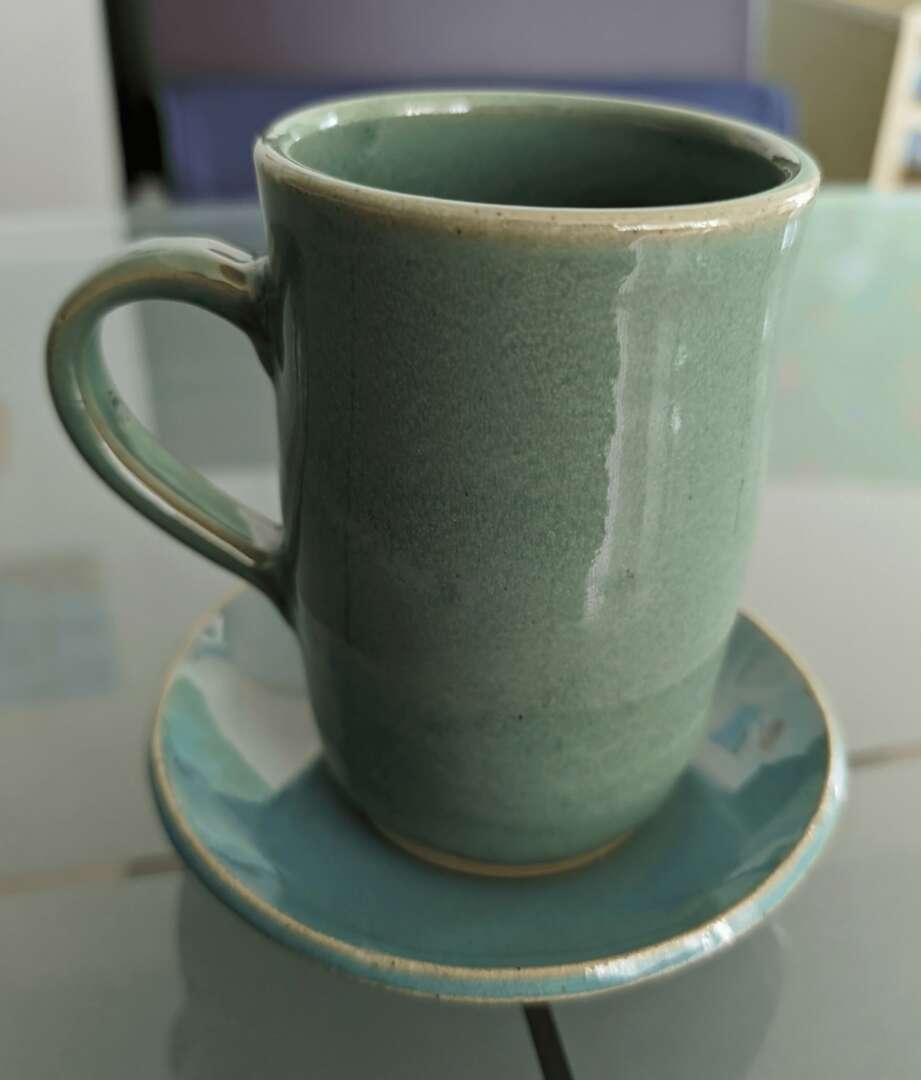
The glaze can transform a piece from ordinary to extraordinary. I cherish each unique glaze and have tried various colors over the earlier sessions before deciding on a few that I’m fond of. Then there’s the pure delight of seeing a finished unit emerge from the kiln – a tangible manifestation of the creativity and effort. All started from a bag of clay – how fascinating.
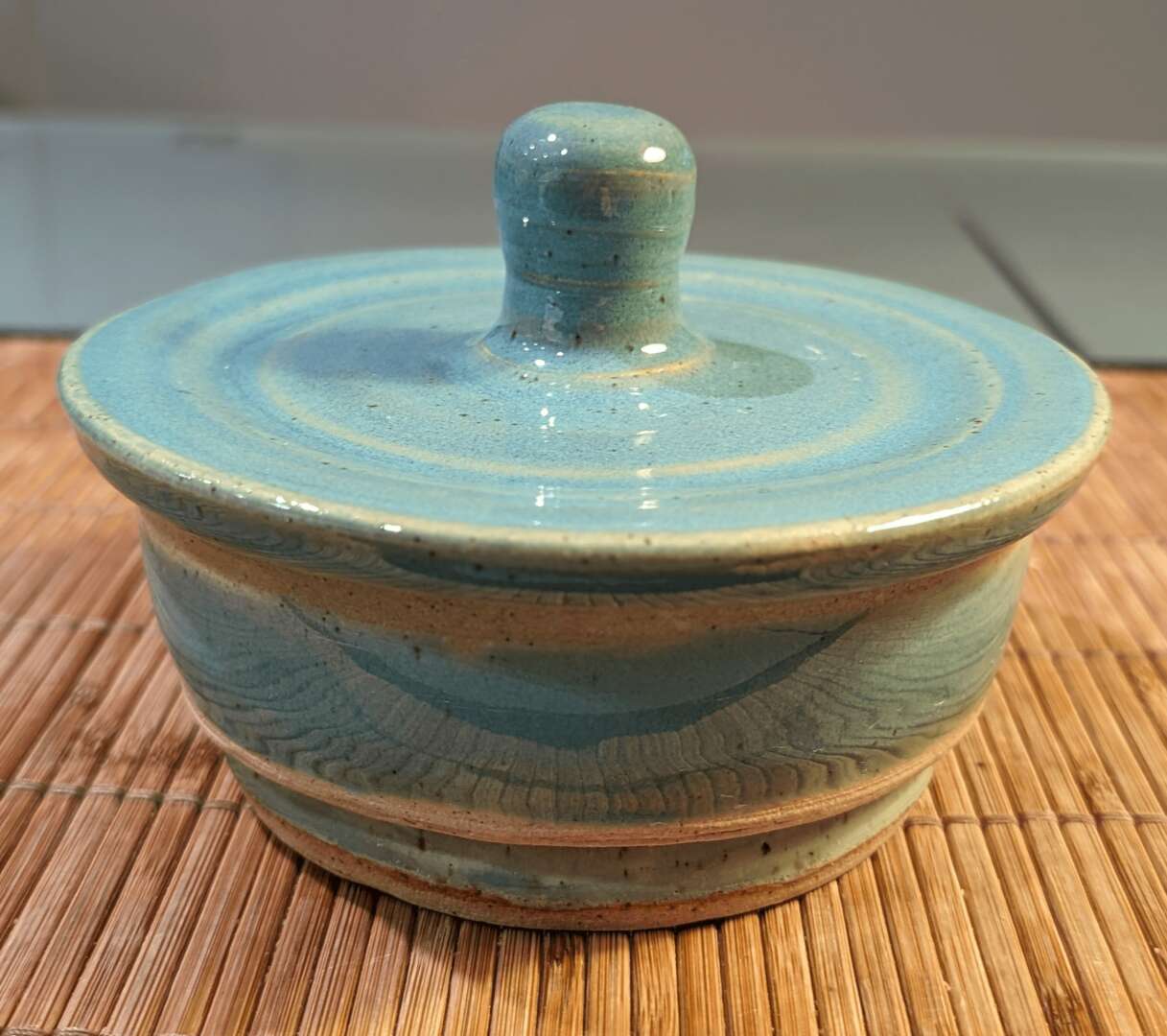
My aim was mainly to make useful ceramic housewares with a focus on simplicity and functionality. I choose glazes that are refreshing & jolly to look at, and will not “interfere” with the elements that are placed in them. For example, a berry-bowl was glazed with matt-white color – so be it cherries, raspberries, or strawberries – the berries remain as the main character in terms of the color-inviting element. A sushi tray, on the other hand, was glazed with turquoise, for the rice rolls can be imagined as sitting on a bed of grass field.
As mentioned earlier, working with clay makes me feel “centered” & “grounded”. There’s a sense of calmness that comes with the whole process. I’m so grateful for that.
Going forward, keep practicing. The best is yet to come.
We’d love to hear a story of resilience from your journey.
Some background: A former colleague of mine passed away all of a sudden. (She had left the company about a decade ago & we remained good friends & would meet for dinner from time to time. It was an unexpected shock to her family and friends as she was always in good health. The couple was about to depart to their European trip that day, when she just all of a sudden passed away from heart failure). Her family invited me to the funeral. I took a day off from work. There were ten speakers at the funeral service so it was a rather long service.
I was debating if I’d go to the studio to practice some clay throwing or just take a rest for the rest of the day. The decision was ” to be brave, to be strong” – go to the studio!
Upon arrival at the pottery studio, somehow I just couldn’t pull the clay up (after the clay centering is done), either into a cylinder (the most basic form of clay throwing), or into a bowl. Tried about half a dozen times, nope, couldn’t do it. For the subsequent days, and weeks (!), not only there was no improvement, it seemed that I was going backwards. Needless to say, it was very frustrating. The most discouraging part was that I didn’t know how long this funk would last.
Don’t give up – I kept telling myself. All the earlier “failures” flashed through my minds – whether it’s the learning to play the piano, or the swimming, or the painting etc. – so many promising beginnings but so little stamina for continuing. Followed by self-defeat and disappointment, let along the scoldings from parents.
Not this time.
But the misfortune continued. At one point, I inquired about paying one-on-one sessions with a studio teacher, but we were unable to match up the time frame when both were available (when she was not teaching classes and when I was not working).
As I recall, it (i.e., unable to throw basic clay forms) lasted about three and a half weeks! During that time, I persuaded myself to sign up for drop-in sessions and mentally prepared self to accept, to observe, to march on … . There were a few times, I literally spoke to myself: “don’t give up!” in the studio (of course, not loud enough for others to hear).
I did not give up. I’m still making potteries, & learning, & practicing … .
How can we best help foster a strong, supportive environment for artists and creatives?
Well, I found it rather challenging to sign up for a pottery class at the community center near where I live. Because there’re so many residents who are interested in pottery making and each class usually can only accommodate five to ten people. This Spring I was on three waiting-lists (for different days) but was not able to get into any one of them. So I ventured into a farther away studio in another city (which means longer commute time). Perhaps the cities can look into expanding the pottery studios or build a few more, (given all the taxes we’ve paid).
It appears that during and after the Covid pandemic, more and more people are into hand-building crafts, such as bread making and knitting (which can be done at home, but not really for pottery-making, especially if one lives in an apartment) – I’m thinking/guessing it could be the “calming effect” that hand-building process brings to them. Happier residents makes happier and safer community – city – country.
Overall, besides food & shelter as basic needs, humans can benefit so much from arts of various forms and shapes. And artists are an integral part of the society. They make our society culturally rich and spiritually vibrant.
Artists enrich our lives as well as challenge our perspectives. Besides creating more accessible spaces for them, there’re other areas to be explored further:
– education & outreach: advocate (& encourage) arts education in schools and communities. Art workshops, classes, as well as mentorship programs foster creativity.
– financial support: purchase art directly from artists or support local galleries.
– recognition & appreciation: attend exhibitions, performances.
Thank you for reading my story. Cheers.
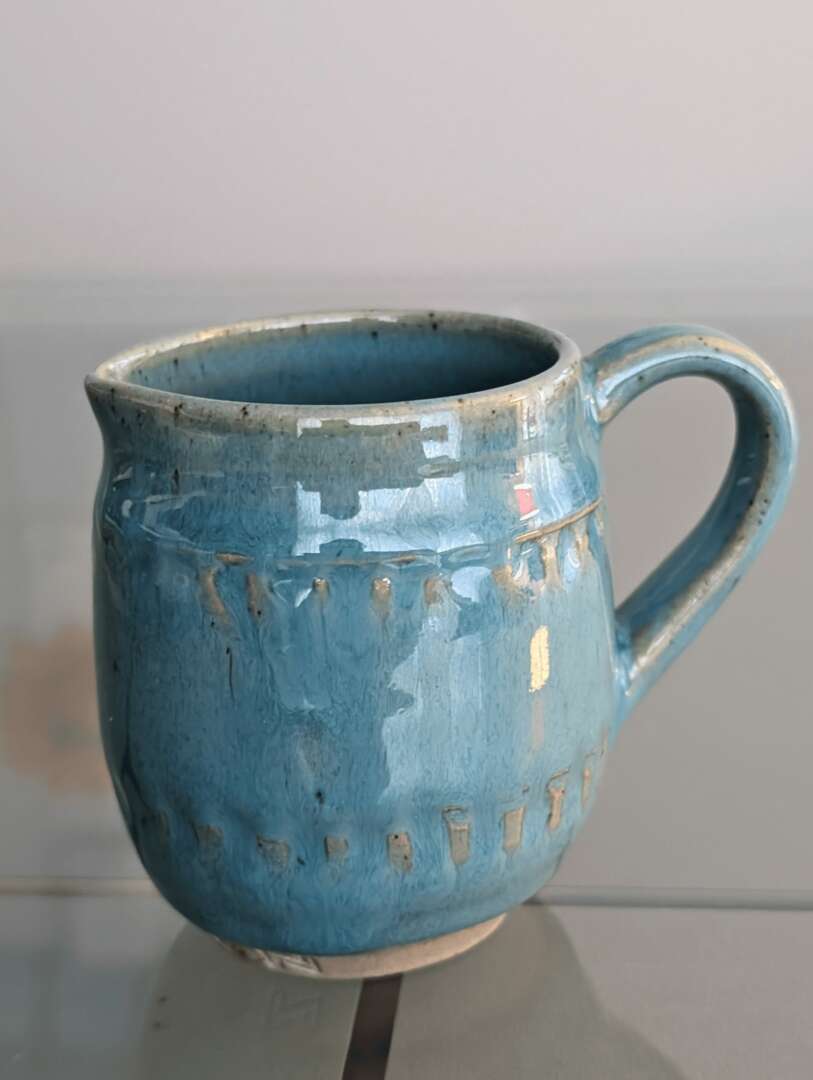
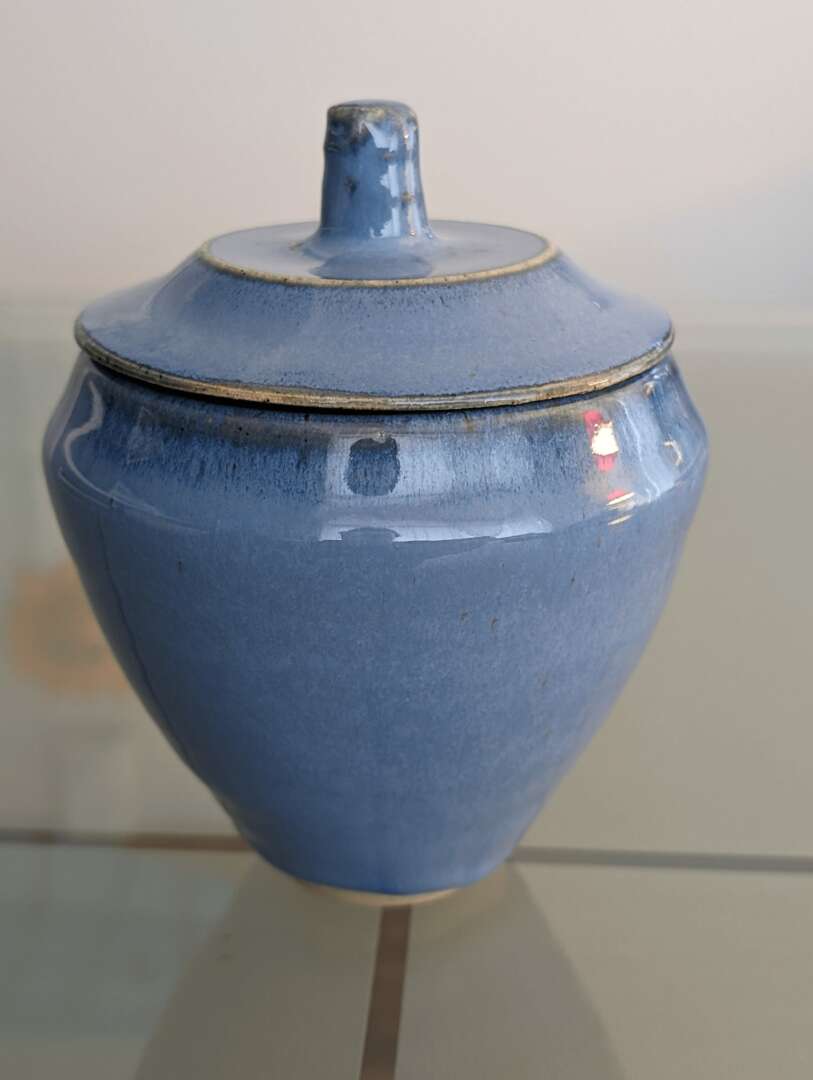
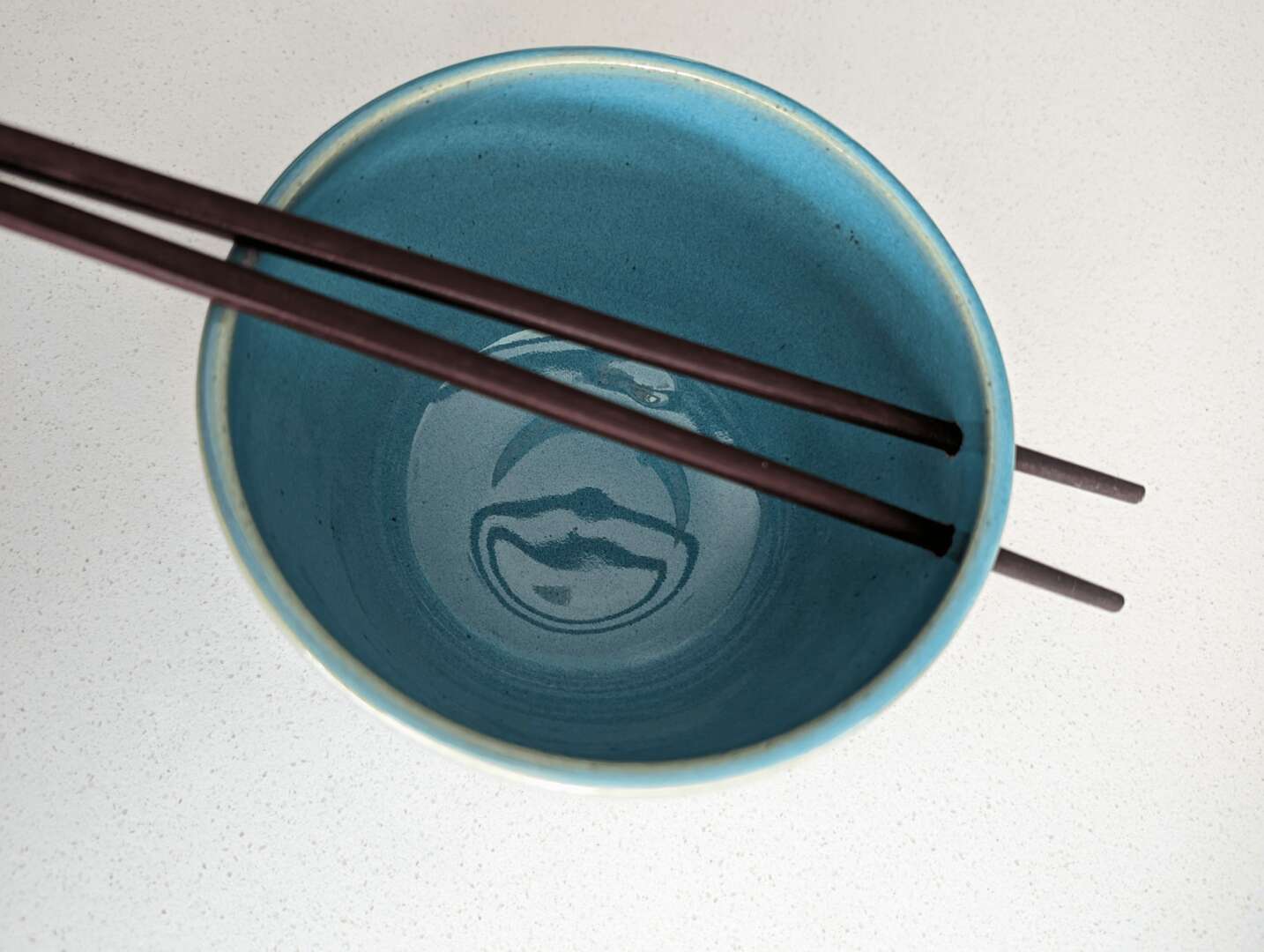
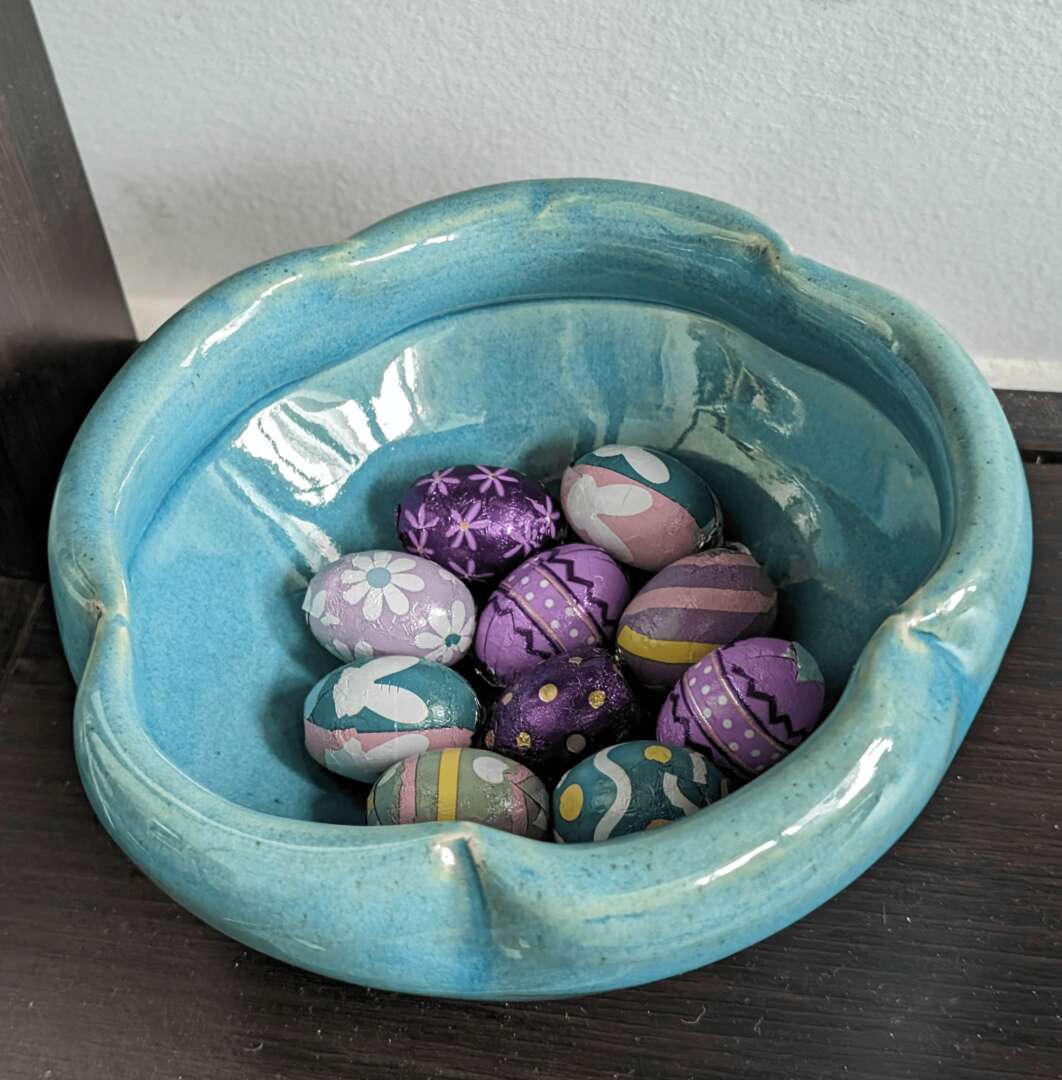
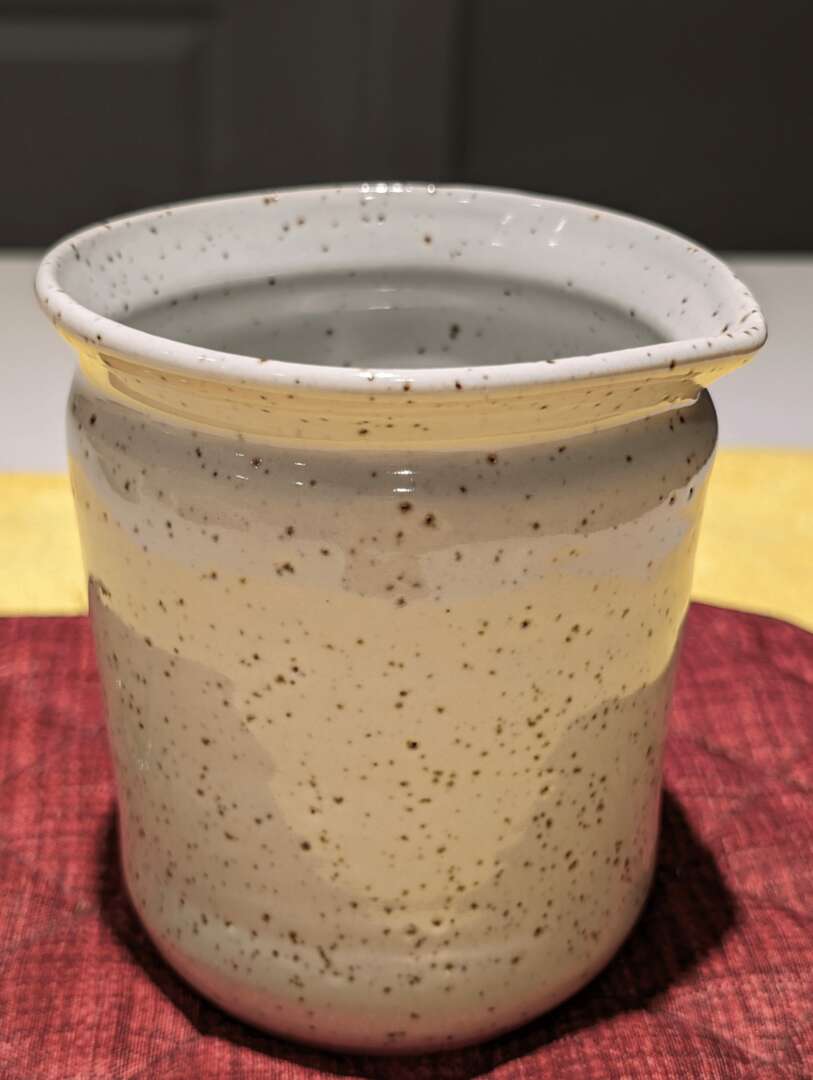
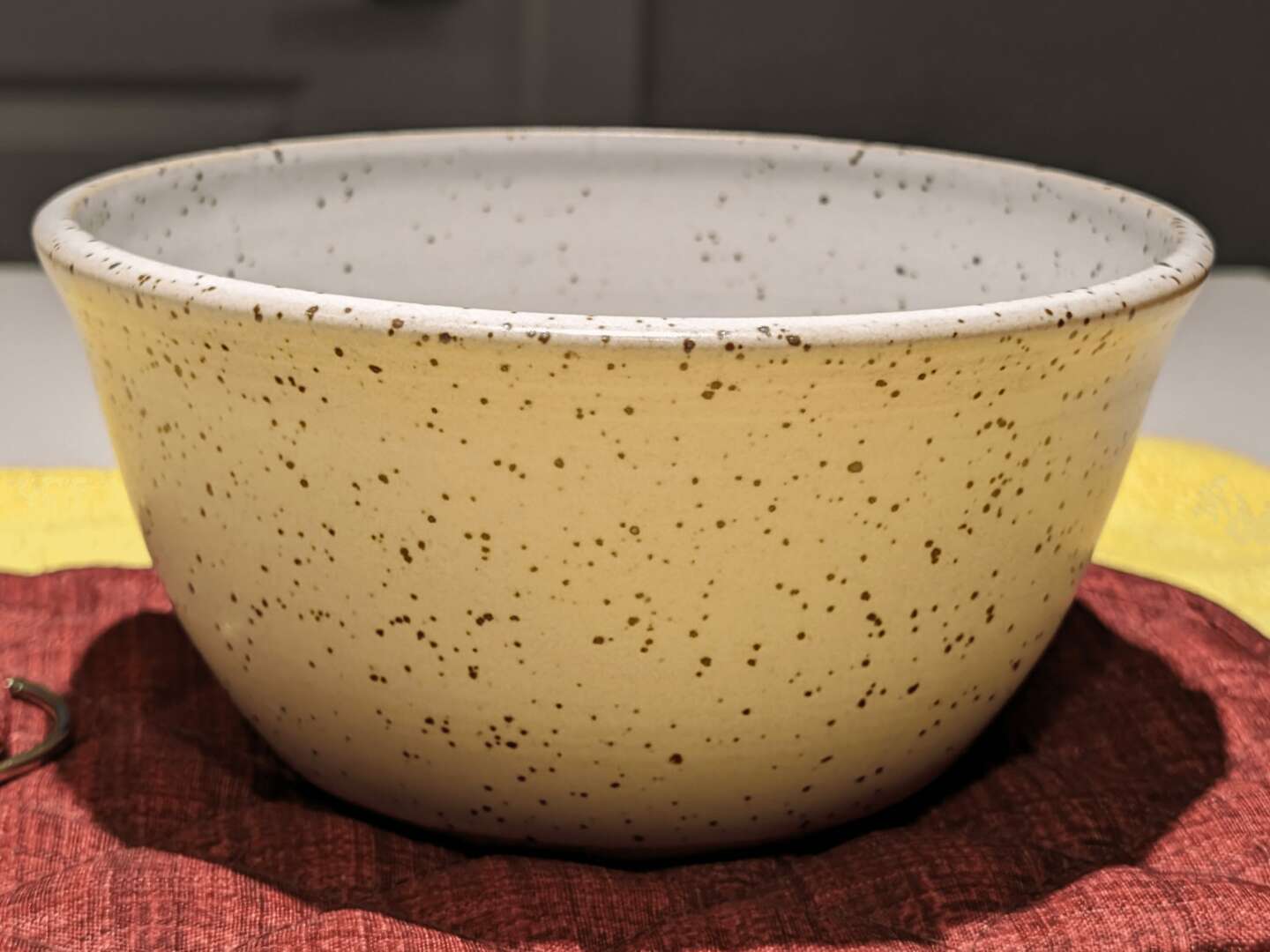
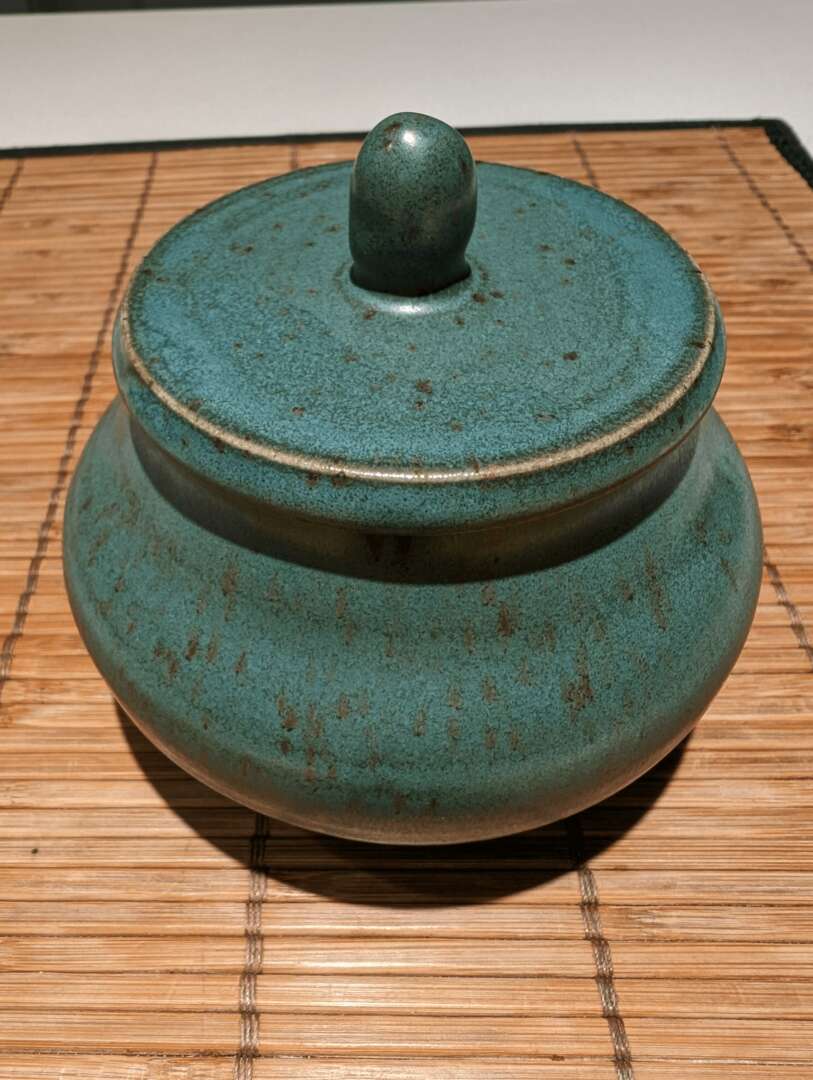
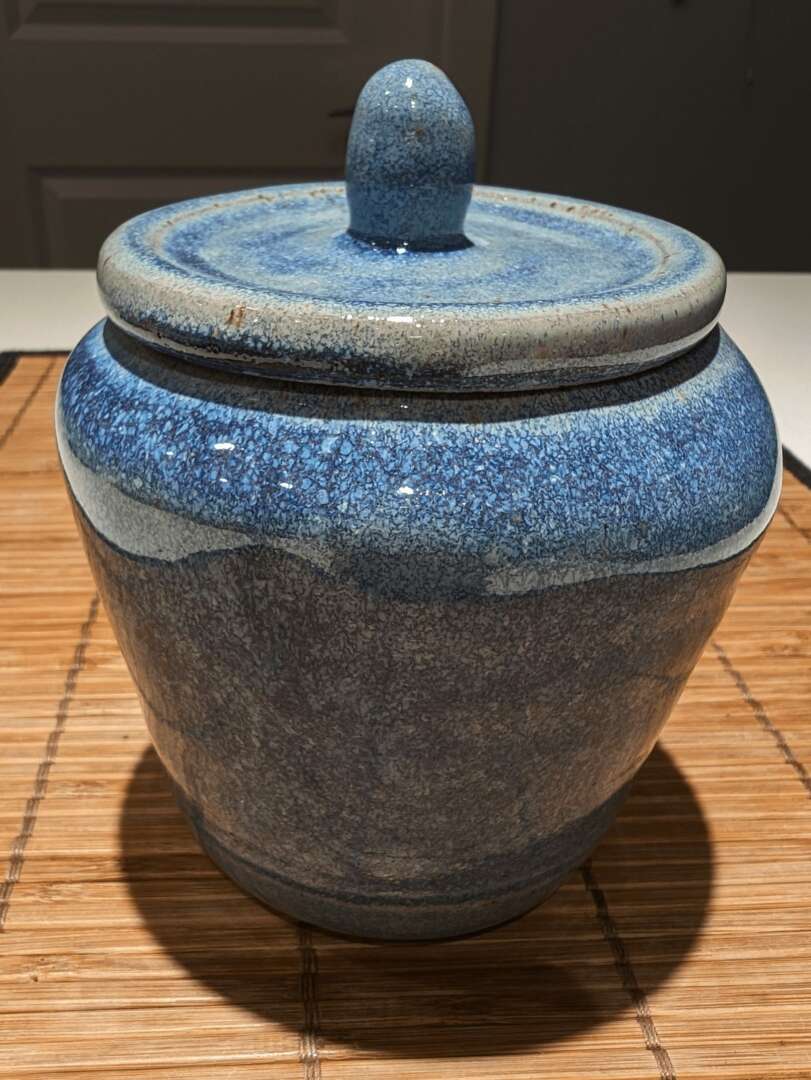
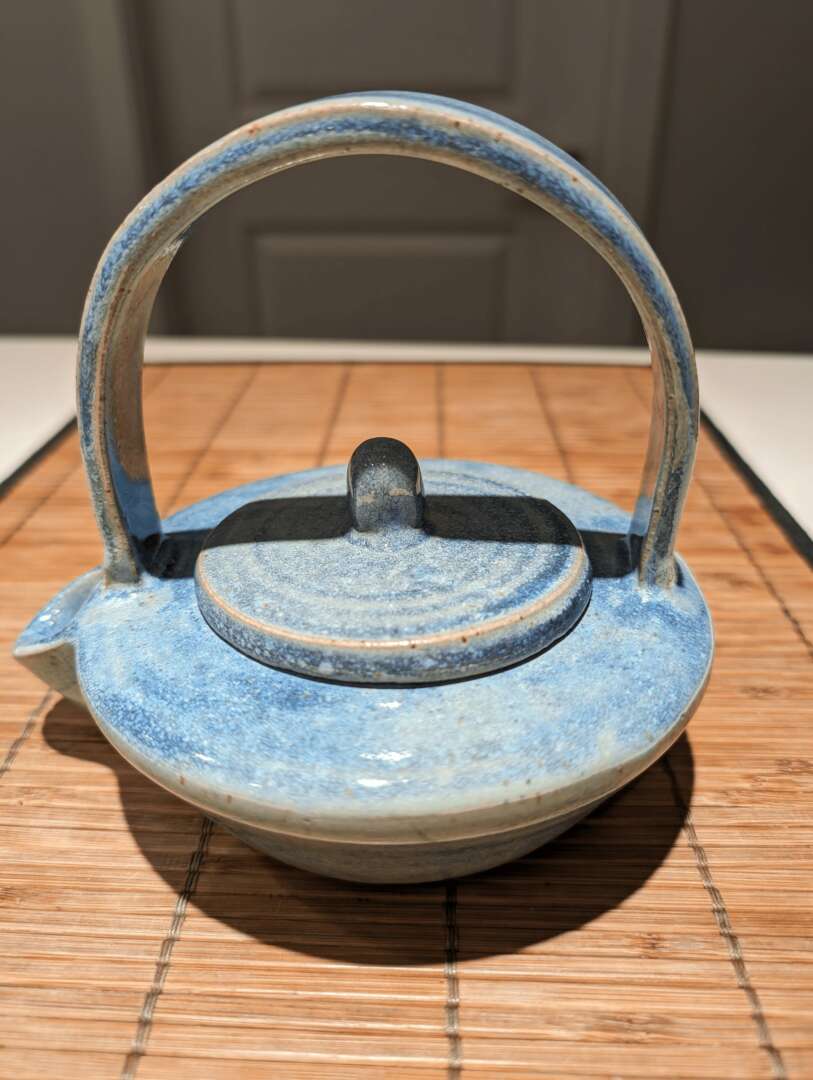
Image Credits
(All taken by self)